|
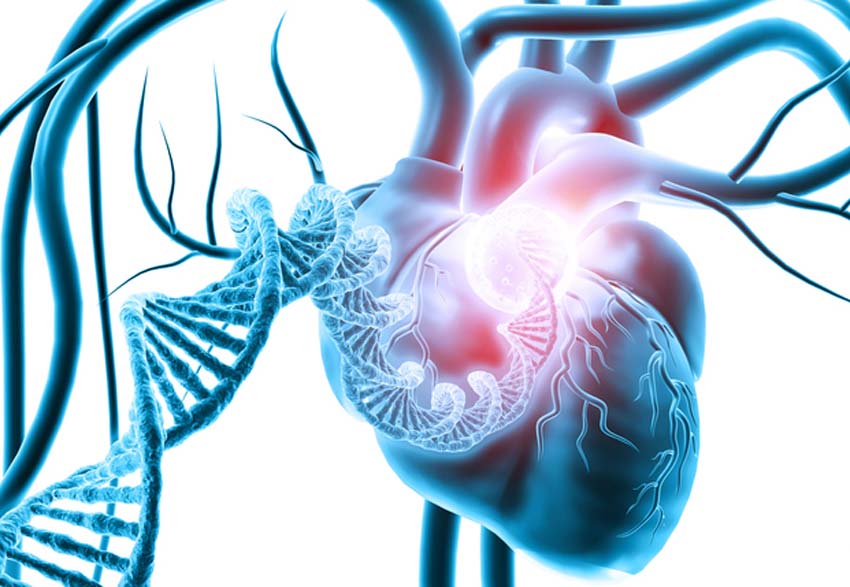
Some of the most dangerous heart conditions don't announce themselves until it's too late. Northside Hospital is changing that with the launch of its new Cardiovascular Genetics Program, giving patients and families a clearer picture of their inherited risk and the chance to act before symptoms appear.
Housed within the Northside Hospital Heart Institute, the program offers comprehensive genetic counseling, risk assessment and genetic testing for patients with a personal or family history suggesting an inherited cardiac condition. The focus is early detection, which helps identify genetic risk factors before they progress into something more serious.
Heart disease remains the leading cause of death for both men and women in the United States. Many conditions such as abnormal heart rhythms, aneurysms, cardiomyopathies and high cholesterol, can run in families. Genetic evaluation gives patients information that can shape care decisions, not just for themselves, but for relatives who share their risk.
"This is a step forward in cardiovascular precision medicine; information that can be lifesaving," said Bonnie Poteet, a cardiovascular genetics counselor at Northside Hospital Heart Institute.
Poteet notes that catching a genetic predisposition early, before it progresses to advanced heart failure or a dangerous arrhythmia, can completely change a patient's outlook. Lifestyle changes can also become part of the treatment plan, working alongside medication and ongoing monitoring.
At an initial appointment, genetic counselors will review a patient's medical history, build a three-generation family history, assess inherited risk factors and walk through testing options, including what results could mean for both the patient and their relatives.
The program evaluates patients with conditions such as hypertrophic and dilated cardiomyopathy, inherited arrhythmias, thoracic aortic aneurysms, cardiac amyloidosis, familial hypercholesterolemia, congenital heart defects, and connective tissue disorders like Marfan and Loeys-Dietz syndromes.
After testing, counselors work closely with each patient's care team to interpret results and recommend next steps, whether additional imaging, preventive therapy or screening for at-risk family members.
For Northside, this program is more than a new service line. It's a commitment to bringing personalized, precision cardiovascular care closer to home for the patients who need it most.
|