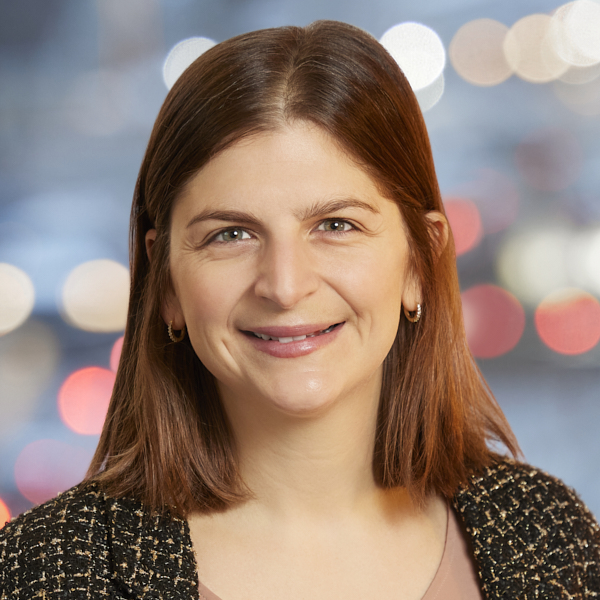
Diabetes Network Member Spotlight
Katelyn O'Brien, PharmD, BCPS, CDCES, BC-ADM
Clinical Pharmacy Specialist
Boston Medical Center
Can you describe your work?
I work as a clinical pharmacy specialist and diabetes care and education specialist at Boston Medical Center (BMC) in the Adult Endocrinology, Diabetes, and Nutrition Clinic. BMC is the largest health safety net hospital in New England, serving a diverse patient population, and I am in BMC’s Health Equity Accelerator, working to improve equitable diabetes care. Using my background as a pharmacist, I can help identify medication options that may be optimal for patients while using my skills as a Certified Diabetes Care and Education Specialist (CDCES) to work with patients on disease state education, minimizing complications, lifestyle counseling, and glucose monitoring.
How did you get into work related to diabetes?
Growing up, my grandfather was living with Type 2 Diabetes on multiple daily injection therapy, and I saw the struggle he had with injection burden, timing of insulin, and hypoglycemia. My grandmother was his support system, with no formal education beyond grammar school. While in pharmacy school I always had an interest in diabetes care. I did a pharmacy residency at the VA Boston Health Care System and enjoyed my time in the primary care clinics — providing diabetes education and management. From my preceptors and mentors working in diabetes care, I saw the immediate impact an educator could have on a person with diabetes and their family to offer support and education. I decided to take the CDE exam (now CDCES) and have been integrated into diabetes care since!
What motivates you to do work related to diabetes?
I enjoy working with patients directly every day, helping them to meet their goals and to learn about diabetes self-management skills, and improving quality care delivery at the health system level in my work with the equity accelerator.
What guidance or “lessons learned” would you give other health professionals working in the diabetes space?
Listen to your patients and get to know them as people first. Understanding their goals, desires, family support, community, environment, and barriers to care is so helpful in making a difference. Meeting the patients where they are at is crucial to building meaningful and trustful relationships that will help move the needle in an individual’s diabetes care.
Want to nominate a diabetes professional, organization, or project for this spotlight series? Please email Julie.Eisen@mass.gov.
|