Week of November 15th / 24th Jumada al-Awwal | | |
أَفَمَن كَانَ عَلَىٰ بَيِّنَةٍۢ مِّن رَّبِّهِۦ وَيَتْلُوهُ شَاهِدٌۭ مِّنْهُ وَمِن قَبْلِهِۦ كِتَـٰبُ مُوسَىٰٓ إِمَامًۭا وَرَحْمَةً ۚ أُو۟لَـٰٓئِكَ يُؤْمِنُونَ بِهِۦ ۚ وَمَن يَكْفُرْ بِهِۦ مِنَ ٱلْأَحْزَابِ فَٱلنَّارُ مَوْعِدُهُۥ ۚ فَلَا تَكُ فِى مِرْيَةٍۢ مِّنْهُ ۚ إِنَّهُ ٱلْحَقُّ مِن رَّبِّكَ وَلَـٰكِنَّ أَكْثَرَ ٱلنَّاسِ لَا يُؤْمِنُونَ
۞
˹Can these people be compared to˺ those ˹believers˺ who stand on clear proof from their Lord, backed by ˹the Quran as˺ a witness from Him, and preceded by the Book of Moses ˹which was revealed˺ as a guide and mercy? It is those ˹believers˺ who have faith in it.
But whoever from the ˹disbelieving˺ groups rejects it, the Fire will be their destiny. So do not doubt it. It is certainly the truth from your Lord, but most people do not believe.
Surah Hud 11:17
|
| 🔀 Timeless Teachings from the SufiLive Archives | | |
The Path of Tazkiyya: How the Murshid Purifies the Soul
Mawlana Shaykh Hisham Kabbani ق
April 10, 2008
Oakland, CA
This sohbat is the fourth of a nine-part series on the Four Levels of Irshād (Spiritual Guidance).
Key points:
-
Murshid at-Tazkiyya raises his followers to his level: He awakens longing for higher spiritual stations through stories and realities, then fulfills that yearning—especially at death, when he performs talqeen, placing the shahāda on the tongue of his student.
-
Extracts the four enemies: He helps his followers overcome nafs (ego), dunyā (worldly attachment), hawā (desire), and shayṭān (evil whispers). His goal is to make them masters of these forces, not servants to them.
-
Teaches perfect zuhd: He replaces greed with detachment and contentment—zuhd (ascetism) without laziness—cleansing hearts from whispers, illusions, and gossip.
-
Anchored in Sharī‘ah: He guides strictly within the limits of the Divine Law. If someone close to him deviates, he makes it clear that such behavior is not part of his path, protecting his students from confusion.
| | |
Grandshaykh said:
“You perform your prayers, you fast in Ramadan, you believe in the Prophet ﷺ, you try to purify yourself and reach maqām al-Ihsān (moral excellence), and you follow Allah’s saints and their guidance. What could be better than that?
When one of my students dies, I am obliged by the Prophet ﷺ to appear to that student at the moment of death and to make talqeen him; to place upon his tongue the testimony of faith, lā ilāha ill-Allāh Muḥammadun Rasūlullāh. Sayyidina Azraeel, the Angel of Death, will not take that soul until my presence has reached it.
So Allah will not allow such a person to leave this world without saying the shahāda in the presence of the Prophet ﷺ. The Prophet is the witness for his Ummah on the Day of Judgment, and he will not let anyone of his community depart without witnessing his shahāda.
وَاعْلَمُوا أَنَّ فِيكُمْ رَسُولَ اللَّهِ
Wa‘lamū anna fīkum Rasūlullāh —
“Know that the Messenger of Allah is among you.”
(Surah Al-Ḥujurāt 49:7)
The Prophet ﷺ is within you and witnessing over you.
This also explains how the murshid must raise his students to his own level. Through his speech and stories of divine realities, he awakens desire in their hearts. Their desire is ignited and they long for what he describes. Once that yearning has begun, he must then lift them to that station.
The murshid has the power that, in a single gaze, he can elevate his student. The shaykh looks upon each of his followers at least three times in every twenty-four hours. Wherever you are, once you have taken bay‘a (spiritual allegiance) with your shaykh — for the Naqshnadi order, it is Mawlana Shaykh Nazim— he is responsible before the Prophet ﷺ to look at you and to see what you are doing.
And when he looks, he doesn’t simply give comfort or ease. He gives tests — something that will show whether you are patient or impatient. His gaze is not to indulge you with candies but to refine your character at the deepest levels.”
| | |
🎧 Listen To The Recording of the Sohbat
No summary or transcript (or AI) can capture the living rhythm of Mawlana’s words. Take a quiet moment, and listen to the sohbat yourself. Every word carries a secret meant only for you.
| | |
SufiLive2025:
Sohbat with Shaykh Nour live from Jersey City
| | | | |
Jummah’s Light, November 14, 2025
Even though Rasulullah ﷺ was the most perfect of all creation, he trembled at this command because he knew the Greatness of Allah, and how delicate the balance of sincerity and obedience truly is.
Watch Jummah Khutbah.
| | | |
| |
Fajr Sohbat, November 14, 2025:
Today is Yawm al-Jumu‘ah — the day Allah ﷻ gifted to this Ummah to be free from dunya and to be with their Mawla.
Awliya’Allah would go to the masjid from Fajr until Maghrib, receiving inspirations (ilhamāt) and divine knowledge.
Watch the sohbat here.
|
| | |
Jummah Sparknotes ✨
Mini-reminders from Shaykh Nour to keep your spirit steady all week.
| | |
📜 1. The Verse That Turned the Prophet’s ﷺ Hair White
Rasulullah ﷺ said: “Surah Hud made my hair white.” Why? Because of one word: فَاسْتَقِمْ — Fass-taqim (Be steadfast, upright). To be straight means not to bend and slither like a snake, going left and right to get your own way.
:
۞فَٱسْتَقِمْ كَمَآ أُمِرْتَ وَمَن تَابَ مَعَكَ وَلَا تَطْغَوْا۟ ۚ إِنَّهُۥ بِمَا تَعْمَلُونَ بَصِيرٌۭ
“So remain steadfast as you have been commanded—you and those who turn to Allah with you—and do not transgress. Surely He sees all that you do (Al-Basir).”
(Surah Hud 11:112)
🌍 2. Why Did Allah Create the World?
Allah ﷻ is Al-Ghaniyy (The Self-Sufficient). He needs nothing from creation. This world was made only as a test to see how we use what we are given.
وَهُوَ ٱلَّذِى خَلَقَ ٱلسَّمَـٰوَٰتِ وَٱلْأَرْضَ فِى سِتَّةِ أَيَّامٍۢ وَكَانَ عَرْشُهُۥ عَلَى ٱلْمَآءِ لِيَبْلُوَكُمْ أَيُّكُمْ أَحْسَنُ عَمَلًۭا ۗ
“He is the One Who created the heavens and the earth in six Days1—and His Throne was upon the waters—in order to test which of you is best in deeds.”
(Surah Hud 11:7)
💎 3. Using What Allah Has Given You
Reflection is called tafakkur, contemplation. So, ask yourself:
“Am I using what Allah gave me --my talents, blessings, and opportunities, in the best way possible?”
Through tafakkur, one begins to perceive the Divine Names (Asma’ al-Husna) reflected in one’s life —Ar-Razzaq (The Provider), Al-Karim (The Generous), Ar-Rahman (The Most Merciful), Al-Ghafoor (The Forgiving).
When you truly reflect, you find that Allah’s Names flow through every experience, guiding you toward Him. To know your Creator through His Names is the real knowledge — the kind that remains with you in dunya and in akhirah.
🔥 4. The Warning About Hoarded Wealth
Whatever Allah ﷻ gives you, He is watching what you do with it. Do not frown when asked to obey or to give in Allah's way. Use what you have to become qarīb (near) to Allah.
يَوْمَ يُحْمَىٰ عَلَيْهَا فِى نَارِ جَهَنَّمَ فَتُكْوَىٰ بِهَا جِبَاهُهُمْ وَجُنُوبُهُمْ وَظُهُورُهُمْ ۖ
۞ هَـٰذَا مَا كَنَزْتُمْ لِأَنفُسِكُمْ فَذُوقُوا۟ مَا كُنتُمْ تَكْنِزُونَ
“On the Day their treasures will be heated in the Fire of Hell, and their foreheads, sides, and backs will be branded with it.
‘This is what you hoarded for yourselves—so taste what you used to hoard!’"
(Surah At-Tawbah 9:35)
💖 5. Deeds of the Heart and Charity
Help your family, your community, your Ummah. Be generous with those around you — this is the mark of those in awe of their Lord.
فَٱتَّقُوا۟ ٱللَّهَ مَا ٱسْتَطَعْتُمْ وَٱسْمَعُوا۟ وَأَطِيعُوا۟ وَأَنفِقُوا۟ خَيْرًۭا لِّأَنفُسِكُمْ ۗ
۞ وَمَن يُوقَ شُحَّ نَفْسِهِۦ فَأُو۟لَـٰٓئِكَ هُمُ ٱلْمُفْلِحُونَ
“So be mindful of Allah as much as you can, listen, obey, and spend in charity—it is better for yourselves.
Whoever is saved from the greed of his own soul—it is they who are the successful.”
(Surah Al-Taghabun 64:16)
🌟 6. Rewards of Surah Yasin
Keep reading Surah Yasin daily and receive the lights that protect our souls from darkness (zulmah). Mawlana Shaykh Nazim (q) said:
“Each time you read Surah Yasin, Allah grants you eighty hasanāt (good deeds):
20 for this world,
20 at the time of death,
20 in the grave,
and 20 when resurrected before your Lord.”
| |
|
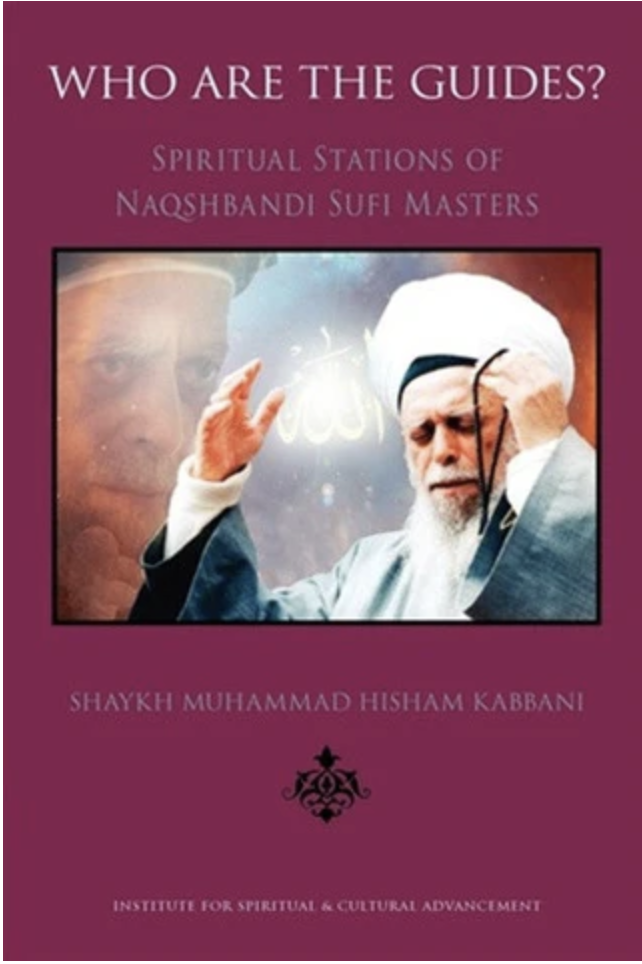
This book offers a rare map to the hidden spiritual hierarchy — an “organizational chart” of sainthood — and is an essential addition to any library devoted to tasawwuf and the living tradition of spiritual Islam. | |
Who are the Guides?
For over 150 years, extremist movements have sought to erase the spiritual practices and sacred knowledge that have flowed through the heart of Islam for fifteen centuries. Who Are the Guides? stands as an antidote — a transmission of the ancient wisdom of the Naqshbandi Sufi Order, passed from master to disciple in an unbroken chain.
The second volume of Grandshaykh Abdullah’s Notes Series, this book unveils a discipline of the heart that restores balance to mind, body, and spirit; a remedy for an age dominated by screens and distraction.
Who Are the Guides? explores in depth the hierarchy and attributes of the four levels of murshid — tabarruk, tazkiyya, tasfiyya, and tarbiyya — along with the duties and powers of Sultan al-Awliya, the Ghawth, and the five Aqtab (Pole Saints). Together they form a living spiritual network, the unseen order through which divine guidance reaches the world.
| | | |
Children's Collage for Mawlana’s Urs
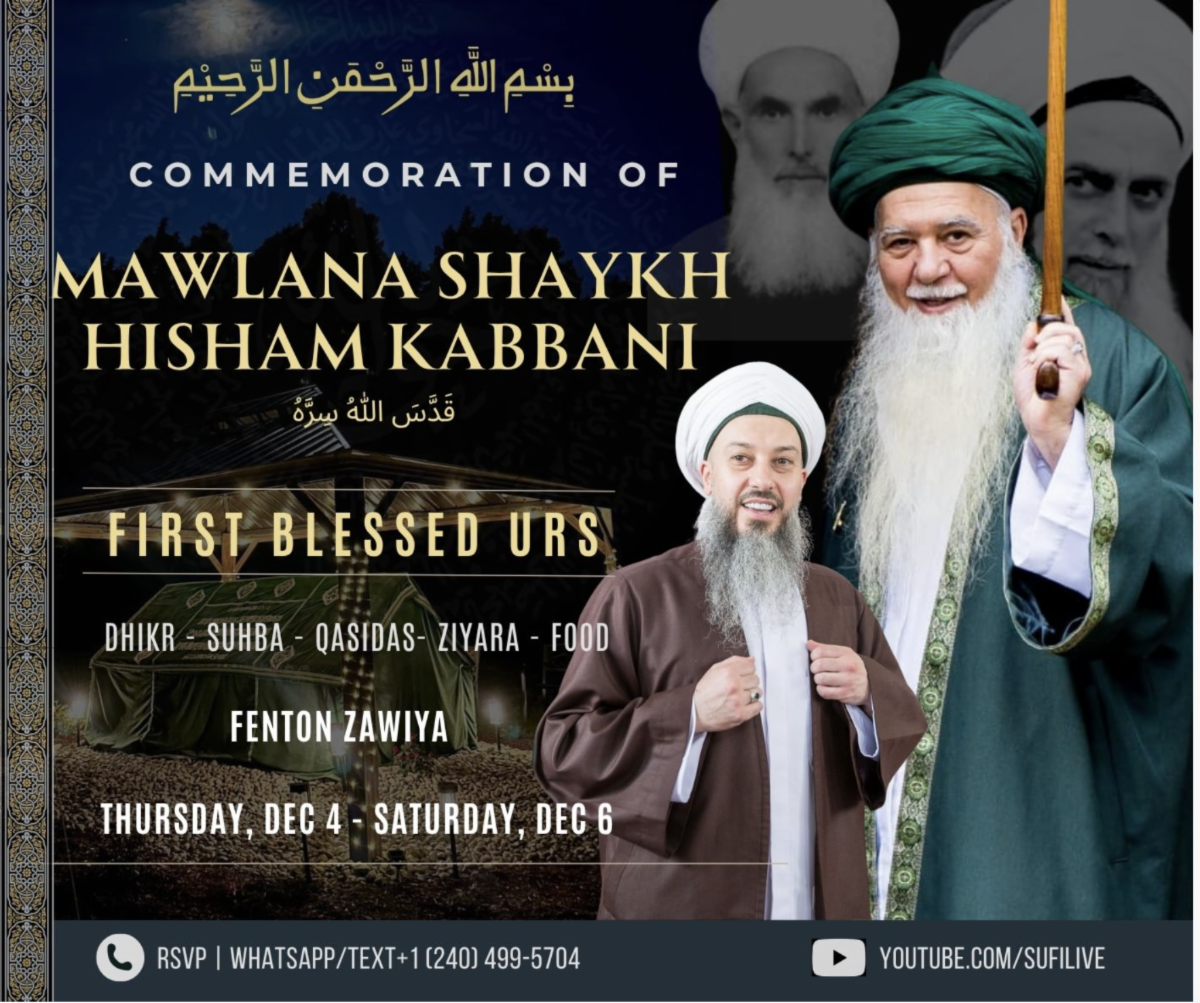
In honor of Mawlana’s Urs, we are gathering pictures of Mawlana with our Naqshbandi children, both current and grown, to display as a collage at his 'Urs on December 4th. If you or your child would like to participate, please send your pictures to Naqshikids@gmail.com by November 25th, 2025.
| |
| |
Extending Our Care to Those in Need
If Allah ﷻ has blessed you with extra in your rizq, please consider donating to one of the many social impact projects organized by people in our community — locally and globally.
Sufilive.com/Donate
| | | | |
Enjoying this newsletter? You can find links to all past issues at the link below — perfect for reviewing, sharing, or revisiting whenever you like.
| |
| How would you rate the content of this email? | | | | Sufilive/ISCA is a 501(c)(3) nonprofit religious organization. Your contribution is tax-deductible to the extent allowed by law. Update your contact information BELOW in order to receive year-end tax-deduction documentation for tax purposes. | | | | |