FVC Just Turned 12!
Our Birthday Celebration resumes with years 8-10...

Today: 2016, 2017, 2018 | Momentum builds for supporting veterans in agriculture. Read on!
OPT OUT:
If your inbox is feeling extra overloaded and you'd like to temporarily opt out of these 12 days of emails, contact natalie@farmvetco.org. We will remove you from our communications for now, and add you back onto our regularly scheduled newsletters after this Birthday Celebration concludes.
Throwback to FVC's History
Years Eight, Nine, Ten: 2016-2018
2016
~ Women Veterans Conference~
Agriculture and the military - while both making progress - remain two of our nation’s most male dominated industries. Women who have served in both share a unique strength and power.

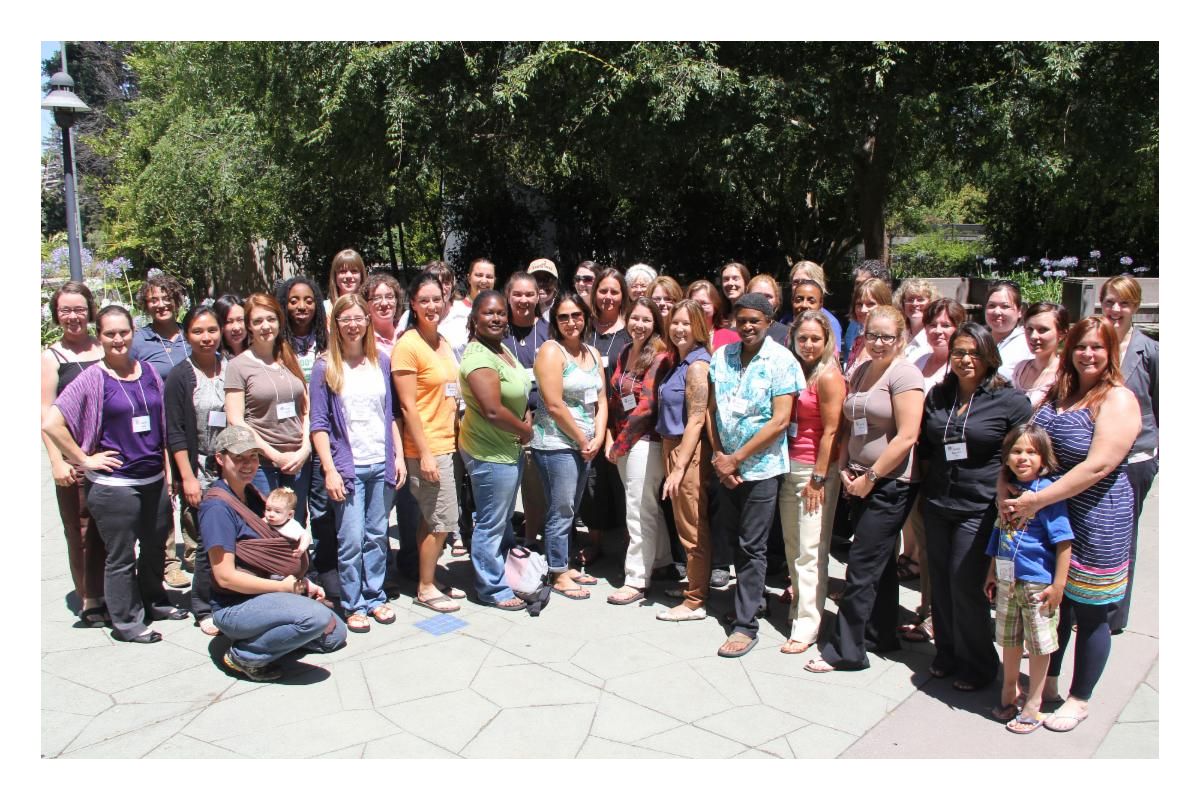
In February 2016, FVC held its third “Empowering Women Veterans: Business, Agriculture and Wellbeing Conference". Nearly 100 women gathered together in Tarrytown, New York at the Stone Barns Center for Food and Agriculture.
 
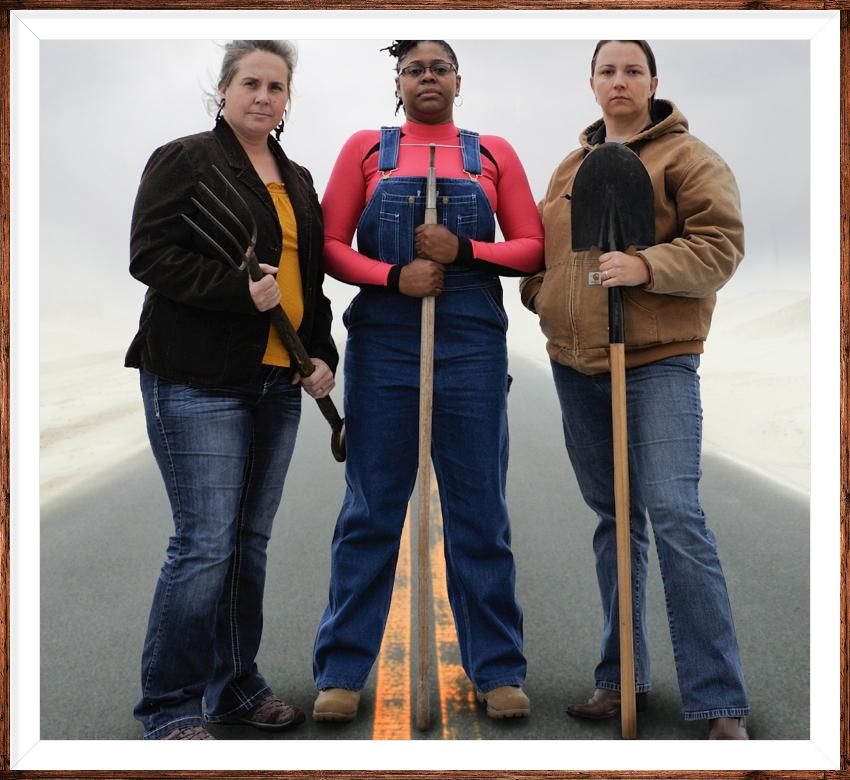
Film makers Christine Anthony and Owen Masterson highlighted the stories of farmer veterans Anna Mann, Althea Raiford, and the late Sonia Kendrick in “Terra Firma,” a story about women, war and healing on the farm.


Bringing these women together has led to lasting friendships and a positive effect on our own organization. 
 
Two years later FVC would adapt its Homegrown By Heroes logo to include a woman’s silhouette alongside a man’s. 

While we have not held a Women’s Conference the last several years, we have partnered with National Farmers Union to create gatherings for women farmer veterans at their annual conferences.
2017
~ Groundbreaking Study Published ~
‘Farming saved my life.' Those of us who worked at FVC heard this over and over. 

There was something life changing, life affirming, and healing in farming. Many of our members were eager to share this with us, with each other and with anyone else that would listen.

But how could we understand what that is? How could we measure it? How could we explain it? Most of all, how could we convince those in charge of the mental health of our military veterans that it was worth investing in the healing properties of farming and growing food?

To our great fortune, Karen Besterman-Dahan, PhD, attended FVC’s first stakeholders conference in Des Moines, Iowa. She heard the stories that FVC members told of their personal journeys from the military to agriculture. Karen was the right person for the job; she worked at the VA’s Center of Innovation on Disability and Rehabilitation Research, and had 20 years of research experience with a broad background in medical anthropology and specific training and expertise in qualitative research design.

In 2017 she published “Rooted in the Community: Assessing the Reintegration Effects of Agriculture on Rural Veterans". For the first time the science backed up what we all knew - that farming and growing food gave veterans a new sense of purpose, enhanced their well-being, and improved the lives of the veterans and their families. It was the first of several groundbreaking studies that Dr. Besterman-Dahan did on FVC members.

Because of Karen’s work, the VA’s Office of Rural Health now funds pilot projects across the country. These are designed to combine vocational agricultural training with behavioral care services through their VA FARMS (Farming and Recovery Mental Health Services) program. 

Farming is saving lives and there was finally data to show it.
2018
~ First 6 Groups Awarded the AgVets Grant ~
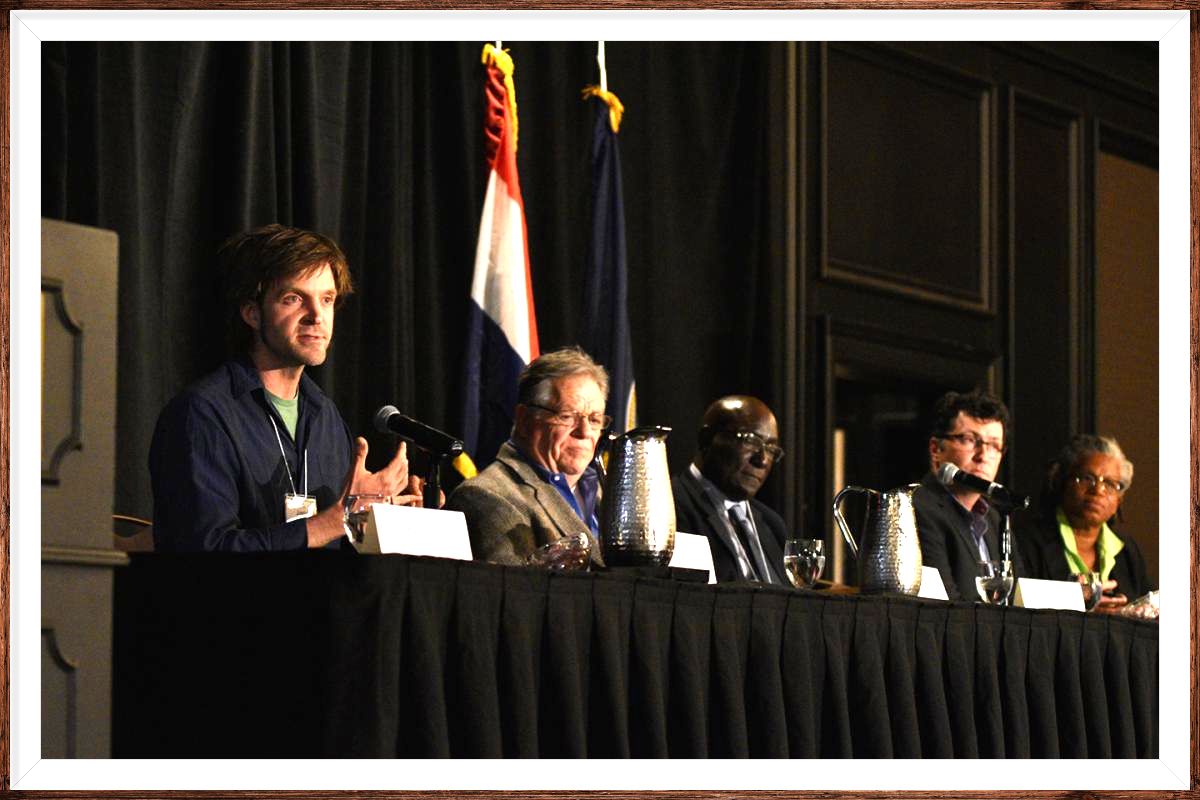
November 2018 in Kansas City, Kansas at the Farmer Veteran Stakeholders Conference, there was a strong new presence part of the gathering: the first six recipients of the USDA’s new Ag Vets grant were announced. The awardees addressed all those in attendance. 

The Enhancing Agricultural Opportunities for Military Veterans Program (AgVets) grant funds non-profits to increase the number of military veterans gaining knowledge and skills through comprehensive, hands-on and immersive model farm and ranch programs.

The grant is the first specifically targeting the efforts of helping military veterans to become farmers, ranchers, or employees of America’s food producers. It was the culmination of advocacy and support from two key people. 
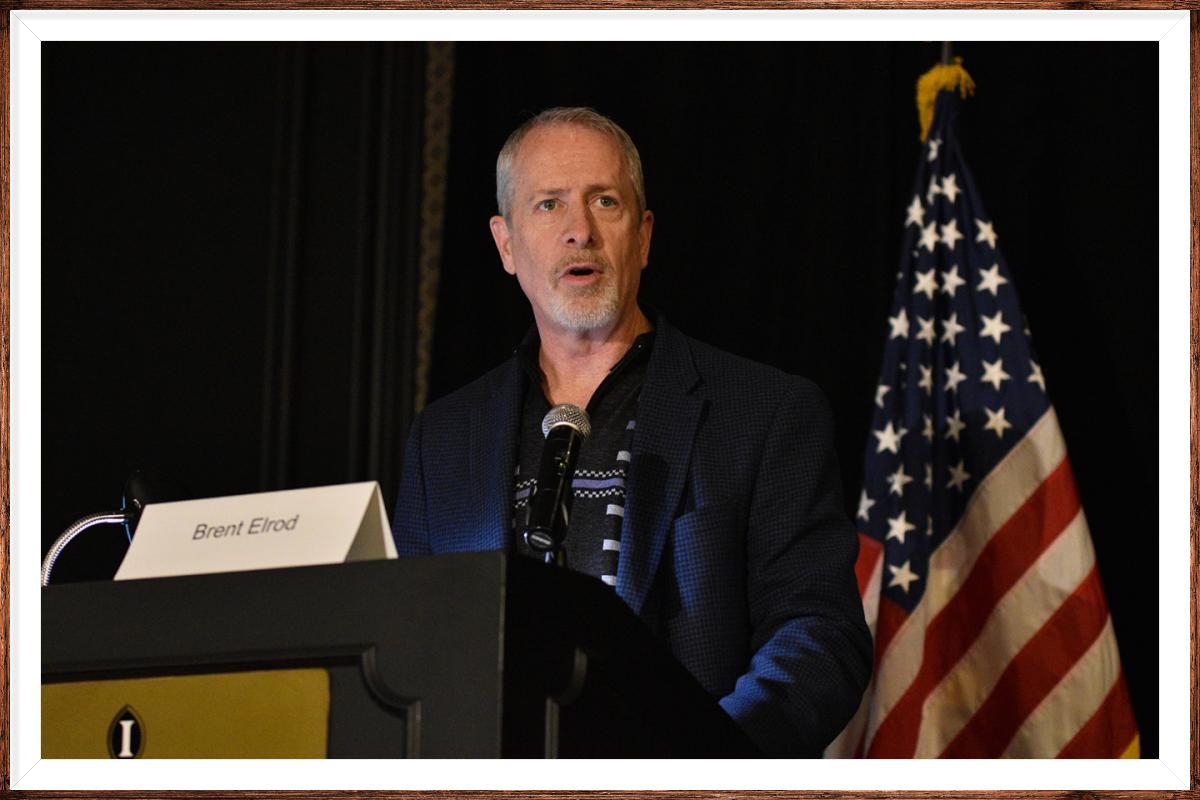
Brent Elrod, who works at NIFA (National Institute for Food and Agriculture) had become one of our most fervent advocates after hearing FVC Founder Michael O'Gorman speak in DC in 2009.
And Gary LaGrange, retired Army Colonel and Purple Heart recipient and avid beekeeper, grew his commitment to teaching other veterans about beekeeping after attending FVC’s first stakeholders conference in Des Moines in 2014.

Brent and Gary, with support from FVC, pushed for funding for AgVets for some years before Senator Moran from Kansas successfully got it into legislation. All the while Gary was building the SAVE Farm (Servicemember Agricultural Vocational Education) in Kansas as a model training program. Both SAVE and FVC received funding from the first round of AgVets grants.

The other 4 awarded in 2018:

AgVets is now the largest funding source for groups that are helping America’s veterans find their place in our farming community, and the award announcements continue to be revealed at our annual Farmer Veteran Stakeholders Conference. 

It is a testament to the adage that a few committed people with a good idea can have a significant impact on the lives of many.
10th Anniversary Gift: Aluminum
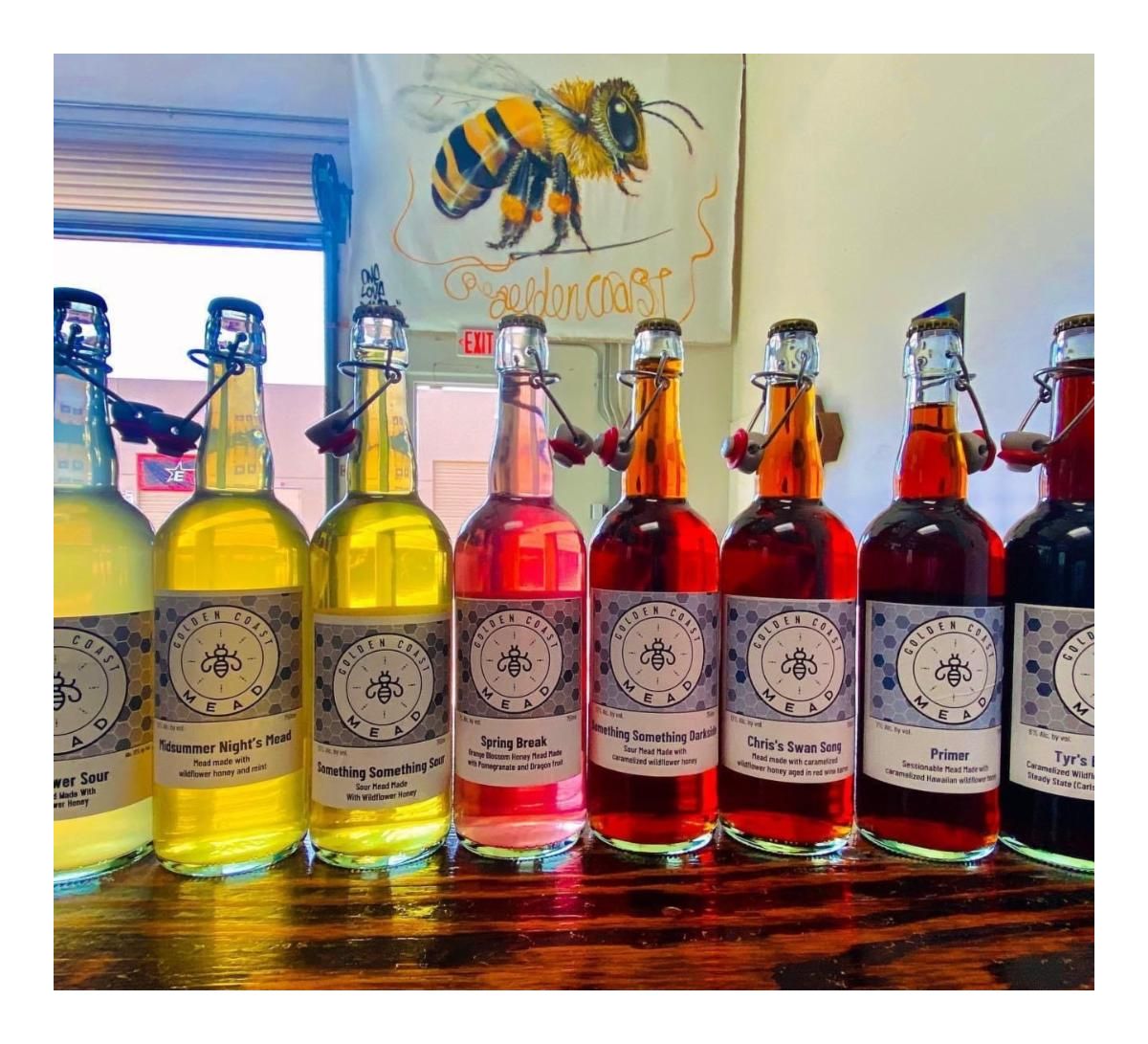
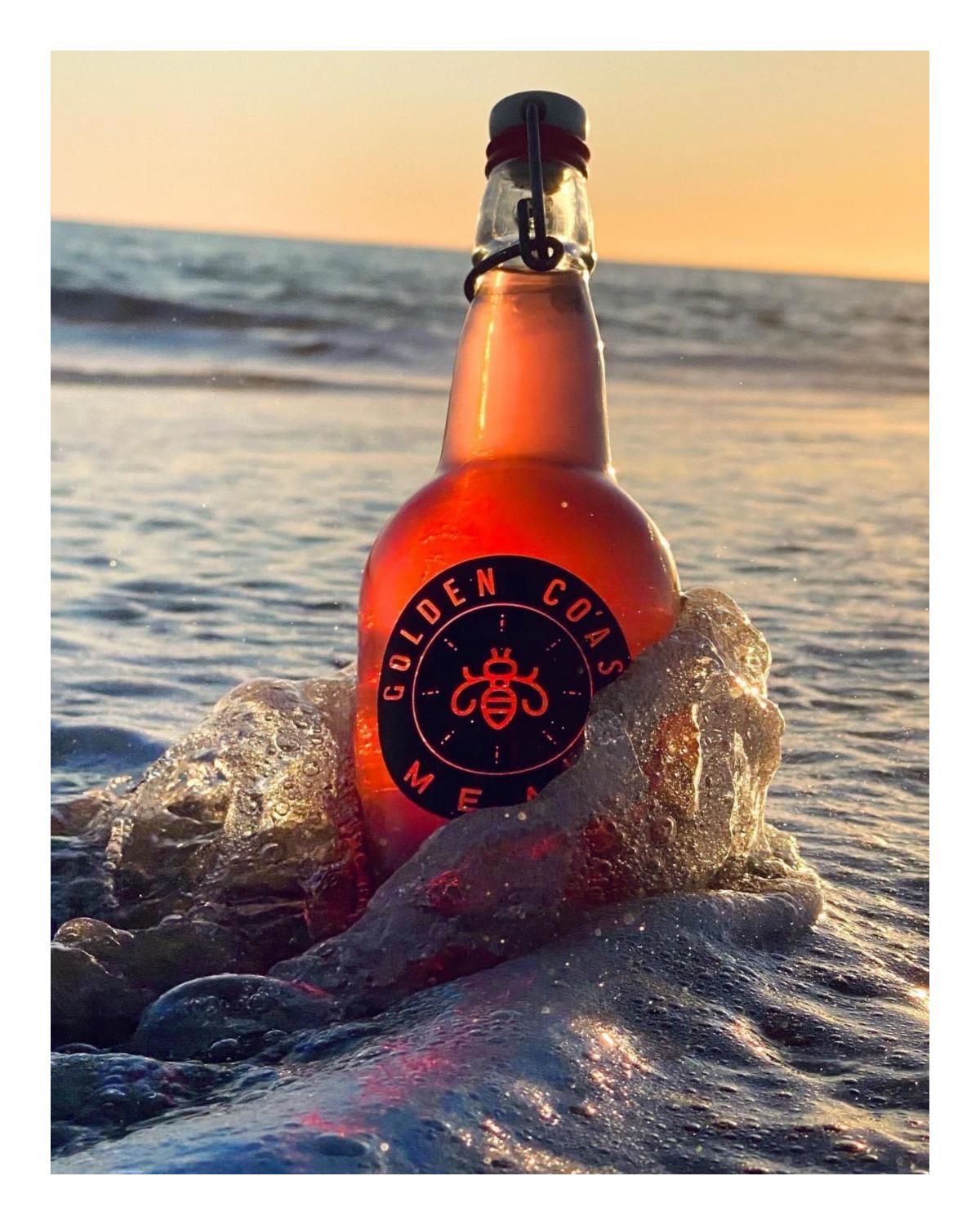
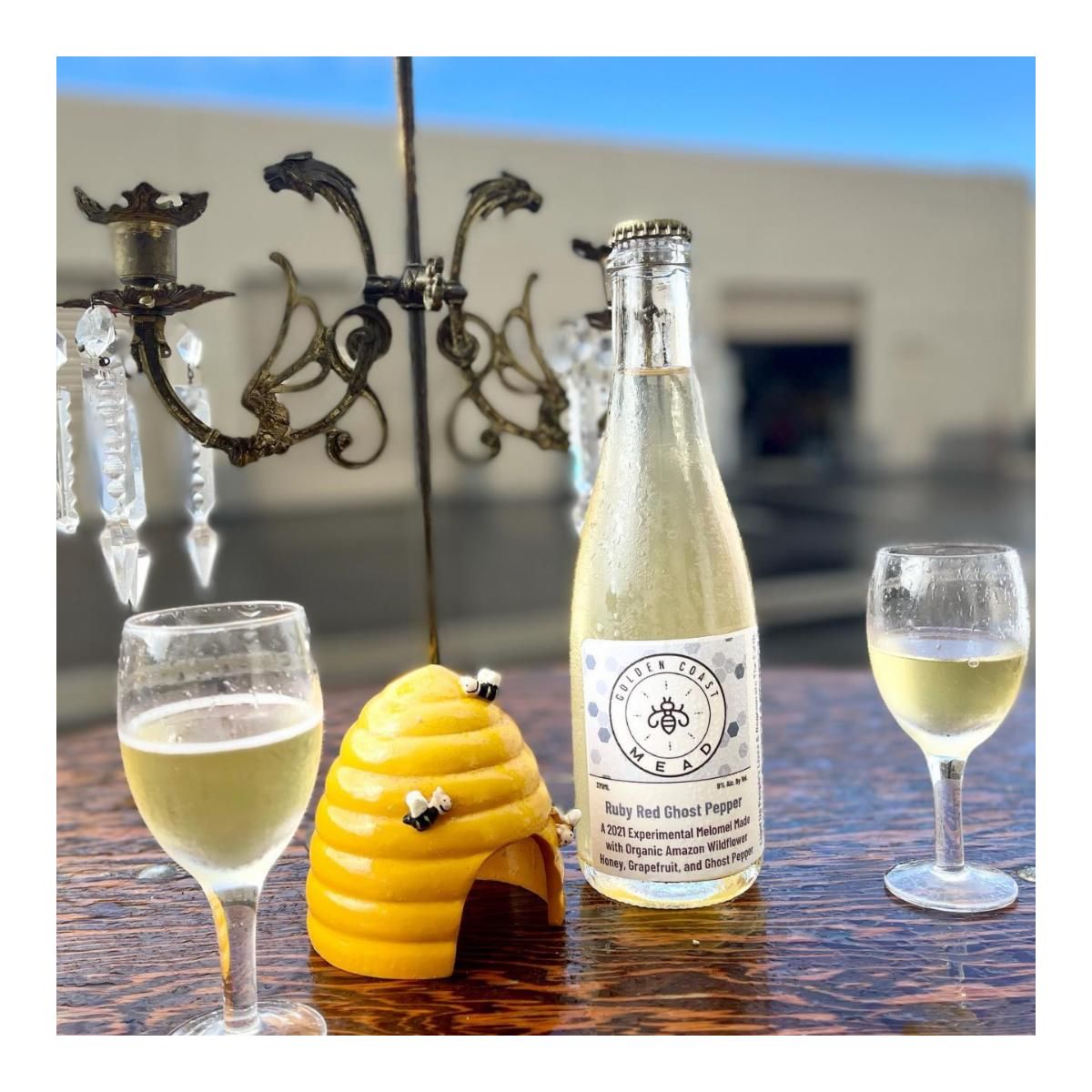
In honor of the traditional tenth anniversary gift of aluminum, we highlight member Frank Golbeck of Golden Coast Mead in San Diego, CA.

Frank was awarded a Fellowship Fund in the inaugural year of our grant program - 2011. His funds helped him start 23 beehives on the family property, allowing Frank to create estate mead.

Frank's story - according to his website - goes a little something like this:

Mead was the first alcohol. Our hunter gatherer ancestors discovered it fermenting in the hollows of bee hive laden trees. Rainwater and wild yeast mixed with the honey and wah-laa, hunting and gathering got a lot more fun.

While mead was a mainstay in cultures across the world, it is hard to find commercially. Beer and wine and spirits are cheaper and easier to produce. Mead on the other hand, is an art made reproducible by science. While no two batches of honey will ever be the same, we can make some of our meads relatively consistent.

Golden Coast Mead started October 24th, 2010. But our story starts before that.

Our founder, Frank Golbeck and his two co-founders, Joe Colangelo and Praveen Ramineni, were friends at UC Berkeley. The summer after freshman year, Frank was helping his grandfather clean out his garage and there in the attic of the garage was an old case of bottles. A bottle of raspberry wine, a bottle of pear wine, a bottle of apple wine, two bottles of grape wine... and a bottle of mead. Frank’s grandfather’s last bottle of mead.

Frank’s grandfather was an apple grower who retired from growing apples and had a little tasting room where he sold all sorts of fermentables. But the mead was the magical one.
Frank would watch his grandfather pour the mead from behind the bar as grumpy old people transformed into laughing friendly people. He had to get his hands on some.

However, there was none to be had anywhere. Until that summer day, cleaning out the attic in the garage.

Frank’s grandpa gave him that last bottle. He brought it up to school with him, and shared it with his girlfriend at the time who is now his wife. They decided that they needed more mead in their lives. Frank started making small batches. Joe once said to Frank, “You know, Frank, people like this stuff. That means that they’ll probably give us money for it.”

A seed was planted.

After school, Frank was in the Navy. It was where Frank learned how to work hard. 16 hour days, 7 days a week for the better part of two and a half years while his ship was getting deployed, or ready for deployment or fixed after running aground while on deployment.
It was… a little rough.

Frank’s wife intervened. Frank had come home from work one night and simply laid upon the ground after crossing the threshold of their little cottage in Kensington, a small neighborhood in San Diego. She saw that Frank was not happy and asked "What if you had all of the time, money and energy in the world, what would you do?”

Frank answered her (after a few days thinking between chasing down parts and repairs and standing watch on his ship), “I would farm, live in community and make and share mead.”
Frank’s wife said, “Sounds good, let’s figure out how to make a living and do that.”

Today they have built a successful operation making mead. Their mission is to light up peoples' lives and generate the earth. Pollinators take the nectar from 10,000 flowers to make the honey for one sip of mead. They hope their mead-making will help restore personal, communal, and pollinator health.

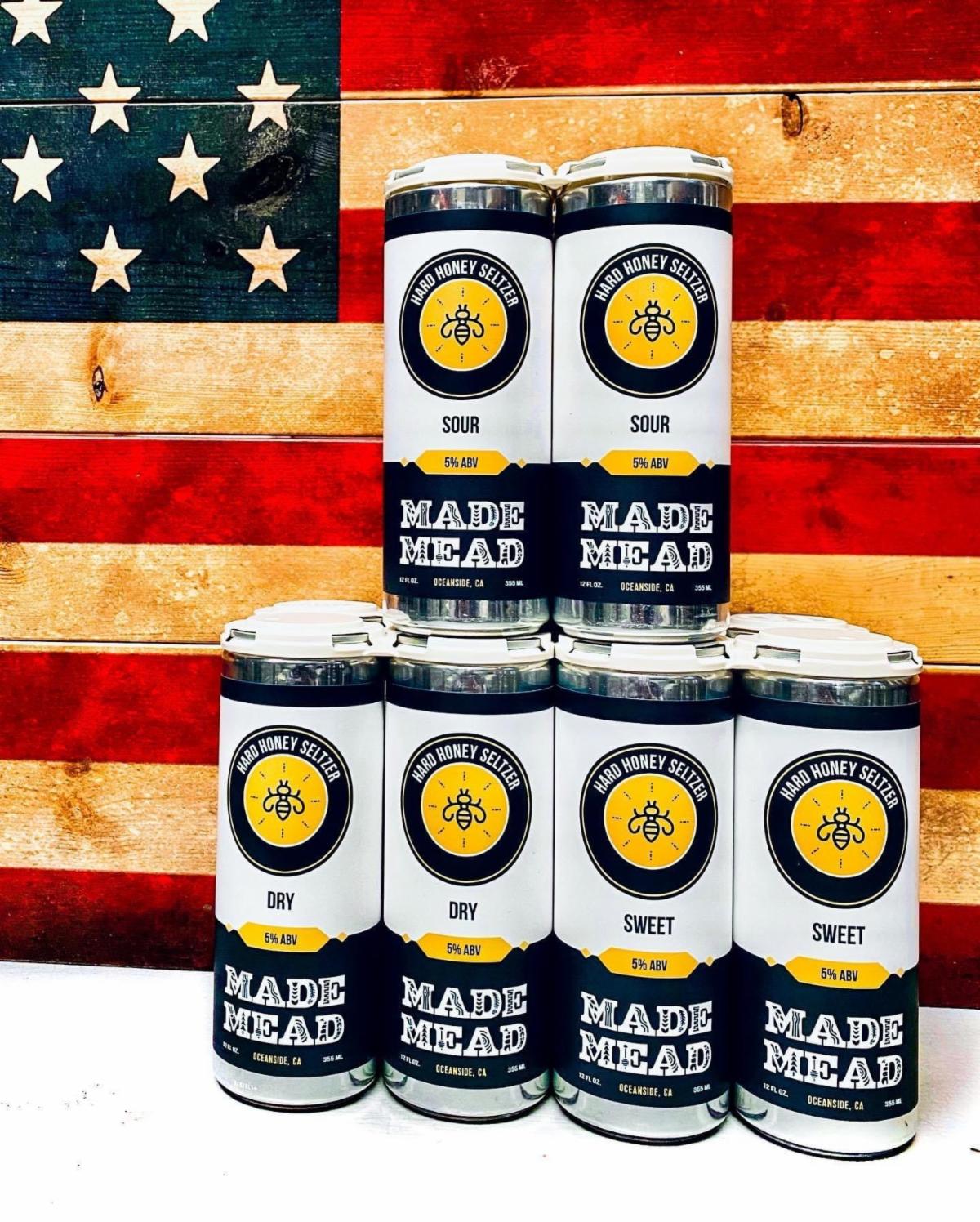
Recently they released groundbreaking signature honey seltzers, made from pure fermented honey only and alkaline spring water. Over 250,000 pollinators per can - canned in aluminum. They've dubbed it the World's First Hard Honey Seltzer.


12x12 Campaign
For our 12th birthday, we are running a 12x12 campaign.

We appreciate the ongoing contributions!

Throughout February, we challenge all of you to ask 12 of your friends/family to donate $12 a month for 12 months. It is a minimal monthly commitment for a year, yet pooled together will have a significant impact on our farmer veteran community.

To set-up a recurring monthly donation, visit our Donation Page.

Please share this link widely with your contacts! We hope to make a big splash.
NEXT UP TO CONCLUDE OUR 12TH BIRTHDAY: 2019 | 2020


We anxiously anticipate the final share!

~ From all of us at Farmer Veteran Coalition