|
A YEAR IN REVIEW
I would like to sincerely thank everyone who has subscribed to and faithfully read my weekly newsletter. Your engagement, encouragement, and thoughtful feedback mean more to me than you know. This issue is a year in review, highlighting some of the major projects, community issues, and local fights I followed closely throughout 2025—each one centered on transparency, accountability, and standing up for our neighborhoods.
As we close out the year, I’m incredibly grateful for the conversations sparked, the partnerships built, and the progress made together. I can’t wait to see what 2026 holds and to continue sharing what’s ahead as we keep working for a stronger, more informed, and more engaged community.
| | | | |
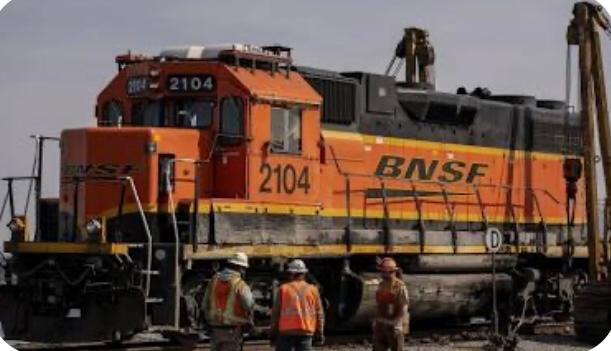
The BNSF Fight: A Community United, A Victory Earned, A Battle That Continues
For many months now, I have been writing, speaking, organizing, and sounding the alarm about the proposed BNSF intermodal hub in Wittmann. What started as concern from local residents quickly grew into a full-scale grassroots movement made up of families, HOAs, city councils, school districts, business owners, and everyday citizens who simply asked to be heard.
This fight was never about politics. It was about quality of life, public safety, infrastructure, water, and respect for the people who already live here.
A Hard-Fought Win at the Board of Supervisors
One of the most important milestones in this fight came with our win at the Maricopa County Board of Supervisors. After countless letters, emails, public comments, meetings, and hours of community coordination, the Board made it clear that the concerns raised by residents were legitimate and could not be brushed aside.
That moment mattered.
It showed that when citizens stay engaged and persistent, local government does listen. It also sent a message that massive industrial projects cannot simply roll into rural and suburban communities without transparency, planning, and accountability.
Lena Kent, with BNSF began “Showing Up”
Another pattern that became impossible to ignore was the repeated appearance of Lena Kent at Republican clubs, community meetings, and organizations—after I had already spoken or raised concerns about the project.
At nearly every venue, the script was the same:
- Long presentations
- Carefully controlled messaging
- Little to no time for real questions
- Reassurances that failed to address the core issues residents were raising
These appearances did not calm fears—they reinforced them. Communities do not object when they feel respected and informed. They object when information feels incomplete, rushed, or dismissive.
This Was Never about BNSF, It was about protecting the West Valley
What many outside observers fail to understand is that this fight has never been about a single vote or a single presentation. It has been about:
- Traffic impacts on already strained roads
- Noise and air quality concerns
- Water usage in an arid region
- Proximity to homes, schools, and rural neighborhoods
- The precedent this project would set for future development
Residents weren’t saying “no growth.”
They were saying “protect the property rights of the citizens of Wittmann.”
The Fight Is Not Over
While we should absolutely acknowledge the progress we’ve made, I want to be very clear: the fight is not over.
BNSF is a massive corporation with deep pockets, experienced legal teams, and long timelines. Projects like this rarely disappear after a single setback. They reemerge under new names, revised proposals, or different procedural paths.
That is why continued vigilance matters.
It’s why I will keep writing.
It’s why I will keep asking uncomfortable questions.
It’s why I will keep standing with residents who feel ignored or overwhelmed by the process.
BNSF will be back before the Board of Supervisors in late 2026, once again asking for changes to the Comprehensive Plan and a zoning amendment. I will continue to stand up for Wittmann—and with your help, we will stop them again.
A Final Thought
This movement has proven something powerful: community still matters. When neighbors talk to neighbors, when cities communicate with one another, and when citizens refuse to disengage, even the largest corporations are forced to pause and listen.
We earned a win—but more importantly, we built a coalition that knows its voice has power.
And we’re not done using it.
| | | | |
|
The Melendres Case: Why Federal Oversight of MCSO Must End
For more than a decade, the Melendres case has placed the Maricopa County Sheriff’s Office under federal court supervision—at an enormous cost to Maricopa County taxpayers and with diminishing justification. What began as a narrowly focused civil rights lawsuit has evolved into an open-ended monitoring regime that continues long after its original purpose has been fulfilled.
What the Melendres Case Was — and What It Has Become
The Melendres litigation stemmed from allegations tied to immigration enforcement practices under a former sheriff. Since that time, the individuals responsible were voted out by the public, policies were rewritten, immigration-related units were dismantled, and sweeping reforms were implemented.
Today’s Sheriff’s Office is not the same agency it was 15 years ago.
Independent findings now show compliance with required policy changes, no evidence of ongoing civil rights violations, and no new allegations of unlawful immigration enforcement. Yet the federal monitor—and the costly oversight that comes with it—remains in place.
Monitor Meetings With the Sheriff
As part of this court-ordered oversight, quarterly monitor meetings continue between the federal monitor and the Sheriff’s Office. These meetings are time-consuming, resource-draining, and in the past have not allowed real public comment. People who support our Sheriff were not attending prior to last October. Most people including myself did not realize they were open to the public. Now supporters of our great Sheriff show up for the entire department. We are making our voice heard as much as the monitor allows.
The next monitor meeting is scheduled for February, and it is widely expected to take place while Jerry Sheridan is in Washington, D.C. That timing only underscores how disconnected this process has become from the day-to-day realities of running a modern law enforcement agency in Maricopa County.
Chairman Galvin’s Rule 60 Motion: A Necessary Step Forward
Recognizing that the continued federal oversight no longer serves the public interest, Thomas Galvin, Chairman of the Maricopa County Board of Supervisors, has taken decisive action.
Chairman Galvin filed a Rule 60 motion in federal court seeking relief from the injunctions imposed under the Melendres case. This motion argues that:
- The original purpose of the lawsuit has been achieved
- MCSO is fully compliant with court-ordered reforms
- Continued monitoring is unnecessary and unjustified
- Millions of taxpayer dollars are being wasted each year
In short, the motion asks the court to acknowledge reality: the Sheriff’s Office has been reformed, and federal oversight should end.
Why This Matters to Taxpayers and Public Safety
Every dollar spent on endless monitoring is a dollar not spent on deputies, training, equipment, or crime prevention. At a time when communities are demanding safer neighborhoods and faster response times, it is irresponsible to keep pouring money into a process that no longer delivers value—or justice.
Accountability matters. Reform matters. But so does knowing when a system has worked and it is time to move on.
The Bottom Line
The Melendres case served a purpose—but that purpose has been fulfilled. Continuing federal oversight of MCSO is no longer about reform; it is about bureaucracy and unnecessary expense.
Chairman Galvin’s Rule 60 motion is the right step at the right time. Maricopa County deserves a Sheriff’s Office focused fully on public safety—not one still shackled to the past.
It is time for the monitoring to end.
| | | | |
|
Project Baccara and how it will Impact the West Valley
Over the past several months, I’ve spent a great deal of time digging into Project Baccara—asking questions, attending meetings, reviewing technical information, and listening carefully to both supporters and critics. As with many large infrastructure projects, there has been no shortage of misinformation, and unfortunately data centers, in general, have been getting a bad rap.
One of the biggest misconceptions I continue to hear is that all data centers use massive amounts of water. That simply isn’t true.
Modern data centers vary widely in design, cooling methods, and infrastructure. Project Baccara, in particular, is not a traditional water-intensive facility. It is designed with advanced systems that significantly limit water use, and it does not resemble the outdated models many people picture when they hear the term “data center.” Lumping every project into the same category does a real disservice to the facts—and to the community trying to make informed decisions.
Another key point that often gets overlooked is power.
Project Baccara will include its own on-site power generation, which matters more than most people realize. Instead of pulling large amounts of electricity off an already strained grid, this project generates power locally. That brings reliability, resilience, and long-term benefits—not just for the project itself, but for the surrounding region. Energy independence at the project level reduces risk, improves stability, and supports future growth without shifting the burden onto residents.
This is exactly why I have consistently pushed for facts over fear.
The project site is already zoned for heavy industrial use. If it isn’t Project Baccara, it will be something else of similar scale. The real question isn’t whether development will occur—it’s what kind of development best aligns with modern technology, infrastructure realities, and long-term community interests.
Right now, we are waiting on a critical determination from Luke Air Force Base. That decision is essential, and rightly so. Compatibility with Luke is non-negotiable, and the project does not move forward without their approval. We are hopeful to receive that determination by the end of this year.
If Luke issues a favorable determination, the project then moves on to the Maricopa County Board of Supervisors next year for consideration. That process will be public, transparent, and thorough—exactly as it should be.
I want to be clear: asking tough questions does not mean opposing growth. It means doing the work to understand what is being proposed, how it operates, and what it truly means for our community. I have had every question I’ve asked answered directly, professionally, and with data—not talking points.
Projects like this deserve thoughtful scrutiny, not knee-jerk reactions driven by assumptions that don’t match reality.
As we move into the next phase, I will continue to share what I learn, seperate fact from fiction, and advocate for decisions based on evidense - not emotion. Our community deserves nothing less.
| | | | |
Morristown Residents Stop Solar Project Before It Ever Reached the County
Just months after the proposed BNSF intermodal hub in Wittmann galvanized rural residents across the West Valley, another major industrial project quietly set its sights on a neighboring community—this time in Morristown. But unlike many projects that advance through the system before the public is fully aware, this one was stopped early—and decisively.
Because of strong, immediate community pushback, this project never even made it to the County Planning Commission or the Maricopa County Board of Supervisors. Simply put, residents stopped it dead in its tracks.
The Proposal That Sparked Resistance
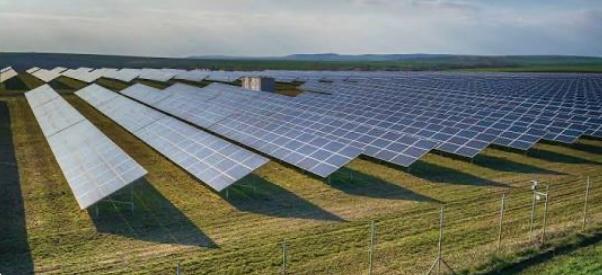
Pivotal Solar initiated early steps to lease roughly 2,000 acres of Arizona State Trust land in Morristown for a large-scale solar farm—potentially locking that land into industrial use for 30 to 50 years. The first community meeting, hosted May 28 by Kimley-Horn on behalf of Pivotal Solar, drew approximately 45 residents—primarily ranchers, farmers, and long-time locals.
Not a single attendee supported the project.
Residents immediately raised concerns about environmental impacts, loss of grazing land, the erosion of rural character, and the reality that once these projects arrive, they rarely leave.
Big Promises, Little Local Benefit
As with many industrial energy proposals, the company pointed to renewable energy goals and future tax revenue—particularly for education. Residents were unconvinced. They have heard these promises before, and experience has taught them to question who truly benefits.
Perhaps most alarming was the disclosure that once operational, the facility would employ only two full-time workers—hardly the economic engine often implied in glossy presentations.
Serious Red Flags and Unanswered Questions
In researching Pivotal Solar, I found a company based in the United Kingdom with a Trustpilot score of 2.9—a concerning detail for a project seeking to control thousands of acres of Arizona land. I reached out to Kimley-Horn to confirm whether this is the same Pivotal Solar they represent. As of now, I am still waiting for a response.
Transparency matters—especially when decisions affect generations of rural families.
A Familiar Pattern in the Rural West Valley
With BNSF still looming over Wittmann and now an attempted solar project in Morristown, residents are rightfully asking: Why do so many massive industrial projects keep targeting our western rural communities?
The answer may be complex, but the response from locals has been clear: enough is enough.
The Takeaway
Morristown residents proved something critical—early engagement works. By organizing quickly, asking hard questions, and refusing to be dismissed, the community ensured this project never advanced to formal county hearings.
This fight like the one in Wittmann, shows that rural voices still matter. And when we stand together, we can win.
| | | | |
A Dangerous Delay: Why Action Is Needed Now at 163rd Avenue, U.S. 60, and Loop 303
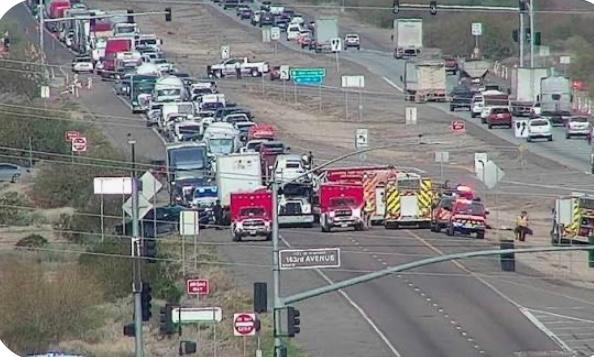
Anyone who regularly travels through 163rd Avenue, U.S. Highway 60 (Grand Avenue), and Loop 303 knows the reality: this interchange has become one of the most dangerous and congested corridors in the West Valley.
According to Arizona Department of Transportation (ADOT), major long-term improvements to this area are not scheduled to begin until 2028, with full completion projected around 2033. For residents who drive this corridor daily, that timeline feels not just unrealistic—but unsafe.
Daily Accidents, Tragic Loss of Life
It is no longer unusual to see major accidents occurring daily, sometimes for weeks on end. Traffic backs up for miles, emergency vehicles struggle to navigate congestion, and families are left waiting, wondering if their loved ones will make it home safely.
Tragically, numerous fatalities have already occurred in and around this interchange. These are not statistics on a spreadsheet—they are lives lost, families forever changed, and a community asking how much longer this can continue before meaningful action is taken.
Fastest-Growing Area, Slowest Response
This part of Surprise sits in the fastest-growing area of Maricopa County. New housing developments, expanding neighborhoods, and increased commercial activity have dramatically increased traffic volumes. Infrastructure that may have once been adequate simply no longer is.
Growth was predictable. The danger was foreseeable. Yet the timeline for improvements has not kept pace with reality on the ground.
City of Surprise Has Done Its Part
The City of Surprise Mayor and City Council have been clear: the City has done everything within its authority to advocate for improvements, conduct studies, and elevate concerns. At this point, local government alone cannot move the needle further.
That is why city leadership has asked residents to help—specifically by reaching out to federally elected officials and members of the Arizona State Legislature. Only state and federal pressure can accelerate funding decisions and move this project to the front of the line.
A Call for Urgent Action
Waiting until 2028 to start—and 2033 to finish—is simply not acceptable when lives are at stake today. Infrastructure investment must reflect current conditions, not outdated timelines.
Residents are being asked to speak up, write letters, sign petitions, and demand accountability. The goal is simple and urgent: move the start date up, save lives, and make this corridor safer now—not a decade from now.
Surprise is growing. Maricopa COunty is growing. Our Transportation infrastructure must grow with it before more tragedy forces action that should have come sooner.
| | | | |
Battery Energy Storage Comes to the West Valley: Why This Project Moved Forward
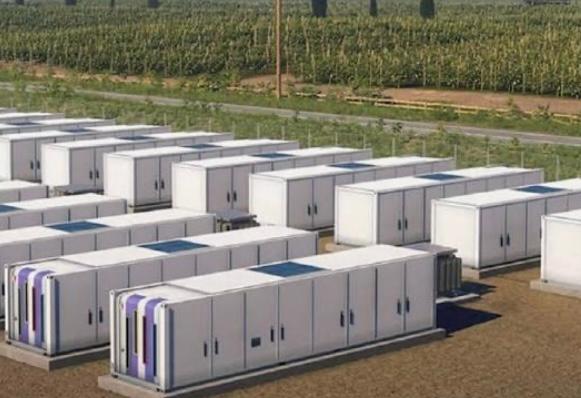
On November 19, the Maricopa County Board of Supervisors voted unanimously to approve a Battery Energy Storage System (BESS) project proposed by National Renewable Solutions. The facility will be located at the northeast corner of 199th Avenue and Happy Valley Road, in an unincorporated area near the city of Surprise.
The approved project will occupy approximately 34 acres, though only six acres will be used for the actual battery storage facility. It is part of a broader effort to strengthen the electric grid and meet the rapidly growing energy demands of the West Valley.
Community Concerns Rooted in Past Experience
When NRS first held a public informational meeting on July 1, many residents immediately recalled the McMicken Battery Energy Storage fire in 2019, an incident that seriously injured eight firefighters and prompted Maricopa County to pause similar projects for several years.
Those concerns were valid—and they were taken seriously.
Since that time, battery storage technology, safety systems, and regulatory oversight have evolved significantly. The McMicken incident became a catalyst for nationwide reform in how these facilities are designed, built, and monitored.
New Safety Standards Change the Equation
One of the most important advancements is the adoption of NFPA 855 (2023), the National Fire Protection Association’s updated standard governing stationary energy storage systems. These regulations include:
- Enhanced fire detection and suppression systems designed specifically for lithium-ion batteries
- Clear spacing and separation requirements to prevent cascading failures
- Mandatory pre-incident planning and emergency access for first responders
- Improved thermal management to prevent overheating
These standards did not exist at the time of the McMicken fire and represent a meaningful shift in safety expectations and accountability.
Site Selection and Compatibility
The project site was not chosen at random. The land lies near Luke Air Force Base Aux 1, within established noise and flight path contours. Because of this, NRS also applied for—and received—a Military Compatibility Permit.
There are five residential homes adjacent to the site, with the nearest located approximately 500 feet from the proposed building. Importantly, there are no plans for new residential development in the immediate area.
What a BESS Facility Is—and Isn’t
Battery Energy Storage Systems are often misunderstood. Unlike traditional energy infrastructure, a BESS facility:
- Produces no emissions
- Creates no light pollution
- Operates quietly
- Requires minimal on-site activity once constructed
While the system will be monitored remotely and does not generate ongoing local jobs, it also does not bring the noise, traffic, or environmental disruption associated with many industrial projects.
Why Energy Storage Matters in the West Valley
Maricopa County is now the third-fastest-growing county in the United States, and the West Valley is feeling that growth acutely—especially during extreme summer heat. Utilities such as Arizona Public Service (APS) are increasingly relying on battery storage to stabilize the grid, store excess solar power, and ensure reliable electricity during peak demand.
Compared to traditional power infrastructure, BESS facilities offer a lower environmental footprint while providing critical resilience when the grid is under stress.
My Position
While community caution is understandable—particularly given past incidents—the reality is that this technology is not what it was in 2019. With stronger regulations, improved safety standards, and thoughtful site selection, battery energy storage can be deployed responsibly.
For these reasons, I support this project. Reliable electricity is not optional in the West Valley—it is essential. This facility will help APS continue to meet growing demand while moving toward a more modern, resilient, and sustainable energy system for Maricopa County.
As with all major infrastructure, continues oversight matters. But on balance, this project represents progress done carefully and done right.
| | | | |
A Year of Change: Closing One Chapter and Opening Another
As this year comes to a close, I want to reflect on a significant transition in my life—stepping away from my role with LD29 and beginning a new chapter grounded in clarity, purpose, and community.
Serving in LD29 was never just a title. It meant building relationships, long nights, difficult conversations, and moments of real progress. I worked alongside many dedicated volunteers and precinct committeemen who genuinely care about their neighbors, their communities, and the future of Arizona. For that, I remain grateful.
This past year, however, also brought challenges that forced deep reflection—most notably, the censure issued by the Maricopa County Republican Committee. I want to be clear: while I respect the right of any organization to take action it believes is appropriate, I do not believe this censure—or the behavior and mindset behind it—is healthy for the Republican Party.
It is deeply disappointing that our party has become so fractured that experienced leaders are pushed aside rather than valued for their service and commitment. Republicans win when we grow the tent, focus on solutions, and welcome differing perspectives that share common core values. We lose when internal power struggles and purity tests take precedence over unity and effectiveness.
That fracture weighed heavily in my decision to step away. Leadership has seasons, and sometimes the most responsible choice is to recognize when staying no longer allows you to do the most good. I have always believed leadership is about solving problems and moving forward—not staying in a role simply to endure conflict.
Leaving LD29 allows me to redirect my time and energy toward community advocacy that transcends internal party politics: public safety, infrastructure, responsible growth, and ensuring residents have accurate information and a real voice. Those priorities matter more now than ever, especially as the West Valley continues to grow at a rapid pace.
This next chapter is about impact over position, solutions over division, and people over politics. It’s about continuing to serve my community in ways that are constructive, collaborative, and forward-looking—without being constrained by internal battles that distract from our shared goals.
I remain a Republican. I remain conservative. And I remain committed to the principles that first drew me into public service. But I also believe we must be honest about where we are as a party—and courageous enough to change course.
I am thankful to everyone who supported me, challenged me, and stood with me—even when we disagreed. Strong communities and strong parties are built by people willing to engage, listen, and lead with integrity.
One chapter has closed. A new one begins—with renewed purpose and optimism for what lies ahead.
| | | | |
|
PATRIOT HAPPY HOUR WITH FELLOW REPUBLICANS!
Join Us for Another Great Evening!
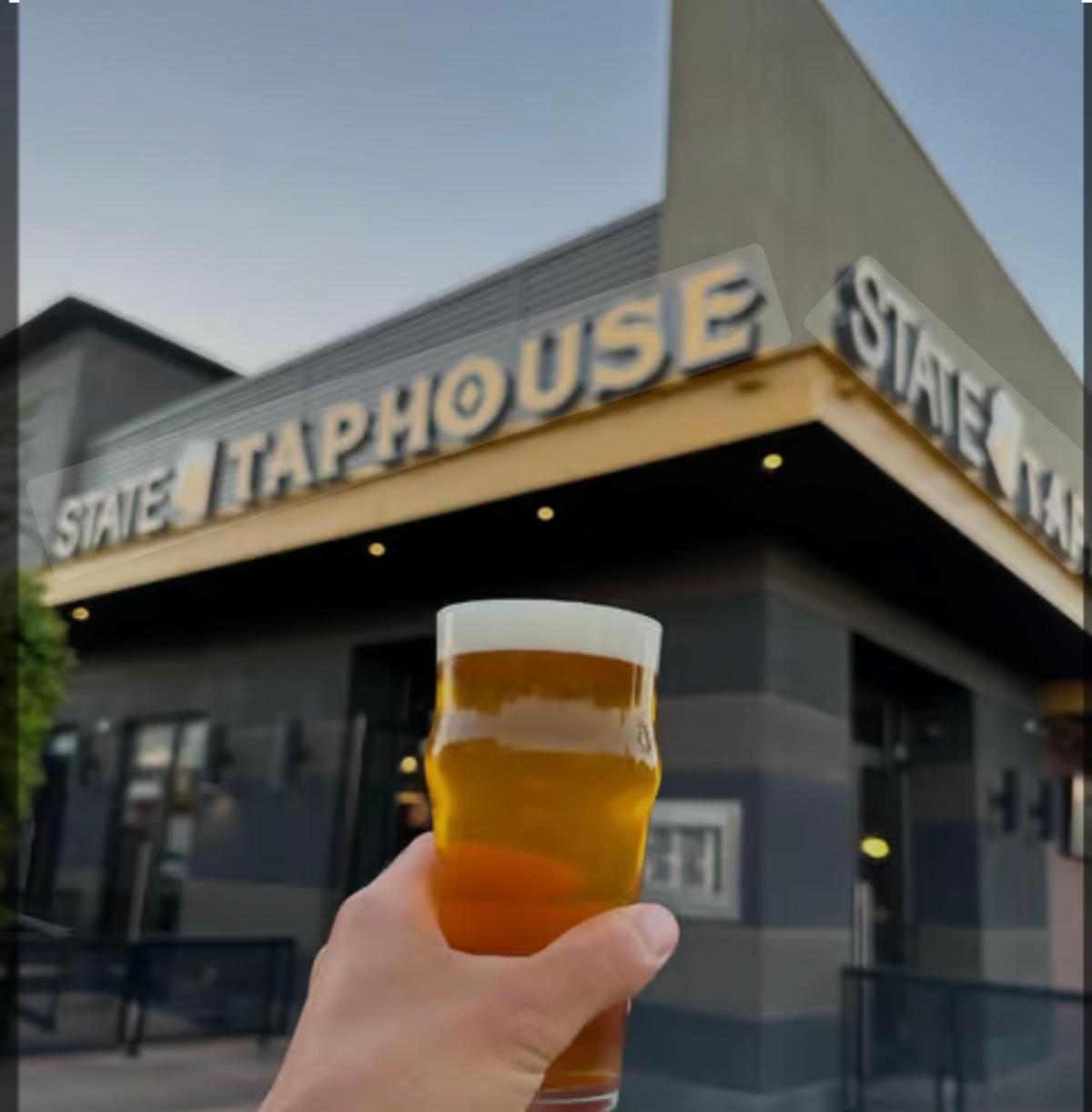
Due to overwhelming demand, we’re bringing back our Patriot Happy Hour at State 48 in Surprise! Last month’s gathering was a fantastic success, with great food, drinks, and, most importantly, meaningful conversations with fellow conservatives. Let’s do it again!
Where: State 48 Brewery - 13823 West Bell Road, Surprise, AZ 85374
When: Wednesday, January 28th
Time: 4:00 PM – 7:00 PM
This is the perfect opportunity to connect with like-minded individuals, get to know fellow PATRIOTS, and strengthen our local Republican community. Whether you're a seasoned PC, new to our LD, or simply want to make new friends everyone is welcome!
Bring a friend and join us for an evening of camaraderie, networking, and fun. Let’s keep the momentum going!
Patriot Happy Hour is always the last Wednesday of the month.
| | | | |
Looking Ahead to 2026: Unity, Turnout, and Keeping Arizona Red
As we look ahead to the 2026 election, one thing is clear: this cycle will be different—and that means we must be intentional, united, and relentless about turnout.
President Trump will not be at the top of the ticket in 2026, and I am concerned about enthusiasm. History tells us that when turnout drops, Arizona turns purple fast. We cannot allow complacency, internal division, or fatigue to cost us races that matter deeply to our state’s future.
Candidates I Support
In this upcoming cycle, I am proud to support a strong slate of Republican leaders who I believe are capable, committed, and prepared to fight for Arizona:
- Rodney Glassman - Attorney General
- Karrin Taylor Robson - Governor - although all three top candidate are great
- Nick Myers - Arizona Corporation Commission
- Kevin Thompson - Arizona Corporation Commission
- Alex Kolodin - Secretary of State
- Gina Swoboda - Congressional DIstrict 1
- Mark Lamb - Congressional District 5
- Elijah Norton - State Treasurer
These individuals represent experience, energy, and a willingness to lead—not just campaign.
The Real Challenge: Turnout
Winning in Arizona is no longer about simply having good candidates. It’s about showing up—early voting, ballot chasing, door knocking, phone calls, and consistent voter contact. Democrats understand this well, and they exploit every opportunity when Republicans sit on the sidelines.
We cannot assume voters will turn out simply because they “usually do.” Every election cycle must be treated like the one that decides everything—because often, it does.
Primary Season Ends—The Mission Continues
Primaries can be passionate, competitive, and sometimes divisive. That’s normal. But once the primary is over, the mission changes.
Even if your preferred candidate does not win in the primary, it is absolutely critical that Republicans unite behind the nominees in the general election. Sitting out, writing in names, or withholding support only benefits Democrats—and Arizona cannot afford that.
Principles matter. Policy matters. But so does winning.
Maricopa County’s voter registration numbers tell an important story: 898,341 registered Republicans, 709,120 registered Democrats, and a staggering 886,503 Independents. Republicans technically hold the edge, but the margin is far too slim to rely on party registration alone. Independents now rival Republicans in size and are growing faster than either major party, largely because voters are turned off by constant infighting and political dysfunction. If Republicans want to win countywide and statewide races, we must actively earn Independent votes—not lecture them, ignore them, or assume they’ll break our way by default. Independents decide elections in Maricopa County, and winning requires unity, discipline, and a message focused on solutions, stability, and results—not internal battles that push voters away.
Keeping Arizona Red
Arizona is at a crossroads. The decisions made in 2026 will shape our courts, our economy, our public safety, our schools, and our border for years to come. We do not win by tearing each other down—we win by organizing, engaging voters, and standing together when it counts.
This election cycle will require work, discipline, and unity. If we commit to all three, we can keep Arizona red and move our state forward.
Now is the time to engage.
Now is the time to organize.
Now is the time to vote—early, often, and all the way down the ballot.
| | | | |
2025 Year in Review: Progress, Partnerships, and Community
2025 was a busy and productive year, and as it comes to a close, I want to take a moment to reflect on just how much we accomplished together across the West Valley.
From continued work surrounding BNSF Railway to progress on Ranger Energy’s Battery Energy Storage System (BESS) projects that support reliable power for the West Valley. These issues are complex, technical, and often emotional—but when communities stay informed and involved, better outcomes are possible.
I truly enjoyed working with each of you—residents, advocates, local leaders, and subject-matter experts—to navigate these challenges and make sure voices were heard. So much was accomplished because people were willing to show up, ask questions, and stay engaged rather than sit on the sidelines.
Looking ahead, community awareness remains critical. If there are projects next year that you believe I should be aware of, please do not hesitate to reach out. Information is power, and early awareness allows residents to engage thoughtfully and constructively before decisions are finalized.
Together, we really can create a strong, informed, and resilient community—one that balances growth, infrastructure, safety, and quality of life. I am deeply grateful for the words of encouragement and support I received throughout this year. They mattered more than you may realize.
As we head into 2026, I am energized and optimistic about continuing to bring you timely, accurate information on the issues that impact our daily lives here in the Maricopa County.
Thank you for being part of this journey.
Wishing you and your families a Happy New Year and a wonderful year ahead.
| | | | |
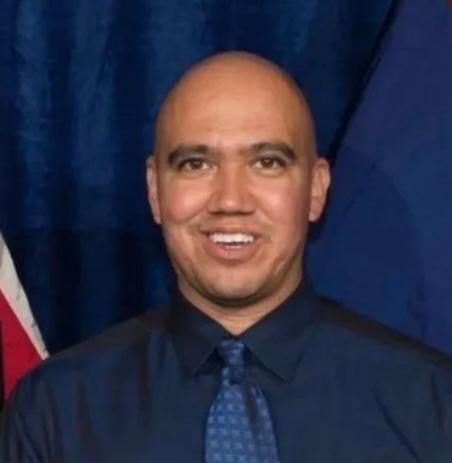
Sergio Arellano: Running for AZGOP Chair
Sergio Arellano is a long-time participant in Arizona Republican politics, known for his work with grassroots activists, legislative districts, and statewide party efforts. His involvement reflects a practical understanding of how party infrastructure, volunteers, and candidates intersect during election cycles.
Experience Within the Party
Arellano’s political background includes hands-on engagement with the Arizona Republican Party (AZGOP) and its grassroots base. He has worked alongside precinct committeemen, legislative district leadership, and county organizations—roles that require coordination, communication, and an appreciation for the volunteer-driven nature of party politics.
This experience has given him visibility into the challenges faced at every level of the party, from recruiting and retaining volunteers to ensuring candidates have the organizational support they need to compete.
Grassroots Engagement
Arellano is someone who values grassroots involvement as a cornerstone of party success. He has spoken about the need to respect the role of precinct committeemen and volunteers, recognizing them as the backbone of Republican organizing in Arizona. This perspective aligns with efforts to keep local activists informed, trained, and meaningfully involved.
Emphasis on Unity
In a state party that has experienced internal divisions, Arellano has consistently highlighted unity as a strategic necessity. He has spoken about bringing together different factions within the Republican Party to focus on shared goals—winning elections and advancing Republican principles—rather than internal disputes.
Looking Ahead
On January 24th in Prescott Valley, State Committeemen will meet to elect a new state party chair for the Arizona Republican Party. I encourage you to vote for Sergio Arellano. He is a proven leader and fundraiser who understands that winning in Arizona requires a united party. Sergio recognizes the value of grassroots volunteers, respects party structure, and is committed to bringing together all factions so we can focus on our shared goal—winning elections and advancing Republican principles.
| | | | |
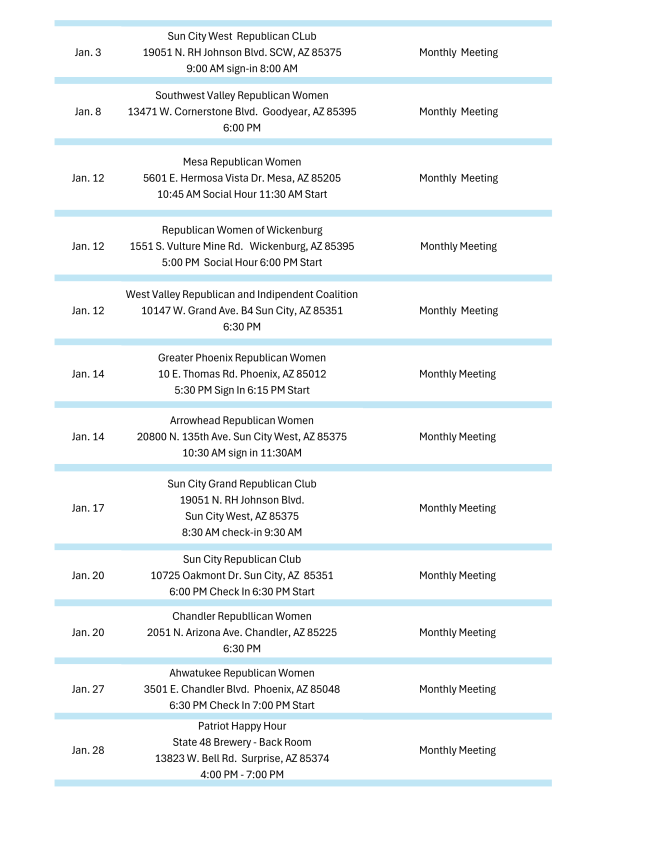
IF YOU WOULD LIKE YOUR CLUB LISTED PLEASE CONTACT ME | | | | |
| |
Thank you,
Lisa Everett
www.patriotnheels.com
Follow me on:
X - @patriotnheels
Facebook - @patriotnheels
Instagram - @patriotnheels
| | | | | | |