Pacific Northwest’s connections to Steinbeck’s Cannery Row revealed in new research |
|
By Michael Kenneth Hemp, President Emeritus of the Cannery Row Foundation, and Washington State Archives patron
|
|
Historical research is well underway in Washington’s Hood Canal area on the almost completely unknown 1930s presence of Cannery Row’s pioneering ecologist, marine biologist Edward F. Ricketts. Ed, as his friends called him – not “Doc” from Steinbeck’s 1945 novel Cannery Row – drove the almost thousand-mile spring and summer trips from Monterey to his maritime Pacific Northwest headquarters in Hoodsport on Washington state’s Hood Canal.
|
|
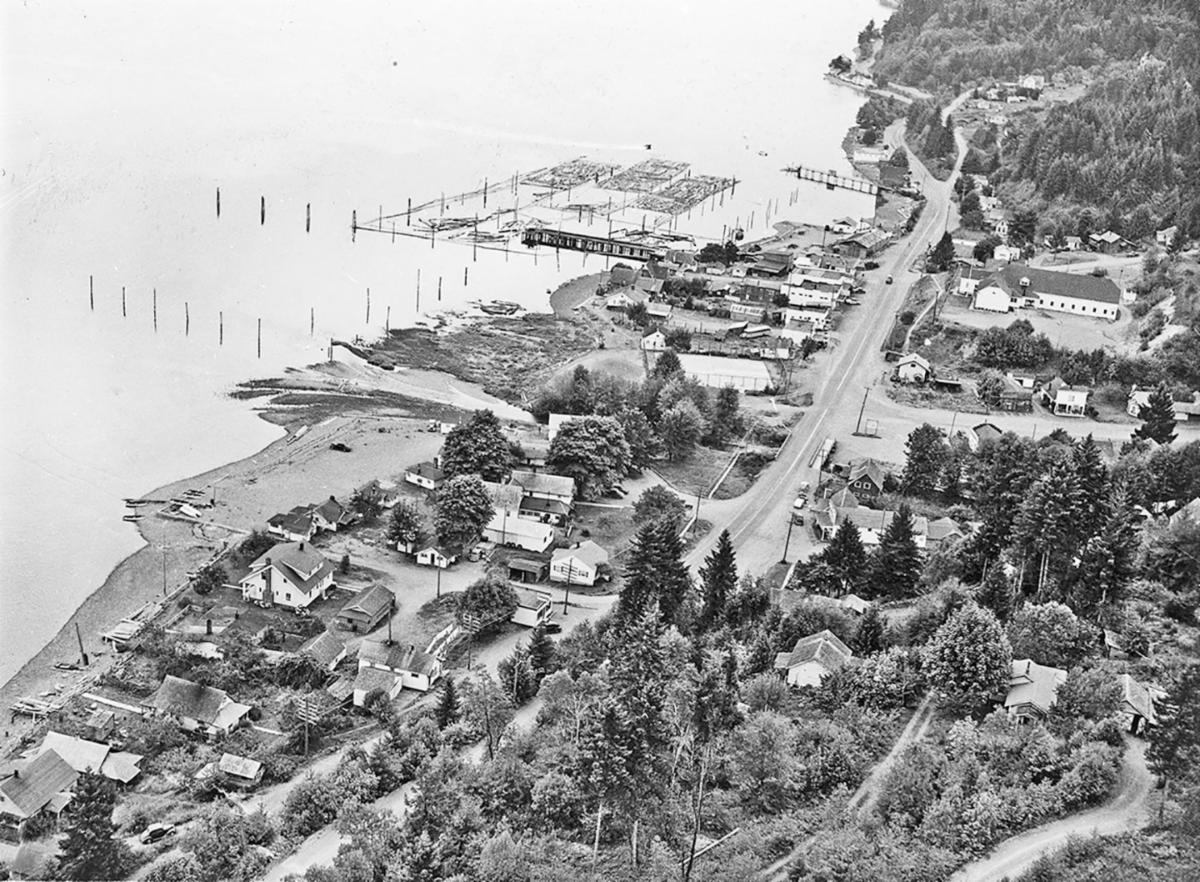
During many of the springs and summers throughout the 1930s, Ricketts’ base of operations proved to be the Gateway Inn and Cabins in Hoodsport on the western shore of Hood Canal. |
|
His wife and young family often accompanied him to collect specimens in the Hoodsport and Union areas and traveled with him as he researched more distant maritime western Washington locations. This arrangement enabled Ricketts to pursue and conclude research and development around the Salish Sea for his revolutionary 1939 presentation of ecology, Between Pacific Tides (now in its fifth edition), a seminal work known by every marine biologist today.
Ricketts’ devotion to his Pacific Northwest “cradle of ecology” stands as a remarkable testimony to his studies amid the extraordinary abundance and diversity of marine biological life on shorelines of the maritime Pacific Northwest.
|
|
Those conditions presented an invaluable opportunity that made possible the comparative studies between Northwest intertidal species and his decades of principally Californian and Mexican coastal research and collection. But Ricketts’ pioneering ecological research and introduction of ecology is not alone in the revelation of numerous unrecognized historical legacies shared by Monterey’s Cannery Row and the maritime Pacific Northwest being pursued and published. |
|
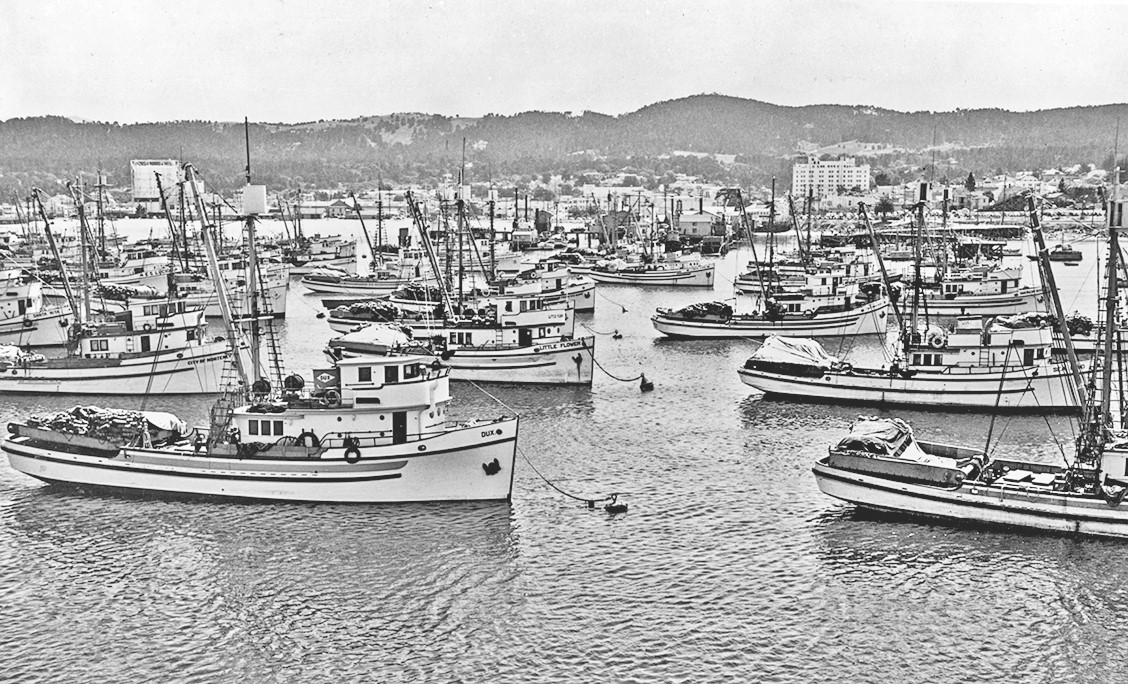
The largely immigrant Croatians of the South Sound comprised the majority of the purse seiners with which Monterey’s predominantly immigrant Sicilian skippers and fishermen enabled Monterey to achieve world fame as the “Sardine Capital of the World” during WW II, a claim never relinquished. Historically, the actual capital was Stavanger, Norway. The roles of “Northwestern boats” at Monterey in sardine season and Monterey boats in the Salish Sea after sardine season is only now becoming evident. Other shared legacies include multiculturalism, ecological development, literature, and maritime lore and tradition.
One recently discovered surprise legacy is strong evidence that Pulitzer-, Nobel-, and U.S. Medal of Freedom-winning author John Steinbeck stayed a week or more at Hoodsport on the Hood Canal in the 1940s. Confirming research has been enabled and intensified with the help of locals and Hood Canal historians and the support of the Mason County Historical Society and Museum in Shelton.
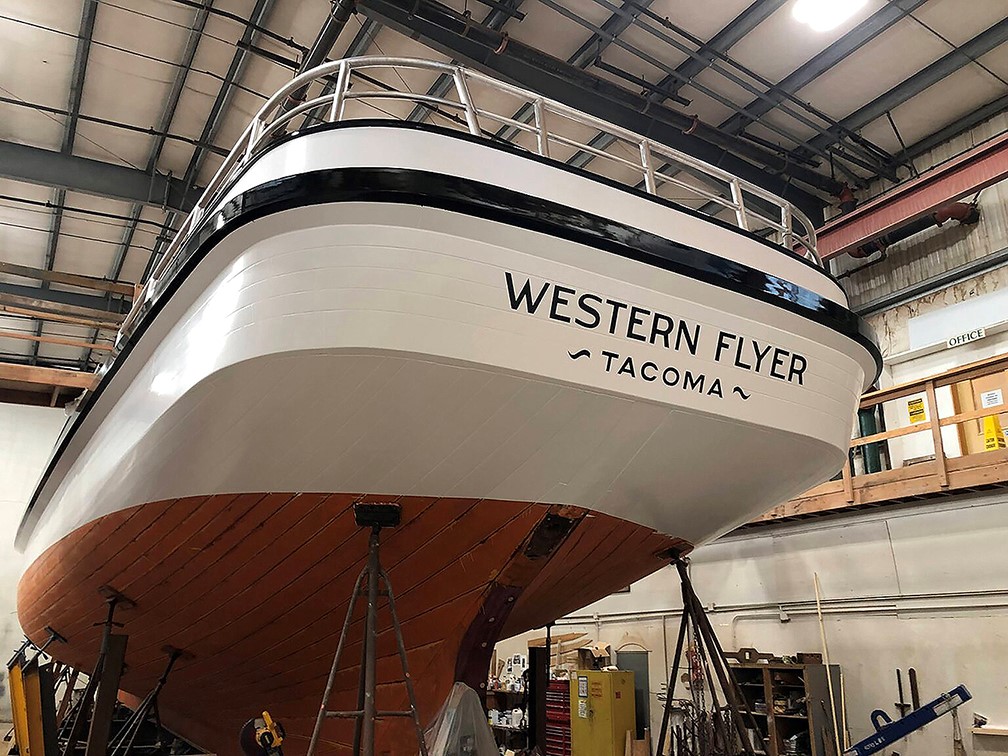
Steinbeck is a ubiquitous reference in almost every discussion about Ricketts, whose character and personality provided the model for a half-dozen characters in Steinbeck’s fiction. In the last several years Steinbeck is becoming an increasingly popular local figure in the Pacific Northwest awareness due to the restoration of a Monterey purse seiner, the Western Flyer, at the Port Townsend Shipwright’s Co-op that will be relaunched in 2022 – an event that will garner worldwide attention.
|
|
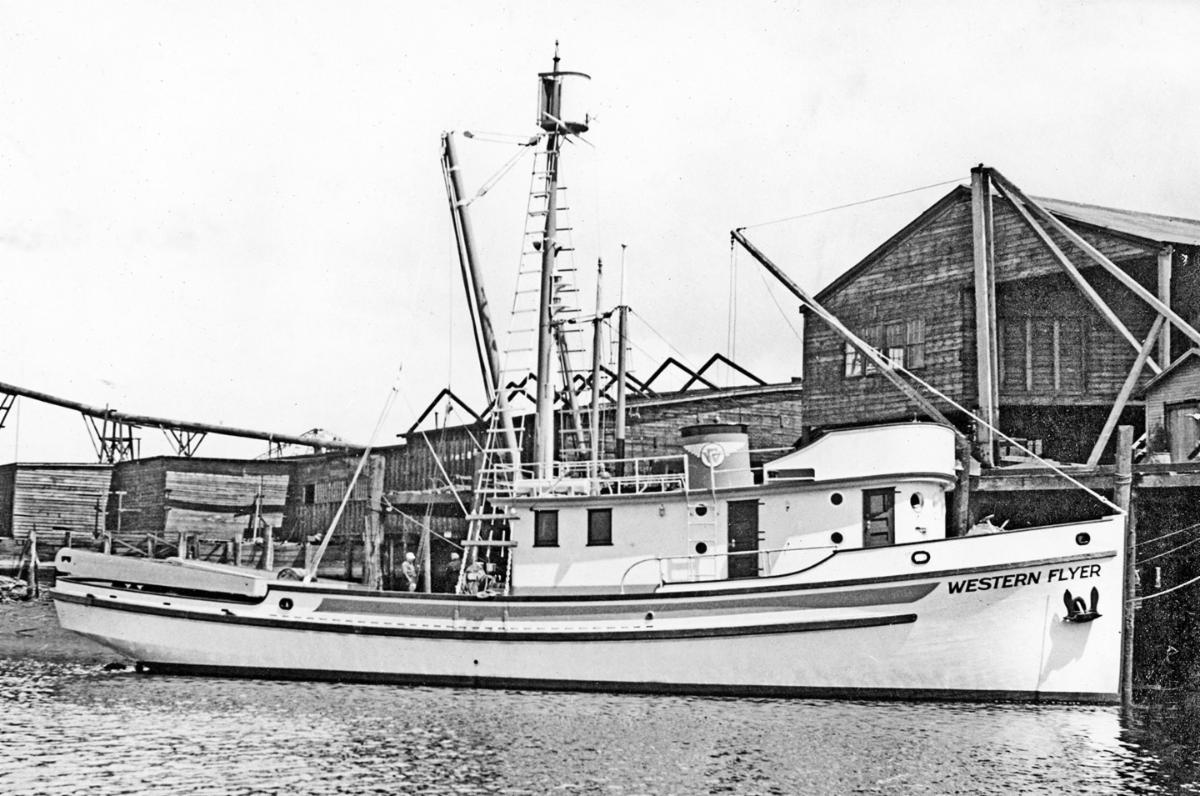
Steinbeck’s charter of the 76-foot Tacoma-built fishing boat became world-famous after the publication of the narrative and scientific discoveries of its 1940 voyage with his collaborator, closest friend and mentor, Ed Ricketts, to Mexico’s Sea of Cortéz. |
|
A co-authored book by the same name came from that voyage, known almost exclusively by “Ed Heads” and Steinbeck fans until Viking Press released The Log from the Sea of Cortez in 1951 — by Steinbeck, minus its co-authorship and Ricketts’ scientific half of the original. It has become a staple work owned by every true Steinbeck fan.
News of a Steinbeck presence in Hoodsport in the 1940s is adding another accolade to one of the Pacific Northwest’s most beautiful and inspirational places. This totally unexpected discovery is yet another addition to Hood Canal’s historical identity, compounding its recent connection to Cannery Row’s Ricketts as a cradle of his ecology. These newly emerging Cannery Row-related secrets emanating from Hood Canal are part of the even wider undertaking to research, document, and celebrate the many other hidden cultural, scientific, literary, and ecological legacies connecting Cannery Row with the maritime Pacific Northwest.
Announcement of this burgeoning story now linking the spectacular maritime Pacific Northwest’s Hood Canal to both Ricketts and Steinbeck – the greatest symbiosis of science and literature in the American Experience – is now out of the box. Look for more news as this topic grows with ongoing research connecting Monterey’s Cannery Row, Ed Ricketts, and John Steinbeck with the maritime Pacific Northwest. This research and publication is the sole source for this information at this time, now in its fourth edition since 1986.
|
|
|
|
(831) 236-2990
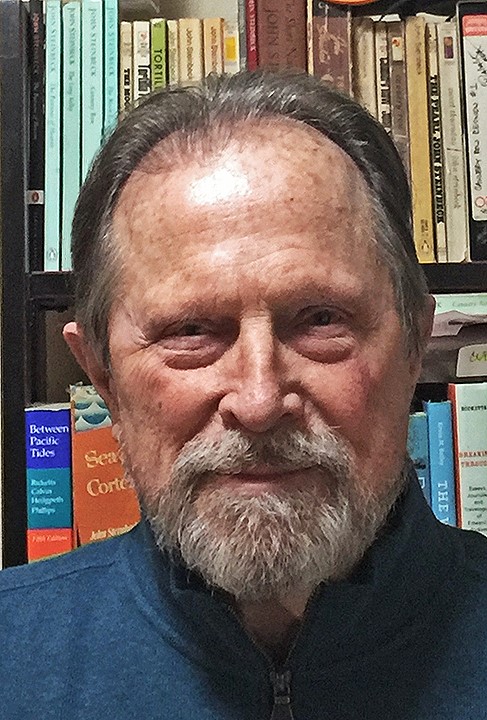
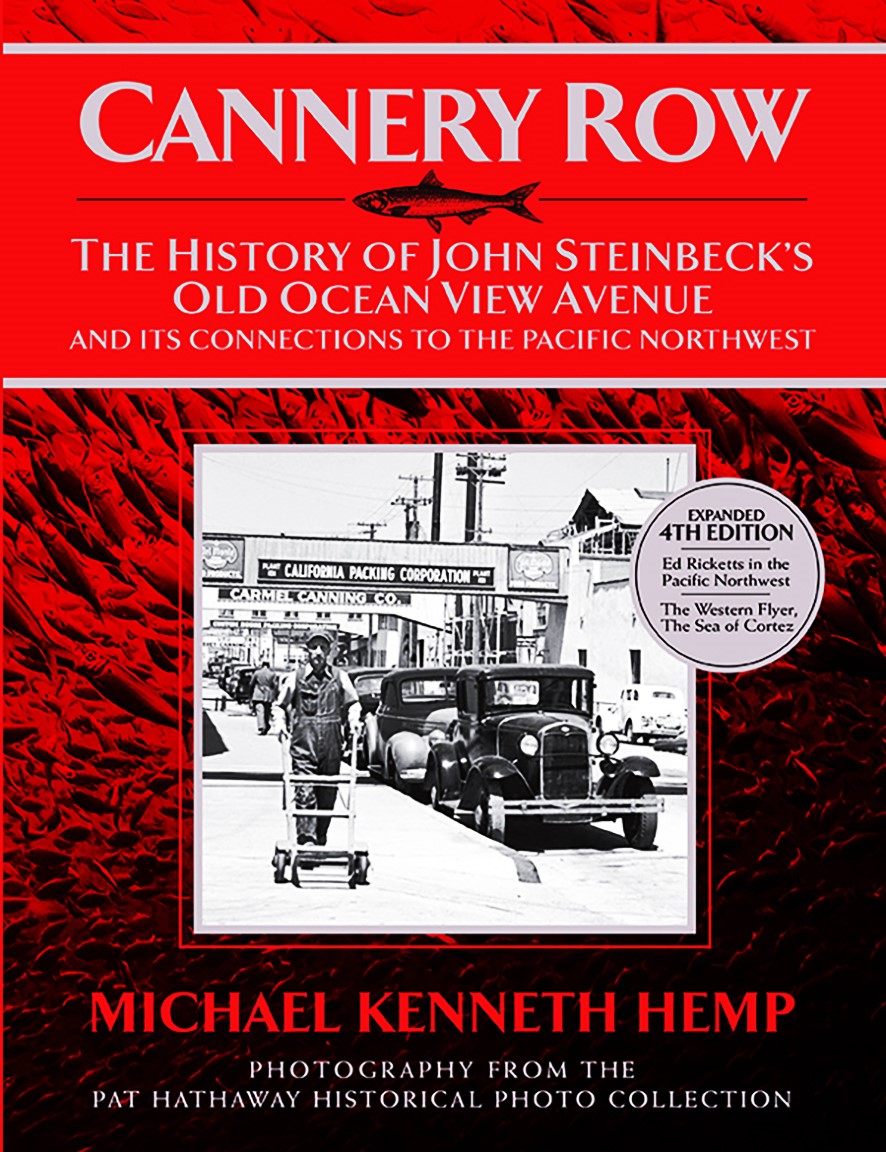
Berkeley born and Cal educated, Michael Kenneth Hemp is the 1983 founder, historian and President Emeritus of the Cannery Row Foundation. He is also The History Company researcher, author and publisher of Cannery Row, The History of John Steinbeck’s Old Ocean View Avenue and Its Connections to the Pacific Northwest.
|
|
|
|
|
The cover price is $29.95 and available at Amazon.com, bookstores, and Mason County Historical Society Museum in Shelton. Signed copies from The History Company include an authentic sardine canning label for framing or as a bookmark. Museum stores are invited to consider retailing this title. |
|
|
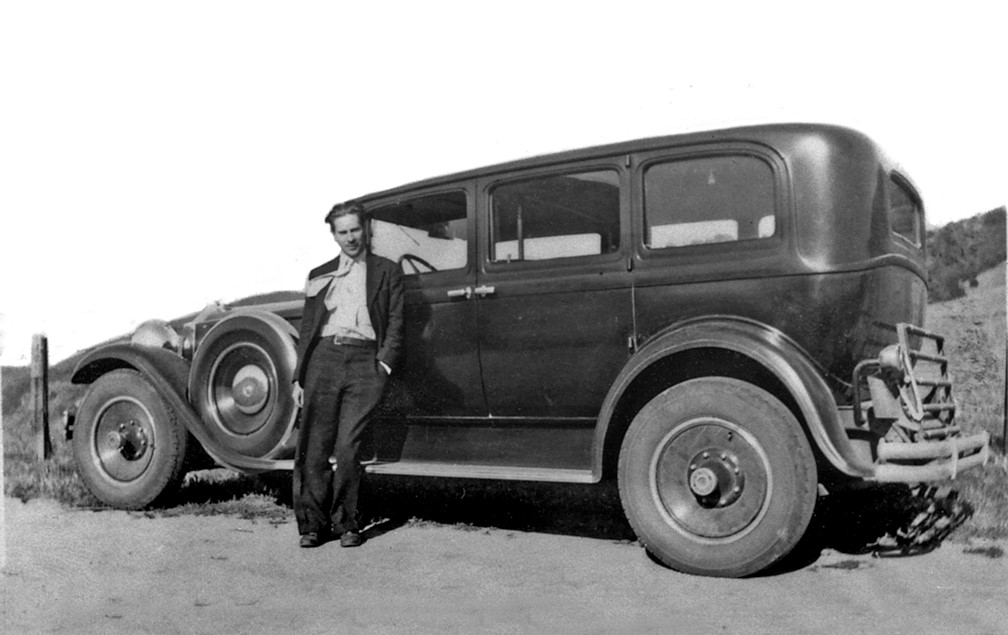
1. Ricketts’ 1930 Packard in Carmel Valley 1935, Ed Ricketts Jr. photo, Pat Hathaway Collection.
2. Gateway Inn, Hoodsport, Mason County Historical Society.
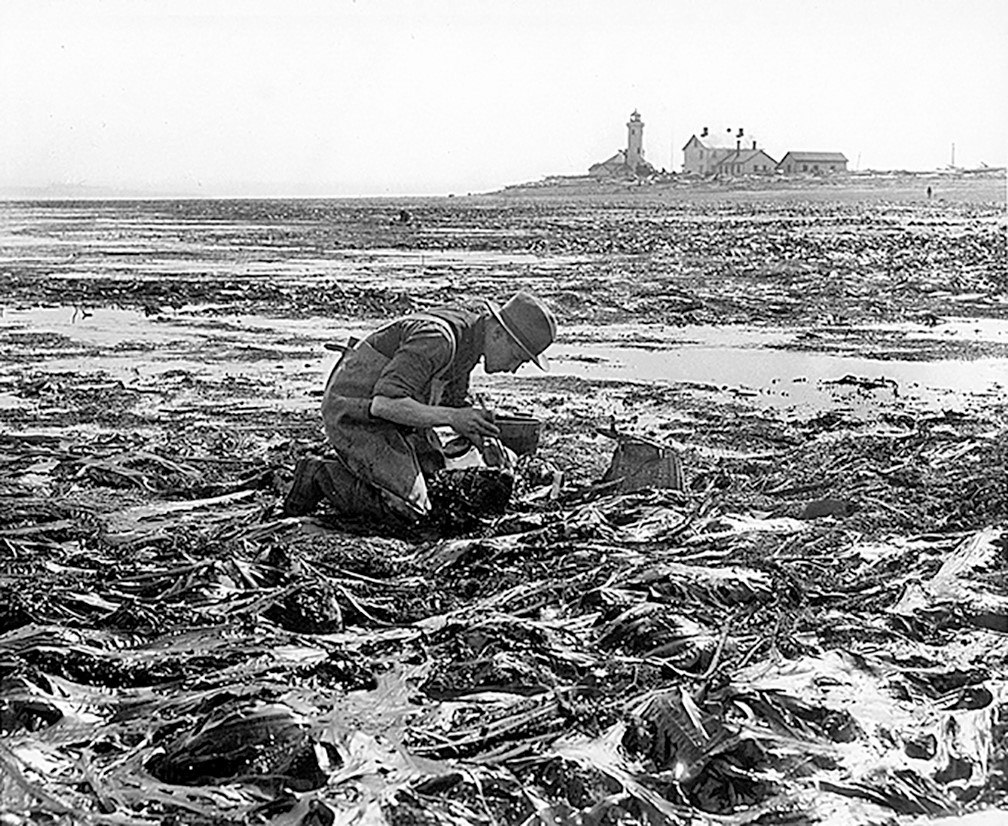
3. Ed Ricketts at Port Townsend kelp bed July 25, 1930, Pat Hathaway Collection.
4. Croatian purse-seiners of the Monterey sardine fleet, Pat Hathaway Collection.
5. Western Flyer stern at Port Townsend Shipwrights Co-op, Chris Chase, Western Flyer Foundation photo.
6. Western Flyer launched at (A.M. Petrich) Western Boat Building Co., Tacoma waterfront, Petrich Family Collection.
|
|
|
|
|
|
|
|