|
|
August 14, 2026: Issue 15
Offering hope and help to those impacted by opioid misuse in
Franklin County and the North Quabbin Region.
| | | Love Doesn't Disappear, It Transforms | | |
Grief is never simple, but when we lose someone to overdose, it carries layers that many people never see. It’s the shock of the phone call, the ache of unfinished conversations, the weight of questions that may never find answers. It is love tangled with anger, sorrow braided with relief, guilt sitting beside gratitude. It’s all of it at once.
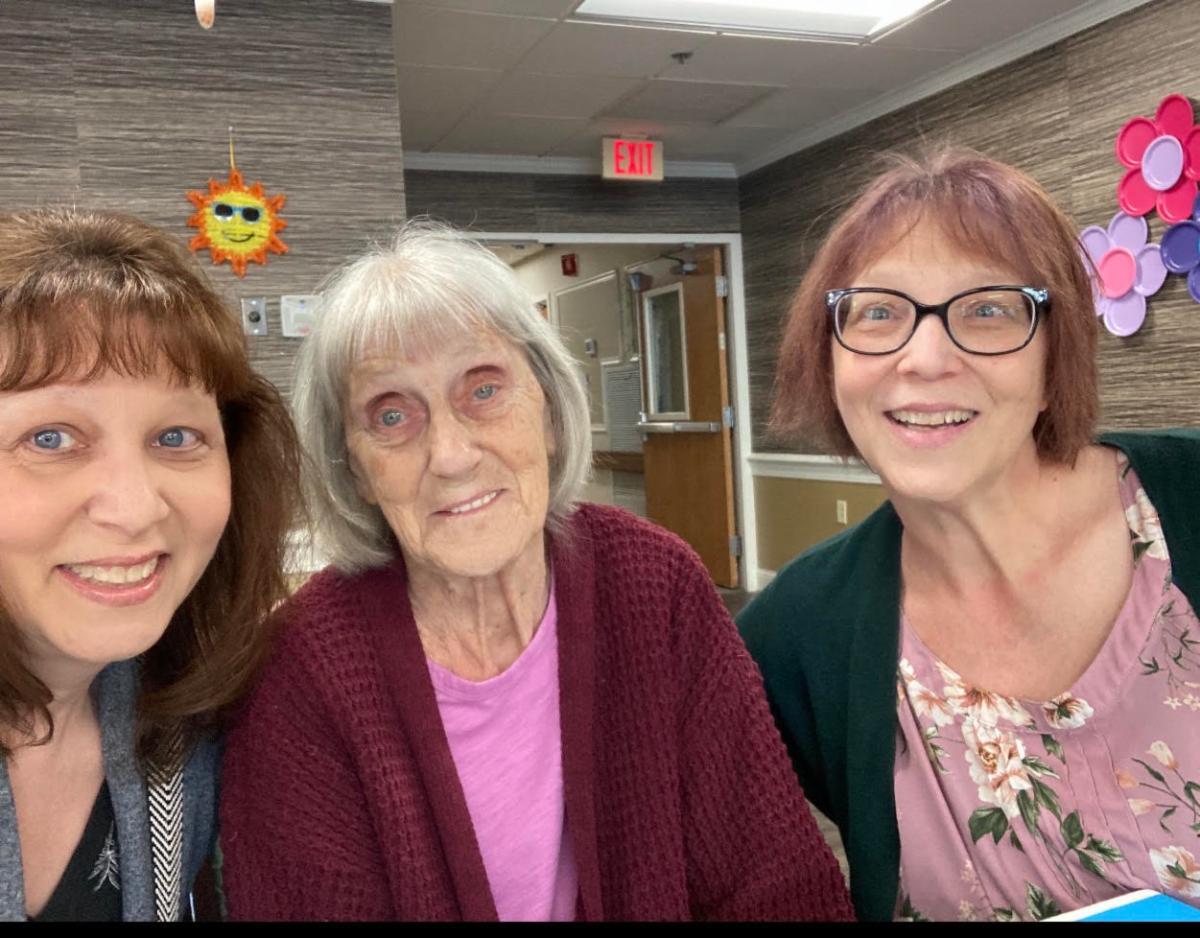
I’ve been living inside that landscape recently. My mother passed away from Alzheimer's June 29th, which was like watching someone you love die repeatedly. Tonight we’re saying our final goodbyes. Last week, we scattered her remains on her favorite beach — a place where she felt free, where the world seemed softer, where the tide always returned no matter how many times it left. Standing there, my sister Kari and I realized grief isn’t just an emotion. It’s a terrain we learn to walk, one uneven step at a time.
| | | |
Psychologists describe grief as the emotional, cognitive, and physical response to losing someone deeply loved. The American Psychological Association notes that grief affects how we think, how we feel, and even how our bodies function — sleep, appetite, energy, focus. It’s not weakness. It’s the human nervous system trying to understand a world that suddenly doesn’t make sense.
When a loved one dies from overdose, grief often comes with companions: stigma, judgment, isolation, and the sense that you must explain or defend the person you loved. Many people grieving overdose loss describe feeling like they’re carrying two burdens — the pain of the loss itself and the weight of how society reacts to it.
But overdose loss is still loss. It is still love. It is still grief.
And the person you lost is still a whole human being, not defined by the way they died.
Early grief theories tried to map grief as a straight line. You may have heard of the “five stages” — denial, anger, bargaining, depression, acceptance. These ideas came from Elisabeth Kübler‑Ross, who originally studied people facing their own terminal diagnoses. Later research found that while these emotions often appear, they don’t come in order, and they don’t come just once. They rise and fall like waves.
More recent models describe grief in ways that feel truer to real life:
-
The Dual Process Model says we move back and forth between confronting the loss and trying to rebuild our lives. Some days we cry. Some days we pay bills. Both are grief.
-
Worden’s Tasks of Mourning suggest that healing involves accepting the reality, feeling the pain, adjusting to life without the person, and finding a way to stay connected while moving forward.
-
Continuing Bonds Theory recognizes that we don’t “get over” people. We carry them. We talk to them. We keep their rituals alive. Scattering ashes on a beach, wearing their jewelry, cooking their favorite meal — these are healthy ways of maintaining connection.
-
Meaning Reconstruction focuses on how grief reshapes identity. After loss, we often ask: Who am I now? What does this mean? How do I live in the world where this happened?
These models don’t tell us what to feel. They simply remind us that grief is not a failure to cope. It is coping.
When we stood on that beach, letting the wind take pieces of our mother back to a place she loved, we both felt the strange mix that grief brings: sadness, gratitude, disbelief, tenderness. We felt the presence of her life more than the fact of her death.
People grieving overdose loss often describe moments like this — moments where love feels louder than the circumstances. Moments where the person’s humanity rises above the narrative of addiction. Moments where grief becomes a way of saying: You mattered. You still matter.
Grief doesn’t end. It changes shape. It softens. It surprises you. It becomes part of your story, not the whole story.
For those who have lost someone to overdose, grief is also an act of resistance — a refusal to let stigma erase the person you loved. It is a way of carrying their memory forward with honesty and compassion.
And for me, grief is now a tide. It comes and goes. It pulls and releases. It reminds me that love doesn’t disappear; it transforms.
In honor of our momma, Kathleen Tefft, and with gratitude to my sister, Kari, for helping me write this article.
| | |
Cathi Emery, Office & Grant Manager
Opioid Task Force of Franklin County and the North Quabbin Region
| | |
COVID-19 RESOURCES
Explore OTF's COVID-19 Resource Guide.
| | |
2026-2027 Franklin County/North Quabbin Region Emergency Resources Guide for Unhoused Individuals (17th Edition)
Click here
| | |
MASSACHUSETTS SUBSTANCE USE HELPLINE
Hope is here. Get help.
| | |
413Cares
Resources for Franklin County and the North Quabbin Region. Click here.
| | |
North Quabbin Community Coalition
Resources and upcoming events in the North Quabbin Region.
Click here.
| | |
Emergency Services Resources for Unhoused Individuals
Click here.
| | |
Age & Dementia Friendly Franklin County & North Quabbin by LifePath
Click here for resources.
Silverline Resource Directory
Download here
| | |
The PACES CONNECTION
Click here for resources
| | |
Grayken Center for Addiction Training & Technical Assistance
Click here to view and/or register for trainings.
| | |
GCC Community Engagement and Workshop Events
Click here to view and/or register for trainings.
| | |
Rural SUD Info Center
Click here for resources.
| | |
Greenfield Recorder 7.30.26
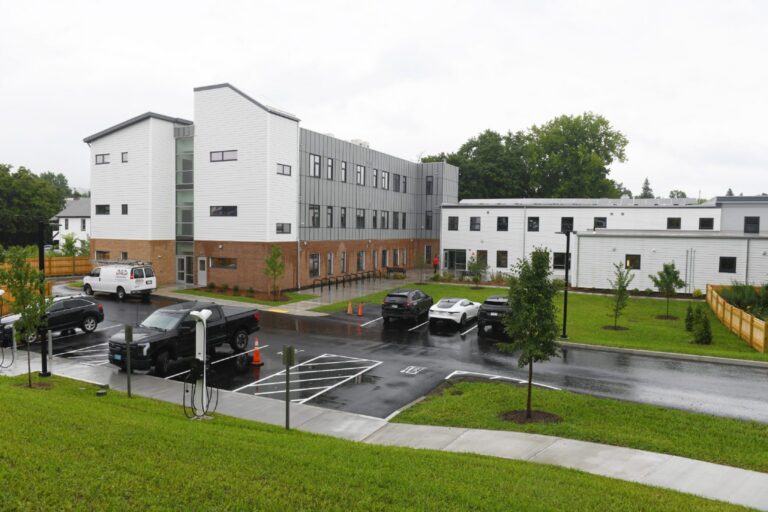
| | While Clinical & Support Options is still working on finishing touches on the new housing facility at 60 Wells St., clinicians, community members and government officials gathered on Wednesday to celebrate the new “Friends of the Homeless” shelter. | | | |
“This represents something that many of us take for granted: Losing your key in your purse, having a key in your pocket, having a front door and, at the end of the day, knowing that we all have a place to come home to every night,” said Karin Jeffers, who serves as CEO of the nonprofit. “Thirty-six apartments in Greenfield may seem like a number on paper, but to the 36 people who are going to be calling this home in about a month, it’s the difference between surviving and truly belonging.”
The approximately $27 million, 35,000-square-foot facility is set to open later next month, and will offer supportive permanent housing through 36 studio apartments, as well as temporary shelter for as many as 42 individuals. Crews are still working to install final details such as room numbers, office signs and the elevator, and will be working in the coming weeks to move furniture from CSO’s temporary shelter on Arch Place.
During a tour, Senior Director of Shelter Housing Keleigh BenEzra said the facility has multiple offices where the clinicians and case managers will be able to offer addiction and behavioral health resources to those living in the shelter, as well as a leasing coordinator and nursing staff. The facility also has a kitchen, dining room, and a resource room where guests can spend time and get support when the dorms are closed for the day.
Both the men’s and women’s dorms will be locked from 7 a.m. to 7 p.m., and open overnight for up to 26 men and 16 women. Both the men’s and women’s dorms have full bathrooms with multiple stalls, providing privacy.
On the apartment side of the complex, the apartments — including the seven accessible ones — feature full bathrooms, and kitchens with a stove, fridge and microwave. The apartments come fully furnished, and each of the tenants is automatically enrolled in the Section 8 housing voucher program.
BenEzra added that as a permanent supportive housing facility, there is no timeline on how long tenants can stay, but the goal is that eventually they will be able to transition out of the facility and allow others to use it.
Jeffers said permanent supportive housing has proven to be the best way to combat chronic homelessness. It provides people without stable housing a safe place to call home while seeking treatment, and an address they can use on job applications.
“When people have stable housing, everything else becomes possible. Physical and behavioral health improve, hospitalizations decline, people reconnect with family, pursue employment, engage in treatment and begin rebuilding their lives,” Jeffers said. “Housing is not the finish line; it’s just the foundation. It provides the stability from which recovery, health [and] employment can grow.”
Congressman Jim McGovern said he is proud the federal government was able to support the project through approximately $800,000 in low-income housing tax credits.
“This new campus represents something really, really special. It’s not just a new building; it’s a new way of helping people rebuild their lives,” McGovern said. “Someone who comes here won’t just find a bed for the night. They’ll find safe shelter and a road to permanent housing, meals, counseling, health care, recovery services and people who believe in them. … This campus will change lives.”
McGovern added that, at a time in which the Trump administration is pushing for support services and the funding that makes it possible to be cut, it is important to highlight the importance of services offered by organizations like CSO.
“This is important stuff, and it doesn’t take a rocket scientist to understand the real difference they make in people’s lives and the positive impact they have on our communities,” McGovern said. “Housing is a fundamental human right. Every person deserves a safe place to sleep, stability and the opportunity for a better future. When we invest in housing and supportive services, it’s not just about the ribbon cutting. It’s about building stronger, healthier communities for everyone.”
Greenfield Mayor Ginny Desorgher said she is proud of the teamwork that made the new housing facility possible, and highlighted how supportive Greenfield is as a community.
“This facility will do so much for Greenfield. It represents a profound shift in how we care for our neighbors by bringing emergency shelter, permanent housing [and] wraparound supportive services together into a single, trauma-informed environment,” Desorgher said. “CSO is proving that we can meet people exactly where they are with the dignity they deserve.”
According to the Friends of the Homeless guidelines, CSO works to treat guests with respect and asks guests to treat staff and fellow guests with respect. Guests are asked not to use racist, homophobic, transphobic or sexist language, or use any threatening language or gestures. Substances, such as alcohol, marijuana, cocaine or heroin, cannot be used on the property or within a direct line of site of the facility.
The facility will have lockers available for guests to store their belongings.
Tenants have already been selected for the apartment side of the facility, and will begin moving in after the staff offices and shelter have opened in a few weeks. For more information about CSO’s emergency and permanent housing options, visit csoinc.org/housing-homeless-services.
While staff will continue working to finish the facility and move in, Jeffers said the Wednesday ribbon-cutting ceremony marked the end of a multiyear project that will make a difference for many people in the community.
“I’m of the belief that communities aren’t judged by the buildings that they construct. They’re judged by the ‘who’ those buildings are built for,” Jeffers said. “And today, as a community, we have chosen to invest in people who are too often left behind.”
Photo Credit: Greenfield Recorder
| | UPCOMING OTF COMMITTEE & WORKGROUP MEETINGS | | |
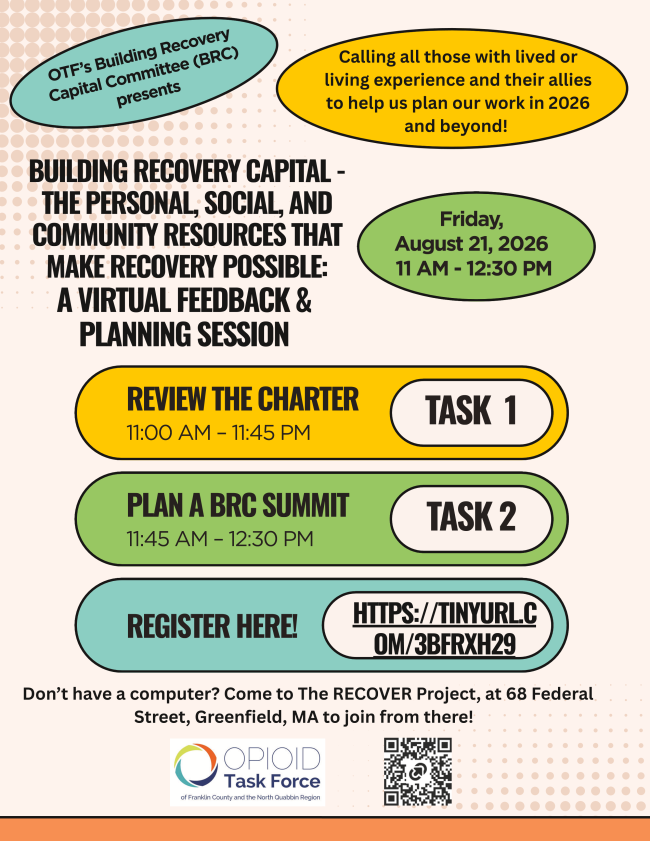
Virtual: Building Recovery Capital - The Personal, Social, and Community Resources That Make Recovery Possible
August 21, 2026
11:00 AM - 12:30 AM
Register here
Virtual: Harm Reduction Workgroup
September 2, 2026
11:00 am - 12:00 pm
Zoom details here
Virtual: Education, Prevention, and Resilience Committee
September 8, 2026
9:30 AM - 10:30 AM
Zoom details here
Virtual: Methadone Workgroup
September 10, 2026
3:00 PM - 4:00 PM
Zoom details here
Virtual: FC/NQ Emergency Services for Unhoused Individuals Task Force
September 14, 2026
9:30 AM - 10:30 AM
Zoom details here
Hybrid: Sexual Exploitation & Trafficking Workgroup
September 14, 2026
1:00 PM - 2:00 PM
Franklin County Reentry Center
106 Main Street, Greenfield
Zoom details here
Hybrid: Public Safety & Justice Committee
October 5, 2026
1:00 PM - 2:00 PM
Franklin County Reentry Center
106 Main Street, Greenfield
Zoom details here
Consult our website or Facebook Page for updates. Please email us with any questions!
| | | FEATURED EVENTS AND ANNOUNCEMENTS | |
Franklin County and North Quabbin Region
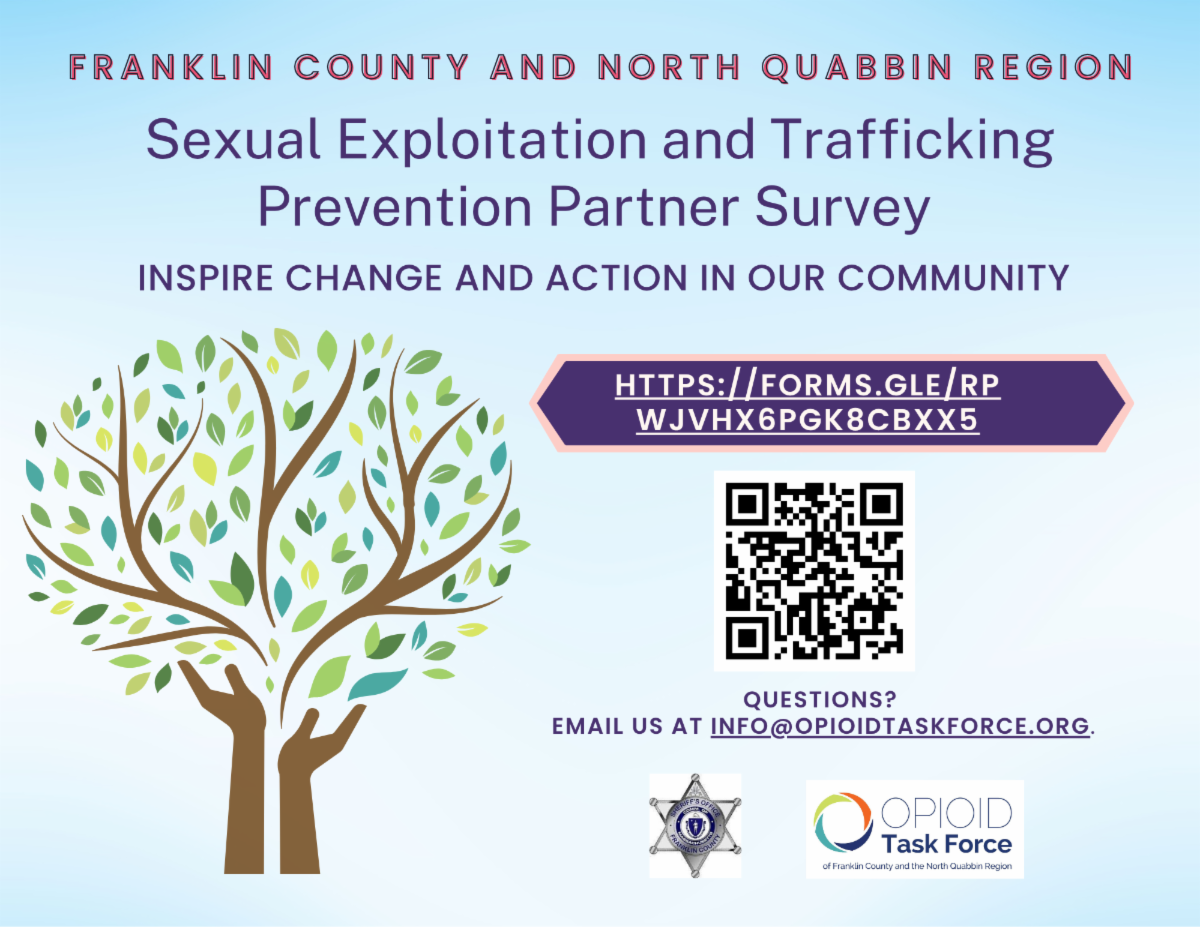
Sexual Exploitation and Trafficking Prevention Partner Survey
| | |
The Sexual Exploitation and Trafficking Prevention Workgroup of Franklin County and the North Quabbin Region invites you to participate in the Community Partner Survey: Building Knowledge, Readiness, and Collaboration Around Sex Trafficking and Commercial Sexual Exploitation.
Click here to access the survey.
This survey is intended to help us better understand partner knowledge, training needs, and community readiness related to sex trafficking and commercial sexual exploitation in rural Franklin County and the North Quabbin region of Western Massachusetts. What you share will help guide a series of virtual trainings and inform a later community asset mapping process. We recognize that these topics are complex and may intersect with domestic violence, coercive relationships, family and social networks, and substance use. Please answer based on your role, experience, and perspective. If you are unsure about a question, respond as best you can. Your input is valued and will help shape future learning and collaboration across the region. Responses will be kept confidential and will be de-identified.
If you are outside Franklin County or the North Quabbin region, we still welcome your response.
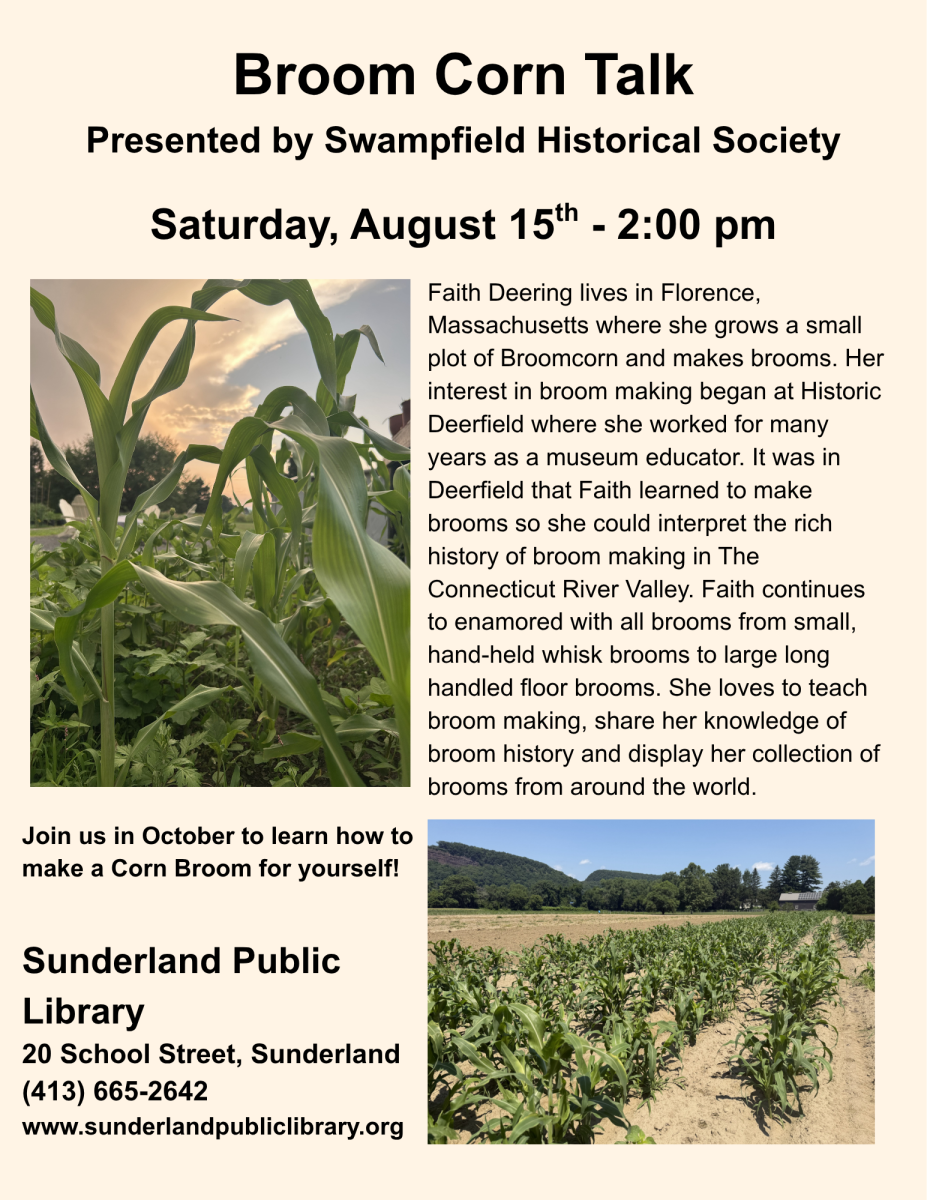
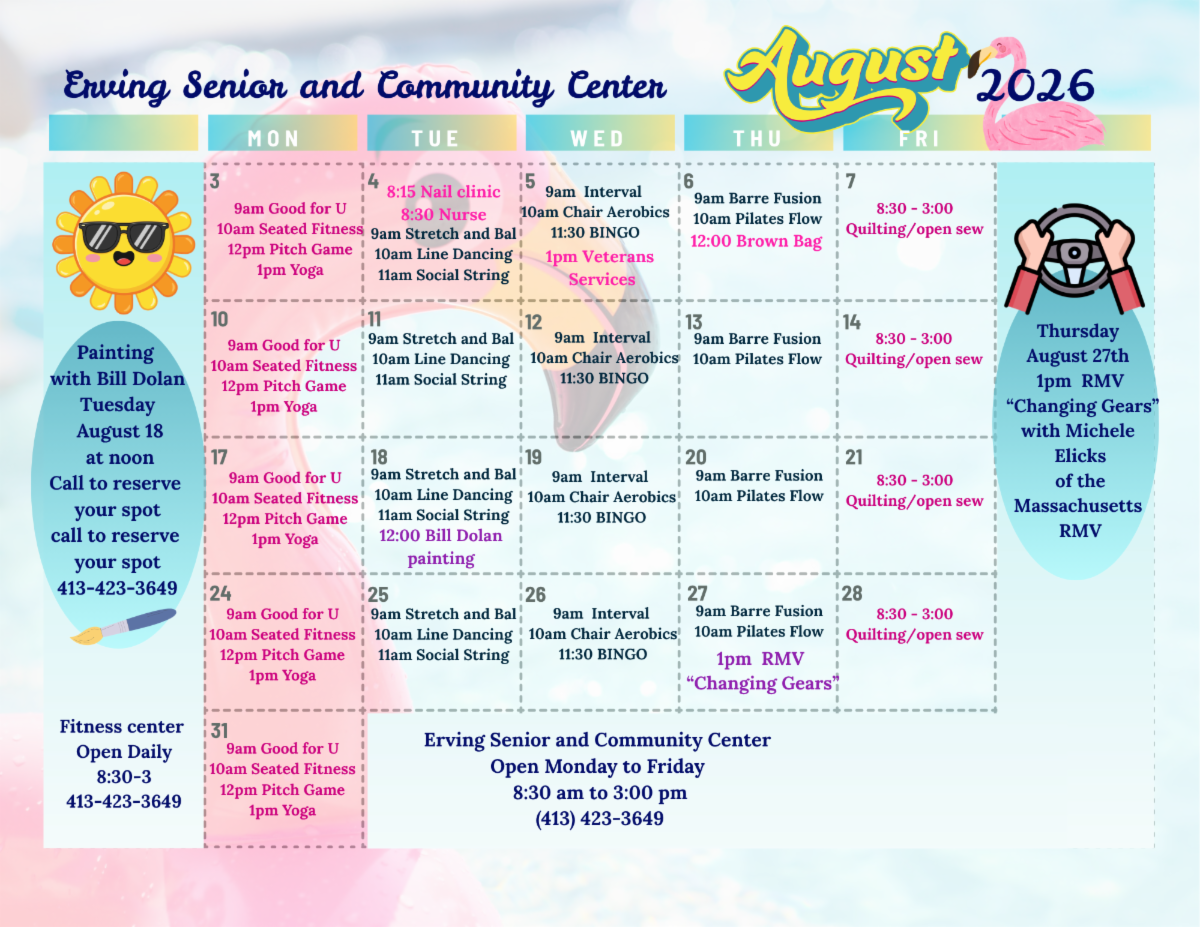
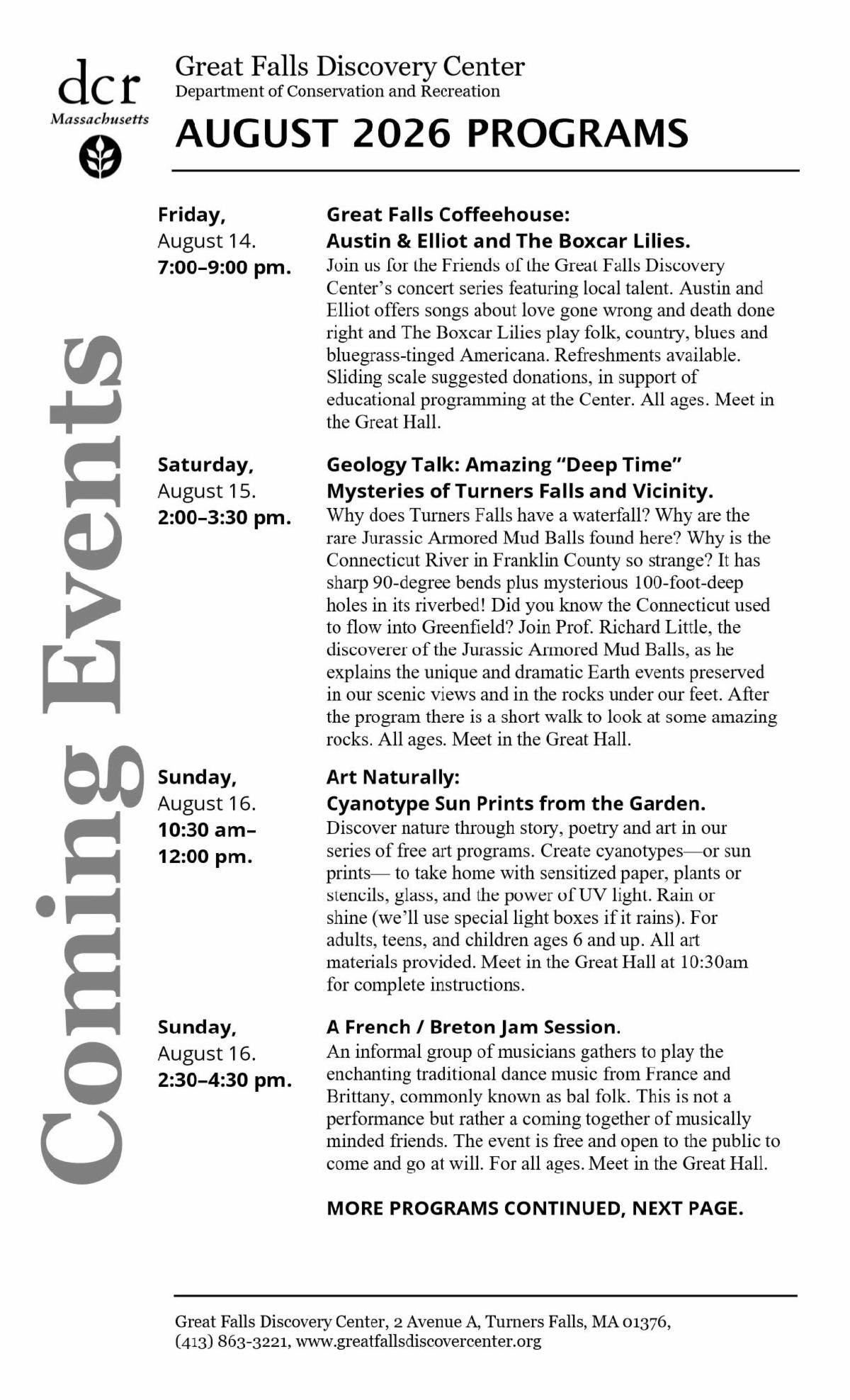
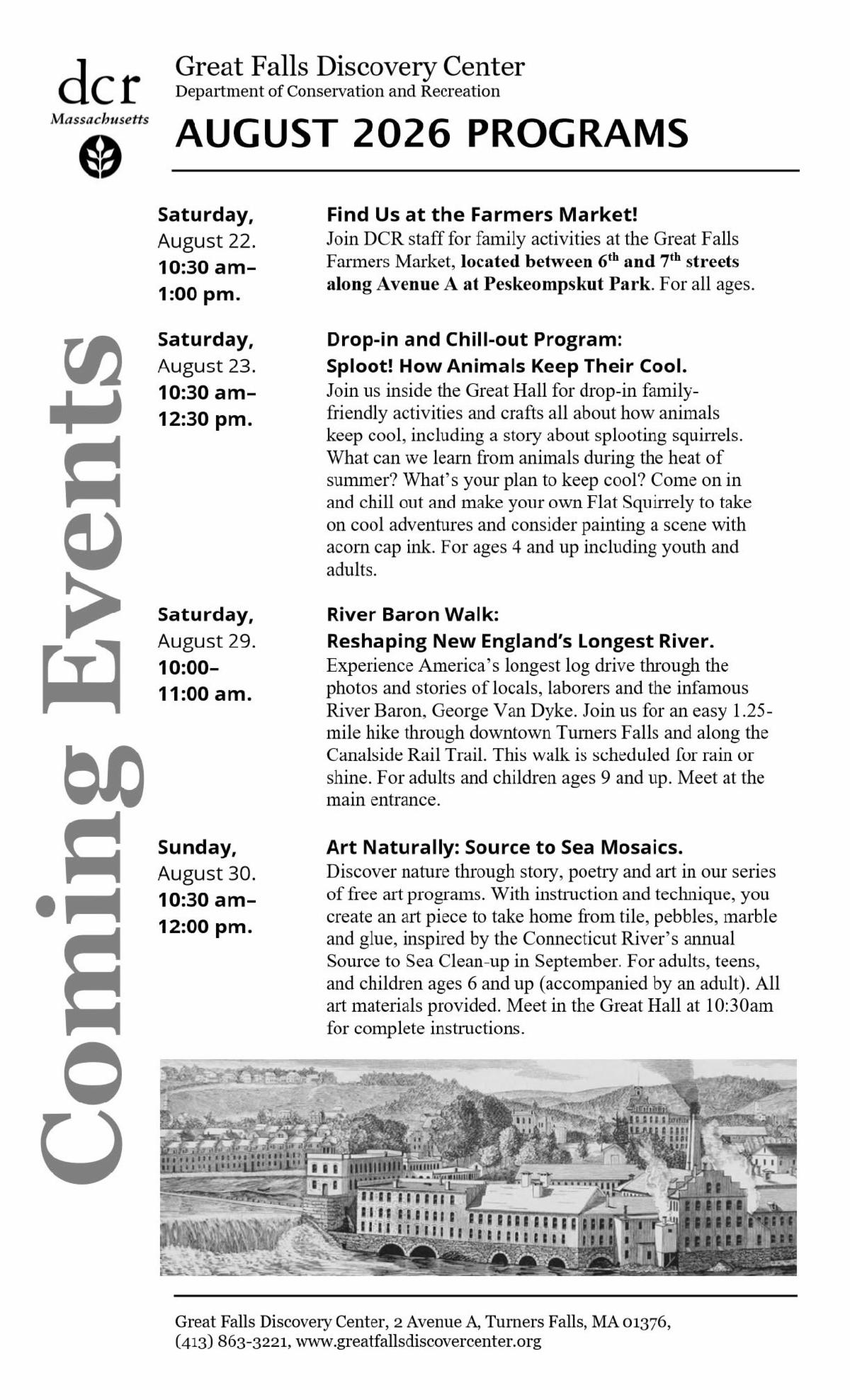
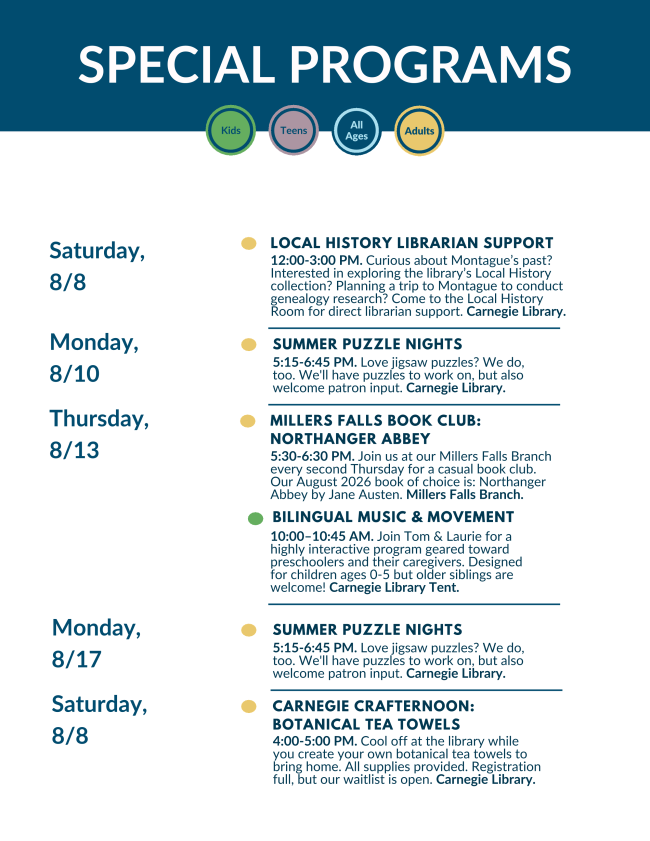
| | Click here for Post-Opioid Overdose Outreach Services | | Time Sensitive Announcements | | August 1 - 31 United Way Diaper Drive | | August 15 Virtual Enrollment Day at GCC | | August 15 Backpack & School Supplies Giveaway | | August 15 Stone Soup Café | | August 15 Broom Corn Talk | | August 15 Amazing "Deep Time" Mysteries of Turners Falls and Vicinity | | August 16 Solar Prints from the Garden | | August 16 Shanti Starr & the Afro-Reggae Allstars | | August 18 Painting with Bill Dolan | | August 18 Painting With Plants | | August 18 Summer Craft Bash! | | August 18 Outdoor "Drive-In" Movie | |
August 19 & 20 25th Annual North Quabbin Patch
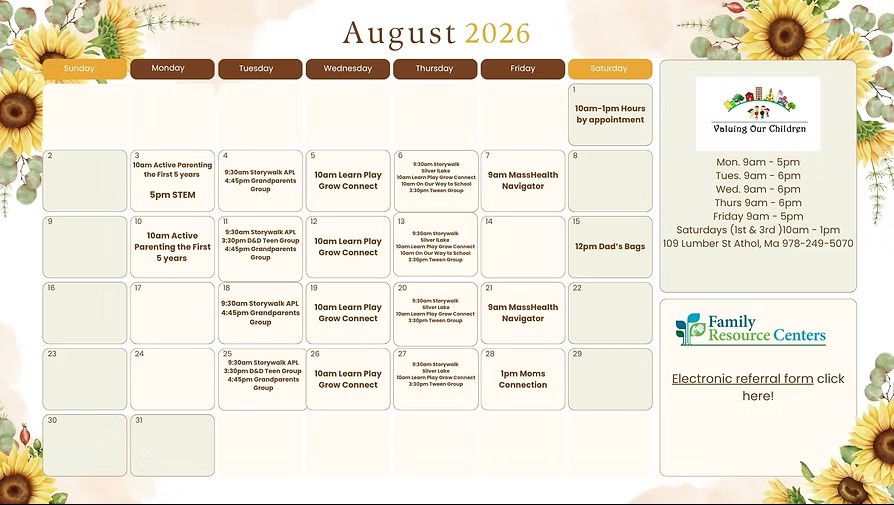
Valuing Our Children Backpack Drive
| |
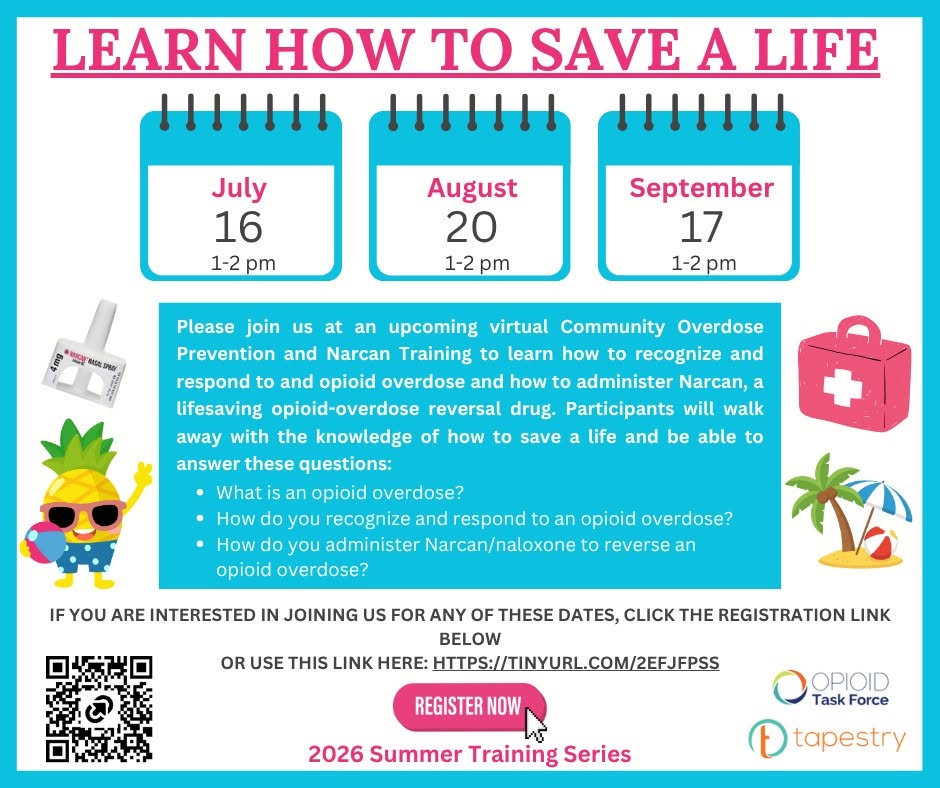
August 20 Community Overdose Prevention and Narcan Training Register here
| |
August 20 Hidden in Plain Sight: Learning about Sexual Exploitation and Trafficking in Rura Areas
Register here
| | August 20 America 250th Special Presentation: Lost Nation | |
August 21 Building Recovery Capital - The Personal, Social, and Community Resources That Make Recovery Possible:
A Virtual Feedback & Planning Session
Register here
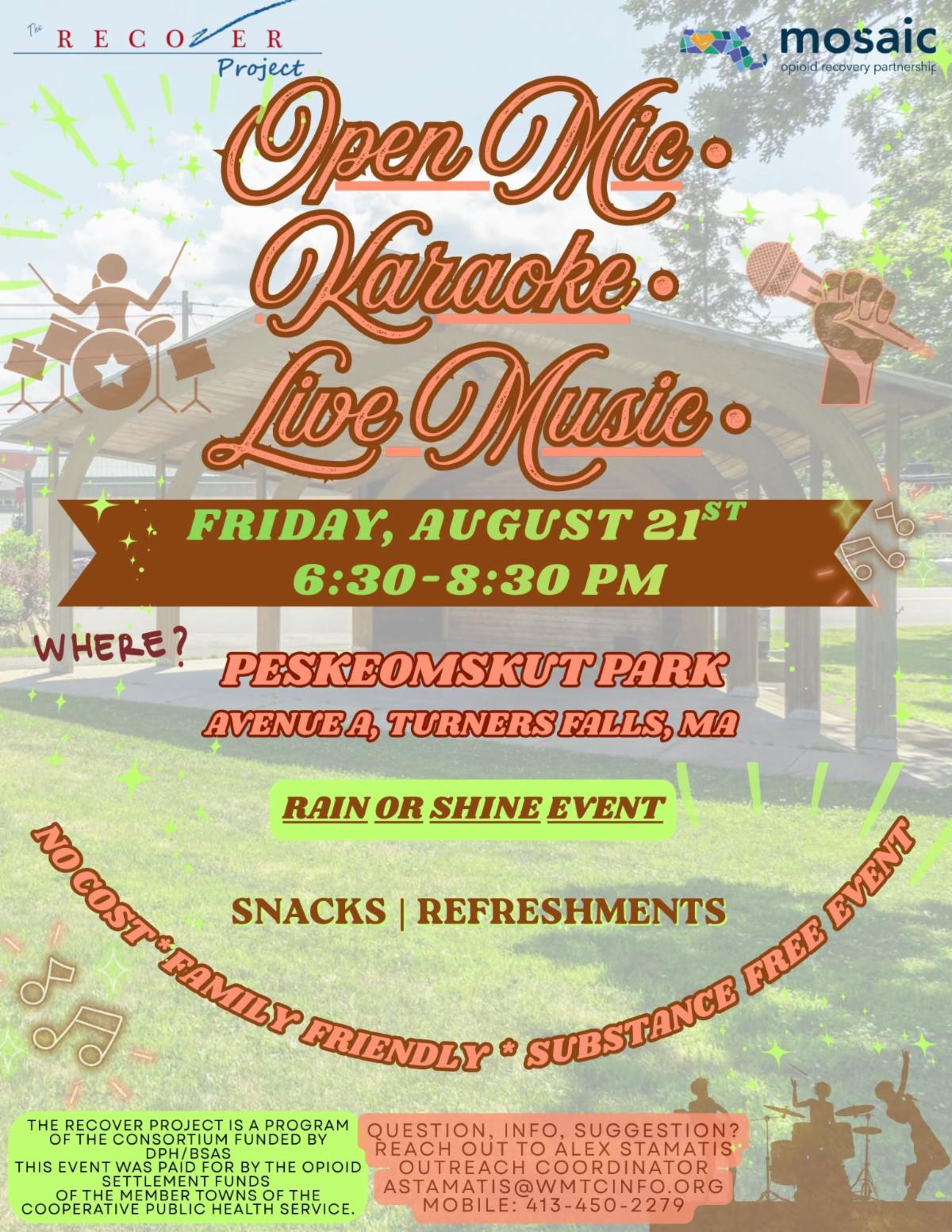
| | August 21 Bad News Jazz and Blues Orchestra | | August 21 Open Mic: Karaoke: Live Music Event | | August 21-23 The 108th Annual Heath Fair | | August 22 Stone Soup Café Harvest Supper | |
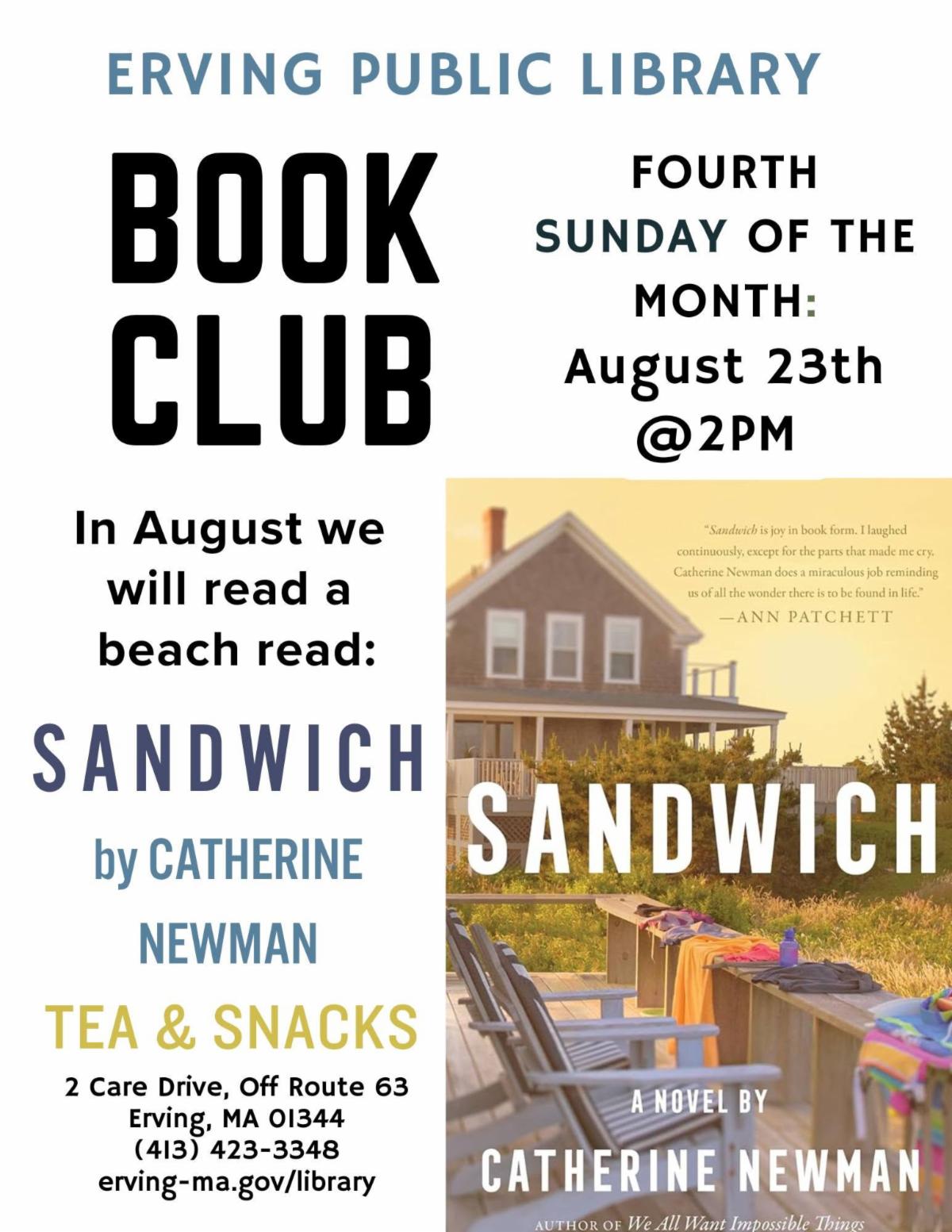
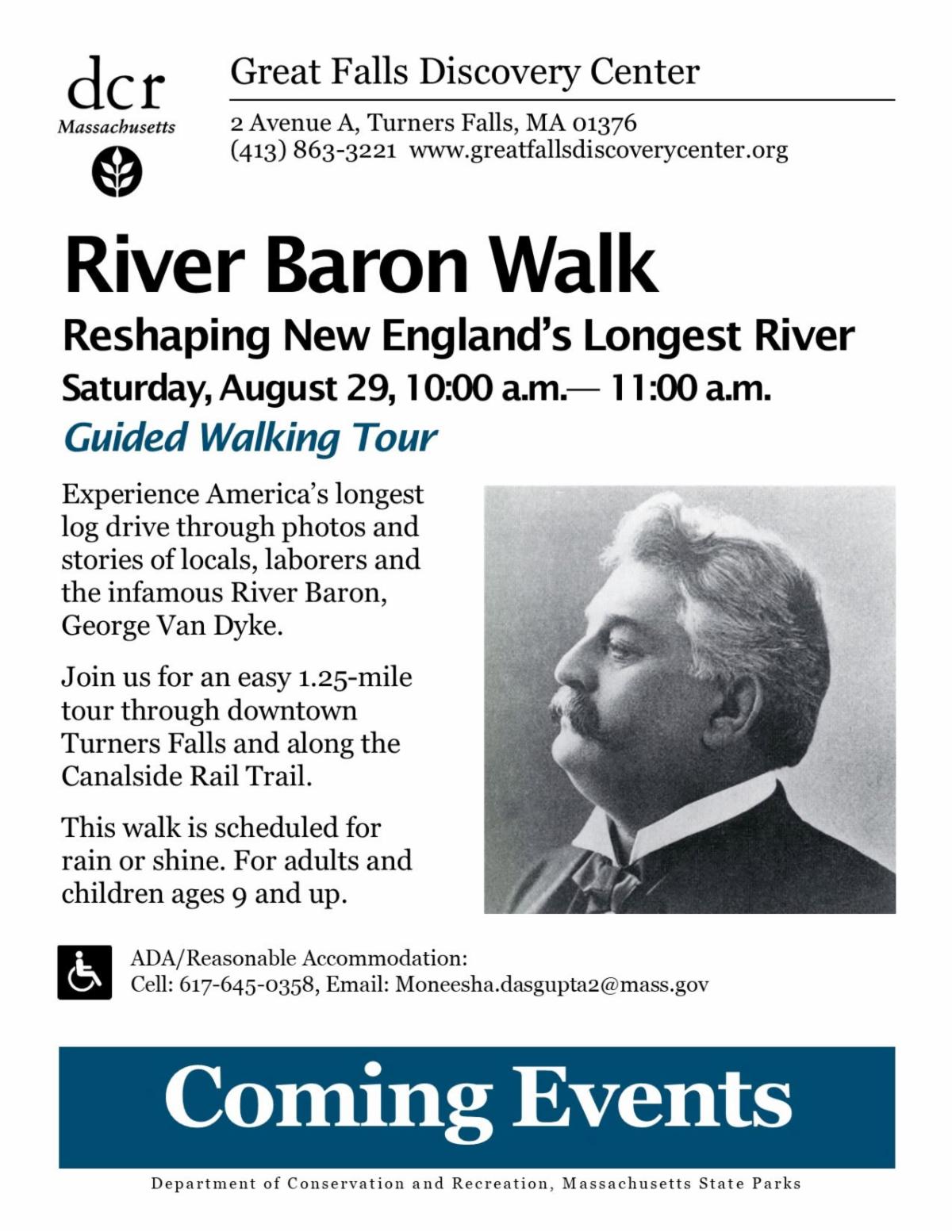
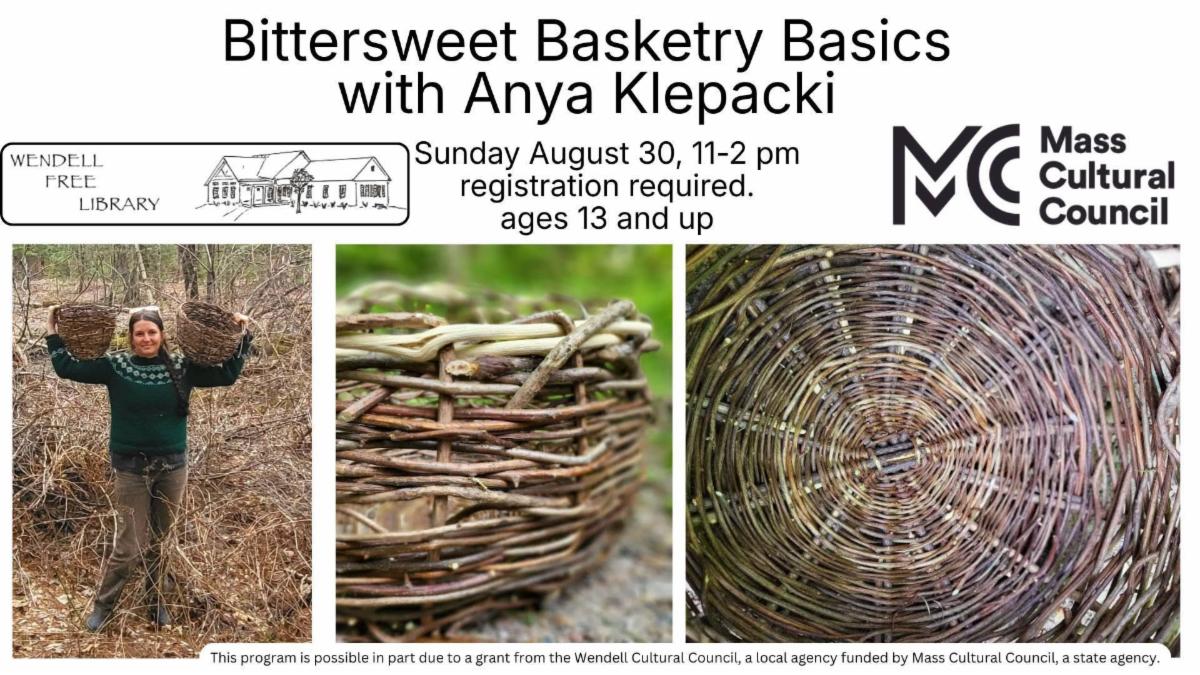
August 23 Felted Butterfly Hoop | | August 23 Erving Public Library Book Club | | August 25 First Aid, CPR, and AED Training | | August 27 North Quabbin Recovery Center Ice Cream Social | | August 27 WHWHE: Blossom with Clay | | August 29 River Baron Walk: Reshaping New England's Longest River | | August 30 Bittersweet Basketry Basics with Anya Klepacki | |
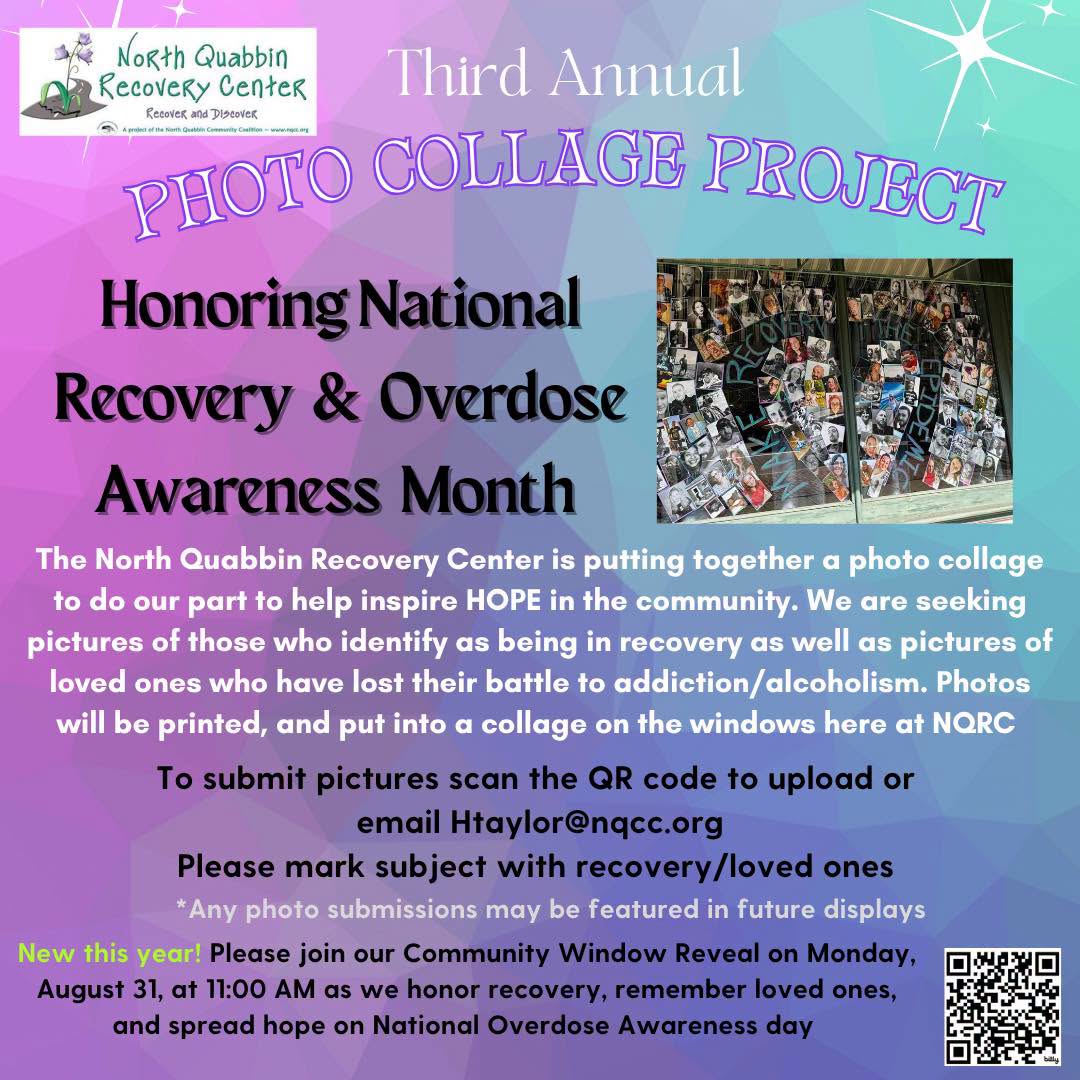
August 31 North Quabbin Recovery Center Third Annual
Photo Collage Project: Community Window Reveal
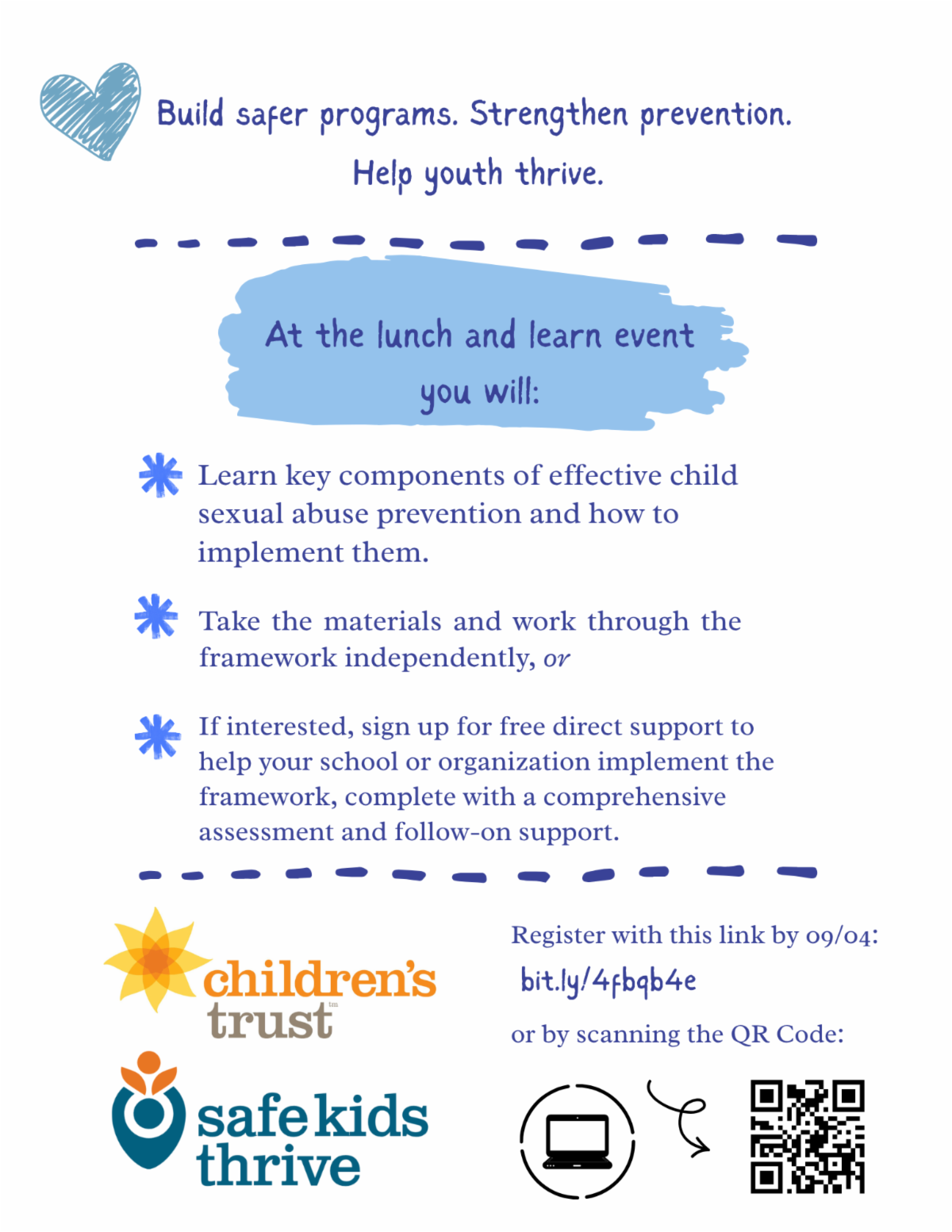
| | September 18 "Safe Kids Thrive" Lunch and Learn Event | | |
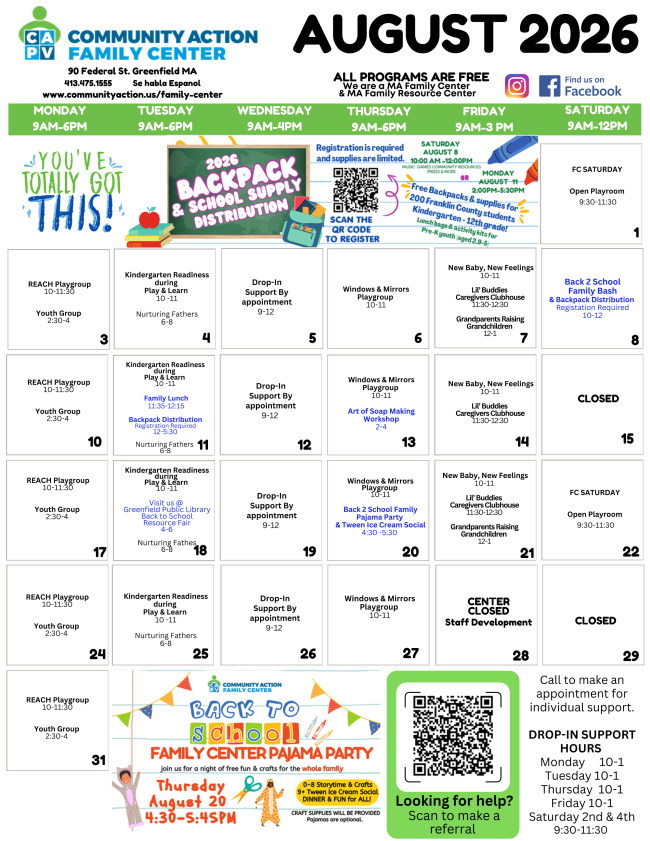
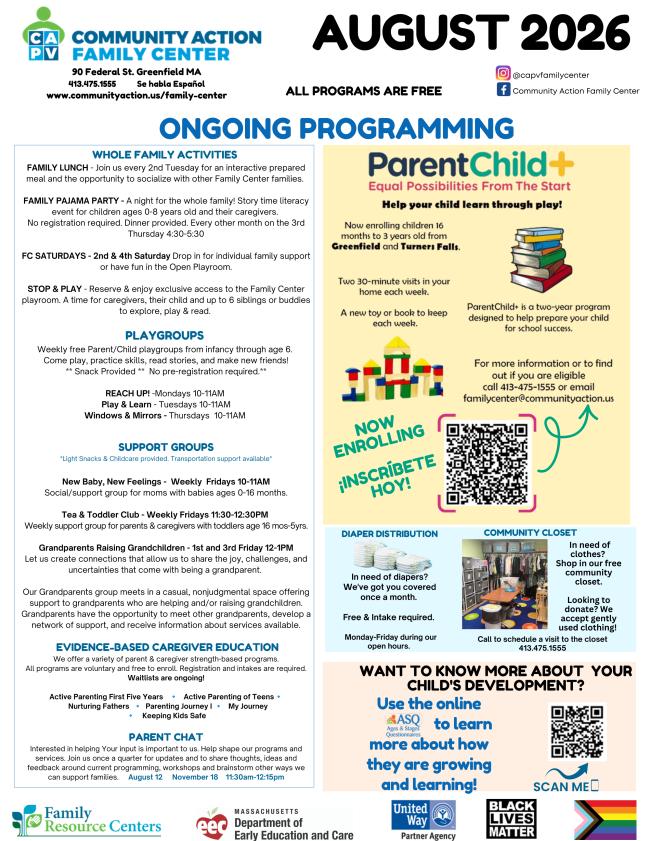
| MONTHLY WORKSHOP CALENDARS AND WEEKLY STANDING MEETINGS/EVENTS | | Community Action Family Center | |
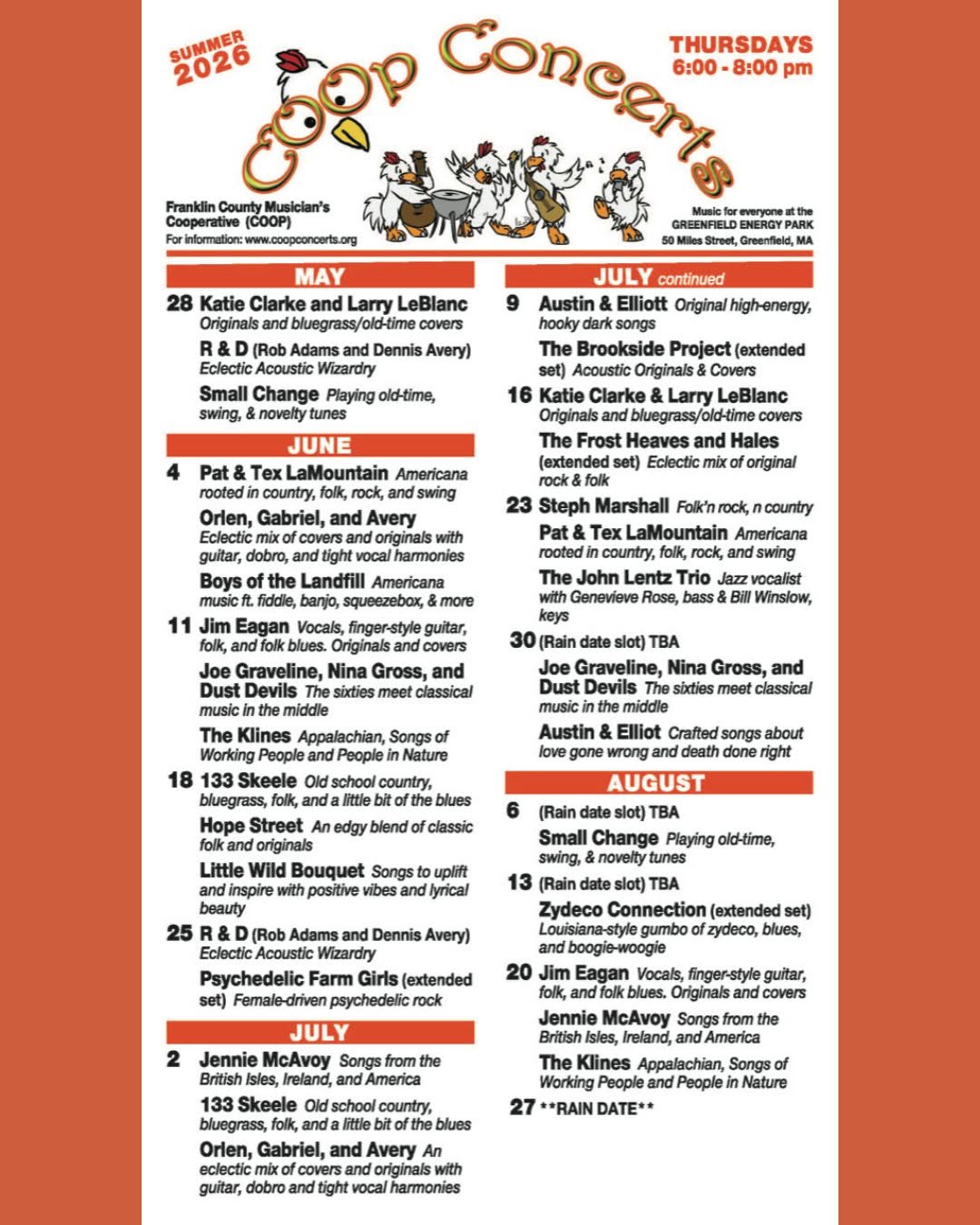
Franklin County Musician's Cooperative
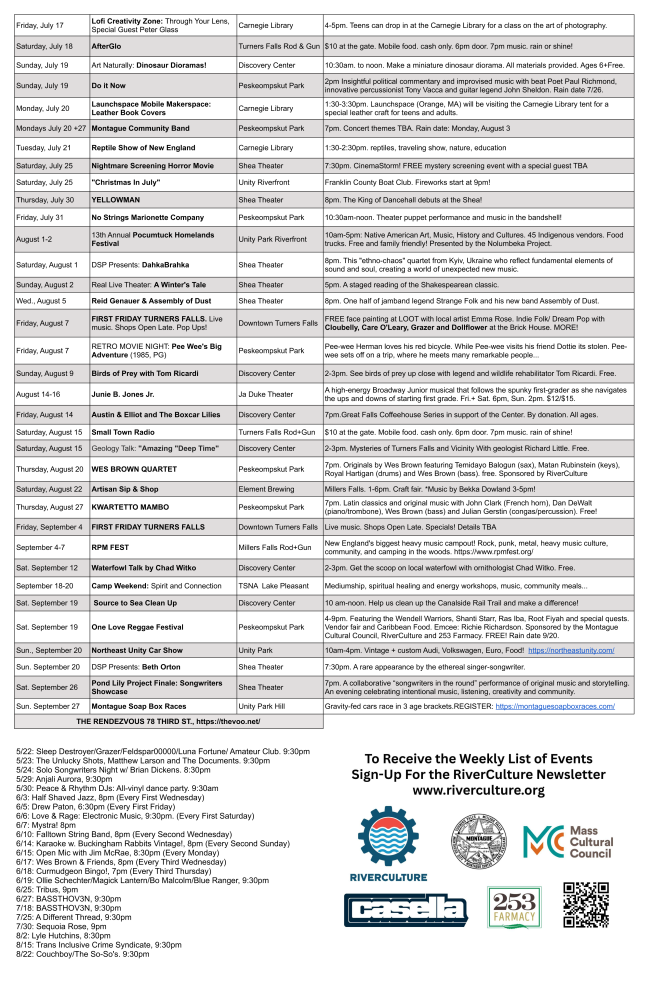
Summer 2026 COOP Concerts
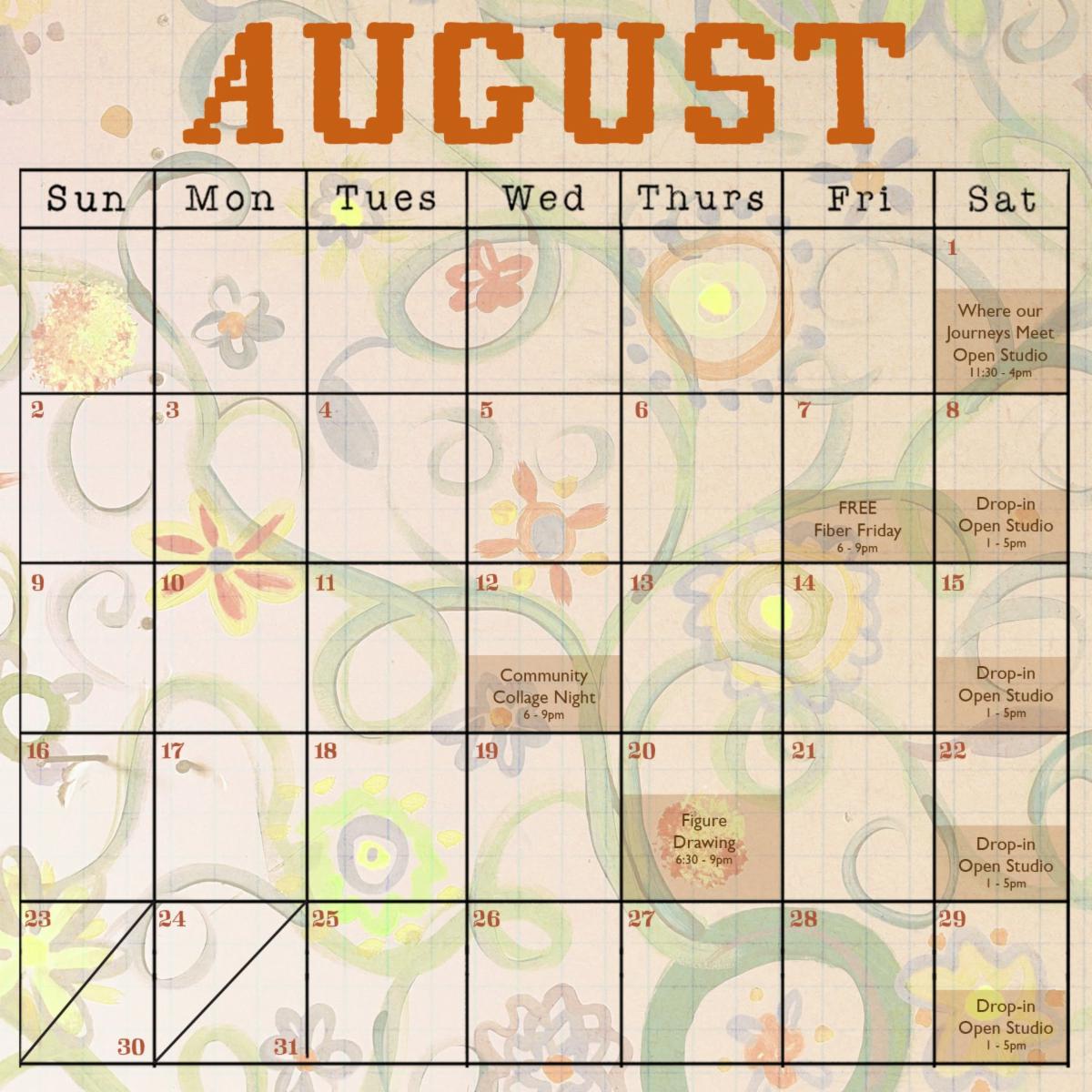
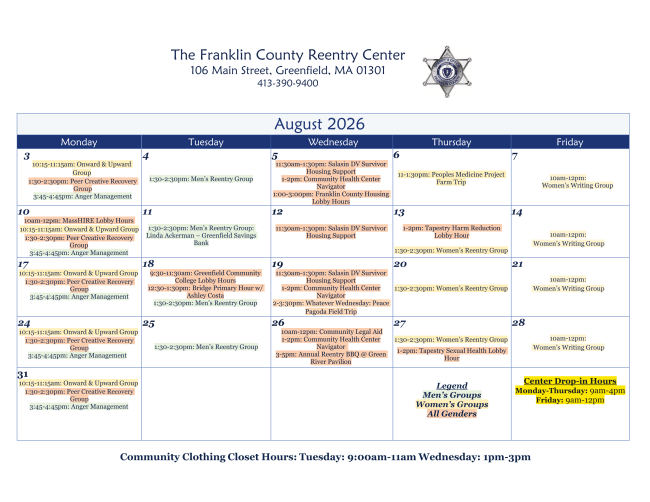
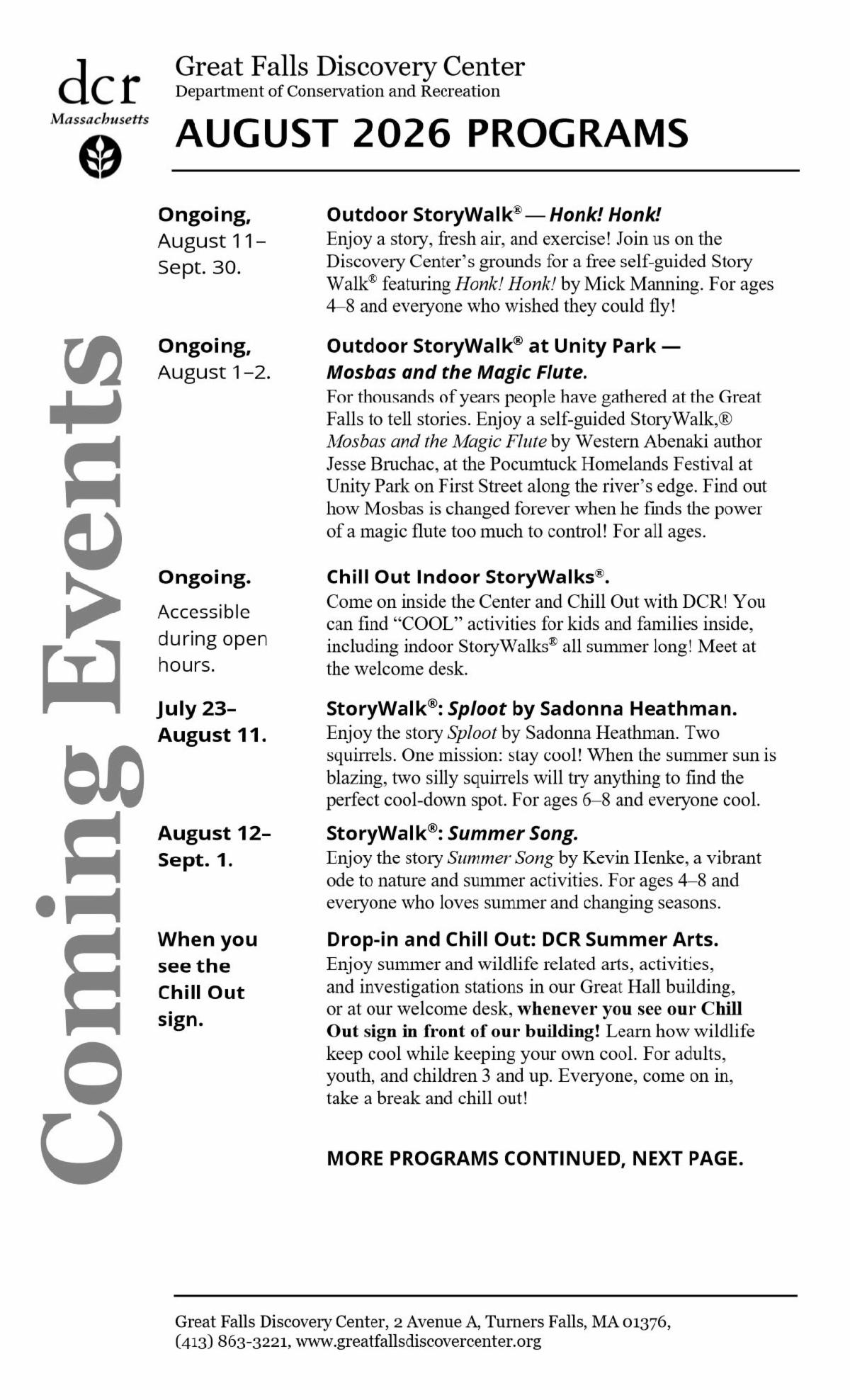
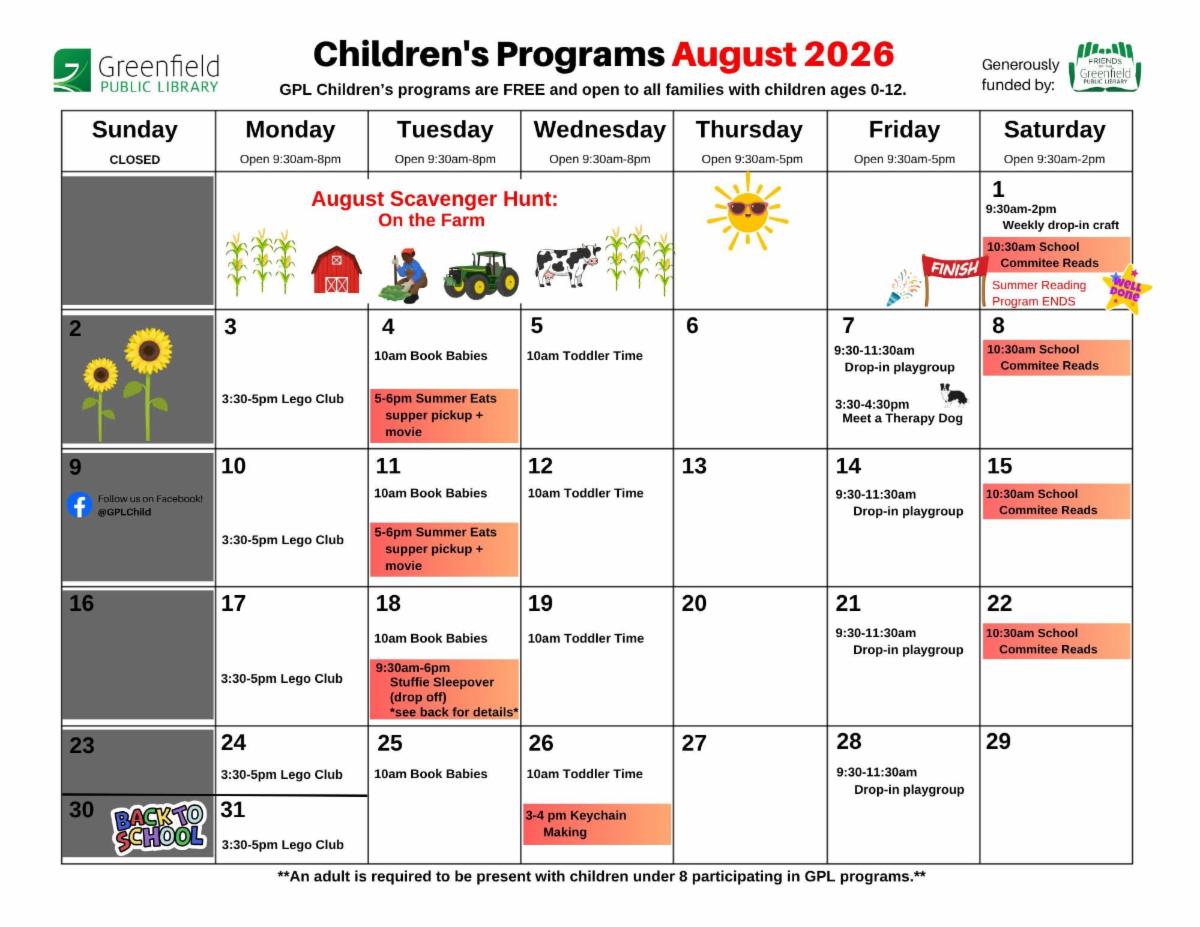
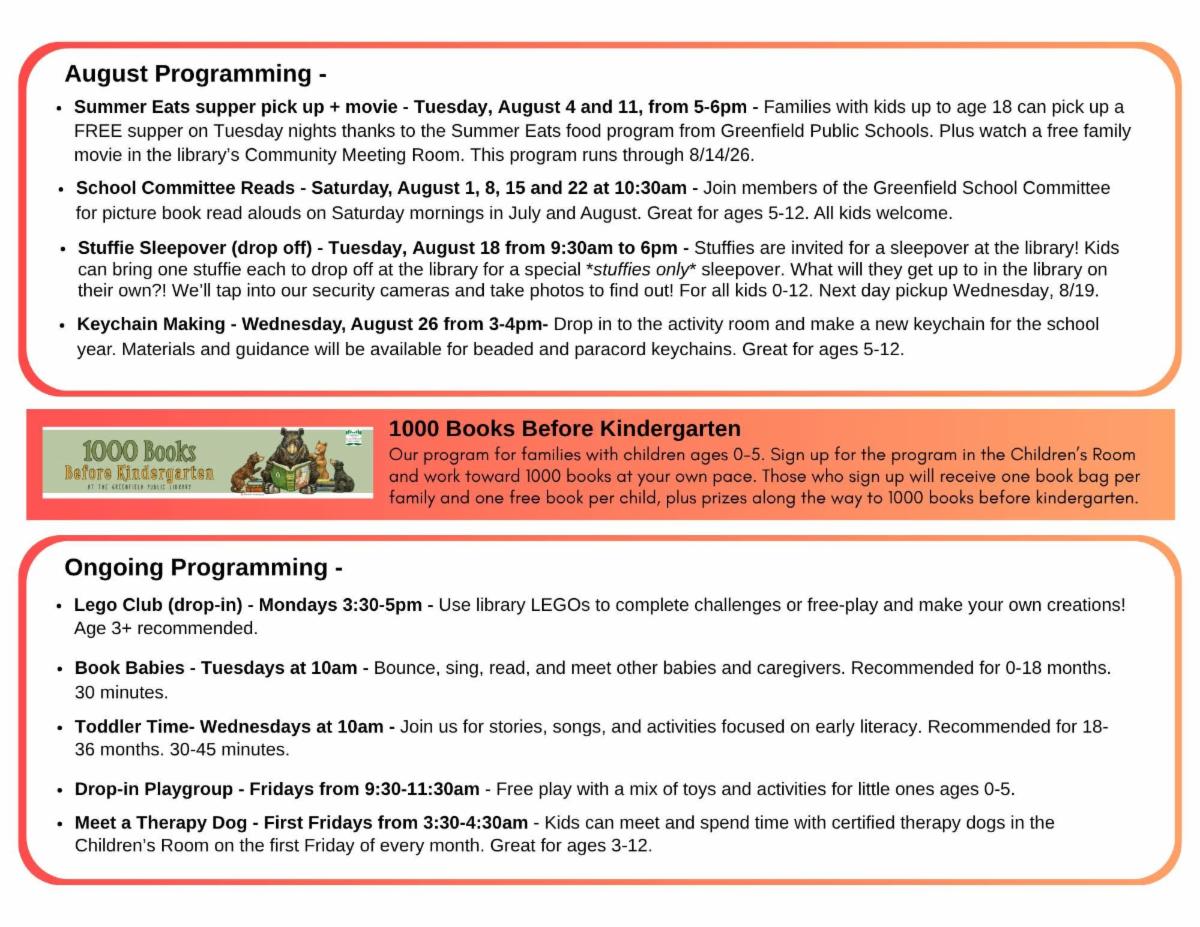
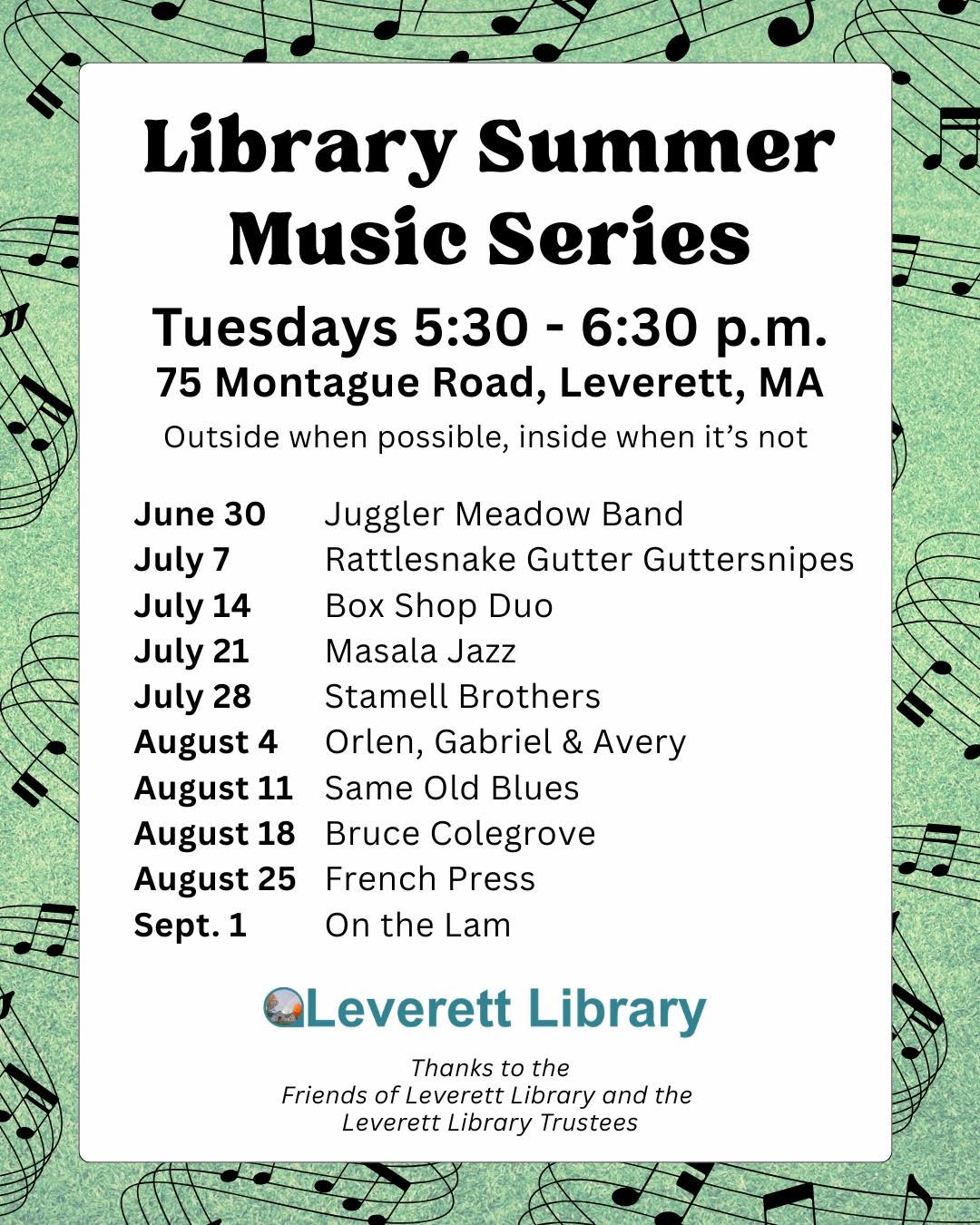
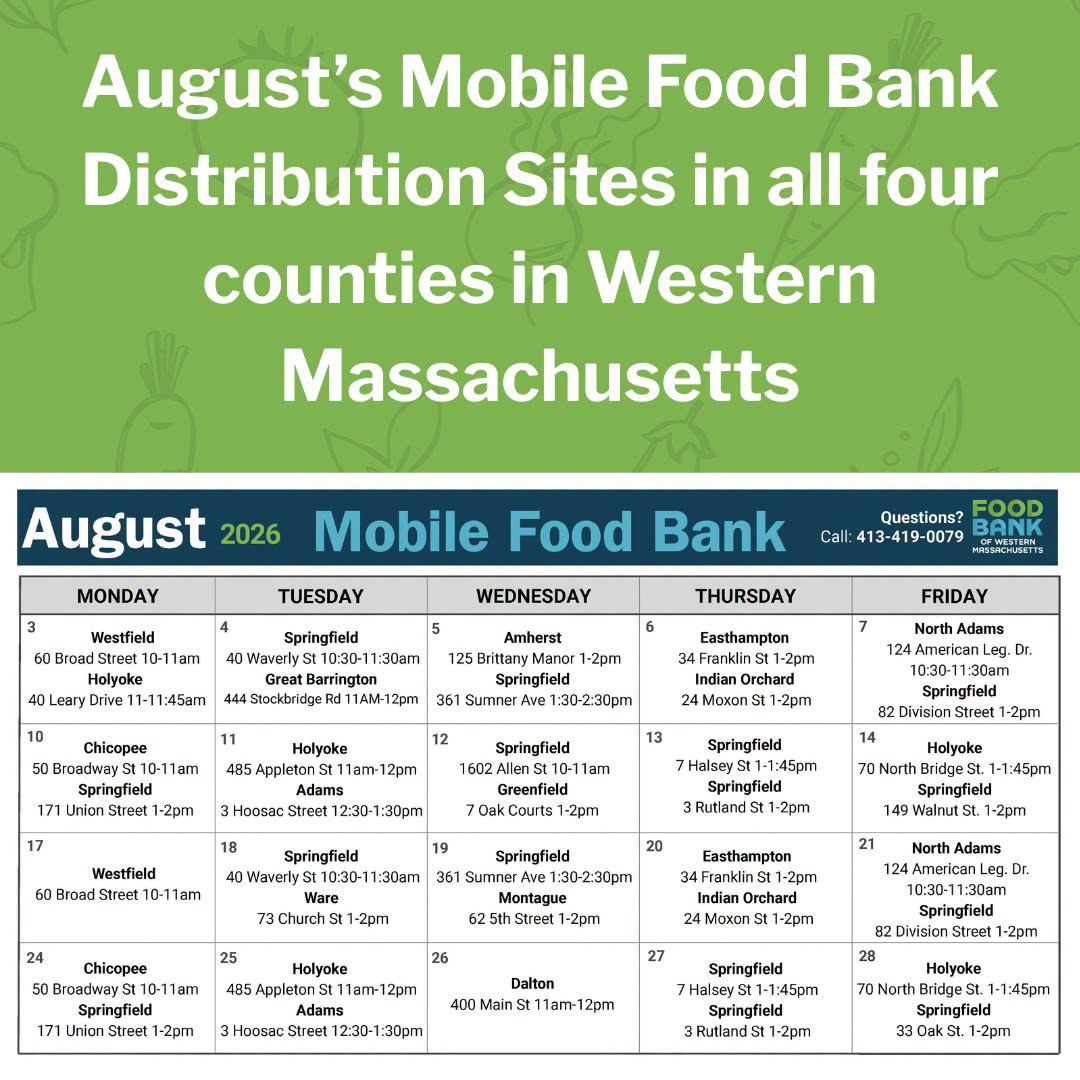
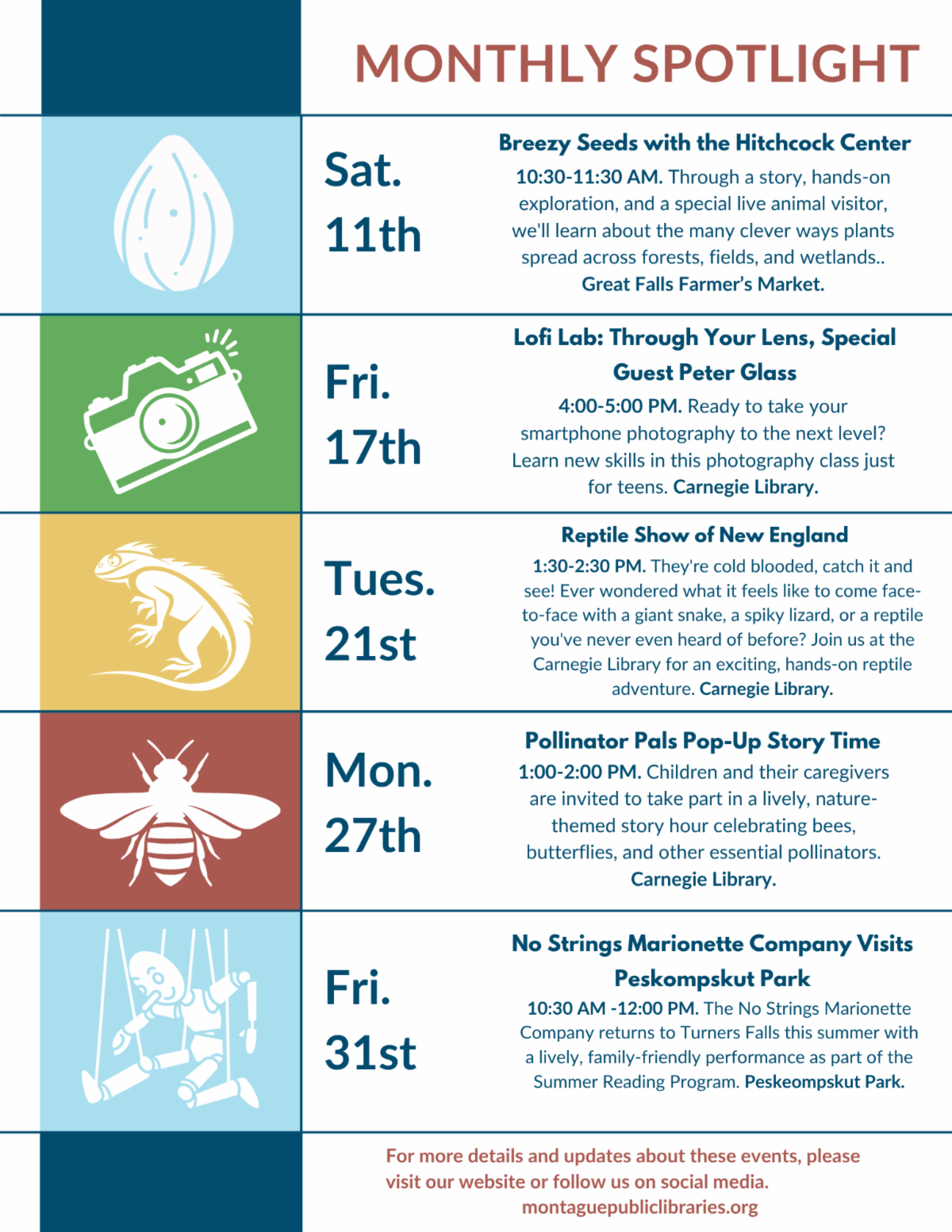
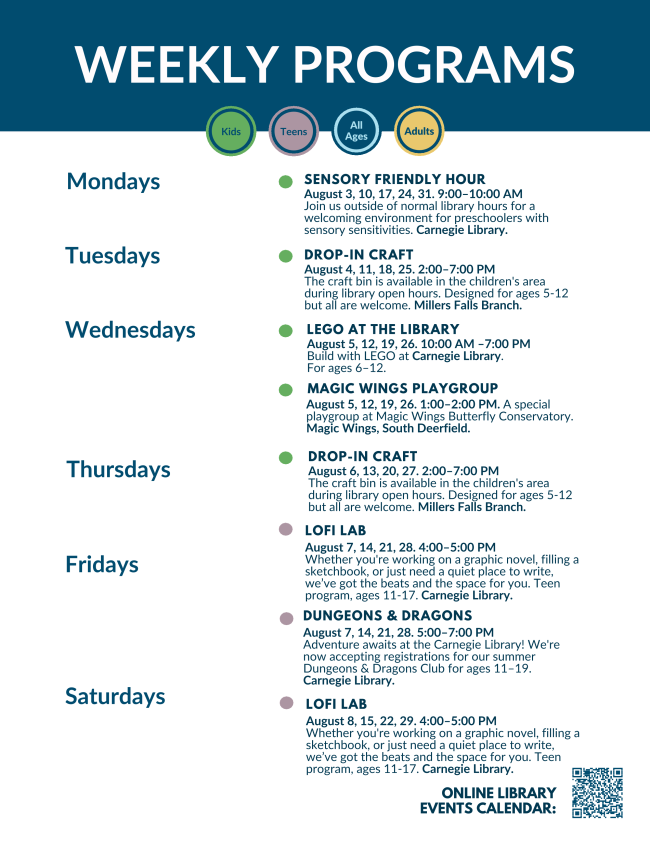
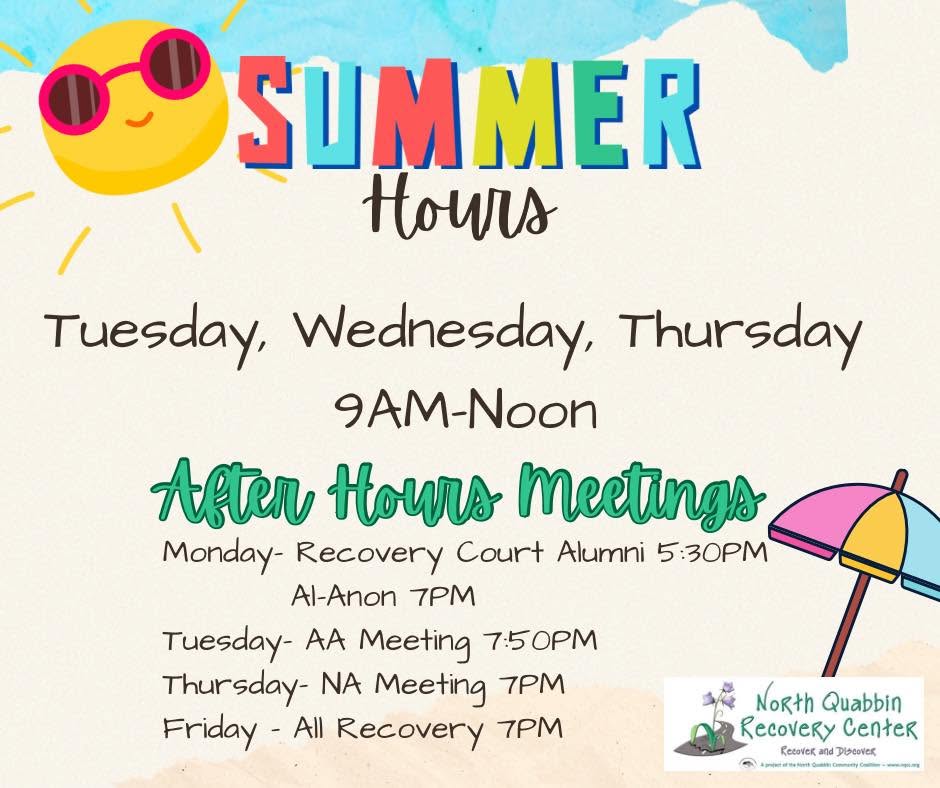
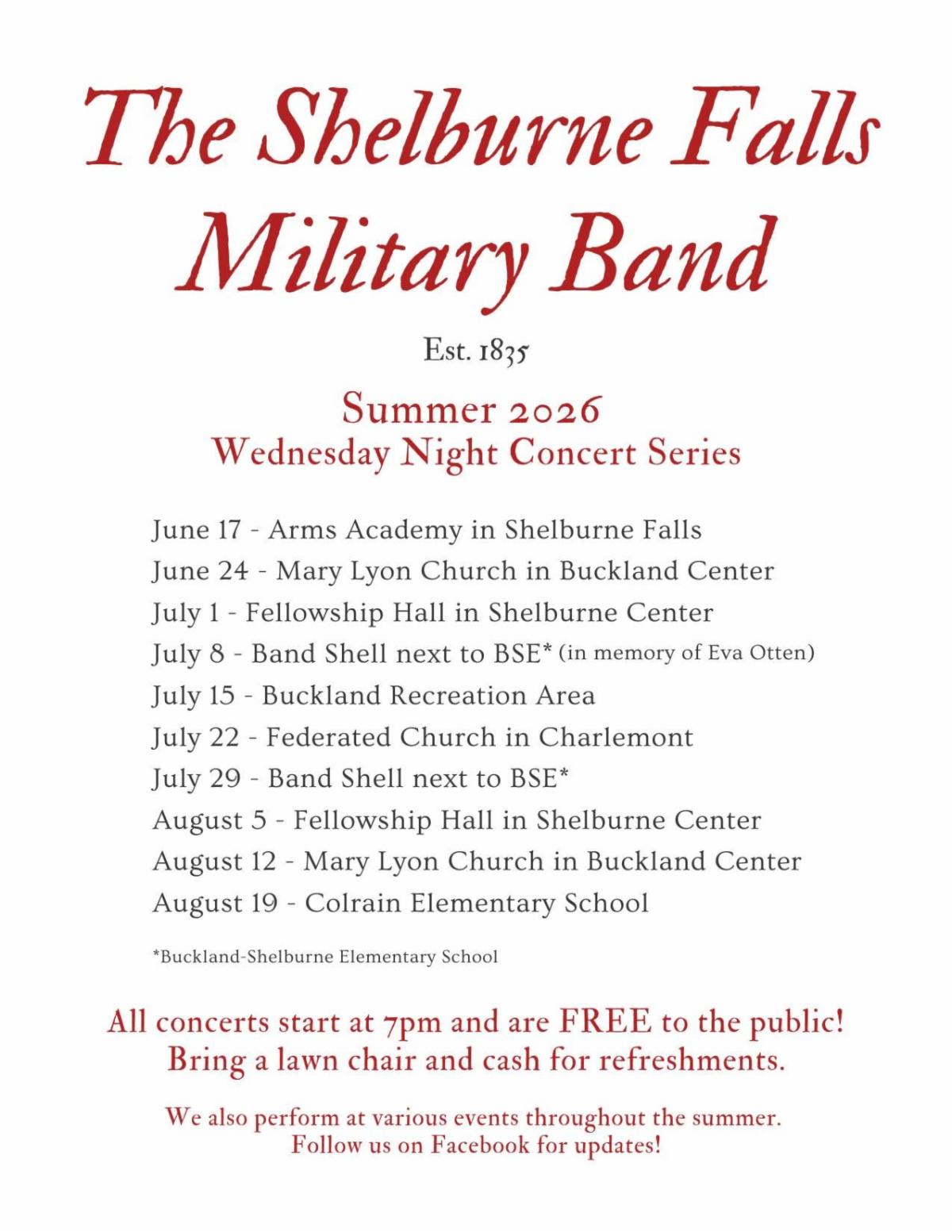
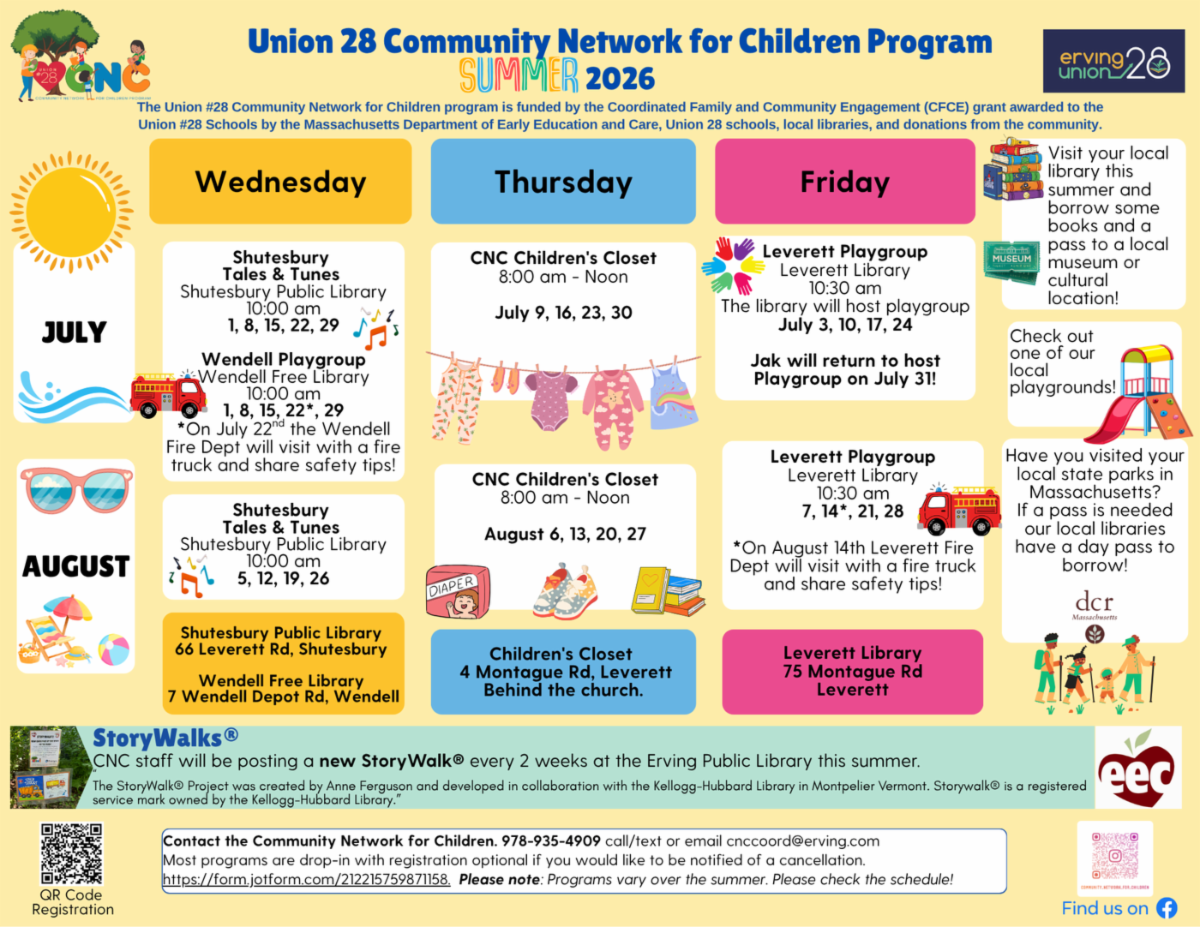
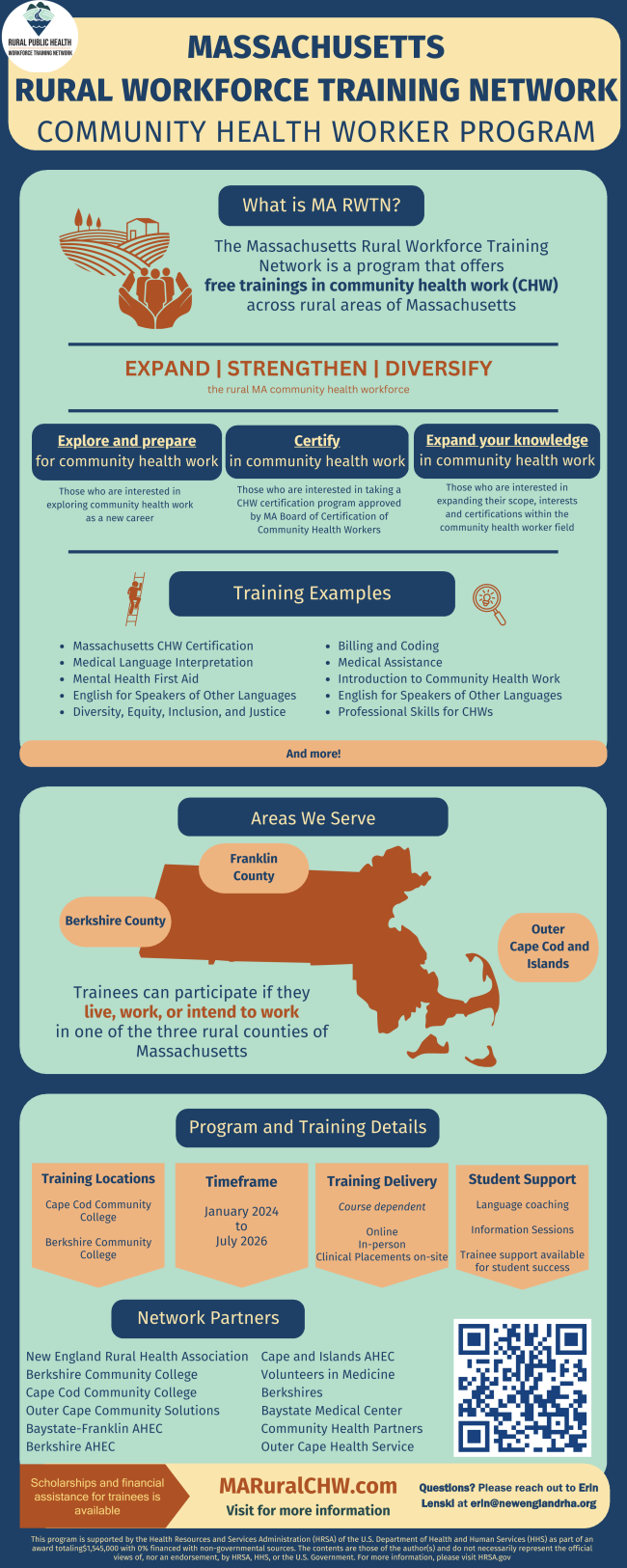
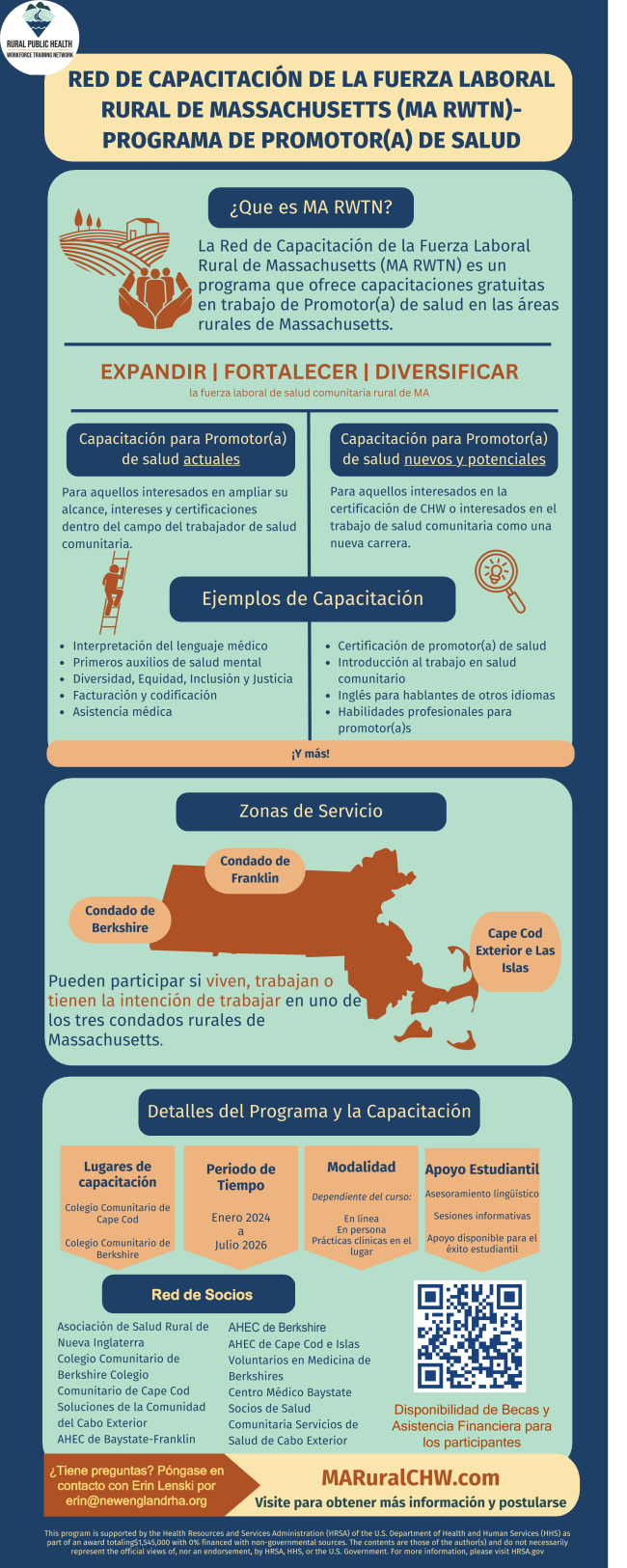
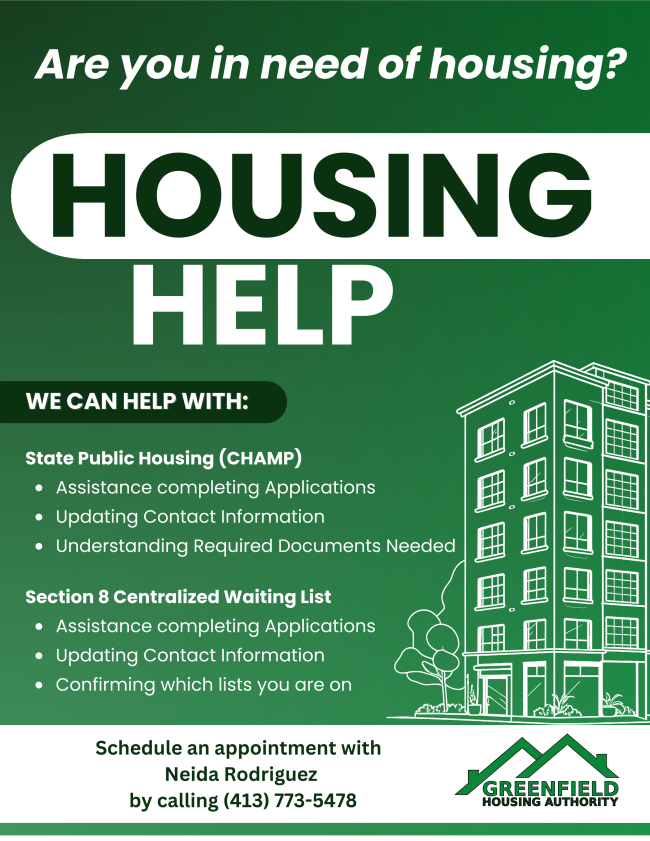
| | Franklin County Reentry Center | | Great Falls Discovery Center | | Greenfield Public Library | | Hilltown Youth Recovery Theatre | | Leverett Library Summer Music Series | | Mobile Food Bank Distribution Sites | | Montague Public Libraries | | North Quabbin Recovery Center | | Shelburne Falls Military Band | | Sunderland Public Library | | Union 28 Community Network for Children Program | | Explore the Value in Hosting a Community HealthWorker Intern | | Housing Help With Greenfield Housing Authority | | SNAP Application Assistance | | Always Open! Community Labyrinth in Greenfield | | What's Happening at The NQRC | | Sundays ALT2SU (Alternatives to Suicide) | | |
Monday/Wednesday/Friday
The Community Closet at The Franklin County Reentry Center
| |
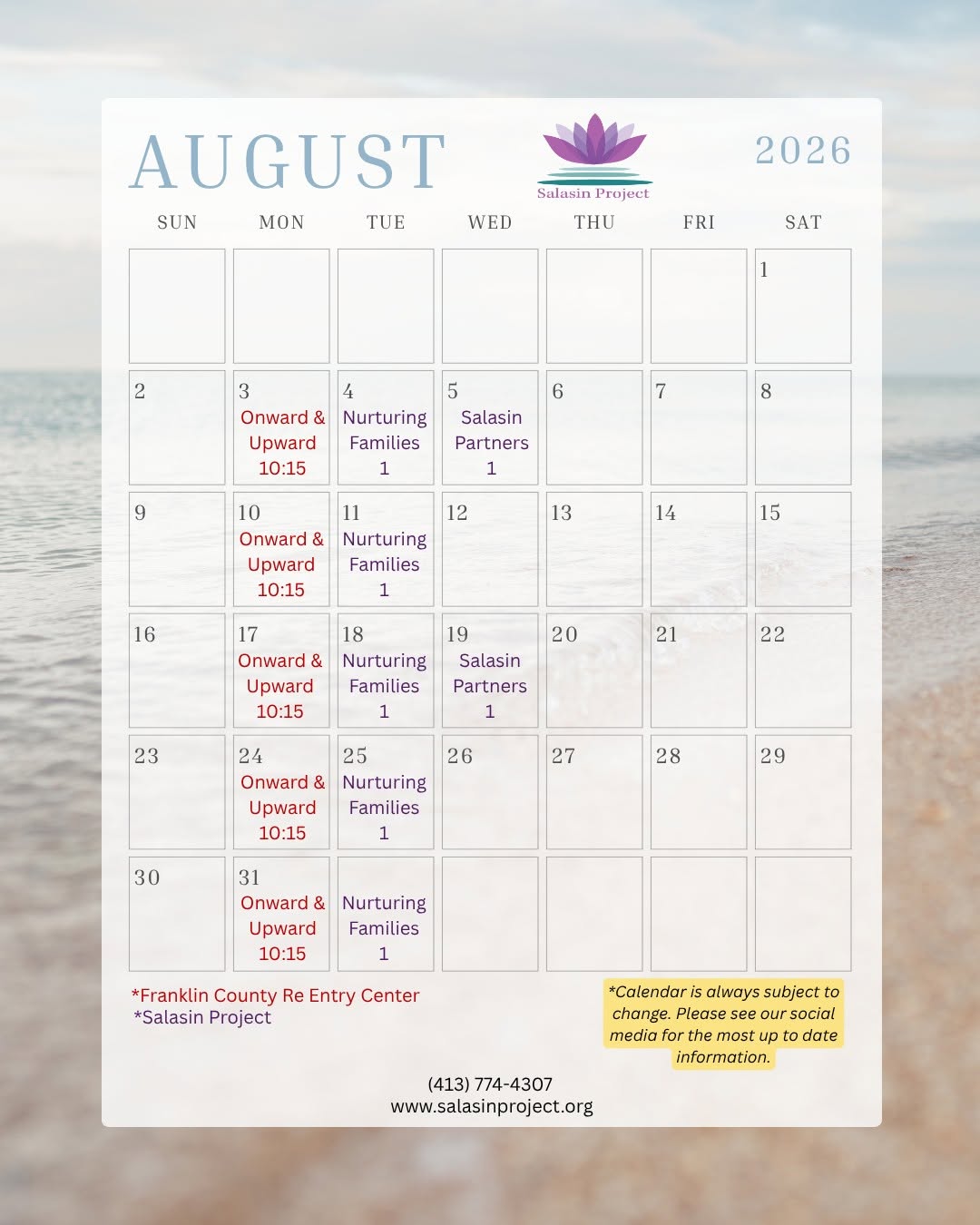
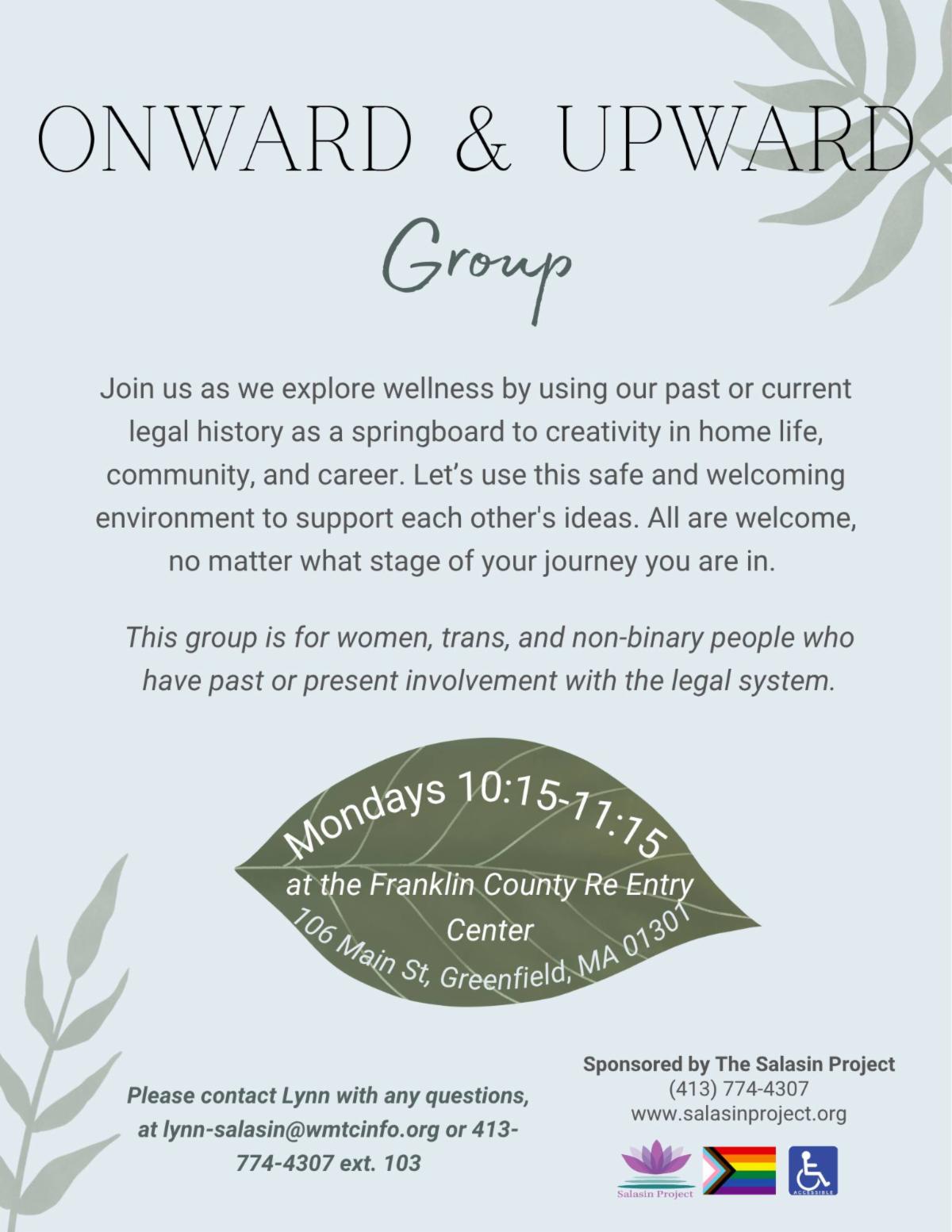
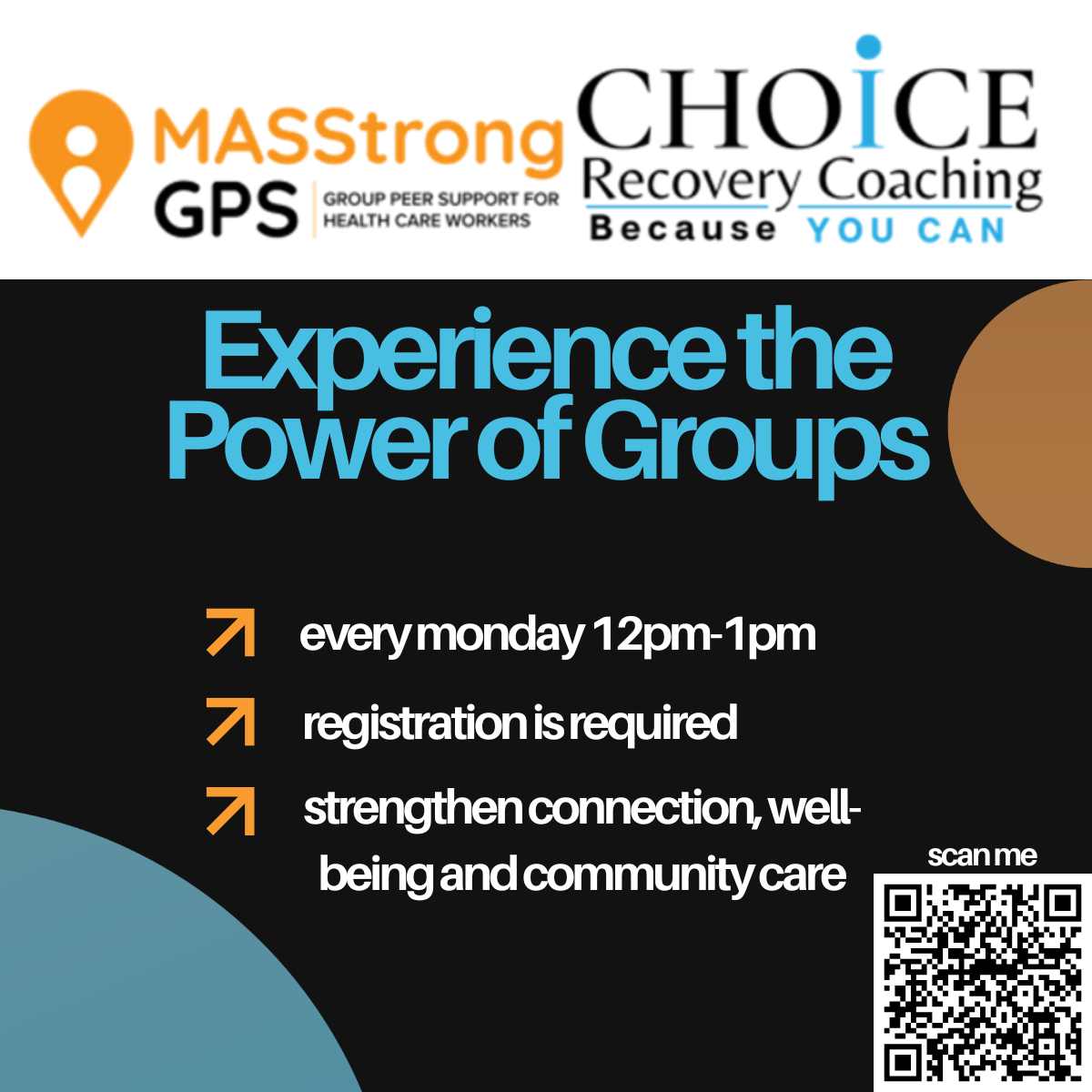
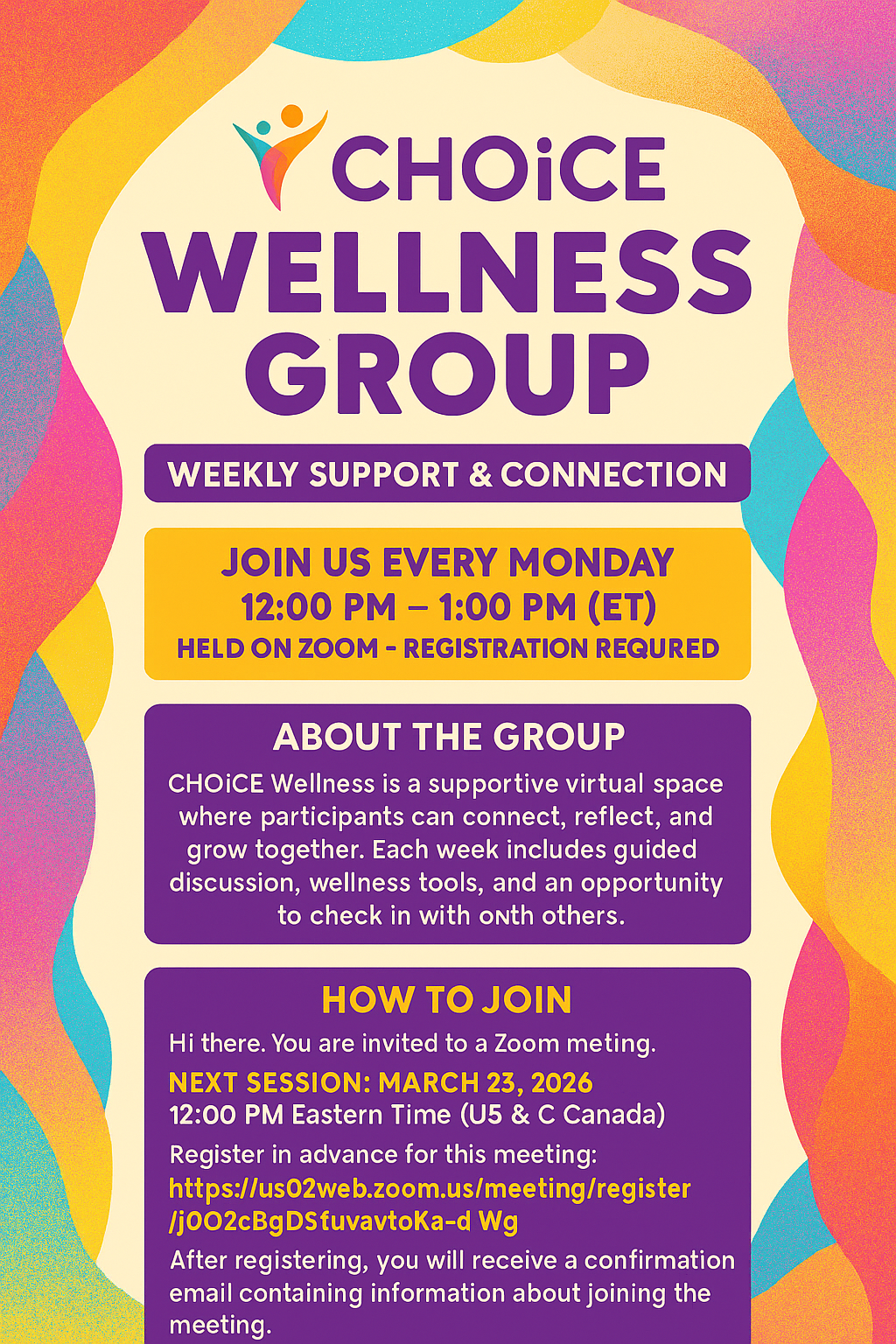
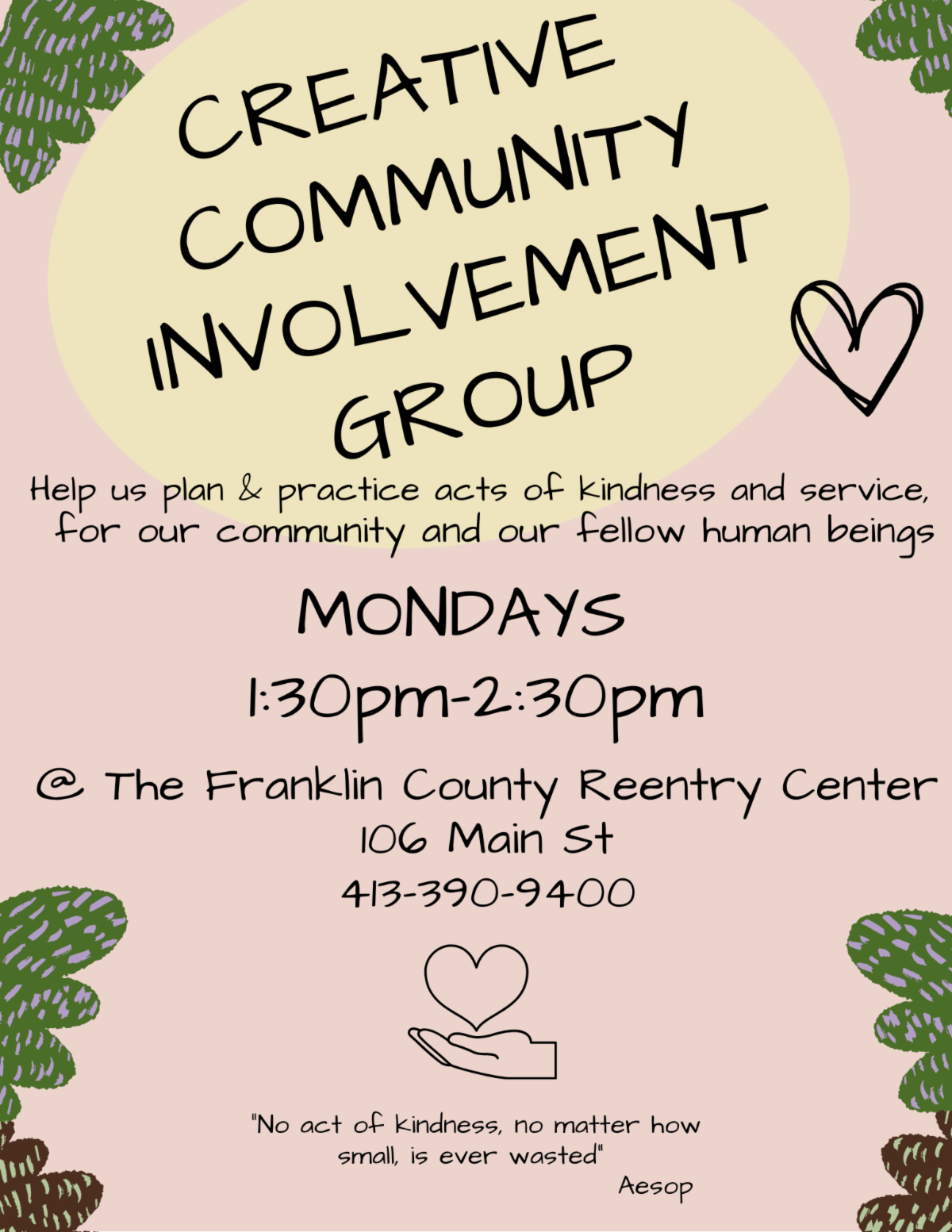
Monday - Friday Movement Group with North Quabbin Recovery Center Peer Leaders | | Mondays Onward & Upward Group | | Mondays CHOiCE Wellness Group | | Mondays North Quabbin Patch Parents' Council | | Mondays Art Guild Meetings | | Monday Drug Court Alumni Group - North Quabbin | | Mondays Community Yoga at Wildflower Alliance | | Mondays Creative Community Involvement Group | | Mondays CNC Playgroup at the Erving Public Library | | |
Second Mondays - North Quabbin B.R.R.A.V.V.E.
Task Force Meeting
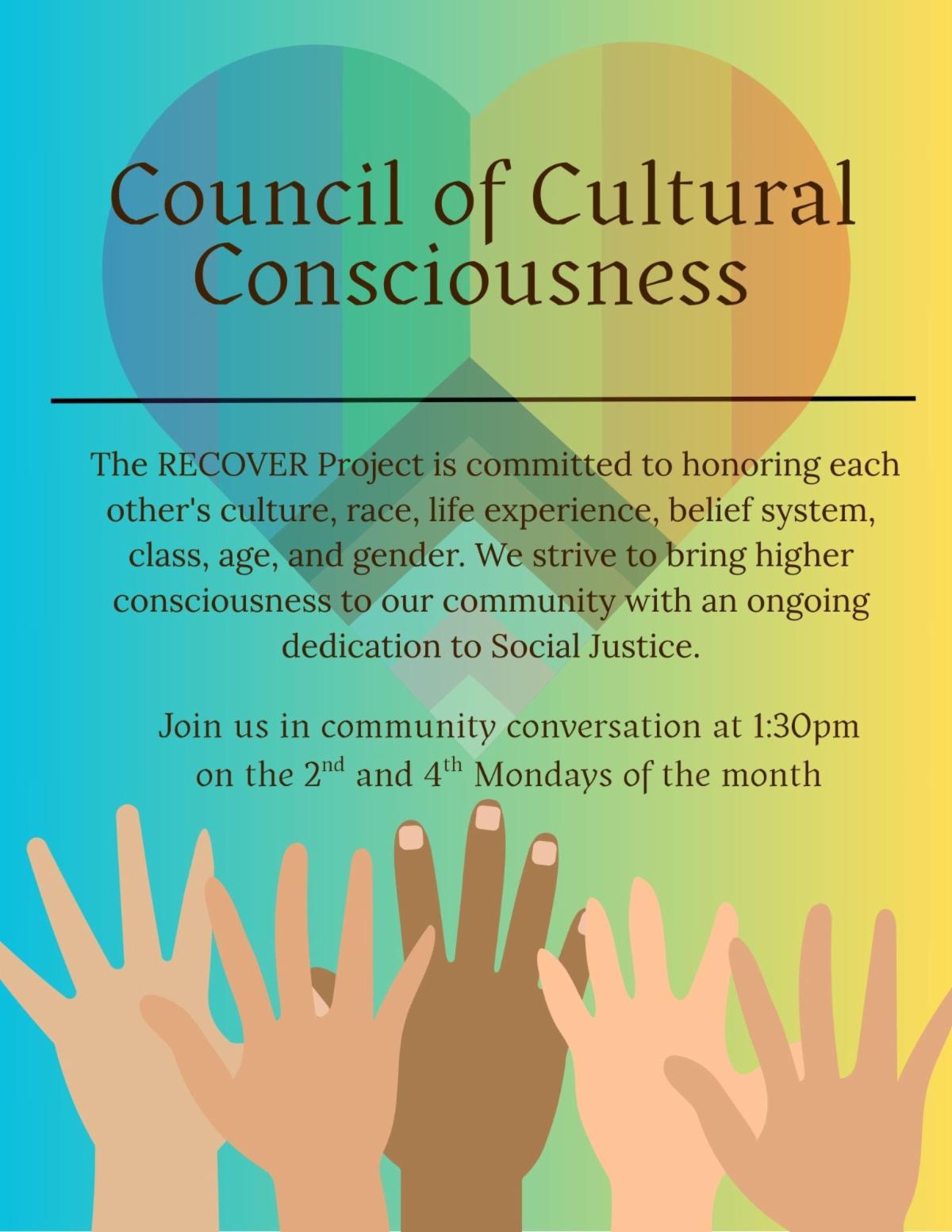
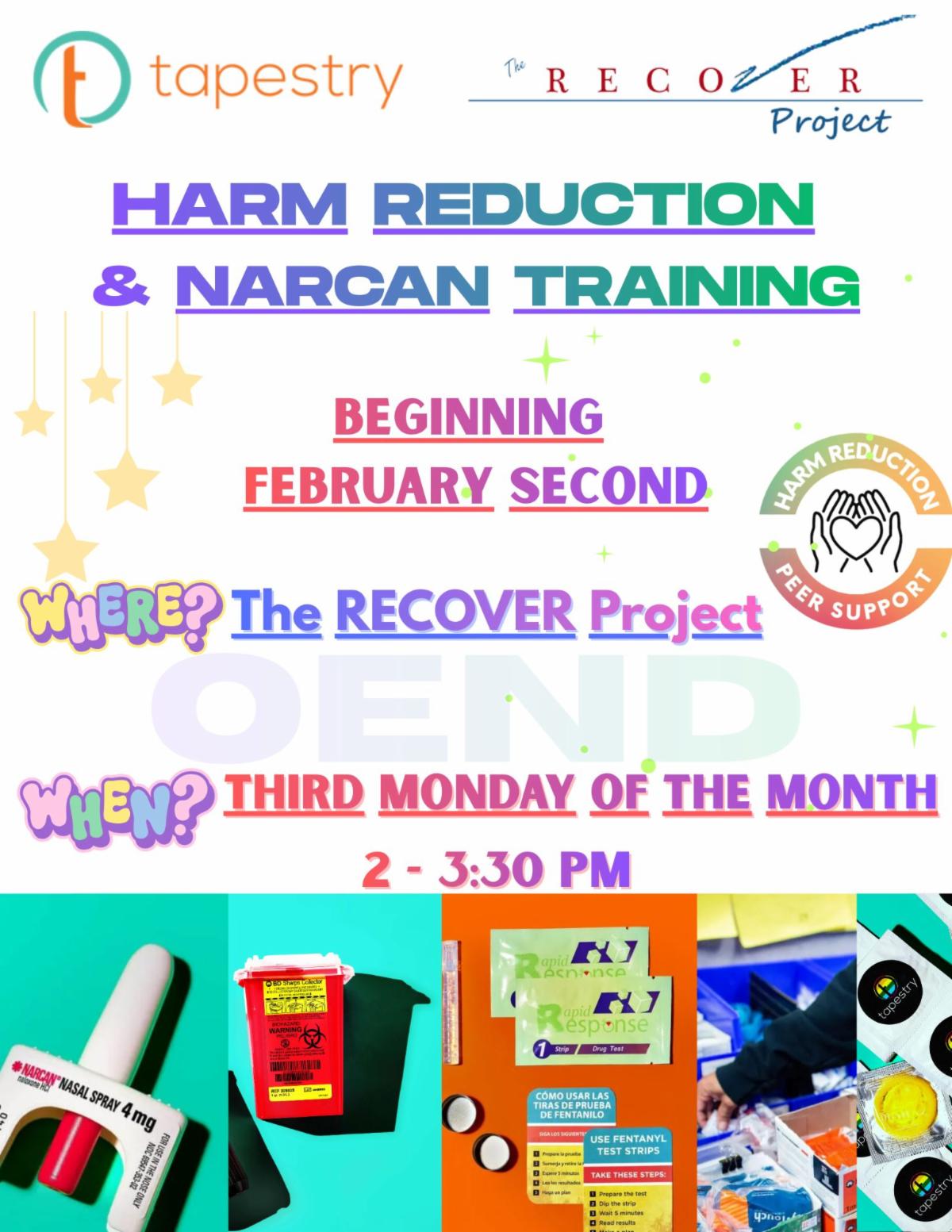
| | 2nd and 4th Mondays Council of Cultural Consciousness | | Third Monday Harm Reduction & Narcan Training | | Third Monday Alphabet & Allies | | Third Monday Parenting With Pride | | |
Mondays and Thursdays Hygiene Supplies Pick Up
at the Brick House
| | Mondays and Thursdays The Brick House Food Pantry | | Tuesdays Meet With A Young Adult Career Counselor | | Tuesdays Teen LGBTQ+ Group | | Tuesdays LGBTQIA+ ALT2SU (Alternatives to Suicide) | | Tuesdays Grandparents' Support Group | |
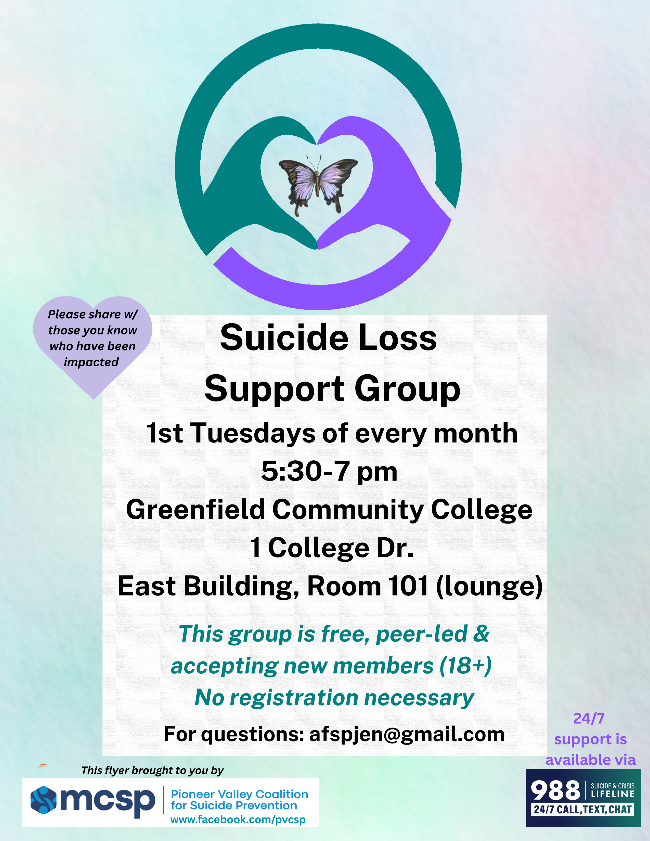
Tuesdays Nurturing Program for Families in Recovery | | First Tuesday - Suicide Loss Support Group | | First Tuesday - Dads' Group | | Tuesdays North Quabbin Recovery Center Coffee Hour | | Tuesdays Greenfield Suicide Loss Group | | First Tuesday - P.A.R.T. Task Force | | Tuesdays Drop-In Knitting & Sewing Sessions | | Tuesday & Thursdays Weekly Reentry Groups | |
Tuesday Men's Anger Management Group
Wednesday Women's Anger Management Group
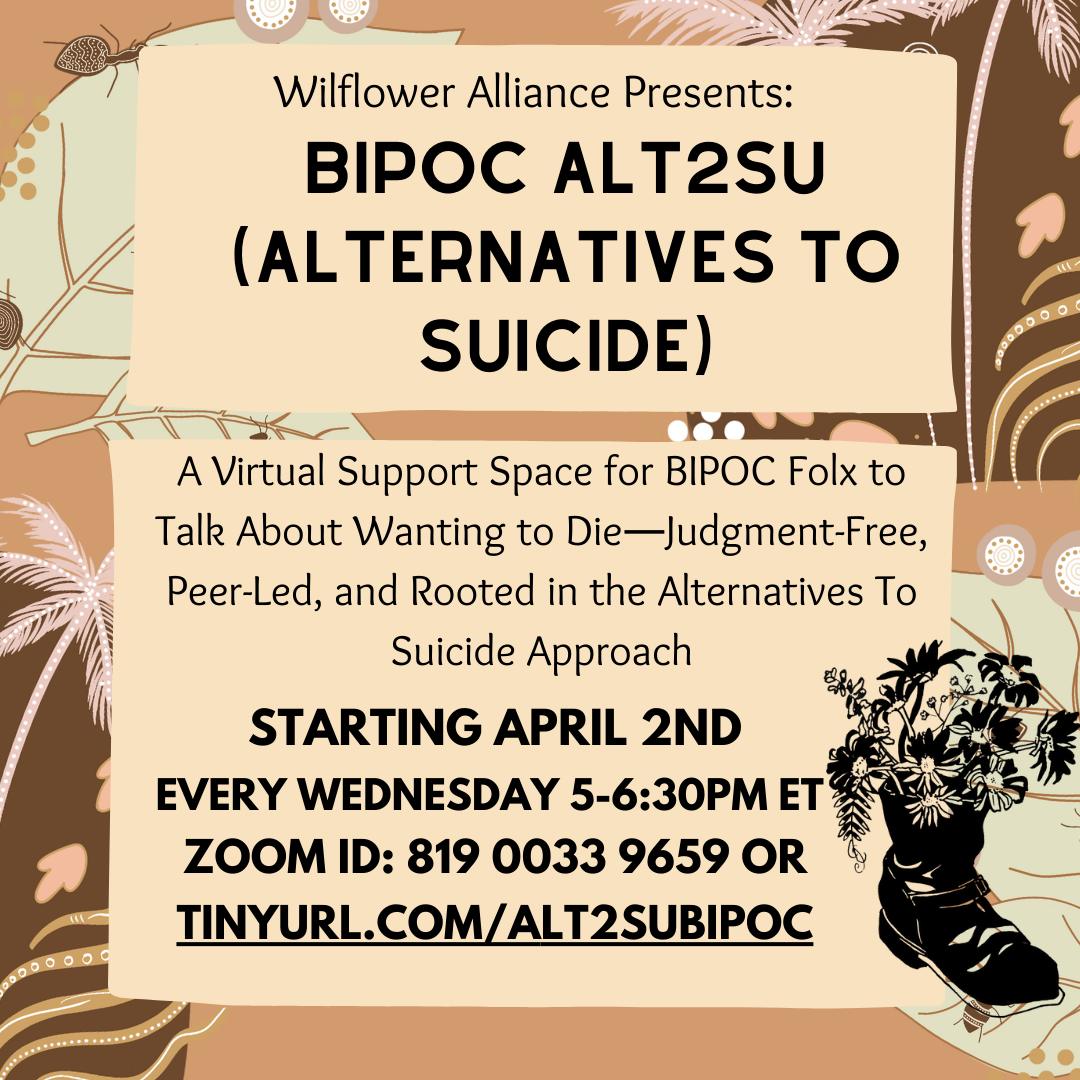
| | Wednesdays Virtual All Recovery Meeting | | Wednesdays BIPOC ALT2SU (Alternatives to Suicide) | | Wednesdays - Wendell Library Playgroup with Sylvia | | Wednesdays - Playgroup at the Leverett Library with Gillian | | Wednesdays HEROES Study Hub at GCC | |
Wednesdays Health Connector & Mass Health Navigator
Drop In Hours
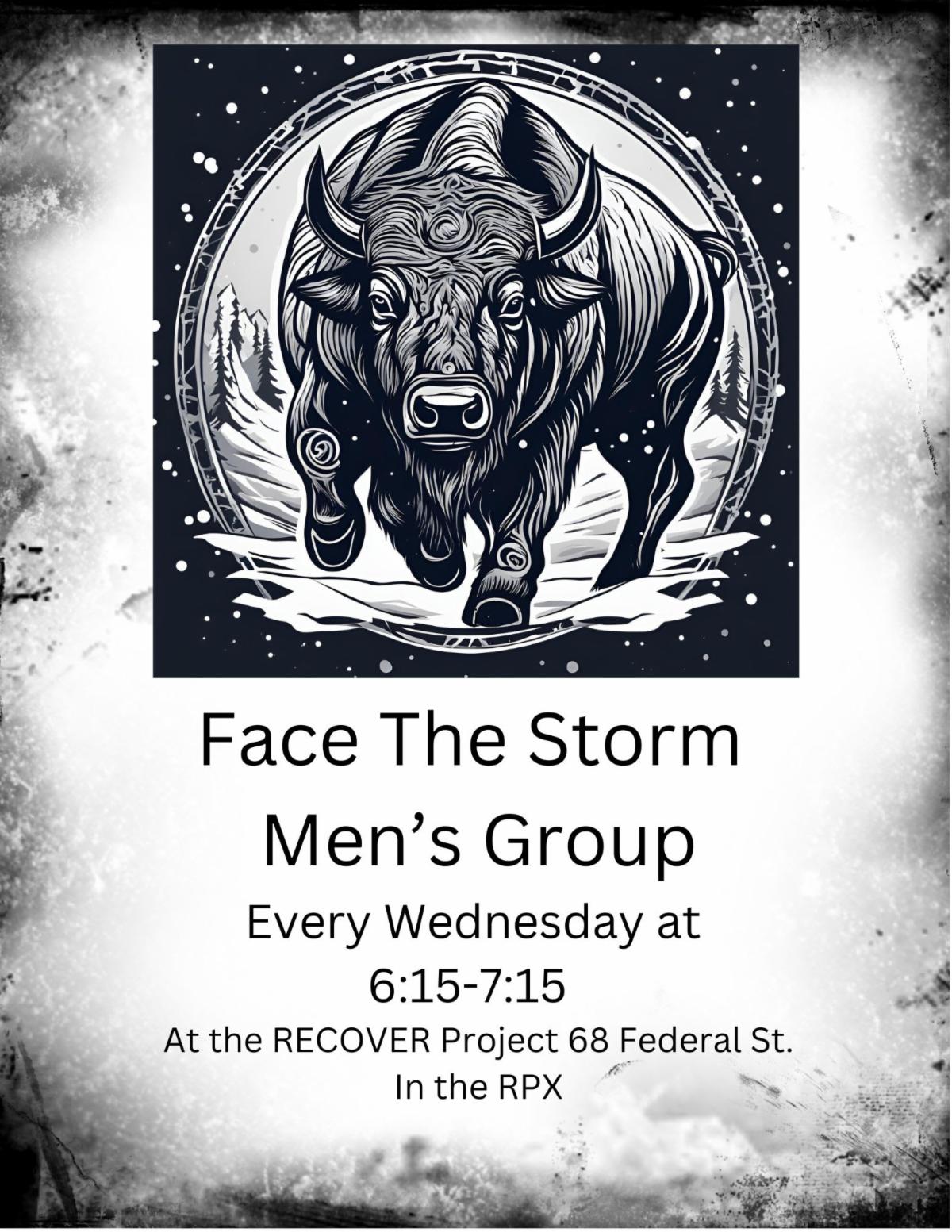
| | Wednesdays Face The Storm Men's Group | |
First Wednesday Gentle Yoga and Breathwork with Jennifer
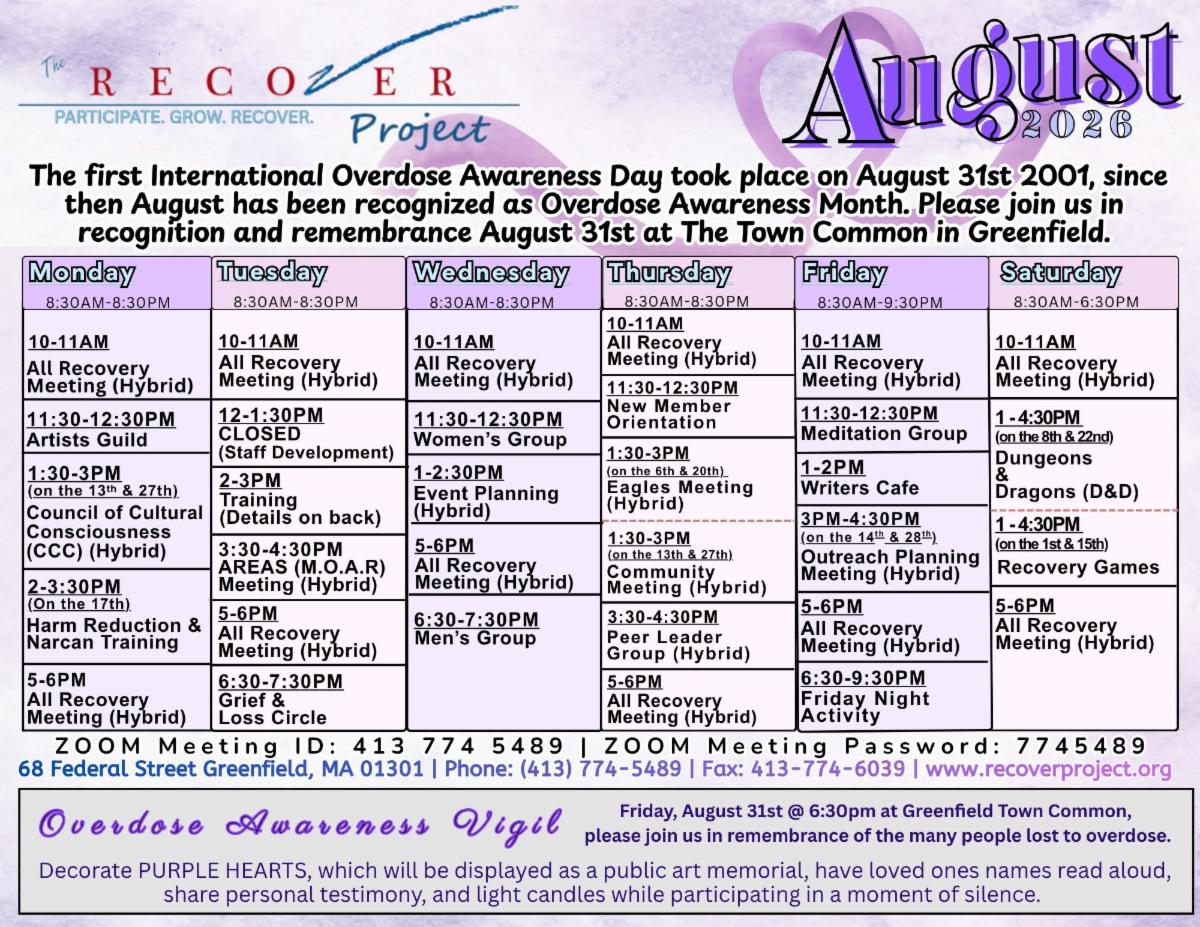
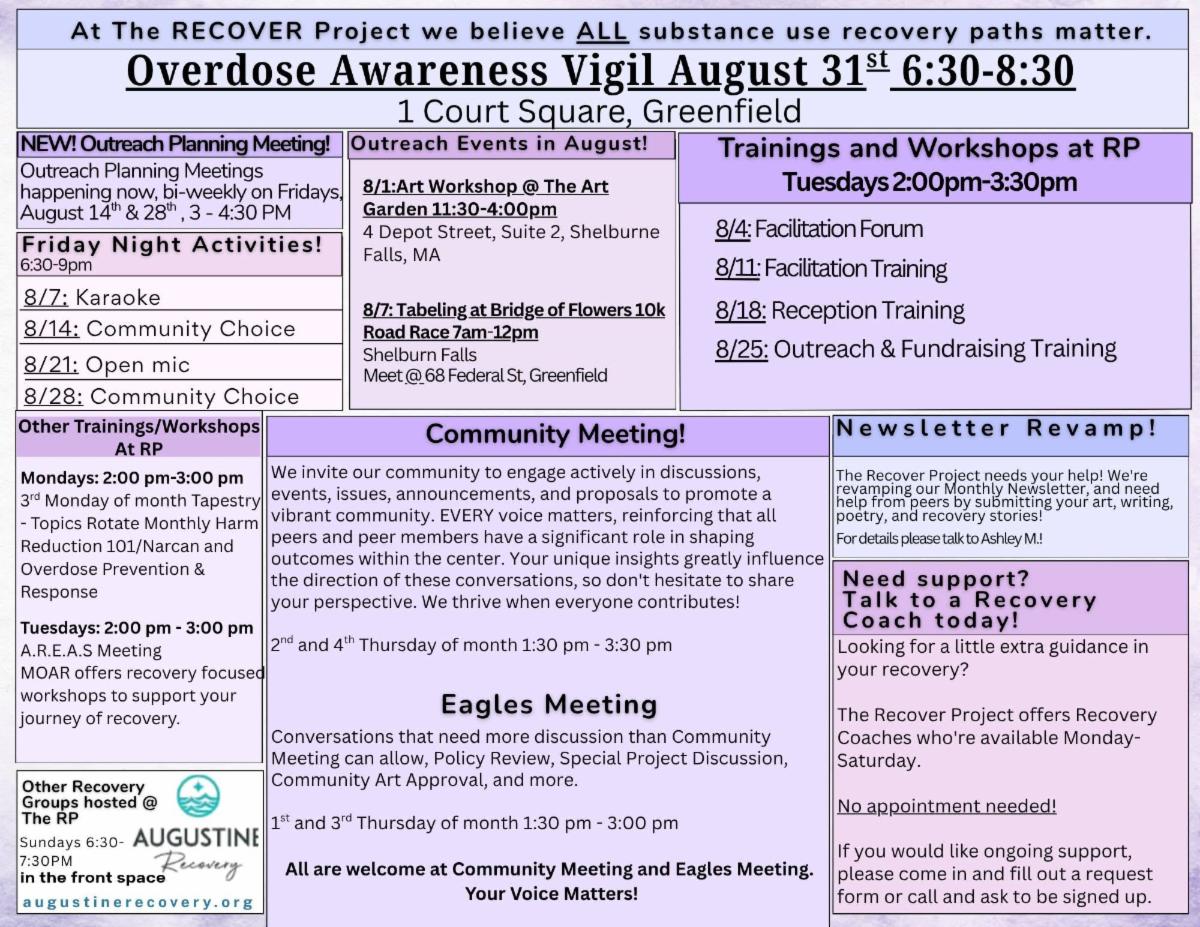
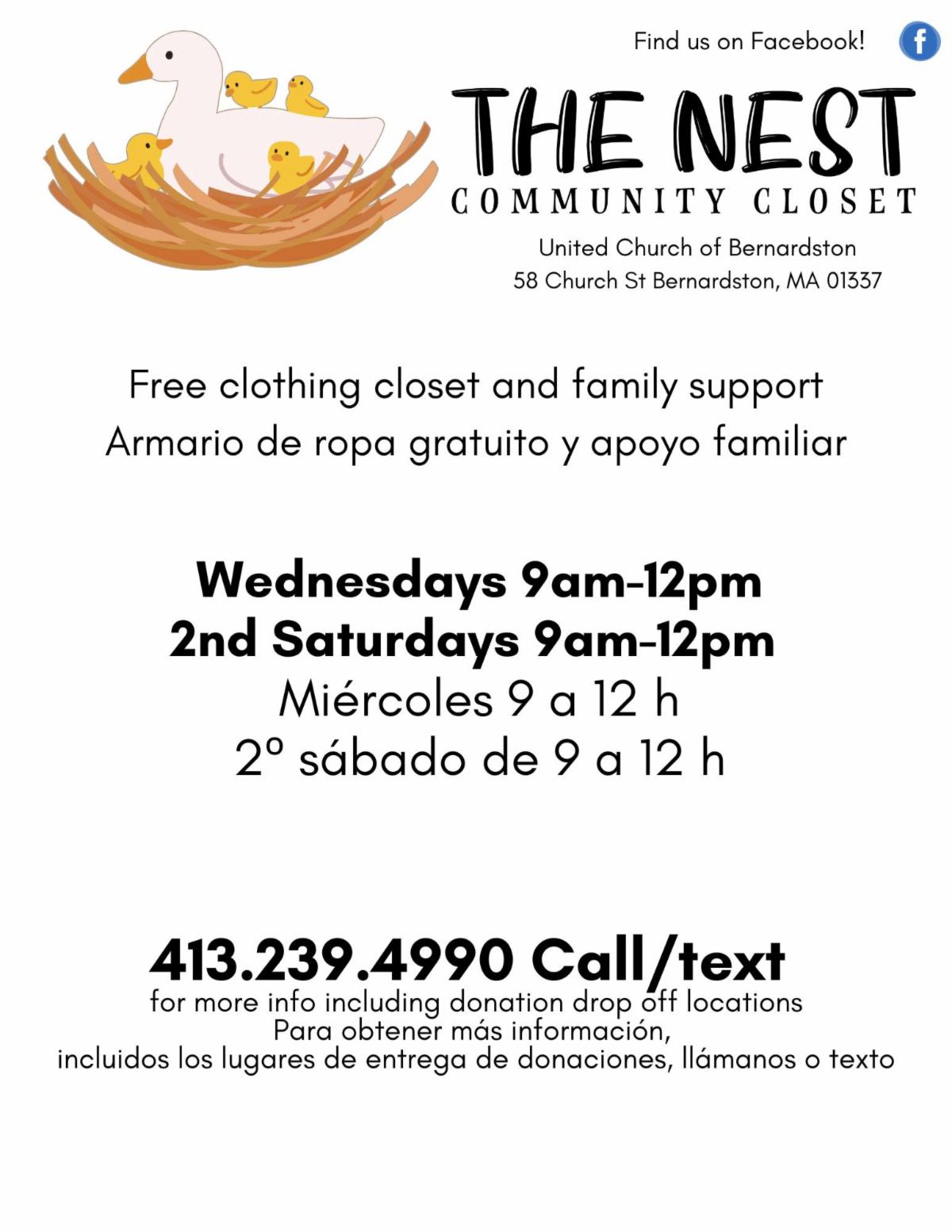
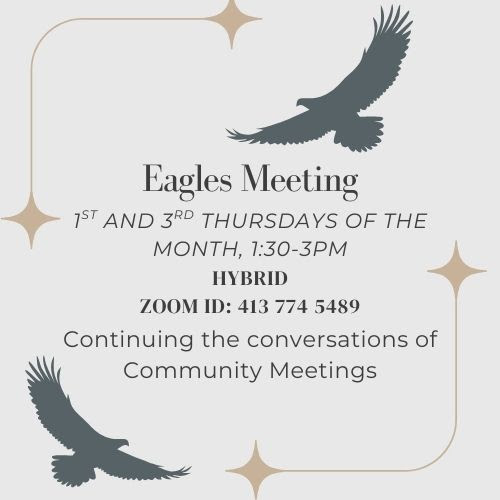
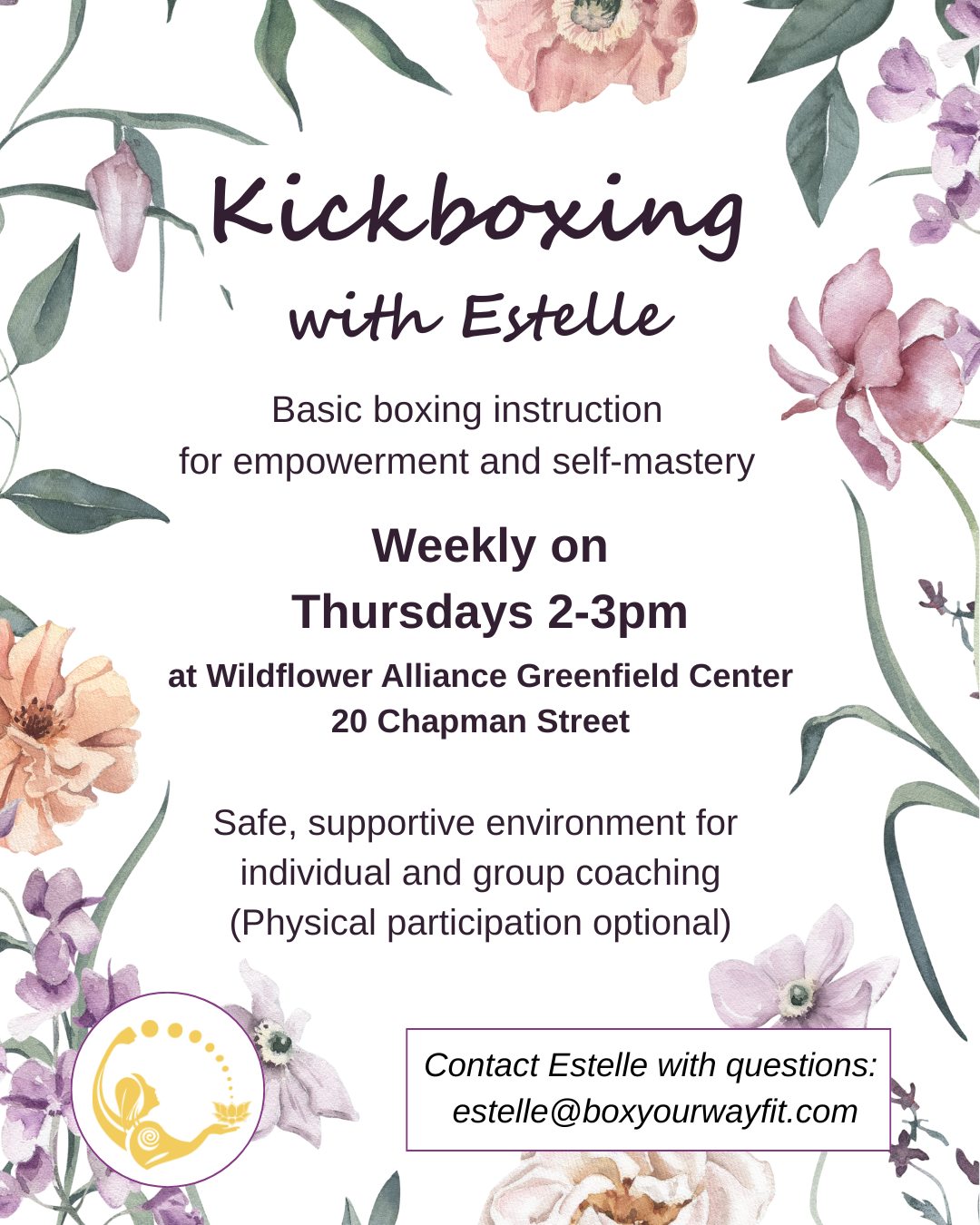
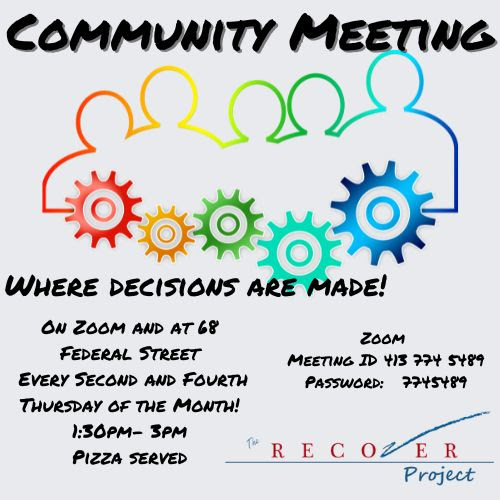
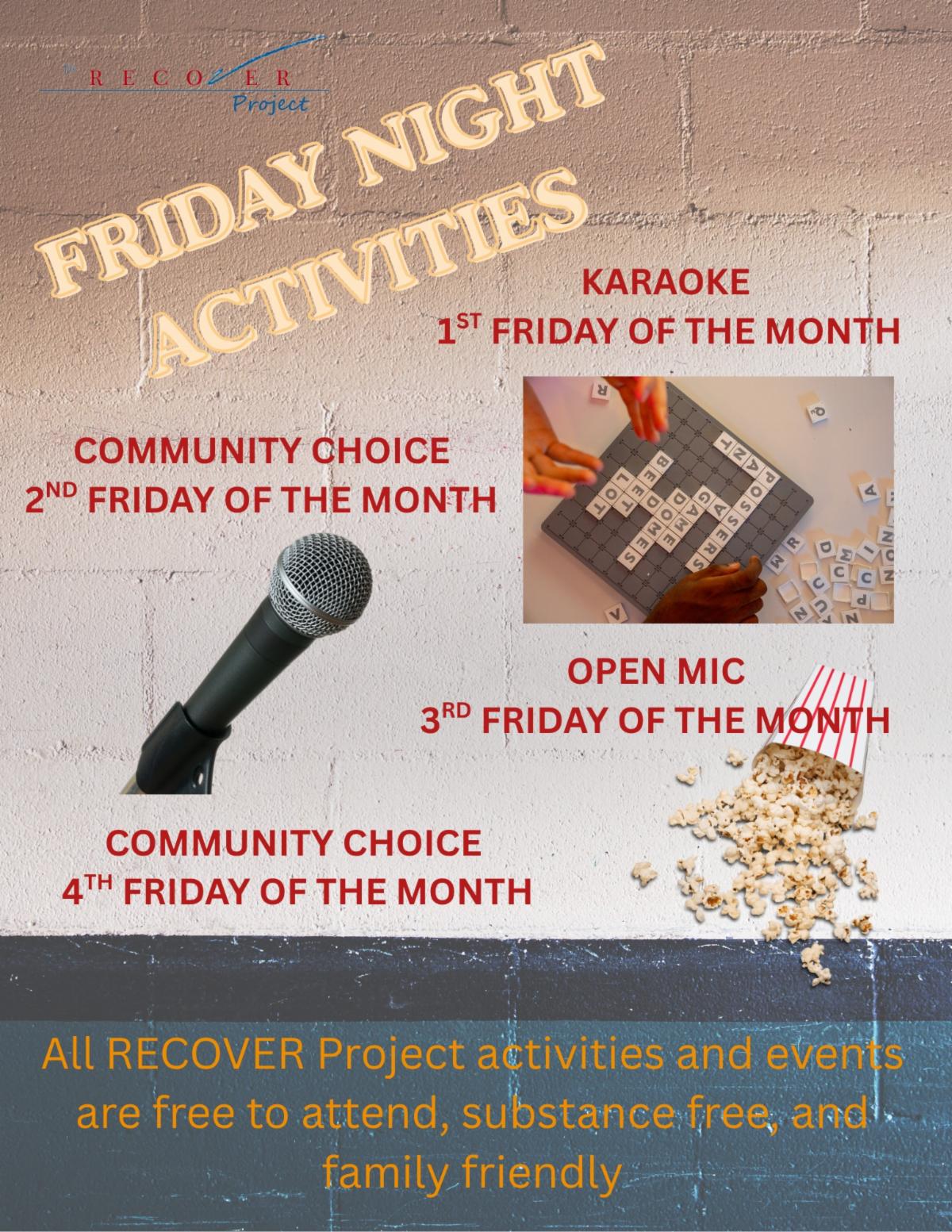
| | Third Wednesday - Fatherhood Meetup | | Last Wednesday - Office Hours With An Attorney | | Wednesdays and 2nd Saturdays The Nest Community Closet | | First & Third Thursdays Parent Support Group | | First & Third Thursdays Eagles Meeting | | Thursdays Kickboxing with Estelle | | Thursdays Music Tween Group | | Thursdays Coffee Hour at the Brick House | | Thursdays Beyond Trauma Group in Spanish | | Thursdays Windows and Mirrors Playgroup | | Second Thursdays -Peer Grief Support After Overdose Death | | Second & Fourth Thursdays Community Meeting | | Third Thursdays Court Service Center Walk-in Days at the North Quabbin Patch | | Friday Night Activities at the RECOVER Project | | Friday Peer-led Meditation Group | | Fridays FreeWrite of Franklin County | |
MassHealth Navigation Support
First Friday from 9am-12pm and Third Friday from 1pm - 3pm
| | First & Third Friday Grandparents Raising Grandchildren Support Group | | Second Friday Wound Care Clinic with Amy Pierno | | FCRN - Resources Available for Grandparents Raising Grandchildren | | |
In February, FCRN partnered with The United Arc and the Offices of Representative Natalie Blais and Congressman Jim McGovern to host representatives from the Social Security Administration, the Department of Children and Families, and the Child Advocate for the Commonwealth Maria Mossaides for a discussion with grandparents raising grandchildren in Franklin County.
Below please find more information about programs covered at the event, as well as some key links and contact information for the representatives for state and federal agencies and legislative offices that were present.
Office of the Child Advocate: The Office of the Child Advocate (OCA) is an independent executive branch agency with oversight and ombudsperson responsibilities, established by the Massachusetts Legislature in 2008.
The best way to get in touch with the OCA is through the Complaint Line: https://www.mass.gov/guides/oca-complaint-line
Maria Mossaides, Child Advocate
Department of Children and Families
Regional DCF team:
DCF’s Kinship Navigator : Kinship Navigator is a program of the Commonwealth of Massachusetts that assists all kinship caregivers (grandparents and other relatives) with accessing services for themselves and the children they are raising.
Kinshipnavigator@mass.gov 1(844) 924-4KIN Online referral: https://formstack.io/CF361
Jennifer Kitchenham, Jennifer.S.Kitchenham@mass.gov
Commission on the Status of Grandparents Raising Grandchildren: The purpose of this Commission is to be a resource to the Commonwealth on issues affecting grandparents raising grandchildren, and relatives, other than parents, raising kin.
On July 8, 2008, the Child Advocate bill was signed into law which included the establishment of the Commission on the Status of Grandparents Raising Grandchildren. This legislation calls for a permanent commission on the status of grandparents raising grandchildren which consists of 15 individuals who have demonstrated a commitment to grandparents.
617-748-2454 massgrg@mass.gov Colleen Pritoni, colleen.pritoni@mass.gov
Family Resource Centers: Supported by the Massachusetts Executive Office of Health and Human Services and the Department of Children and Families, a Family Resource Center is located in each of the 14 Massachusetts counties. There are currently 33 FRCs.
Here are some of the ways FRCs help families:
- Bring people together for friendship and mutual support
- Strengthen parenting skills
- Respond to family crises
- Link families to services and opportunities
- Help children develop social and emotional skills
- Observe and respond to early warning signs of child abuse and neglect
- Value and support parents
Community Action Family Center 90, Federal Street, Greenfield, MA 01301 (413) 475-1555
Jolanta Rumierz, jolanta.rumierz@mass.gov
Social Security Administration - Boston Region Office
SSA representatives in Boston office:
Federation for Children with Special Needs
Caregiver to Caregiver Respite Network: https://fcsn.org/c2c/
Mary-Beth Landy, Senior Trainer & Family Engagement Manager, mlandy@fcsn.org
Below is the information for all of the legislative offices that were present:
Senator Comerford’s office
Representative Blais’s office
Congressman McGovern’s office
Kinship Navigator Brochure
Foster Parent Flyer
Adoption Journeys Brochure
UMASS Brochure - Family Resources Center
Kid's Net Brochure
Mental Health Advocacy Program - FAQs
Grandparents Raising Grandchildren Resources
| | Respite Care and/or Funding for Respite Care | | Psychological Testing & Evaluation at Gandara Center | | Community Support Program & Recovery Support Navigator at Gandara Center | | Gandara Center Outpatient Services | | Free Hypnosis Sessions With Certified Hypnotist Jenn Avery | | Re-entry Workforce Program | | Homeshare Program with LifePath | | Pathways to Advanced Manufacturing | | Specialized HVAC Training | | Specialized Information Technology Training | | |
Support & Resources After the HEALing Communities Study
| | SafeSpot Virtual Overdose Spotting Hotline | | CHCFC OBAT Same Day & Tele-Health Appointment Information | | Free Meals and Essentials at Saints James and Andrews Parish Hall | | Come Cook with Franklin County Community Meals Program | | Family Self-Sufficiency Program Available | | Eviction Self-Help Booklets Available in Multiple Languages | |
 | |
MLRI has recently updated and translated some of our self-help booklets for unrepresented tenants facing eviction. While we still recommend tenants facing eviction seek legal help, we know resources are limited and many tenants have to represent themselves. We hope these booklets can be helpful to pro se tenants and their advocates.
You can see the full list of booklets below, or at MassLegalHelp. The booklets can help tenants prepare for court, outline their legal claims, and file court forms. There is also a booklet to help public housing tenants navigate the Grievance process.
Please reach out if you have any questions about the booklets and how they can be used.
What steps to take before going to court and what to bring to court.
An easy-to-use checklist that tells you what conditions violate the State Sanitary Code. You can also use the free self-help guided interview, MADE: Up To Code.
The Answer is a court form that tenants facing evictions can file with the court to outline your legal claims and tell the court your side of the story. You can also use Greater Boston Legal Services’ free self-help guided interview, MADE.
How to ask the court to accept your Answer and Discovery forms late. You can also use Greater Boston Legal Services’ free self-help guided interview, MADE.
A form with instructions for tenants facing eviction to get information to prepare for their trial.
A form with instructions for tenants in foreclosed properties to get information to prepare their case.
A form you can file to transfer your eviction case from a District Court to a Housing Court.
How to get a new court date if you missed your court date.
If you lost your eviction trial and think you have a good case, you may appeal. This document tells you which Appeal form to use.
How to file an appeal from a case in Housing Court.
How to file an appeal from a case in District Court.
How to get time to stay in your home if you lost your case.
How to ask the court to pay for court costs.
How to think through the terms you want in an agreement. Includes a worksheet and stipulation forms to use when you go to court. Read this booklet as webpages and watch the videos!
How to correct errors on your online court records. The Booklet includes the court form you can save to your computer, fill out, save again and print when ready.
A booklet for tenants in Mass. about the grievance process, including worksheets to help you prepare for a grievance hearing.
| | Update! Greenfield CSC New Hybrid Operations Change | |
Beginning Tuesday, 9.3.24, the Greenfield Court Service Center (CSC)services will be in-person and remote: Monday-Thursday, 8:30am-1pm; 2pm-4:30 pm, and Fridays, 8:30-1pm.
For ANY/ALL REMOTE REQUESTS, please contact the Virtual Court Service Center, M-F 9am -2pm, if you do not have an emergency. You can reach them for an intake, Monday-Friday, 9am to 2pm, by Zoom video or telephone as outlined below:
https://www.zoomgov.com/j/1615261140 or Dial (646) 828-7666. Enter the Meeting ID number 1615261140 and then press # #.
If you have an emergency, and still need remote services, have the court department reach out directly to Greenfield CSC office by email for assistance at greenfieldcsc@jud.state.ma.us.
| | COMMUNITY JOB OPPORTUNITIES | | |
Opioid Task Force of Franklin County and the North Quabbin Region www.opioidtaskforce.org | |
| | | |