The use of water to remove human waste dates to Neolithic times (3000 BC). The flushing toilets, that we are accustomed to, were invented by Sir John Harrington, godson of Elizabeth I, who presented her majesty with one in 1592 and in doing so also bequeathed his first name to his invention. It took a further 200 years for their broader adoption and for many of the features we see today to be invented.
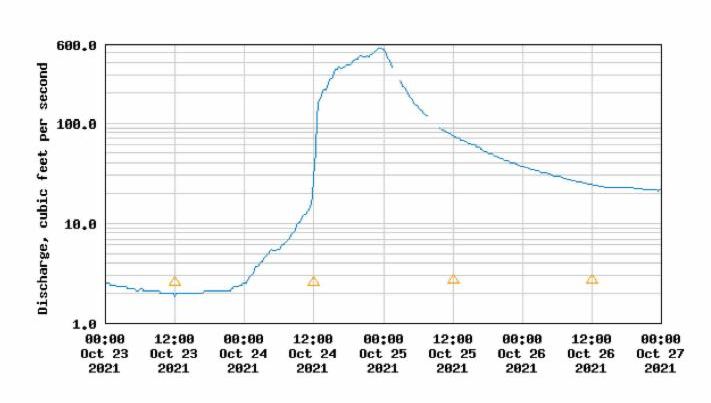
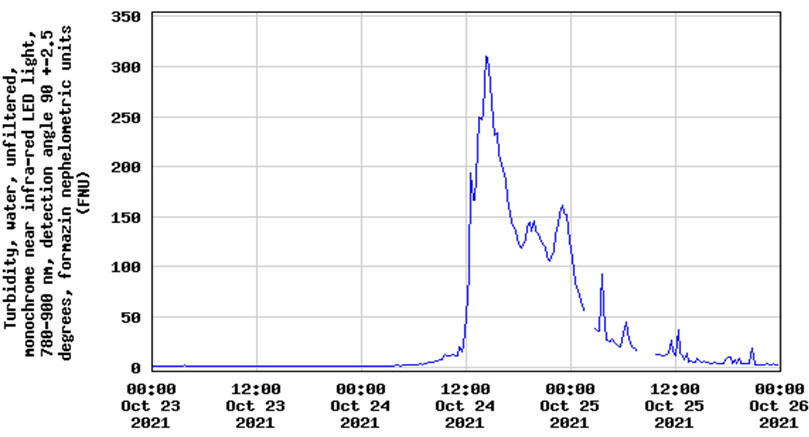
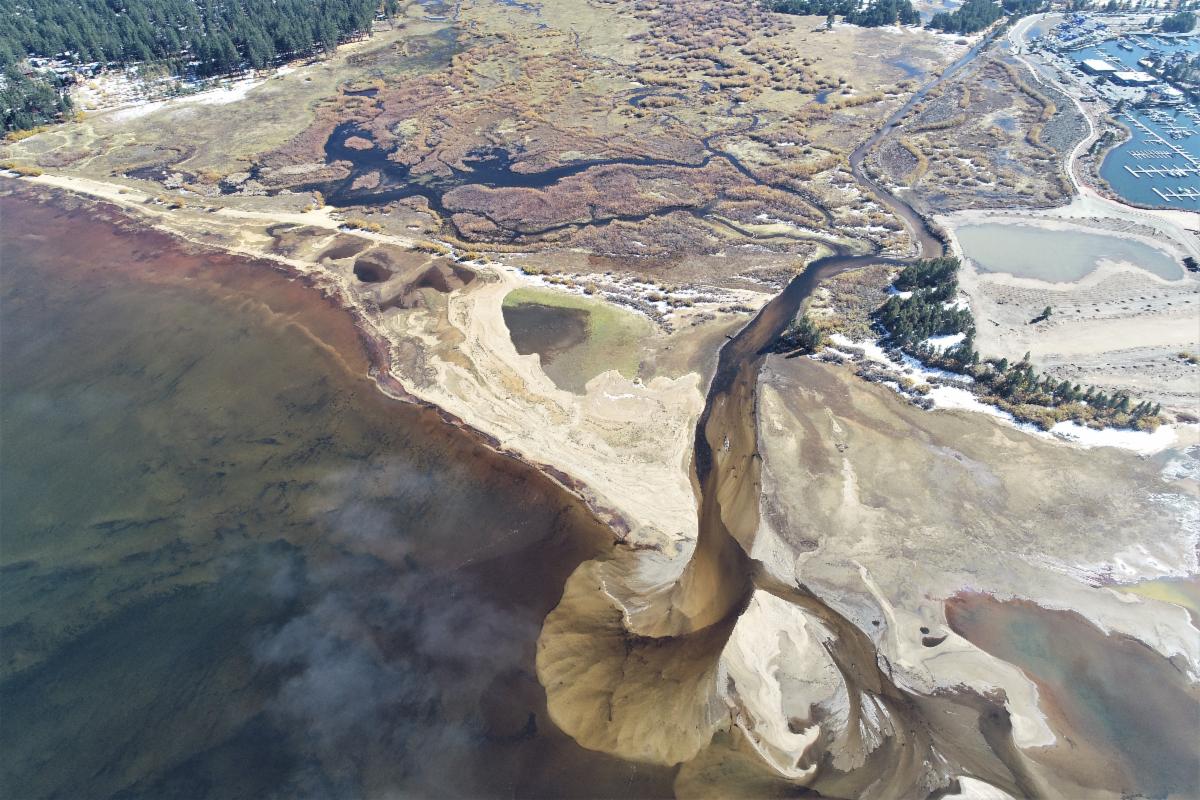
The term “first flush” refers to something altogether different from toilets. It is the principle under which the first minutes to hours of a storm, often the first storm of the season, discharges a disproportionately high fraction of pollution into a lake. The large amount of rain we received two weeks ago caused virtually all streams at Lake Tahoe to experience a “first flush.”
Measuring the concentration of pollutants is very important as it often represents most of the accumulated pollution within the watershed. However, recording these measurements is often easier said than done. Storms occur at inconvenient times (nights, weekends), and because each stream and its watershed have different sizes, the actual timing of each stream’s first flush is different and difficult to predict.