“A day well started should be well finished ” | | |
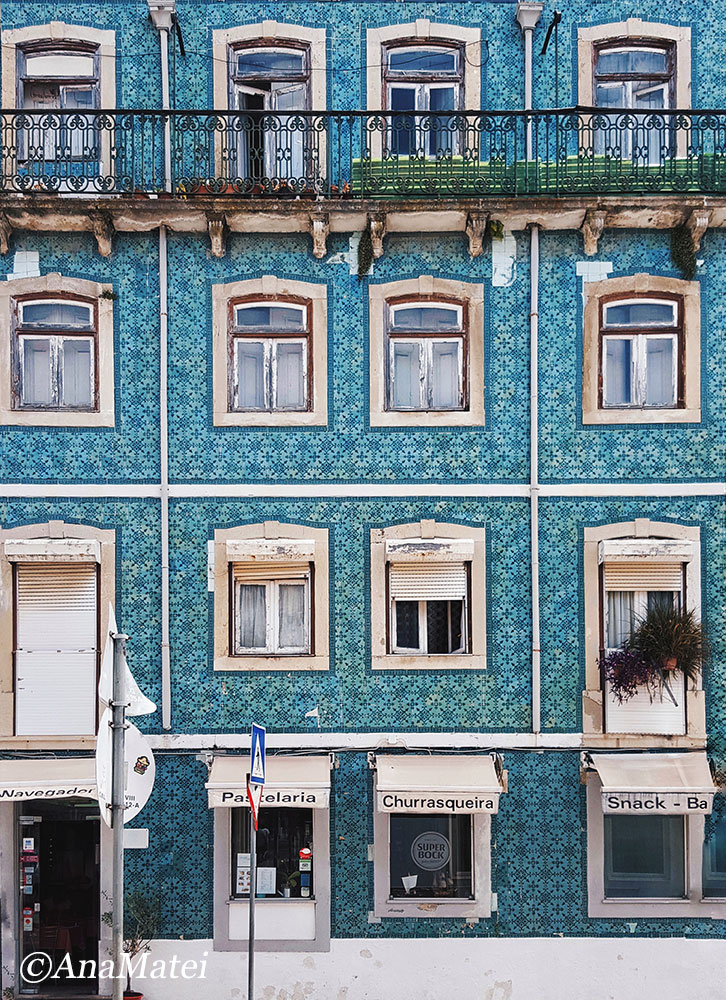
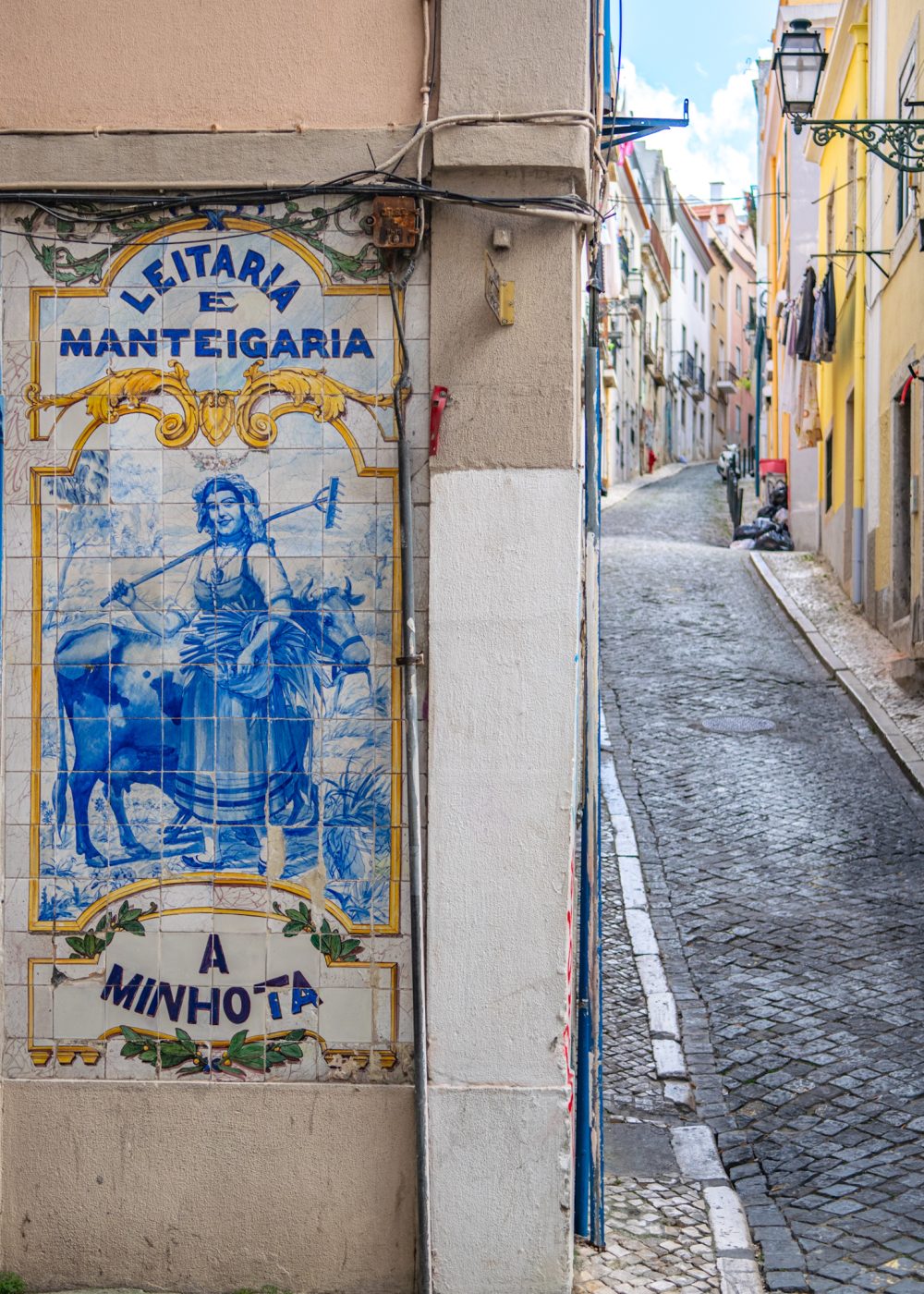
Portugal’s rich cultural tapestry is woven with many threads, but perhaps none is as vibrant or as unique as the Portuguese art of azulejos. These beautiful ceramic tiles adorn buildings across the country—from the humblest homes to the grandest palaces—telling stories of history, religion, and culture through their intricate designs.
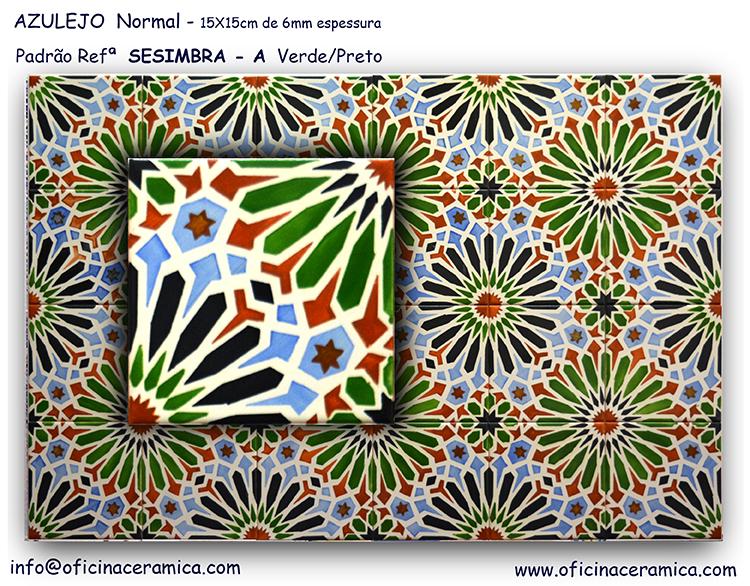
Like me, you might assume the word “azulejo” comes from the Portuguese word for blue, “azul,” but it is derived from the Arabic word “azzelij or al zuleycha,” meaning “polished stone.”
Tiled stone mosaics originated in Egypt and spread throughout Europe, beginning in the 13th century and continuing during the 400 years of Arab occupation. Tile mosaic decoration is common in Spain, Italy, Holland, Turkey, Iran, and Morocco, but Portugal has personalized this art form to reflect the unique religious, historical, and artistic influences of each era.
| | |
The First Tiles in Portugal:
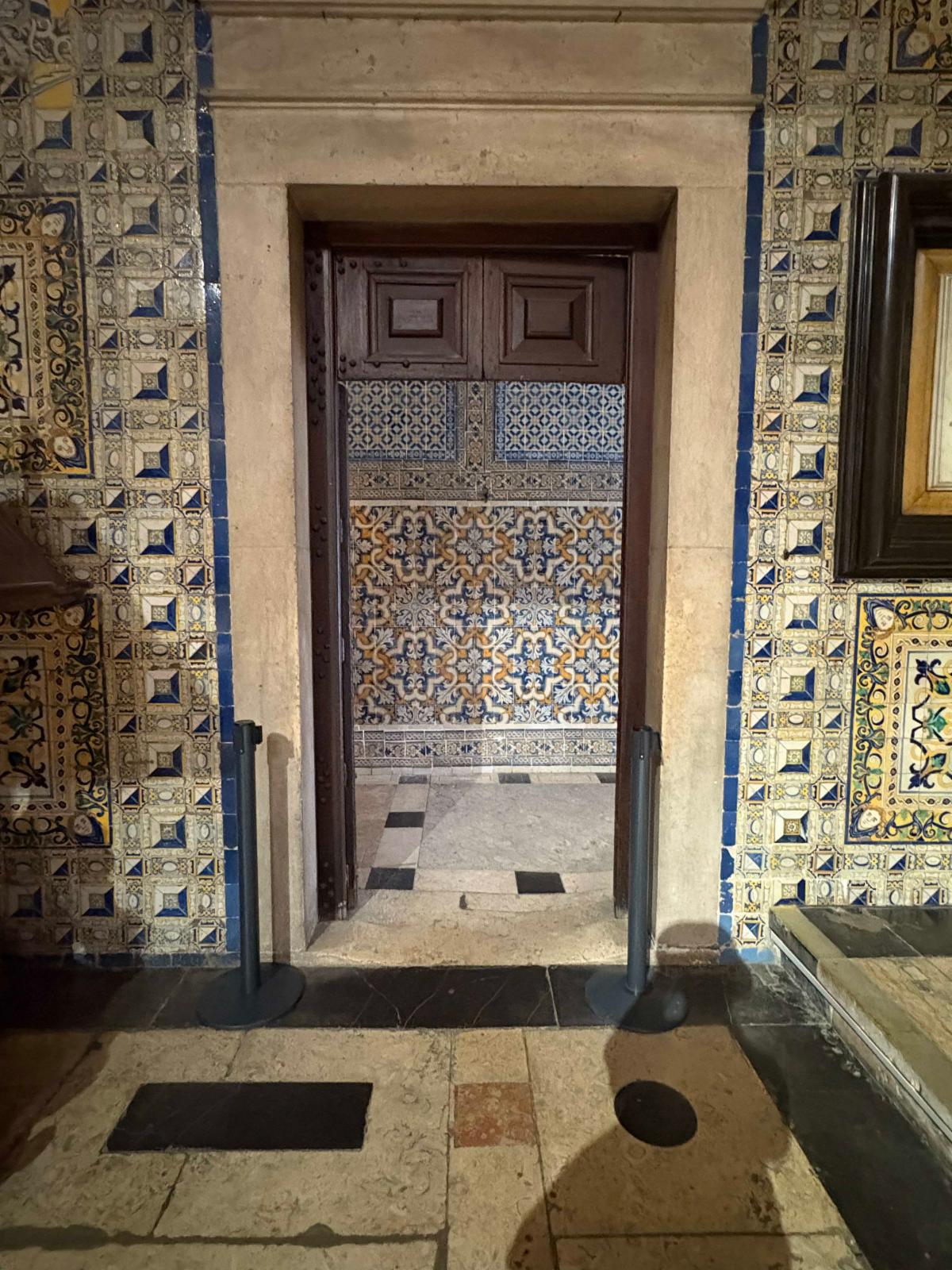
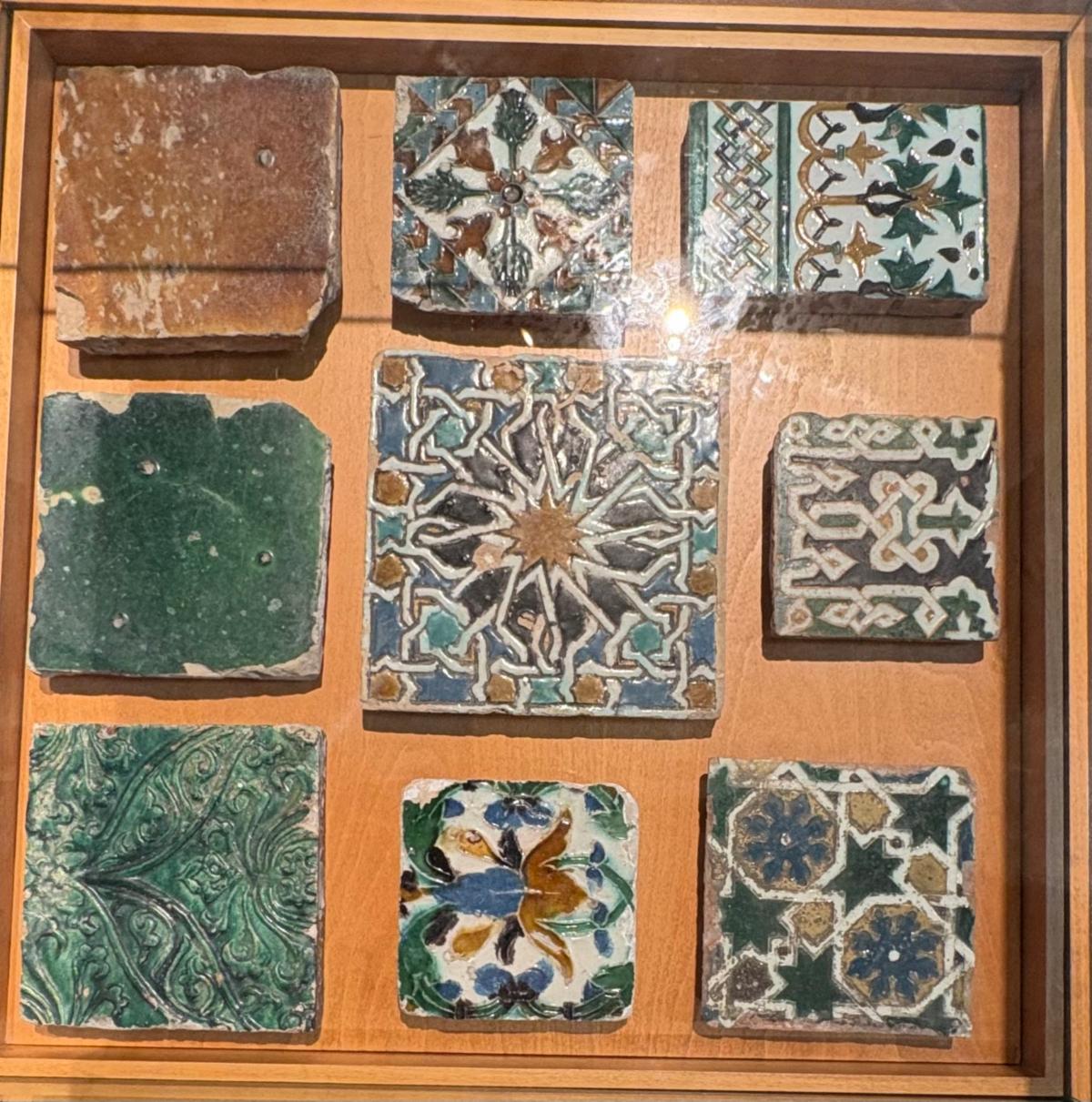
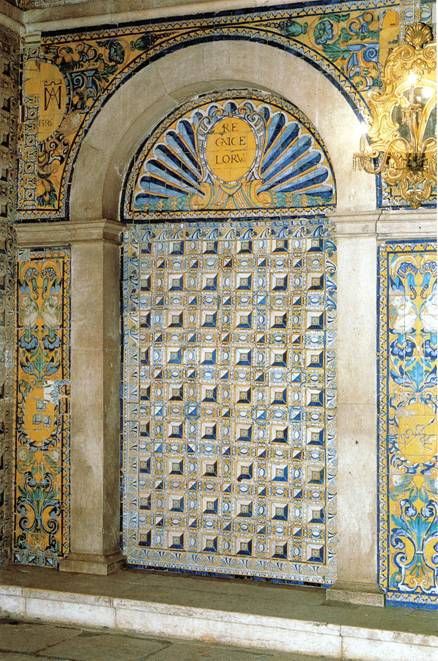
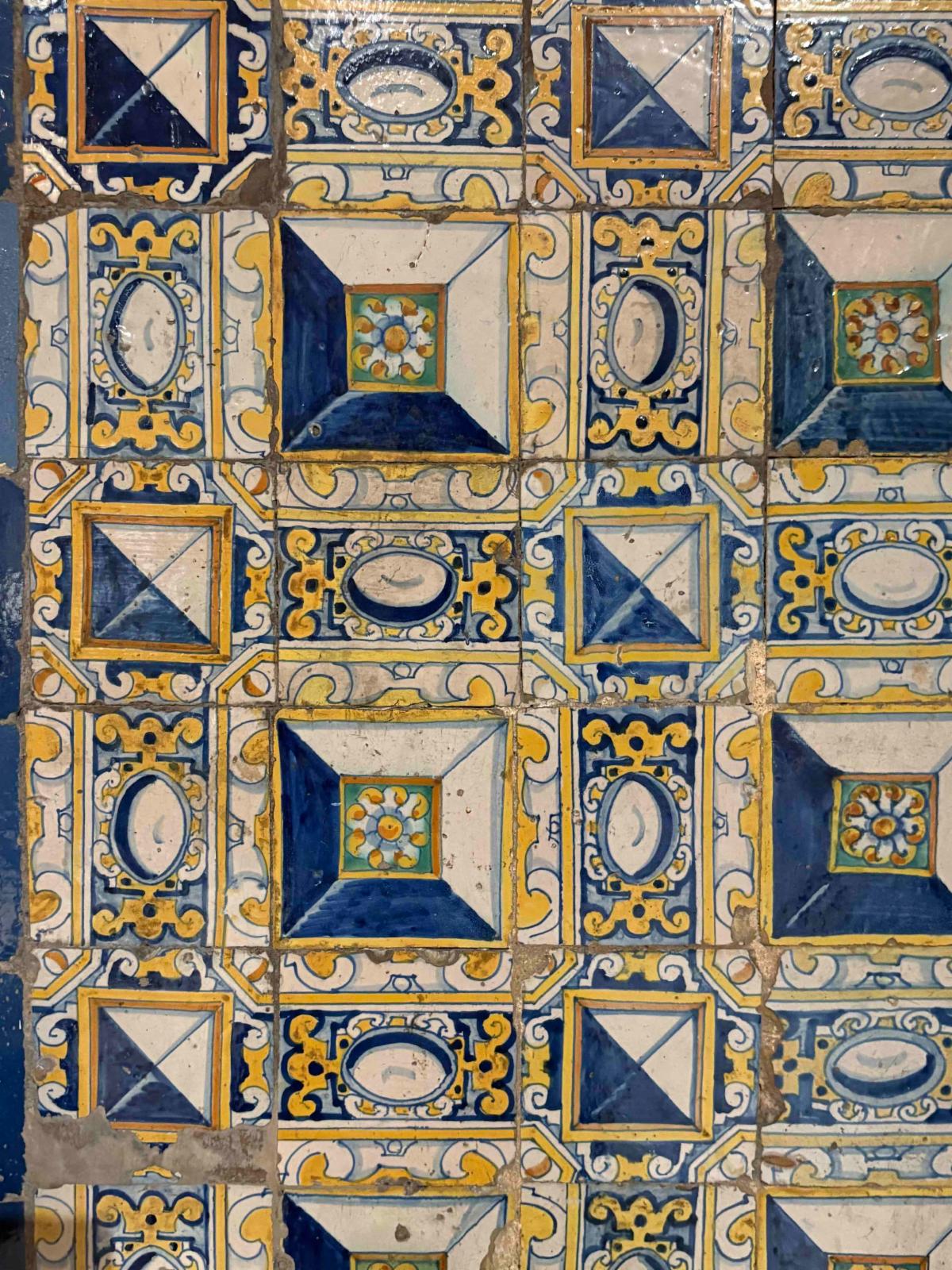
When King D. Manuel I of Portugal visited Seville, Spain, in the 15th century, he ordered tiles for his palace in Sintra and for several churches. These early designs were influenced by Islamic culture. Moorish mosaic designs decorate every inch of available surface and are often referred to as tapestries. Islamic art reveres sacred geometry and stylized natural forms and prohibits the depiction of human beings. The first tiles made in Portugal featured geometric patterns in a limited color palette and were quite similar to those being produced in Spain and Italy.
| | |
Technique:
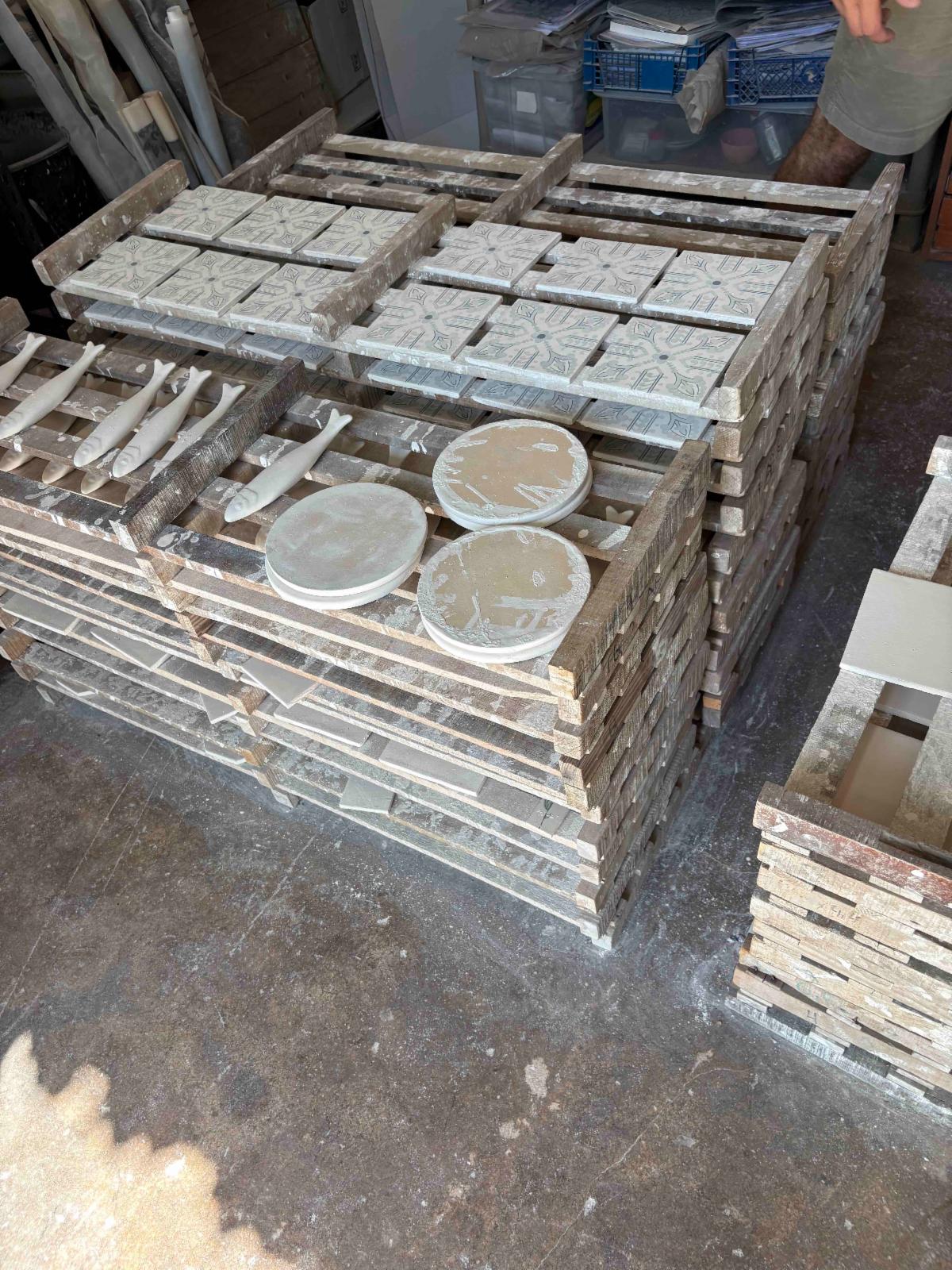
Most hand-painted Portuguese tiles are square and thin, designed specifically for wall decoration. The tiles undergo a meticulous baking and glazing process to ensure durability and resistance to environmental conditions. The glazing not only provides a protective layer but also creates a smooth surface for artisans to paint intricate designs.
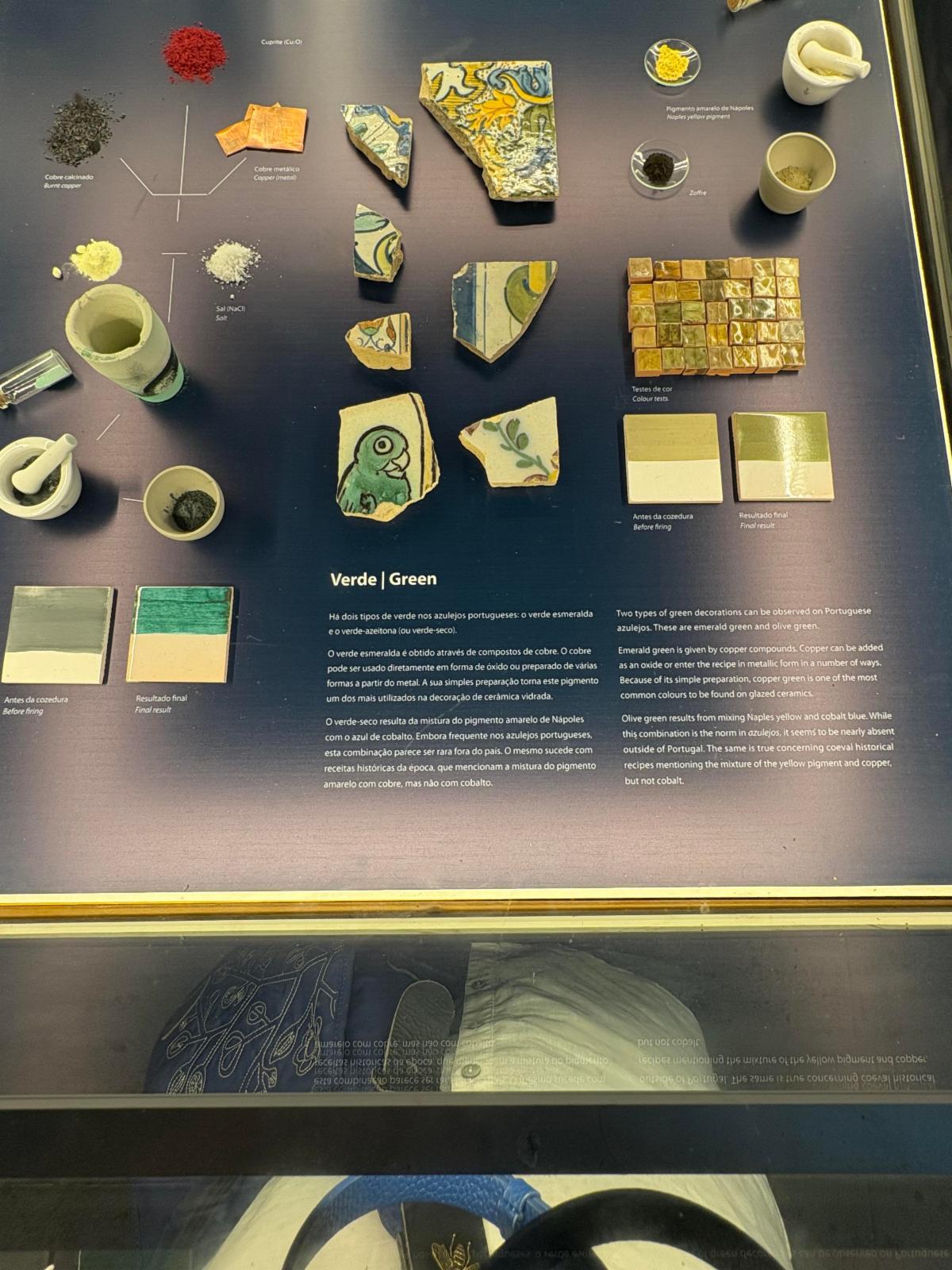
The early chromatic palette of Portuguese tiles relied on a handful of metallic oxides and the pigments made from them. Cobalt was employed for blues, copper for emerald greens, manganese for purples, and iron for oranges and browns, while the synthetic pigment Naples Yellow was obtained from lead and antimony.
| |
Blue and White:
The Spanish were the first to introduce tin-glazed tiles, known as “azulejos de cuerda seca,” applying tin oxide over a blue glaze to create a white background. This technique enabled vibrant cobalt blue pigments to stand out, creating a striking visual contrast. Portuguese tile artists took this invention and added their own spin.
| |
Assimilation:
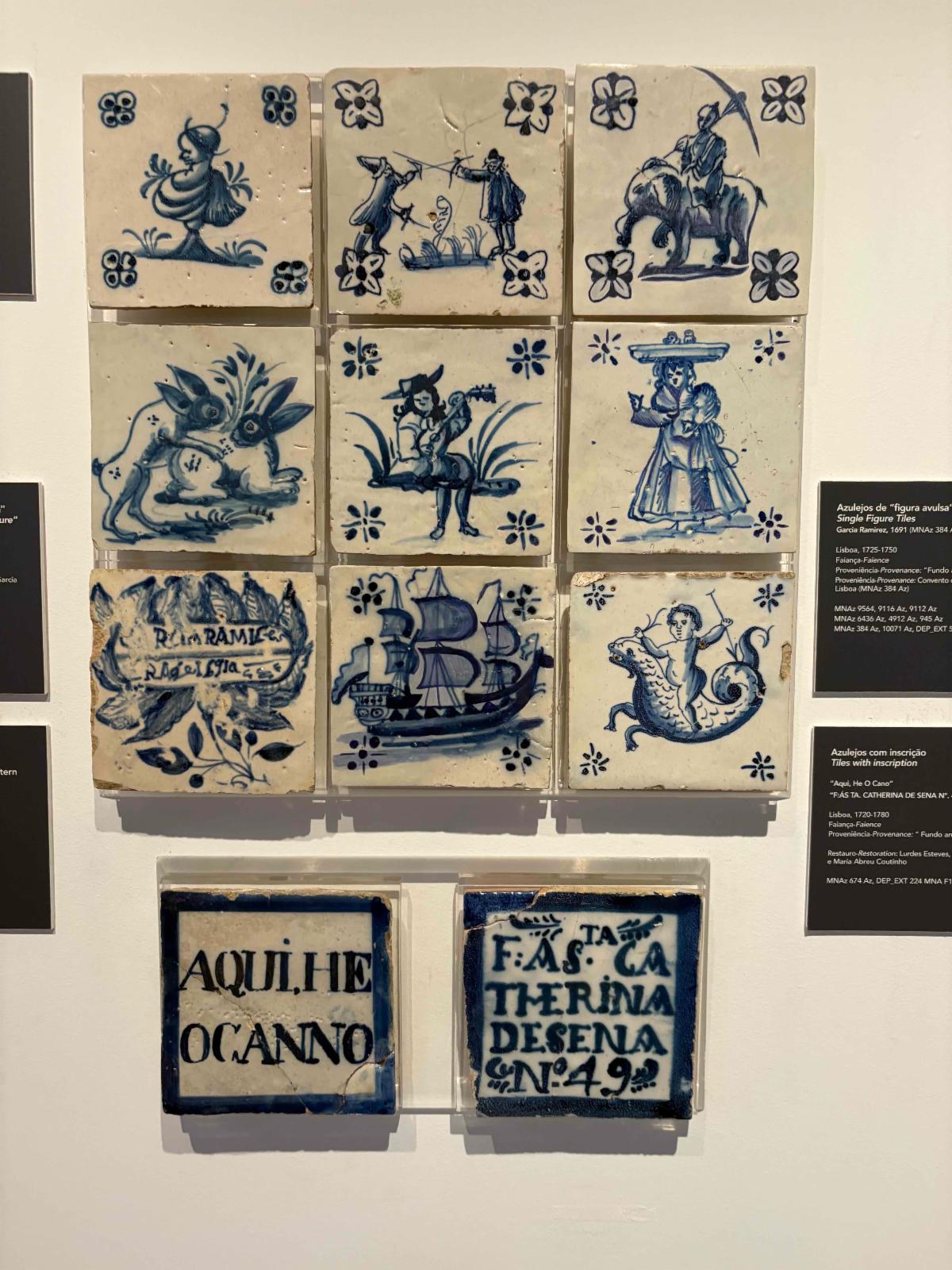
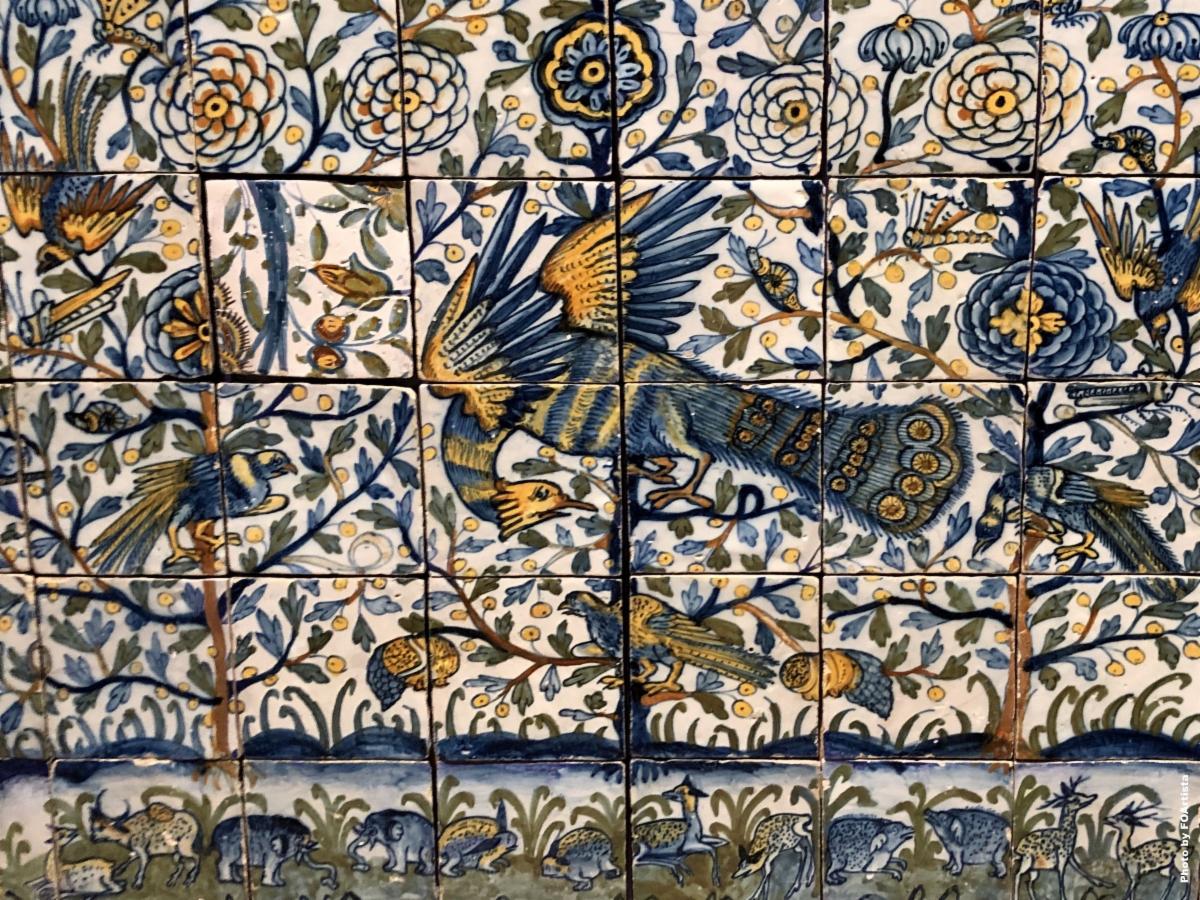
During the Age of Discoveries, spanning the 15th to 18th century, Portugal’s maritime expeditions led to increased contact with other European nations, including Spain and the Netherlands. Influenced by Dutch Delft blue and the Chinese porcelain trade, Portuguese blue-and-white tiles became synonymous with the country’s colonial achievements. At the start of the 17th century, Lisbon began producing altar frontals with “birds and foliage” inspired by Asian textiles, including chintz or stamped Indian fabrics. These tile compositions had symbolic meanings associated with the Resurrection, justifying their use on Catholic altars.
| | |
Narrative Murals:
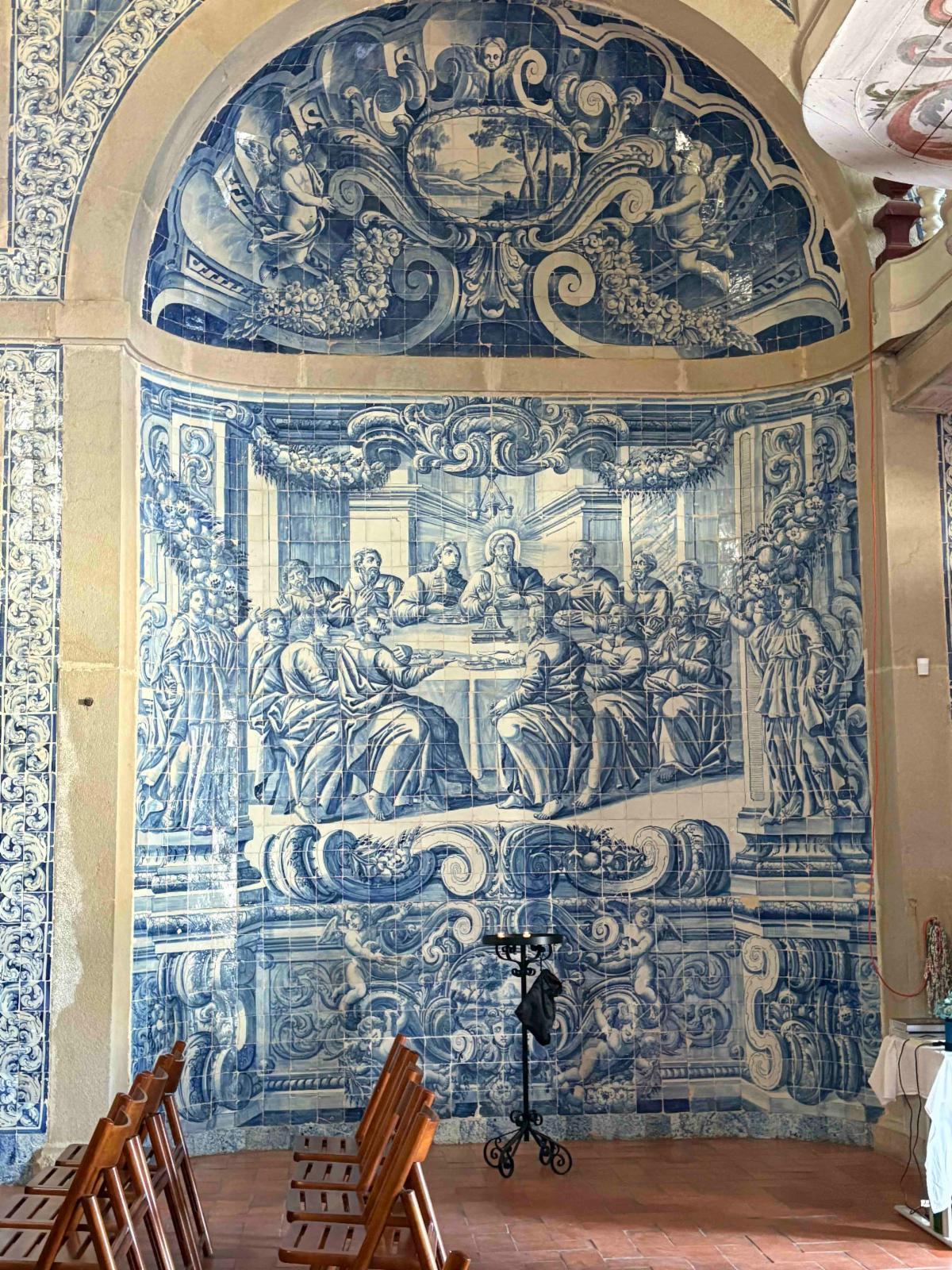
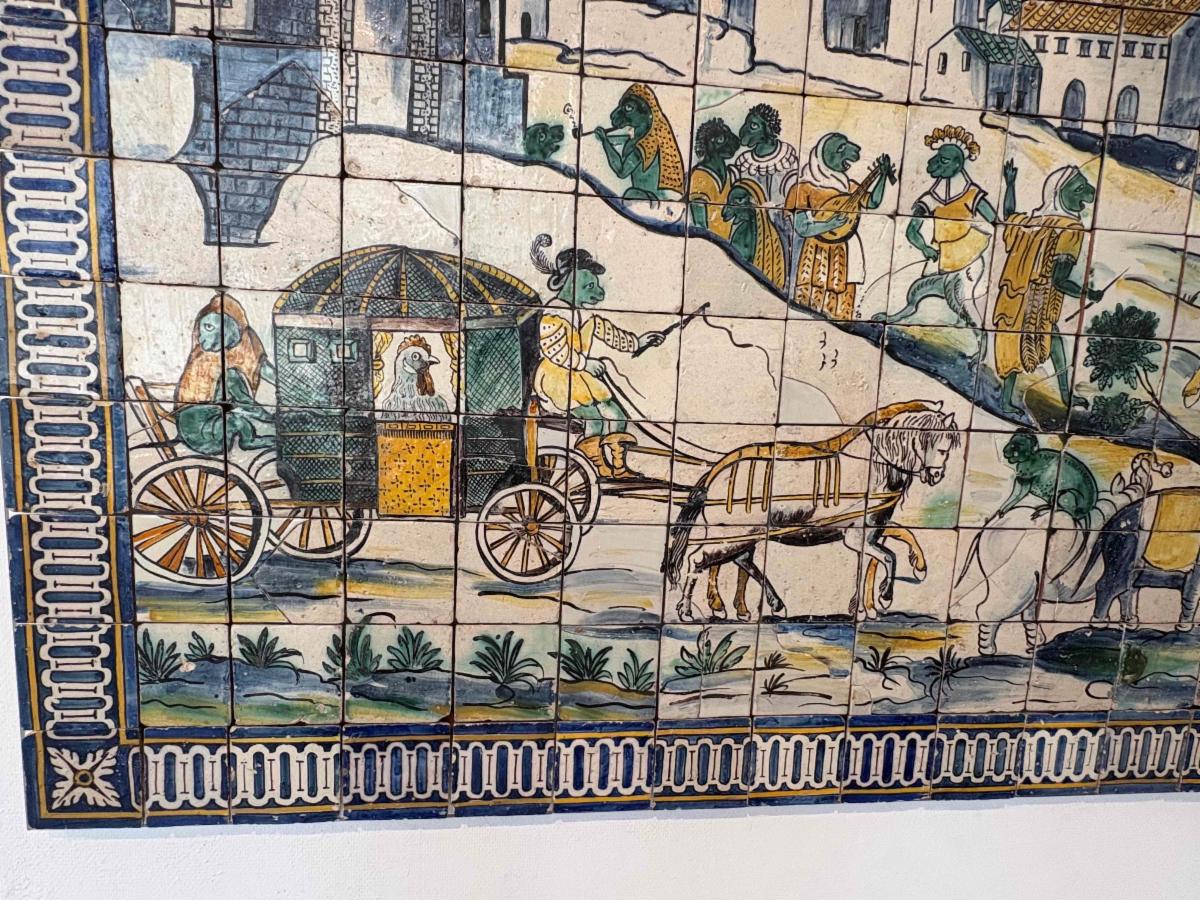
Dutch tile painters were the first to introduce narrative elements, depicting scenes from mythology, history, and daily life. These storytelling tiles convey a sense of movement and drama. The Dutch influence encouraged Portuguese artists to explore new subjects and experiment with depicting complex narratives within the limited space of the tiles.
The fusion of these diverse influences—Islamic, Moorish, Spanish, and Dutch—gave rise to the unique style of Portuguese azulejos. The intricate patterns, vibrant colors, and storytelling aspects of azulejos assimilate and reinvent these diverse ideas as something uniquely Portuguese.
| | |
The Masters Cycle:
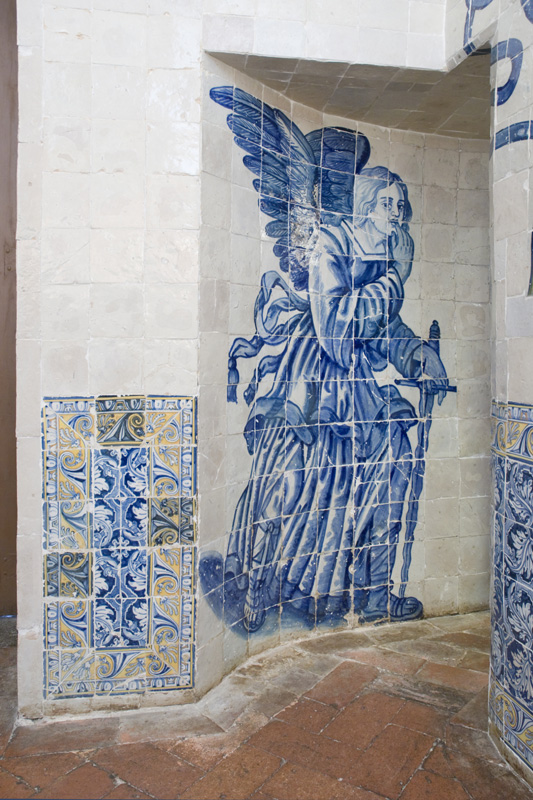
New painting masters emerged with these large tile installations. Many of the most elaborate tile paintings were signed by masters such as Gabriel del Barco, Antonio Pereira, Manuel do Santos, and Policarpo de Oliveira Bernardes.
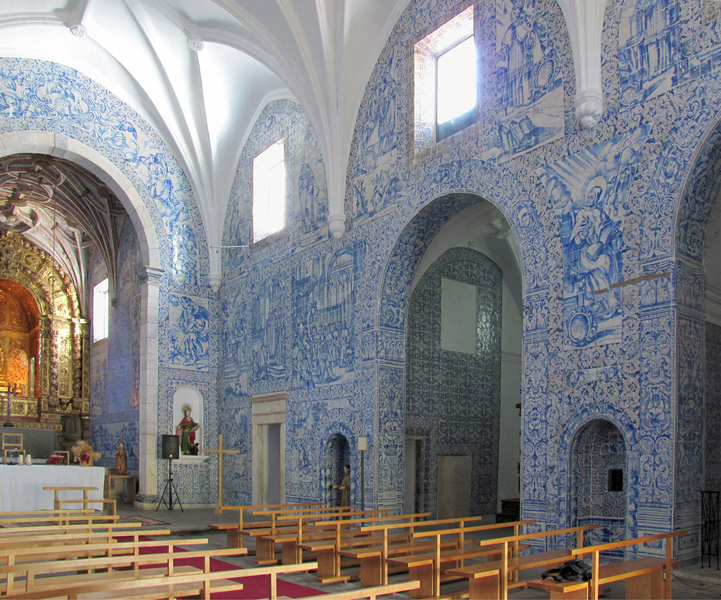
The blue and white combination came to symbolize the country’s new power and wealth, and complex narrative and geometric tile paintings began to decorate every inch of available space in palaces and churches in Portugal and Brazil.
| | |
Majolica:
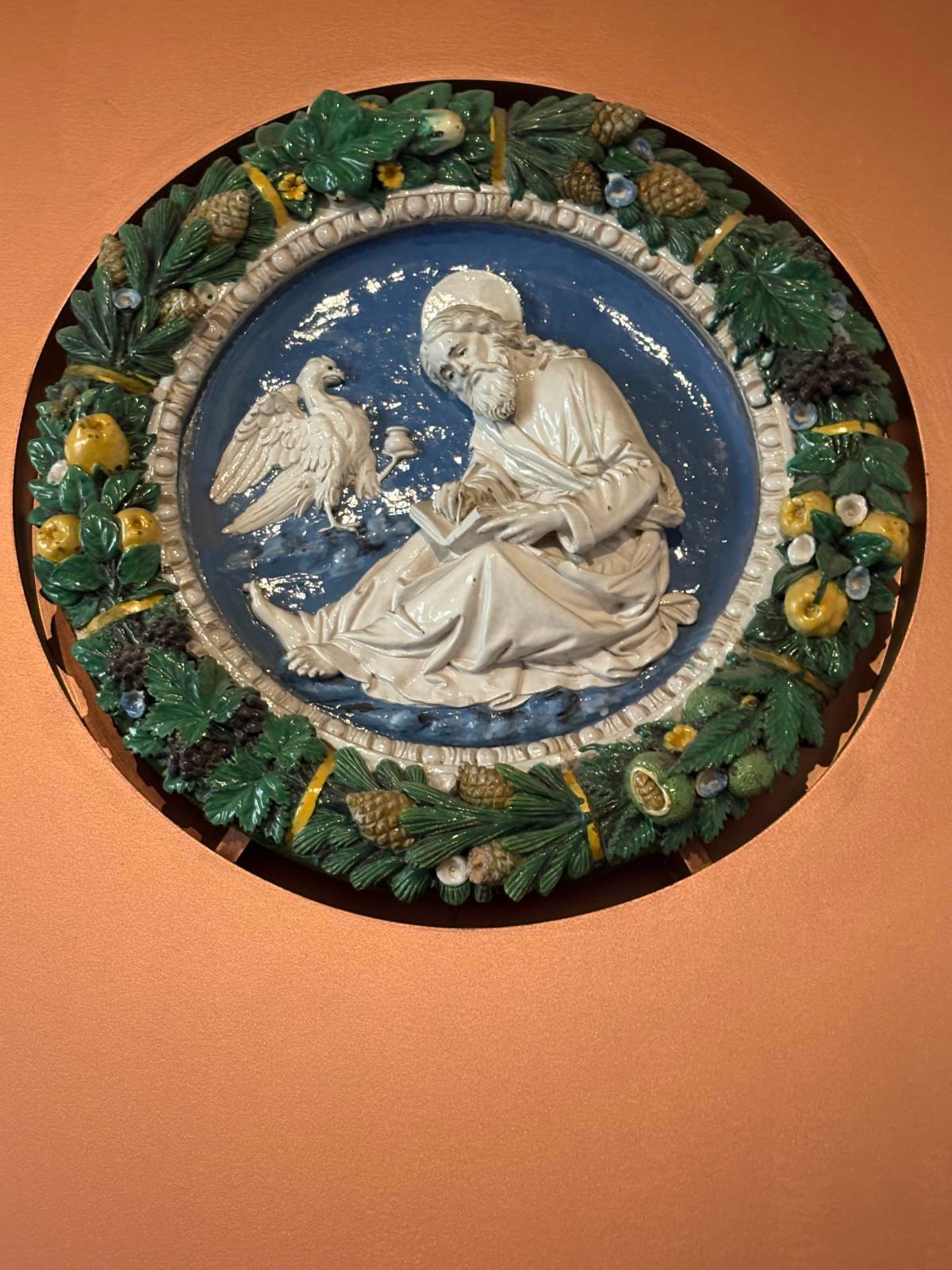
The term majolica refers to 15th-century Italian pottery decorated with bright, festive designs on a white background. This style was very popular during the Victorian and Art Nouveau periods.
Raphael Bordallo Pinheiro opened a majolica factory in Caldas da Rainha in 1884, and it is still in operation today. Bordallo Pinheiro ceramics feature molded, fanciful, and naturalistic dimensional designs, vibrant hand-painted coloration, and a shiny surface.
| | |
Earthquake:
In 1755, a devastating earthquake sparked a fire, and an associated tsunami destroyed 90 percent of Lisbon.
The city's restoration led to many innovations in tile use and design. Cladding buildings with patterned tile reduced flammability, regulated interior temperatures, and eliminated the need for paint.
| | |
The Restoration of Lisbon:
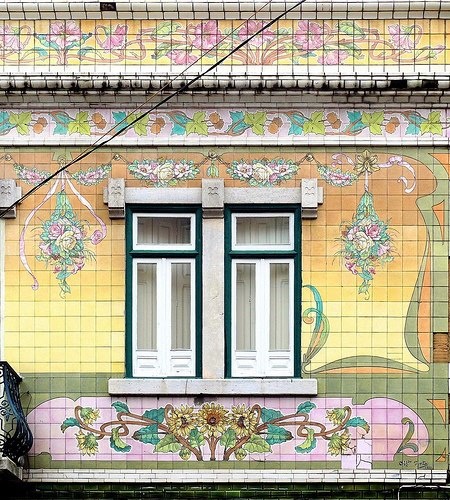
The 1800s Pombaline restoration of Lisbon brought back color, incorporating shades of blue, yellow, and green. The elaborate floral ornamentation of Rococo, Neoclassical, and Romantic imagery flourished, and now azulejos cover the facades, interior walls, and ceilings of most public, private, governmental, and religious institutions, transforming ordinary structures into works of art.
| |
Mass Production:
By the end of the 18th century, modern industrial production techniques such as lithography and mass production made azulejos available to everyone.
| | |
Calcada:
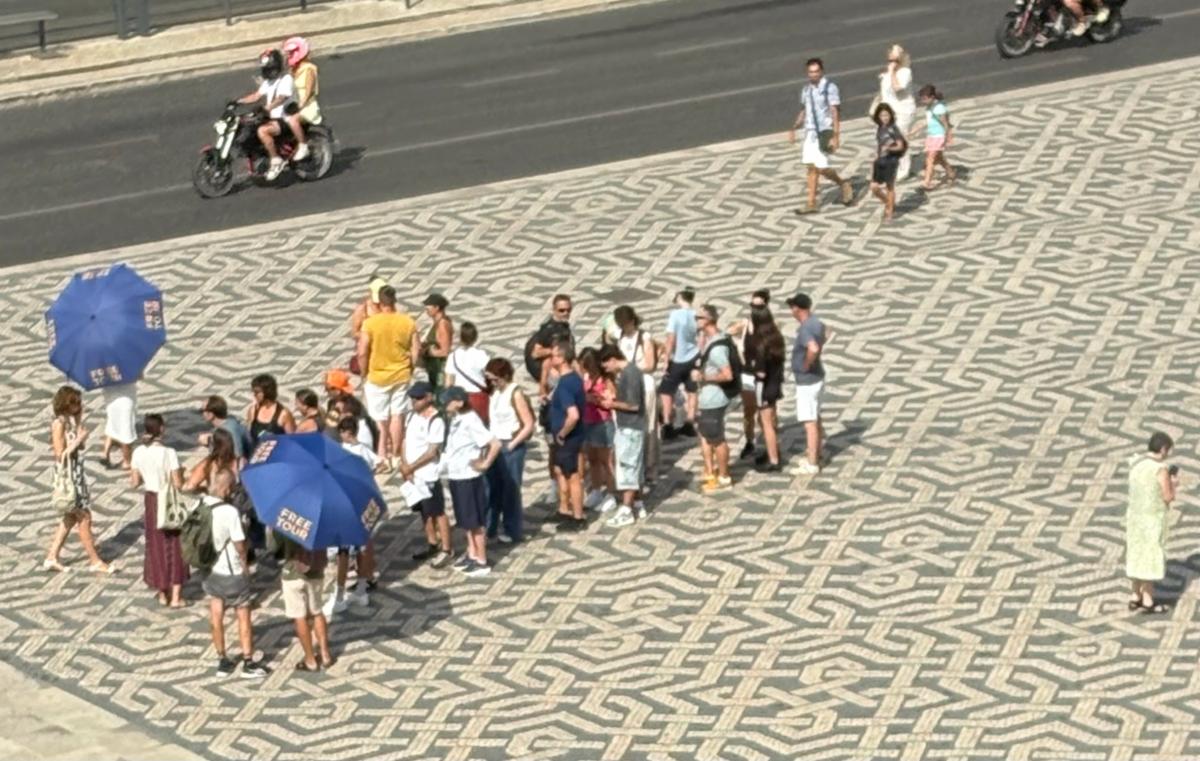
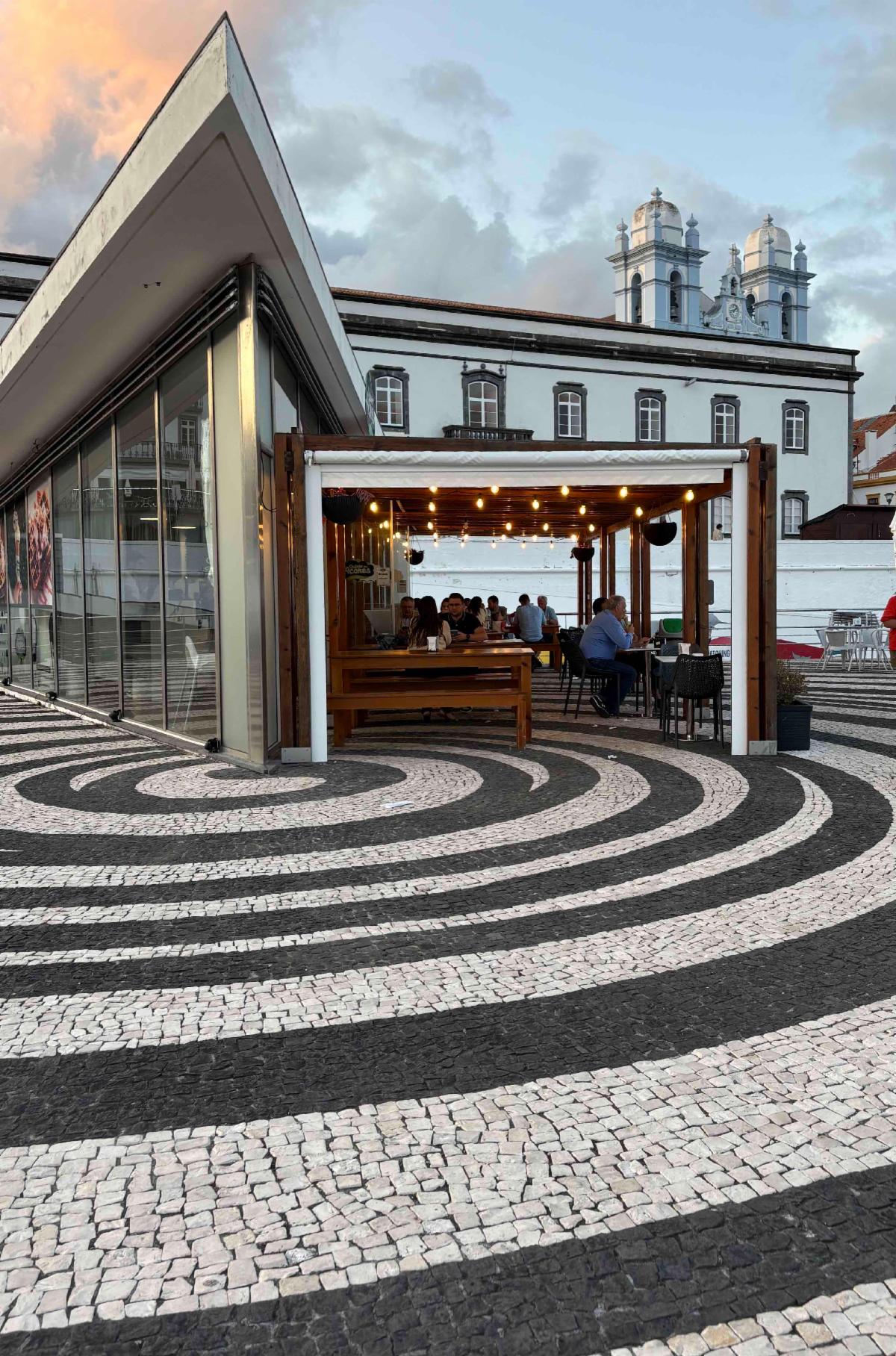
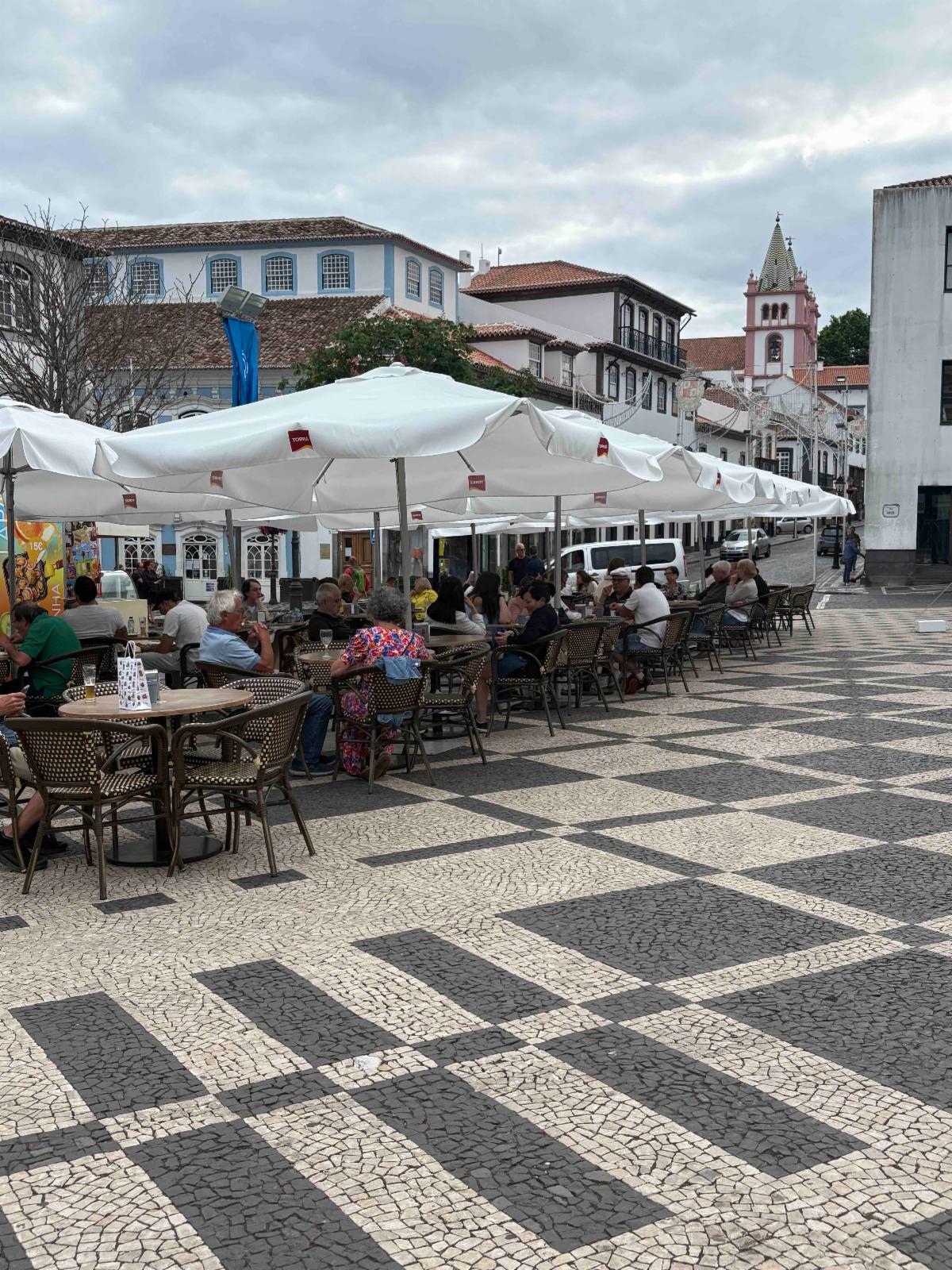
The first mosaic “calcada” or patterned pavement was created in Lisbon’s Rossio Square during the restoration. These patterned pavements are now among the most identifiable features of Portuguese design, spreading throughout the country and its colonies in Brazil and Africa. Each pavement is handmade from small black basalt and white limestone stones and must also be repaired by hand.
| | |
Contemporary Tiles:
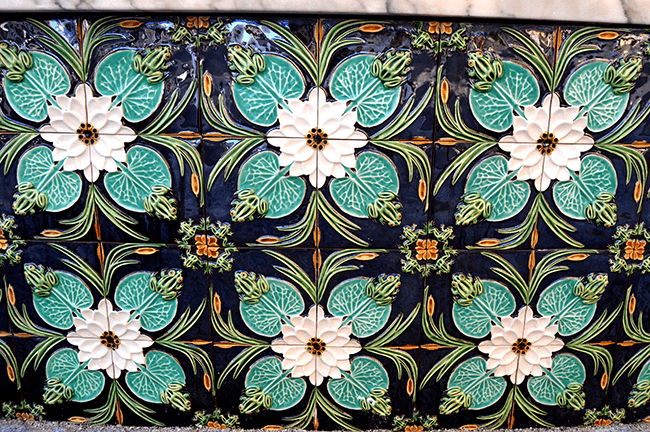
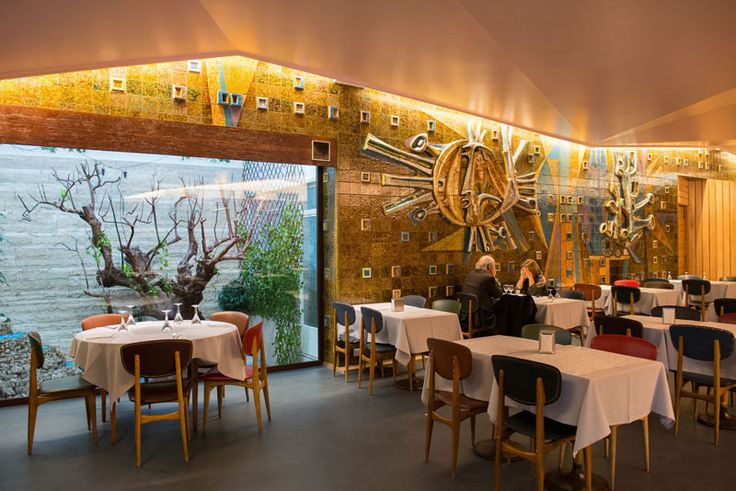
Twentieth-century art movements such as Art Nouveau, Art Deco, and Modernism left their mark on azulejos, introducing more geometric patterns and stylized designs.
Contemporary artists and craftsmen continue to create innovative uses for tile decoration, combining traditional techniques with modern aesthetics. Azulejos continue to be cherished by locals and visitors as a symbol of Portuguese artistry and cultural identity.
| | |
If you plan to visit Portugal and you’re interested in learning more about azulejos, I highly recommend a visit to the National Tile Museum.
The Museu do Azulejo in Lisbon is a fascinating institution housed in the beautiful 16th-century Convent of Madre de Deus. The museum showcases an extensive collection of azulejos dating from the 1400s to the 1900s, encompassing various styles, designs, and techniques, offering insights into the evolution of tile art in Portugal.
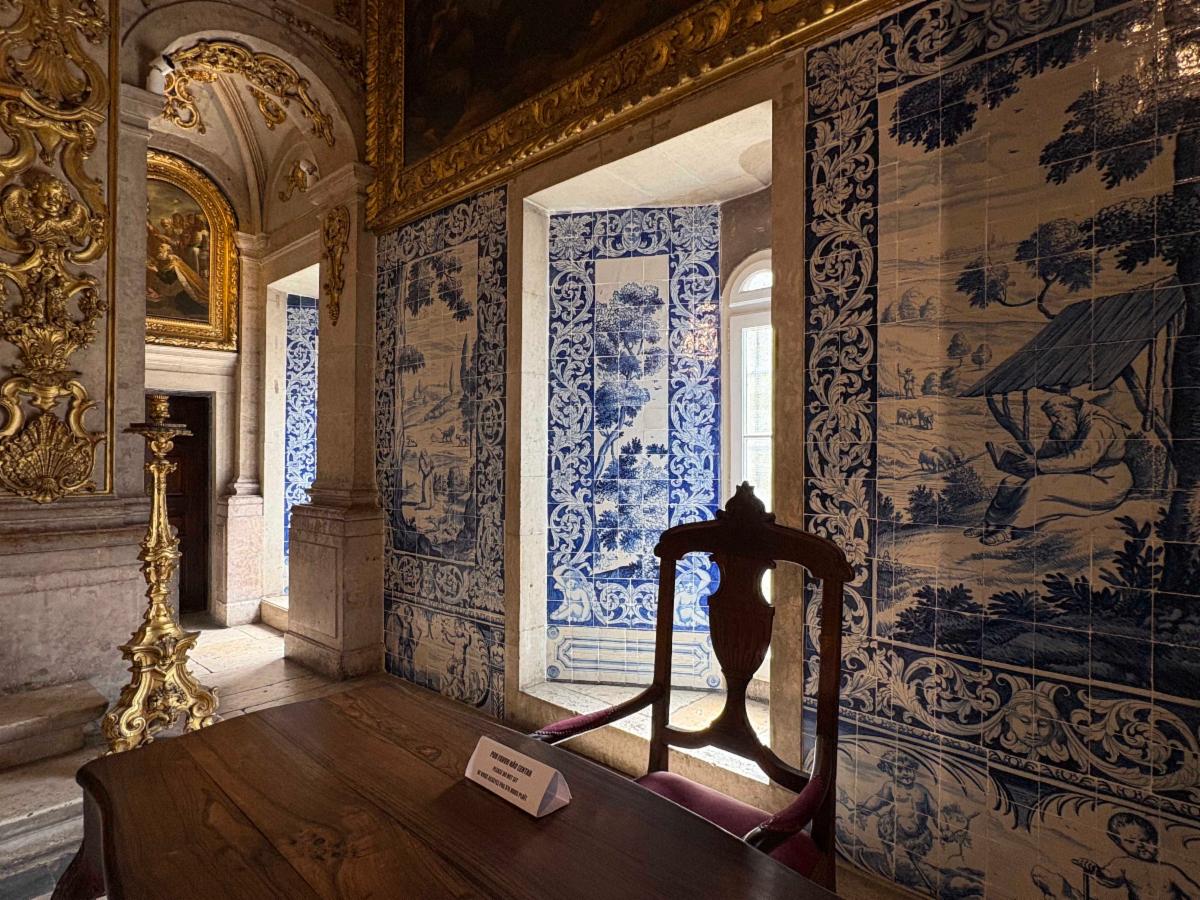
The museum's cloister and church interiors are adorned with stunning azulejo paintings depicting religious scenes, historic events, and vivid blue-and-white designs that reflect the Baroque and Rococo styles of the period.
A highlight of the museum is a set of panoramic tiles depicting Lisbon as it appeared before the devastating 1755 earthquake.
| | |
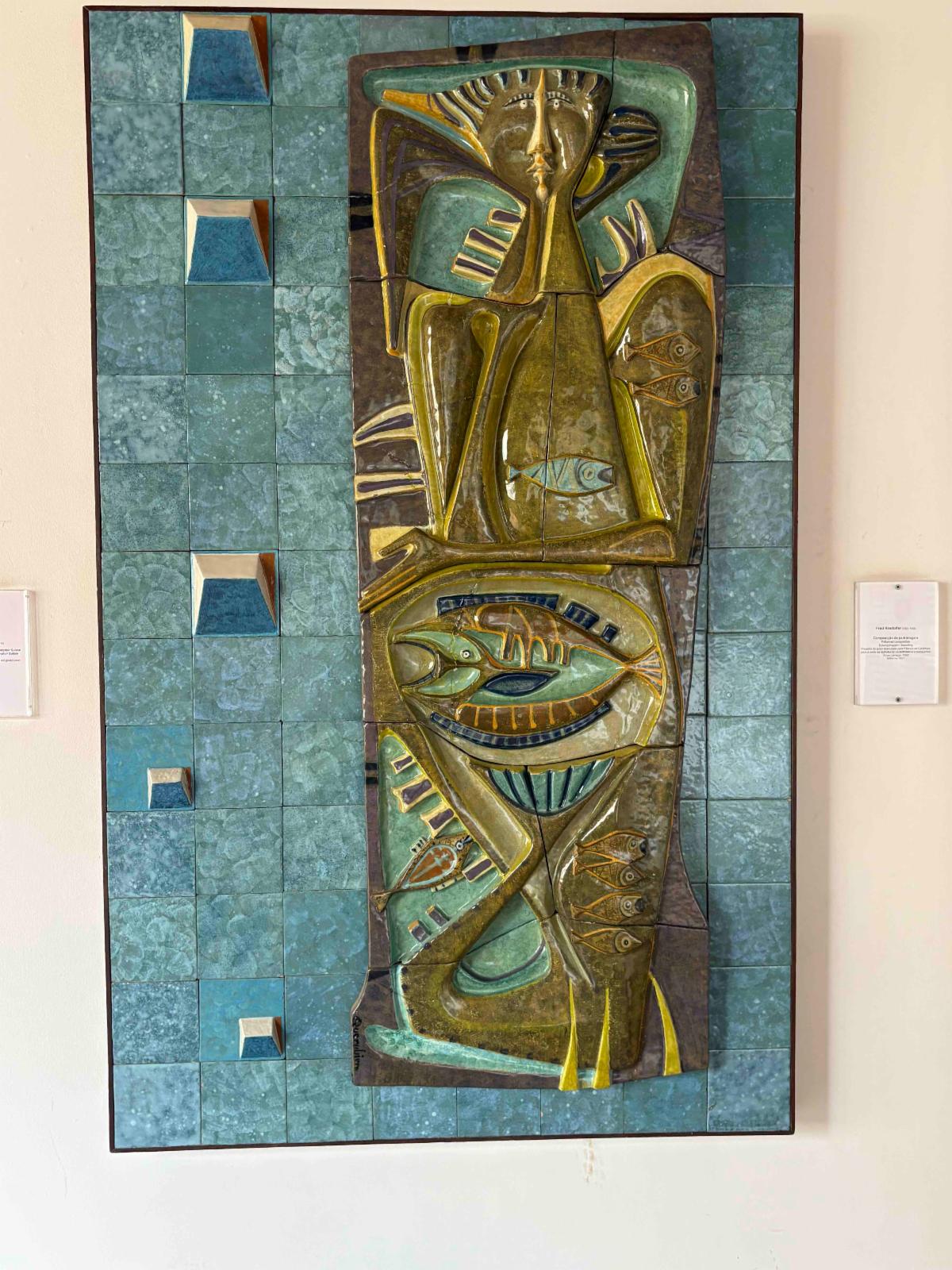
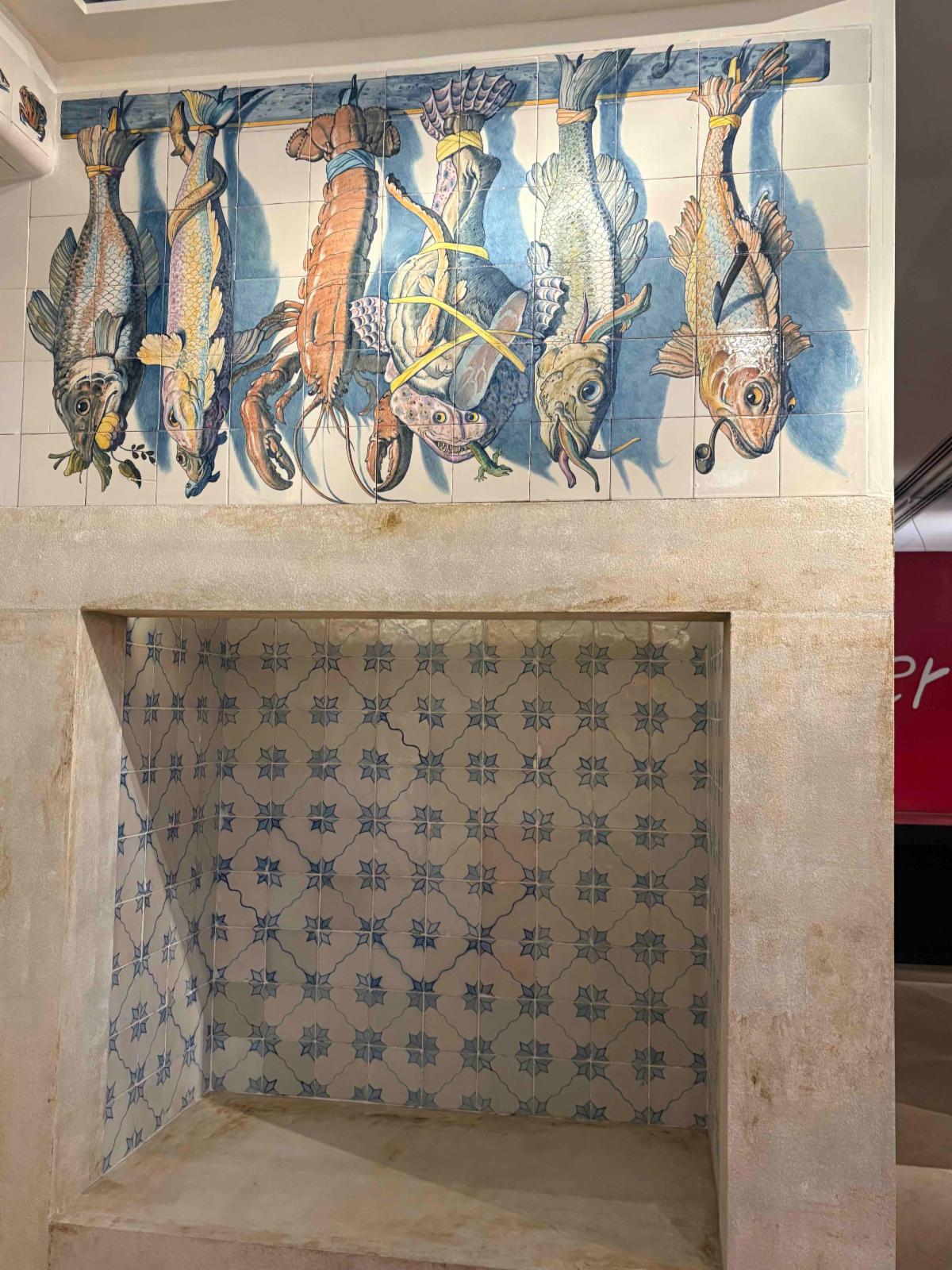
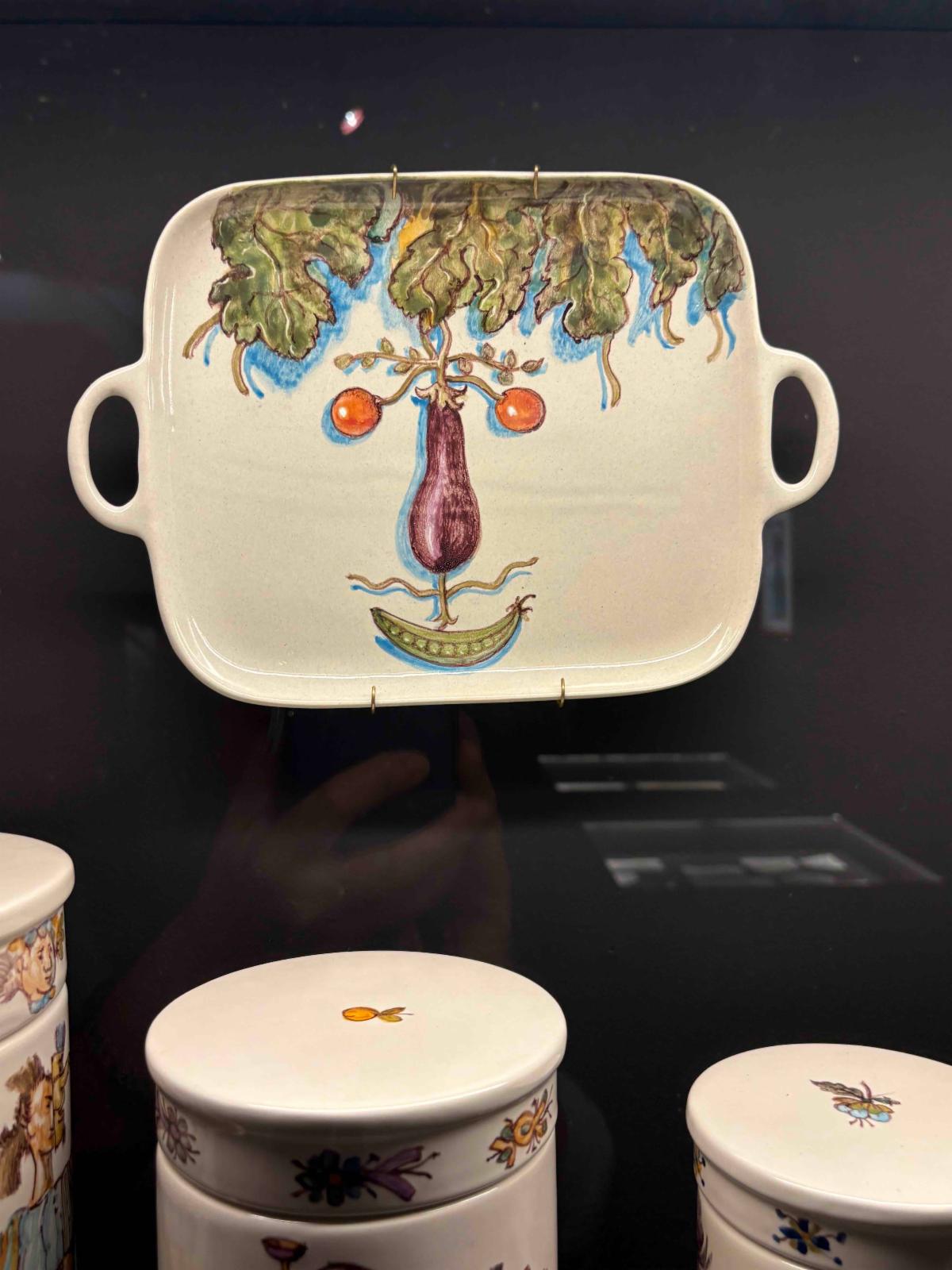
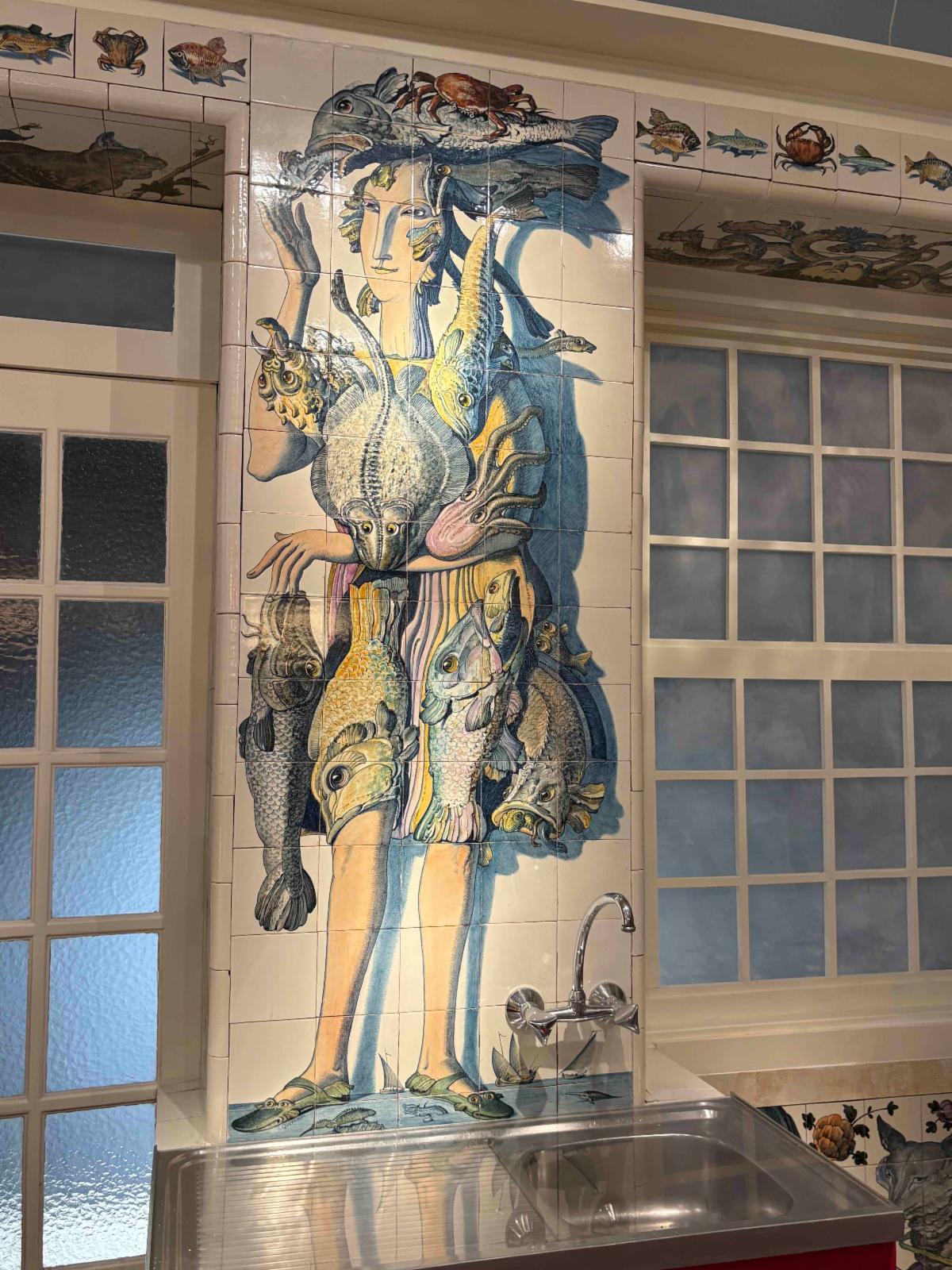
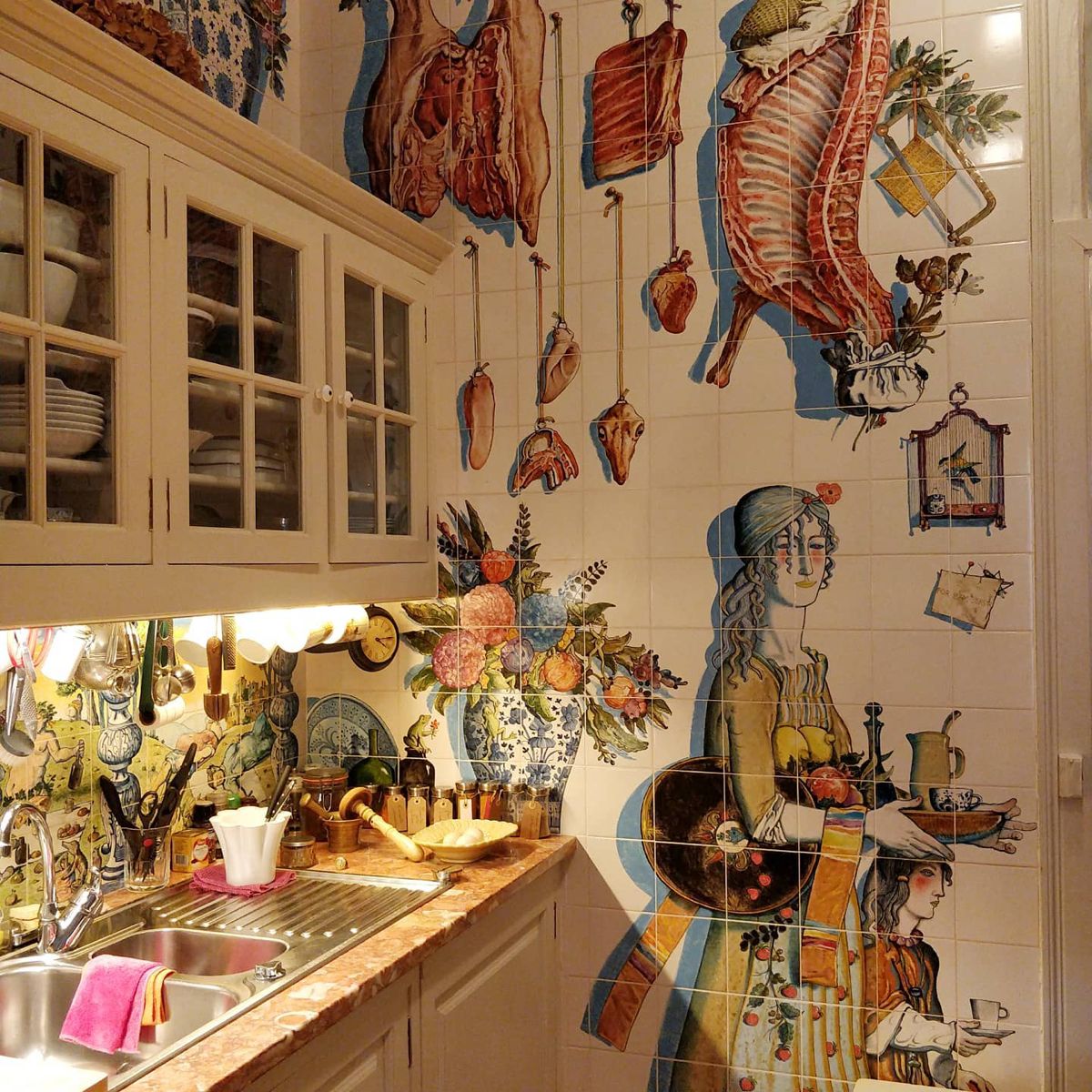
The Museum also showcases modern and contemporary tile installations. I was fascinated by a kitchen designed and painted by Querubim Lapa (1925-2016). Notice how he uses shadows to create depth and drama in his paintings. The exhibit features his original sketches and designs.
| | |
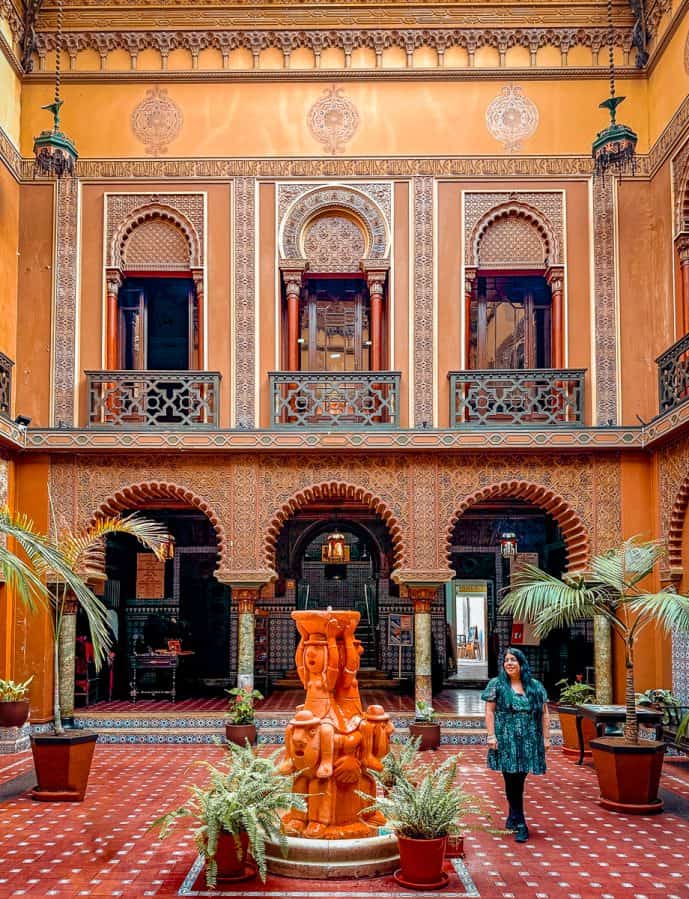
New and old tiles adorn nearly every building in Lisbon, but a few worthy highlights for incredible hand-painted tilework are the interior of the Convento de São Pedro de Alcântara, the Casa do Alentejo, and the Igreja de São Roque.
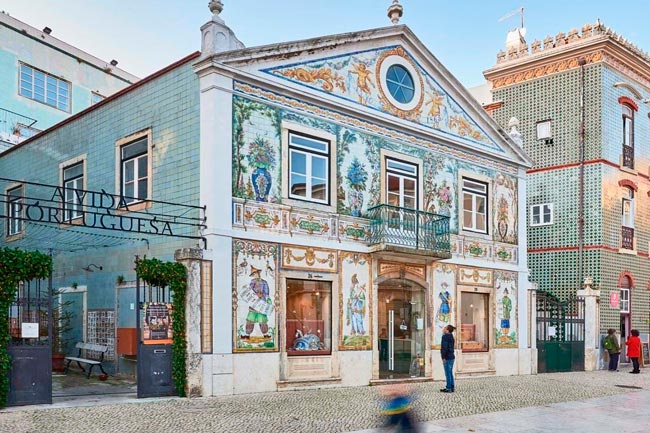
Sao Rocque is a former Jesuit monastery with a ring of chapels featuring tilework from many different eras. Viuva Lamego was home to two tile factories, and the facade of this building is a symphony of beautiful Art Nouveau tiles. The Chapel of St. John the Baptist is worth your attention as well. The entire interior of this chapel is covered with beautiful blue-and-white tiles depicting scenes from the life of St. John the Baptist.
Viator and TripAdvisor offer walking tours of Lisbon and Porto that will take you to visit these and other landmarks.
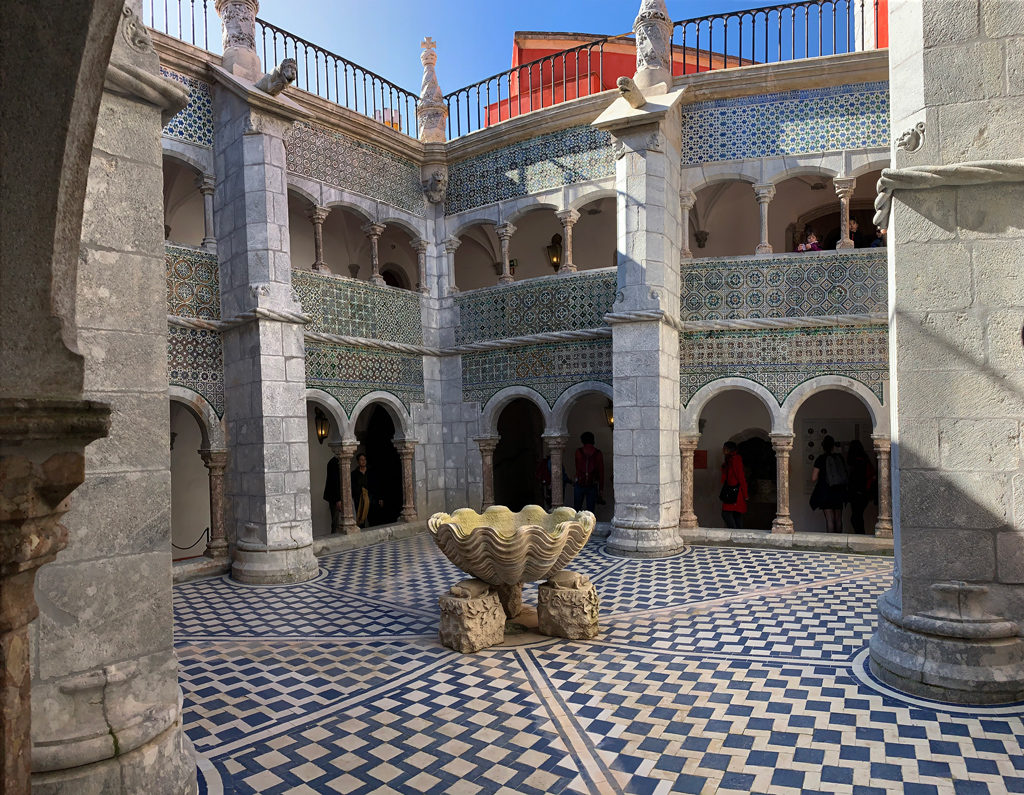
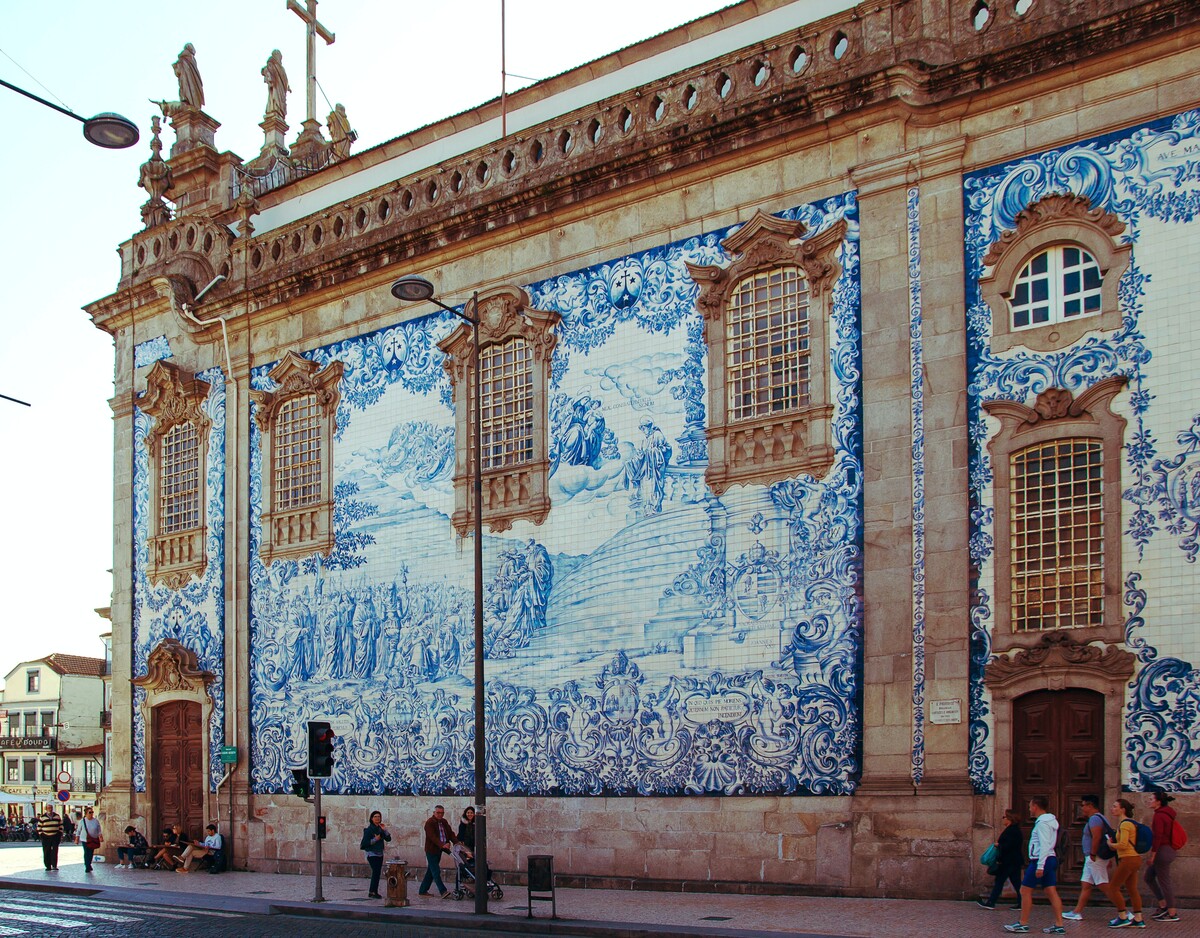
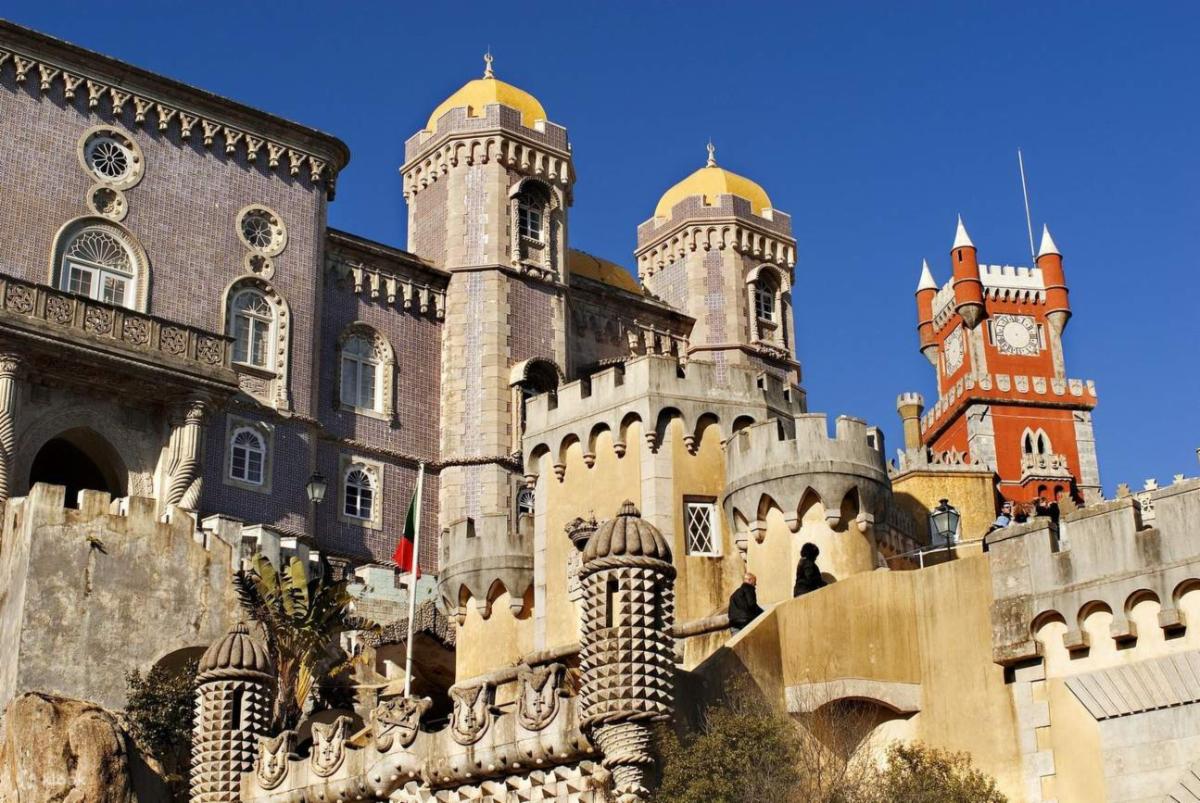
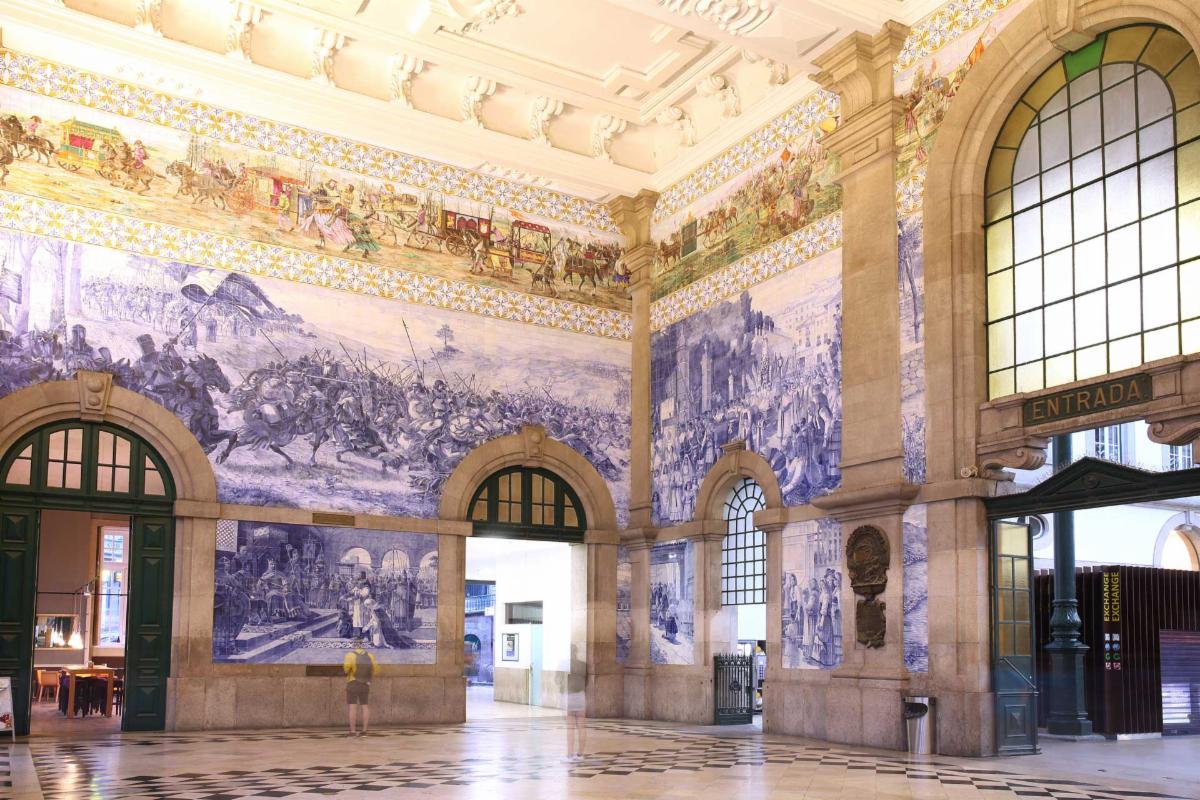
| | The Palácio Nacional Da Pena (Pena National Palace of Sintra), is a UNESCO World Heritage Site known for its unique blend of architectural styles. It is referred to as the Moorish Palace largely because of the tiles and embellishments purchased in the early 15th century by King D. Manuel I. | In Porto, don’t miss the Igreja do Carmo, the Chapel of Souls, or the São Bento train station, located in the city center, and known as one of the most beautiful train stations in the world. | |
Paint your own Tile
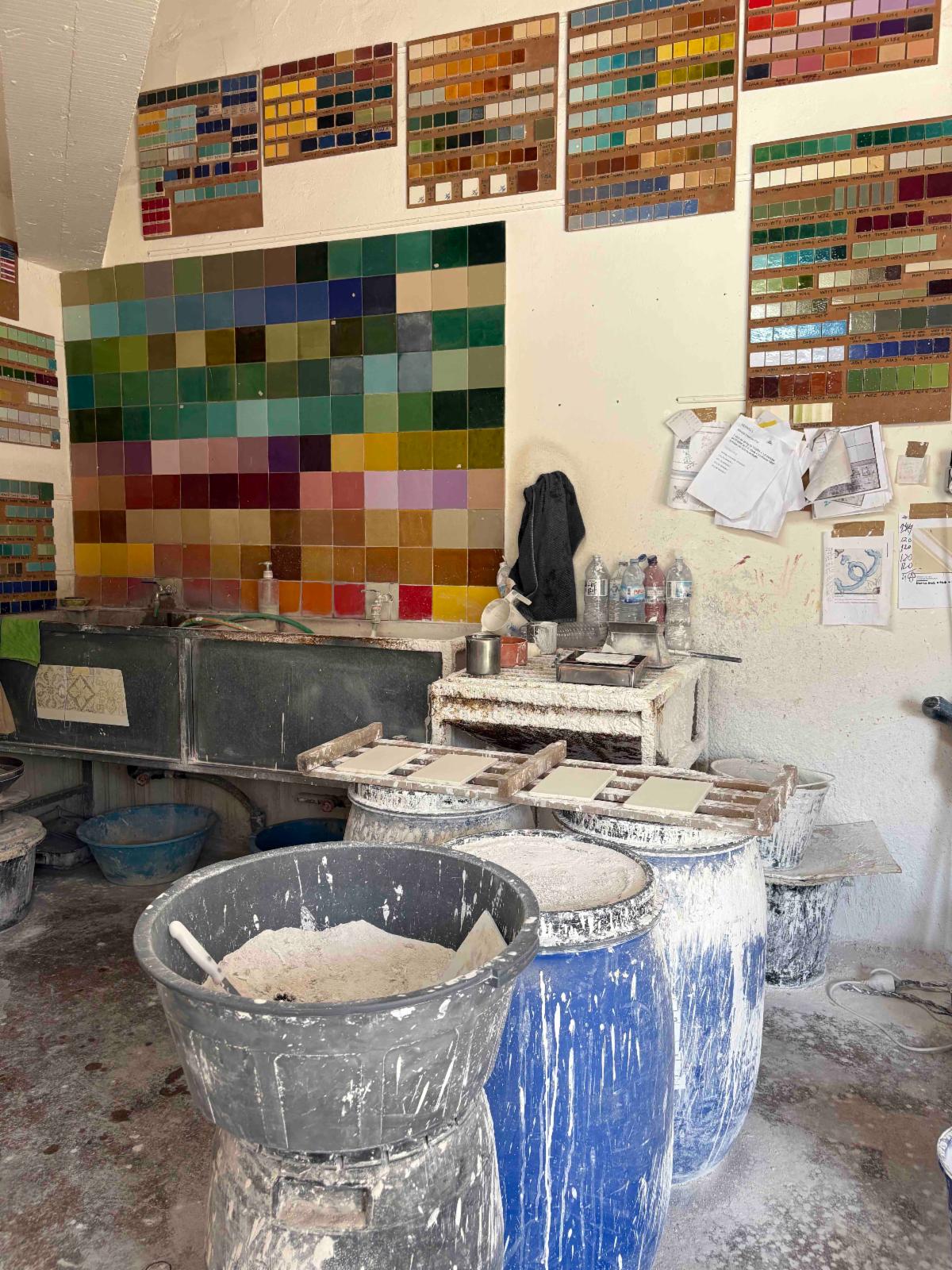
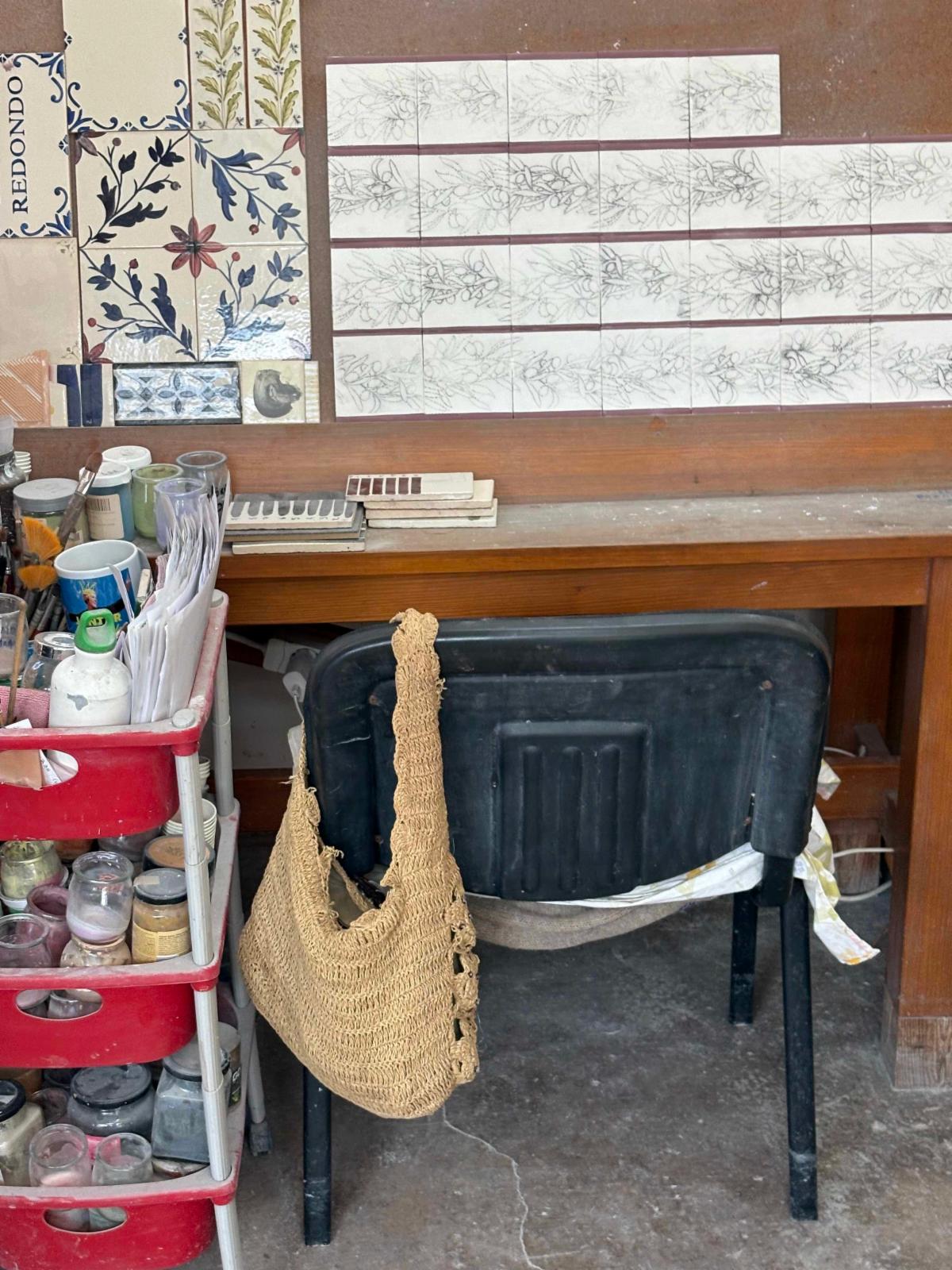
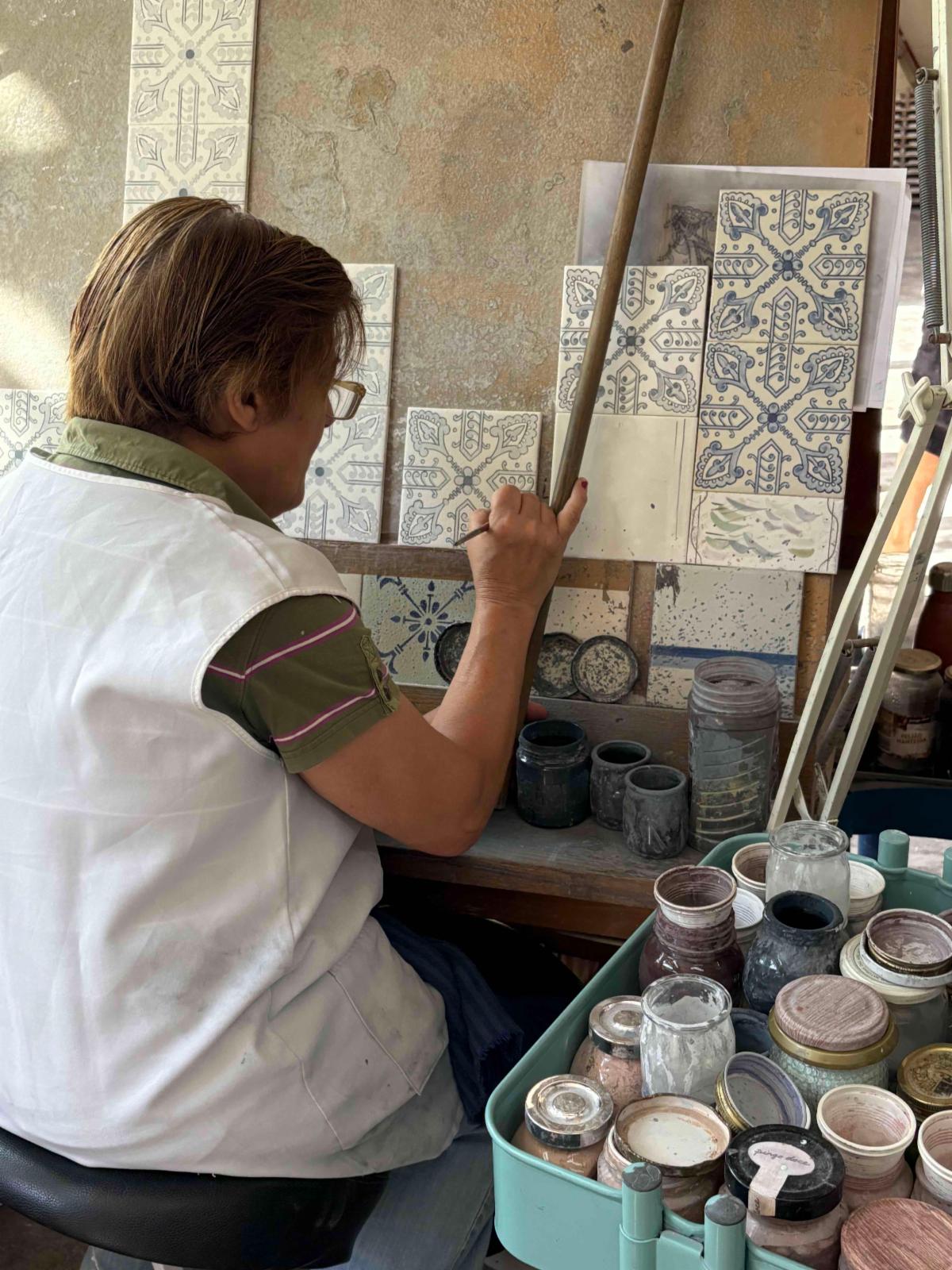
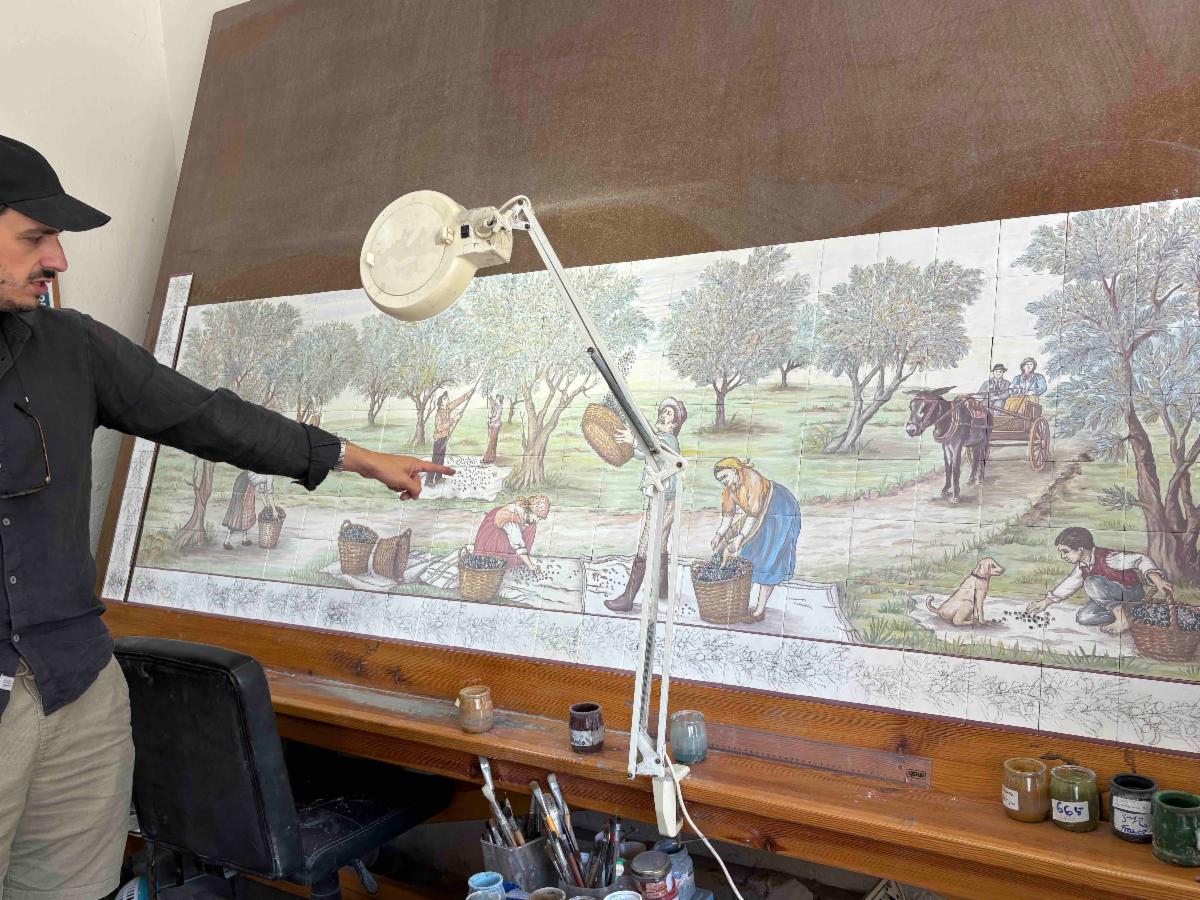
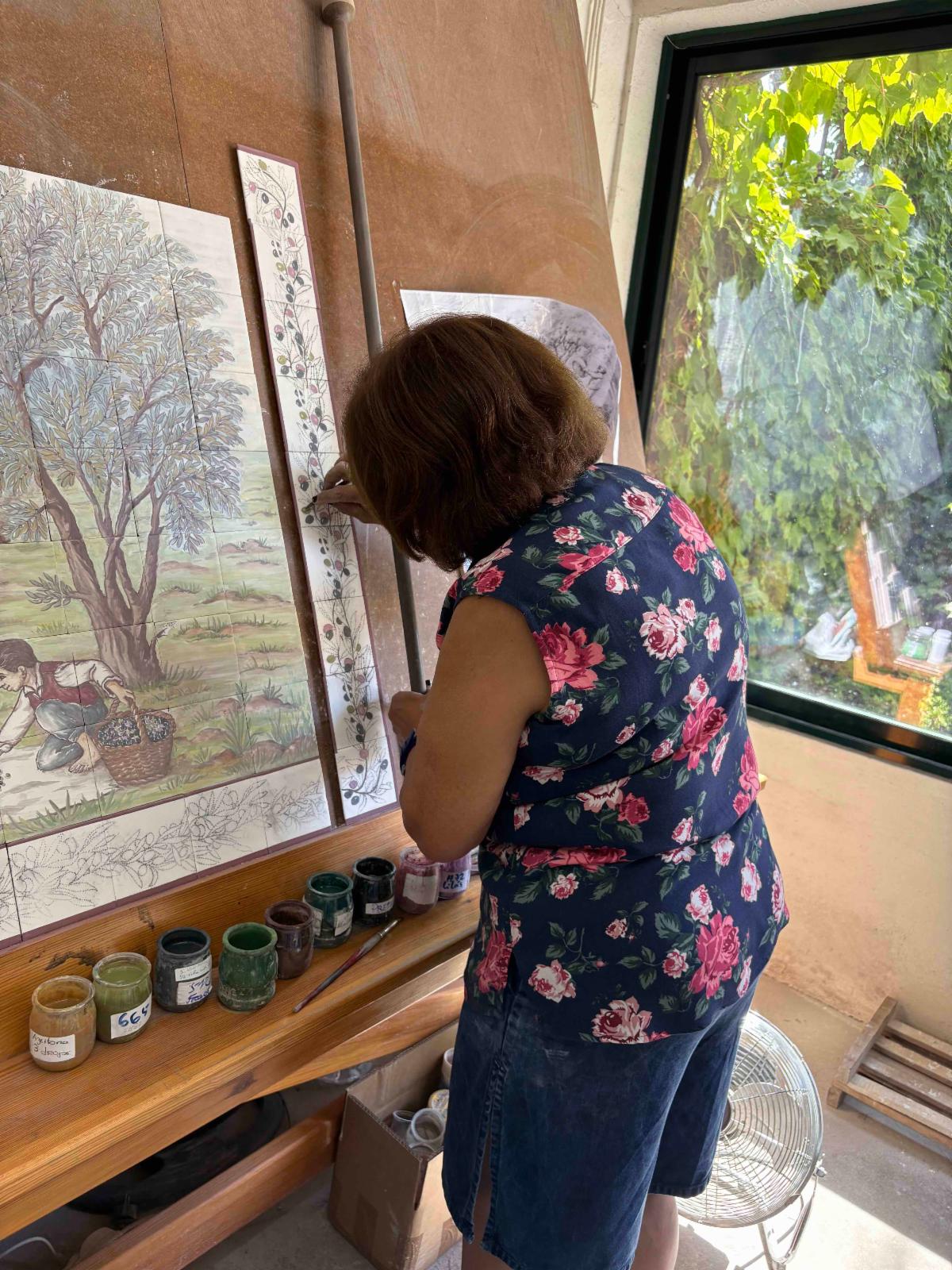
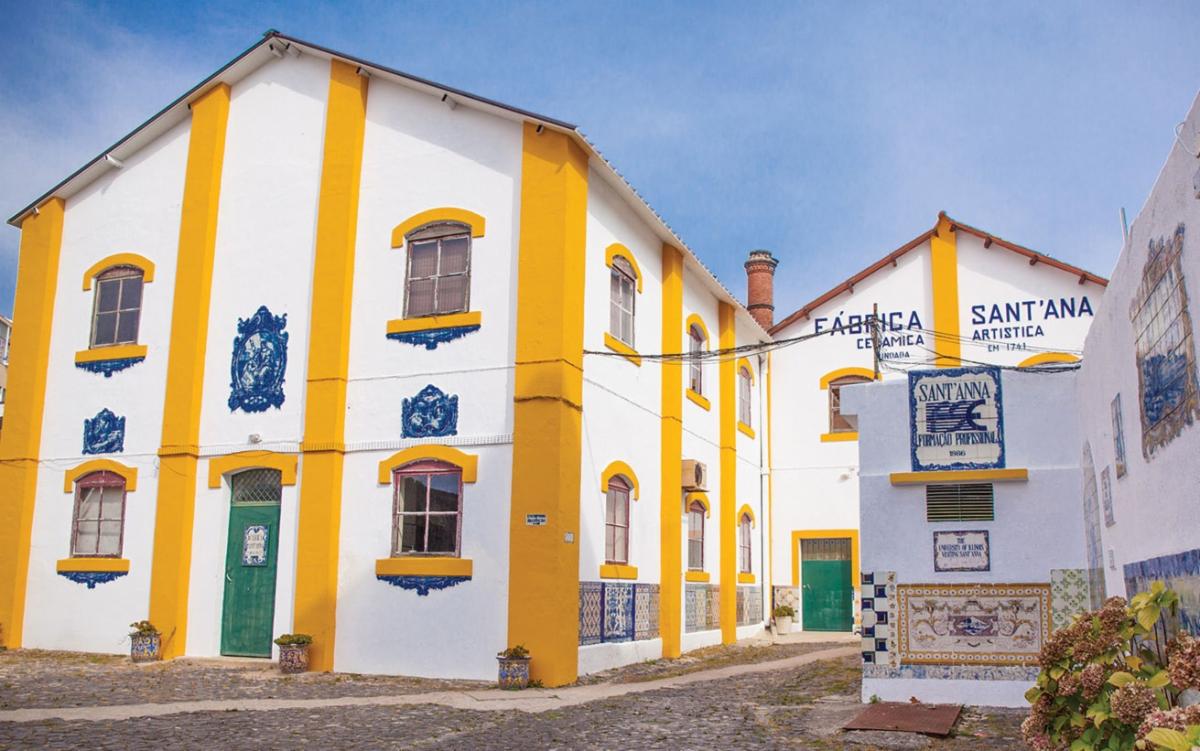
I highly recommend visiting a tile factory and painting a few tiles to take home. Below is a video from my visit to a tile factory in Azeitao, south of Lisbon. Azulejos de Azeitao creates tile murals and plaques using traditional methods, which you can order by special request. The photos below show some of the artists at work on large painted tile murals. They welcome tours and offer workshops where you can paint your own tiles.
In the video our guide is explaining the process for making a tile.
| | |
Azulejos are a window into Portugal's soul. They beautify the architecture and connect the history, art, influences, and stories that shape this nation.
Stop to admire and appreciate this art form, even if you can only see it from afar.
| | | | |
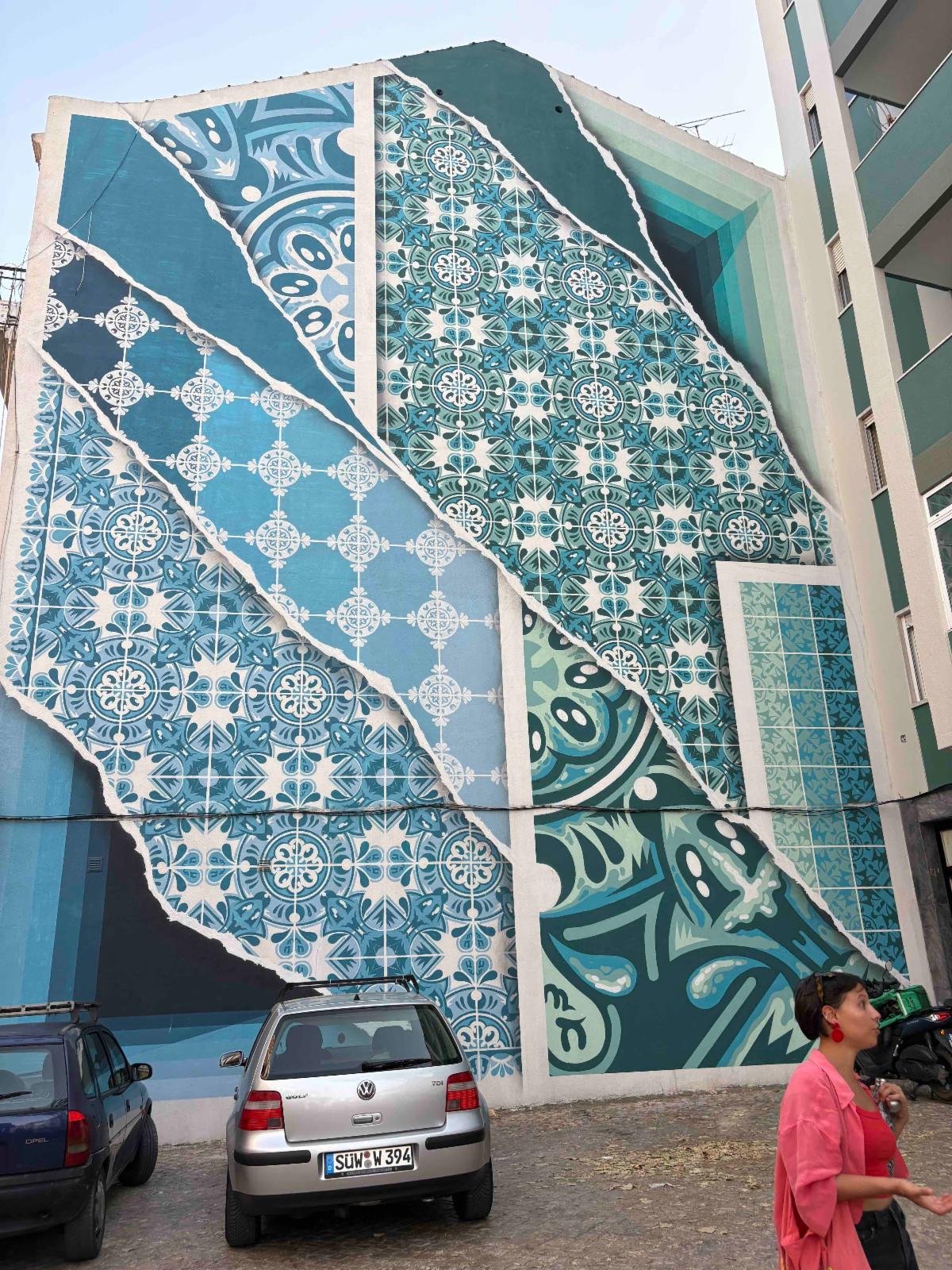
A contemporary mural based on the tile pattern to the right from a building in this neighborhood.
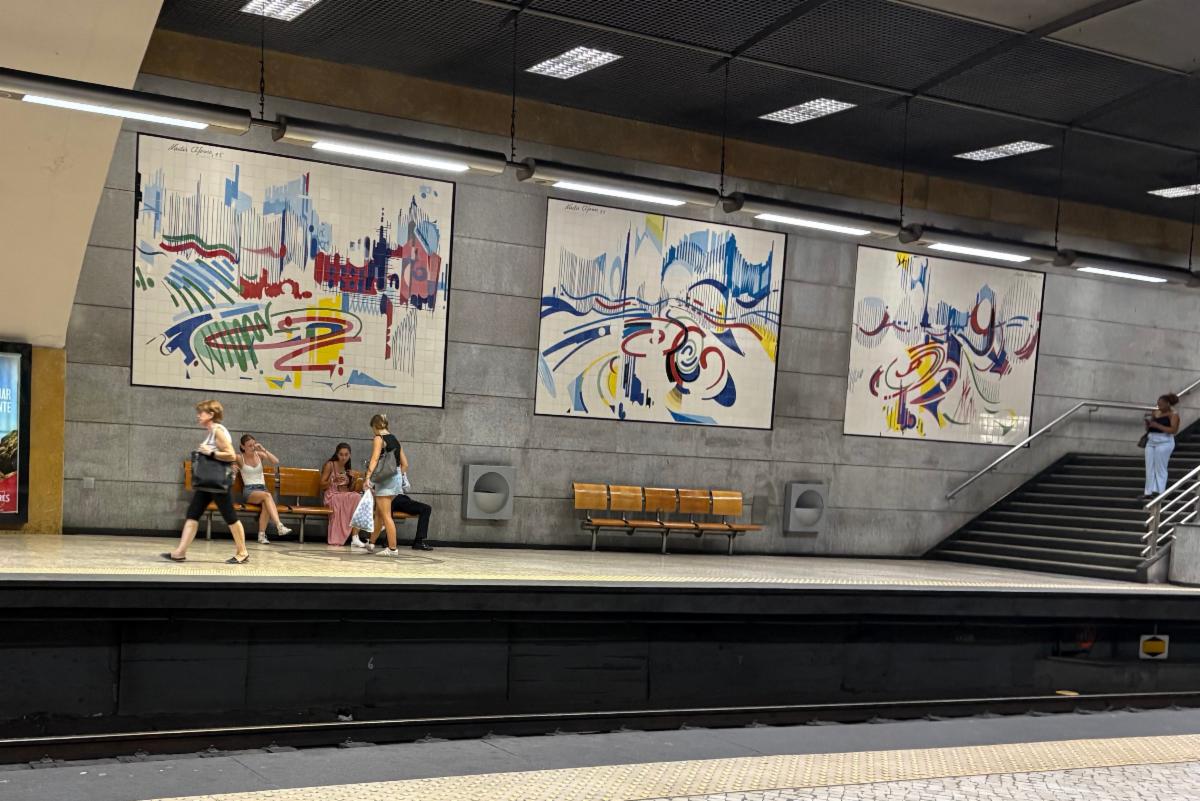
Below is a modern tile mural in the subway station.
| | | |
Whether you’re an established artist seeking new horizons or a budding creative looking to elevate your work, I hope I have inspired you to consider the many ways you can express yourself as an artist. When you paint with passion, you ignite your flames and inspire others to do the same.
Perhaps I can invite you to join my artistic “circle,” where I
generously share all I know to support your creative
development. Don't hesitate to contact me if you want my
mentorship, guidance, and advice in exploring your artistic
path. It makes me happy to share my insights and my
knowledge with you.
| | |
If someone shared this newsletter with you and you'd like
to subscribe, please reach out to me below with your
email address. I promise, no spam, no overloading your
inbox, just the good stuff.
I welcome the opportunity for connection, conversation, cooperation, collaboration, and commissions.
Live heARTfully
| |
P.S. If you didn't get the chance to download your free gift from me: Here is my "Inner Artist Inspiration Package" - a series of illustrated quotes in watercolor based on flower photos taken by family and friends.
| | | |
Sources:
https://www.portugal.com/history-and-culture/the-history-of-calcada-portuguesa/
https://bahia.ws/en/historia-e-cronologia-da-producao-de-azulejos-portugueses/
https://bahia.ws/en/historia-e-cronologia-da-producao-de-azulejos-portugueses/
https://en.wikipedia.org/wiki/Azulejo
https://www.portugalxpert.com/blog/portuguese-tiles
https://www.tasteoflisboa.com/blog/azulejos-the-history-of-portuguese-tiles-and-where-to-buy-them-in-lisbon/
https://www.aramcoworld.com/articles/2025/mj25/portugals-enduring-love-of-tilemaking
https://madalenajanela.com/en/blogs/informations/portuguese-azulejos-a-journey-through-art-and-history
https://www.archdaily.com/997432/portuguese-tiles-brief-history-and-contemporary-applications
https://blog.tourtailors.com/portugal-a-history-of-tiles-from-lisbon-to-porto
https://bontefilipidis.com/the-art-and-history-of-azulejos-exploring-portuguese-tiles/
| | | |
Gold Coast Watercolor Society
Art on Fire - Just Add Water
Ann Kolb Nature Center
751 Sheridan St
Hollywood, FL
FIRST Place Award for Croatian Kerfluffle!
| | | | |
National League of American Pen Women
Curating Beauty
Ann Kolb Nature Center
751 Sheridan St
Hollywood, FL
Until November 29, 2025
Reception Saturday, November 8, 2025 2:30 - 4:00 pm
| | | | |
Floral Fantasy at the Kampong
One Day Workshop
The Kampong Botanical Garden
4013 S. Douglas Road
Miami, FL 33133
Saturday, January 17, 2026
9:30 am to 3:30 pm
$150
| | | |
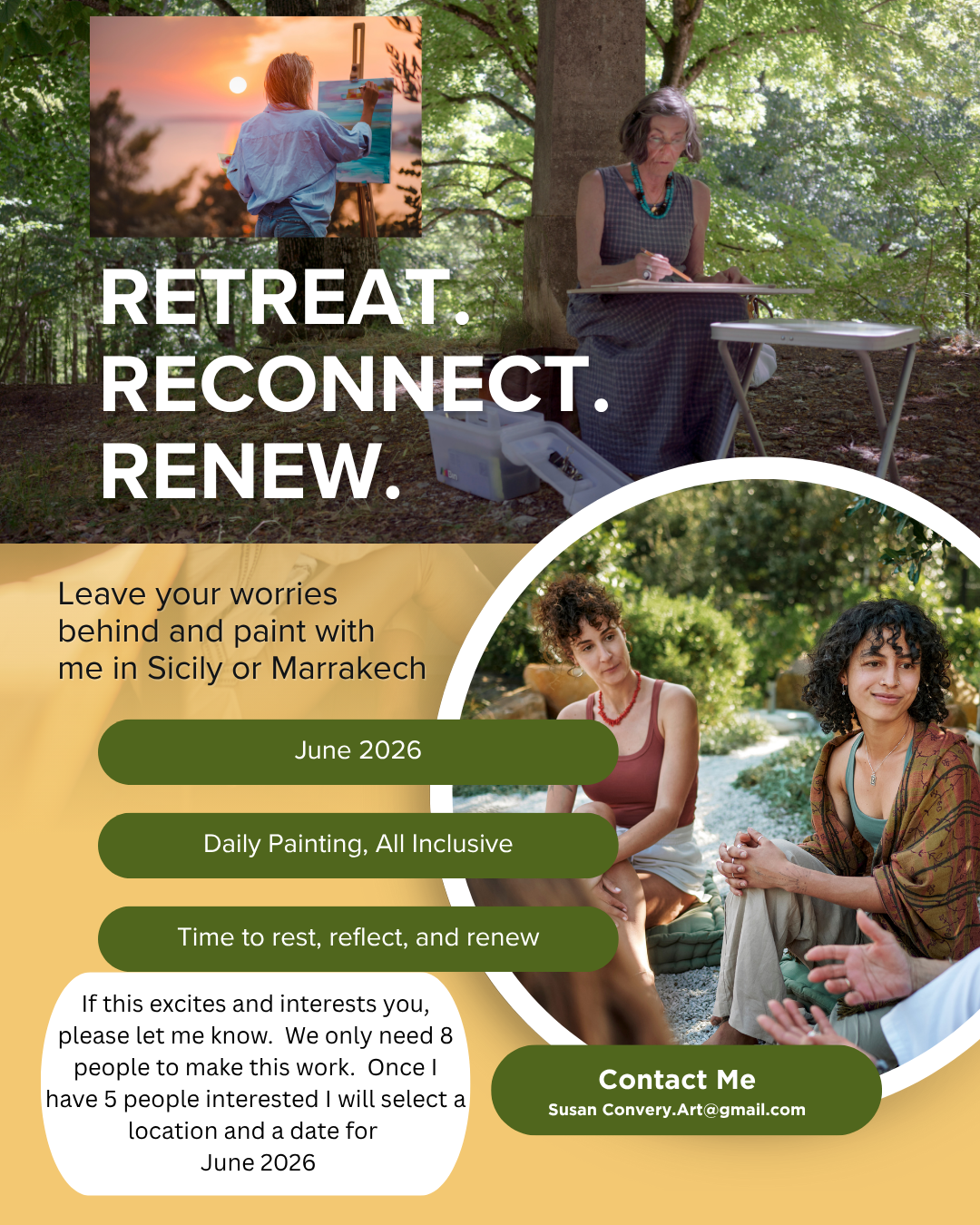
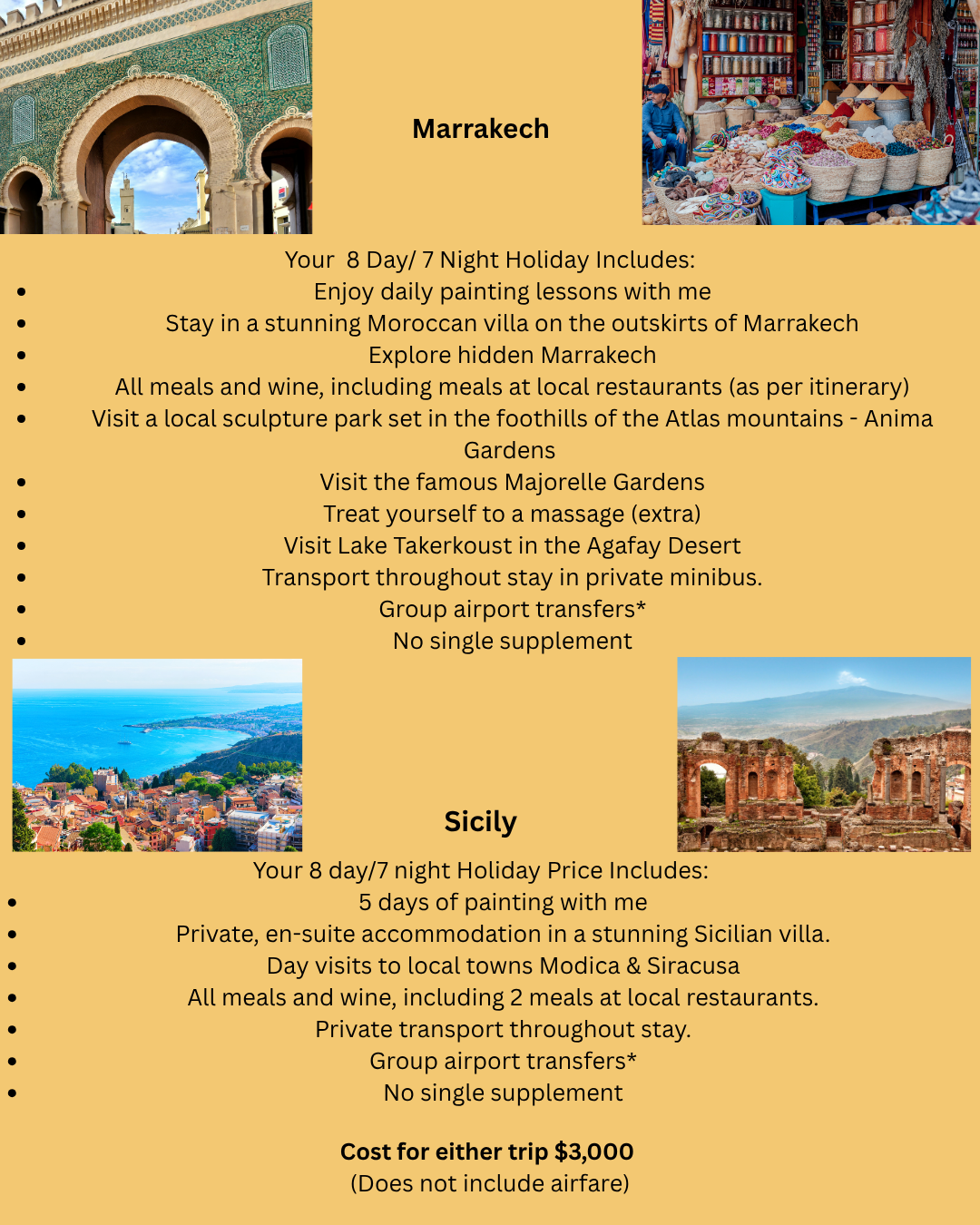
Would you like to join me for a painting retreat in June 2026?
I was contacted by a company that hosts painting retreats in Europe to see if I could gather a group of at least eight people for an all-inclusive holiday in either Sicily or Marrakech. Once I have five people interested, I will select the location and date. Please call me and I will share all the details with you.
| |
Private Art Retreats
A personalized experience, full of art and discovery, for those who….
- are traveling alone, or with a couple of friends
- would like a much more flexible, and free experience, and lots of fun, too, tailored exactly to your needs, interests, and experience level
- may want to combine painting with organized discovery trips and tours and really get to know the ‘real’ South Florida
- would like to book in for a shorter or longer time than most workshops
- don’t want to have to bring a mountain of supplies in their luggage
| |
Painting Joy
Created especially for artistic women in the third stage of life who are dissatisfied with their artwork and want to have more fun connecting with themselves and others. In this three-day watercolor workshop, we experiment with visual cues that inspire joy, discover personal symbols that resonate, and provide ways to bring more effervescence into our lives and art.
Please recommend any venues you know that might be interested in hosting this workshop in 2026.
I am also happy to teach this as a private retreat or for a small group in my studio.
I would very much appreciate your help in getting the next booking.
| | | | Private Lessons and Events | | | | Master Classes for High School Students |
Private, highly personalized classes in mastery for artistically-minded US & international students virtually on Zoom or in person at my home.
If you have a student who is a visual thinker, willing to push the boundaries of their own work, and serious about improving their options for college, I want to hear from you! Schedule a time to discuss how I can collaborate with you to build a portfolio that will give your student the greatest chance for success.
| | | | Art Workshops, Critiques & Presentations |
Invite me to present or lead a workshop for your school, club, or guild.
I can customize a program for your event or present my skills programs on composition, color theory, drawing faces, coordinating light/shadow or understanding the cues for depth. I am available for judging, confidence-building critiques and recorded tutorials.
| | | | Improve Your Artist Statement | |
If you would like to delve more deeply into your own inner questions and clarify your thoughts as you create an artist statement for your website, a gallery show, a sponsor, or another project, please reach out, and let’s talk. I have helped many students write compelling statements for AP Art, college applications, and competitions.
Find out More:
| | |
Sketchbook Prompt:
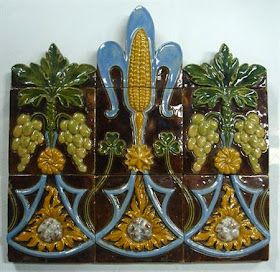
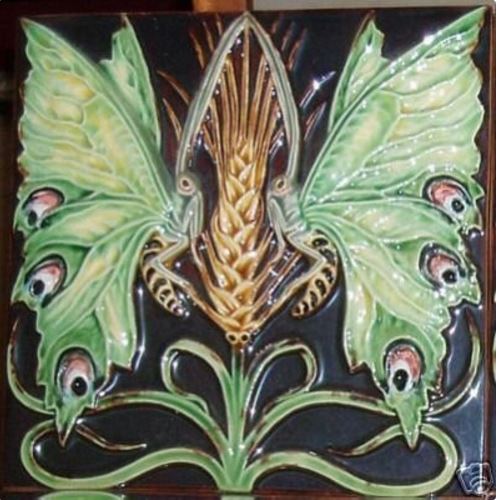
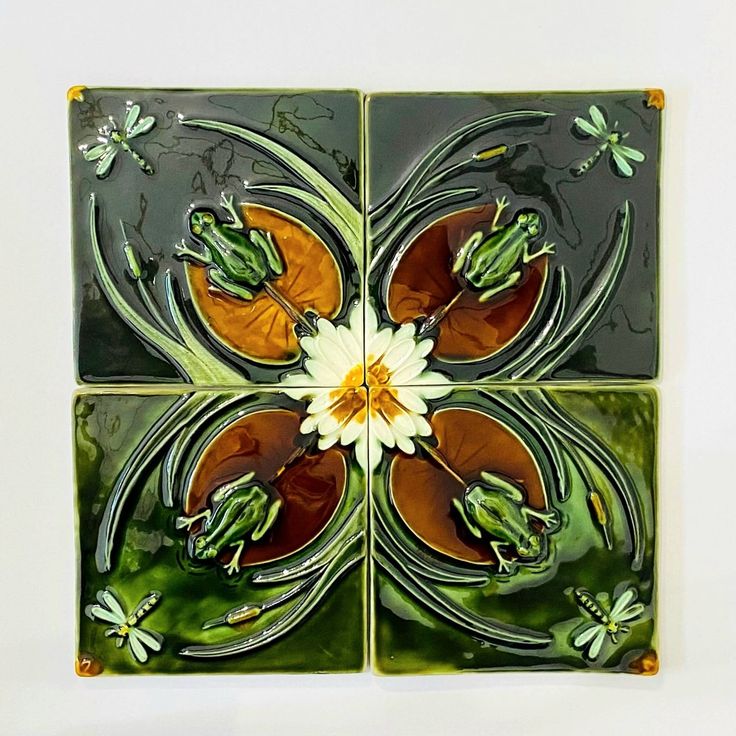
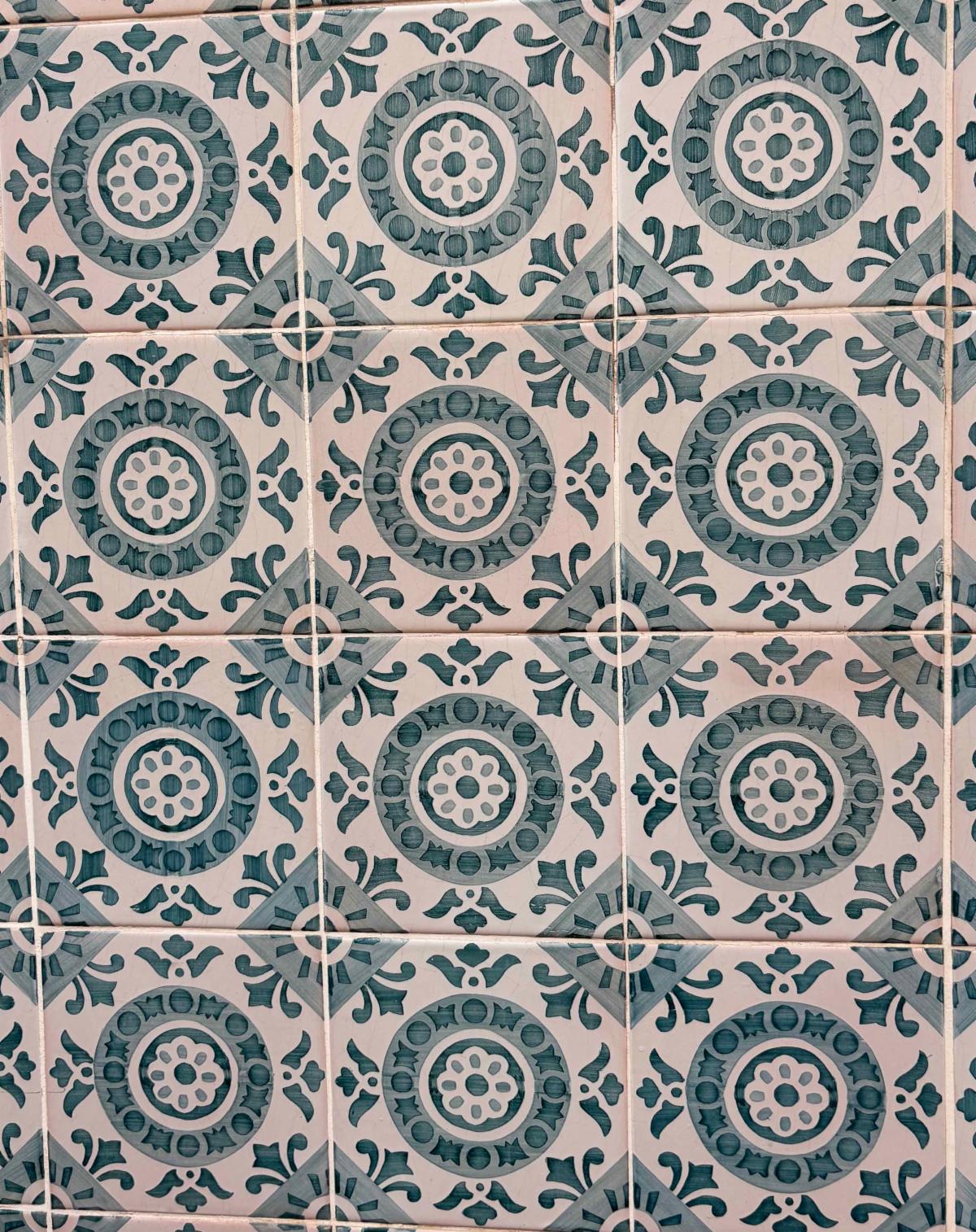
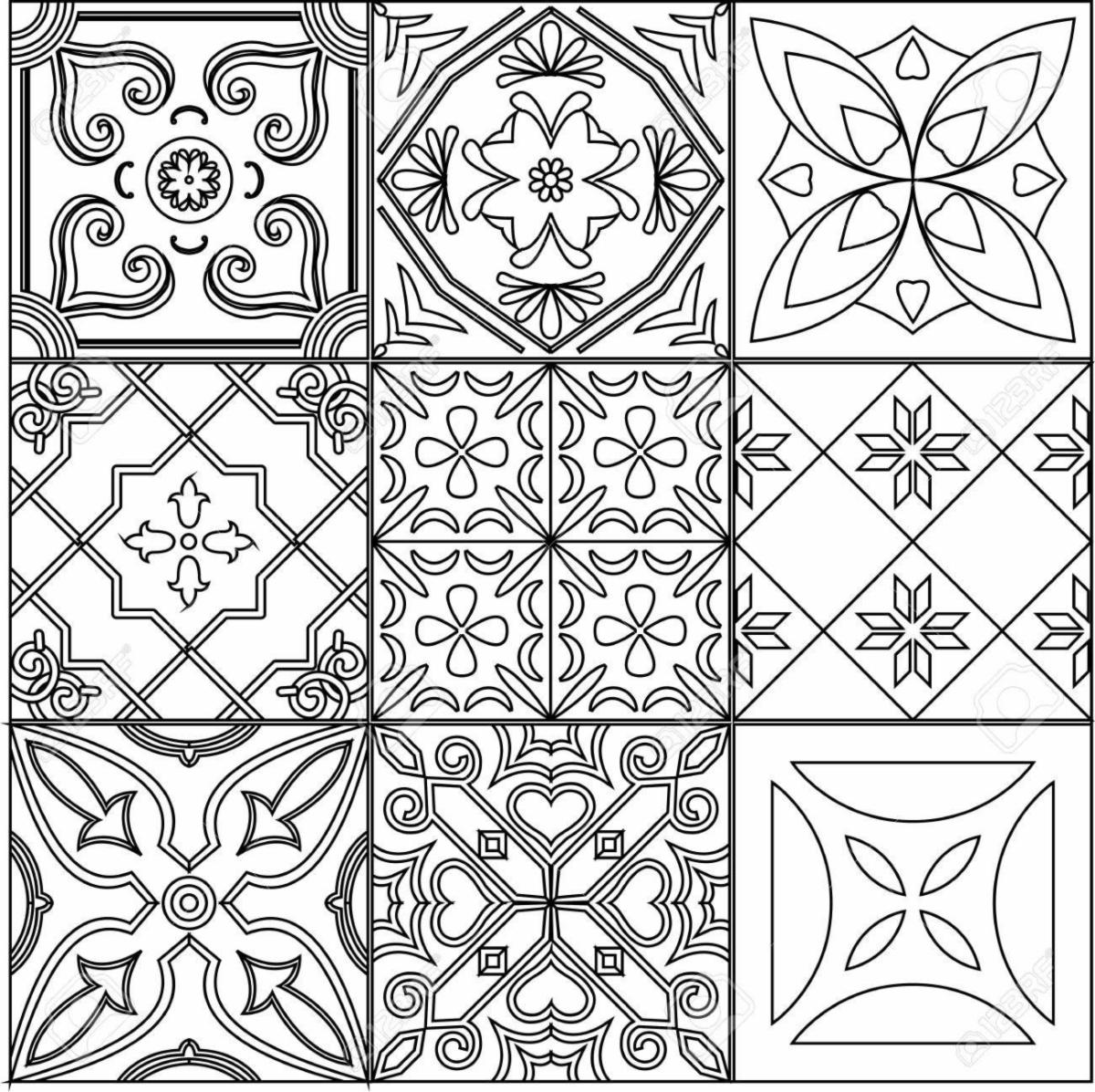
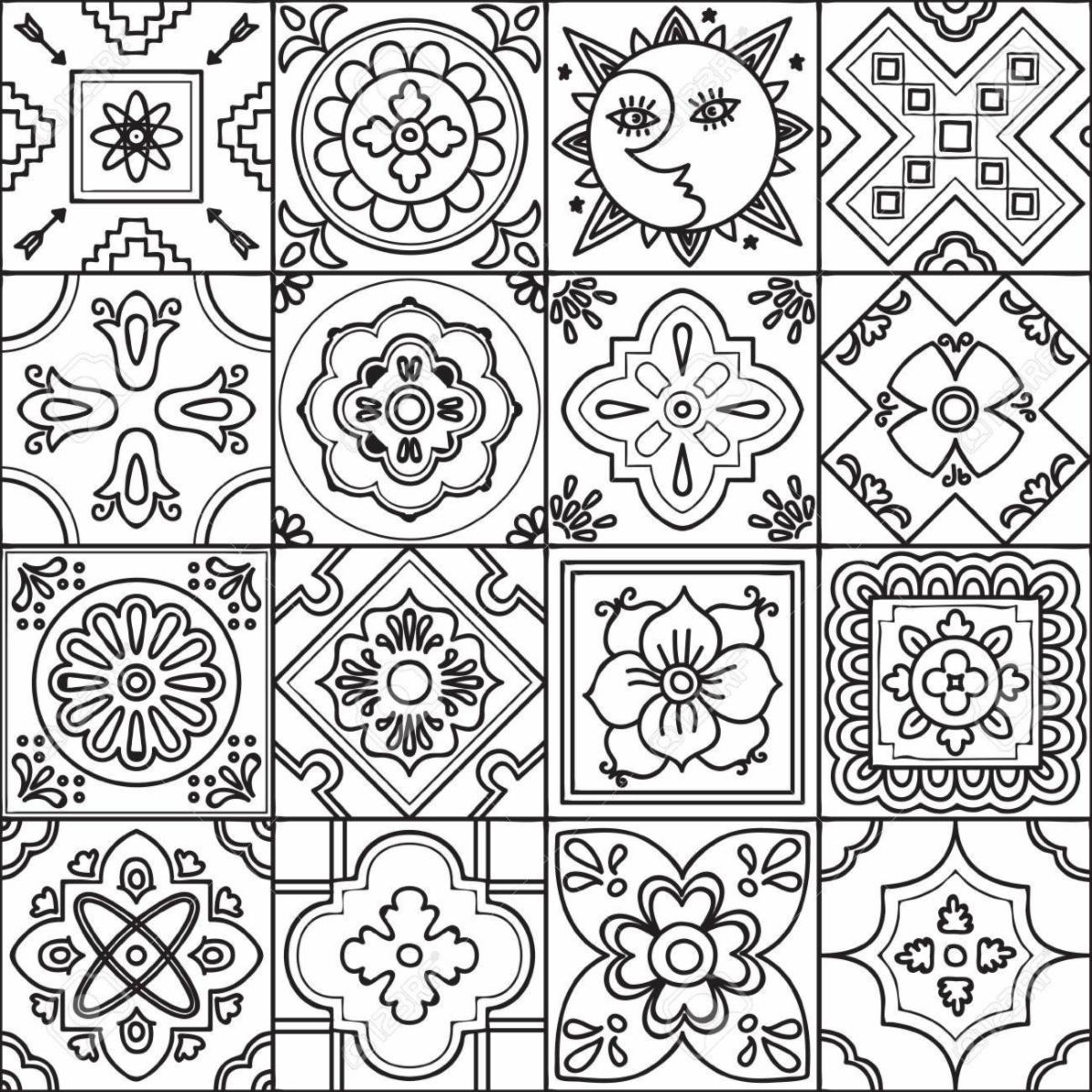
Select one or several of the Portuguese tile designs below to color in your sketchbook. Try the same design several times with differing color combinations.
| | |
It's time for these artworks to find a forever home. Please contact me if you are interested in adding any of the paintings below to your collection.
I will deliver if you live within a 2-hour drive and if you live further away, I will give you a reasonable price for shipping.
Venmo, CashApp, PayPal and Zelle are welcomed.
| | |
Title: Serenity Now
Media: Watercolor
Size: 21”x28"
Price: $444
Frame: Gold
| | | |
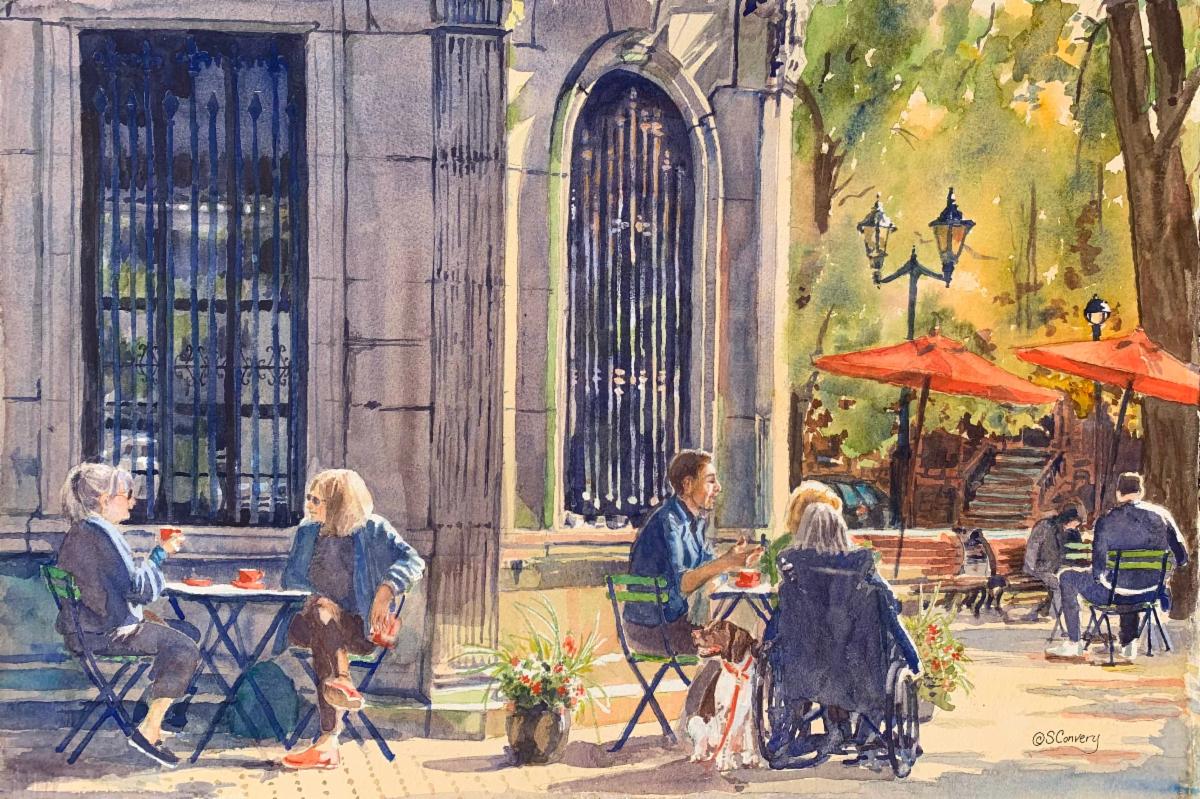
Title: A Brew-tiful Day
Media: Watercolor
Size: 22"x 28"
Frame: Gold
Price:$1111
.
| | | |
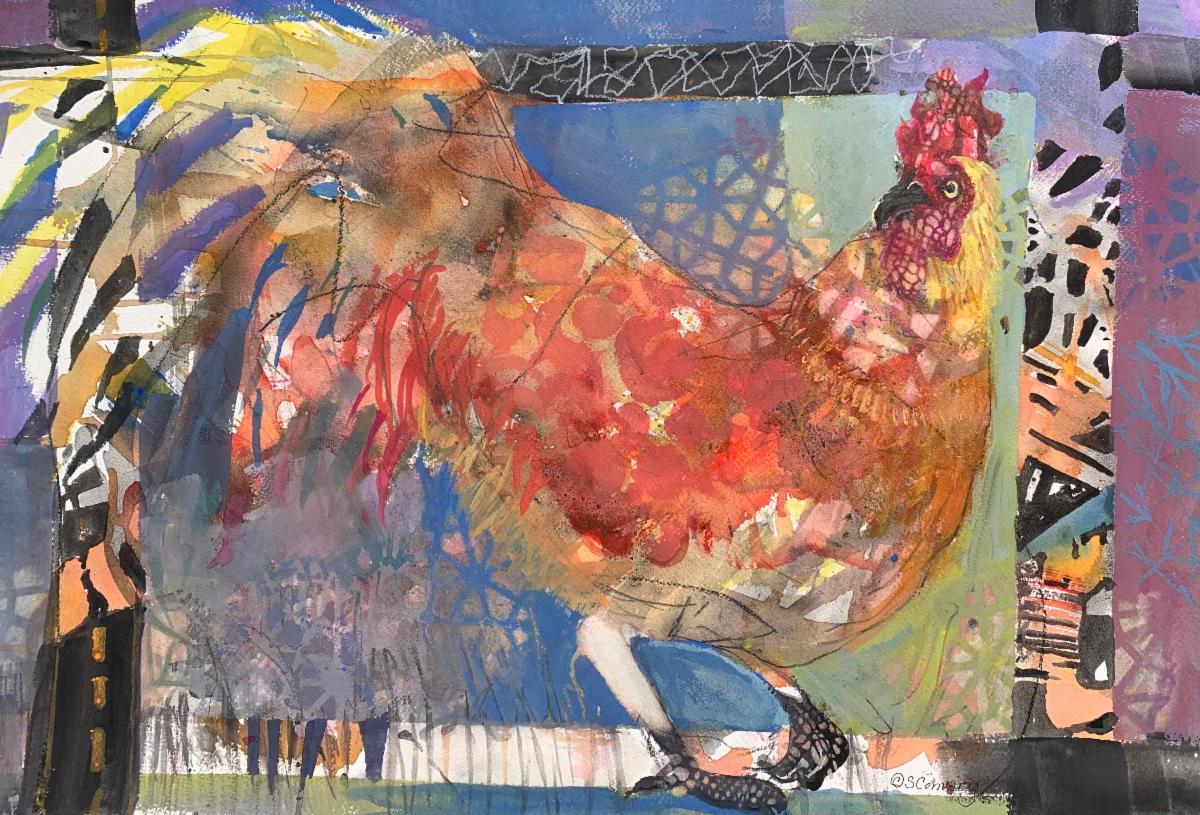
Title: Something to Crow About
Media: Watercolor, Ink, Gouache
Size: 22" x 28"
Price: $444
Frame: Gold
| | | |
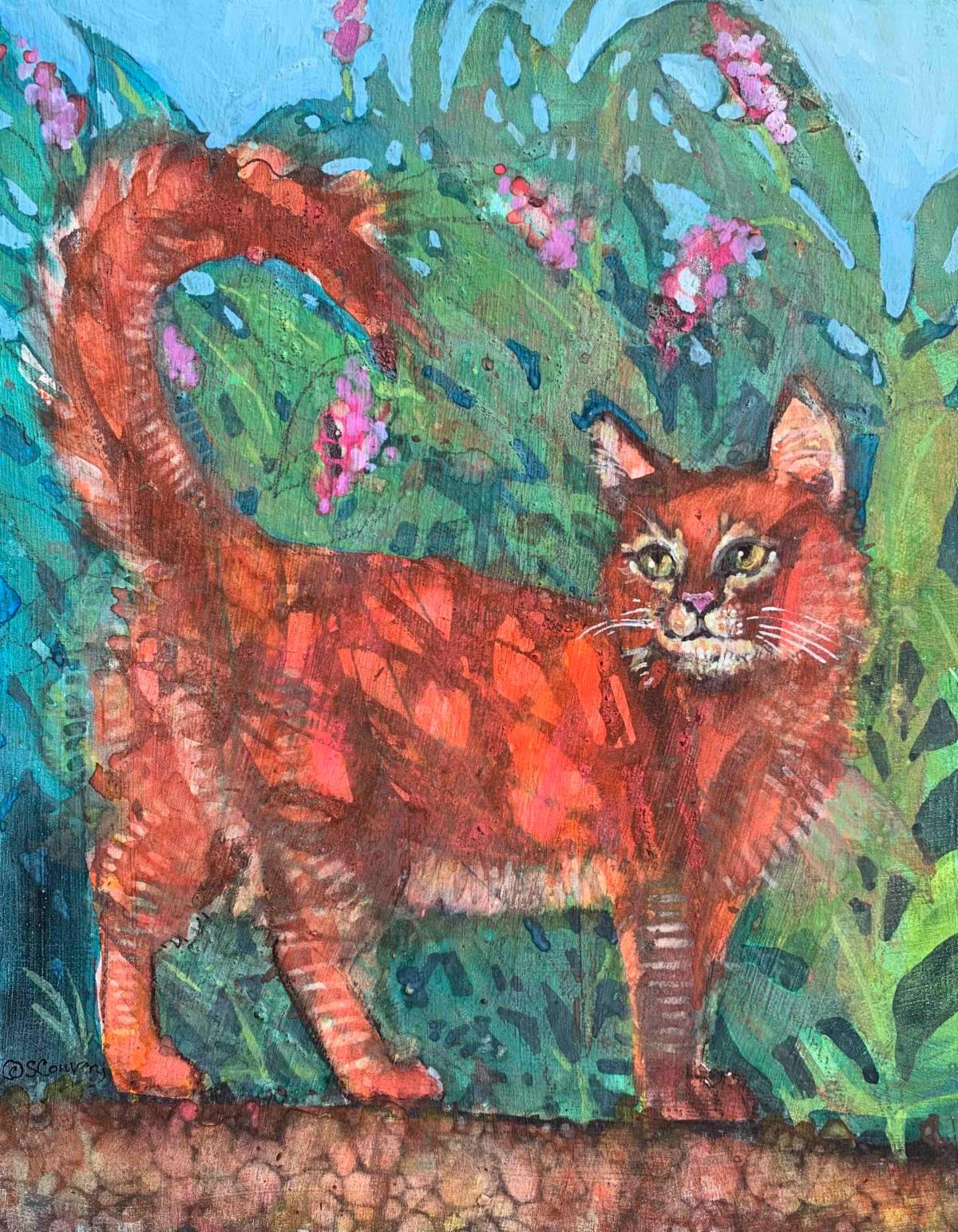
Title: Ginger
Media: Mixed Media
Size: 11" x 14"
Price: $333
Frame: Cradleboard Wood Panel
| | | |
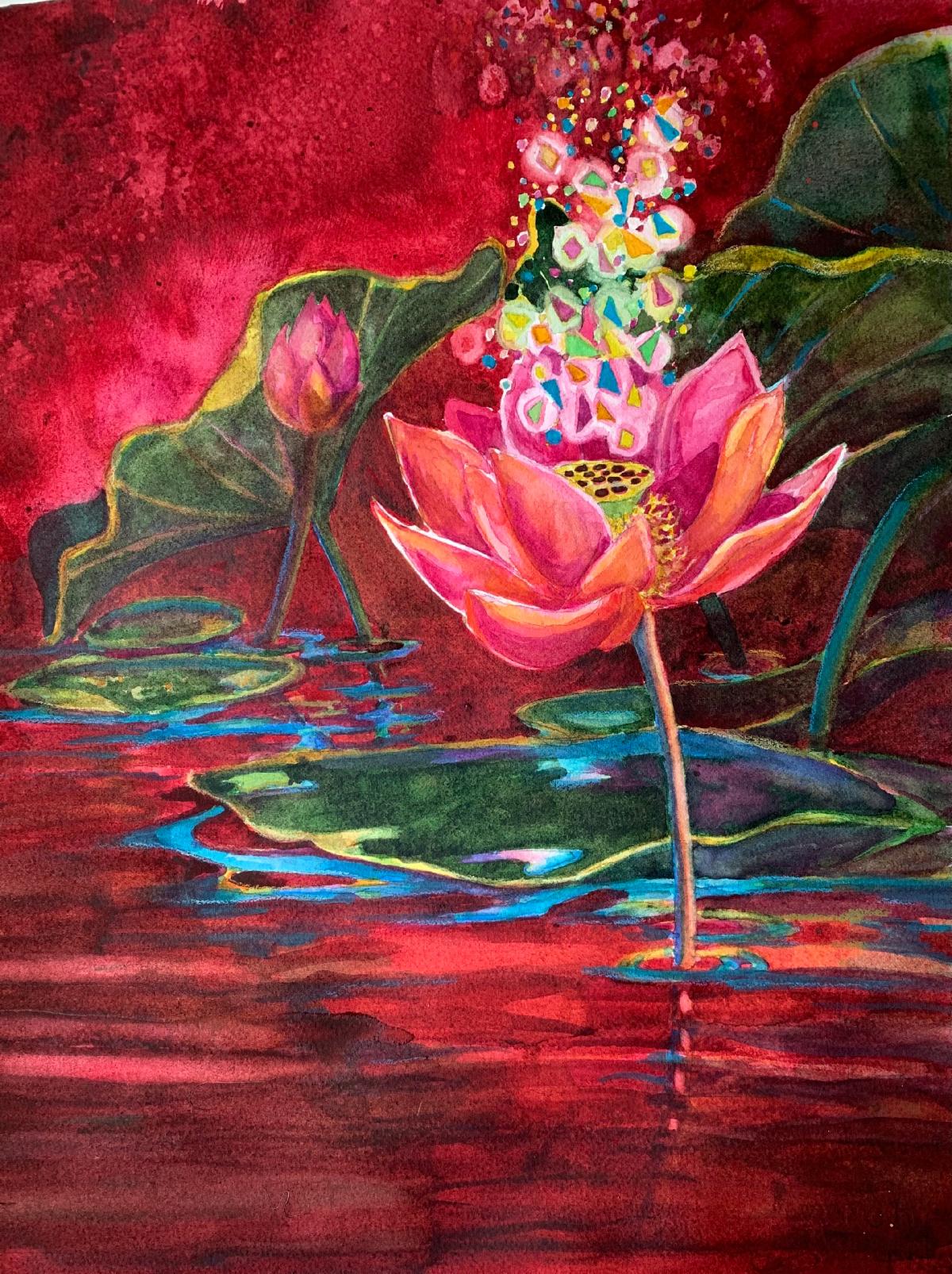
Title: Lotus Mantra
Media: Watercolor
Size: 16" x 20"
Price: $333
Frame: Silver
| | | |
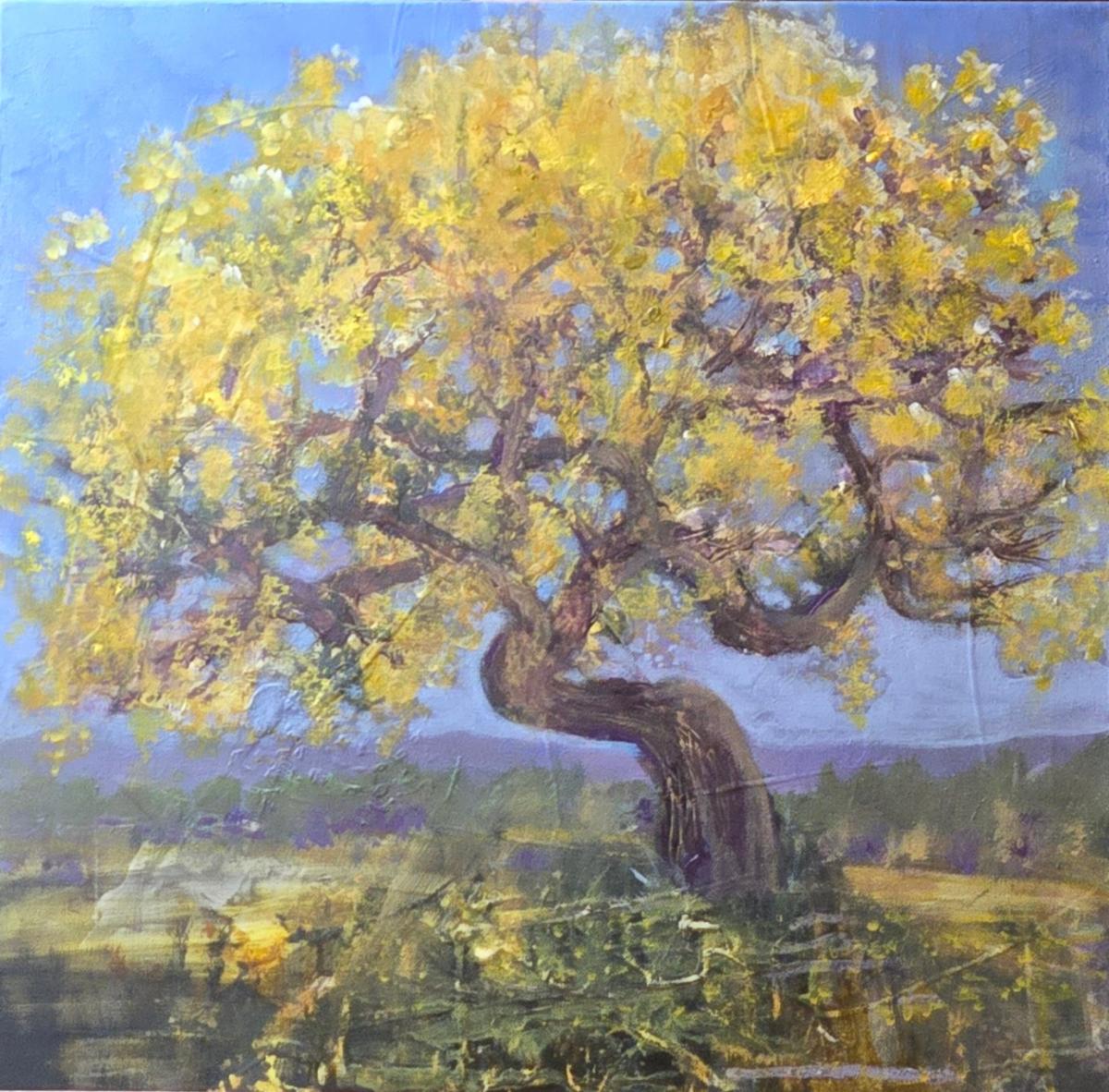
Title: Nothing Gold Can Stay
Media: Acrylic Mixed M
Size: 20" x 20"
Price: $555
Frame: Gallery Wrap
| | | Want to see past issues of my newsletters? Visit this link on my website. | |
Subscription Information: You are receiving this email because you subscribed to my mailing list, downloaded a resource, purchased one of my products/programs, or opt-ed in some other way.
Thank you for being part of the Cr8V Soul Arts Tribe!
NOTE: Unsubscribing means you won't receive any more emails from me including information about your paid products and programs.
| | | | |