|
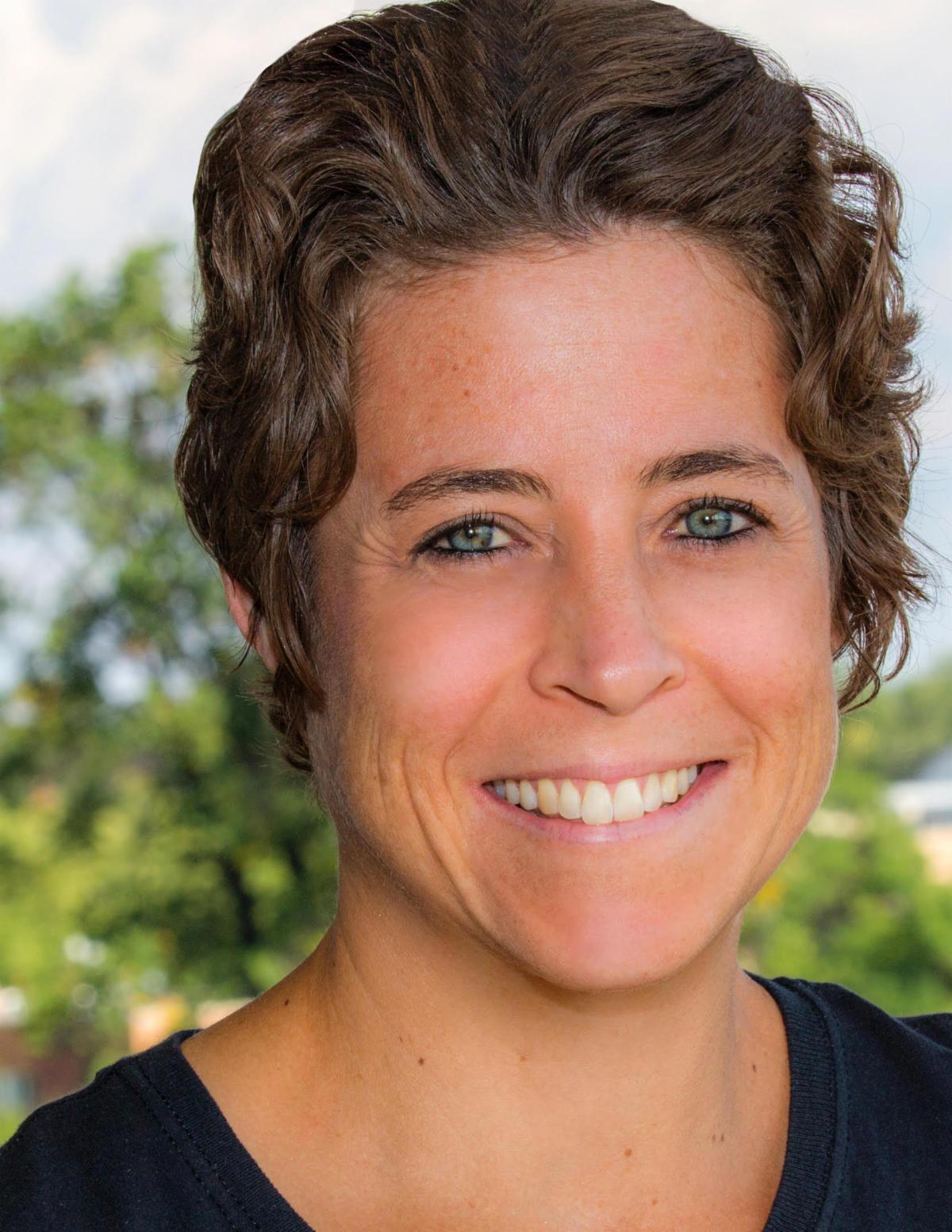
Dismas Reflections by Maria J. Stephan
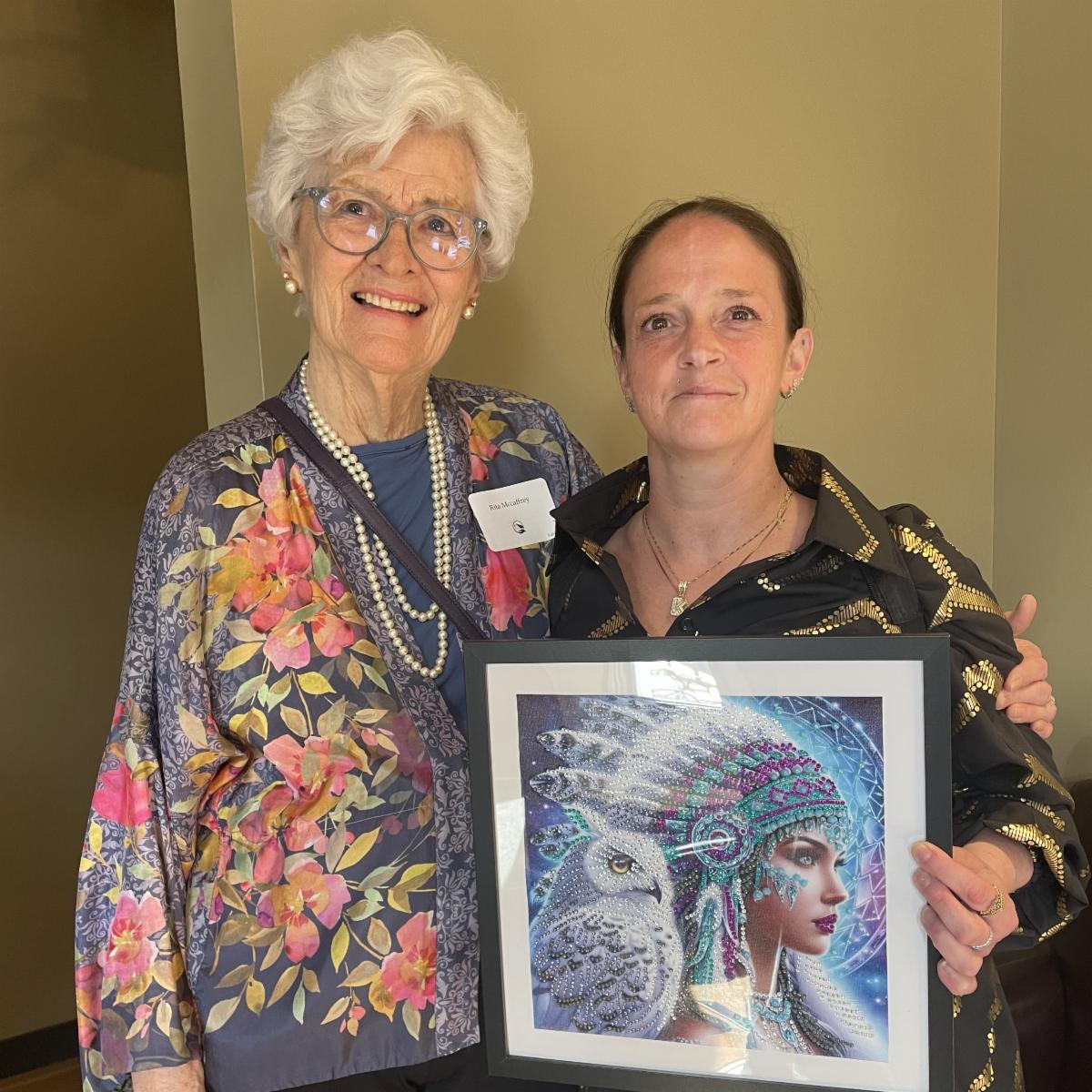
Dignity, opportunity, and community. Accountability, grace, and reconciliation. Those are some of the lessons Dismas taught me. I lived at Rutland Dismas House during the summer of 1995, before starting at Boston College. I was a part-time resident and worked in the office with the director and associate director, organizing social outings, working on the newsletter, and visiting correctional facilities. My parents, Phil and Marianne, had been involved in Rutland Dismas House since its founding. They provided the spark, and Rita and Frank McCaffery were like extended family to me.
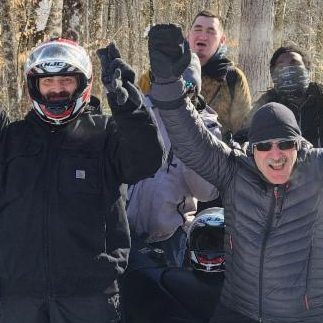
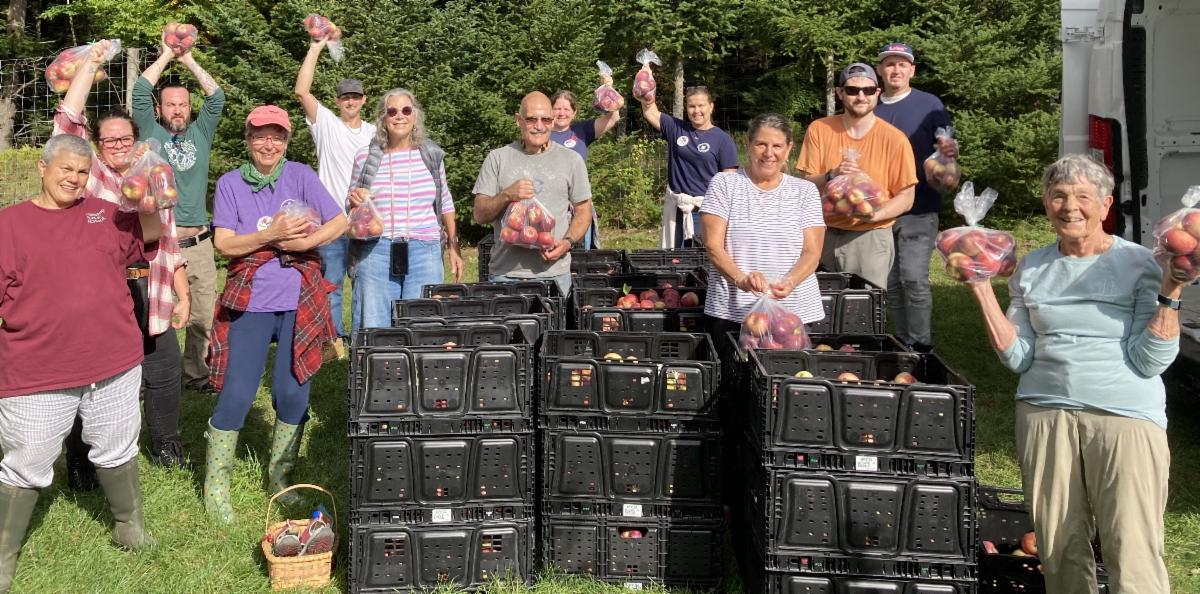
The Dismas model, bringing formerly incarcerated residents together with students and community volunteers, is unique. Community is at the heart of everything. I saw how community support structures helped residents get sober, find stable jobs, and rebuild relationships. Not perfectly, often with setbacks, but always with hope. The very human interactions between formerly incarcerated residents, volunteers, and staff at the dinner table, on the front porch, and during camping trips are the “secret sauce” of Dismas House.
Dismas centers the dignity and humanity of people. Formerly incarcerated residents are treated with respect. They aren’t defined by the worst decisions they’ve made but, rather, by the potential they possess. I remember celebrating many small victories, from residents getting their first job out of prison to obtaining a sobriety chip to reuniting with their kids. Listening to the residents’ stories taught me about resilience, redemption, and the importance of second (and third) chances. The meals with volunteer cooks were priceless.
I witnessed at Dismas that nonviolent change, at the individual and community levels, is possible and powerful. And that accountability and reconciliation go hand in hand. Telling the truth and addressing harms, whether as crimes committed against community members, or by carceral practices that prioritize punishment over transformation, is the basis of healing and repair. Of “reconciling former prisoners to society and society to former prisoners”. Weekly house meetings were spaces for mutual support and accountability, for addressing sometimes messy conflicts, and for laughing together.
I’m grateful for the Dismas experience, which has informed my research on nonviolent action and work to advance peace and justice in the US and globally. The power of community, of relationships that enable personal and social change, and the gift of fresh starts are Dismas lessons we can live by.
|