|
|
Defending wildlife and habitat through:
Advocacy
Conservation
Education
|
|
|
News & Updates: July 2022 |
|
In this issue:
-
Take action now to support sustainable agriculture
-
Unusual snail documented at AOK's Achterberg Demonstration Farm
-
Neonicotinoids are a hidden hazard to insects, birds, and ecosystems
Join us at Upcoming AOK Events
-
Courtney Masterson, native plant educator, will lead a wildflower walk at Mount Mitchell
- Jackie gives 'Marvelous Migration' talk at Canton
- Kansas Audubon Chapter Meetup Aug 20
AOK Nature Walk Recommendations
|
|
|
Call/email today to support
sustainable agriculture
|
|
Help farmers address climate change - call or email Senator Jerry Moran’s office and lend your support for climate-smart agriculture. These two critical programs need increased funding:
-
The Sustainable Agriculture Research and Education (SARE) program supports innovative Kansas farmers. The Farmer/Rancher grants support on-farm experimentation to increase economical, ecological and socially-just sustainability of agriculture in Kansas. The grants are reviewed and awarded by a panel of farmers.
-
Likewise, the Grazing Lands Conservation Initiative (GLCI) helps farmers learn how to manage their livestock in a climate-smart way.
The House is poised to approve these programs with less funding than is needed. The Senate is beginning to draft its version of an appropriations bill, making this a crucial moment to influence funding levels. Join farmers and ranchers across the nation to ask for increased funding for both of these programs TODAY!
Here is how to take action:
1) Call Senator Jerry Moran's office at (202) 224-6521
2) Ask to speak with the agriculture aide, and leave a message like this:
- I am a [voter/farmer/rancher/concerned about the environment/friend of farmers, whoever you are!] in Kansas
- I’m calling to ask Senator Moran to increase funding for the Grazing Lands Conservation Initiative (GLCI) to $30 million and the Sustainable Agriculture Research and Education (SARE) program to $60 million in the 2023 appropriations bill.
-
$30 million for the Grazing Lands Conservation Initiative will help ensure sustainable grazers have adequate access to technical assistance. Well-managed grazing has enormous benefits for the environment and helps make farmers more economically sustainable.
-
Full funding of $60 million for the Sustainable Agriculture Research and Education (SARE) program, the only farmer-led agriculture research program, another critical tool in helping farmers address climate change.
- Add any personal note (why is this important to you?)
- Say thanks!
3) Send an email: click here.
|
|
Unusual snail documented during July's iNaturalist hike at Achterberg Wildlife-Friendly Demonstration Farm |
|
Jackie Augustine, Executive Director, led a walk at AOK's Achterberg Wildlife-Friendly Demonstration Farm in July to encourage using iNaturalist, a website and app. Photographs are uploaded to the site and expert volunteers verify species' identities. Using this app to document plants and animals helps us document and track species diversity on our properties and makes observations available to scientists and naturalists.
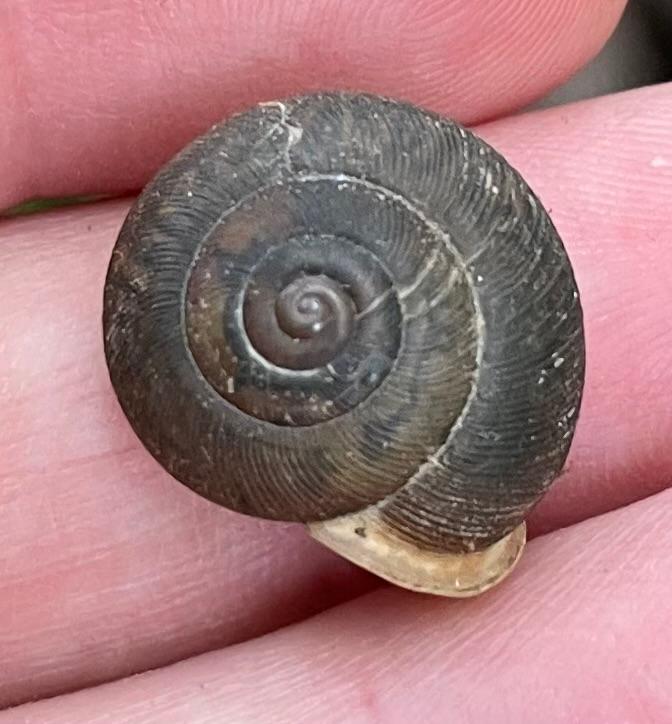
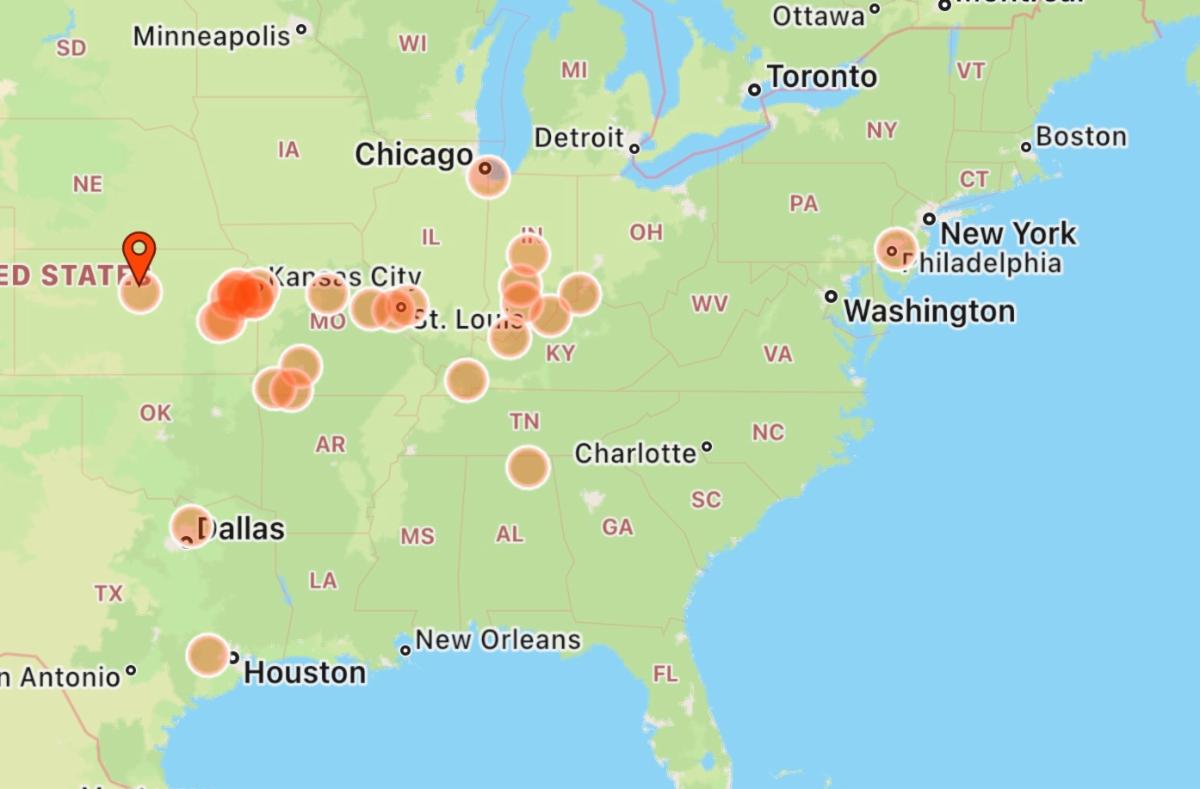
A flood in early June left a lot of debris along the nature trail. A large, rotten log was being moved off the trail and it started breaking apart, providing a great opportunity to find insects and other invertebrates to photograph. One of the animals found in the rotten log was later identified as a Bladetooth Wedge (Xolotrema fosteri). This snail is native to the Mississippi River Valley, but had never been found west of Pottawatomie County, thus this observation represents an extension of the known range of the species. The Pocket Guide to Kansas Land Snails says that it is found in woodlands "associated with woody debris, limestone hillsides and outcrops, and large boulders... adjacent to streams." Sounds like Achterberg has the perfect habitat for this species!
Before the walk, only 69 species had been identified at Achterberg. Now, 125 species have been documented. It still has a way to go to catch up to Mount Mitchell where 199 species have been documented. 188 species have been observed at Hutton Niobrara Ranch Wildlife Sanctuary.
Above right: photo of the Bladetooth Wedge, identified by the white, enlarged area by the opening.
Map below shows reported locations of Bladetooth Wedge on iNaturalist
|
|
Click below to see the observation lists on iNaturalist for each of our sanctuaries. |
|
Neonicotinoids are a hidden hazard
to insects, birds, and ecosystems
|
|
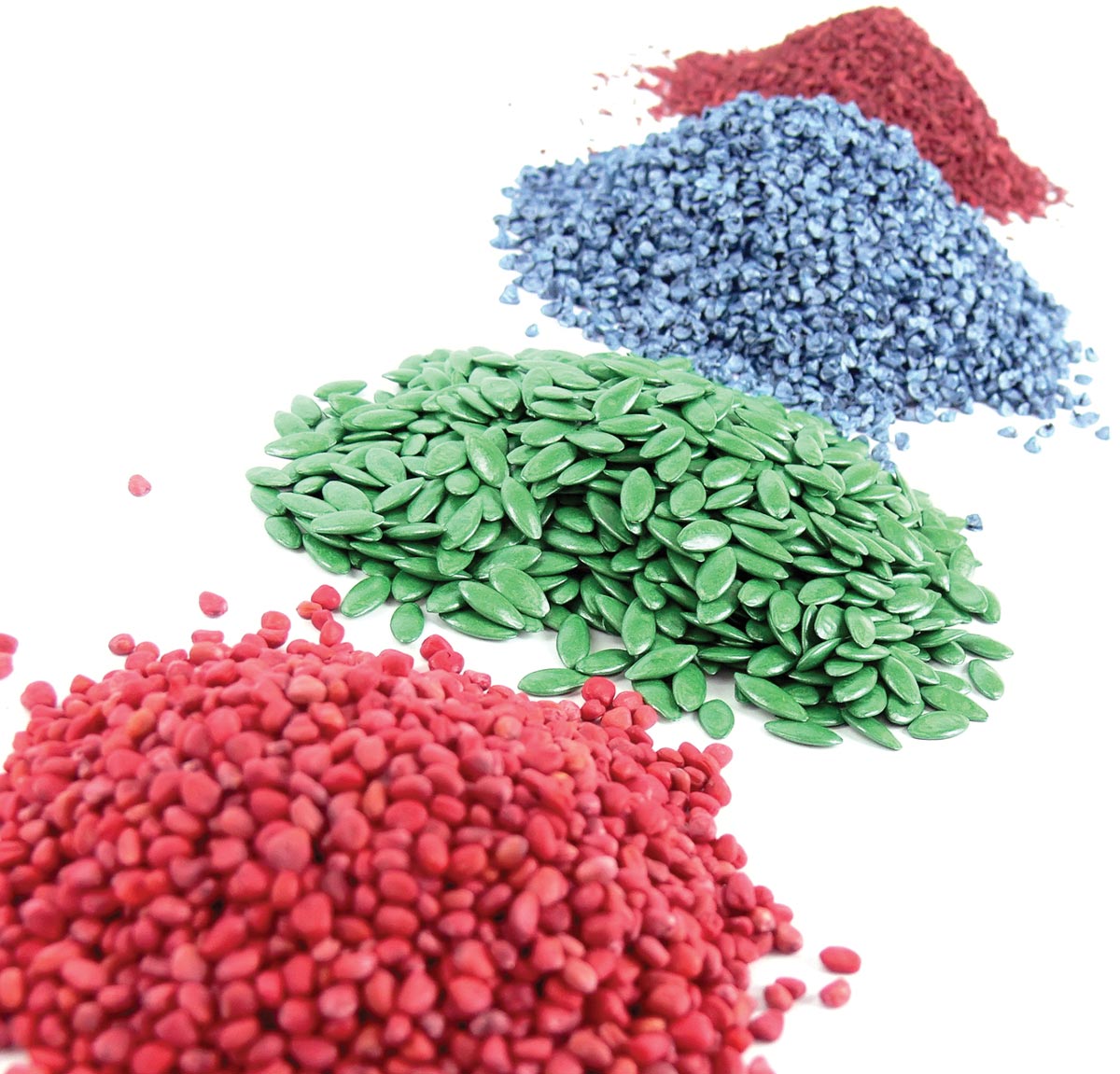
Identification tip: Colored seeds are a sign that they have been treated with neonicotinoids or other pesticides or fungicides.
Stock photo
|
|
Neonicotinoids Defined
by J.P. Michaud
Professor of Entomology
Kansas State University
Neonicotinoids are so-named because they bind to the same nerve receptor as nicotine, which is also the binding site of acetylcholine, a key neurotransmitter. Both insects and higher animals possess these receptors, but they are much more abundant in the central nervous system of arthropods and other invertebrates, making them especially toxic to these animals. Neonicotinoid's chemical properties enable it to be absorbed through plant roots and distributed throughout the vascular system. Thus, seeds coated with neonicotinoids grow into plants which remain toxic to any insect that feeds on them for many weeks, up to 60 or 70% of the entire lifetime of an annual plant. But these same properties mean they also move through the soil and into streams and lakes via runoff from farmers fields, killing many other invertebrates - not just insects - in the process. Because they bind irreversibly to nerve membranes, there is no safe level of exposure for these organisms - even larger, longer-lived species can eventually accumulate a lethal dose, despite exposure to a very low concentration in the environment.
|
|
Jackie Augustine's Take on Neonicotinoids
Crop seeds are not the only plants treated with neonicotinoids - many big box stores also treat their greenhouse plants with the insecticide. There is no labeling required, and workers often do not know if neonicotinoids have been used, so there is no way to know if it has been treated or not. I recommend that you purchase landscaping plants at a local greenhouse. They are less likely to use neonicotinoids, and the workers generally know whether they are used or not.
When landscaping my house, I planted a few purple coneflower that I acquired from Dyck Arboretum in Hesston, an excellent source for native plants. After I planted them, I decided I needed a few more so I bought a couple from a big box store. Both coneflowers grew well, but there was no insect damage on the big box store plants, indicating that they were likely treated with neonicotinoids.
If you care about birds, you should celebrate insect damage as those caterpillars are an excellent source of food for nesting birds. In fact, 96% of land birds feed insects to their chicks.
|
|
|
 |
Courtney Masterson
leads a wildflower walk
|
Saturday, August 13 - 8am
Mount Mitchell Heritage Prairie
29377 Mitchell Prairie Ln, Wamego KS
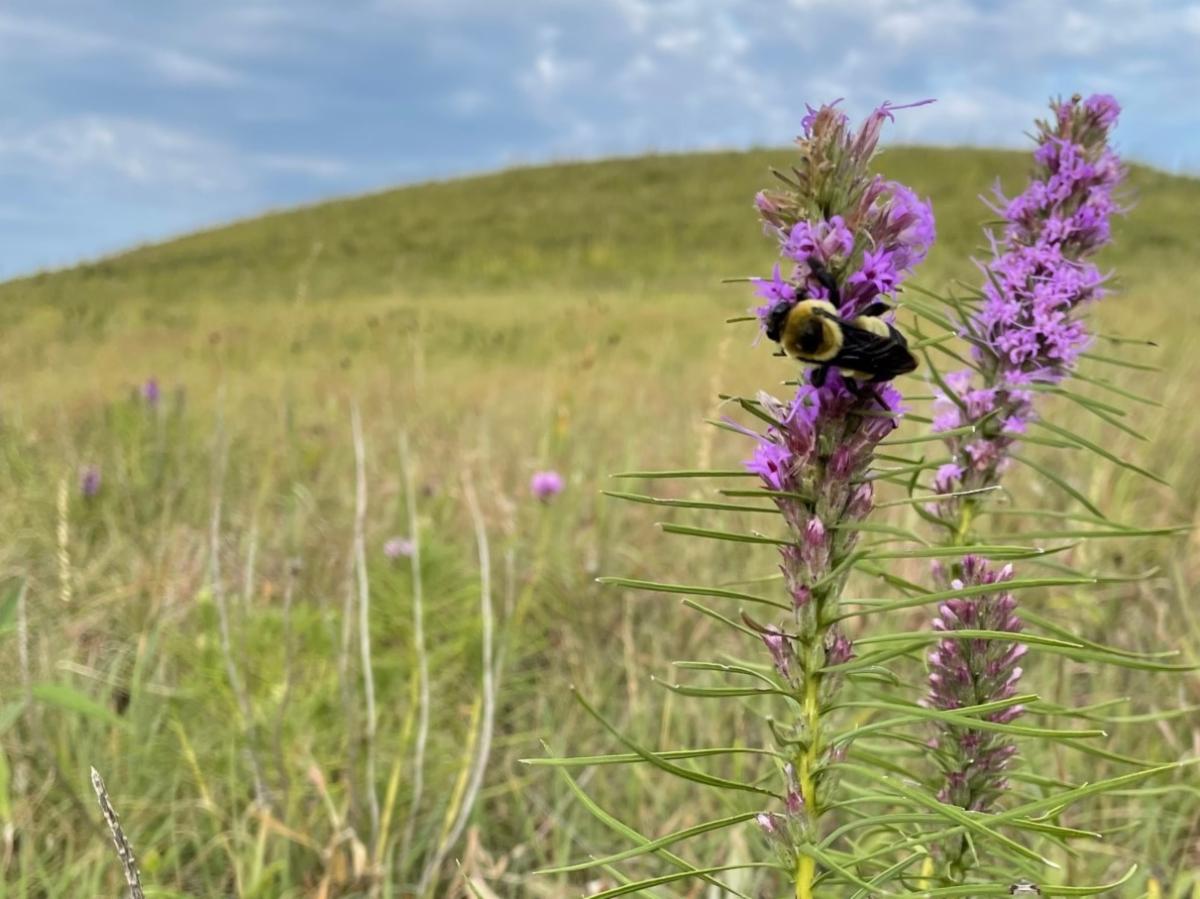
Join Courtney Masterson on a wildflower walk at Mount Mitchell Heritage Prairie on Saturday, August 13, at 8am. Courtney is the Owner-Operator and Ecologist of Native Lands LLC, an ecological restoration organization based out of Lawrence, Kansas. She provides land stewardship training and native plant education to landowners, land managers and diverse interest groups, from pre-school to adults. Community education and outreach is at the core of Native Lands' work, including projects that focus on providing connections to native plants, field sciences, and outdoor experiences. She earned her Master's degree in Ecology and Evolutionary Biology at the University of Kansas. We hope to see butterflies, milkweeds, compass plant, and many other native plants and insects.
Photo of Southern Plains Bumble Bee on a blazing star at Mount Mitchell Heritage Prairie, south of Wamego Kansas in Wabaunsee County (JK Augustine)
|
|
|
|
Jackie Augustine discusses
'Marvelous Migration'
|
Saturday, August 13 - 2pm
Canton Township Carnegie Library
203 N Main St, Canton KS
Marvelous Migration – Kansas at the heart of it all.
Over 350 species of birds migrate from North America to Central and South America and back every year. Dr. Jackie Augustine, Audubon of Kansas Executive Director, will describe the challenges of this arduous journey and how you can help migrating birds in Kansas.
Jackie Augustine joined Audubon of Kansas (AOK) in January 2021 as Executive Director. She received her degree at Kansas State University studying the mating behavior of Greater Prairie-Chickens. AOK is a nonprofit environmental organization dedicated to advocacy, conservation, and environmental education in Kansas, Nebraska, and the central Great Plains. As Executive Director, Jackie works with public officials to advance environmental causes and manages AOK’s three sanctuaries including a 5,000 acre ranch in northern Nebraska.
|
|
|
|
Save the date!
Sunday, September 11
We will be collaborating with Pheasants Forever/Quail Forever's "Women on the Wing" to offer hands-on habitat management and hike. Here is the schedule:
9-noon: clear invasive elm from grassland buffer strips; clear nature trail
noon: lunch (provided by AOK)
12:30: presentation about AOK, Connie Achterberg, and Quail Management during lunch
1pm: hike to see quail management areas
2:30-5pm: continue clearing invasive elm from grassland buffer strips and working on the nature trail
|
|
Join Kansas Audubon Chapters in-person meeting August 20 |
|
Kansas Audubon Chapters will be meeting in person on Aug 20 from 11am-1pm. We will meet at the Elmendaro Township Library, 224 Commercial Street, Hartford, KS 66854. The event is open to all Audubon chapter members and all AOK members. We will have a potluck lunch (AOK will provide the main course). During the lunch, every chapter will be able to give a 5 min update on their successes. Jackie Augustine will give a short presentation about the history of AOK, its current endeavors, and opportunities to collaborate. After lunch, we will have a breakout session by 'job' (president/VP, treasurer, secretary) to talk about pressing issues. We will also have a brainstorming event to identify chapter needs and come up with monthly discussion topics for the following year. Did I mention 'social time' with door prizes?
Besides the official meetup, AOK will also be offering these optional opportunities open to the public:
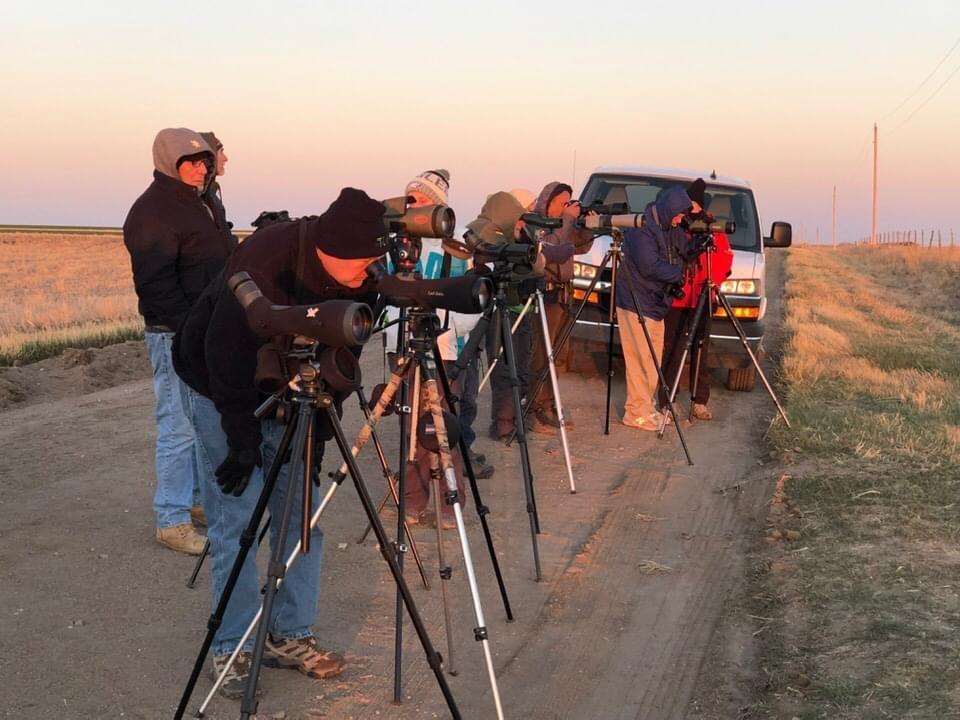
8-9am - Beginning bird watching presented by Jackie Augustine; Local members of the public invited; Audubon members can share their expertise
9-10:30 Bird Watching Hike at Flint Hills National Wildlife Refuge- meet in front of the library (for members of the public and Audubon chapters invited); low key event for beginning birders; those willing to share their expertise encouraged to attend
11-1pm Kansas Audubon Chapters Meetup
1:30-? Audubon bird watching at Flint Hills National Wildlife Refuge
|
|
|
AOK shares favorite walks, hikes and birding spots! |
|
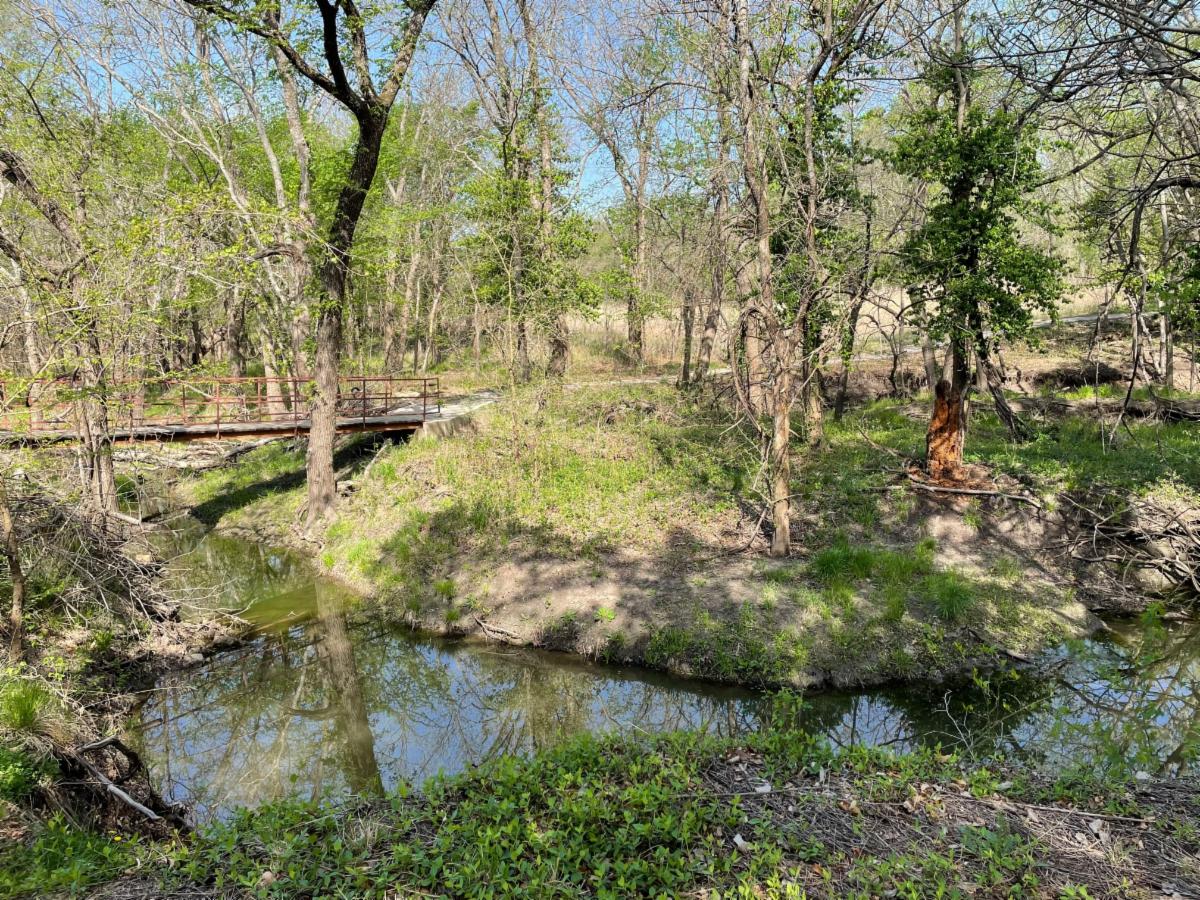
There are three easy to moderate hiking trails available. My favorite is 'Townsite Trail'. You can access it from the end of Mill Street in Hartford or from the end of the road that goes to the right after you pass the refuge headquarters (38.315272, -95.955010).
The trail has a bridge over a little feeder creek and follows the Neosho River. The dense woodland provides shelter for resident and migratory birds in the spring. The road to the area through the refuge is a grassland which will add to the diversity of birds that you see.
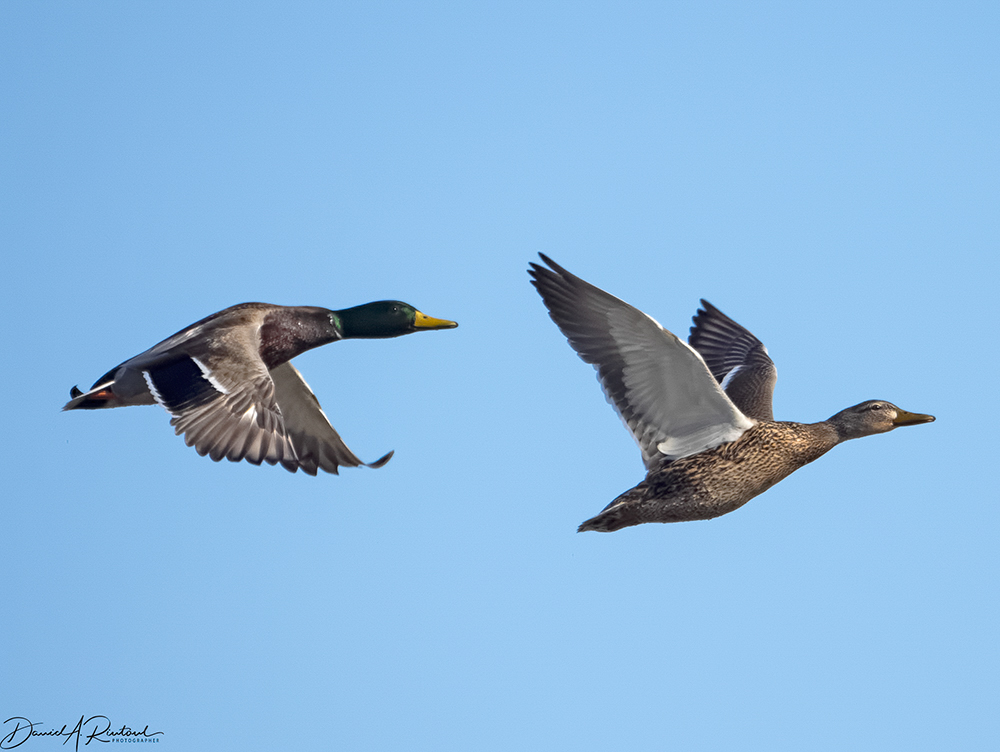
While you're at the refuge, also check out the reservoir to look for ducks and other waterbirds.
Photo and text by J Augustine
|
|
Flint Hills National Wildlife Refuge
Established in 1966, Flint Hills National Wildlife Refuge occupies an area of the broad Neosho River Valley upstream of John Redmond Reservoir. The wetlands that dominate the Refuge are prime resting areas for migratory waterfowl and a paradise for waterfowl observation and hunting.
Depending on the time of year you visit Flint Hills National Wildlife Refuge, you may see flooded fields full of waterfowl or moist soil units full of flowering plants and pollinators. The diverse habitat of the Refuge is accessible by numerous roads crossing the Refuge including an auto tour route on the south side of the Neosho River. The Refuge is a major resting and stopping area for migratory waterfowl in the fall and spring and provides amazing opportunities for bird watchers.
|
|
|
|
Lana Arrowsmith - Hutton Niobrara Coordinator - Hutton Sanctuary Management & Reservations lanamicheel@gmail.com
Audubon of Kansas
PO Box 1106 - Manhattan, KS 66505
785-537-4385
|
|
|
|
|
|
|