|
|
Navigating Excellence - Parent Center Assistance & Collaboration Team
Region A E-News
|
|
 |
“The things that make us different, those are our super powers.” ~ Lena Waithe |
|
|
|
|
Message From Diana & Michele |
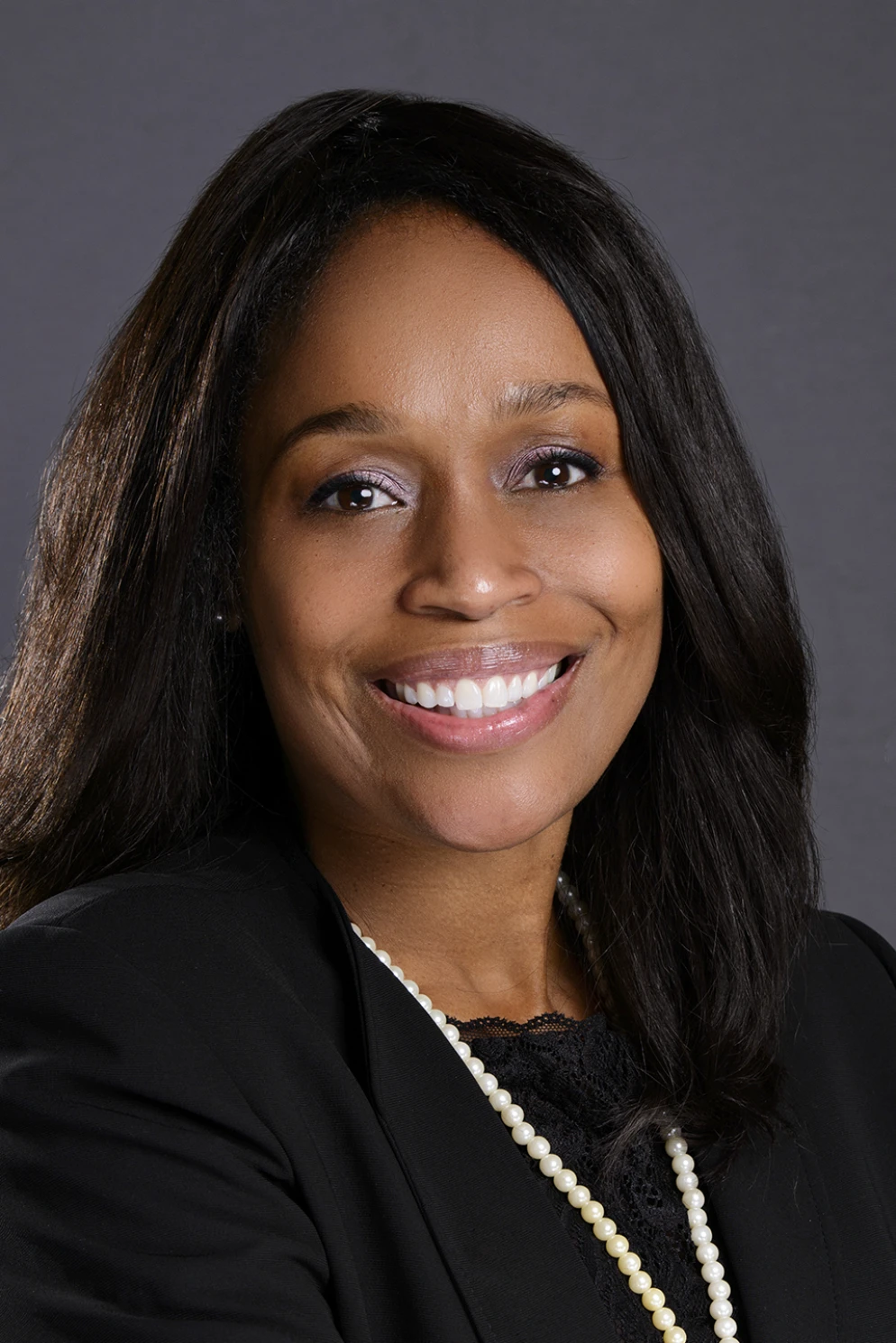
We are so impressed in the ways that all of you have and continue to pivot due to COVID-19 and all of the challenges that come with it. As we all seek ways to address these challenges, it is our collective courage and compassion that will help us to continue to move forward successfully. The NE-PACT Team applauds you for the incredible strength and resilience you’ve shown in these most trying times as you continue to meet the needs of families and your communities, and your generosity in sharing all that you have learned with your partners in Region A. Remember that we are here to provide you with the support and resources you need to continue to lead so always feel free to reach out with any questions or requests for technical assistance or support. |
|
|
|
Community Inclusion & Development Alliance (CIDA) is excited to announce the formation of the NYC Coalition on Transition Services for Youth with Intellectual and Developmental Disabilities, a new initiative composed of youths, parents and various agencies. CIDA, with input of stakeholders, began this initiative to expand competitive and integrated employment opportunities, as well as improve postsecondary outcomes, equity, and inclusion for youth with ID/DD in the New York City community by developing a transition service model that meets the needs of culturally diverse youth and their families. The Coalition will also work to improve communication among the stakeholders and share resources to increase capacity across the transition service systems. Learn more about CIDA.
Maine Parent Federation is excited to announce the launch of their brand new website. This site is much easier to navigate, provides a wide variety of resources, and is provided in multiple different formats to meet family needs. They are also being contracted by their Department of Education to improve parent stakeholder engagement for Maine’s State Performance Plan/Annual Performance Report, State Systemic Improvement Plan, and State Personnel Development Grants. Check it out!
|
|
|
|
Upcoming Events/Dates to Remember |
National PLACE webinar on ARP/ESSER Funds, Permissible Uses, and Stakeholder Engagement Opportunities: National PLACE is sponsoring a webinar featuring Candace Cortiella, Director of The Advocacy Institute, on ARP/ESSER funds, permissible uses, and stakeholder engagement opportunities, on Thursday, January 27, from 3-4:30 pm ET. The last half hour will be devoted to soliciting input to share with Secretary of Education Cardona in fashioning family engagement principles during and recovering from COVID. Register here.
Region A Drop-In Call: The next Region A Drop-In Call will be Tuesday, February 1, 2022 from 10:00 am - 12:00 pm. Please let us know by Thursday, January 27, 2022, if you have any agenda items. Join the call. To join by phone: 1-929 205 6099 - Meeting ID: 879 3793 8645 - Passcode: 456578
2022 Parent Center Grantee GPRA Webinar: Join us Monday February 7, 2022 at 3 pm for the Program Performance Measures Webinar. The webinar will go over the results of last year’s collection and explain the process for this year. The webinar will be recorded and housed on the Parent Center Hub. Join here. All Parent Centers that were chosen were notified but if you were not selected, you can still join to learn more about how the process works.
Trainings with the Circle of Vietnamese parents and SPAN in 2022: The purpose of this series is to provide Vietnamese-speaking parents across the country with important knowledge about the US special educational system, roles of parents in supporting children with disabilities and awareness of changes in different stages of their children’s lives so parents can be well prepared to ensure their children receive appropriate services. The trainings will be every 2nd and 4th Thursday from February 10th to June 23, 2022 from 6 -8 pm. Please share with Vietnamese-American families in your catchment area. Register here. More details about this training series.
COVID-19 Drop-In Calls: The next COVID-19 Drop-In call will be on Tuesday, February 15, 2022 from 10:00am – 11:15 pm. We will discuss what is happening in your state/territory/community, address any new developments, and identify any help you need concerning COVID-19. We will also solicit input from you about key family engagement principles to include in the Department of Education’s proposed collaboratively-developed guidance regarding family engagement during and recovering from COVID. Join the call.
|
|
|
|
Non-Profit Management Resources |
Servant Leadership: What’s Needed from Nonprofit Leaders Now: Read this short but powerful piece on the value of nonprofit leaders exercising servant leadership especially during these challenging times.
|
|
|
|
Family-Centered Services Resources |
The Effects of Servant Leadership on Parent Involvement: This doctoral dissertation describes the positive effects of servant leadership on parent involvement. “The servant-leader shares power, puts the needs of others first and helps people develop and perform as highly as possible.” (Greenleaf, 1977). This research analyzed levels of servant leadership of administrators to ascertain the strength or weakness of these relationships and the potential relationship with levels of parent involvement. Read more.
|
|
|
|
Youth-Centered Services Resources |
Youth-Centered Healthcare: Approaching youth and young adults regarding healthcare is unique and should be accessible to all young people. Read more to learn about World Health Organization (WHO) five objectives on youth-centered care. Find it here.
|
|
|
|
Staff Development Resources |
Bringing Servant Leadership to your Team: How can you help develop the servant leadership commitment and skills of your team, especially managers and directors? Read this article on the 10 principles, all of which are linked to more detailed resources.
|
|
|
|
Why student absences aren’t the real problem in America’s ‘attendance crisis’: Nationally, one in six children miss 15 or more days of school in a year and are considered chronically absent. Education officials have lamented that all this missed instruction has for years constituted an attendance crisis in U.S. elementary, middle and high schools. Check out this link to learn more and this link.
|
|
|
|
Report Shows Promising Outcomes for English Learners in Schools Using the SEAL Instructional Model in California: Research highlights the positive impact a research-based instructional program can have on EL outcomes. Read more. |
|
|
|
Help Your Child Develop Resilience: Parents and caring adults can help children build resilience, which is the ability to overcome hardship and adapt well when faced with experiences like bullying. Find it here. |
|
|
|
Child Welfare/Foster Care |
The Indian Child Welfare Act: A primer for child welfare professionals: The Indian Child Welfare Act (ICWA) of 1978 is one of the key components to protecting the rights and culture of American Indian and Alaska Native (AI/AN) children and families. This factsheet provides an overview of current and historical issues affecting child welfare practice with AI/AN families, practice implications, and cultural considerations. Find it here. |
|
|
|
Choice/Charter Schools/Virtual Schools/Voucher Programs/Private Schools |
Questions and Answers on Serving Children with Disabilities Placed by Their Parents in Private Schools: US Education Department Proposed Guidance: The proposed guidance is a “significant guidance document” under executive Order 13891. This Q&A document updates and supersedes the Department’s guidance, titled Questions and Answers on Serving Children with Disabilities Placed by Their Parents in Private Schools issued in April 2011 (14 page document). Find it here. |
|
|
|
Cultural Competence: What it Means for Person-Centered Thinking, Planning and Practice: There is solid evidence that cultural competence improves access, utilization, outcomes, and satisfaction in health and human service delivery systems. While this evidence is compelling, many organizations have struggled to integrate cultural competence into their person-centered thinking, planning, and practice. This webinar will: (1) Describe a framework for cultural competence and at the individual and organizations levels; (2) Provide a “real life” example of an organization that values and practices cultural competence; and (3) Highlight personal narratives of individuals who will share what culturally competent services mean to them; and (4) Describe how cultural competence and person-centered thinking and practice are integrally linked. View the webinar.
|
|
|
|
Improved Navigation on Data.Census.Gov: The US Census Bureau has exciting new enhancements about the Census Bureau’s search platform, data.census.gov. In this webinar, they unveil all the new and improved features for navigating, filtering, and mapping. The presenter spends time explaining the user- friendly features and walks participants through the live site to demonstrate the enhancements. Find out about upcoming webinars, and access the recorded webinar.
|
|
|
|
Discipline & Positive Behavioral Supports |
Exclusionary Discipline: Some students returned to classes only to be kicked out again: While some school districts are responding to a pandemic-driven surge in student misbehavior with mental health support and disciplinary alternatives, others are suspending kids Read more here. |
|
|
|
Cracks in the Foundation: Checking our Bias to Build Better Systems: At the state level, people build policies and procedures to serve the population of students receiving special education instruction and services. However, these policies and procedures can unknowingly be designed with implicit bias that can ultimately serve to perpetuate inequality and inequities within certain communities. This presentation will discuss implicit bias and microaggressions at a macro level as well as address strategies that can facilitate cultural and linguistic equity in policies and procedures.
|
|
|
|
Early Childhood/Early Intervention |
50 State Progress Report: This report from the Alliance for Early Success provides a crucial state-by-state context, offering a snapshot of the early childhood policy landscape that our whole network—grantees, their partners, national organizations, researchers, our investors—have worked to shape. Click here for more information.
|
|
|
|
Dear Colleague Letter (DCL): Guidance on Federal Funds to Support Afghan and Other Newcomer Students who have recently arrived or may be arriving soon to states and school districts across the country. Recognizing that all children in the United States have an equal right to enroll and participate in public elementary and secondary schools, this DCL explains several sources of federal funding available to state educational agencies (SEAs) and local educational agencies (LEAs). Although the letter is specific to Afghan children and their families, the information applies to children and families arriving from other countries as. Read the letter here.
Confronting Discrimination Based on National Origin and Immigration Status Fact Sheet: Public schools must be open to all students, but sometimes students face discrimination because of their national origin or immigration status. These forms of discrimination limit students’ access to education and are against the law. Find the fact sheet from the US Departments of Justice and Education Office for Civil Rights.
|
|
|
|
Exploring Equity Issues, School Reopenings: Many educators are still wondering how virtual learning will continue to play out during the COVID-19 pandemic. This issue looks at the topic of reopening schools in light of the recent protests and pandemic and provides resources so that educators are prepared to keep a focus on equity. See resources here. |
|
|
|
Grandparents as Caregivers |
How to Grandparent a child with Special Needs: Being the grandparent of a child with special needs can bring incredible joy but is also complicated, say grandparents like Oricchio, as well as advocates and other experts. About 17% of children are diagnosed with some kind of disability, which is one reason grandparents are so important. Find out more in this article, which features the voices of many grandparents. Read more about this and other families journeys in English and Spanish. |
|
|
|
Investments of the HRSA Maternal and Child Health Bureau to Support Children and Youth with Special Healthcare Needs and their Families: Schools can’t do it all, and they can’t do it alone! Find out about the investments of the US Department of Health and Human Services’ Health Resources and Services Administration (HRSA)’s Maternal and Child Health Bureau.
|
|
|
|
Ed Source: New effort to collect information on all California homeless students: California is working to try to address a nationwide issue of the under-counting of homeless students along with making sure families are aware of their rights. These strategies can apply everywhere! See the guide here. |
|
|
|
RETURN TO SCHOOL ROADMAP: CHILD FIND UNDER PART B OF THE INDIVIDUALS WITH DISABILITIES EDUCATION ACT. Q&A: Child Find is the portion of IDEA that outlines states’ obligations to identify, locate and evaluate all children with disabilities, even those younger than school age and those who do not attend public schools. This section of the guidance helps ensure that the effects of and/or potential failures of instruction during lockdowns have not resulted in regression, aggravation of specific learning challenges, disability-related behavioral shifts and other changes that adversely impact the child’s ability to participate and learn in their special education program or the general curriculum. Many of these changes, advocates suggest, might not have been observed during virtual instruction due to the significant reduction in face-to-face interactions and in-person contact as the students received virtual instruction. Read more here. |
|
|
|
Fewer immigrant workers are coming to fill key jobs. That has slowed the U.S. economy: Employers in the U.S. are struggling to fill roughly 11 million open jobs. The pandemic gets most of the blame, but there's a related factor that gets less attention. Fewer immigrants are coming to fill those jobs — particularly in some key industries that keep the economy moving. Read more. |
|
|
|
New Reading Rainbow: Great Book about Race, Diversity and Inclusion: While there are many excellent book lists for young readers that challenge representation and celebrate diversity, this list includes reading recommendations derived from a variety of organizations and experts leading the charge. It was created with the idea in mind that parents would be reading these books with their children and, when questions arise, breaking down the content in a way that their child can understand. Click here to see From The Start: A Parent’s Guide to Talking About Racial Bias.
|
|
|
|
Juvenile Delinquency/Juvenile Justice |
Department of Justice Awards $100 million to Support Youth: Grants from OJP’s Office of Juvenile Justice and Delinquency Prevention (OJJDP) and National Institute of Justice (NIJ) will distribute millions of dollars in awards to local, state and Tribal jurisdictions to improve outcomes for youth and to address racial and ethnic disparities within the juvenile justice system. Awards will support mentoring programs designed to steer young people away from delinquency and justice system involvement. See more here. |
|
|
|
Your Story. Your Truth. Your Power: “Coming out of the closet” is not a narrative that represents LGBTQ+ people because clarifying who you are isn’t a moment in time. Constantly, LGBTQ+ individuals need to educate others, tell their stories and transform culture to advocate equality. But how to share your story is a guide that Out & Equal created for LGTBQ+ people and allies to use. Read more by clicking here. |
|
|
|
Psychologist on pandemic-related youth mental health crisis: The U.S. Surgeon General issued a rare advisory warning of a mental health crisis among young people during the COVID-19 pandemic, cautioning "It would be a tragedy if we beat back one public health crisis only to allow another to grow in its place." A senior clinical psychologist in the Anxiety Disorders Center at the Child Mind Institute Dr. Jamie Howard joins “CBS Mornings” to discuss the advisory and what caregivers can do to help children who might be struggling. Learn more. |
|
|
|
Military Families & Youth |
Why does my kid’s school need to know we are military: This article explains three very important reasons for military students to identify. Read more. |
|
|
|
Native Americans and Historical Trauma: For many Native Americans and for any other impacted groups, it can be difficult to understand what role, if any, historical trauma has played in their lives. Native Hope wants you to know that historical trauma is worth talking and thinking about because it helps articulate the unique challenges that historically marginalized and discriminated groups are working against. Check out this fascinating 10 page e-book.
On Native American Mental Health: “Culture is our Treatment”: Over the past three decades, Joseph Gone, a research psychologist focusing on Native American mental health, has learned that it’s crucial to reconcile modern psychological techniques with Indigenous cultural practices. Read more.
|
|
|
|
Parent/Family Engagement (and Youth!) |
Reframing the Conversation: After three years of research, 72 focused interviews, and more than 6,000 participants, the research conducted by FrameWorks Institute in partnership with the National Association for Family, School and Community Engagement provides clear recommendations on how to talk about family engagement so that people will understand it, value it, and support it. Read more. |
|
|
|
Income and Poverty in the US 2020: The data is in, and median household income has gone down and the poverty rate has gone up, between 2019-2020. Median household income decreased almost 4% from 2019, the first statistically significant decline in median household income since 2011. The official poverty rate grew 1% from 201i, the first increase in poverty after five consecutive annual declines. Find out more about poverty in the US in 2020. |
|
|
|
Remote Learning/School Reopening |
Recovering from the Pandemic: The Critical Need for the Integration of SEL and MTSS in Schools: The COVID-19 pandemic exacerbated feelings of isolation and stress among students, families, teachers, and school communities. Incorporating social and emotional learning (SEL) into all aspects of education through multi-tiered systems of support (MTSS) can help equitably address the impact of the pandemic on students’ learning and development. In this interactive webinar, the Center for Education Equity examined how to integrate SEL into MTSS to support students and educators navigating the impacts of COVID-19.
|
|
|
|
Maryland Department of Education announce a “top-to-bottom review” of restraint and seclusion policies: Frederick County Public Schools reached settlement with the US Department of Justice to address discriminatory use of restraint and seclusion.in early December reached a settlement. Read about it here. |
|
|
|
Social-Emotional Learning |
What Good Social-Emotional Learning Should Look Like: First, Listen to the Community: The Collaborative for Academic, Social, and Emotional Learning, or CASEL, has selected a new president and CEO: Aaliyah A. Samuel, the deputy assistant secretary for local, state, and national engagement for the U.S. Department of Education. Read more.
|
|
|
|
Why Should Your Organization Care About Digital Accessibility? Beyond customer satisfaction, there are increasing legal and humanitarian consequences for businesses that don’t utilize inclusive software design, including internal software used by employees. While it’s generally understood that the Americans with Disabilities Act (ADA) protects individuals with disabilities from discrimination, it’s less clear how this applies to the digital accessibility of your organization. Learn more. |
|
|
|
Transition to Adult Life/Youth |
How Self-Advocates Define "Who's in Control" of Community Services: The focus group was clear that having a person-centered plan or a self-directed waiver is not enough to keep staff from taking control. Click here to view the presentation slides. |
|
|
|
Trauma at the Workplace-What to do about it: Read this Forbes article with an overview of the increasing impact of trauma on the workplace and key strategies to address it.
|
|
|
|
ABOUT THE REGION A PARENT TECHNICAL ASSISTANCE CENTER
The Navigating Excellence-Parent Assistance and Collaboration Team (NE-PACT), the Region A Technical Assistance Center, provides technical assistance to federally-funded parent centers -- Parent Training and Information Centers (PTIs) and Community Parent Resource Centers (CPRCs) - NEPACT Logolocated in the states of CT-AFCAMP, CT-CPAC, DC-AJE, DE-PIC, MD-PPMD, ME-MPF, MA-FCSN, NH-PIC, NJ-SPAN, NJ-ASCF, NY-AFC, NY-CIDA, NY-LIAC, NY-UWS, NY-Starbridge, NY-INCLUDEnyc, NY-Sinergia, NY-PNWNY, PA-HUNE, PA- ME, PA-PEAL, PR-APNI, RI-RIPIN, VI-DRVI and VT-VFN. These Parent Centers are independent non-profit organizations. We also provide support to emerging parent centers and parent organizations serving families of children with or at risk of being identified as having disabilities. In addition, we work with early intervention and education agencies (local, state and federal level) seeking information regarding best practices in involving parents of children with disabilities in systems improvement.
The center activities are specifically designed to:
- Enhance the capacity of parent centers to provide effective services to families of children with special needs and to work effectively with their states to improve special education and early intervention systems; and,
- Facilitate their connections to the larger technical assistance network that supports research-based training, including educating parents about effective practices that improve results for children with disabilities. For more information click here.
|
|
|
|
|
|
|