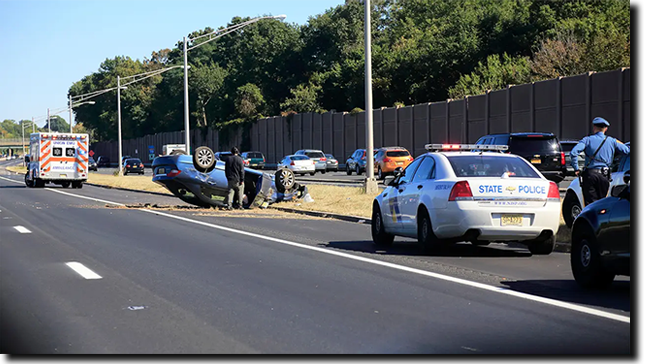
These costs often fall unfairly on patients and insurance providers
Car accidents are an unfortunate reality of modern life, often leading to personal injury cases involving a range of medical professionals, from chiropractors to physical therapists, pain doctors, and personal injury lawyers. However, within this landscape exists a concerning trend of fraudulent medical charges, inappropriate coding, and unwarranted treatment strategies.
Why does this matter? The National Health Care Anti-Fraud Association estimates that the financial losses due to healthcare fraud are $68 billion, or as high as $300 billion. In many cases, these costs fall unfairly on patients and insurance providers.
Read More
| |
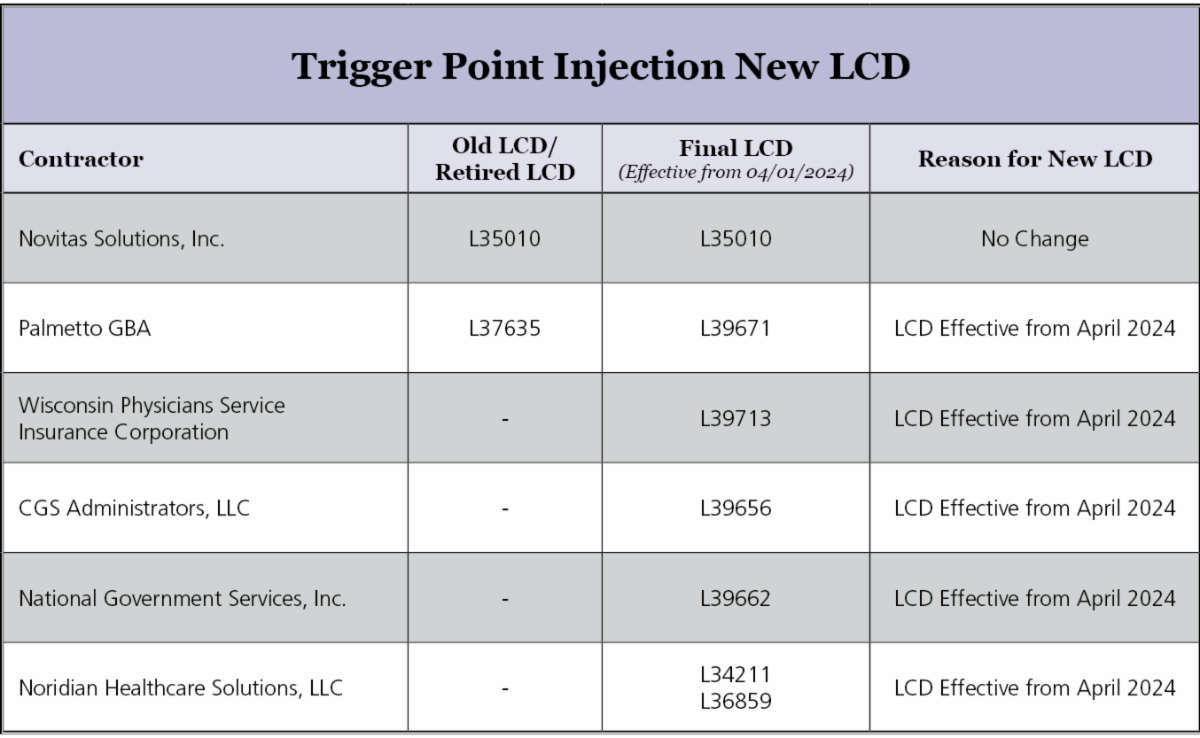
Effective from April 1st, the Majority
of MAC Will Follow Updated Guidelines
for Trigger Point Injections
| |
|
Novel therapy “retrains” the brain to disrupt pain signals
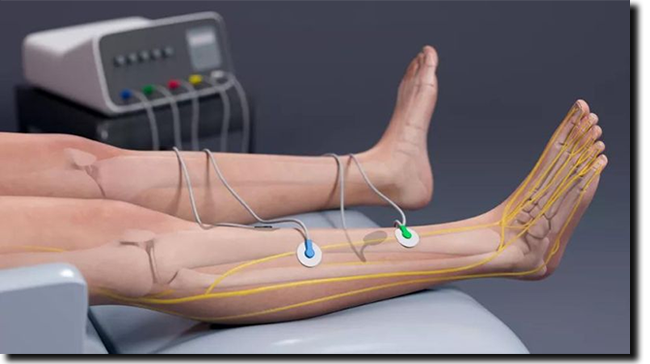
Peripheral neuropathy is a common side effect of chemotherapy and radiation, leaving patients with pain, a stabbing or burning sensation and/or numbness in their hands and feet. Pain medications often don’t provide total relief. Scrambler Therapy® is a novel approach to break the cycle of pain without using medications.
Chemotherapy and radiation therapy can cause nerve cells in the body to become damaged, resulting in wrong signals being sent to pain centers in the brain. This causes neuropathic pain. Scrambler Technology is an FDA-approved device that uses electro-analgesia therapy for the noninvasive treatment of chronic neuropathic symptoms, such as pain, tingling, numbness and cold/warm sensation.
"For patients experiencing chronic pain, there is a painful stimulus that is a constant occurrence that gets disassociated from the actual cause of the pain,” explains Chirag Patel, MD, a palliative medicine specialist with Cleveland Clinic Cancer Institute. “The nerve fibers that are transmitting pain signals get in the habit of doing so. Usually there’s some damage that’s caused the pain and over time, the nerve fibers essentially get hardwired to transmit pain signals. So even when the damage is not an actively occurring process anymore, pain signals are still being sent to the brain.”
Read More
| |
ASIPP State Society Meetings | |
|
Physician reimbursement for Medicare patients decreased 2.3% from 2005 to 2021 when accounting for inflation, according to new research out of the Harvey L. Neiman Health Policy Institute. Reimbursements actually increased during that time for some specialties, but cardiac surgery, thoracic surgery and cardiology all experienced significant declines.
The Medicare Physician Free Schedule and other Medicare programs are currently required to remain budget neutral, meaning increases in one area must be offset by decreases in another. To learn more about how this rule impacts specific specialties, researchers with the Neiman Institute explored aggregated data for 100% of Medicare Part B claims from 2005 to 2021. The group shared its full analysis in INQUIRY: The Journal of Health Care Organization, Provision, and Financing.
“While the explicit purpose of statutory freezes and budget neutrality is to control Medicare spending, the question we explored is, how has utilization changed for services from various specialties and provider types?” wrote first author Eric W. Christensen, PhD, research director with the Neiman Institute, and colleagues. “It is expected that continued erosion of Medicare reimbursement will eventually become an access issue for Medicare beneficiaries.”
Read More
| |
VR distraction therapy could be a useful non-pharmacologic alternative, study suggests
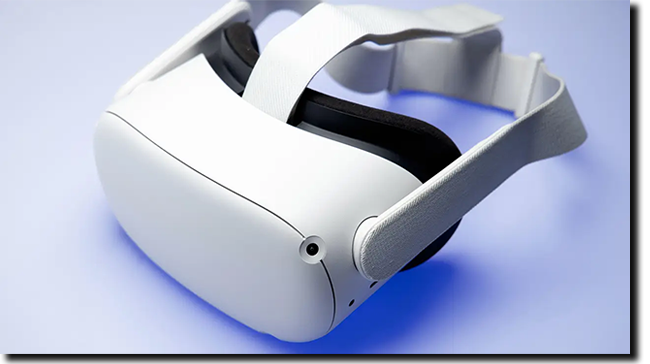
Immersive virtual reality (VR) as distraction therapy provided relief for hospitalized cancer patients with moderate to severe pain, a single-center randomized trial showed.
Among patients with pain related to their malignancy or treatment, a 10‐minute VR intervention -- where users can explore natural environments like beaches or forests -- led to clinically and statistically significant reductions in self-reported pain scores compared with an active control, reported researchers led by Hunter Groninger, MD, of the MedStar Health Research Institute and Georgetown University School of Medicine in Washington, D.C., in Cancer.
Immediately after the intervention, data analysis of 127 randomized patients showed an average decrease of 1.4 points in the VR arm on a 0-to-10 Likert Scale (where 0 indicates no pain and 10 represents the worst possible pain) compared with a decrease of 0.7 points in the arm assigned to the active control (P=0.03), which involved a two-dimensional guided-imagery experience with meditation, background music, and natural landscapes on a handheld tablet.
Read More
| |
|
Virtual
June 8, July 13, & July 27
Click here for the complete list of upcoming exams.
ABIPP Part I; ABIPP Path - Combined DCCPM/CSM virtual exam;
ABIPP Competency Exam in IPM; ABIPP Competency Exam in Regenerative Medicine;
CSM Competency Exam; DCCPM Competency Exam
In Person
October 18, 2024
ABIPP Part II - Practical Examination
Lab Venue: MERI, 44 S. Cleveland Street, Memphis, TN 38104
| |
|
Higher doses of nonsteroidal anti-inflammatory drugs (NSAIDs) increase the risk for cardiovascular diseases (CVDs) such as ischemic heart disease, stroke, and congestive heart failure in patients with ankylosing spondylitis (AS) compared with lower doses.
METHODOLOGY
- NSAIDs can suppress inflammation and relieve pain in patients with AS, but long-term treatment with NSAIDs poses concerns regarding gastrointestinal and renal toxicities and increased CVD risk.
- This nationwide cohort study used data from the Korean National Health Insurance database to investigate the risk for CVD associated with an increasing NSAID dosage in a real-world AS cohort.
- Investigators recruited 19,775 patients (mean age, 36.1 years; 75% men) with newly diagnosed AS and without any prior CVD between January 2010 and December 2018, among whom 99.7% received NSAID treatment and 30.2% received tumor necrosis factor inhibitor treatment.
Read More
| |
Registration is open for
ASIPP's 2025 Annual Meeting
We would love it if you would register and join us in Orlando!
| |
|
Wei-Hsung Lin, MD, will have to pay $5,000 and take CME courses on managing COVID
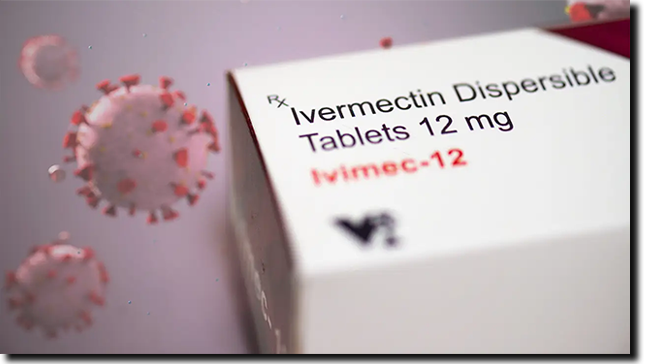
Washington state physician Wei-Hsung Lin, MD, was fined $5,000 by the state's medical board for prescribing ivermectin during the COVID-19 pandemic.
Lin, who practices at Kadlec Regional Medical Center in Richland, Washington -- part of the Providence health system -- will also have to take continuing medical education (CME) classes on COVID and on the patient-physician relationship, according to board documents.
The Washington Medical Commission cited Lin for substandard care of five patients in 2021.
Read More
| |
Recent headlines scream that we have an obesity problem and that carbs are the culprit for the problem. That leads me to ask: How did we get to blaming carbs as the enemy in the war against obesity?
First, a quick review of the history of diet and macronutrient content.
A long time ago, prehistoric humans foraged and hunted for food. Protein and fat were procured from animal meat, which was very important for encephalization, or evolutionary increase in the complexity or relative size of the brain. Most of the requirements for protein and iron were satisfied by hunting and eating land animals as well as consuming marine life that washed up on shore.
Read More
| |
- ASIPP Members Only Site Information - | |
-
To log in for the first time you will need to click “forgot password” at the bottom of the login window.
- Check your email and then log in as directed.
-
If you have problems logging into your account, click here.
| |
Pain Medicine Case Reports (PMCR) and Editor-in-Chief Alaa Abd-Elsayed, MD, PhD would like to invite you to submit case reports and case series to the PMCR journal. Your article will be published free of charge.
Open access journals are freely available online for immediate worldwide open access to the full text of published articles. There is no subscription fee for open access journals. Open access journals are no different from traditional subscription-based journals: they undergo the same peer-review and quality control as any other scholarly journal.
Interested in becoming a member of the PMCR Editorial Board?
Editorial board members are asked to review 2-6 manuscripts per year. Please submit your most up-to-date CV to sgold@asipp.org for consideration.
For more information or to submit your articles, click here.
| |
|
Boqing Chen, MD, PhD, Kevin W. Tang, BS, Amir Issa, MD, Karim Issa, MD, Arun Zachariah, DO, Patrick M. Foye, MD, and Todd P. Stitik, MD
Abstract
BACKGROUND: Thoracic spine pain is believed to have a comparable prevalence to that of neck pain and low back pain in the general population. Recent discoveries in thoracic spine neuroanatomy have shown that the descending branch of the posterior ramus innervates the thoracic facet joint capsule. We present a case in which thermal radiofrequency ablation of the descending branch was used to significantly relieve pain in a patient with thoracic facet joint pain.
CASE REPORT: A 57-year-old woman presented with a 4-month history of severe midthoracic back pain. The patient had failed initial conservative treatment including oral pain medications and physical therapy for 3 months. She ultimately elected for 2 bilateral diagnostic blocks of the T4-T6 descending branches and subsequent radiofrequency ablation; this treatment resulted in complete pain relief and functional improvement.
CONCLUSIONS: Thoracic spine descending branch thermal radiofrequency ablation may be a treatment option for thoracic facet joint pain.
KEY WORDS: Back pain, thoracic facet joint, descending branch, radiofrequency ablation, posterior ramus, thoracic spine, back, pain
Read More
| |
|
Alexander Beletsky, MD, Cherry Liu, MD, Kim Vickery, MS, Natalie Hurlock, MPH, Nutan Winston, MD, Munish Loomba, MD, Brittany N. Burton, MD, Ahish Chitneni, DO, Rodney A. Gabriel, MD, and Jeffrey Chen, MD
Abstract
BACKGROUND: Spinal cord stimulator (SCS) surgeries, whether performed using the open or percutaneous approach, are becoming increasingly common for a range of neuropathic pain conditions, including post-laminectomy syndrome and complex regional pain syndrome. However, there is limited knowledge regarding the factors linked to same-day discharge patterns following SCS.
OBJECTIVE: The purpose of this study was to identify factors associated with same-day discharge after SCS placement. The primary outcome was same-day discharge.
STUDY DESIGN: Retrospective, cohort study using a nationwide database.
METHODS: Inclusion criteria included patients who underwent percutaneous or open SCS from January 1, 2014 through December 31, 2021. Exclusion criteria included patients with missing data (n = 178) and those with SCS implants for unlisted indications (n = 1,817). A multivariable analysis was conducted on the outcome data and co-variates associated with same-day discharge after SCS.
RESULTS: After applying inclusion and exclusion criteria, a total of 18,058 patients remained in the final data set, including 7,339 patients who underwent percutaneous SCS and 10,719 patients who underwent open SCS procedures. After analysis, factors associated with increased rates of same-day discharge after SCS included men (odds ratio [OR] 1.16; 95% CI, 1.09 –1.24; P < 0.001), patients on Medicaid (OR 1.64; 95% CI, 0.1.34 – 2.01; P < 0.001), and hospitals in the US Midwest (OR 1.66; 95% CI, 1.45 – 1.90; P < 0.001) and hospitals in the US West (OR 1.32; 95% CI, 1.20 – 1.46; P < 0.001). Factors associated with decreased rates of same-day discharge after SCS included the open approach (OR 0.21; 95% CI, 0.19 – 0.23; P < 0.001), Hispanic ethnicity (OR 0.61; 95% CI, 0.54 – 0.69; P < 0.001) and increased age (OR 0.99; 95% CI, 0.98 – 0.99; P < 0.001).
LIMITATIONS: Since our study is retrospective, the data are subject to various biases, including variable confounding, human error in data entry, and generalizability of the results.
CONCLUSION: These results can be used to help determine hospital bed needs post-SCS surgery. Future research should focus on identifying the specific reasons certain demographic and geographic factors might influence same-day discharge rates. Our study provides important insights into the factors associated with same-day discharge rates post open and percutaneous SCS implant and highlights the need for patient-centered, evidence-based approaches to health care delivery.
KEY WORDS: Spinal cord stimulator, pain medicine, failed back surgery syndrome, neuromodulation, neuropathic pain
Read More
| |
|
Paul Supper, MD, Christine Radtke, MD, and Lena Hirtler, MD, PhD
Abstract
BACKGROUND: Infrapatellar neuropathy arises from traumatic, iatrogenic, or compression injury to the infrapatellar branch (IB) of the saphenous nerve. The risk of infrapatellar neuropathy has been shown to depend on the IB’s anatomical course. The infrapatellar branch of the saphenous nerve (ISBN) has been discovered to take varying courses, and the IB can emerge directly from the femoral nerve. The variety of the IBSN’s courses and the prevalence of cases involving the infrapatellar branch of the femoral nerve (IBFN) call the uniform IB course described in textbooks into question.
OBJECTIVES: In this study, we aim to identify sites of IB emergence and their anatomical relations and evaluate them for their risk of neuropathy.
STUDY DESIGN: The study is an anatomical prospective pilot study.
SETTING: The setting is a single-center cadaveric study performed at the anatomical institute of the Medical University of Vienna.
METHODS: Twenty-two anatomical specimens were evaluated for the relationship of their IBs to anatomical risk sites. The subsartorial course, distal sartorial penetration, and the crossing of the medial femoral epicondyle were assessed. The measurements and relations of the IB were determined with callipers and assessed by computational modelling.
RESULTS: Nine IBs originated from the saphenous nerve, 11 originated from the femoral nerve, and 2 originated from both. The subsartorial course was most frequent in IBs of saphenous origin. Penetrating and profound distal sartorial relations correlated moderately with emergence type and were highest in the saphenous group. The crossing of the medial femoral epicondyle was the most common relation of IBs that emerged femorally.
LIMITATIONS: The study’s limitations were the low number of cadavers to examine and the confining of the exploration of knee extension to anatomical specimens that restricted an inferential analysis.
CONCLUSION: Infrapatellar innervation can emerge from the saphenous nerve, the femoral nerve, or a combination of both, and the origin of the innervation determines the clinical risk for infrapatellar neuropathy. While innervation from the IBSN may lead to compression at the subsartorial course, distal sartorial penetration, and the crossing of the medial femoral epicondyle, innervation from the IBFN carries reduced anatomical risk for infrapatellar neuropathy.
KEY WORDS: Infrapatellar neuropathy, anatomical variation, infrapatellar innervation, anterior knee pain syndrome, compression syndromes
Read More
| |
|
ASIPP is now in collaboration with Curi Medical Liability Program
| |
|
Since this malpractice insurance program officially launched in November 2018, ASIPP has signed up hundreds of providers with an average savings of 30%. This is professional liability insurance tailored to our specialty and will stand up for us and defend our practices.
Curi is a full-service advisory firm that serves physicians and their practices. Their valued advice is grounded in your priorities and elevated in your outcomes. They are driven by a deep understanding of your specific circumstances in medicine, business, and life. To read a few important points to keep in mind about the program, including discounts, administrative defense, cyber coverage, aggressive claims handling, and complimentary risk management CME activities, visit our website.
| | |
|
Group Purchasing Organization Offer Better Pricing and Creates Added Value
ASIPP has formed a partnership with Henry Schein and PedsPal, a national GPO that has a successful history of negotiating better prices on medical supplies and creating value-added services for independent physicians. Working with MedAssets, PedsPal provides excellent pricing on products like contrast media that alleviate some of the financial pressures you experience today.
Learn More
| |  |
|
ASIPP, Fedora Billing,
and Revenue Cycle Management Partnership
ASIPP is now offering our members the benefit of a unique revenue cycle management/ billing service.
We have received a tremendous amount of interest in the ASIPP® billing and coding program.
Click here to learn more about the negotiated rate for practices and more!
| |
|
Like and follow ASIPP® on Facebook, X, and LinkedIn for the most
up-to-date news related to you, your practice, and your patients!
| | | | |