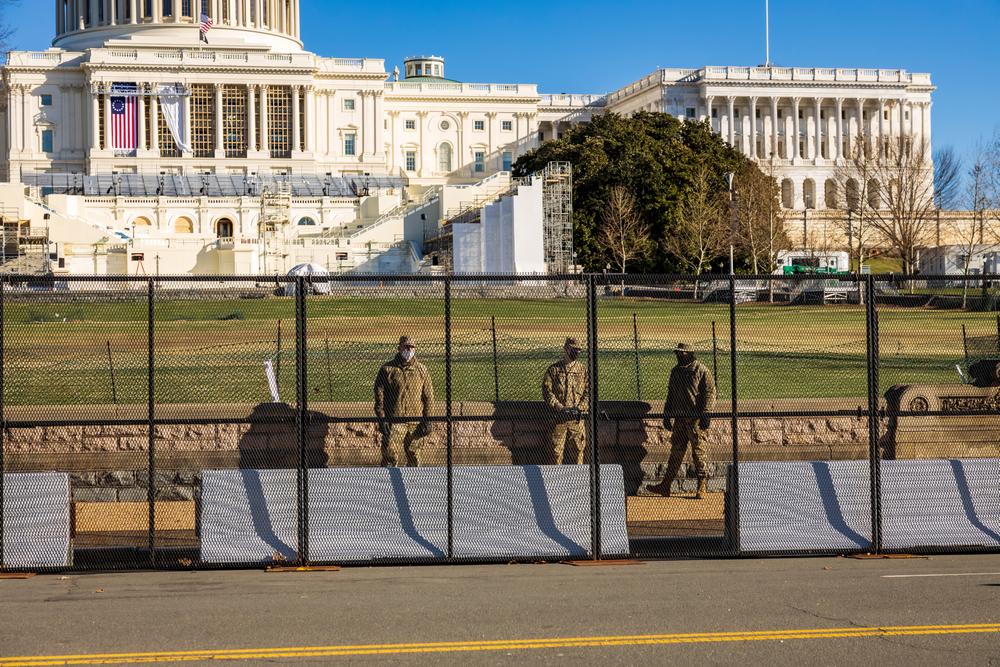
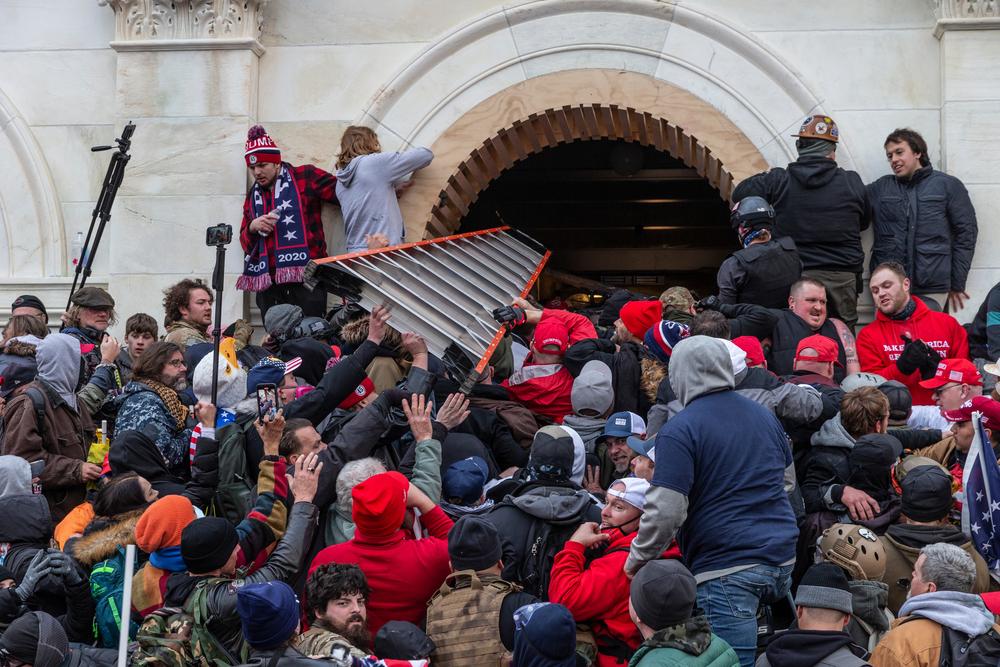
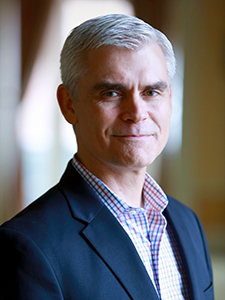
"The hearings of the U.S. House Select Committee to Investigate the January 6th Attack on the United States Capitol have two fundamental responsibilities: first, to present a true account, based on conclusive evidence and logic; and second, to persuade the American public that this is indeed the only true and conclusive account," writes historian and Catalogue for Philanthropy founder George McCully. "With the televised public hearings of the Jan. 6 committee," he notes, "we are now given a superb and broadly useful practical demonstration and teaching opportunity, illuminating our professional roles and responsibilities in the neglected field of civic education."
|
|
ICYMI from The New England Journal of Higher Education ... in Light of the January 6 Hearings Underway on Capitol Hill
|
|
|
Jan. 6, 2021 marked a day in American history that no one imagined happening: an attack on the U.S. Capitol that left many people angry, worried and confused. NEBHE Senior Fellow Charles Desmond and environmental expert Thomas Jorling, both advisors to the law firm Murphy, Hesse, Toomey & Lehane, LLP, explain why the real heroes were the "dedicated individuals, many of whom are volunteers, [who] check voter registration lists, distribute and oversee collection ballots, monitor the physical security of the ballot boxes and machines and count ballots, all with a profound sense of the critical importance of the process." Desmond and Jorling add: "Unlike the president and his enablers, these workers, and the thousands who stood in line for hours to exercise the right to vote, revere our Constitution and the central role free and fair elections play in assuring the future of this country we call the United States of America. These patriotic citizens do not seek recognition; they consider it their civic duty to assist in ensuring that each federal, state or local election adds to the promise of government of, by and for the people."
|
|
|
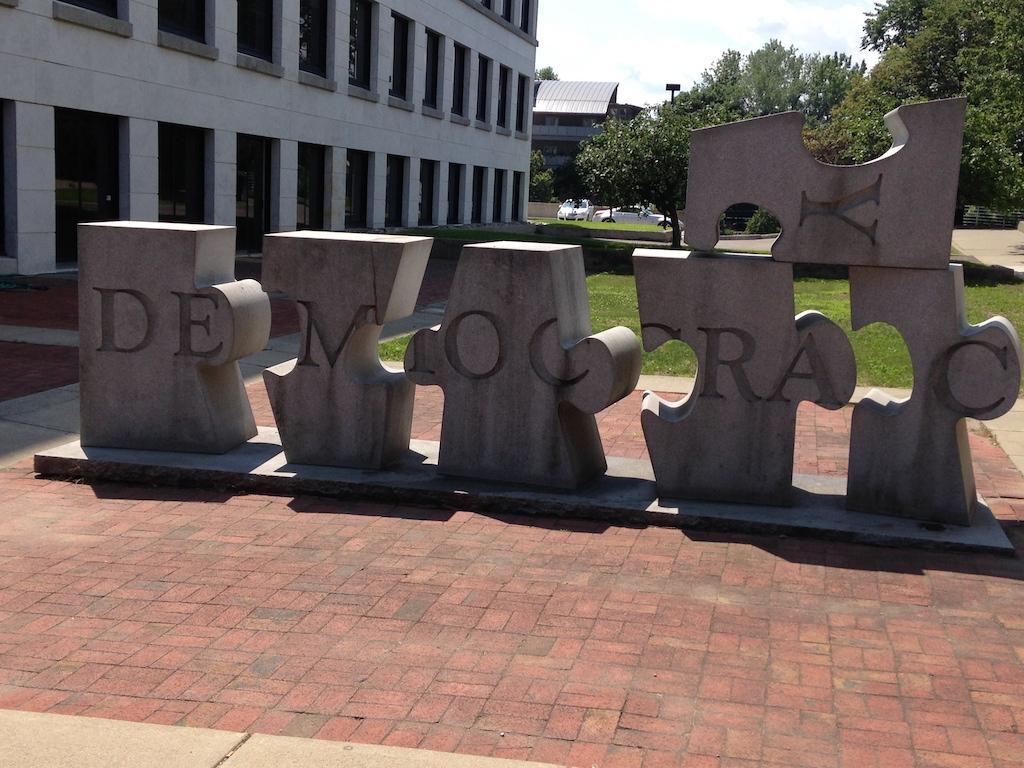
Persistent racism, nationalism, deindustrialization, economic inequality, and the inability of governing elites to adequately address these forces are among the causes of anti-democratic tensions under the Trump administration, according to Franklin Pierce University sociology professor Douglas F. Challenger. But the main cause, Challenger argues, is a lack of good civic education in schools and universities. "A robust, new version of civic education would go a long way to help reverse the civic recession we’ve been in, serve as an antidote to creeping authoritarianism and inspire democratic engagement now and in the future," he writes.
|
|
|
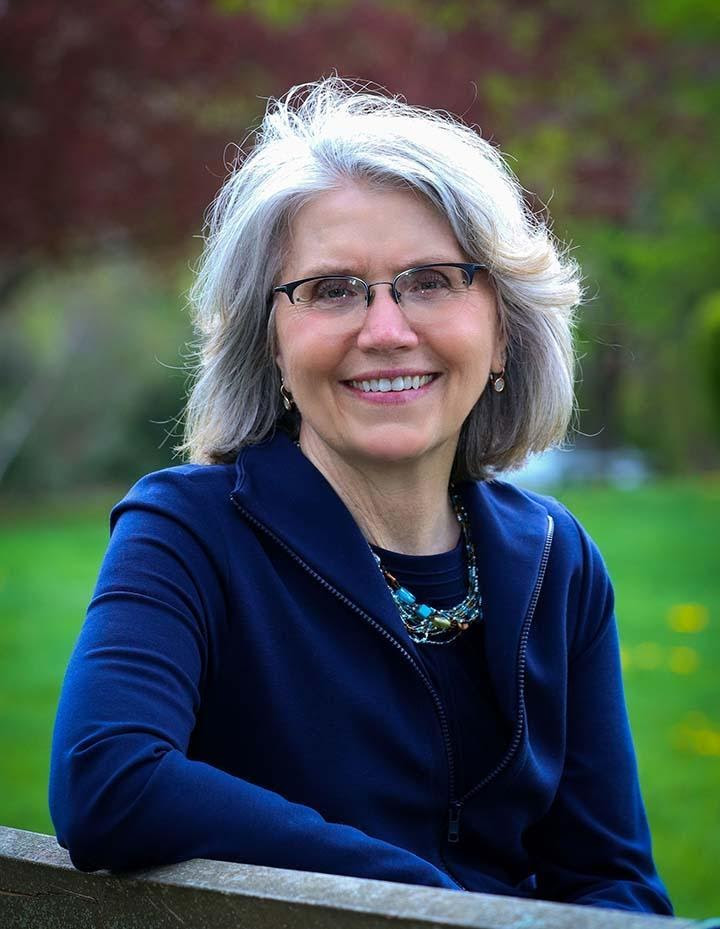
As the crucial 2020 elections drew closer, NEJHE featured its second in a series of Q&As on civic engagement and voting. Executive Editor John O. Harney asked Mary K. Grant, then-president of the Edward M. Kennedy Institute for the United States Senate, about the institute's work connecting postsecondary education to citizenship and upcoming elections. A former leader of two public liberal arts institutions (the University of North Carolina at Asheville and Massachusetts College of Liberal Arts) and now president of MassArt, Grant noted that she is "a firm believer that regardless of disciplinary area, problem-solving requires us to ask questions, to be curious and open-minded, to think critically and creatively, incorporate a variety of viewpoints and work in partnership with others. We need to understand how you take an idea, move it along and make it into something that can improve the common good."
Pictured: Mary K. Grant
|
|
|
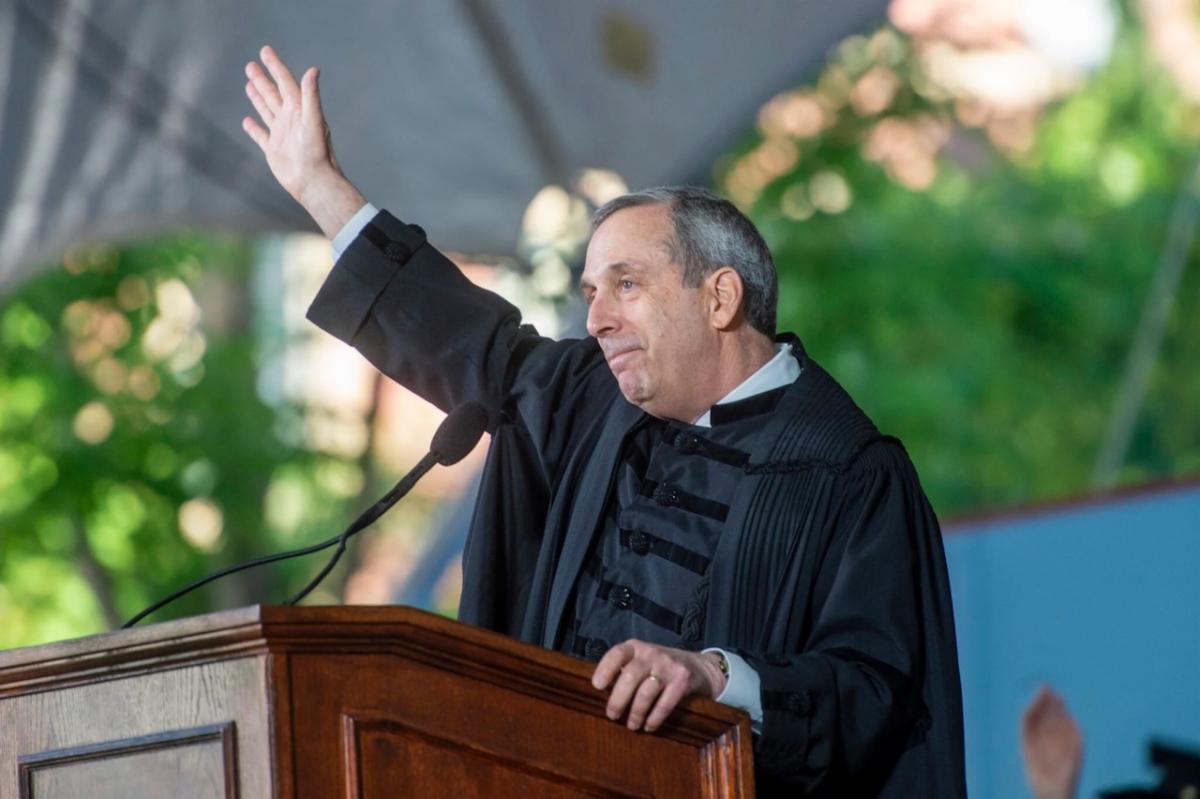
Harvard University President Lawrence Bacow announced he plans to step down June 30, 2023, after five years at the helm of America's oldest and perhaps most famous higher education institution. ... Larissa Ruiz Baía said she will leave her post as president of New Hampshire's Lakes Region Community College later this summer to become president of Hillsborough Community College’s Ybor City campus in Tampa, Fla. ... Bentley University named University at Buffalo School of Management dean Paul Tesluk to be the next provost and vice president for academic affairs at the Waltham, Mass. university. ... See more on these and other changes in NEJHE's Comings and Goings tally of new appointments in New England higher ed and beyond.
Pictured: Lawrence Bacow
|
|
|
The U.S. Department of Education discharged all remaining federal student loans borrowed by students to attend Corinthian Colleges, from the for-profit chain's founding in 1995 through its closure in April 2015. The $5.8 billion loan discharge is the largest single student loan discharge in U.S. history. ... Read the latest from NEJHE's DC Shuttle, featuring national news drawn from our friends at the New England Council.
|
|
|
All students deserve unfettered access to high-quality learning materials on the first day of class. Join NEBHE in this exciting, one-day leadership summit, focused on highlighting the value of investing in open educational resources (OER) in postsecondary education. The summit will provide attendees with the opportunity to hear from a regional student panel on how OER has had a positive impact on their academic success and also from regional practitioners about what support is necessary to develop a sustainable Open Education program. Attendees will walk away with an action plan tailored to their specific institutional, system or legislative roles and goals. Open Education isn't just about affordability. It's also about rectifying the inequities historically woven into the fabric of postsecondary learning materials. Come learn how you can support more equitable learning opportunities for all students. Most portions of this summit will be available via Zoom or fully in person at the MIT Endicott House, 80 Haven St., Dedham, Mass. This event is intended for individuals in roles of leadership, including faculty department chairs.
|
|
Tidbits from the NEJHE Beat ... |
|
|
Brief items from the "NEJHE Beat"—that unique constellation of issues connected to higher education and also to social justice, economic and workforce development, regional cooperation, quality of life, academic research, workplaces and other topics that together say "NEJHE."
|
|
|
Higher education leaders and institutions must use the present window of opportunities to re-envision the future of postsecondary learning enterprises, given multiple forces accelerated by the pandemic, including: digital transformation, hybrid work and learning, growth of educational technologies and the expansion of non-degree credentials and non-institutional providers, according to a new brief by NEBHE President and CEO Michael K. Thomas published by the TIAA Institute. The brief, NGDLI and strategic governance: An action framework for boards and senior higher education leaders, is the latest part of the Next-Gen Digital Learning Infrastructure (NGDLI) project, undertaken by NEBHE with the support of the TIAA Institute. The NGDLI project aims to build understanding of the digital future of the postsecondary learning enterprise and strengthen strategic governance by institutional executives, governing boards and policy leaders. Among strategies, Thomas urges that actions be driven by a commitment to keeping students’ needs first, building resilience in anticipation of future disruptions and a compelling institutional vision for the future of learning.
Pictured: Michael K. Thomas
|
|
|
Last week, NEBHE convened a webinar on the changing world of learning and credentials. For centuries, colleges and universities sat atop the hierarchy of credentialing systems.Traditional degrees were the “coin of the realm.” But the world of learning and credentials is being transformed, accelerated by the global pandemic. Non-institutional providers are rapidly expanding. Learners and employers seek knowledge, skills and credentials aligned with the economy and workforce. Flexible, short-term, skills-focused and technology-supported learning alternatives continue to expand. And learners are voting with their feet. What does all this mean for traditional postsecondary degree providers? To learn more, view the video of the June 8 webinar.
|
|
|
NEJHE NewsBlast is a summary of NEJHE content and other news around NEBHE prepared weekly by NEJHE Executive Editor John O. Harney and emailed every Wednesday to opinion leaders and practitioners. When responding to NEJHE content, please make sure that your remarks are relevant, courteous and engaging. Individuals are responsible for their comments, which do not represent the opinions of the New England Board of Higher Education. We urge commenters to briefly note their occupational or other interest in the topic at hand. Please refrain from offensive language, personal attacks and distasteful comments or they may be deleted. Comments may not appear immediately. Thank you for staying engaged.
|
|
NEJHE NewsBlast is sponsored by
|
|
For more information about partnering with NEBHE, click here
or send an email message to our events coordinator Marla Phippen.
|
|
© 2020 New England Board of Higher Education |
|
|
|
|
|
|
|