AFSI Newsletter - August 2026

2026 Versions of Our Protein Monographs on Cry1Ab and Cry2Ab

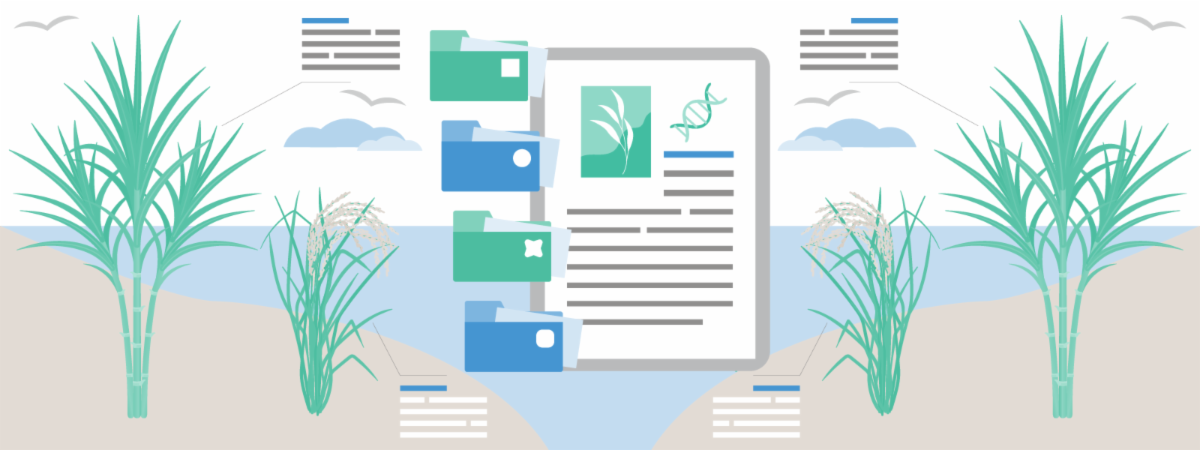
When a regulatory authority assesses a novel protein in a genetically engineered (GE) crop for the first time, much of the information it needs already exists in dossiers submitted elsewhere, decision documents published by other authorities, and the peer-reviewed literature. However, this information is scattered across jurisdictions and not always easy to find. The Agriculture & Food Systems Institute (AFSI) began publishing protein monographs more than 15 years ago to consolidate that record in one place. The collection now covers ten proteins, and in July, we added four documents: updated reviews of the environmental safety of Cry1Ab and Cry2Ab, an updated review of the food and feed safety of Cry1Ab, and a first review of the food and feed safety of Cry2Ab. Cry1Ab and Cry2Ab are insecticidal proteins derived from the soil bacterium Bacillus thuringiensis (Bt).

What Each Review Covers

The monographs assemble publicly available evidence on each protein. The environmental monographs address the origin and function of the protein, its expression in GE plants, and its potential effects on non-target organisms (NTOs). The food and feed monographs take their structure from the Codex Alimentarius guidance on foods derived from recombinant-DNA plants. They cover the elements that apply to a protein rather than a whole crop: the origin and function of the protein, its expression levels in crop tissues, and its toxicology and allergenicity assessments.

Ten Years of New Approvals

When we last examined the food and feed safety of the Cry1Ab protein in 2016, three GE crops expressing it – maize, cotton, and rice – had been approved for food in at least one of 18 countries and the European Union. As of December 2025, that list runs to six crops, in at least one of more than 30 countries and the European Union, including cowpea, eucalyptus, and sugarcane. Crops expressing Cry2Ab – maize, cotton, and soybean – have received food safety approvals in 28 countries and the European Union, and our review of the protein's food and feed safety is the first we have published.

The Shift Toward Stacks

The most consistent trend in the Cry1Ab record is not a new crop but a new product form. Breeding stacks now dominate: 19 stacks containing MON810 have been approved for cultivation in at least one of 13 countries, and 30 containing Bt11 in at least one of 11. In 2025, more than 80 percent of US maize and cotton acreage was planted with stacked seed combining Bt and herbicide-tolerance traits. Both stack counts understate the shift, since many authorities now treat stacks of already-approved events as approved and do not record them separately.

Peer Reviewed and Publicly Accessible

We developed these monographs so regulatory authorities assessing one of these proteins can easily find out how their counterparts elsewhere reached a conclusion. They also serve product developers preparing submissions and academics teaching risk assessment. Our protein monographs are peer reviewed, available to download from our website at no cost, and the four new reviews each carry a DOI, so they can be cited directly in the scientific and regulatory literature.

Over the years, AFSI has worked to make the evidence behind regulatory decisions easier to find and reuse. These monographs compile publicly available information once so that each authority assessing Cry1Ab or Cry2Ab does not have to individually repeat the process. We welcome feedback from regulators and researchers who use these documents, and particularly on what resources would be most useful to them. To reach us, reply to this newsletter or contact us through our website.

 
| CONNECT WITH US |
Twitter  Linkedin