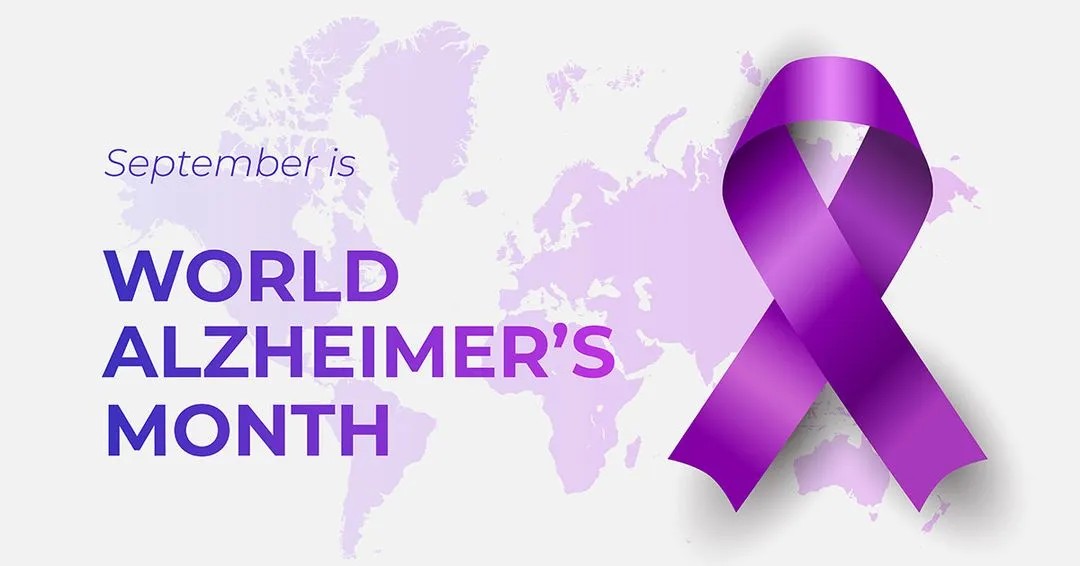
September is World Alzheimer's Month
This year's theme: The Earlier You Know, The More You Can Do: A Dementia Diagnosis Matters.
Diagnosis is key to unlocking paths to treatment, care, and support options. In people with intellectual and developmental disabilities (IDD), Alzheimer’s disease can cause new or worsening changes in memory, behavior, and functioning, which may be harder to detect because some symptoms can overlap with pre‑existing IDD traits.
Help raise awareness of the benefits that a diagnosis can provide to those living with the condition, especially for people with IDD.
| |
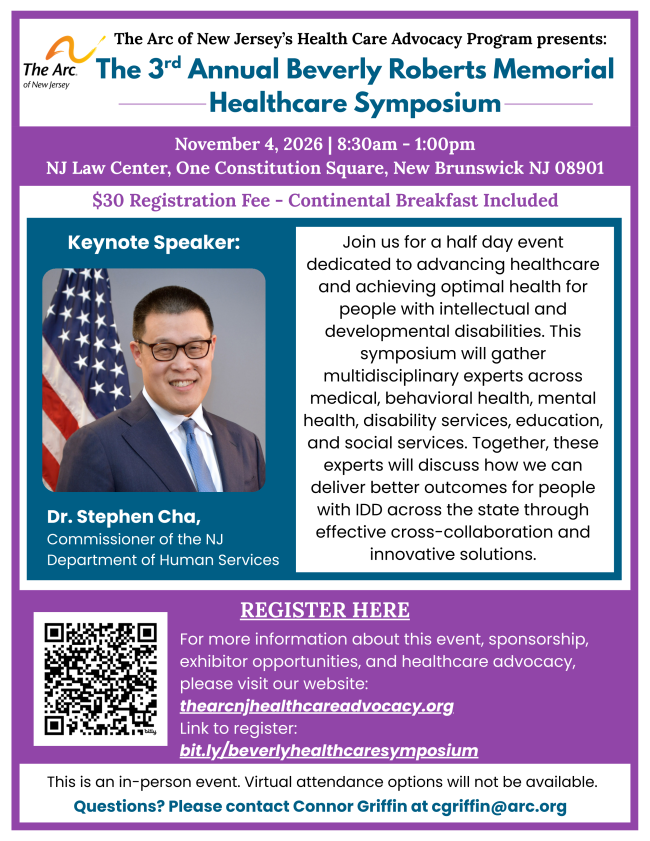
The 3rd Annual Beverly Roberts Memorial Healthcare Symposium
| |
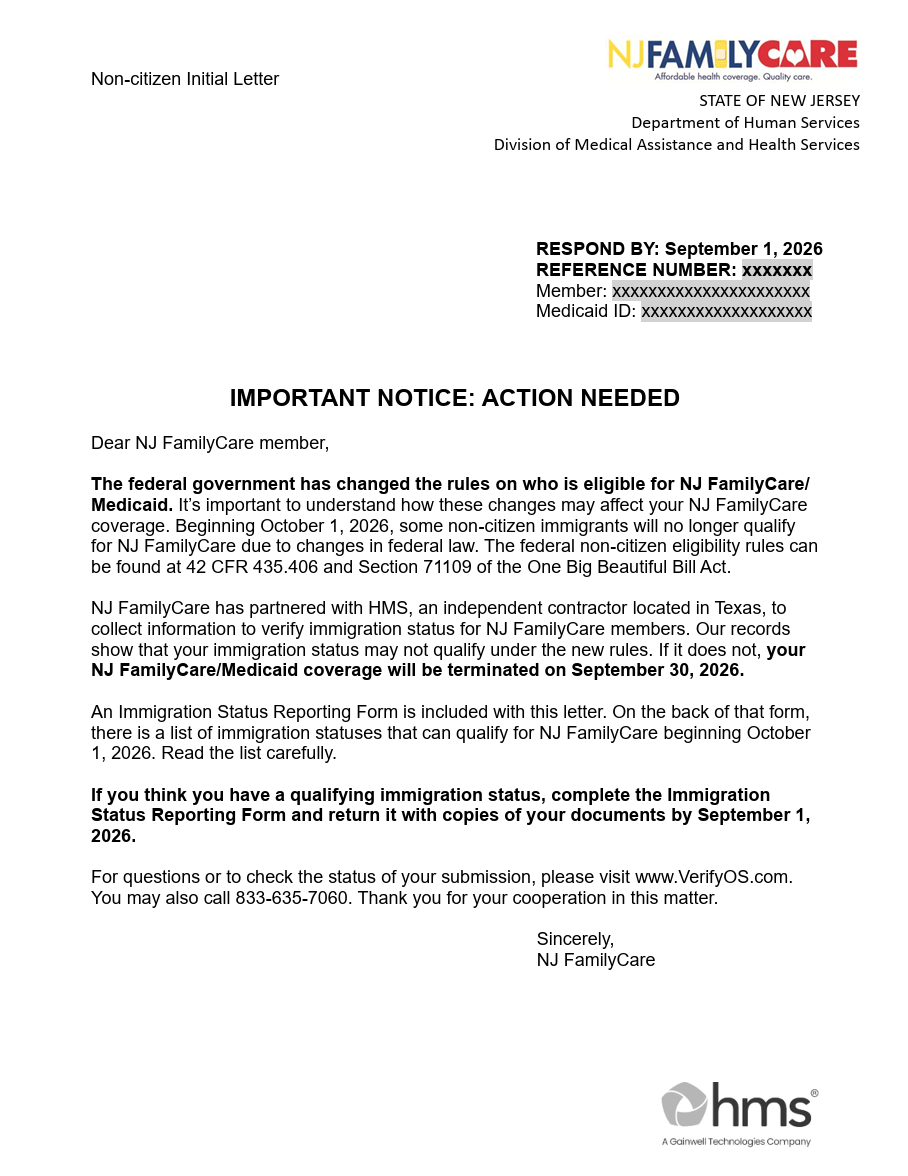
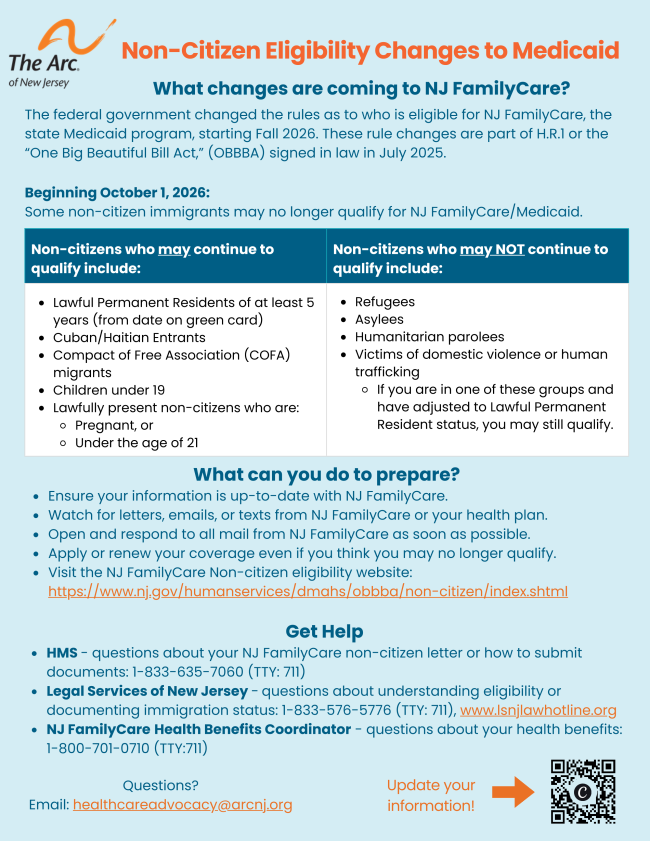
Federal Law Changes which Non-citizens Qualify for NJ FamilyCare/Medicaid Coverage.
New federal rules, signed into law July 2025, are changing who qualifies for NJ FamilyCare/Medicaid based on immigration status. Some lawfully present non-citizens will no longer qualify for coverage after September 30, 2026.
Take action now to help ensure your coverage:
1. Update your address so NJ FamilyCare can reach you.
2. Check your mail frequently for an official letter from NJ FamilyCare.
3. If you receive a letter, follow the instructions in the letter right away — don't
ignore it. You may need to send documents to help keep your coverage, and
even U.S. citizens may be asked to respond.
Many members will keep their coverage, and taking these steps is the best way to
ensure you remain covered. For the most up-to-date information, visit:
https://www.nj.gov/humanservices/dmahs/obbba/noncitizen.shtml
| |
Register for our Upcoming Webinar!
Navigating Recent Changes to Non-Citizen Eligibility in NJ FamilyCare
October 1, 2026
1:00 PM - 2:00 PM (ET)
| | New federal rules under H.R.1 are set to restrict Medicaid/NJ FamilyCare eligibility for many non-citizen adults starting October 1, 2026. Speakers from Legal Services of New Jersey (LSNJ) will provide an overview of these new rules, including who will be impacted, what changes to expect, and how to navigate the new requirements. | |
More than Half-Million NJ Medicaid Recipients Face Trump Work Rule
More than a half-million New Jersey residents are at risk of losing health insurance due to a federal law set to take effect in January, state health officials said.
A law passed by the Republican-majority Congress in summer 2025 requires people to prove that they work, volunteer or are in school for at least 80 hours per month if they are to use Medicaid.
The “community engagement” component, commonly called work requirements, will apply to more than 540,000 adults in NJ who receive medical services through Medicaid. That number may surge higher if the Centers for Medicare & Medicaid Services (CMS) finalize a pending rule to narrow the work requirement exemptions under the law, which starts January 1, 2027.
Read the full NJ Spotlight News article.
| |
New Jersey Calls on CMS to Simplify Medicaid Community Engagement Requirements to Protect Health Coverage
The New Jersey Department of Human Services submitted comments to the Centers for Medicare & Medicaid Services (CMS) urging changes to the federal interim final rule implementing new Medicaid community engagement requirements imposed under H.R. 1.
The Department's comments identify significant operational and administrative challenges that could unnecessarily jeopardize health coverage for eligible New Jerseyans and create substantial implementation burdens for states. The Division of Medical Assistance and Health Services (DMAHS) encourages CMS to adopt policies that are practical to administer, minimize unnecessary paperwork, and protect access to health care for eligible residents.
Read the full NJ DHS Press Release in English and Español
| | New Medicaid Fact Sheets! | | |
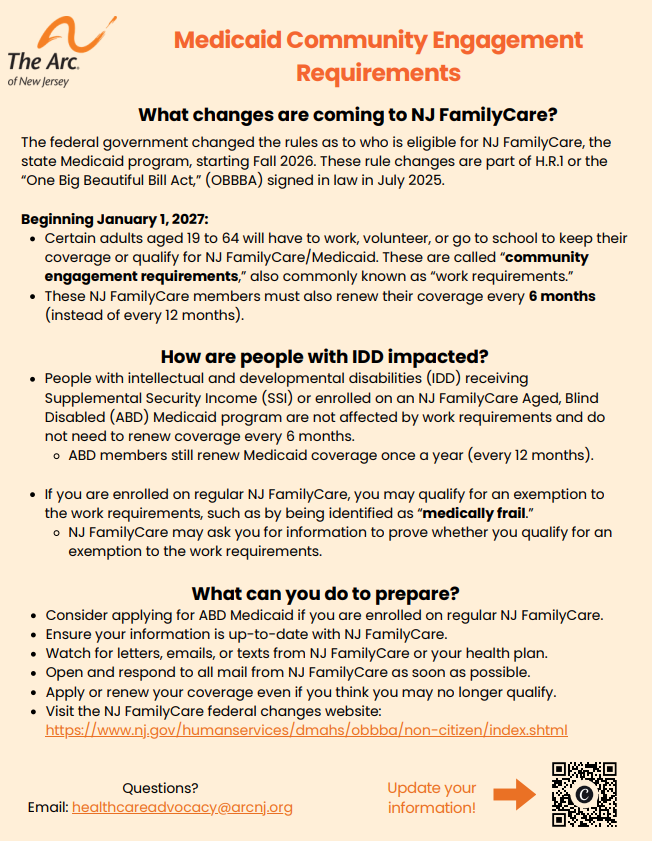
Medicaid Community Engagement Requirements
Beginning January 1, 2027 certain adults aged 19 to 64 will have to work, volunteer, or go to school to keep their coverage or qualify for NJ FamilyCare/Medicaid. These are called “community engagement requirements,” also commonly known as “work requirements.” Some adults may qualify for exemptions.
In early September, NJ FamilyCare began mailing the General Notice of Community Engagement/Work Requirements to Expansion Adult members who may be affected by OBBBA/H.R.1. Visit the NJ FamilyCare Community Engagement website.
| | |
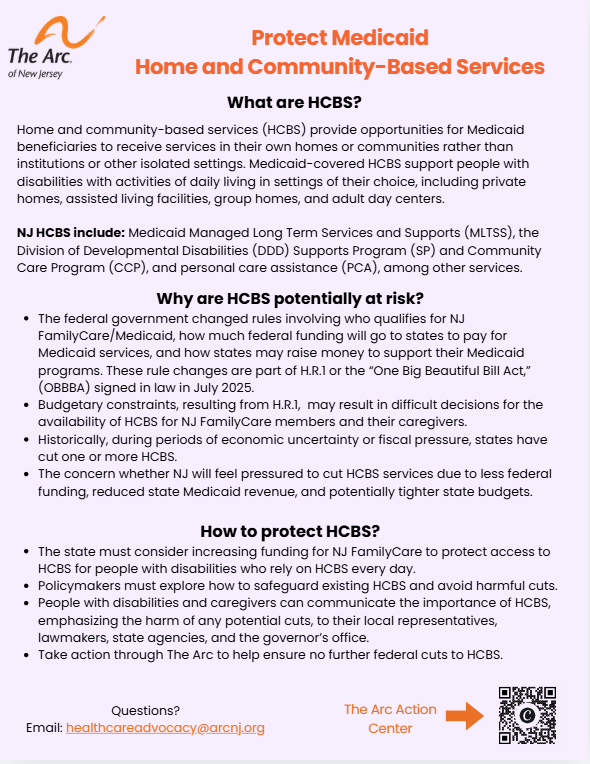
Protect Medicaid Home and Community-Based Services
Medicaid-covered HCBS support people with disabilities with activities of daily living in settings of their choice, including private homes, assisted living facilities, group homes, and adult day centers. HCBS includes Managed Long Term Services and Supports, Division of Developmental Disabilities services, and personal care assistance.
People with disabilities and caregivers can communicate the importance of HCBS, emphasizing the harm of any potential cuts, to their local representatives, lawmakers, state agencies, and the governor’s office.
| | Help Shape the Future of Care! Take a Short Survey | | |
For people with intellectual and developmental disabilities and their families, that can mean finding support at home, help with daily needs, or access to services, often without much say in how any of it works.
The Arc is proud to be part of 1 Million Care Conversations, a national effort to listen to people across the country about what care looks like in their lives: what's working, what isn't, and what it would take to thrive.
Take a short survey and share your experience. This survey is about listening closely to what people need and the solutions they can get behind. What we hear will shape the future of care, built by the people who live it rather than decided for them.
| |
New Jersey Human Services Announces $16.45M Investment to Open Crisis Receiving and Stabilization Centers as Part of State’s 988 Continuum of Care
On Wednesday, August 19th, New Jersey Human Services announced $16.45 million in funding to support the implementation of Crisis Receiving and Stabilization Centers (CRSCs), strengthening New Jersey’s behavioral health crisis response system and expanding the continuum of care available through the 988 Suicide & Crisis Lifeline.
CRSCs are a critical component of a comprehensive crisis care system, providing individuals experiencing a behavioral health crisis with an alternative to emergency departments or law enforcement when a hospital or other higher level of care is unnecessary. The centers are designed to offer immediate assessment, stabilization, treatment, and connection to ongoing behavioral health services in a welcoming, community-based setting.
Read the NJ DHS Press Release in English or Español
| |
Bridgeway Clinicians Earn Certified Autism Specialist Credentials, Expanding Behavioral Health Expertise Across New Jersey
Bridgeway Behavioral Health Services has expanded its clinical expertise and capacity to serve children, adolescents and adults with autism and intellectual and developmental disabilities (IDD) who also experience mental health or co-occurring behavioral health needs.
Three Bridgeway outpatient clinicians recently completed specialized training through the International Board of Credentialing and Continuing Education Standards (IBCCES) and earned the Certified Autism Specialist (CAS) credential
Read the article.
| |
Housing Opportunities for Individuals Transitioning from Nursing Homes or Other Institutional Settings
The NJ Division of Developmental Disabilities (DDD) is working with service providers to develop housing for people with intellectual and developmental disabilities (IDD) who are moving out of a nursing home or other institutional setting.
To live and get services in these homes, a person must:
- Be eligible for DDD services
- Be enrolled in the DDD Community Care Program
If you or someone you know lives in a nursing home, developmental center, or psychiatric hospital and would like to learn about housing options in the community:
| | | |
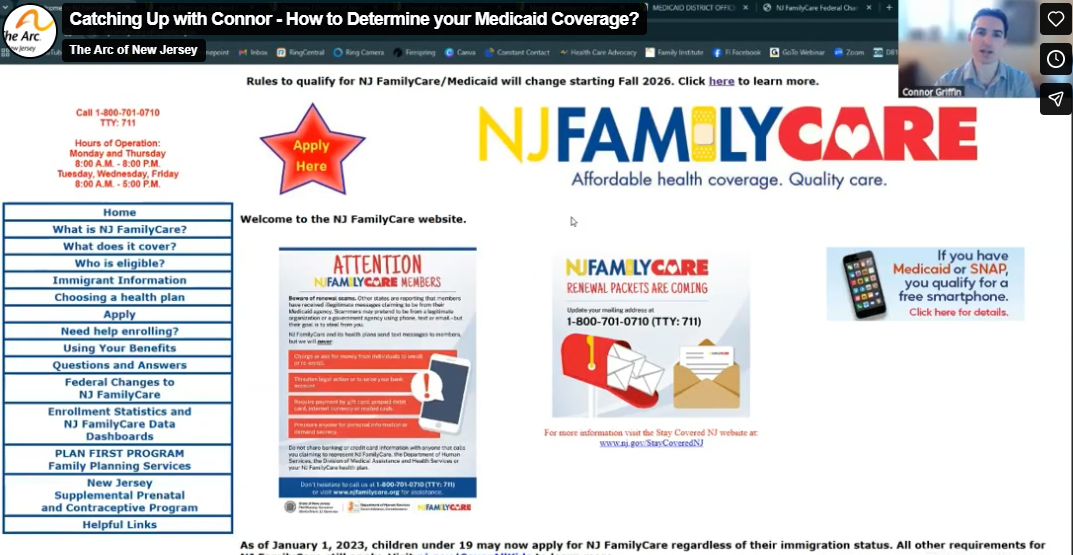
Catching Up with Connor
Join us every other Thursday at 2:30pm for these livestream videos, featuring 10-15 minute educational talks on health care issues, news, and other key topics for individuals with IDD and their families.
No registration is required, but please leave a like and comment what topics you would like to see in the future!
| | | |
Virtual Office Hours
The Health Care Advocacy Program hosts virtual office hours on Mondays from 1:00pm - 3:00pm.
| |
Meet with Connor Griffin, Director of Health Care Advocacy, to discuss healthcare questions, such as Medicaid, Medicare, or Social Security inquiries, which affect your family member or person with IDD you support.
The Director meets with registrants on a first-come, first-served basis and time is limited to 20 minutes, as needed. You may need to queue in the Zoom waiting room if the Director is already meeting with someone. Your patience is appreciated!
| | You are encouraged to share this information with others who may also be interested. However, if you are forwarding this email, please delete the "unsubscribe" link at the bottom of this page. If you do not remove the "unsubscribe" option and a person who receives your forwarded email clicks "unsubscribe," it would result in your name being removed from our distribution list. | | | | |