|
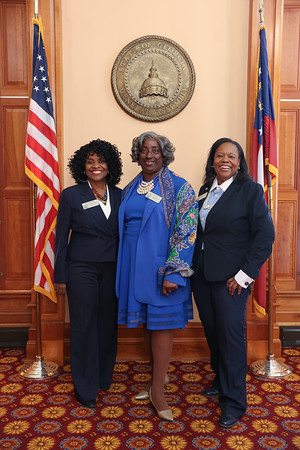
State Representatives Sandra G. Scott, Viola Davis, and Kim Schofield have called on Georgia's congressional delegation to ensure full funding for the Low-Income Home Energy Assistance Program (LIHEAP), the Supplemental Nutrition Assistance Program (SNAP), and Medicaid. This appeal follows a significant reduction in Georgia’s LIHEAP allocation, which fell from over $159 million in 2023 to just above $93 million in 2024.
The representatives described the funding cut as a "humanitarian crisis," highlighting its potential impact on vulnerable groups such as seniors, veterans, and people with disabilities who may lose access to essential heating and cooling services. Rep. Scott stated, “You cannot preach about freedom and prosperity while turning off the heat in a grandmother’s home,” adding that cutting LIHEAP is "not fiscal responsibility—it is moral failure."
Rep. Davis emphasized the reliance of both rural and urban families on these programs for survival, warning that cuts could lead to increased hunger and poverty. She said, “Cuts will increase hunger, deepen poverty and cost our state more in the long run.”
Rep. Schofield underscored that SNAP and Medicaid are crucial acts of justice rather than entitlements: “To cut these programs is to turn our backs on the very people we were elected to serve.”
The representatives collectively stressed the importance of protecting Medicaid and SNAP due to their role as federal safety nets for Georgians. They noted that more than two million Georgians benefit from Medicaid, including nearly half of all births statewide and most nursing home residents. Additionally, there are 1.4 million SNAP recipients in Georgia, with over half being children, seniors or individuals with disabilities.
They warned that reducing these programs would result in billions lost in Medicaid matching funds, endangering hospitals and healthcare jobs while increasing food insecurity for over 700,000 households. The resulting economic strain could lead to higher costs for taxpayers due to emergency medical services needs, educational performance gaps among students, and broader social instability.
The letter concludes by urging congressional leaders not to balance the federal budget at the expense of vulnerable populations: “We cannot balance the federal budget on the backs of the poor, the elderly or the disabled.”
For further information regarding this issue or initiative led by Reps. Scott, Davis or Schofield please contact Rep. Davis at viola.davis@house.ga.gov.
|