May 4, 2026 | Issue No. 42

Great Tulsa Clean Up: By the Numbers


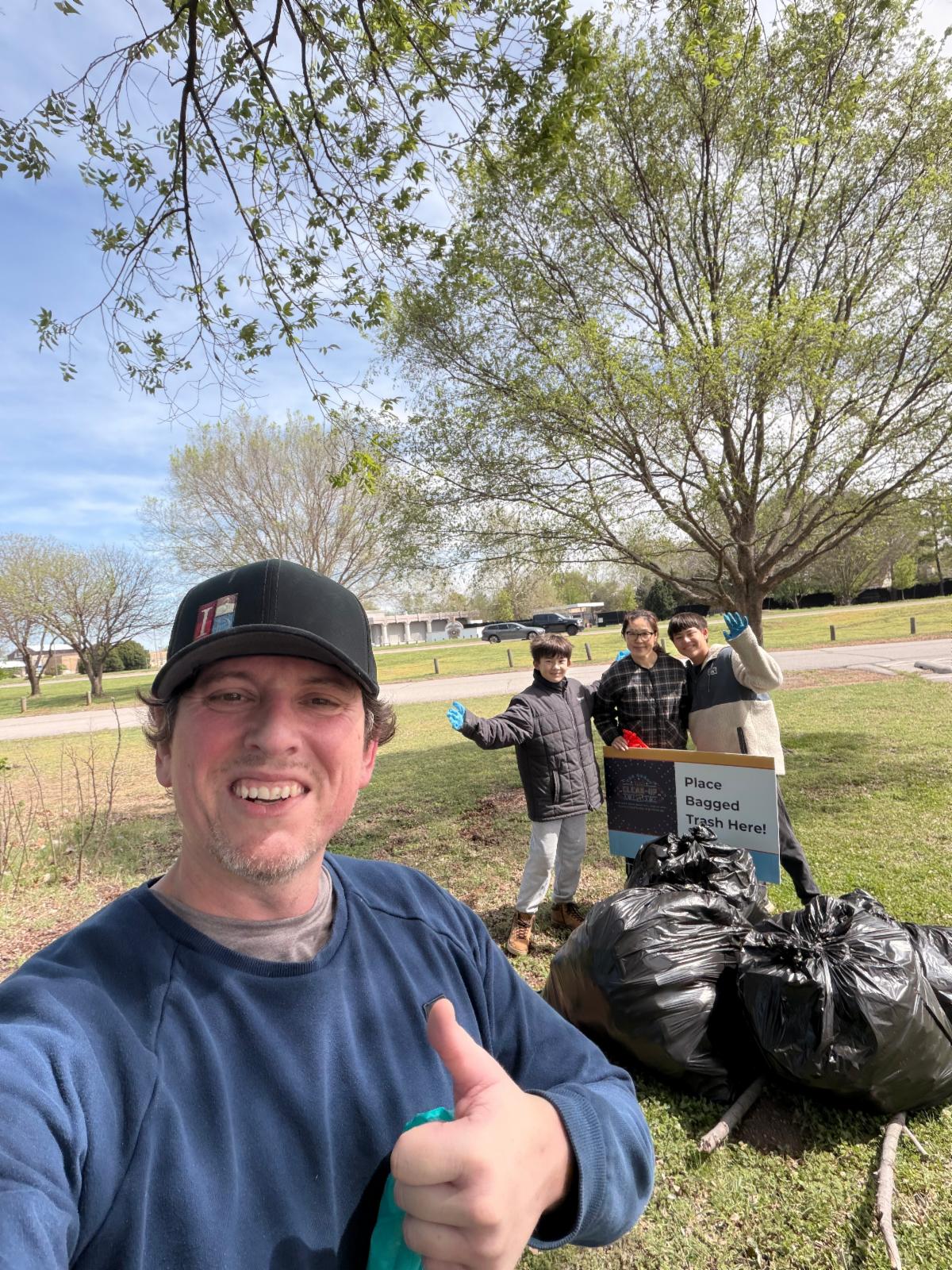
The City of Tulsa commends the outstanding community support during the 2026 Great Tulsa Clean-Up. This year’s event was the most successful in the cleanup’s history, with more than 1,300 volunteers participating in cleaning up 46 locations. Participants grew by more than 30%, a triumph to the dedication of Tulsa residents in their amazing efforts to save our streams.


Over 1,300 volunteers picked up litter across local parks, creeks and public spaces across Tulsa. These efforts make a direct and lasting difference in the health of Tulsa’s waterways and water quality.


The Stormwater Quality Division is grateful to every volunteer who gave their time on Earth Month to participate in the Great Tulsa Clean-Up and helping keep Tulsa and our streams beautiful. To learn more about how you can do more to protect our stream please visit: tulsastreams.com


Aquatic Caterpillars: Unlikely Indicators of Stream Health

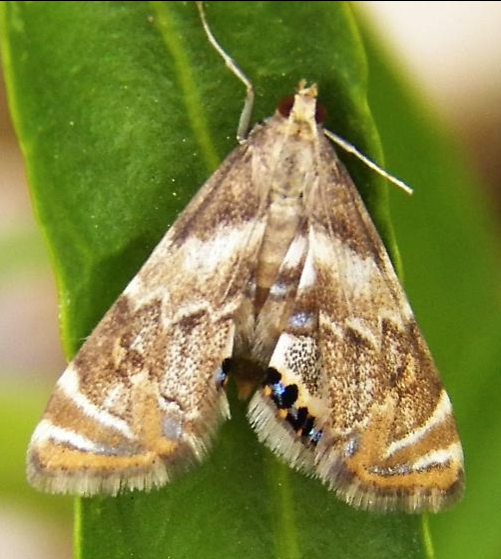
Butterflies and moths belong to Lepidoptera, one of the largest orders of winged insects. While most butterfly and moth larvae live on land, a small fraction spend their larval stage entirely underwater, living among aquatic plants or the rocky substrate of streams and rivers.


Aquatic caterpillars are typically found in clean, well-oxygenated, flowing water, where they breathe through gills or by trapping air. These specialized, herbivorous insects feed on plant foliage, algae and diatoms found on rock surfaces. When ready to pupate, the larvae construct a cocoon using silk and leaves within the water.


Macroinvertebrates are widely used to assess the health of freshwater streams because they reflect long-term environmental conditions, unlike chemical sampling, which captures only a single point in time. Aquatic caterpillars are often overlooked in favor of more commonly studied insects such as mayflies, stoneflies and caddisflies. However, they serve as sensitive biological indicators, and their presence in a stream is a strong signal of good water quality.

Low Impact Development: A Smarter Approach to Stormwater


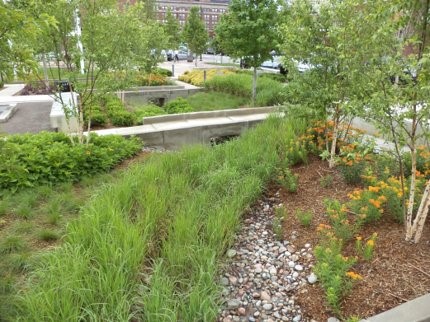
Low impact development has become one of the most important approaches to improving stormwater quality in communities across the country. The design strategy focuses on using or maintaining a site’s natural hydrology after development is complete. Common examples include permeable concrete or pavers, rain gardens, green roofs and rainwater harvesting systems.


In watersheds with a high concentration of impervious surfaces, pollutants enter streams at greater concentrations and at a faster rate than in areas with more natural ground cover.

Impervious surfaces also accelerate stormwater runoff, which can lead to erosion in nearby creeks and streams. Low impact development slows that runoff, allowing water to infiltrate the ground gradually. That slower movement enables natural filtration of harmful pollutants before they reach a nearby waterbody.


Tulsa residents can incorporate low impact development at home by installing a rain barrel for rainwater harvesting.

Home and Garden show booth with visitors.

2026 Home and Garden Show Recap


The Stormwater Quality community outreach team participated in the 2026 Home and Garden Show in March. Approximately 10,000 guests visited our booth at the Tulsa Expo Center, where more than 400 vendors were on hand. Staff distributed more than 10,000 giveaway items and educational materials.


Visitors also had the chance to win a rain barrel by completing a survey, with 263 surveys submitted. Winners will be selected later this month. The booth also featured several live local fish species, including stonerollers, orange-throated darters, sunfish, mosquitofish, red shiners, madtoms and a bluntnose minnow, which were displayed in 75-gallon tanks over the course of the event.


Thank you everyone who stopped by the booth this year to learn more on how to save our streams.


Connect with us
Facebook  Twitter  Instagram  Youtube