We still don't know what's driving the trend, and numbers remain unacceptably high
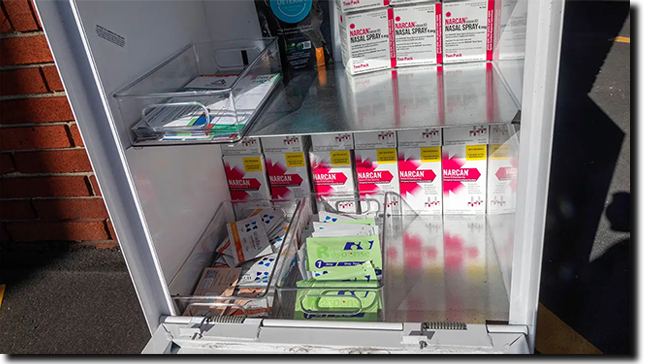
The CDC released preliminary data showing U.S. drug overdose deaths dropped last year by more than 10%. This has been particularly newsworthy in the context of the ongoing "opioid epidemic" and heavy political campaigning around the dangers of fentanyl. Most noteworthy is that it marks the lowest annual death toll since 2020, and the first decrease since 2018. While it is preliminary data, it has already been extensively verified. In fact, this is a revision of earlier preliminary data, and now shows even fewer deaths than previously thought. The final number could go even lower.
This has been widely celebrated as good news by any metric. As it should be! If you are one of the many people who has personally been affected by this crisis, you can appreciate what it means knowing that thousands fewer people likely died last year than in preceding years, and there were thousands fewer moments of heartbreak and lives lost. This also ends the streak in record-breaking deaths every year, and could signify a reversal in the trend of overdoses, which have increased almost every year for more than the past three decades.
Now that deaths are finally falling, what lessons can we take from this and what can we do to continue -- and even extend -- this trend?
Read More
| |
Two federal court decisions now hold that fat-derived stem cell treatment is a drug
A federal court has once again ruled against a stem cell clinic, siding with the FDA that fat-derived stem cell treatments are a "drug" and should be regulated as such.
The 9th Circuit Court of Appeals determined that stromal vascular fraction (SVF) -- a mixture of stem cells, other cells, and cell debris spun down from patients' own fat cells -- is a drug, and is not exempt under FDA's "same surgical procedure" exception.
"SVF is now definitively a drug. The FDA can regulate them as a drug throughout the U.S.," Paul Knoepfler, PhD, a stem cell expert at the University of California Davis, wrote on his blog. "This is important for several reasons. In Florida and another state, some patients who received SVF lost their vision. There have been other side effects as well."
Read More
| |
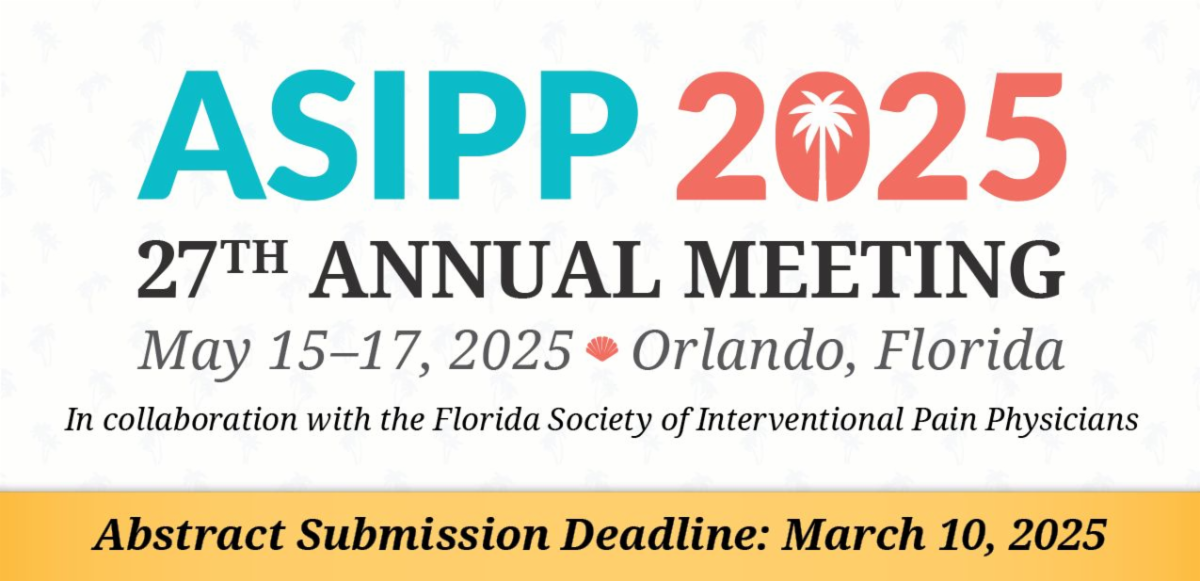
Abstract submissions are open for ASIPP's 2025 Annual Meeting!
The abstract submission deadline is March 10, 2025.
Don't miss this opportunity to share your insights and
help shape the future of pain management.
| |
|
While there's been progress across government and industry, the agency said the new technology strategy emphasizes health equity, public health, AI and cybersecurity to better connect the health system with health data "for all health IT users."
The Assistant Secretary for Technology Policy within the Office of the National Coordinator for Health Information Technology has published its final 2024-2030 Federal Health IT Strategy, which seeks to enhance care delivery and experiences for patients, caregivers, healthcare providers, public health professionals and others in the healthcare continuum.
By focusing on person-centered, inclusive design as the first of its federal health information technology principles, ASTP says the plan seeks to "strengthen individual's ability to securely access and use their own health information to take greater control over their own health."
Read More
| |
|
Former mentors may need space to move on from their professional lives
by Arthur Lazarus, MD, MBA
Reconnecting with former mentors can be both a nostalgic and enlightening experience, often offering insights into how our past influences have shaped our present. Recently, I decided to reach out to three physicians who played pivotal roles early in my career. Now in their 80s, these mentors each left an indelible mark on my professional journey. To rekindle our connection, I sent them an essay I had recently published about the importance of revoking reverence for unethical physicians, a topic I believed would resonate with their experiences and values.
Given our shared history and the gravity of the subject matter, I anticipated a thoughtful and engaging dialogue. However, the responses I received were unexpectedly brief and somewhat detached.
Doctor A, an infectious disease specialist, acknowledged the essay with a succinct, "Thanks, Arthur. This is an important issue, one that is sometimes hard to navigate. Be well." His response, though polite, lacked the depth of engagement I had hoped for, leaving me wondering about his current perspective.
Read More
| |
|
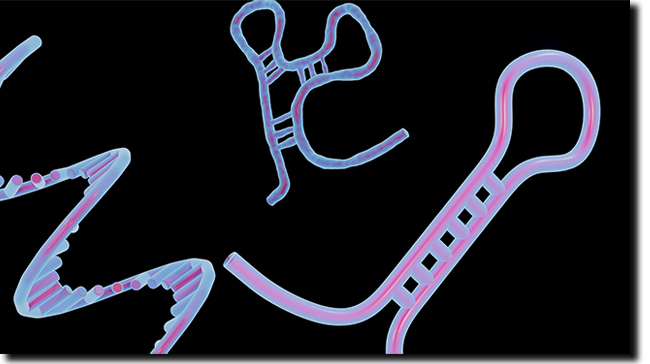
This year, the Royal Swedish Academy of Sciences is honoring two US researchers with the Nobel Prize in Medicine for the discovery of a fundamental principle of how gene activity is regulated. Victor Ambros, PhD, a researcher at the University of Massachusetts Chan Medical School in Worcester, Massachusetts, and Gary Ruvkun, PhD, professor of genetics at Harvard Medical School in Boston, discovered microRNAs, a new class of RNA molecules.
"Their groundbreaking discovery in the small worm Caenorhabditis elegans revealed a completely new principle of gene regulation. This turned out to be essential for multicellular organisms, including humans," said the Nobel Assembly in a statement.
Protein Expression
Genetic information flows from DNA during transcription to messenger RNA (mRNA) and then to protein biosynthesis. In that stage, mRNAs are translated so that proteins are produced according to the genetic instructions stored in the DNA.
Read More
| |
|
Virtual
October 26, November 9,
and December 14
Click here for the complete list of upcoming exams.
ABIPP Part I; ABIPP Path - Combined DCCPM/CSM virtual exam;
ABIPP Competency Exam in IPM; ABIPP Competency Exam in Regenerative Medicine;
CSM Competency Exam; DCCPM Competency Exam
| |
|
A Carnegie Mellon University professor who specializes in responsible AI and generative AI discusses their importance in healthcare and combining the two – which can be tricky.
Responsible artificial intelligence is basically the only way to go if one is implementing AI technology at their hospital or health system. It is crucial that AI, as complex and important as it is, be trustworthy.
Anand Rao is a service professor at Carnegie Mellon University's Heinz College. He is an expert in responsible AI, economics of AI and generative AI. He has focused on innovation, business and societal adoption of data, analytics and artificial intelligence over his 35-year consulting and academic career.
Previously, Rao was the global artificial intelligence leader at consulting giant PwC, a partner in its data, analytics and AI practice, and the innovation lead for AI in PwC's products and technology segment.
Read More
| |
Registration is open for
ASIPP's 2025 Annual Meeting
We would love it if you would register and join us in Orlando!
| |
|
The answer is complicated
Healthcare has long been considered "recession-proof," meaning that even when other industries are ailing and laying off workers, hospitals, physician practices, other providers, and insurers are somehow immune.
However, this idea doesn't always hold, nor does the opposite concept: that healthcare suffers when the general economy is booming. Healthcare is 17.3% of our GDP, with spending growing by 4.1% in 2022 (even after the pandemic). But "healthcare" as a sector is not a monolith; it consists of medical services, pharmaceutical companies, insurance providers, healthcare IT, medical equipment, and other healthcare-related services. Macroeconomic factors may have varying impacts on each subsector.
Healthcare doesn't "always" do well and the results can be mixed in subsectors. The U.S. economy is currently growing -- up 3% in the last quarter -- and the economic outlook has improved as inflation has cooled. Some sectors of healthcare, like the pharmaceutical industry and health insurance markets, are expected to grow at 6.15% and 9.8%, respectively, over the next few years. Meanwhile, physician groups have had a much different result, suffering continued losses in part because how healthcare is paid changes by economic incentives, reducing private payer reimbursements, inflation, and regulatory policy (i.e., the physician fee schedule or Medicare Part C rates).
Read More
| |
- ASIPP Members Only Site Information - | |
-
To log in for the first time you will need to click “forgot password” at the bottom of the login window.
- Check your email and then log in as directed.
-
If you have problems logging into your account, click here.
| |
|
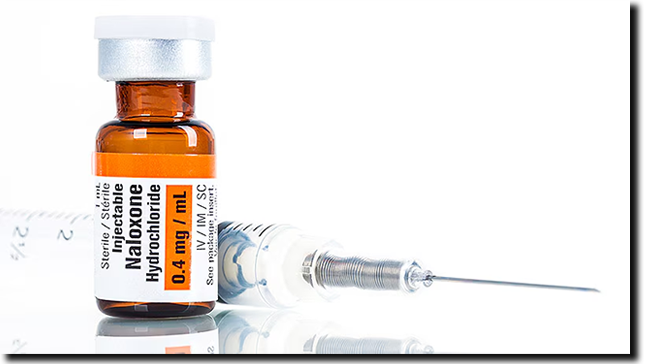
More than half of youth improved after receiving a dose of naloxone by emergency medical services (EMS) after an emergency dispatch call, according to research presented on September 29 at the American Academy of Pediatrics (AAP) 2024 National Conference.
"Emergency responders or EMS are often the first to arrive to an opioid poisoning, and they're often the first to give naloxone, a potentially lifesaving medication," said Christopher E. Gaw, MD, MPH, MBE, an assistant professor of pediatrics at The Ohio State University College of Medicine and an emergency medicine physician at Nationwide Children's Hospital in Columbus, Ohio.
"Our study highlights and underscores its safety of use in the prehospital setting, and this is also supported by other data," Gaw said. "Efforts to support public distribution and education on naloxone can really help each and every one of us as individual citizens prevent pediatric harm from the opioid crisis."
Read More
| |
|
Pain Medicine Case Reports (PMCR) and Editor-in-Chief Alaa Abd-Elsayed, MD, PhD would like to invite you to submit case reports and case series to the PMCR journal. Your article will be published free of charge.
Open access journals are freely available online for immediate worldwide open access to the full text of published articles. There is no subscription fee for open access journals. Open access journals are no different from traditional subscription-based journals: they undergo the same peer review and quality control as any other scholarly journal.
Interested in becoming a member of the PMCR Editorial Board?
Editorial board members are asked to review 2-6 manuscripts per year. Please submit your most up-to-date CV to sgold@asipp.org for consideration.
For more information or to submit your articles, click here.
| |
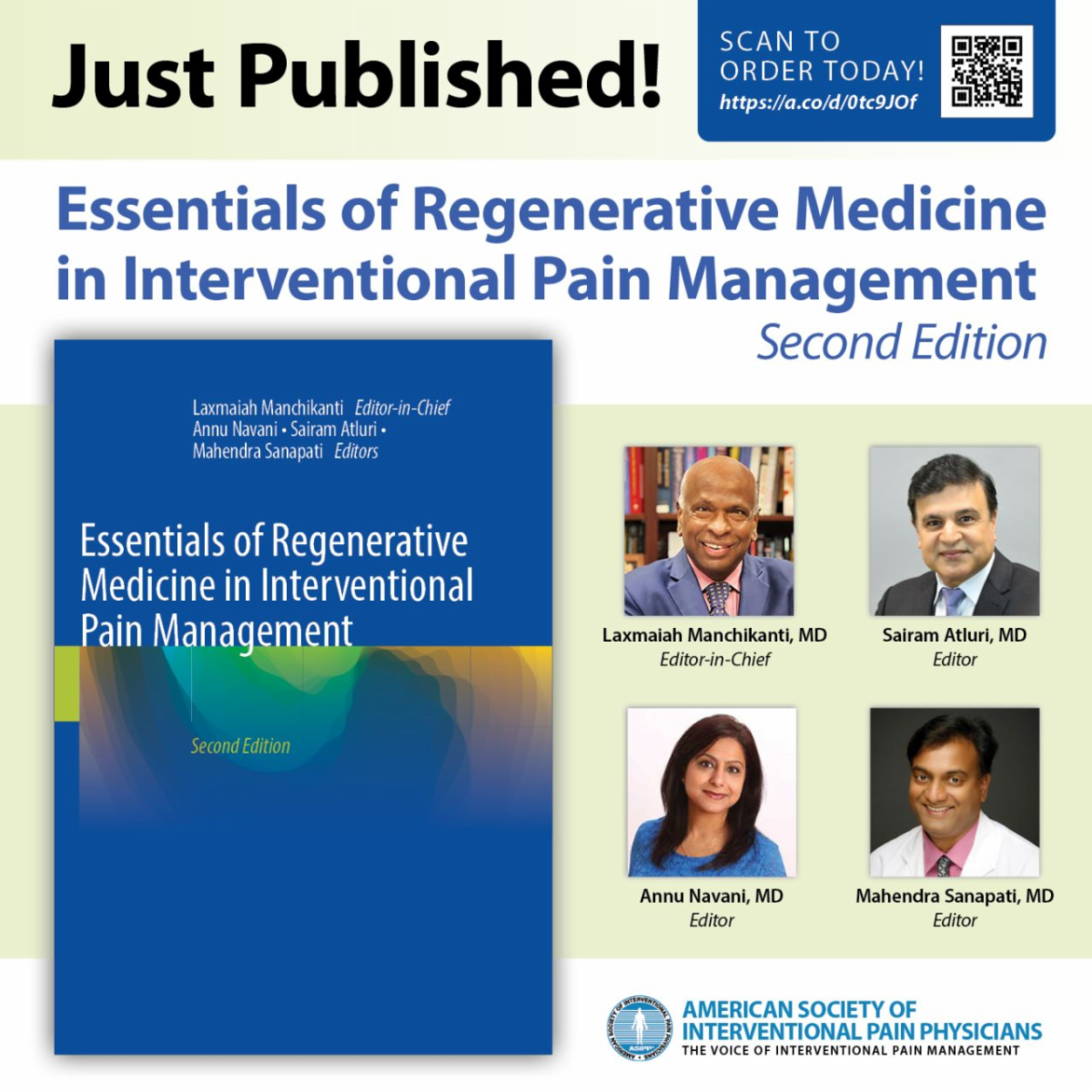
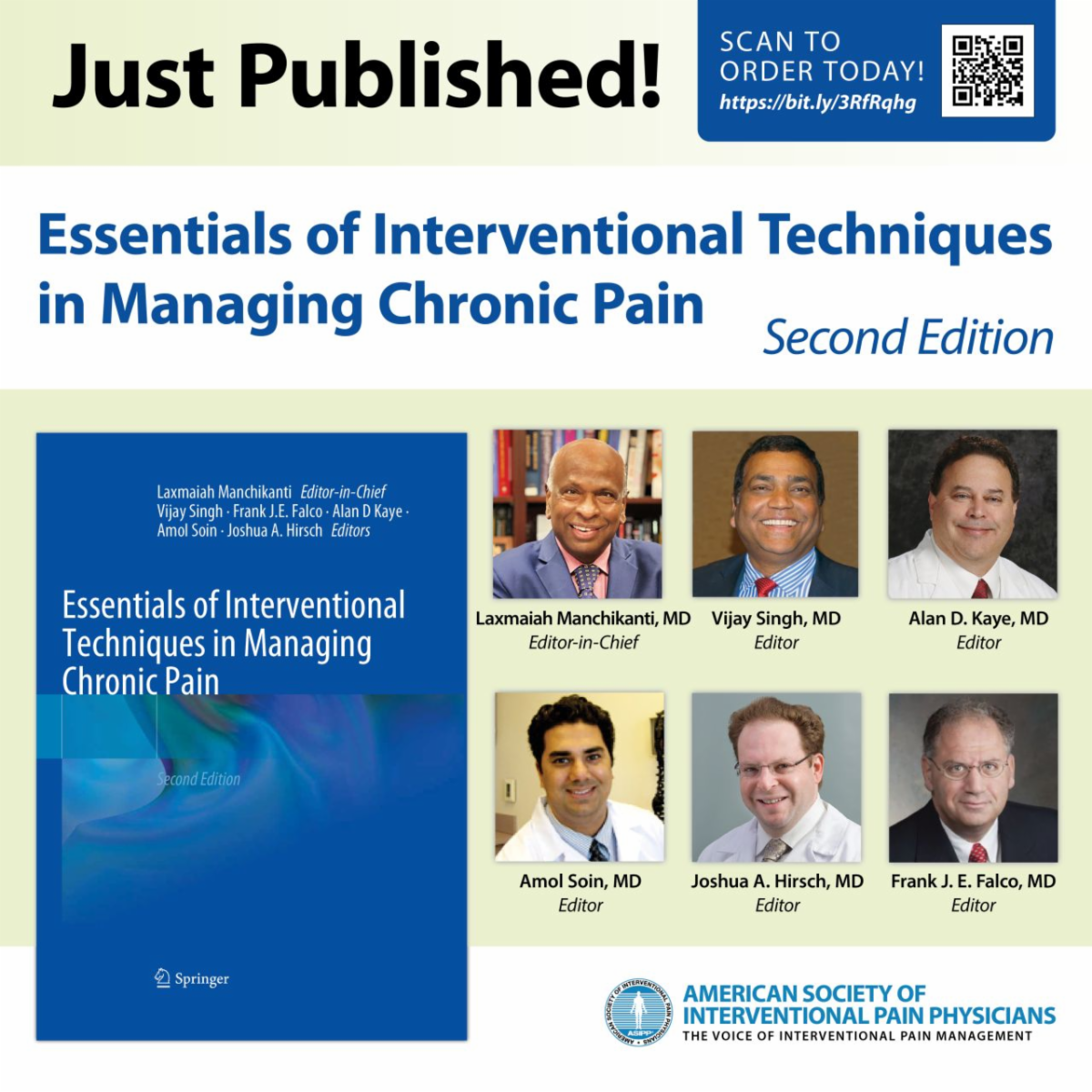
New edition now available! | |
RETROSPECTIVE CHART REVIEW | |
|
Trishul Kapoor, MD, Richard Rosenquist, MD, and Jijun Xu, MD, PhD
Abstract
Background: Trochanteric bursitis is one of the most common causes of lateral hip pain. Although fluoroscopic-guided greater trochanteric bursa injections (FGTBIs) are commonly performed, literature describing techniques and methods focused on accuracy and precision is scarce.
Objectives: In this case report, we describe an innovative target crosshair method (TCM) to help improve FGTBI procedural accuracy and precision under fluoroscopic guidance.
Study Design: The design of this study is a retrospective chart review in the form of a technical methodology report.
Setting: This study was completed at a large tertiary academic medical center.
Methods: The TCM utilizes anteroposterior (AP) and lateral fluoroscopic views of the proximal femur in order to draw a vertical line (AP) at the level of the junction of the femoral neck, trochanteric fossa, and greater trochanter (GT), and a horizontal line (craniocaudal) along the lateral hip designating the posterior half of the GT.
Results: Three patients with body mass indexes ranging from 35-40 successfully underwent FGTBI using the TCM for greater trochanteric syndrome causing lateral hip pain. All patients experienced > 70% analgesic relief for 4 to 6 months. There were no adverse events reported by any of the patients.
Limitations: The limitations of this study include the inability to generalize results due to a small sample size and the inherent nature of the study design as a retrospective chart review. The primary intention of this study is to describe a novel technical method.
Conclusions: The TCM results in an accurate path for skin and subcutaneous tissue local anesthetic injection and a final needle tip landing site for corticosteroid injection regardless of patient body habitus.
Key words: Trochanteric bursitis, injection, techniques, case report
Read More
| |
New edition now available! | |
|
Bintang Soetjahjo, MD, PhD, Denny Adriansyah, MD, Mochammadsyah Beizar Yudistira, MD, Alif Noeriyanto Rahman, MD, Herry Herman, MD, and Sudhir Diwan, MD
Abstract
BACKGROUND: Radiofrequency ablation (RFA) is a form of therapy for knee osteoarthritis (OA) pain that has become more popular in recent years. In addition to standard RF approaches, there are cooled and pulsed options. RFA could be used to treat the superolateral, superomedial, and inferomedial branches of the genicular nerves. Pulsed and cooled RF ablation on the genicular nerve to treat knee OA pain, however, has not yet been shown to be effective.
OBJECTIVES: We conducted a meta-analysis to assess nonconventional, pulsed or cooled, RFA on the genicular nerve to treat knee OA pain; intended our study to provide useful information in deciding whether to use nonconventional RFA because of its effectiveness.
STUDY DESIGN: Meta-analysis study of nonconventional, pulsed or cooled, RFA on the genicular nerve to treat knee OA pain.
METHODS: PubMed, Ovid MEDLINE, Scopus, and Cochrane Central were searched for eligible papers. In our literature review, procedures, posttreatment outcomes, follow-up data, and adverse events were compiled and analyzed from the selected studies. The National Heart, Lung, and Blood Institute Quality Assessment tool was used to assess therapeutic relevance and evidence strength. Our meta-analysis analyzed pre- and posttreatment pain and physical function scores. The primary outcome was pain measured with either the Visual Analog Scale or the Numeric Rating Scale. The secondary outcome was physical function measured with the Western Ontario and McMaster Universities Osteoarthritis Index (WOMAC) score.
RESULTS: Our systematic review and meta-analysis includes 11 eligible publications (604 patients). Both cooled and pulsed RFA procedures targeting the genicular nerve resulted in considerable pain reduction at post one, 3, 6, and 12 months (P < 0.005). There was no significant improvement in physical function outcome for the cooled RFA technique in all follow-up visits. There was a significant improvement in physical function outcome for the pulsed RFA technique at the one-month and 3-month follow-up visits.
LIMITATIONS: Limitations include that there are a limited number of randomized controlled trials available, the methodology utilized for comparison is based on the change in outcome between baseline and follow-up visits. There are only a few papers that have reported physical function outcomes in complete WOMAC rating data.
CONCLUSION: At the 6-month follow-up, both cooled and pulsed RFA targeting the genicular nerve provided significant osteoarthritic pain alleviation. There is no different in pain relief between cooled and pulsed RFA targeting the genicular nerve for treating knee osteoarthritis. There was no significant functional improvement of cooled RFA in all follow-ups, but there was a significant functional improvement of pulsed RFA up to 3-month follow-up. According to our study, knee osteoarthritis pain can be efficiently treated with pulsed and cooled radiofrequency with few adverse effects.
KEY WORDS: Radiofrequency, pulsed radiofrequency ablation, cold radiofrequency ablation, pain intervention, osteoarthritis, genicular nerve
Read More
| |
|
Qi hong Shen, MD, Yue-zhong Lv, MD, Ya-fen Shi, MD, Lan Lai, MD, Yan-jun Chen, MD, and Qing-he Zhou, PhD
Abstract
BACKGROUND: Prior research has suggested that the rhomboid intercostal block (RIB) may contribute to postoperative analgesia after surgeries of the chest and breast
OBJECTIVE: To explore the effectiveness and safety of RIB for postoperative analgesia, as well as whether RIB is superior to other types of nerve blocks.
STUDY DESIGN: A systematic review and meta-analysis.
SETTING: Querying electronic databases, including the Cochrane Library, PubMed, Embase, and Web of Science, was part of the process in searching for eligible clinical trials for this meta-analysis and systematic review.
METHODS: The Cochrane Collaboration’s tool for quality evaluation was utilized in assessing the bias risk in the selected randomized controlled trials (RCTs). meta-analysis was facilitated through the utilization of Review Manager 5.3. The determination of the evidence’s quality adhered to the Grading of Recommendations Assessment, Development, and Evaluation (GRADE) approach.
RESULTS: After the inclusion and exclusion criteria were established, the incorporation of 8 RCTs, encompassing 714 patients, took place. During the first 24 hours after the operation, patients in the RIB group exhibited lower pain scores and less opioid consumption than did those in the no-block group. Furthermore, a decrease in the incidence of postoperative vomiting and nausea was noted in the RIB group. Nevertheless, when comparing outcomes, it was revealed that the RIB group and the other nerve block group did not differ significantly.
LIMITATIONS: No subgroup analysis to investigate the sources of heterogeneity was performed. The number of studies in this meta-analysis of RIB compared to those that focus on other types of nerve block is relatively small. The optimal concentrations and volumes of local anesthetics were not evaluated.
CONCLUSIONS: RIB may be a new option for pain relief after chest and breast surgery.
KEY WORDS: Rhomboid intercostal block, pain score, opioid consumption
Read More
| |
|
ASIPP is now in collaboration with Curi Medical Liability Program
| |
|
Since this malpractice insurance program officially launched in November 2018, ASIPP has signed up hundreds of providers with an average savings of 30%. This is professional liability insurance tailored to our specialty and will stand up for us and defend our practices.
Curi is a full-service advisory firm that serves physicians and their practices. Their valued advice is grounded in your priorities and elevated in your outcomes. They are driven by a deep understanding of your specific circumstances in medicine, business, and life. To read a few important points to keep in mind about the program, including discounts, administrative defense, cyber coverage, aggressive claims handling, and complimentary risk management CME activities, visit our website.
| | |
|
Group Purchasing Organization Offer Better Pricing and Creates Added Value
ASIPP has formed a partnership with Henry Schein and PedsPal, a national GPO that has a successful history of negotiating better prices on medical supplies and creating value-added services for independent physicians. Working with MedAssets, PedsPal provides excellent pricing on products like contrast media that alleviate some of the financial pressures you experience today.
Learn More
| |  |
|
ASIPP, Fedora Healthcare Solutions Partnership
ASIPP offers our members the benefit of a unique revenue cycle management/ billing service.
We have received a tremendous amount of interest in the ASIPP billing and coding program.
Click here to learn more about the negotiated rate for practices and more!
| |
|
Like and follow ASIPP® on Facebook, X, and LinkedIn for the most
up-to-date news related to you, your practice, and your patients!
| | | | |