When the Timeline Shifts

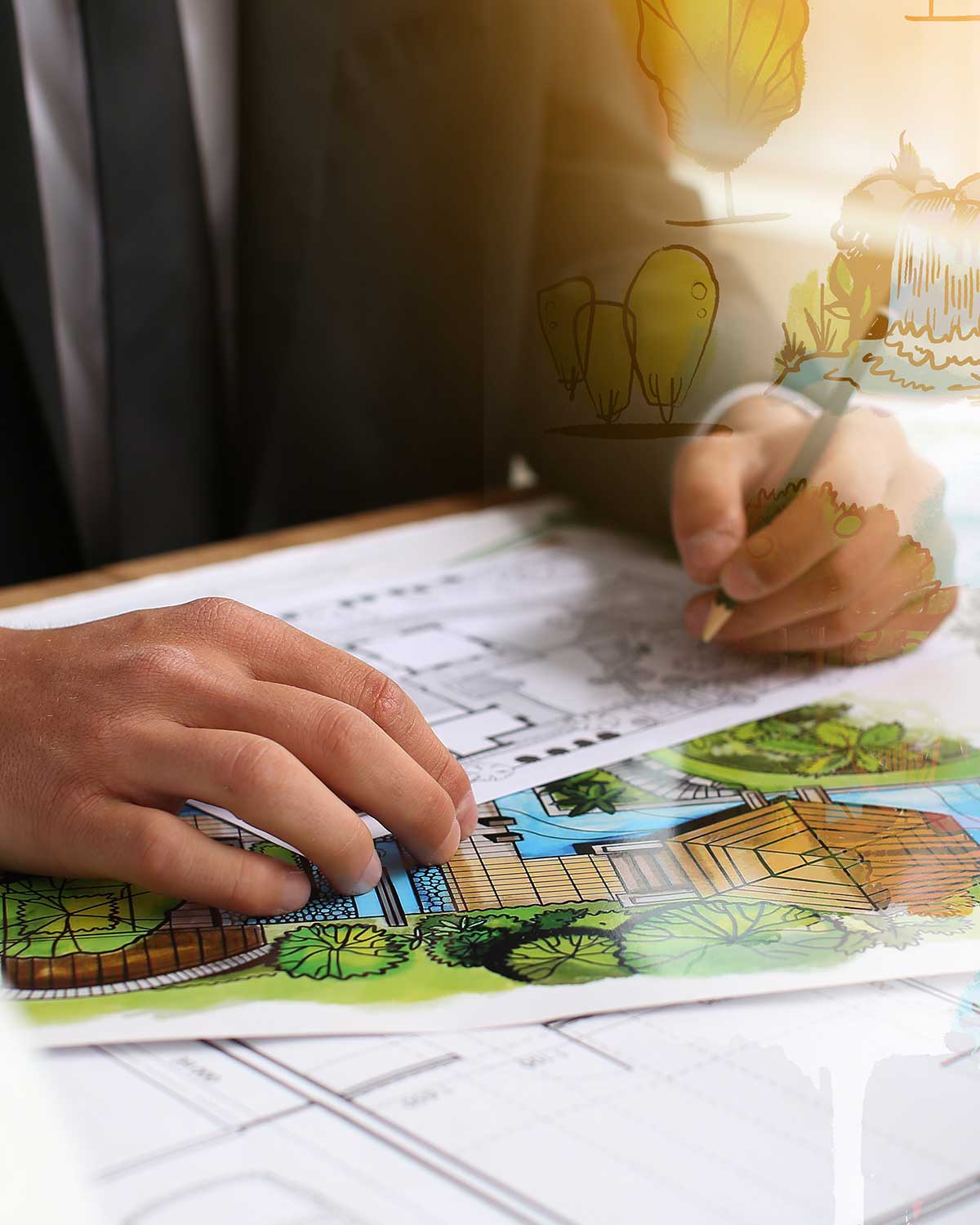
Landscape projects rarely follow a perfectly linear path. Construction phases evolve, planting schedules change, and site readiness can be delayed for many reasons.

Because of this, materials often arrive well before installation can begin. What appears to be a simple step from delivery to placement becomes a waiting period that can last days, weeks, or even months. During that time, products sit in staging areas such as contractor yards, campus facilities, or service zones. This in-between phase has a quiet but meaningful impact on how efficiently a project moves forward.

For products like planters, the way they are designed for shipping and handling can influence how manageable this phase becomes.


The Reality of the Waiting Period

Delivery day is often just the starting point.

Projects may be installed in phases, aligned with academic calendars, or coordinated with larger renovation milestones. In some cases, hardscape elements arrive before plant material is available or before crews are ready to install.


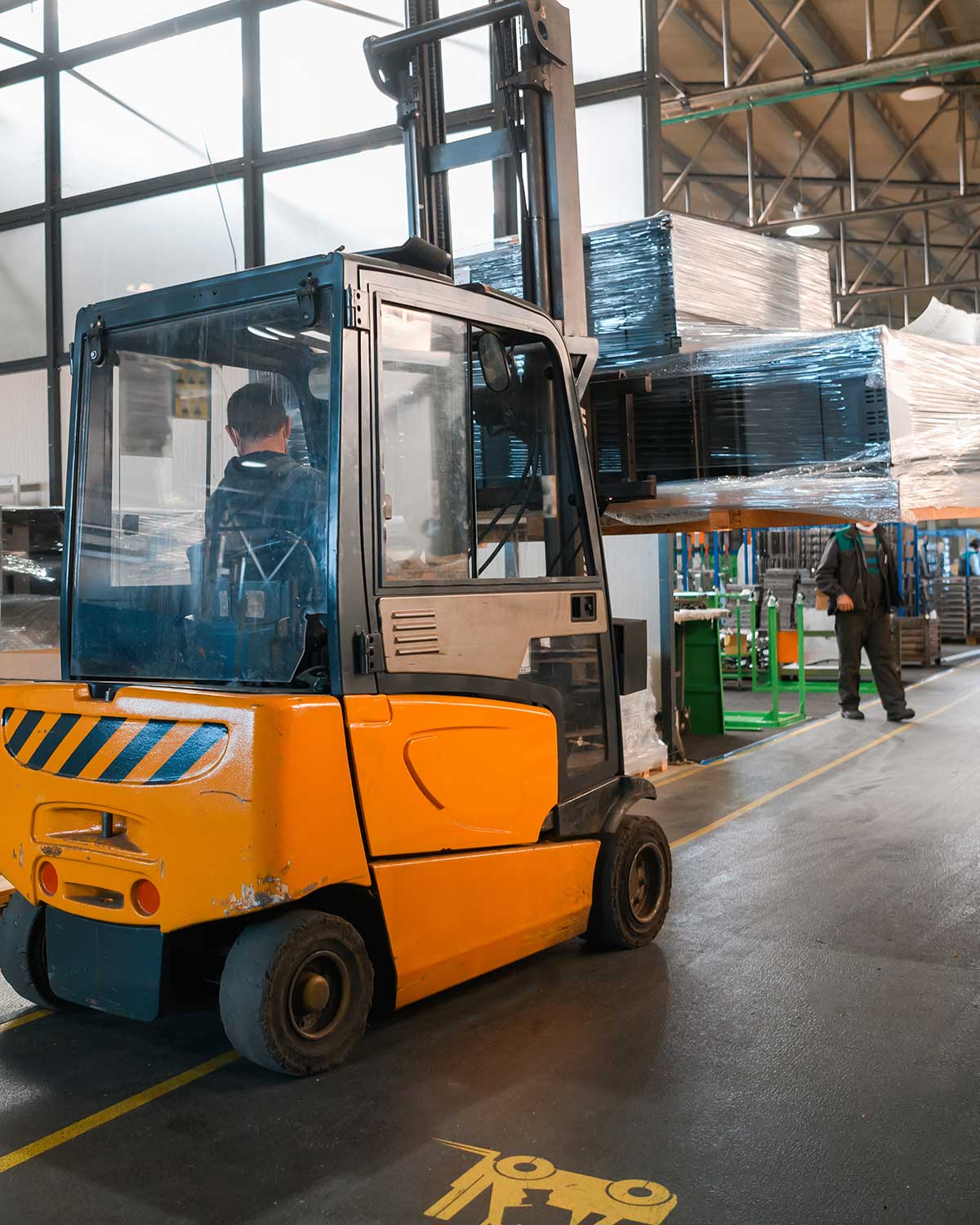
During this period, materials must be protected, organized, and easy to access. The amount of space they require and how easily they can be handled can influence jobsite efficiency, safety, and coordination with other ongoing work.


Lightweight materials, such as resin used in TerraCast® planters, make it easier to reposition, organize, and manage products during this stage without adding unnecessary labor or equipment requirements.

Why Storage Space Matters More Than You Think

Staging areas are rarely dedicated to a single purpose. They often support equipment, maintenance supplies, seasonal inventory, and other project materials at the same time.

Every square foot matters. The footprint of stored products can either support a smooth workflow or create unnecessary challenges.


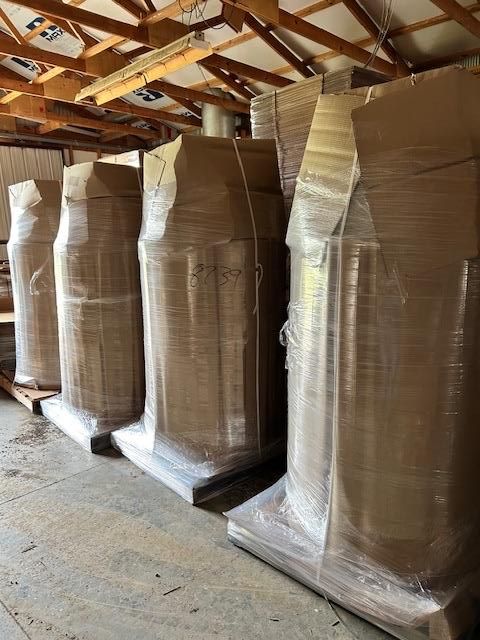
This is where design becomes especially important. Many TerraCast® resin planters feature tapered profiles that allow them to nest, helping multiple units occupy significantly less space during storage. For designs that do not nest, planters are still stacked efficiently, with units placed securely on top of one another to maximize shipping and staging capacity.


This flexibility helps reduce storage demands, simplify organization, and make it easier to manage materials as projects move through different phases.

Planning for the Full Lifecycle

Storage needs do not end once installation is complete. In any setting, the need for flexibility grows as spaces and priorities evolve over time.

Landscape elements are often moved, refreshed, or repurposed to support these changes, whether driven by seasonality, maintenance, or shifting use of a space. As a result, how easily products can be stored and handled when they are not in use becomes just as important as how they perform once installed.


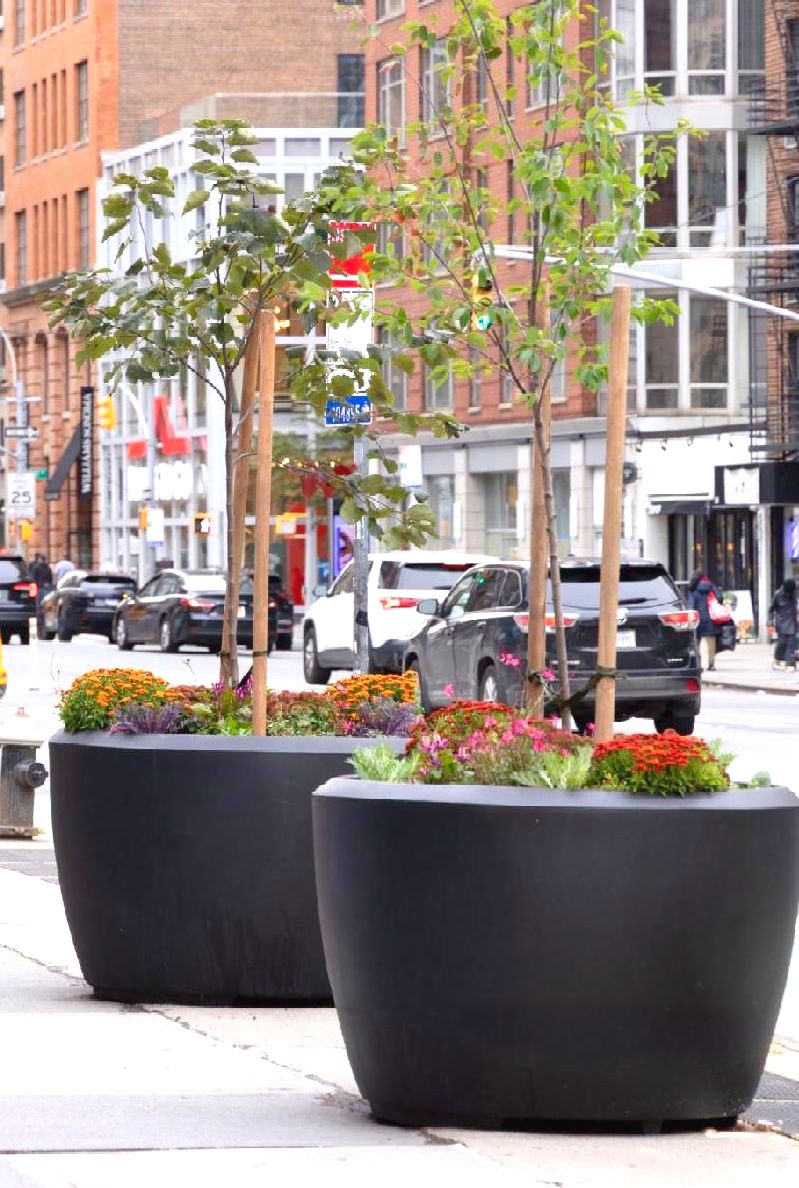
This is where material and design make a meaningful difference. TerraCast® resin planters are lightweight and durable, and whether nested or stacked, they are designed to store efficiently and adapt to changing needs over time.


Perfect alignment between delivery day and installation day is rarely realistic. There are many moving parts across construction schedules, site conditions, and logistics. Products that are easy to stage, move, and store allow teams to work more flexibly within these constraints without sacrificing organization or efficiency.


By considering the full lifecycle, from delivery and staging to ongoing use and storage, TerraCast® planters help simplify logistics, reduce space demands, and support more efficient project execution.


X Share This Email
LinkedIn Share This Email

TerraCast® Products | 305-895-9525 | info@terracastproducts.com | Website

LET'S GET SOCIAL

Facebook  X  Instagram  Youtube  Pinterest  LinkedIn  Web