Expanding Support at Every Stage of Recovery & Responding to Emerging Needs

Samaritan’s 65 -year track record in helping New Yorkers address substance use disorder and mental health challenges has positioned us as a trusted leader in the field, including with our government partners. Over the past year, those partners have provided new, significant financial support, including from the New York State Office of Addiction Services and Supports (OASAS), City-allocated opioid settlement funds, and grants from the New York City Council.


This funding has enabled us to expand the ways we reach and engage people in recovery. It also supports our efforts to address emerging threats, including new drugs in the supply chain like Cychlorphine—a synthetic opioid ten times stronger than fentanyl that does not respond to Naloxone, an opioid overdose reversal medication.

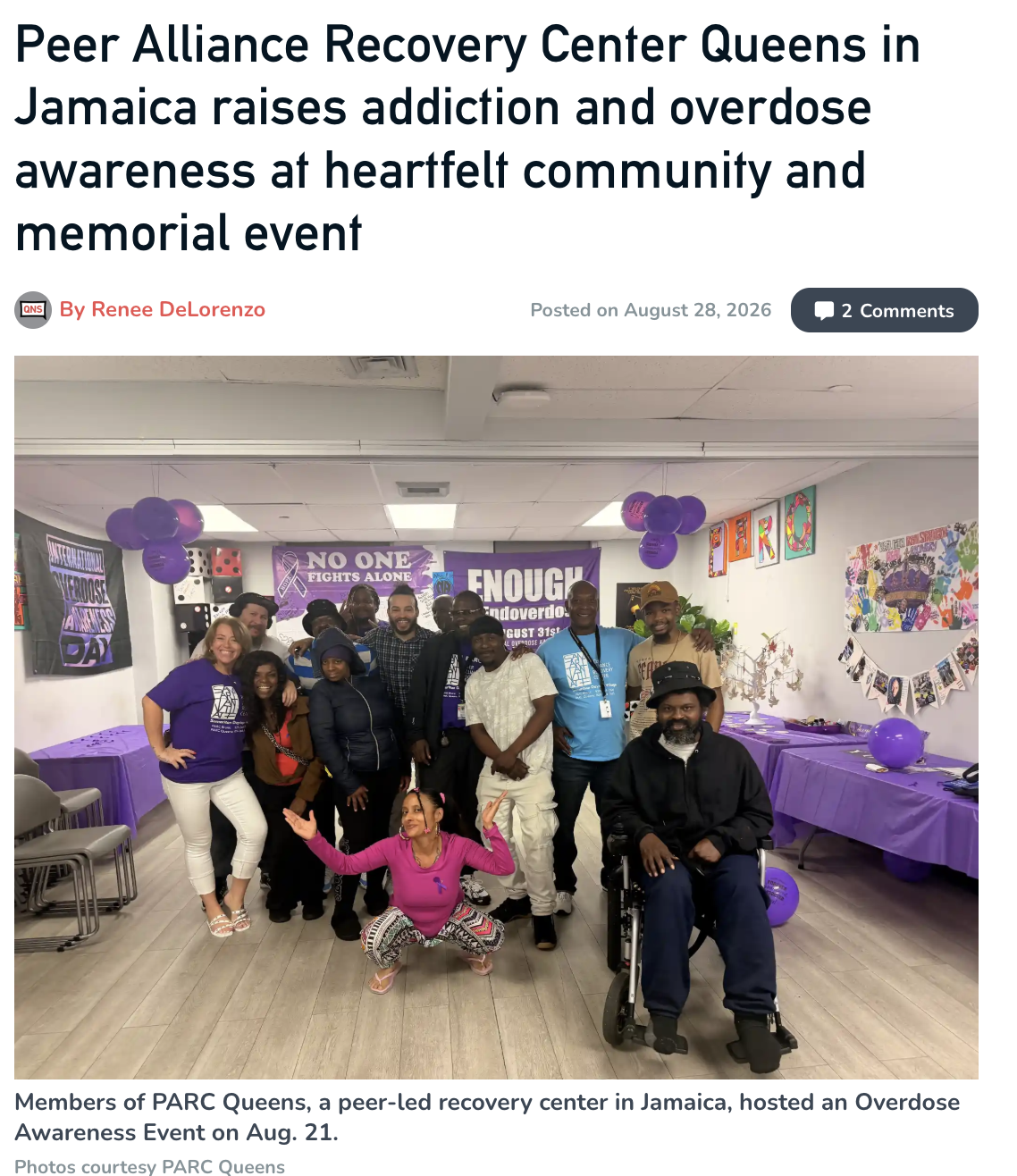
At our PARC recovery centers, new funding has allowed us to expand street outreach. Dedicated staff spend hours each day connecting with people in Bronx and Queens communities, distributing harm-reduction supplies and essentials, and connecting individuals to treatment. We are also preparing to expand these services to more neighborhoods through a mobile clinic.


These new initiatives strengthen Samaritan’s broader continuum of recovery services, from harm reduction and peer support to residential and outpatient treatment, mental and physical health care, housing, education and employment assistance.


Amber’s Story: What It Takes To Support Recovery


Amber, a resident at one of our shelters, was struggling with physical, mental health, and substance use challenges. Our staff attempted to engage Amber in additional support services, but she was initially withdrawn and resistant. Consistent with our approach, staff persisted.


Building trust takes time, and our team does not give up. Over several months, we built a relationship with Amber and guided her through initial steps toward care. She began visiting our Richard Pruss Wellness Center for primary care, later adding outpatient behavioral health support and substance use recovery services. While she initially attended programming once a week, support from peer advocates encouraged her to attend five days a week to meet with clinicians, join group programs, and seek employment. Offering integrated programs that address a person's full range of needs is vital to long-term recovery.


Amber’s story was featured in our recent Impact Report. Missed it? You can read it here.


Addressing A Growing Challenge: Gambling Harms

Betting has never been easier. Sportsbooks now live on our phones, allowing people to place wagers virtually anywhere, at any time. Not surprisingly, evidence of gambling-related harm is growing.


One national study found that sports wagers grew from $4.9 billion in 2017 to $121.1 billion in 2023, with 94% of 2023 wagers placed online. Researchers also found a 23% increase in online searches for gambling addiction help nationally following the 2018 Supreme Court decision that opened the door to expanded legalized sports betting.


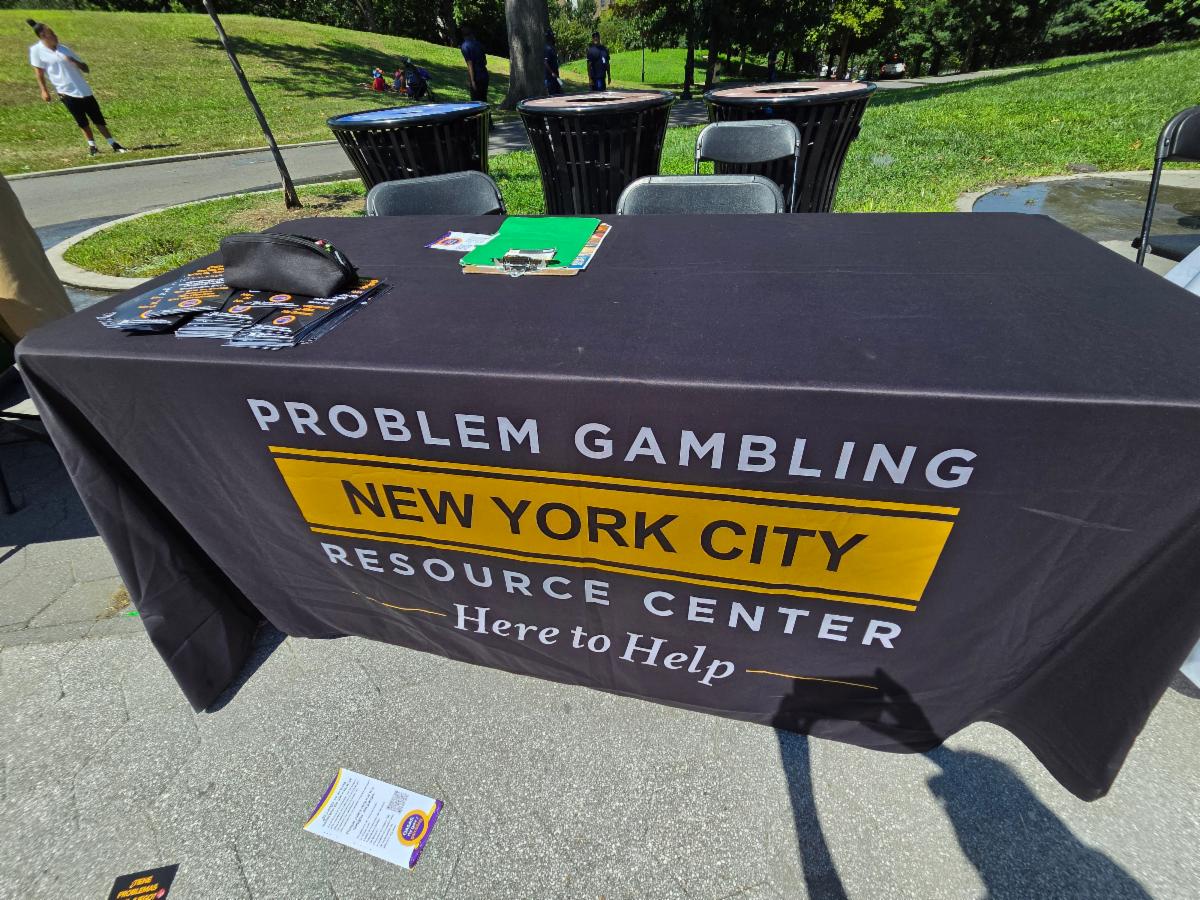
Samaritan is responding by expanding gambling-harms services at PARC Bronx and PARC Queens. Building on earlier pilot efforts, we conduct screenings and monthly workshops designed to help people recognize when gambling may be causing harm. Samaritan is also bringing on specially trained peer professionals with lived experience who can help people seek support without judgment.


As gambling becomes more accessible, we are making sure recovery services evolve to meet growing community needs. Learn more about the journey to recovery from problem gambling on this podcast featuring our colleague and peer advocate, Albert Aponte.


IN CASE YOU MISSED IT: Learning and Confidence Take Off at The Boulevard Shelter

This summer, children living at Samaritan’s The Boulevard family shelter participated in a summer learning program designed to prevent summer learning loss while building confidence, curiosity, and connection.


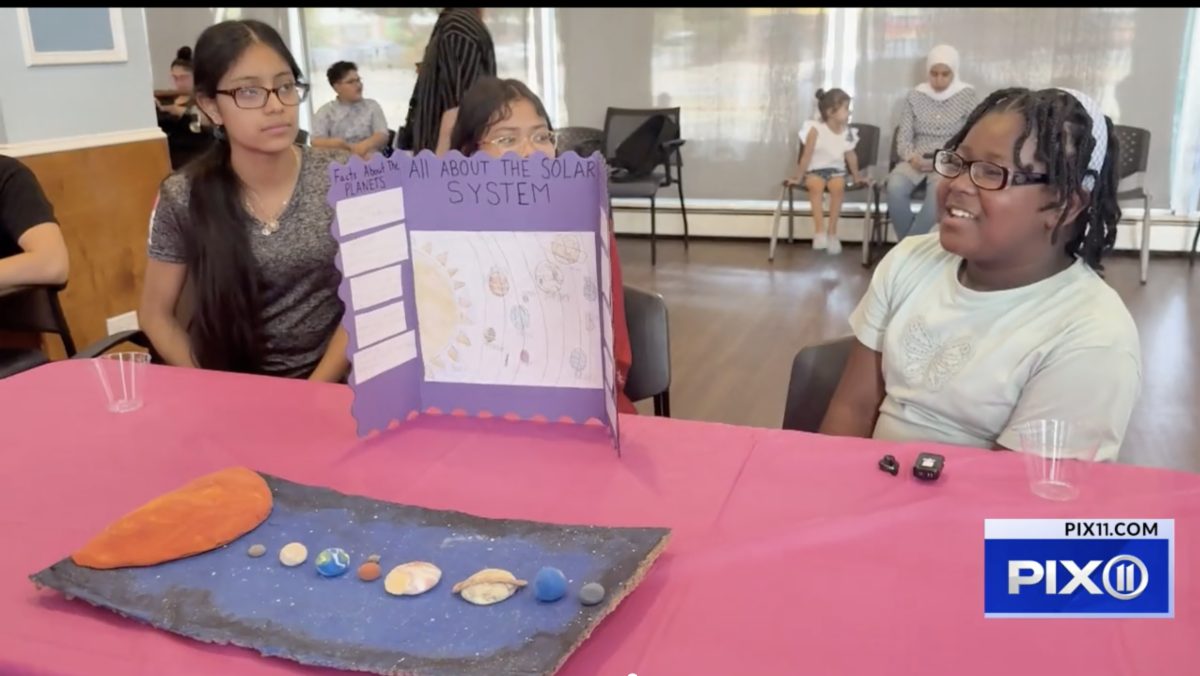
Students in grades 3–8 were paired one-on-one with high school mentors to tackle hands-on STEM projects—from building model volcanoes to mapping the solar system.


PIX11 visited The Boulevard to cover the program in action and speak with participating students and mentors.


WATCH: PIX11 — “Innovative program helping homeless students thrive”


Questions? Contact us at communications@samaritanvillage.org.


Follow Us On Social Media!

 
Facebook  Instagram  LinkedIn  X  YouTube  Bluesky