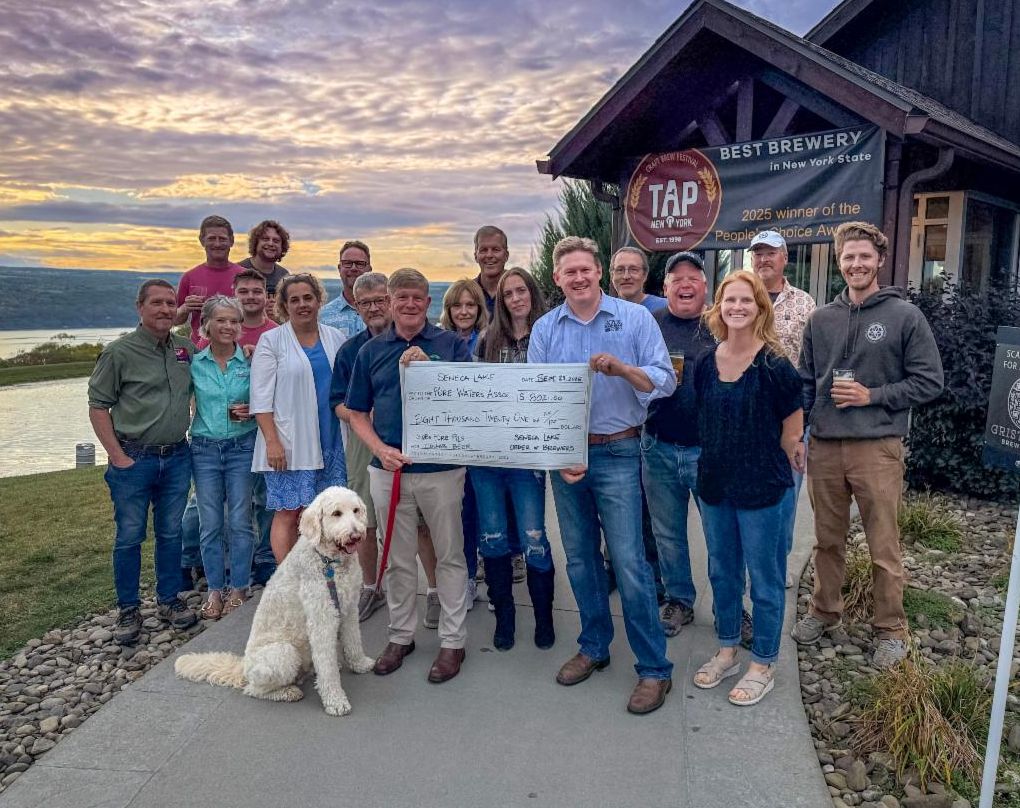
Fall has officially arrived, and with October just around the corner, there’s plenty happening around Seneca Lake! This week, we celebrated the success of the PURE Brew collaboration, where local brewers, partners, and friends came together to raise over $8,000 for Pure Waters’ ongoing efforts to protect the lake.


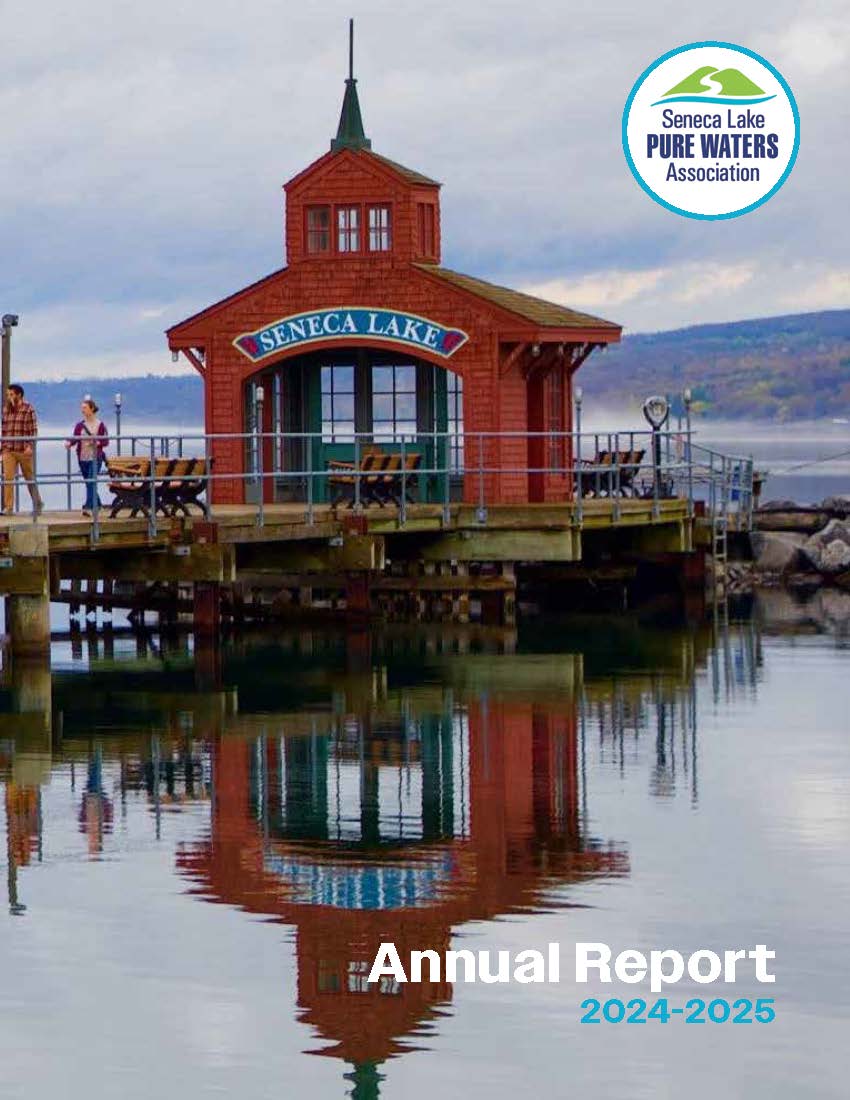
Plus, our 2024–2025 Annual Report is now available to view! It’s packed with updates on our programs, volunteer efforts, and water quality initiatives—showing just how much we’ve accomplished together over the past year.


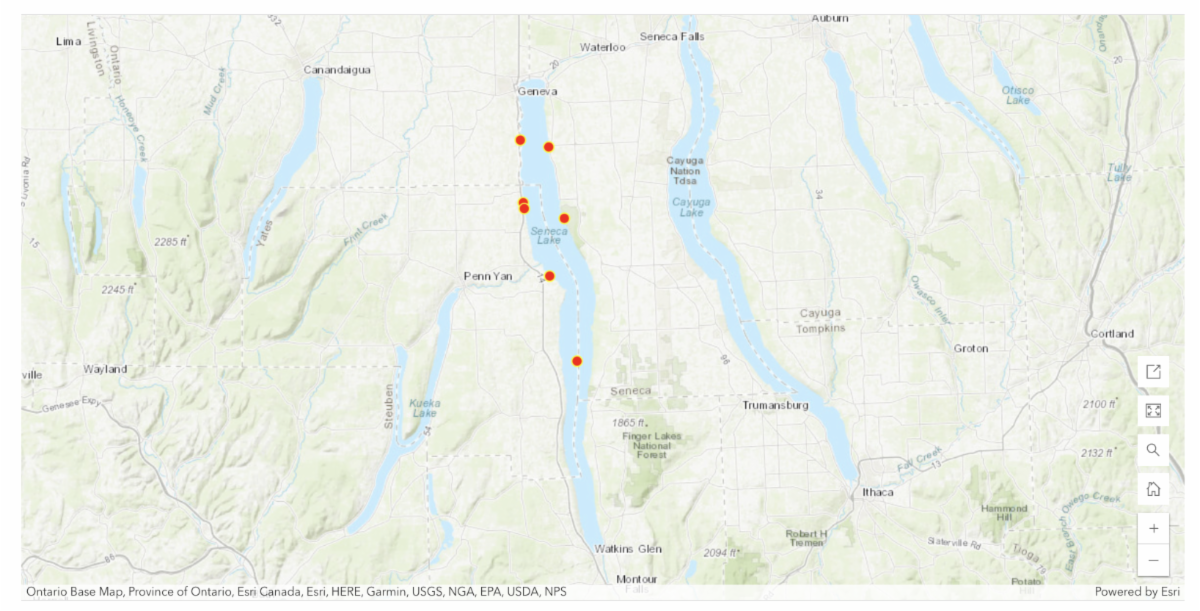
Meanwhile, over the past week, warm weather and low winds have led to an increase in harmful algal blooms (HABs) across the lake. See below for the latest lake conditions and tips to help protect water quality this fall.

Lake Conditions (Week of September 19 – September 25)

Data from Finger Lakes Institute, Pure Waters Volunteers & NOAA


  • HABs: 27
  • Lake Level: 445.0 ft
  • Surface Temp: 67.6°F
  • Turbidity: 0.53 NTU
  • Dissolved Oxygen: 98.5%


Buoy measurements for surface temperature, turbidity, and dissolved oxygen were taken on Sept. 22. Lake level is 445.0 ft as of Sept. 26.

Friends, partners, and brewers united at the PURE Brew reception to celebrate Seneca Lake and support clean water.

Another SNPR Project Complete!

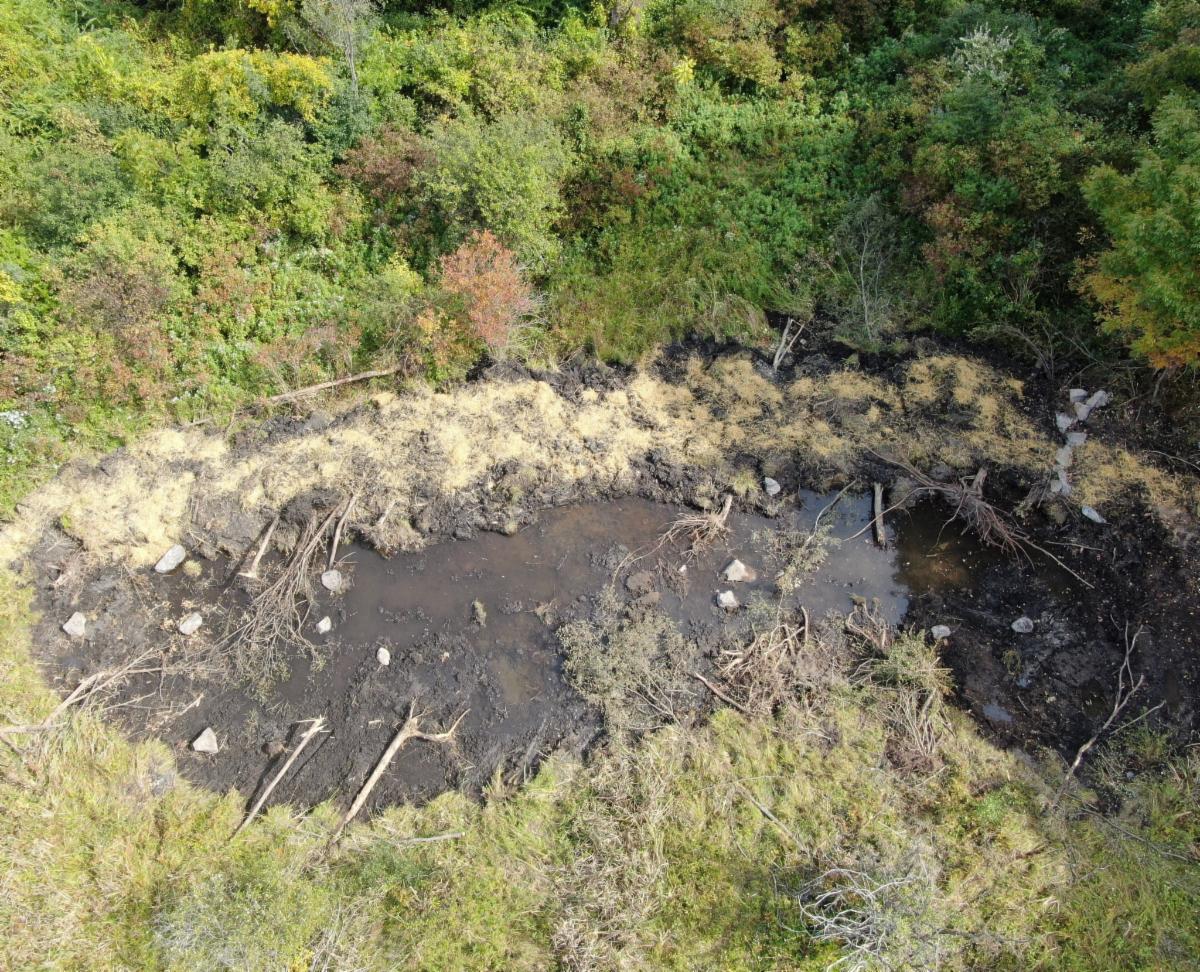
The Kashong Vernal Pool and Trail Project in Geneva is complete! Thanks to support from Pure Waters’ SNPR program, the Ontario County Soil & Water Conservation District designed and constructed 3 vernal pools/water volume control structures and 2 new trail segments connecting them to the existing trail system.


The project also created 6 shallow-water pools totaling nearly 250,000 gallons, providing critical breeding habitat for amphibians and other wildlife while helping store and filter stormwater runoff to protect Seneca Lake’s water quality. Natural materials like root wads, logs, and rocks were used to enhance habitat, and the site was overseeded with native wetland plants and mulched to support long-term meadow health.


Visitors can now enjoy the new vernal pool trail, exploring this restored area and seeing wildlife thriving in their new habitat.


Learn more about our SNPR programs and how you can support future projects!

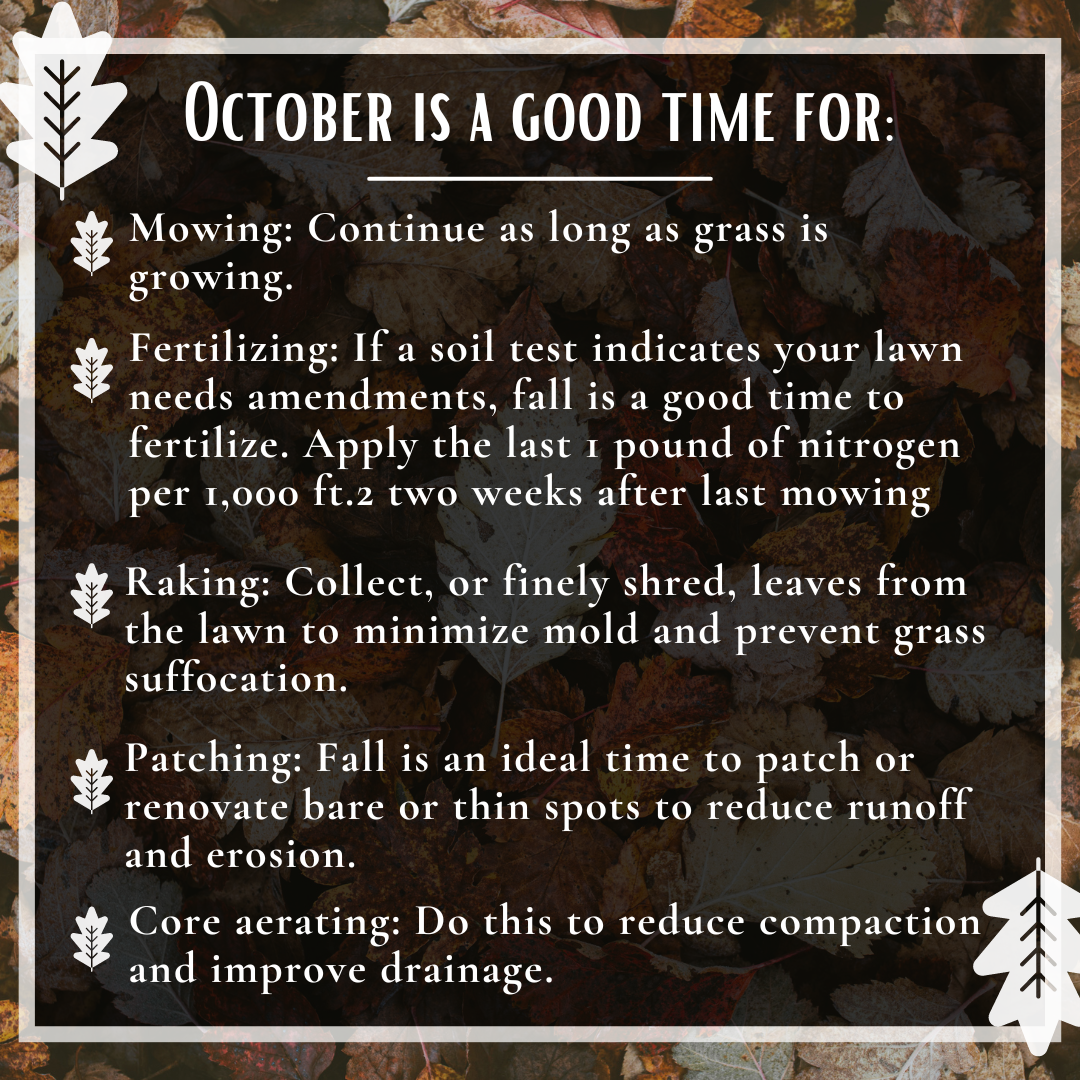
LFL Fall Tip: Manage Your Leaves

Fall is a critical time to protect our water quality. As trees shed their leaves, phosphorus can wash into streams, ponds, and lakes—feeding algae and harming water health. Here’s how to manage leaves the lake-friendly way:


  • Mulch it: Use a mulching mower to shred leaves so they decompose naturally in your lawn.
  • Compost wisely: Mix one part grass clippings with three parts leaves. Keep compost away from roads, and turn it every couple of weeks.
  • Rake strategically: Collect or finely shred leaves to prevent mold and suffocate grass.
  • Other fall lawn care: Patch bare spots, core aerate to reduce compaction, and fertilize only if your soil needs it (last nitrogen application two weeks after the final mowing).


Healthy land = clean water!


Tips adapted from the Homeowner’s Lawn Care and Water Quality Almanac, Cornell Cooperative Extension. Graphic credit: Canandaigua Lake Watershed Association.

Geneva Lakefront Gets a Native Makeover!

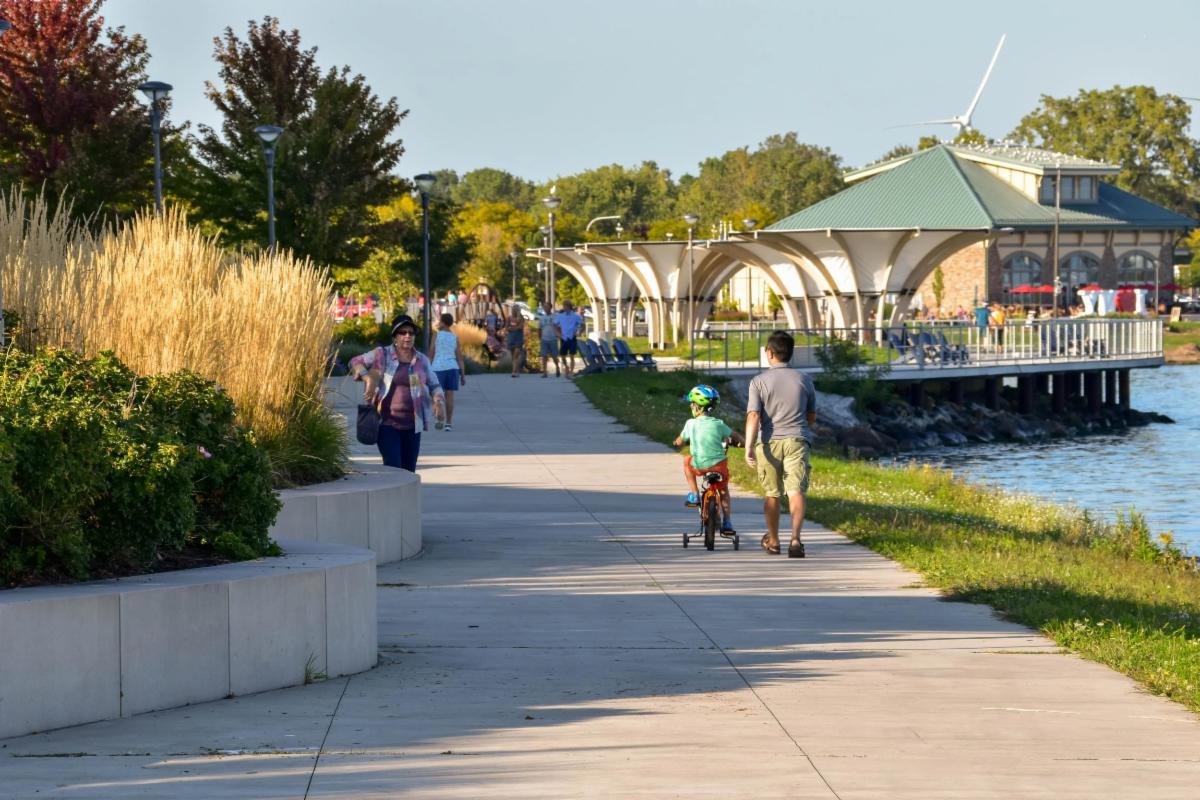
The Geneva Business Improvement District is leading a project at Lakefront Park to remove invasive plants and replace them with native species that support birds, pollinators, and other wildlife. These efforts restore balance to the lakefront ecosystem and create a cleaner, more welcoming space for everyone who enjoys Seneca Lake.


Volunteers are a crucial part of this work! You can help with planting, habitat restoration, and community events on Sept. 27 and Oct. 11. Every hand makes a difference in keeping our lakefront healthy and thriving.


Learn more and sign up to volunteer

2024-2025 Annual Report


In case you missed it, our Annual Report is now available to view! The 2024–2025 Annual Report shares the highlights from the fiscal year—while some details have been condensed, the full report offers a comprehensive look at our programs, research, and community impact.


Click here to view!

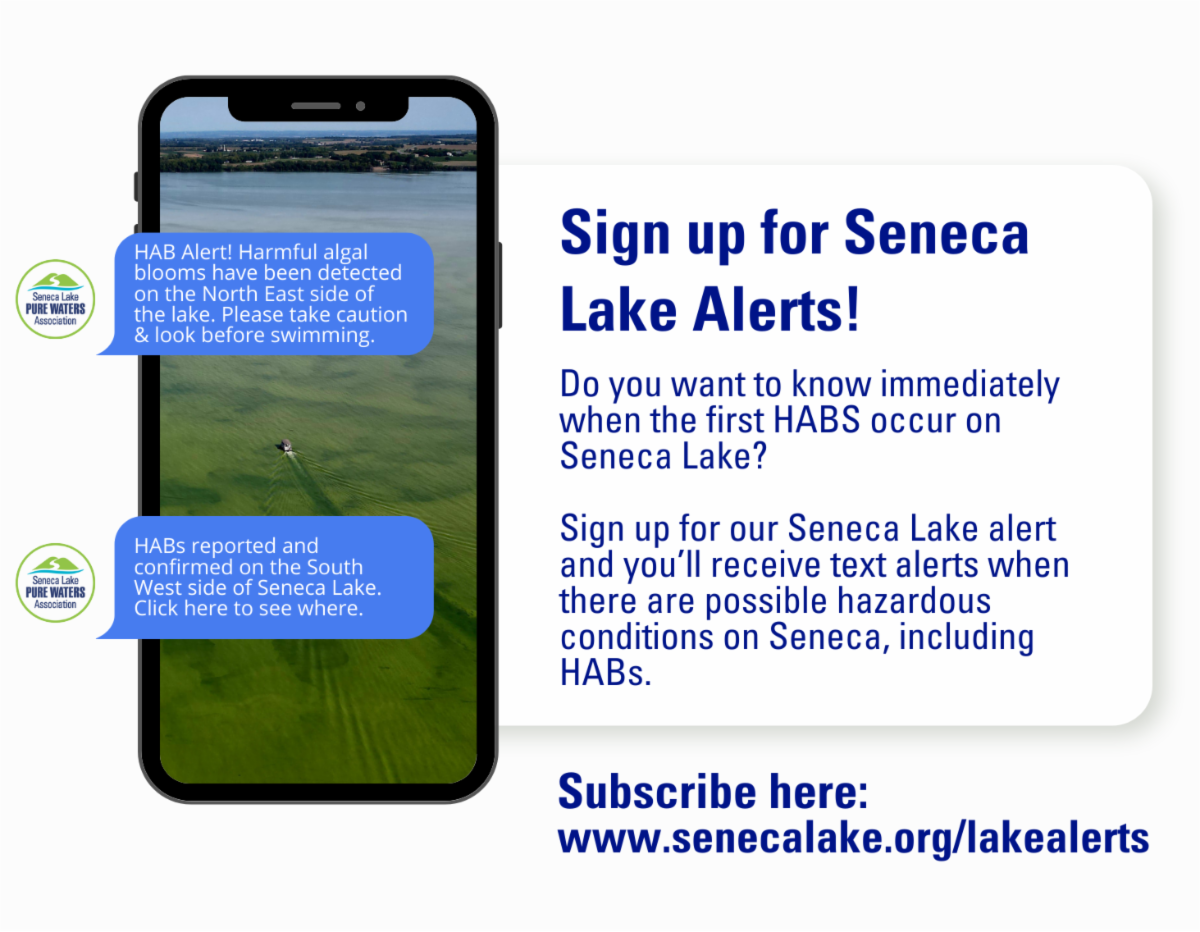
Track HABs on Seneca Lake & Stay Safe

Cooler weather is here, but lake conditions can change rapidly. Staying informed and taking action when you see something suspicious are two of the best ways to help protect yourself, your family, your pets, and Seneca Lake.

What to Watch For

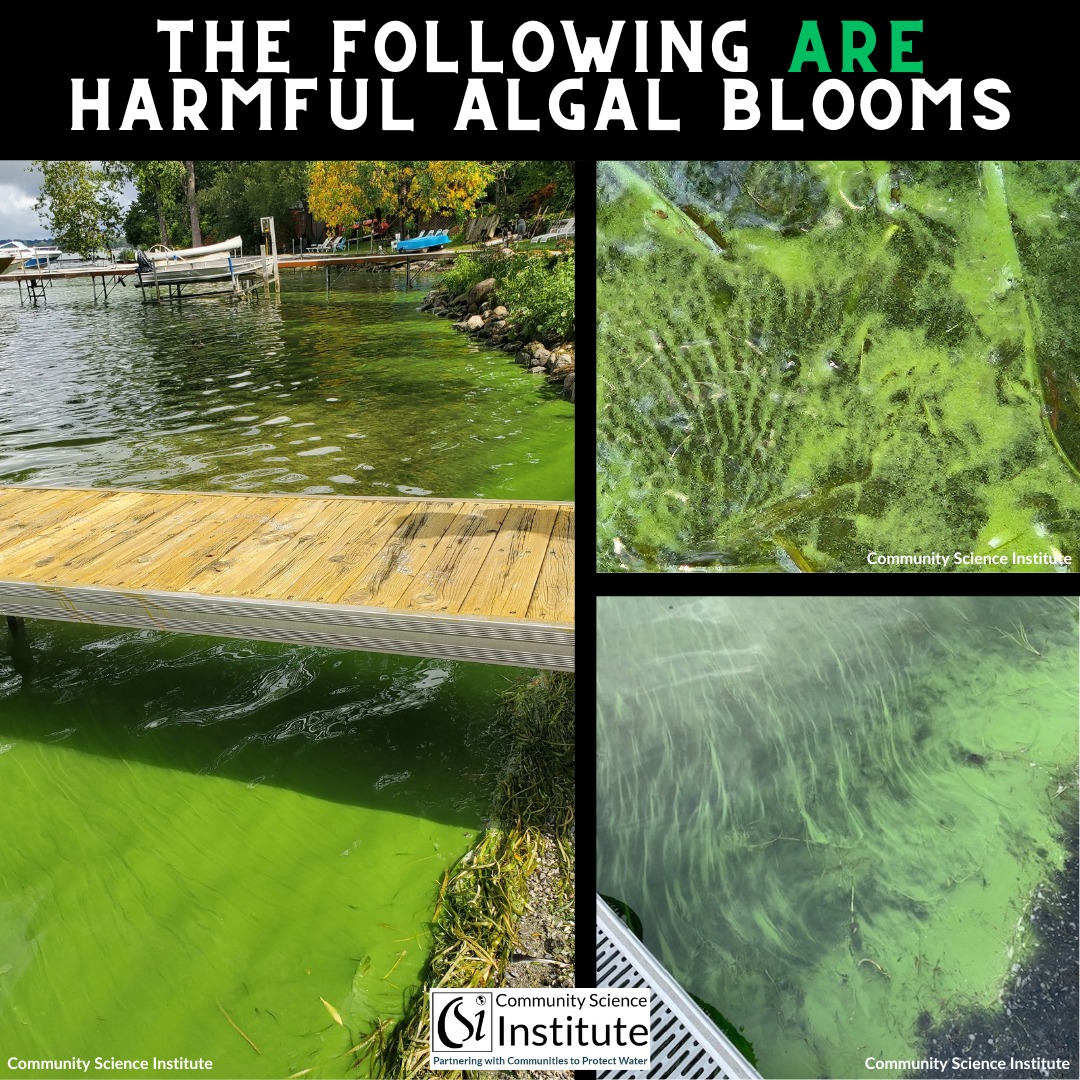
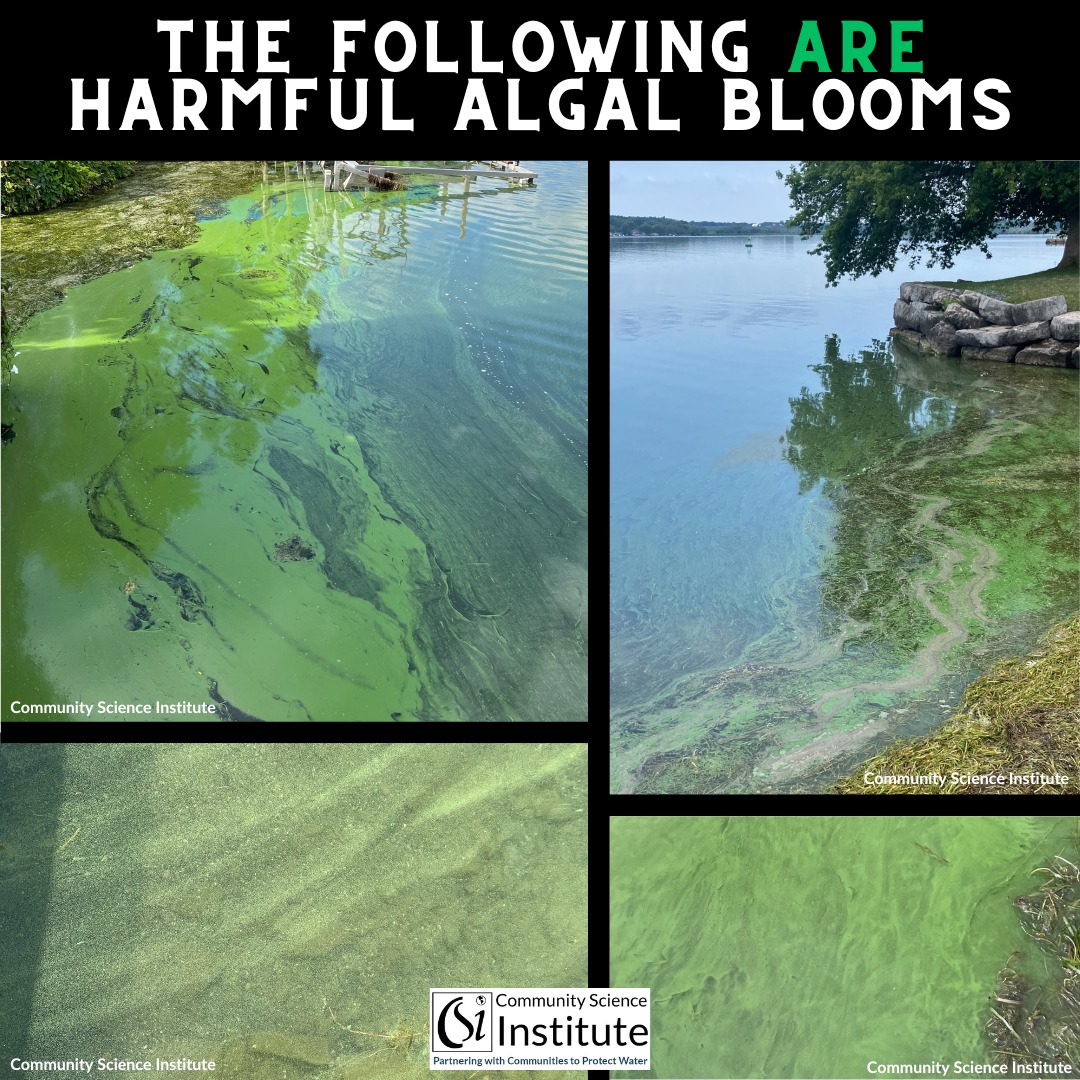
Harmful algal blooms (HABs) can appear when water conditions are warm and calm. Keep an eye out for signs like:

  • Water that looks like pea soup, spilled paint, or surface scum
  • Streaks of green paint-like swirls
  • Colors that are often green or blue-green
  • Blooms that often collect near shorelines and in quiet coves

If You Spot a Suspicious Bloom

Act quickly to help protect public health:

  • Avoid Contact: Keep yourself and pets out of the water.
  • Take Photos: Get clear photos and note the exact location.
  • Submit a Report: To NYS DEC: Use the online reporting form to share details and upload photos. To Pure Waters:
  • If you are would like us to take a look: Email your observations and photos to senecahabs@senecalake.org. We will do our best to respond in a timely manner. 


What Happens Next

The DEC will review your submission. Confirmed blooms are added to the NYS DEC HABs Map. Blooms reported by our observers can be found at Seneca Lake HABs Map & Current Bloom Chart.


Tip: Conditions can change quickly — if in doubt, stay out!

Spotting HABs Made Easy — Thanks to Our Friends at CSI

Our friends at the Community Science Institute (CSI) have created these handy graphics below to help everyone quickly identify harmful algal blooms (HABs).

Our lake protecting projects and programs are funded by donations and memberships from supporters like you. If you care about Seneca Lake, please consider a donation to help us continue with our vital work to protect the water quality and health of Seneca Lake now and for years to come.

Report a Bloom senecahabs@senecalake.org

Facebook  Instagram  Youtube