Plan a Sustainable Summer Vacation | | This edition of the Earth Matters newsletter is brought to you by the Environmental Education Program within Pierce County's Office of Resilience and Climate Action (ORCA). Learn more at PierceCountyWa.gov/EnviroEd. | Plan a Sustainable Summer Vacation | |
Consider a local, sustainable vacation this summer!
With prices rising on everything from gas to food, a road trip or flight to a sunny destination may not be possible this year.
Make the most of our beautiful area, reduce pollution, and save time and money by considering a staycation with a sustainable twist!
| | |
Staycation tips
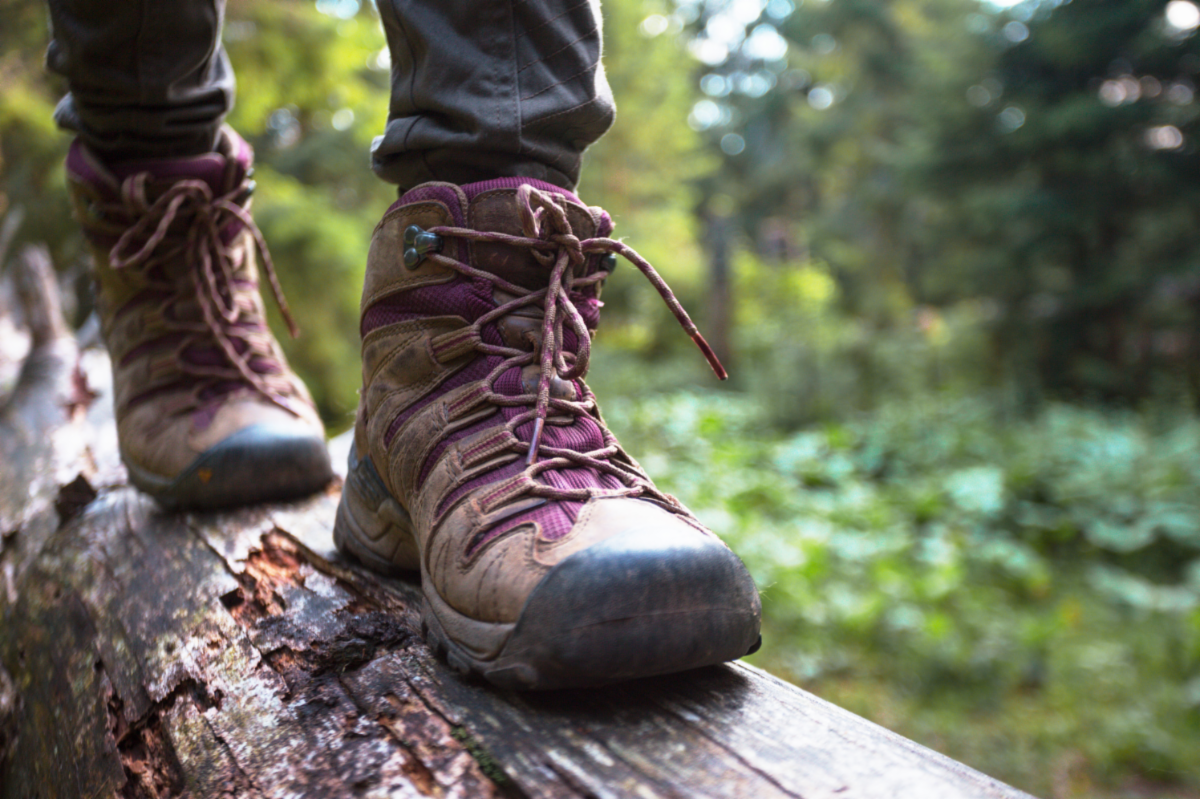
Explore our natural wonders: Get outside at a local, state, or national park. You don’t need to leave the state to find a river, lake, ocean, or mountain! Identify flora and fauna using iNaturalist.
Tip: Check your destination before you go for any needed permits, reservations, or fees.
Taste the summer bounty: Shop local, fresh, and in-season at a farmers market or farm stand.
Ride a new trail: Our bike map can help you discover where to head next.
Find a festival: Summer in Pierce County and Western Washington is filled with festivals, fairs, and more. Don’t miss the Kite Festival or the Pierce County Fair!
| | |
Sustainability tips
Reduce waste: Split up bulk snacks into single portions, pack a reusable water bottle, cutlery, and containers, and wear last summer’s shorts and tees instead of buying new ones.
Sustainable travel: Try public transportation, organize a carpool, or walk or bike to your destination.
Leave no trace: Pack out your trash when picnicking or visiting a park and keep a trash bag in your car.
Take action: Get ideas on our Pierce County Sustainability Actions webpage.
| | |
Celebrate and Protect Orcas
Be whale wise this summer!
With World Orca Day on July 14, it's a great time to celebrate and protect this special species and all the whale species that visit Puget Sound.
| | | Pierce County will continue to support whale protection and recovery efforts as part of the Sustainability 2030 Plan implementation. | | |
On or near the water
Give them space: State law requires boaters – whether motoring, sailing, or paddling – to stay 1,000 yards away from Southern Resident killer whales (orcas). Boaters must stay 200 yards from other killer whales (Bigg's/Transient killer whales). Learn about conservation and management.
Dispose of sewage from your boat properly: Keep sewage out of our waters by finding a pumpout station near you or trying the free South Puget Sound mobile pumpout service.
Watch wildlife responsibly from shore: If you see whales from beaches or parks, enjoy them quietly from a distance. Avoid using drones near marine mammals, as they can disturb feeding, resting, and communication behaviors.
| | |
At home and on the road
Support healthy salmon populations: Southern Resident orcas rely heavily on Chinook salmon for food. Help protect salmon habitat by planting native vegetation near streams, reducing fertilizer use, and supporting local habitat restoration efforts. Learn about natural yard care.
Prevent stormwater pollution at home: When it rains, pollutants such as chemicals, oils, and bacteria from animal waste wash into storm drains, ending up in our local waterways. Be sure to clean up spills and leaks and pick up after your pet. You should report spills and water pollution.
Care for your car: Protect Puget Sound by keeping your tires inflated, using a commercial car wash, and fixing vehicle leaks right away. Learn why these actions help on the Puget Sound Starts Here website.
| | Tell a friend: Support orca conservation by sharing your knowledge and appreciation of these remarkable animals with friends and family. Conversations that inspire curiosity and connection can help build a community that values protecting the ecosystems orcas depend on. | | Midland Elementary Second Graders
Apply Their Learning | | |
Earlier this year, Midland Elementary School in the Franklin Pierce School District started separating out food waste from school lunches for composting. The food waste collected is picked up and taken to a commercial compost facility.
In May, Principal Kristina Frederick reached out to Pierce County’s Solid Waste team with this question: “Mrs. Blaisdell’s 2nd grade class was reading a passage in an ELA (English Language Arts) textbook today and called me in to ask about a discrepancy they found in their
| | |
reading. The text states that composting of meats, cheese, and bones is not allowed—at least according to their latest edition ELA book. However, we currently do compost those items and I was wondering if you could explain to me why we are allowed to, as well as why some places can't compost those items?”
Staff provided a quick response back, explaining the difference between home and commercial composting systems. Home composting cannot handle meats, dairy, and bones whereas commercial composting can. They also provided a link to a short video on how the Pierce County system works and clarified that the ELA textbook was missing the word “home” when it described composting.
The following day Ms. Frederick replied, “Thank you SO much for this information. I was able to pop into the classroom this morning and share this with them. It was such an awesome learning opportunity—for them and me!”
Way to go, Midland Elementary Mustangs!
| | Washington state’s new organics management laws require most schools in Pierce County to keep food waste out of the garbage and arrange for food waste collection service. These laws aim to reduce food insecurity, keep valuable resources out of landfills, and lower methane emissions. Food and yard waste collected from schools gets turned into compost. Need help developing a system for managing food waste at your school? Start with our Best Practices Guide for School Food Waste Collection! | | Growing Green Together:
July Tips for Sustainable Gardening | | Here are seven July‑appropriate gardening and native landscaping tips, with an eye toward Pacific Northwest ecosystems and low‑impact summer practices. Nothing too fussy—just practical, climate‑smart ideas. | | |
Prioritize deep, infrequent watering: Native plants are adapted to our dry summers. Watering deeply once a week encourages stronger root systems and reduces long‑term maintenance.
Shift to “right plant, right place” planning: July is a good month to observe your garden rather than plant heavily. Track where the sun hits, note dry vs. moist zones, and map out where native species would naturally thrive.
Start a mid‑summer sheet mulch area: Lay down cardboard, compost, and mulch now so it decomposes through fall. By October, you’ll have a weed-suppressing bed ready for planting native shrubs and perennials.
Let some areas go a bit “wild:" Leave a patch for natural browning and seed drop. Many native grasses and wildflowers rely on summer dormancy cycles. It can also create habitat for pollinators and ground‑nesting insects.
| | |
Deadhead mindfully—not everything: Deadhead ornamentals, but skip deadheading native seed producers if you want to support birds later in the year.
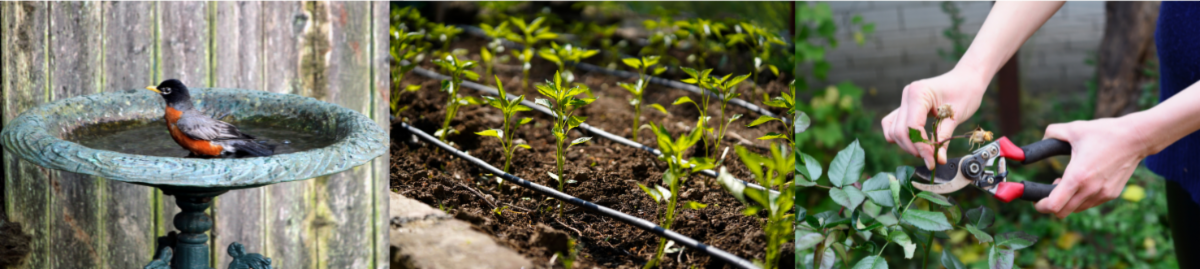
Add a small water element: A shallow water dish with a few small stones for landing spots gives our tiny neighbors like bees, wasps, butterflies, and birds a safe water source during dry spells.
Prioritize mulch, not fertilizer: Native gardens rarely need fertilizer. Instead, apply 2–3 inches of wood chips or leaf mold to regulate soil temperature and retain moisture through hot weeks.
| | Grow Your Knowledge This Summer | |
Our Earth Matters Series continues this summer with new learning opportunities designed to equip you with the knowledge and tools to create a more livable community for everyone!
Visit PierceCountyWa.gov/EarthMattersSeries to view the full schedule and register.
| | | |
The Art of Noticing
July 9, 6-7:30 p.m.
Meridian Habitat Park in South Hill
| | | |
Trails and Tales: A Natural History of Pierce County Parks
July 15, 7-8 p.m.
Virtual via Zoom
| | | |
Pierce County Trails Day
July 25
9-10 a.m.: Nature walk
10 a.m. to noon: Work party
Sprinker Recreation Center in Parkland
| | |
Read with us:
Watch with us:
Do with us:
- Walk Tacoma: Tacoma Youth Symphony Association & Friends Walk with Tacoma On the Go: July 8, 6-7:30 p.m. in downtown Tacoma
-
Bird I.D. Basics with Nisqually National Wildlife Refuge, all ages: July 9, 4-6 p.m. at Lakewood Library
-
Adriana Hess Wetland Habitat Stewardship Work Party: July 11, 10 a.m. to noon in University Place
-
PNW Climate Week: July 13-19. Many different events around the Puget Sound region!
-
Beyond the Bin community donation events with City of Tacoma every Friday through September at Tacoma Recovery & Transfer Center from 9 a.m. to 4 p.m. Some Saturday events, too! Check the event calendar for dates, accepted items, and more details. Open to residences in and outside the City of Tacoma.
- WSU Master Gardeners
-
Vermicomposting: July 9, 1-2 p.m., Broadway Farmers Market, Downtown Tacoma
-
Noxious Neighbors: English Ivy: July 11, 10-11 a.m., Gig Harbor
-
Growing Microgreens: July 11, 2-3:30 p.m., University Place Library
-
Growing and Enjoying Herbs: July 15, 11 a.m. to noon, Graham Library
-
Unbeatable Plants for the Maritime Northwest: July 16, 2-3 p.m., Steilacoom Library
-
Figs. Yes, They Do Grow Here: July 18, 10-11 a.m. in Puyallup
-
Winter Gardening: July 22, 2-3 p.m., Gig Harbor Library
-
Reimagining Your Lawn: July 25, 4-5 p.m., Tacoma Public Library, Swasey Branch
- Tahoma Bird Alliance
-
Sehmel Homestead Park Birding Walk: July 14, 8-10:30 a.m. in Gig Harbor
-
Chambers Creek Birding Walk: July 24, 8-9:30 a.m. in University Place
- Remakery
-
Creative Reuse Crafting - Embroidery: July 14, 5-6:30 p.m. at Sumner Library
-
Visible Mending: Aug. 3, 5-7 p.m. at Lakewood Library
Civic Engagement Opportunities:
- The Transportation Advisory Commission has vacancies for two positions:
- A community group member who either represents a community group or serves on a community group.
- A community member who represents the agriculture production sector.
- The Conservation Futures Advisory Board has vacancies for three positions:
- A community member who works in the agriculture industry.
- A community member from a small town or city (less than 15k population).
- A community member who lives in District 1.
For Teachers:
| |
Thanks for reading! Pierce County's Earth Matters E-Newsletter offers news, tips, and classes to equip everyone with knowledge and tools to create a more livable community. Read past issues.
We welcome your feedback on this newsletter! Email us at EnviroEd@PierceCountyWa.gov.
| |
| | | |