COP26 CODE RED: We Are Not on Track for 1.5oC; More Local Action Essential
I did not go to Glasgow, but like many of you, I was tracking closely the news and developments from COP26* held in Scotland from October 31 to November 12, 2021.
The conference was dubbed a stocktaking opportunity after the Paris Agreement in 2015; a check-in to make sure the world is on a 2050 net-zero track. And as these conferences go, it seems to be always the case of a half-full or half-empty ordeal depending on your perspective. As always, the issue of mobilizing finances from rich to developing countries for adaption and resilience was top of mind, but there is no clear way forward other than more “future dialogue.”
The Economist called COP26 crucial and disappointing at the same time. COP26 President and Member of the British Parliament Alok Sharma wondered whether global action will be fast enough to avoid the worst effects of climate change. “Incremental steps are a death sentence” according to Professor Tim Roberts from Brown University quoted in a BBC article by environment correspondent Matt McGrath. The commitments against deforestation, the phase-down of coal, and the reduction of methane got a lot of attention, but they appear to be more about saving face and only add to the world’s commitment fatigue.
Climate progress in the U.S. is believed to be intricately tied to the Build Back Better appropriations, so if that is a no-go, what are the rest of us so-called “sub-national” actors supposed to do? I believe we must remain focused on implementation. All action is local so we must continue to use every opportunity to reduce carbon and to adapt to our changing climate. Robust climate action plans by cities and counties, clean air strategies, voluntary programs, public engagement, 100% renewable electricity, and public-dollar investments in zero or near-zero technologies for vehicles and equipment are some of the obvious tools in our decarbonization toolbox.
As much as possible, we must double down on any and all efforts and not wait for countries and their leaders. We are in a “Code Red” situation already and it’s up to all of us to show a path forward.
-Alberto Ayala, APCO, Sac Metro Air District
*Conference of Parties to the United Nations Framework Convention on Climate Change
|
|
District Updates & Highlights |
|
APCO Alberto Ayala Responds to U.S. EPA Rule on Vehicle Emissions Standards
On December 21, Sac Metro Air District APCO, Alberto Ayala, issued a statement in response to the U.S. EPA finalizing the rule requiring cars, beginning in the 2023 model year, to reach the industry-wide standard of 40 miles per gallon by 2026.
The statement applauds the country’s progress in getting back on track to achieve our emissions reduction and climate change goals, while calling for more aggressive standards in the future.
|
|
|
|
Annual Reporting Due January 31
Permitted stationary sources must report emission information to the Sac Metro Air District to comply with various local, state, and federal requirements. To comply with these mandates, the District requires all permitted stationary sources to submit an Annual Report by January 31st of every calendar year.
|
|
Sac Metro Air District Partners with EVgo to Provide Public EV Charging Credits to Clean Cars 4 All Participants
The Sac Metro Air District has partnered with EVgo to offer eligible participants in the District’s Clean Cars 4 All program credits of up to $2,000 at electric vehicle charging stations in EVgo’s network. EVgo is a nationwide provider of electric vehicle charging services, including more than 300 fast charging locations across the state of California. Clean Cars 4 All is a Sac Metro Air District program that helps income-qualified residents buy a zero or near zero emission car.
“Our partnership with EVgo will provide another option for Clean Cars 4 All program participants to gain access to electric vehicle charging,” said Jaime Lemus, Division Manager for Transportation & Climate Change. “For those living in apartments and other multi-dwelling units, where installing a home charging unit is difficult, these credits will go a long way towards making our program more inclusive and helping our new EV car owners realize a more sustainable lifestyle. We are excited to partner with companies and organizations that share our vision for clean air and a low-carbon future for all.”
|
|
|
|
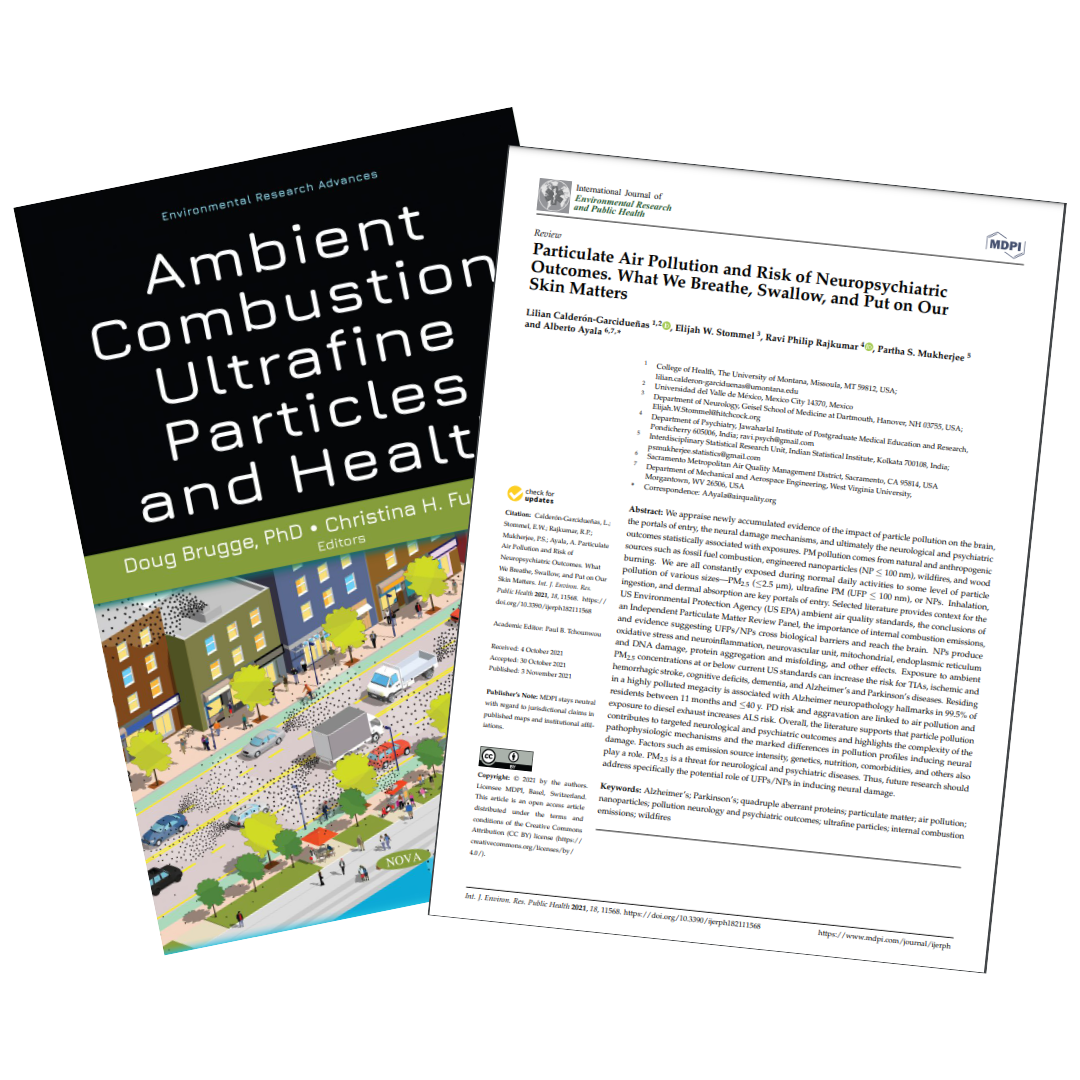
New Paper and Book Detail Health Impacts of Air Pollution
As an expert on the associations between air pollution, exposures, and adverse health effects, APCO Alberto Ayala has co-authored a multidisciplinary paper and contributed to a published book.
|
|
How Sac Metro Air District is Incentivizing a Cleaner Transportation Sector
The transportation sector accounts for more than 40% of the Sacramento region’s emissions, which is why the Sac Metro Air District has focused many efforts to bring clean and reliable vehicles to our roads. Programs such as Clean Cars 4 All and Our Community CarShare have created opportunities for residents to access zero-emission vehicles, while the District’s incentive programs have funded school buses and charging infrastructure around our region.
Aside from moving people, however, there are many vehicles traveling in the region dedicated to moving goods. With an increase in e-commerce, a larger number of medium- and heavy-duty vehicles are transporting goods into, within, and out of the region. While this increased traffic can create clean air challenges, it also creates an opportunity to transition this portion of the transportation fleet into cleaner vehicles.
Through its incentive programs, the Sac Metro Air District is funding projects related to engine technology, energy production, and fueling infrastructure to help move the Sacramento region towards zero-emissions freight and goods. These innovative projects include electric and hydrogen, medium- and heavy-duty vehicles operating in the region, hydrogen fuel cell locomotives, inland port rail operations, heavy-duty truck charging plazas, and hydrogen production and fueling stations.
With a strong commitment to bringing these and other emission-reducing projects to the region, the District is using its resources to bring these ideas to reality and working with partner agencies and local jurisdictions to streamline the process while maintaining public health and safety.
|
|
|
|
Clean Air Projects Coming Soon
Each year, Sac Metro Air District awards clean air grants to a wide variety of projects in our region. The following projects have recently signed contracts and are ready to move to the next step! Congratulations to all our partners in helping to ensure clean air and a low-carbon future for all!
|
|
Clark Pacific
West Sacramento, CA
$100,000
1 Orange EV Electric Yard Goat/ Terminal Truck
|
|
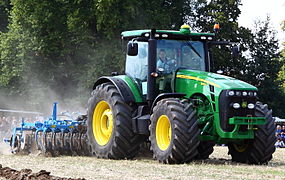
David Morris
Dixon, CA
$82,166
Agricultural Tractor
|
|
Devine Intermodal
Sacramento, CA
$100,000
1 Orange EV Electric Yard Goat
|
|
Hensleigh Healthy Beef
Elk Grove, CA
$13,500
Electric UTV
|
|
Jasvir Mann
Dixon, CA
$10,527
Electric UTV
|
|
Mello Dairy
Galt, CA
$189,972
Agricultural Tractor
|
|
Penske Truck Leasing
West Sacramento, CA
$100,000
Electric yard goat
|
|
Sacramento-Yolo
Port District
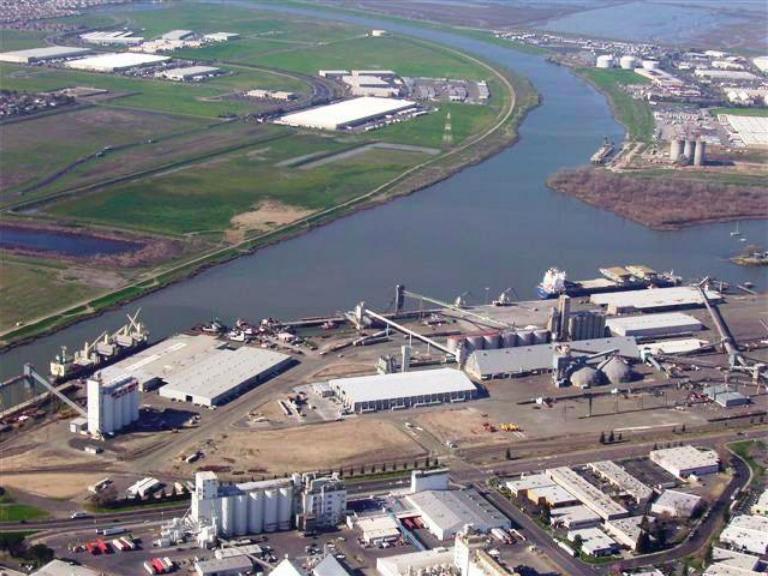
West Sacramento, CA
$257,500
8 ChargePoint
Express 250 chargers
|
|
U.S. Cold Storage
Sacramento, CA
$100,000
Electric Truck
|
|
|
|
|
|
|