| |
| |
Lessons From the SF Peninsula:
The Historic Structure Every Central Valley Garden Needs
Sue Fitz, UC Master Gardener, Yolo County
|
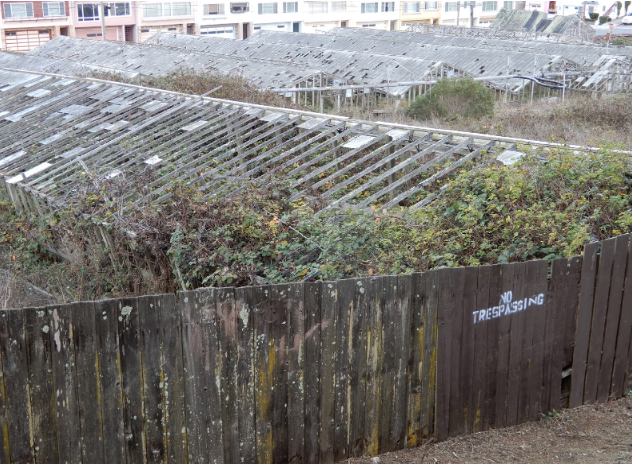
| |  | When my family moved to the Santa Clara Valley in the 1960s, I became curious over the sight of abandoned and disintegrating buildings I noticed tucked in out-of-the-way places, like empty lots, behind warehouses, and abandoned orchards. My budding gardener’s eye could identify collapsing greenhouses and shattered wooden frameworks, and wondered what plant enterprises had once been there, and what had ultimately caused their end. A set of decaying structures next to a plant nursery I frequented, finally emboldened me to ask the nursery’s owner about the history of these abandoned buildings. He told me in the early part of the twentieth century, the valley had a large number of small-scale wholesale flower and plant growers, started by immigrant families. The greenhouses had grown cut flowers, the nursery plants were grown in shade structures called lathhouses, wooden frameworks covered by thin wooden strips spaced evenly to provide shade and wind protection. By the time I arrived in the valley, the industry had collapsed...
| | | | |
How Pollinators See and Use Our Gardens
| |
Peg Smith, UC Master Gardener, Yolo County
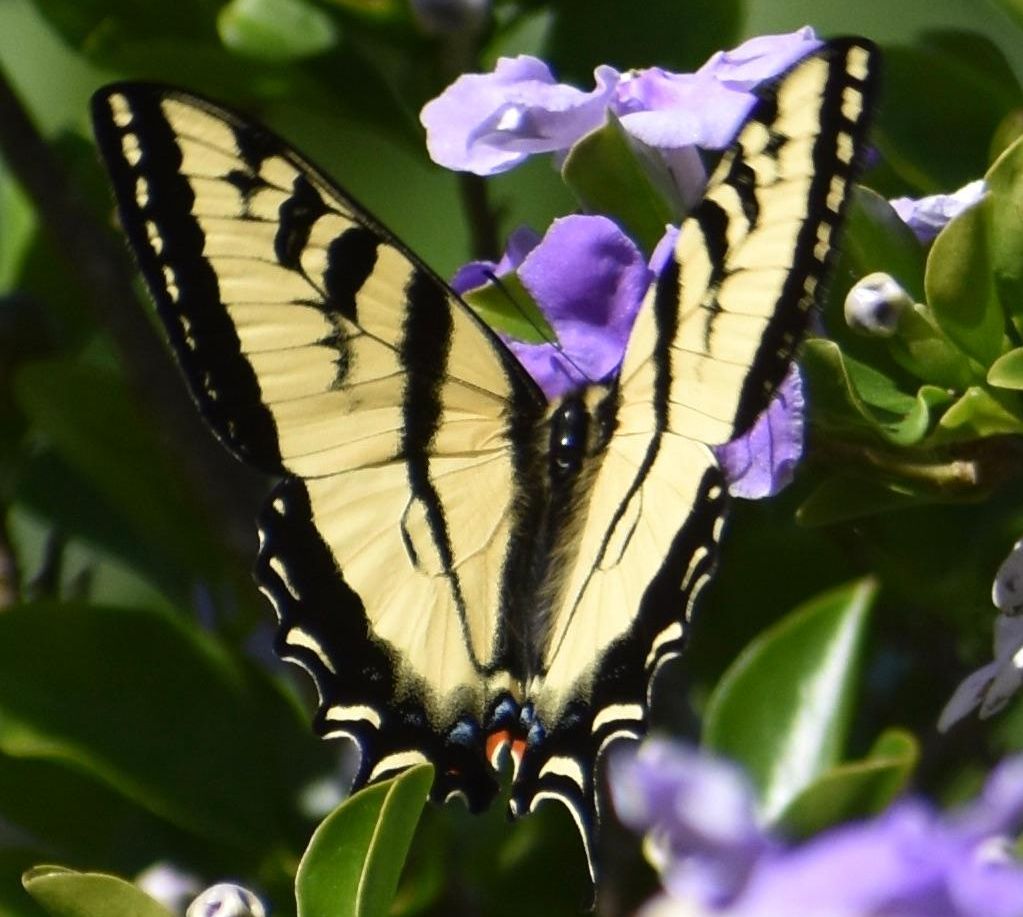
It is fall and the gardening advice coming at us from all directions is ‘plant for the pollinators.’ But how do we know that a plant we would love to have in our garden would be a good fit for us and the pollinators? We have carefully considered the options for our garden spot, sun/shade; native/non-native; growth height/spread; bloom season/color/shape, and we are happy with the selection and design, envisioning an annual garden kaleidoscope that will give us endless pleasure. When we say ‘attract pollinators’ what is it about the plants that will draw the pollinators to our garden efforts? Shape, scent, patterns, and nectar play an important role but do our pollinator friends have the same vision of plant life as we do?...
| | | | |
Ask a Master Gardener
This column is written by the UC Master Gardeners of Yolo County each month. It provides answers to selected questions recently asked by Yolo County gardeners.
| | |
QUESTION: I would like to take out my lawn. How do I do that and what do you recommend I replace it with?
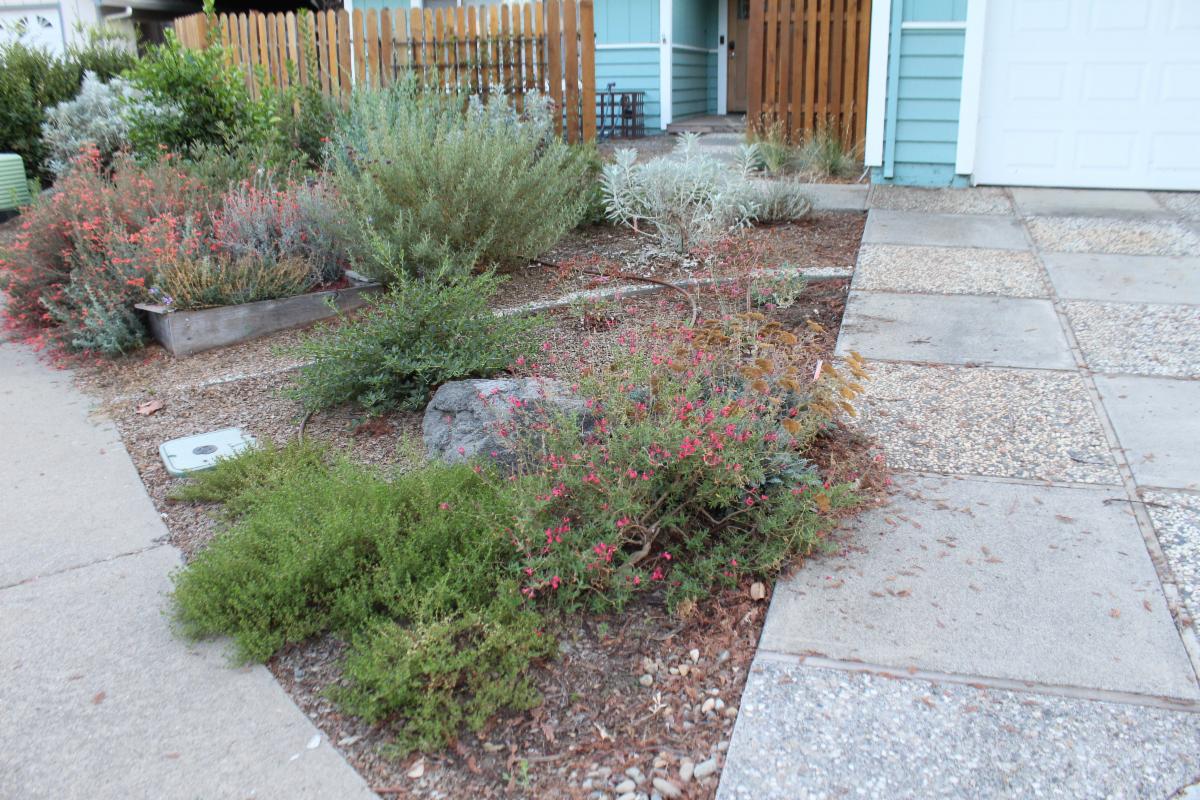
ANSWER: Replacing a conventional lawn can reduce water use while creating a more attractive and varied landscape. There are several ways to remove a lawn, and the best choice depends on how quickly you want the change to occur, how much labor you want to do, and what you plan to plant afterward. In any case, now is the right time to remove your lawn so that the plants you replace it with...
| | |
QUESTION: Can I grow vegetables in the winter?
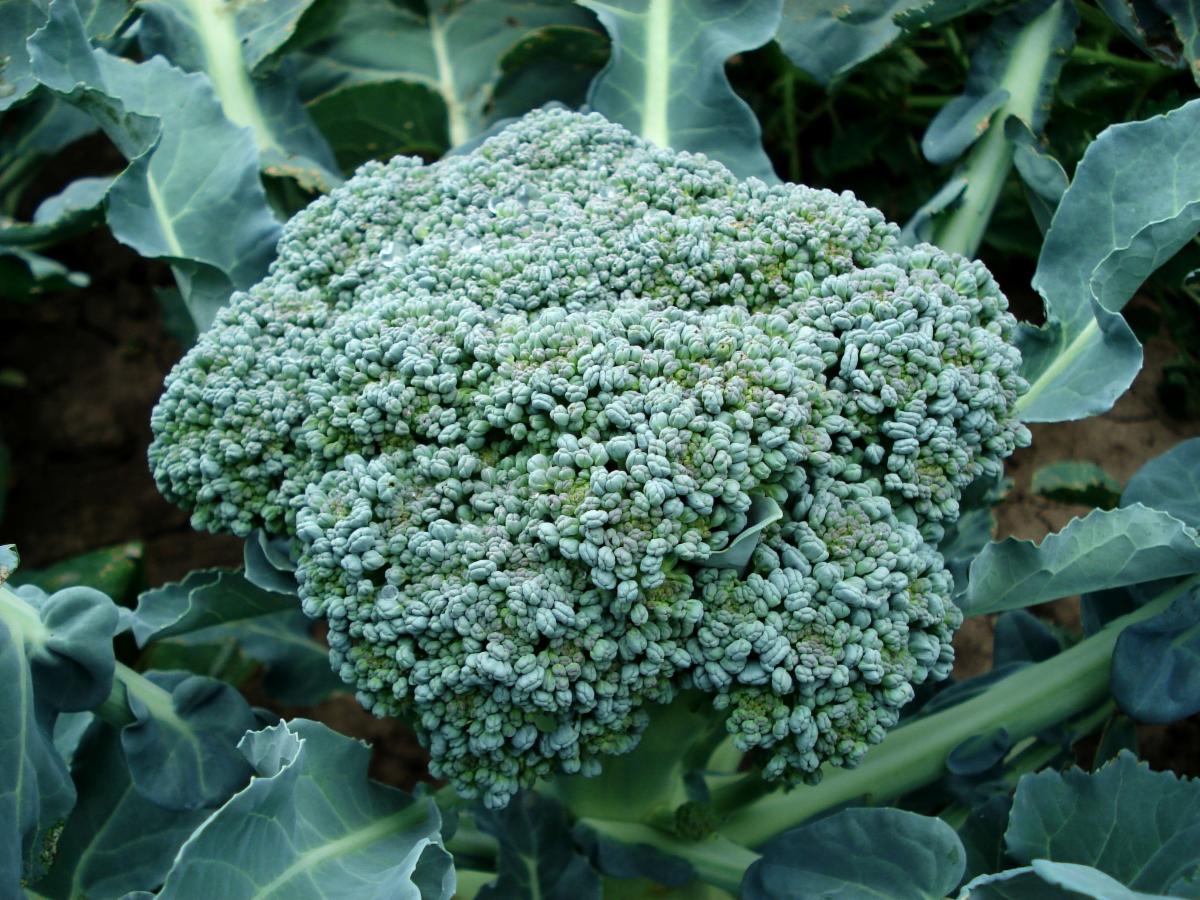
ANSWER: Absolutely. A second season, cool weather vegetable garden can be easier and every bit as productive as the summer edition. With planning and winter specific approaches, you can successfully grow a variety of vegetables as tasty as anything summer has to offer. There are two keys to a successful cool season garden; grow cold hardy vegetables and start at the right time. Cool weather vegetable gardens have two...
| | |
This two question article previously appeared in the Winters Express and Davis Enterprise.
Have a gardening question? Send it to jmbaumbach@ucanr.edu, with “Ask MGs” in the subject line. Include as much detail as possible and pictures if you have them.
| | | | |
November Garden Tips
Peg Smith, UC Master Gardener, Yolo County
We’ve had the first rain of the season! When is our official California rainfall season? Traditionally rainfall season (meteorological) is considered from July 1st to June 30th, the water year (hydrological) rainfall season is October 1st to September 30th. Predictions of an El Nino climate effect on our winter weather show our region in the northern band of possibly above normal to extreme precipitation. A good time to check roofs, gutters, and install simple downspout attachments to direct water away from the foundations and plantings. Walk through the garden to check if there are low spots accumulating water, try to improve the drainage for those areas. Plants can ‘wilt’ from too much water.
This is the prime time to be planting, the soil is softened, but not too difficult to work after the rain. Nurseries are carrying a supply of perennials and winter annuals. Fellow gardeners will be dividing their crowded perennials. I must admit that I do not hesitate to ask a neighbor or friend for a division if they have a particular plant I would like to try. Recently I divided an orange clivia and traded a section for a friend’s yellow variety...
| |
November Vegetable Planting Guide
Peg Smith, UC Master Gardener, Yolo County
November is the time to remove any tomatoes that have not ripened and place them on a windowsill to finish ripening. Check out green tomato recipes. Clear out finished pepper plants, squash etc. Add compost to your vegetable beds and mulch any soil you intend to fallow over the winter to prevent erosion and compaction.
There is still time to plant a winter vegetable garden. Winter climate in our area has changed, no longer do we have the tule fogs that would linger for two to three weeks where temperatures would be in the 40s...
| | | | |
2026 Master Gardeners Conference Awards for Yolo County
The 2026 UC Master Gardener Conference, held virtually September 18 through the 20 brought UC Master Gardener volunteers from across California together to learn from UC experts, explore research-based horticulture topics, exchange ideas, and celebrate the tremendous impact of volunteers throughout the state. CONGRATULATIONS to the following UC Master Gardeners of Yolo County!
Recognized as "Gardeners with Heart" for their achievements in 2024 and 2025 -
| |
- Treva Valentine, 2024 - Food Gardening and Food Access
- Ann Liu, 2024 - Food Gardening and Food Access
- Shawn Owens, 2025 - Food Gardening and Food Access
Reached milestones in 2026 -
- Carol Atkins - 25-Year Milestone
- Peggy Smith - 20-Year Milestone
| | | | | |
| |
| |  | |
Join Us at Our Events!
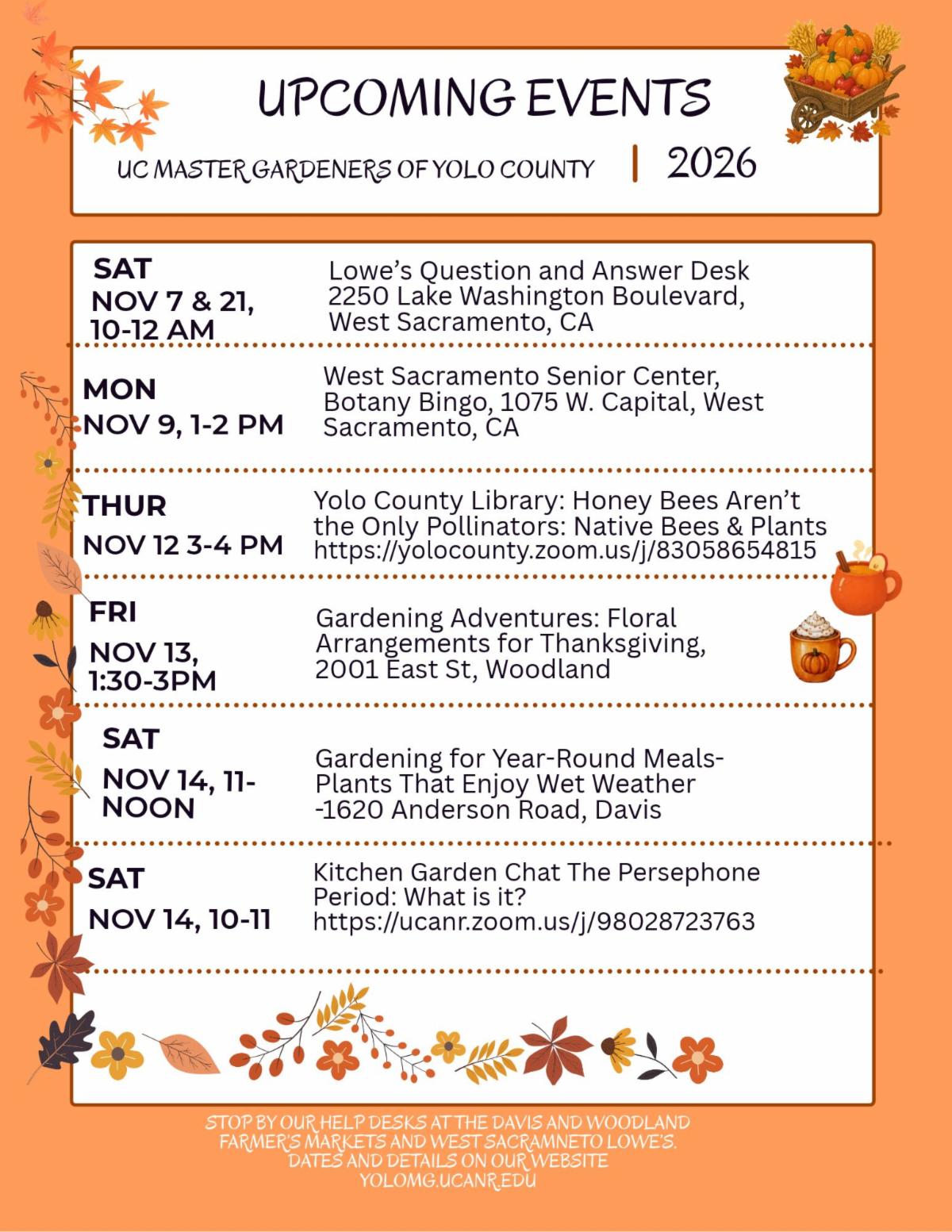
UC Master Gardeners of Yolo County have a great selection of in-person and online events on our Upcoming Events webpage. Check back frequently as the page is updated often. The events are conveniently listed in date order with all of the information you need to prepare for the event.
| | | | |
Final Fall Plant Sale
UC Davis Arboretum Plant Sales
Location: UC Davis Arboretum Teaching Nursery, 1046 Garrod Drive, Davis
November 14 - Public Clearance Sale - 9am to 1pm
The UC Davis Arboretum Plant Sales feature a fantastic selection featuring tens of thousands of regionally appropriate plants, including low-water-use favorites, California natives, and Arboretum All-Stars. Master Gardeners of Yolo County will have a table at these sales to answer questions you might have.
Click here for more information.
| | | | |
University of California Statewide Integrated Pest Management Program
| | |
Join UC IPM every third Thursday of each month from 12 to 1pm to learn about a wide range of urban pest management topics. This series is free and open to the public but advance registration is required.
Upcoming Webinars:
No UC IPM webinars will be held in November or December 2026.
January 21, 2027 - Winter Household Pests
Speaker: Dr. Andrew Sutherland, Area Urban IPM Advisor, San Francisco Bay Area
Register Here
February 18, 2027 - Insect Identification
Speaker: Eric Middleton, Area IPM Advisor, San Diego County
Register Here
Check the Urban & Community IPM Webinars page for their full 2027 webinar schedule
| | | | |
|
How to Fix Irrigation Leaks to Save Water
Elise Shtayyeh, Associate Water Resources Specialist for Solano County Water Agency and Maureen Clark, UC Master Gardener of Solano County and landscape designer and owner of Bright Garden Designs teach us how to track down water leaks in your irrigation system and fix them quickly and efficiently.
| | | |
Backyard Composting - A Free High Quality Soil Amendment
Janet Gaard, UC Master Gardener of Yolo County explains how composting is a natural way to reduce trash, address climate change, and convert your yard waste and food scraps into a free, high-quality soil amendment. Learn how to compost, from start to finish.
| | | | | |
| |
| |
| |
Follow us on Facebook for gardening tips, information about pests and beneficial creatures, and announcements about upcoming events.
| |
Join us on Instagram for inspiration, entertainment, and information about gardening topics and our events.
| |
Watch our videos on Youtube. See recent presentations by Master Gardeners that will help you hone your gardening skills.
| |
Connect with us on Nextdoor to learn about the UC Master Gardener Program and upcoming events.
| |
| | | |
Visit our Local Demonstration Gardens
UC Master Gardener volunteers offer services and outreach to the public in more than 1,286 demonstration, community, and school gardens across 52 California counties. If you are looking for inspiration, visit our local demonstration gardens in Davis, Woodland, Winters, and Clarksburg.
For descriptions, photos, and locations of the eight beautiful demonstration gardens in our local area, go to the UC Master Gardeners of Yolo County Demonstration Gardens webpage.
| | | | |
| |
| |
The Yolo Gardener Newsletter is a monthly publication and the events posted here are based on information available at the time of publication. For the most up-to-date information on our events CLICK HERE. | | | | |
University of California Agriculture & Natural Resources (UC ANR) is an equal opportunity provider. | | | UC Master Gardeners of Yolo County2780 East Gibson Road Woodland, CA 95776 US | | | | |
| |