Rail & Labor News from RWU
| |
Weekly Digest Number 51 - December 17, 2024 | |
Welcome to the RWU Rail & Labor News! This news bulletin is produced and emailed out each Tuesday morning. We hope you find each week's news and information useful. If so, please share with co-workers, friends, and colleagues. If you like, you can sign them up to get all the news from RWU HERE. Or forward them the link. Got a hot tip? Please forward the article and a link to raillabornews@gmail.com. Note: If you read over this news bulletin each week, you will be sure to never miss the important news of what is going on in the railroad world from a worker's perspective! | |
THIS WEEK'S RAIL AND LABOR NEWS | |
Editor's Note: This latest bargaining round reveals a disappointing failure on all fronts. The railroads’ decision to splinter from their historic united front has sown chaos, while rail unions have proven equally disorganized, scrambling to secure piecemeal agreements that lack the strength of coordinated action. The result? A fragmented mess of deals that benefit neither the workers nor the long-term stability of the industry. In an era of corporate greed and a hostile federal government, both rail labor and employers are playing a reckless game—one that workers cannot afford to lose. | |
Labor Notes / December 13th, 2024
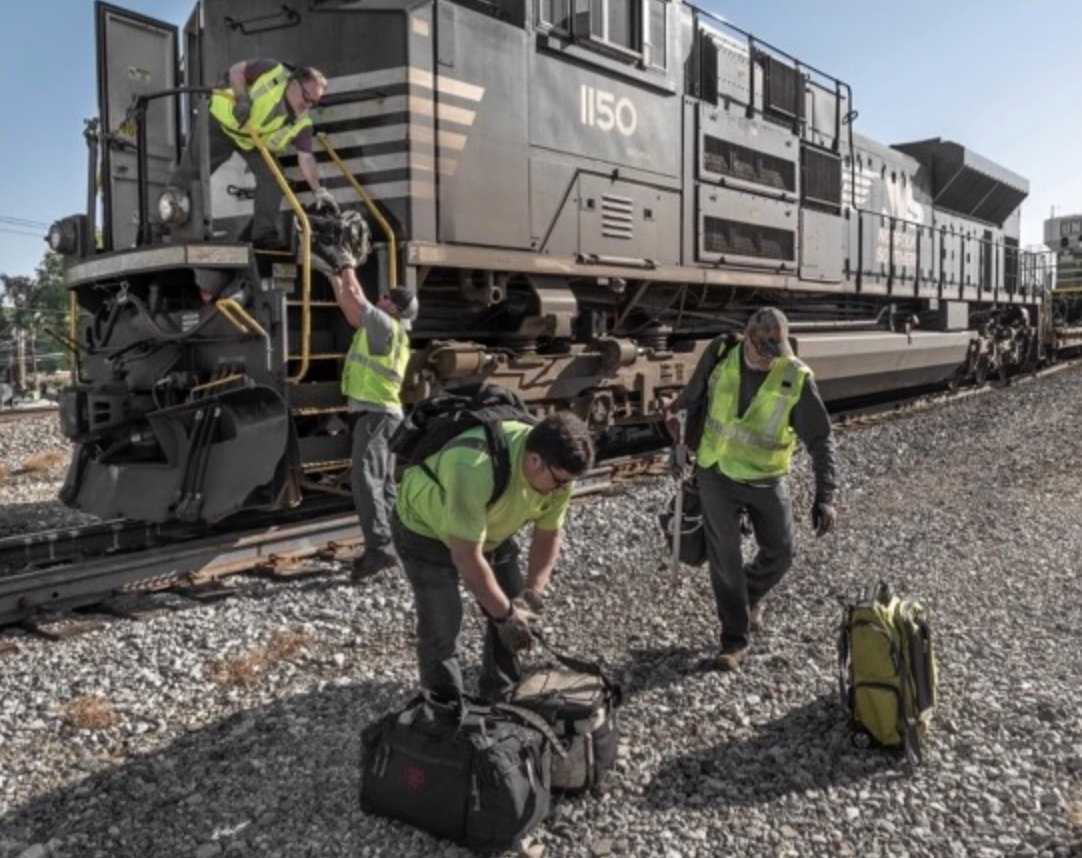
As the Trump administration prepares to take power, the nation’s freight railroad companies are bargaining with railcraft unions representing 115,000 freight workers who move essential goods across the country.
Already the bargaining looks very different from the last round of negotiations, which finished in 2022. Multiple railroads have gone rogue for the first time since 1963, breaking with the employer association in which they typically present a united front.
Rail labor is as fragmented as ever, but so are the railroad employers. In an industry that has been cut to the bone, a little organizing can go a long way. So far we have not seen that organizing, but we could—because business as usual under an extremely hostile federal government is unlikely to deliver the results workers say they need.
| |
Editor's Note: The tentative agreement between CN and Unifor represents a step forward for 3,300 Canadian rail workers in mechanical, clerical, and intermodal roles. While the details remain to be seen, this development signals a commitment to maintaining stability ahead of the current contract’s expiration. However, the NCCC’s agreements with TCU and BRC follow the now-familiar pattern of modest gains that barely keep pace with rising living costs. These deals, while better than stalemates, underscore the need for rail labor to demand bolder, collective action to address the systemic challenges facing workers across the industry. | |
Progressive Railroading / December 12th, 2024
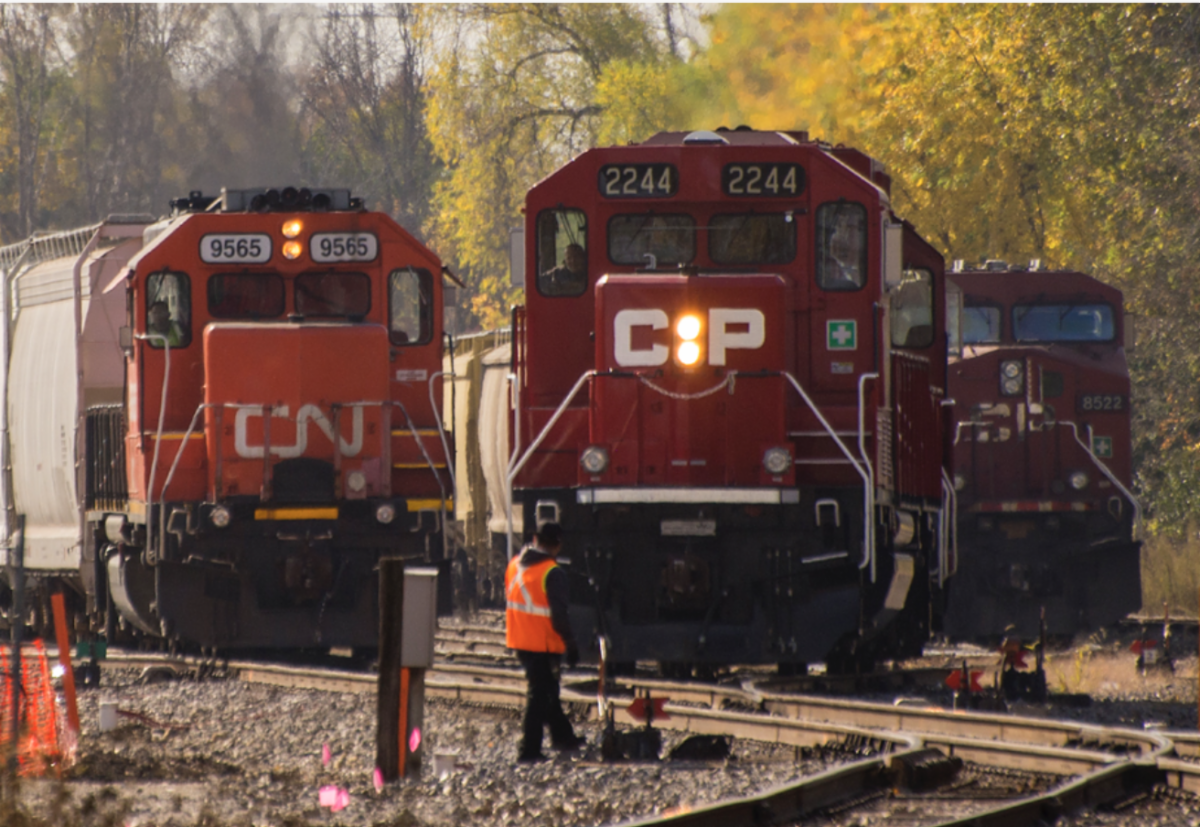
CN announced that a tentative four-year collective agreement has been reached with Unifor. The current collective agreement with Unifor expires on Dec. 31, CN officials said in a press release. The union represents 3,300 CN employees in Canada who work in mechanical, clerical, and intermodal functions.
Meanwhile, the National Carriers Conference Committee (NCCC) announced the ratification of five-year national collective bargaining agreements with the Transportation Communications Union (TCU) and the Brotherhood of Railway Carmen (BRC). The ratified agreements with TCU and BRC follow a pattern established by earlier local agreements between several rail carriers and unions, NCCC officials said in a press release. Benefits for covered employees include wage increases of 18.8% over five years, enhanced health care and welfare benefits with no increase to employee contribution rates, and more paid vacation time earlier in employees’ careers.
| |
Editor's Note: Union Pacific’s ongoing attempt to abandon its obligations to Metra’s commuter service is a stark reminder of how freight railroads have systematically dismantled passenger rail in pursuit of profit. This isn’t just a negotiation over financial terms—it’s a continuation of a decades-long strategy to offload public responsibility while clinging to the infrastructure built for both freight and passenger service. UP’s desire to wash its hands of commuter operations reflects the broader disdain freight carriers have for passenger rail, despite the vital role it plays in public transit. The Surface Transportation Board may act as mediator, but real accountability will only come when the public demands that railroads prioritize service over shareholder returns. Until then, the legacy of freight railroads gutting passenger service remains intact. | |
Trains Magazine / December 12th, 2024
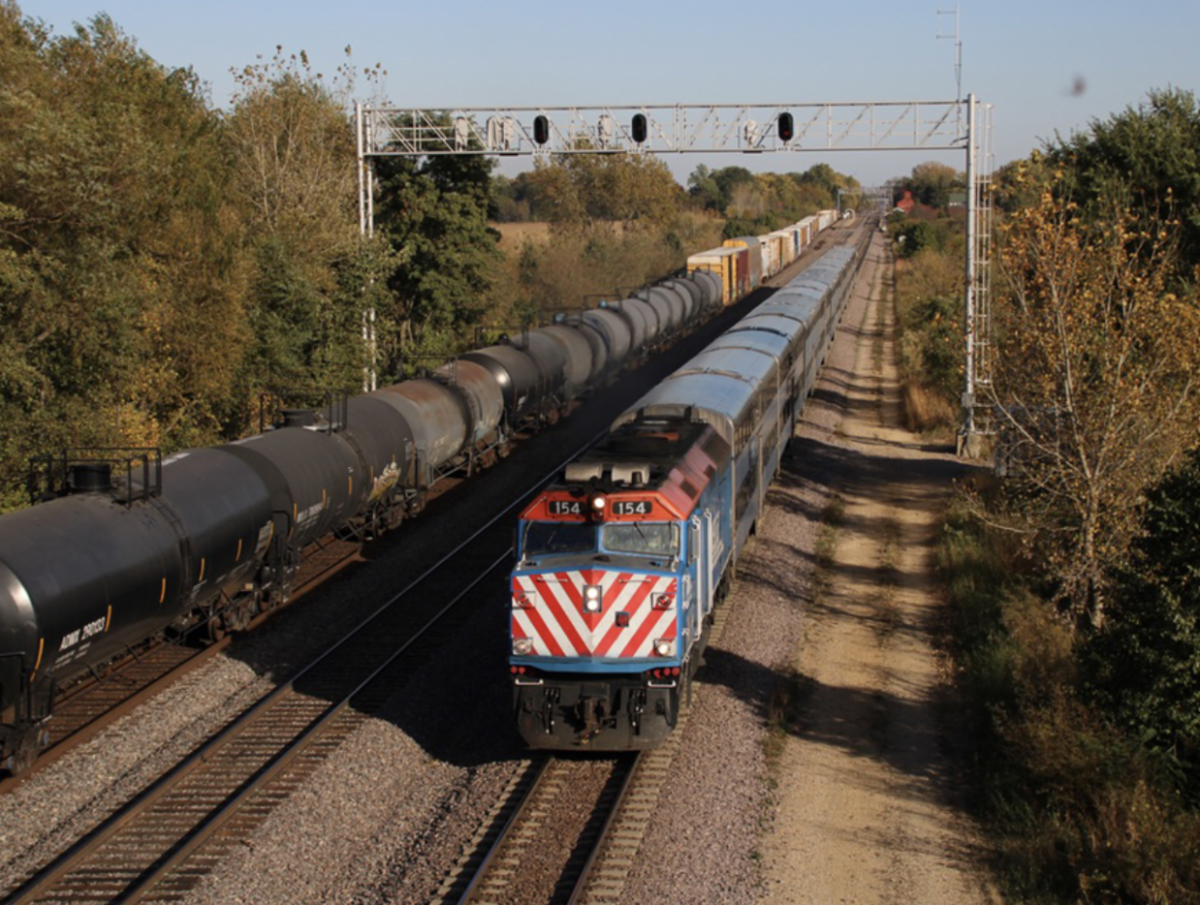
The Surface Transportation Board has again extended the mediation process for Union Pacific and Metra as they try to work out the details of the transfer of Metra operation on three UP-owned routes.
The board granted UP’s request — agreed to by Metra — to extend the mediation period through Jan. 31, 2025. The STB initially ordered mediation in August That order was to have expired in October, but the board granted an extension to November because of delays in scheduling the first in-person mediation session. It was extended again in November to include another scheduled session earlier this month.
|
|
Editor's Note: The SAFE TRAINS Act is a necessary step toward protecting our rail networks from foreign influence, but the delays in finalizing its implementation are unacceptable. National security and the integrity of our transportation infrastructure cannot afford to wait for bureaucratic red tape. The Biden administration must act now to ensure that critical safeguards are in place to protect both our domestic rail industry and the workers who depend on it. | |
Progressive Railroading / December 13th, 2024
The Rail Security Alliance (RSA) has joined U.S. Sen. Tammy Baldwin (D-Wis.) in urging the Biden administration to take immediate action to finalize the Office of Management and Budget (OMB) review of a proposed rule that will ensure full implementation of the Stopping America's Foreign Enemies Through Rail And Infrastructure National Security Act (SAFE TRAINS).
The legislation aims to prevent freight cars and sensitive technologies on rail cars operating on the U.S. freight-rail network from being produced by countries on U.S. watchlists, most notably China, RSA officials noted in a press release. The Federal Railroad Administration sought stakeholder feedback on the SAFE TRAINS rule to amend the Freight Car Safety Standards under the IIJA. Feedback received by FRA contained no opposition to the proposed rule, according to RSA.
| |
Editor's Note: The Teamsters Canada leaders are right to call out the insidious playbook of rail corporations weaponizing lockouts to strong-arm politicians. This tactic—designed to undermine workers, disrupt supply chains, and force government intervention—is a masterclass in corporate manipulation, and the U.S. knows it all too well. Here, the freight railroads have routinely dragged Congress and the White House into bargaining, wielding the Railway Labor Act as a shield against strikes and a hammer against labor. Ottawa would do well to heed this warning: stay out of the collective bargaining process. History has shown that every time governments intervene on behalf of industry, workers lose, and corporate greed tightens its grip. If the rights of rail workers are to mean anything, governments must leave the table—and the rail barons must face the strength of a united workforce. | |
Trains Magazine / December 13th, 2024
Teamsters Canada union leaders are urging federal officials in Ottawa to stay out of the collective bargaining process and back railway workers’ right to strike.
“The transportation industry’s most powerful chief executives have developed a way to sidestep union negotiations,” Francois Laporte, national president of Teamsters Canada, and Paul Boucher, president of the Teamsters Canada Rail Conference, wrote in an op-ed in Toronto’s Globe and Mail newspaper this week. “Here’s their playbook, as we see it: Make unreasonable demands, accuse unions of being unreasonable for refusing to accept them, instigate job action, lock workers out to disrupt supply chains, and use the resulting outcry to press Ottawa to impose binding arbitration. We believe this to be bad faith bargaining.
| |
Editor's Note: Editor's Note: This is a truly phenomenal development. Great to see the Canadian passenger rail system ordering new equipment to replace the aging long distance train fleet, something Amtrak should have engaged in a generation ago, and MUST do immediately to preserve and protect the long distance network in the U.S. | |
Trains Magazine / December 10th, 2024
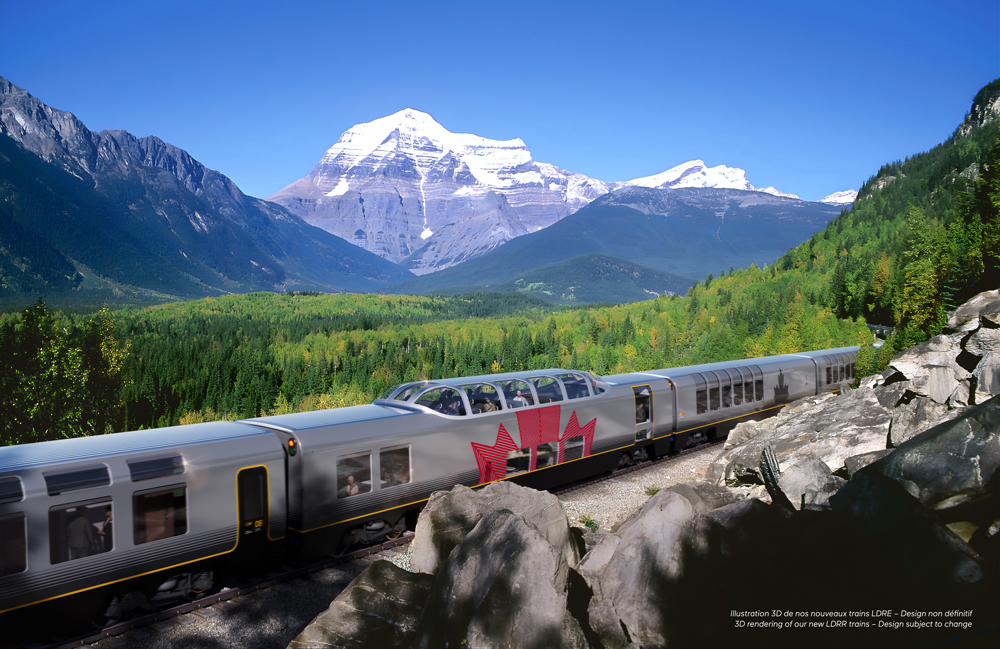
Yesterday’s news out of Montreal was a stunner: VIA Rail Canada will re-equip its long-distance, regional, and remote-service trains with new single-level equipment — including dome cars for its flagship, the Vancouver-Toronto Canadian. VIA Rail’s 70-year-old Budd-built stainless steel fleet is a testament to durability and design. But nothing lasts forever, and despite all their classic streamliner charm, the venerable Budd cars have served well beyond their useful lives.
Now, with funding approved in Ottawa and the promise of new equipment on the horizon, VIA Rail is making a statement: The Canadian is here to stay and it’s getting a 21st-century makeover worthy of the last great streamliner.
| |
Editor's Note: The BLET’s agreement with Indiana Southern Railroad may offer a few modest gains, but it reflects the restrained ambitions of rail labor under relentless corporate pressure. A 24.5% compounded wage increase, increased meal and boot allowances, and the addition of parental leave are steps forward, but they are hardly transformative. In an industry where workers’ contributions fuel immense profits, these victories feel like crumbs tossed to keep discontent at bay. Contracts like this remind us that the fight for true justice in rail labor isn’t won with incremental progress—it’s won when workers rise as one to demand what they’ve truly earned. Anything less is a compromise with the forces that perpetuate inequality and exploitation. | |
BLET / December 12th, 2024
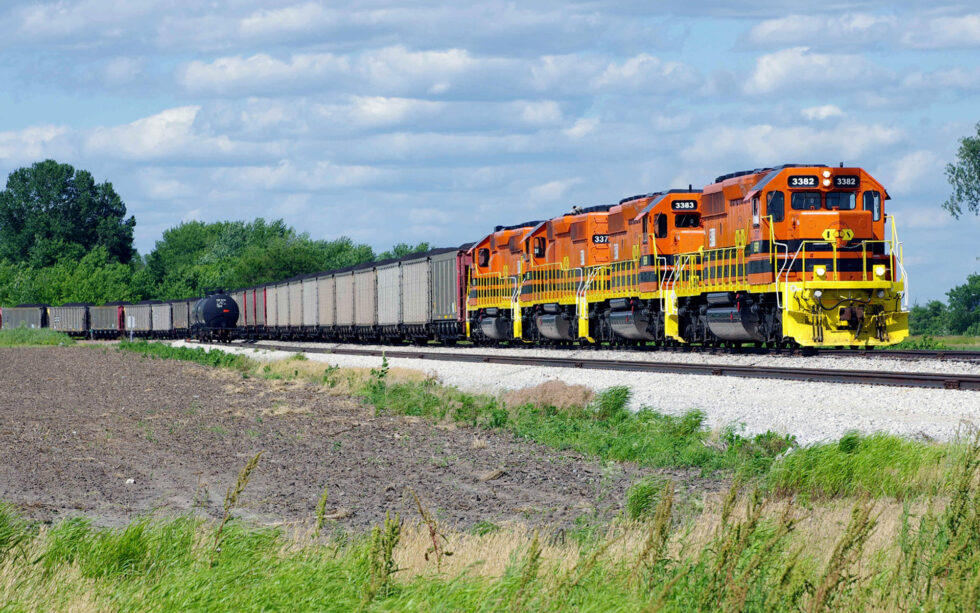
Members of the BLET on December 5 ratified a new contract with the Indiana Southern Railroad (ISRR). The on-property agreement governs rates of pay, benefits, and work rules for 13 BLET locomotive engineers and conductors.
The five-year deal runs through the end of 2029 and provides general wage increases of 22.5% (24.5% compounded) over the life of the contract (8% at signing; 3.0% in 2026; 3.0% in 2027; 4.5% in 2028; and 4.0% in 2029). Other improvements include increased meal allowances when traveling off the Indiana Southern territory, an increased boot allowance to $275.00, and the addition of a parental leave benefit.
| |
Editor's Note: After a 15-year hiatus following the tragic 2009 Red Line collision, WMATA’s reintroduction of Automatic Train Operation (ATO) marks a significant milestone in the evolution of our transit systems. This advancement promises not only enhanced safety and efficiency but also a testament to the relentless pursuit of technological progress in public transportation. As we embrace this automation, it’s imperative to recognize the indispensable role of our transit workforce. Their expertise and dedication remain the backbone of our rail systems, ensuring that technological advancements serve to complement, not replace, the human element that keeps our trains running safely and smoothly. | |
Progressive Railroading / December 13th, 2024
The Washington Metropolitan Area Transit Authority announced that it would begin operating Metrorail trains in automatic mode for the first time in 15 years.
Automatic train operation (ATO) controls the trains' acceleration, deceleration, and speed while regulated by safety critical equipment. Trains will receive signal and speed commands from equipment located between the tracks for a smoother ride, enhanced safety, and improved on-time performance, WMATA officials said in a press release.
| |
Editor's Note: The rise of artificial intelligence in railroads may promise efficiency, but when coupled with Precision Scheduled Railroading (PSR), it often becomes another tool to prioritize profits over people. Railroads like Union Pacific tout AI’s ability to streamline operations, yet these advancements come at a human cost—eliminating jobs, dehumanizing decision-making, and further stretching an already overburdened workforce. AI can’t replace the intuition, experience, and accountability of skilled workers, nor can it fix the damage caused by PSR’s relentless cost-cutting. If railroads truly seek progress, they must invest in their people and ensure that technology serves to enhance safety and sustainability—not erode the very foundation of the industry. Progress should empower workers, not sideline them. | |
Trains Magazine / December 13th, 2024
Artificial intelligence is weaving itself into the daily operations of big U.S. railroads, helping managers make data-backed decisions about operating plans and identify trends among virtually any process.
As railroads migrate from mainframe-based systems to cloud-based platforms with real-time data components, railroads are plugging in generative AI — machine-learning tools — to make data-supported decisions. There are dozens of ways to slice the data railroads are capturing from the emerging technology.
Union Pacific is one of the most vocal proponents of the tech, frequently discussing AI on its online blog, Inside Track, and at industry events. UP recently went in depth with Trains News Wire on how AI is being used at North America’s largest railroad.
| |
Editor's Note: California’s High-Speed Rail project embodies the bold vision necessary to meet the challenges of a modern, connected future. Yet, vision without responsibility is doomed to fail. The project’s escalating costs and delays demand robust oversight and a renewed commitment to efficiency—not abandonment. Representative Kevin Kiley’s call to defund the project reflects a lack of imagination, ignoring the transformative potential of high-speed rail to reduce emissions, ease congestion, and connect communities. Instead of retreating, we must demand accountability and unwavering resolve to see this project through—because true progress is never easy, but it is always worth fighting for. | |
Newsweek / December 12th, 2024
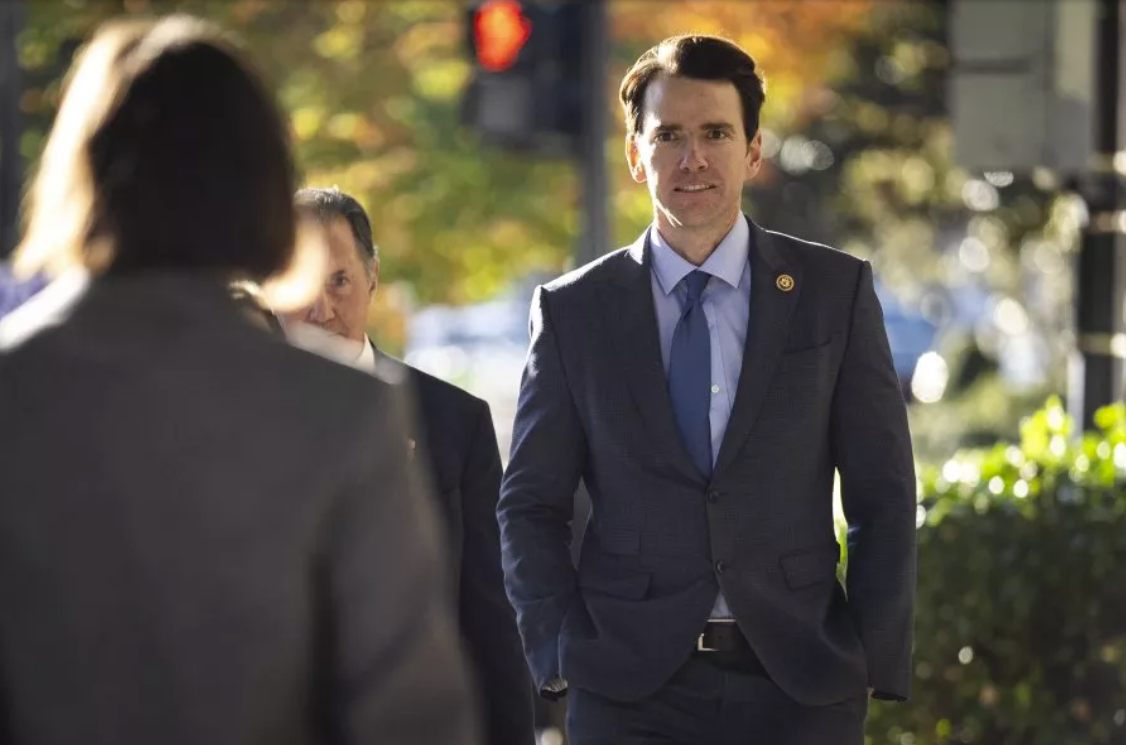
A Republican lawmaker has set his sights on federal funding for California's high-speed rail, driven by the ambitious initiative's escalating costs and significant delays. On Wednesday, California Representative Kevin Kiley announced that he would be proposing a bill to halt federal funding for the "failed California High-Speed Rail Project."
"California's high-speed rail project has failed because of political ineptitude, and there is no plausible scenario where the cost to federal or state taxpayers can be justified," Kiley said on Wednesday. "Our share of federal transportation funding should go towards real infrastructure needs, such as improving roads that rank among the worst in the country."
| |
|
Editor's Note: President-elect Trump’s cabinet nominations reveal a troubling contradiction for rail labor. Sean Duffy, tapped as Secretary of Transportation, has a history of prioritizing corporate interests over worker safety, from supporting legislation to extend hours of service to slashing funding for Amtrak’s national network. This pick underscores an alarming disregard for the well-being of rail workers and the public who rely on safe, efficient transportation.
Conversely, the nomination of Lori Chavez-DeRemer as Secretary of Labor offers a glimmer of hope, with her union ties and perceived labor-friendly stance sparking cautious optimism. Yet, rail labor must remain vigilant. History has shown that political overtures to workers often mask deeper allegiances to corporate power. Eugene Debs taught us that the fight for labor justice is never won in the halls of government but through unwavering solidarity and grassroots action. These appointments are a call to action: rail labor must organize, resist complacency, and demand accountability from those who claim to represent the interests of American workers.
| |
BLET / December 12, 2024
President-elect Trump has announced his intention to fill two cabinet-level positions of particular interest for the BLET and its members: the Secretary of Transportation and the Secretary of Labor.
Former Wisconsin Representative Sean Duffy has been nominated by President-elect Trump to serve as Secretary of Transportation. Duffy most recently served as co-host of a television show on Fox News. According to a report from Trains.com, Duffy represented Wisconsin’s 7th District in the U.S. House of Representatives from 2011-2019. As a member of Congress, Duffy sponsored legislation that would have forced railroad employees to remain on duty more than the current Hours of Service law to clear blocked grade crossings. He also supported legislation that would have eliminated funding for Amtrak’s national network. Both pieces of legislation ultimately failed.
Trump also tapped a current member of Congress from Oregon — Representative Lori Chavez-DeRemer, who lost her reelection bid last month — as his pick to serve as the Secretary of Labor. According to The Hill newspaper, this pick “has organized labor cheering and business groups sounding worried as the atypically labor-friendly choice could signal a new and more receptive stance toward unions from Republicans, who have long resisted labor’s agenda.” It’s important to note that Chavez-DeRemer is the daughter of a Teamster member. After the announcement, Teamsters General President Sean O’Brien published a note on social media thanking Trump for “putting American workers first” by nominating Chavez-DeRemer.
| |
|
Editor's Note: The Uinta Basin Railway project represents a crossroads between economic ambition and environmental responsibility. While proponents tout its potential to boost the Uinta Basin’s economy, the risks it poses to fragile ecosystems, public safety, and communities along its route cannot be ignored. The tenfold increase in hazardous material shipments through central Colorado raises serious questions about the project’s long-term consequences, from potential spills to increased pollution in already vulnerable regions.
This case goes beyond a single railroad—it’s a litmus test for whether we prioritize the well-being of people and the environment over the profits of a few. As the Supreme Court deliberates, it must weigh the true cost of this project, not just in dollars, but in the lives and landscapes it will irrevocably alter.
| |
Standard-Examiner / December 9th, 2024
The U.S. Supreme Court will hear arguments this week in a case that could determine the fate of a Utah oil train project opposed by Colorado communities — and possibly reshape a key federal environmental law in the process.
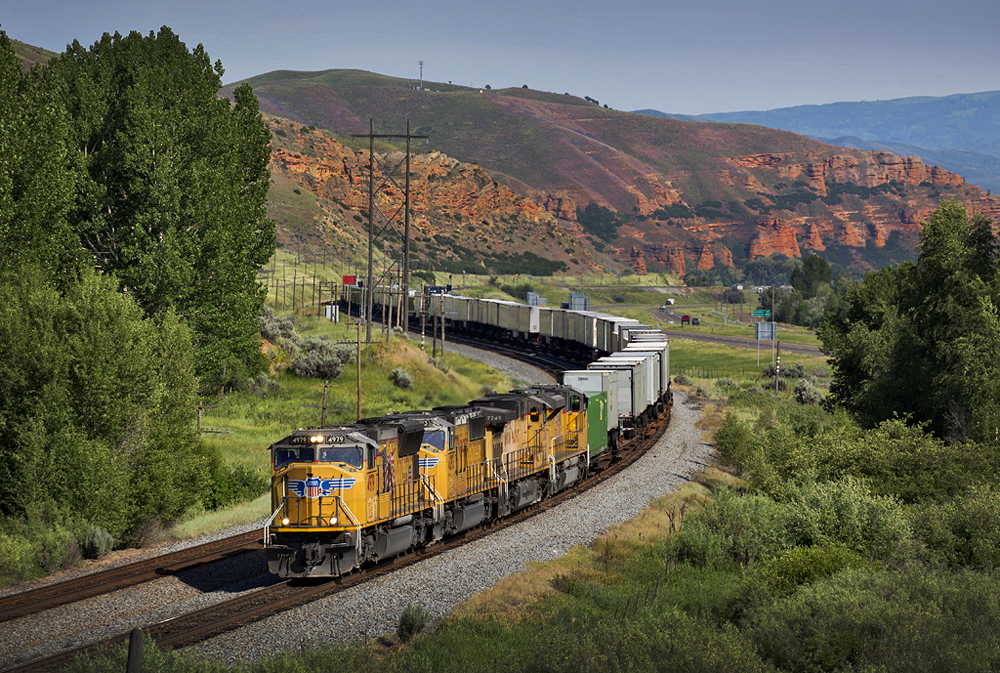
It’s been more than five years since the Uinta Basin Railway was first formally proposed to federal transportation regulators. The 88-mile short-line railroad would connect Utah’s largest oil field to the national rail network, allowing drillers there to dramatically ramp up production and ship it in tanker cars to Gulf Coast refineries on a route that runs directly through some of Colorado’s most environmentally fragile and densely populated places.
Environmental groups have concerns about the railway’s downstream impacts on communities living near refineries on the Gulf Coast, as well as a worsening ozone pollution problem in the Uinta Basin itself as producers there increase production/
| |
Atlanta News First / December 13th, 2024
Three months after a fire at a Conyers chemical plant triggered shutdowns and spawned a wandering toxic plume, community organizers are uniting with other cities that have also experienced chemical disasters.
| |
NEWS FROM AROUND THE LABOR MOVEMENT | |
Each week, RWU includes a few articles about advances and developments in the larger labor movement that are of interest to railroad workers. Got an artcile to submit for possible inclusion next week? Email it along to raillabornews@gmail.com. Thank you! | |
Editor's Note: The recent shooting of the United Healthcare CEO has thrust the healthcare industry into the spotlight. Like the rail industry, the healthcare industry is focused on massive cuts to service and amassing huge profits. RWU - and many unions across the country - feel it is time to take healthcare off of the contract bargaining table by creating a single-payer "medicare for ALL" system where healthcare is a guaranteed right, not a subject to bargain, eliminating the scourge of the private for-profit healthcare system from working peoples' lives. See the RWU Resolution HERE. | |
CounterPunch / December 6
It appears that the killer of Brian Thompson left his manifesto etched on the spent casings of the bullets used to gun down the CEO of UnitedHealthcare outside the Midtown Hilton just down the block from Rockefeller Center: “Delay” and “Deny.” Those two chill words might also serve as the unofficial motto of the $500 billion health industry giant, whose investors Thompson was preparing to address.
Brian Thompson wasn’t a healthcare professional turned corporate titan. He was an accountant who’d learned the tricks of his trade at PricewaterhouseCoopers (PwC). Among the profit-enhancing schemes Thompson brought to UnitedHealth Care was a new method of cashing in on the privatization of Medicare by habitually denying claims to seniors who’d bought into the Medicare Advantage scam.
| |
The Progressive Magazine / December 6, 2024
UNION is this year’s most popular documentary you’ve never heard of. Despite winning a special jury award at the Sundance Film Festival, filmmakers Brett Story and Stephen Maing could not find a distributor for their documentary about a ragtag group of workers’ fight to organize Amazon’s JFK8 fulfillment center in Staten Island, New York, and have instead opted to release it independently. Maing told the Hollywood Reporter that some distributors told him they had to turn the film down for fear of risking their relationships with Amazon, which is the second-largest private employer in the U.S. and the second-largest company in the world by revenue. This shows you just how important the film is.
| |
Portside Labor / December 6, 2024
AIR AND RAIL:
Seven big units of airline & railroad workers are making their way through the maze of negotiations laid out in the Railway Labor Act, which can take years. Association of Flight Attendants members at United Airlines(28,000 workers), Alaska Airlines (6,900), and Frontier Airlines (4,000) have voted overwhelmingly to strike. In Alaska, they rejected a tentative agreement in August. Many haven’t had raises in years.
A major issue is “boarding pay.” Flight attendants are generally not paid for the time they spend working on the ground before airplane doors close. Two other flight attendant unions settled contracts in 2024, the Transport Workers with Southwest and the Association of Professional Flight Attendants with American; APFA won boarding pay. Ten thousand Teamster technicians at United are early in bargaining; the airline is demanding concessions.
| |
WEEKLY DERAILMENT DEPARTMENT | |
Each Tuesday in this news bulletin, RWU does our best to present a picture of what has been happening over the course of the previous week in terms of derailments in North America, and investigation determinations of previous accidents. NOTE: This list is by no means comprehensive. Smaller and less consequential mishaps are generally not reported here. If the wreck results in injury or fatality, or is especially damaging/extreme, a full article will appear as a feature in the dozen or so rail articles above. Know of a train wreck? Please feel free to forward a link to raillabornews@gmail.com for possible inclusion next week. Thanks! |
| | | |