Tracking and Preparing for Hurricane Marie

Greetings!


This week, the City has been tracking Hurricane Marie and preparing for the possible impacts it could have on Long Beach, especially along the Peninsula.


As of today, Hurricane Marie is not expected to head toward Long Beach, but we may still feel some impacts from the storm. Tides are expected to be over six feet, and a south swell could make its way through the gap in the breakwater, bringing higher surf than typical to our beaches.


The City has been preparing throughout the week. Our Marine Bureau is working extra hours, including building up the berm, installing plywood barriers along the boardwalk, and piloting the use of K-rails to divert seawater away from the 72nd Place Parking Lot Entry Road. Pump stations throughout the City are also being checked, and storm drains are being cleared of debris. The City will also set up a command post as we get closer to the weekend and have a better idea of what conditions to expect.


For residents who want to prepare their properties, sandbags are available at 72nd Place and Ocean Boulevard. Lifeguards are available to help residents who need assistance filling bags. Sand and bags are also available at Fire Stations 7, 12, 13, and 14. Empty sandbags are available at every Long Beach fire station. With El Niño expected to strengthen this fall and winter, it may also be a good idea to prepare some sandbags now and keep them available for the upcoming rainy season.


Conditions around Hurricane Marie are still changing, and the forecast could change as well. The City will continue watching conditions throughout the weekend and will share more information as it becomes available. I encourage you to take some time now to prepare and keep an eye on City updates over the coming days by signing up for AlertLB.


For information about longer-term planning efforts to help protect our coastline and prepare for future storms, please see below.


Stay safe and enjoy your Labor Day weekend.


Sincerely,

Kristina Duggan

Councilmember | District 3


Preparing the Peninsula for the Long Term


Alamitos Bay Dredging and Peninsula Nourishment

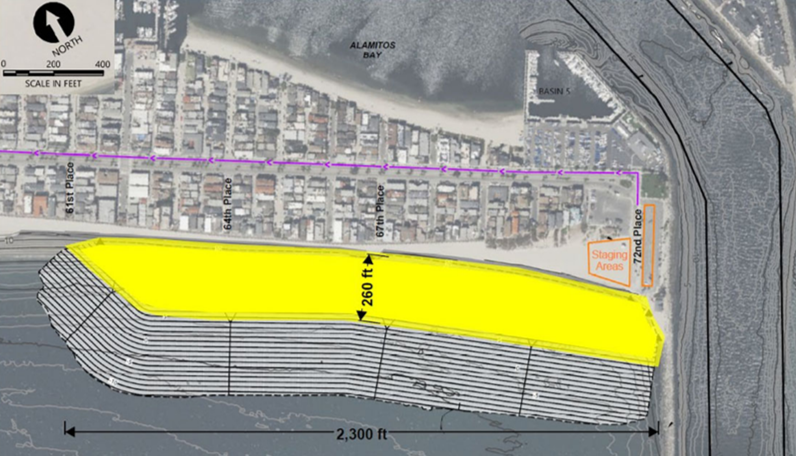
On August 11, the City Council awarded a bid for the Alamitos Bay Entrance Channel Dredging and Peninsula Nourishment Project. The project will complete much-needed dredging in the Alamitos Bay entrance channel and place the dredged sand along Peninsula Beach, extending the beach by approximately 260 feet.


Construction is expected to begin this fall and be completed in early 2027. In addition to improving navigation through the entrance channel, the added sand will provide more beach area and an additional buffer between the ocean and nearby homes during future storms.


Port Deep Draft Navigation Project Could Bring More Sand to the Peninsula

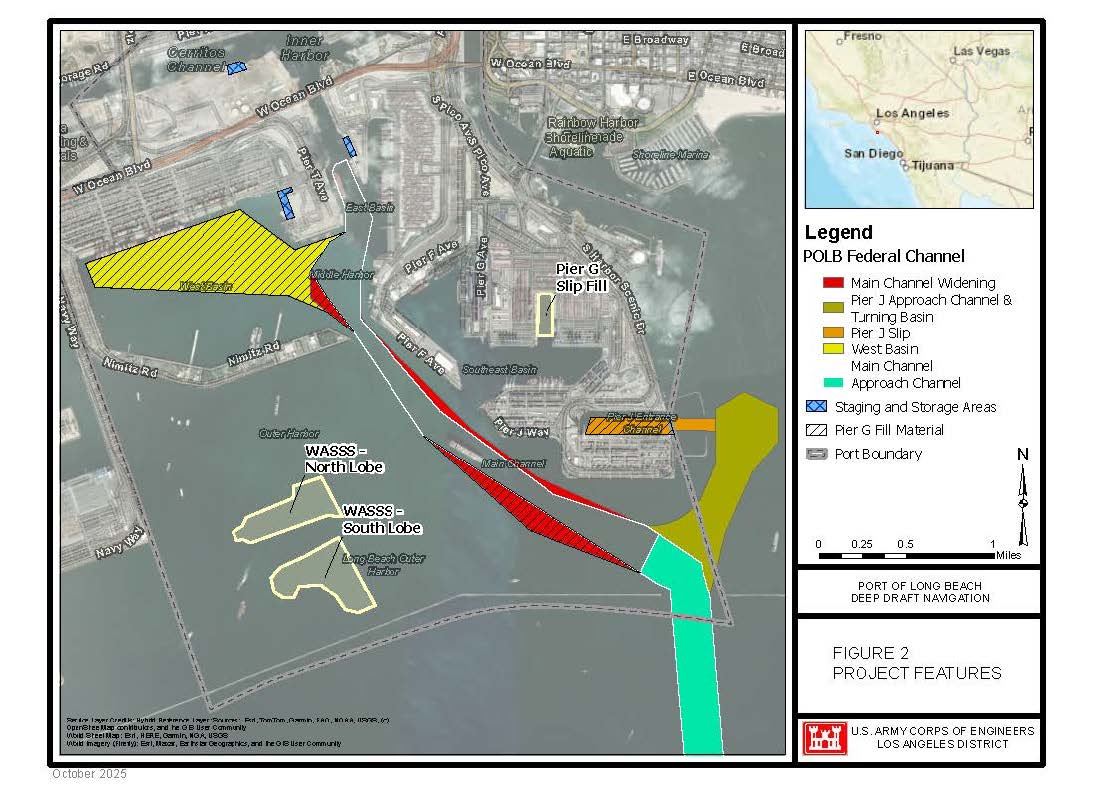
The Port of Long Beach and U.S. Army Corps of Engineers are also working on a major dredging project that is expected to begin in 2029. The project would deepen the approach to the Port to allow larger ships to enter.


My office has been tracking this project because testing has shown that some of the sand that will be dredged is suitable for beach nourishment. Under the original plan, that sand would primarily be placed along Surfside-Sunset Beach, near Bolsa Chica, along with other approved placement sites.


Over the last several years, my office has been working with the Port and Army Corps to keep as much beach-quality sand as possible here in Long Beach and use it to nourish our own beaches. We recently received a commitment from both agencies to update the environmental documents so that the Peninsula can also be approved as a location for this sand, in addition to Surfside-Sunset Beach.


Our understanding is that Surfside-Sunset is given priority because the Army Corps has a federal responsibility for beach nourishment along the coastline from Seal Beach to Newport Beach, while the City of Long Beach is responsible for maintaining our own beaches. Because this dredging is part of a federal project, the sand would first be used to meet those federal responsibilities.


The good news is that based on what we know today, we believe there may be enough suitable sand to help nourish both Surfside-Sunset Beach and the Peninsula. This could give Long Beach an important source of sand for our beaches while also putting material from the Port dredging project to beneficial use.


What We Are Learning From State Agencies and California Coastal Communities

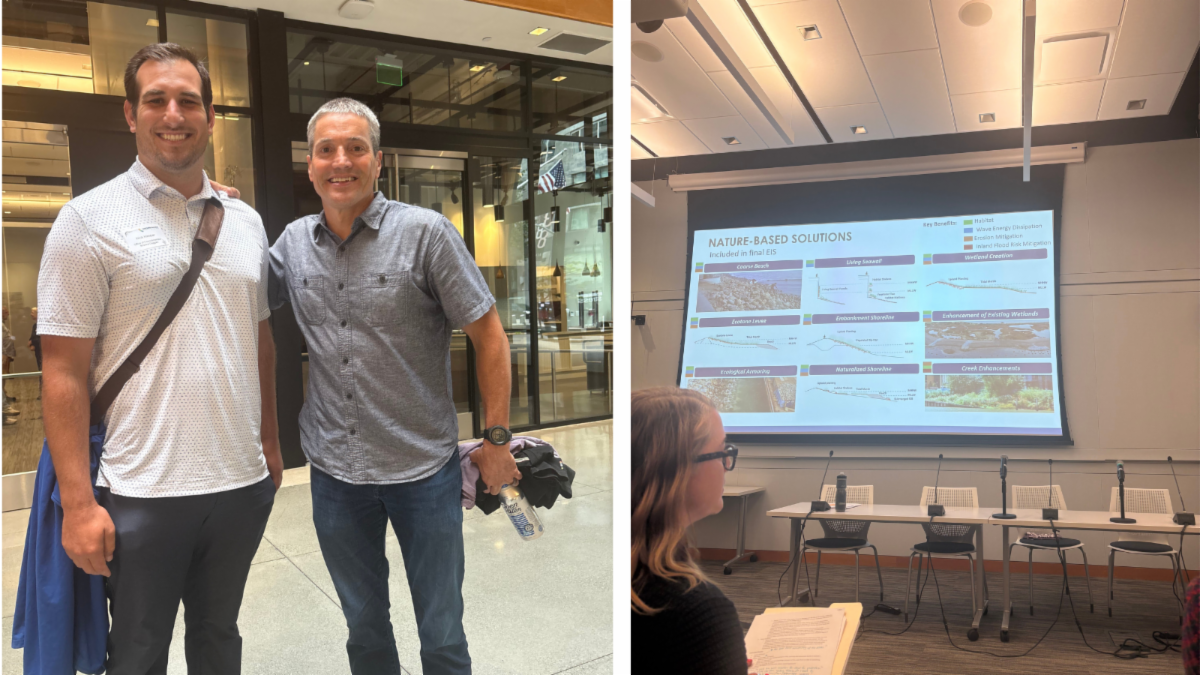
Pictured here: my Chief of Staff, Nick Kaspar, with Wade Crowfoot, California Secretary for Natural Resources. The California Natural Resources Agency includes the California Coastal Commission, State Coastal Conservancy, State Lands Commission, Department of Fish and Wildlife, and many other agencies that play an important role in the future of California’s coastline.

With one beach nourishment project beginning soon and another potentially coming within the next four years, the question my office has been asking is what the Peninsula will look like 10, 30, and 50 years from now.


Dredging and beach nourishment will remain important, but repeatedly adding sand is generally viewed as maintenance, not a long-term solution on its own. We need to address today’s problems while also planning for the future, because the decisions we make now can shape the Peninsula’s long-term options and affect confidence in the neighborhood. 


Over the last several years, my office has spent time meeting with state agencies, attending conferences, talking with consultants, and researching what other California coastal communities are doing. There are several approaches being discussed across California, including managed retreat, nature-based solutions, and traditional infrastructure.


Managed retreat generally means moving development farther away from the water as sea levels rise. Depending on the location, that could mean moving roads and other public infrastructure and, in some cases, private property.


Traditional, or "gray," infrastructure includes things like seawalls, riprap, levees, and other manmade structures designed to keep water out. These types of projects are still possible, but they can be increasingly difficult to permit along the California coast.


Nature-based solutions are another approach being developed. These projects use things like wetlands, dunes, and other restored natural areas to help absorb wave energy and provide protection from storms and rising seas.


There is unlikely to be one solution that works everywhere. The important thing is that we begin this planning now, understand the options available to us, and put the Peninsula in the strongest possible position for the future.


Planning for the Future of the Peninsula

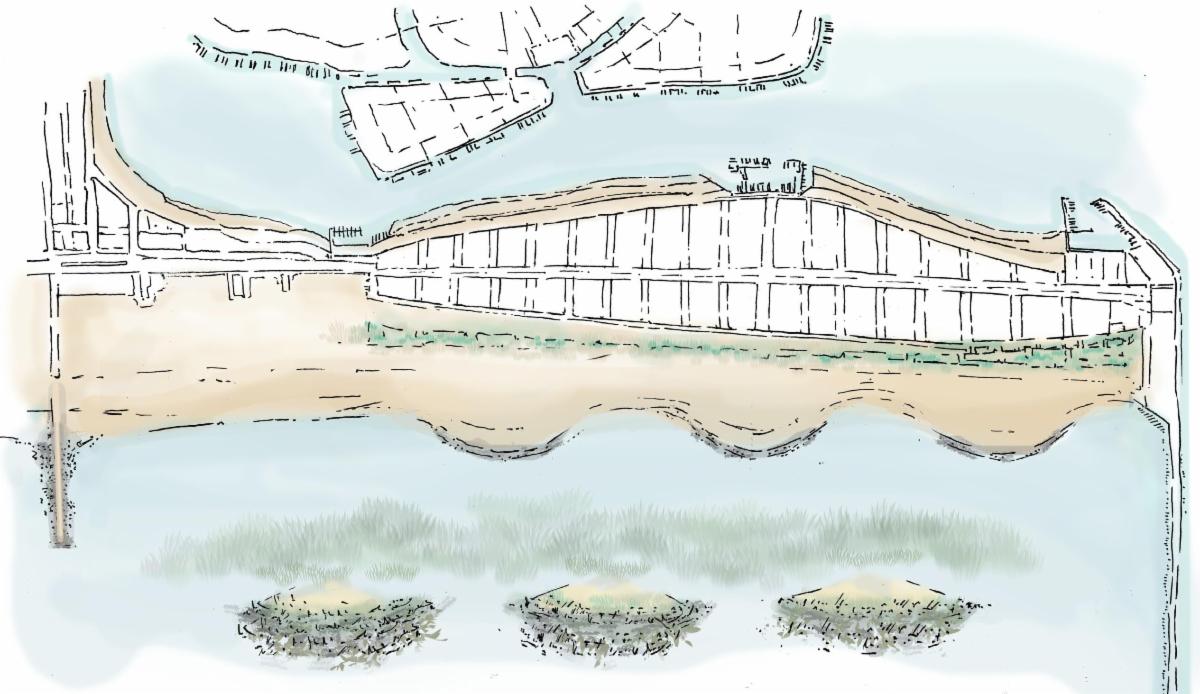
The City has worked with consultants on early designs for what the future of the Peninsula could look like. Some of the ideas include creating headlands, offshore rocky reefs, vegetated dunes, eelgrass beds, and kelp forests that could help reduce wave energy and keep more sand in place over the long term.


These conversations have not moved forward in the past because some of these changes could affect ocean views, change the look of the Peninsula, and impact activities like sailing and kitesurfing. Those are issues to consider, and any long-term plan needs to include the people who live in and use this area.


I think it is time to restart that conversation with the community and ask whether there is support for looking beyond the dredging project expected in 2029 and planning for the Peninsula’s longer-term future.


In our early discussions with state agencies, there has been interest in exploring nature-based solutions as part of that conversation, so I will be looking to start the conversation with the community in the coming months. Please stay tuned for updates. 


Funding Long-Term Coastal Protection

I requested $30,000 in this year’s budget to support initial planning, regulatory discussions, and stakeholder coordination to explore establishing a mitigation bank in Long Beach. Mitigation banking allows habitat restoration projects to generate environmental credits that can be purchased by public agencies or private projects that need to offset environmental impacts.


Habitat restoration projects have been successfully paid for through mitigation banking in the past in Long Beach, including $32 million for the Colorado Lagoon Open Channel project and nearly $30 million of work so far in the Los Cerritos Wetlands. I think it is worth exploring whether this approach could help pay for future restoration and coastal protection projects in Long Beach, including on the peninsula.


I also asked the City to include the projected costs and impacts of sea level rise in the unfunded liabilities section of the budget. The City’s AB 691 report, completed in 2019, identified tens of millions of dollars in future infrastructure needs related to sea level rise, but those long-term costs have never been formally recognized in the City’s budget planning. If we know these costs are coming, I think we should begin accounting for them now rather than waiting until the projects become urgent.


411 W. OCEAN BOULEVARD

11TH FLOOR LONG BEACH, CA 90802

CITY HALL OFFICE: 562.570.6300

DISTRICT WEBSITE

NEWSLETTER SIGNUP