Ohio-ACC Newsletter, May 2020
|
|
Sanjay Gandhi, MD, MBA, FACC
|
|
Dear Ohio-ACC Colleague,
The impact of the COVID-19 pandemic has forced cardiovascular practices to adapt to new processes with staff and patient scheduling and test selection. While we understand that there will be various protocols for deciding on specific cardiovascular imaging tests largely based on practice, clinician, and patient preference, there is a concern that payers and radiology benefit managers (RBMs) are not approving these tests. The ACC developed
this “open” letter to health plans and their RBMs to support the flexibility and preference necessary when ordering specific diagnostic tests during the COVID-19 pandemic to mitigate patient and clinician exposure risk.
Additionally, the ACC would like to better understand your experience with prior authorizations with under new COVID-19 protocols. Please visit
https://www.acc.org/partool to let us know:
- Are the RBMs requiring exercise stress testing?
- Are your requests for stress echo, SPECT, PET, CCTA and CMR being approved?
- Which payers and RBMs are causing the most difficulty?
Don't Ignore Heart Symptoms
To encourage patients to pay close attention to their symptoms and call 9-1-1 immediately if they believe they are having a heart attack or stroke,
ACC's CardioSmart team developed the
Coronavirus and Your Heart Infographic. The infographic urges patients not to ignore symptoms, especially if they have a heart condition, and reassures them that hospitals have safety measures to protect patients from infection with the novel coronavirus. Access
additional patient resources on this topic.
Considerations For Cardiovascular Professionals and Practices During COVID-19
Registries
- The American College of Cardiology will use the NCDR Chest Pain-MI and CathPCI registries to track and analyze the relationship between COVID-19 and heart disease.
- The Ohio-ACC has partnered with Thrivable to promote community-based research for Covid-19. “The Study Covid Project” is connecting health researchers with people touched by COVID-19 for rapid turnaround research. If you are interested in posing questions to the panel or getting access to data, visit https://StudyCovid.org. If you are impacted by Covid-19, you can sign up and share the Study Covid Project: https://studycovid.org. Your data can help inform the response to COVID-19.
Well-Being
It is important that we are mindful of our well-being at this challenging time. Please take a look at these excellent resources:
Ohio Physician Practices Can Access Battelle N95 Sterilization Program
Special thanks to the OSMA for sharing this information.
To Participate:
2. Familiarize with all information about the program, how it works and how to sign up in the links below.
|
|
Upcoming Ohio-ACC Board of Trustees Election:
Call for Nominees
|
As our Board of Trustees election approaches, we would like to ask for your involvement.
The board is seeking nominations for the following vacancies by June 8:
- Akron: Physician nominee from practicing community (which includes a private practice, or full-time staff of a satellite hospital, or full-time staff of a stand-alone hospital system).
- Cleveland: Physician nominee from Cleveland Clinic Main Campus.
- Dayton: Physician nominee from practicing community (which includes a private practice, or full-time staff of a medical school satellite hospital, or full-time staff of a stand-alone hospital system).
- Cardiovascular Surgical Position: Cardiovascular surgeon physician nominee.
A nominee must be a Fellow, Associate Fellow, Affiliate, Distinguished Fellow or Honorary Fellow of the American College of Cardiology in Ohio.
Responsibilities:
Next Steps
|
|
|
UPCOMING EVENTS:
Ohio-ACC Virtual Annual Meeting on October 24, 2020
|
Location, Location, Location: comforts of home! To ensure your health and safety, we have transitioned our Annual Meeting to a virtual experience on October 24th.
The registration fee for the meeting is free. CME/CNE will be offered. Our goal is to bring you important information at this exceptional time.
Topics include:
- Service Line Strategies for Optimizing Practice in Post-COVID-19 Era/Management & Reimbursement in the Era of COVID-19
- Cardiovascular Disease Considerations in COVID-19: Arrhythmias, ACS, Myocardial Issues, and ICU Management for the Non-Intensivist
- What’s New in the Diagnosis & Management of Cardiac Amyloidosis
- Evaluation & Management of Chemotherapeutic Cardiotoxicity
- FIT Oral Competition
|
|
Call for e-Poster Judges
Our annual Ohio-ACC Poster Competition will take on a virtual format this year! We are looking for interested judges to help make this an exceptional event.
Your role would include:
1. Reviewing the submitted abstracts in early September via an online judging system that is double blinded so that you will not be judging your own institution's fellows.
2. You will be asked to judge the oral presentation to determine the winner.
|
|
Contact Us
If Gwen Goldfarb, our chapter executive, or I can be of assistance to you,
please let us know.
Sincerely,
Sanjay
|
|
Congratulations to New AACCs and FACCs
|
|
Congratulations to our members who recently attained their AACC and FACC designations!
|
|
|
AACC
Geoffrey T. Patty, BSN, AACC
Andrea K. Robinson, NP, AACC
FACC
Wissam Alajaji, MD, FACC
Chonyang Albert, MD, FACC
Yohannes Aberra Bayissa, MD, FACC
Sanjeeb Bhattacharya, MD, FACC
Ramesh Chandra, MD, FACC
Kyle Joseph Feldmann, MD, FACC
Ann Gage, MD, FACC
Vidu Garg, MD, FACC
Kamalesh Karthikeyan, MD, FACC
Regina Kayse, MD, FACC
Naseer Ahmed Khan, MD FACC
Keith L. Kruithoff, MD, FACC
Navneet Kumar, MD, FACC
Lauren Terry Lastinger, MD, FACC
Bryan Lee, MD, FACC
Ali Naderi Mahabadi, MD, FACC
Ayyash Melhem, MD FACC
|
|
Mohamed LM Metawee, MBBCH, FACC
Rohit Moudgil, MD, PHD, FACC
Philip S. Perona, MD, FACC
Adam Powell, MD, FACC
Sourabh Prabhakar, MBBS, FACC
Rishi Puri, MBBS, FACC
Saurabh Rajpal, MD, FACC
Srinivas Rajsheker, MD, FACC
Timothy E. Raymond, DO, FACC
Michael G. Reinig, DO, FACC
Nicholas Ruthermann, MD, FACC
Ashish P. Saini, MD, FACC
John David Scrocco, MD, FACC
Abimbola Shoufu, MD, FACC
Najmul Islam Siddiqui, MD, FACC
Rubinder Singh Dab, MD, FACC
Aisha Siraj, MBBS, FACC
Ira Taub, MD, FACC
Vien T. Truong, MD, FACC
Anil Verma, MD, FACC
Fahad Waqar, MBBS, FACC
|
|
"Back to Business” after COVID:
The Challenge to Ohio Cardiac Care Providers
Kanny Grewal, MD, FACC, President-Elect
|
|
As cardiovascular practices in Ohio recover from the sudden shock of the COVID epidemic, hospitals and cardiac care providers are formulating plans to return back to the business of providing optimal cardiovascular care to our patients. As Ohio transitions to the next phase of the pandemic, cardiac care providers now face the dual challenge of optimizing the timing and speed of resuming routine services as well as protecting our providers, employees, and patients in the hospital and ambulatory settings.
Unfortunately, there is minimal evidence-based public health data to guide optimal safety protocols for our providers, staff, and patients. For example, in an informal survey of providers at healthcare systems throughout Ohio, there was significant variation in plans for COVID pre-screening prior to cardiovascular procedures. Some institutions are planning to test nearly all patients scheduled for noninvasive and invasive procedures while others have no plans for testing, and many systems and cardiovascular practice have landed in between these extremes.
Fortunately, the ACC has collaborated with other societies, as well as public health experts, to create guidelines for cardiovascular providers as they return back to the business of providing cardiac care.
Here in Ohio, there are many critical issues which we will need to address in the coming months:
- Which patients should receive priority for high intensity, high resource procedures such as transcatheter interventions and cardiovascular surgery?
- Which patients should undergo COVID screening prior to both interventional and noninvasive procedures?
- How do we ensure optimal protection of our providers, staff, and patients during the administration of cardiovascular services?
- How do we ensure that rural hospitals and providers have the resources to provide the same level of cardiovascular care for their unique patient populations as our large urban institutions?
Addressing these issues here in Ohio will require collaboration among our hospital systems, cardiovascular care providers, and public health officials. Both the national ACC and our state chapter can be a
resource and a communication and collaboration hub as we address this unprecedented pandemic in the coming months.
|
|
Spotlight on Ohio Women in Cardiology:
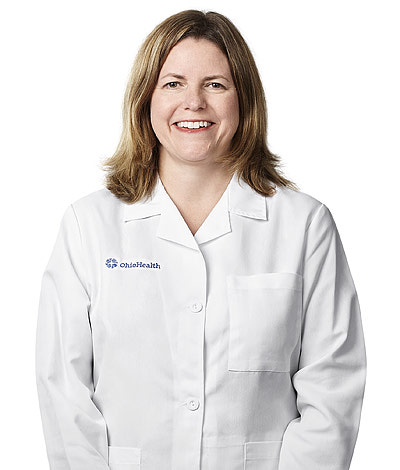
Sharon L. Roble, MD, FACC
Michael W. Tempelhof, MD, FACC
|
|
MT:
What was your inspiration to pursue Cardiology?
SR: During my residency, I found myself drawn to cardiology more than many of the other subspecialty areas with which I worked. I often found that in cardiology, patients could come into the hospital very ill, but with close monitoring and intervention, we were able to get them better and have them leave the hospital better than they came in and grateful for the care they received.
MT:
Did you have a mentor that influenced your decision to pursue cardiology?
SR: There have been many different cardiologists I have worked with throughout my career who have influenced my career path in one way or another, so it would be difficult to pick just one.
MT:
What do you enjoy most about your career in cardiology?
SR: My most enjoyable work has been in the adult congenital heart disease and high-risk pregnancy population. I enjoy caring for people who may not have thought they were going to survive into adulthood and see them leading productive, fulfilling lives including helping them to have families
MT:
Knowing what you do now and based on your experiences, would you do anything differently along your career path?
SR: I don't know that I would do anything different along my career path, but as many people feel as they become "more seasoned" in their careers, I would take more time to enjoy and cherish the experiences I had along the way.
MT:
Did you have any hesitancy in pursuing cardiology as a specialty and if so, how did you manage or overcome this?
SR: No, I have always had supportive attendings who were both male and female.
MT:
What advice would you give for women considering a career in cardiology?
SR: Cardiology is a very rewarding field, but it does take time to achieve one's goals. Don't be intimated by the amount of training. It's very doable and very rewarding. There are so many different opportunities within the field of cardiology that can fit different lifestyles.
MT:
What would you do instead if you did not pursue a career in medicine?
SR: This is a difficult question for me as I knew I wanted to work in the medical field since I first volunteered at my local hospital in 9th grade. I think if I were not a physician, I believe that I would have gone into the field of microbiology.
MT:
In your opinion what is the biggest barrier to women pursuing cardiology and how can we work to change this?
SR: The idea that cardiology continues to be a male dominated field. As women in cardiology, we need to continue to mentor young female trainees and have an active voice at all levels (local, state, national, international) as we demonstrate our role in the field.
MT:
What do you think is the most important progressive development that would allow more women to progress in their careers as cardiologists and attract more women to the field?
SR: The way we practice medicine will likely be forever changed by recent events surrounding coronavirus and this will have an impact on the field of cardiology as well. There will likely be more options for telehealth monitoring which can be a good thing for both patients and physicians. As with all fields of medicine, cardiology is becoming more subspecialized (interventional cardiology, heart failure, adult congenital cardiology, imaging, electrophysiology, preventative, structural cardiology, just to name a few) which allows one more flexibility depending on one's lifestyle and outside interests.
MT:
Can you share a fun fact or unique quality about yourself?
SR: I'm a huge Disney fan! One of the items on my bucket list is to spend at least one night in every Disney resort!
|
|
Figuring out Fibrinolysis
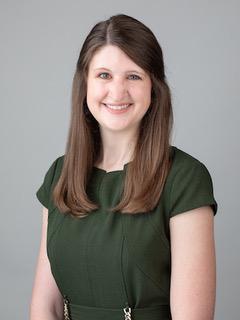
Julianne Fallon, PharmD
|
|
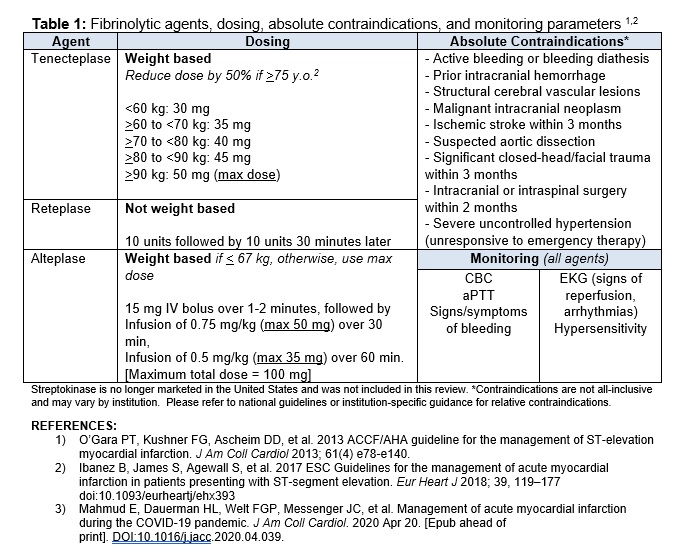
Fibrinolysis is receiving renewed interest as a reperfusion strategy during the COVID-19 pandemic. Fibrinolytic therapy is recommended for patients presenting with ST-elevation myocardial infarction (STEMI) within 12 hours of symptom onset, primary percutaneous coronary intervention (PCI) cannot be performed within 120 minutes from STEMI diagnosis, and no contraindications to fibrinolytic therapy exist.
1,2 Patients with confirmed or suspected COVID-19 may be candidates for this approach; however, appropriate patient selection is paramount. A consensus statement was recently published by the ACC, Society for Cardiovascular Angiography and Interventions (SCAI), and American College of Emergency Physicians (ACEP) for the management of acute MI during the COVID-19 pandemic.
3 If fibrinolytics are used, it is imperative to carefully monitor for signs of both successful reperfusion and complications, such as bleeding. Only ~80% of patients who receive fibrinolytics will achieve successful reperfusion (TIMI 2 or 3 flow at 90 minutes), resulting in potential need for rescue PCI.
1-3 In addition to creating institution-specific algorithms for appropriate patient selection and monitoring for a fibrinolytic approach, providing staff education and development of fibrinolytic ordersets should be strongly considered.
Table 1 summarizes available fibrinolytic agents as well as guideline recommended absolute contraindications. Standard medical therapy following STEMI is recommended when fibrinolytics are administered, including concomitant antiplatelet and anticoagulant therapy. Notably, the recommended loading dose of clopidogrel in the setting of fibrinolytic administration is a loading dose of 300 mg followed by maintenance dose of 75 mg daily, unless patient is >75 years old, in which case omit the loading dose.
1,2
|
|
Clinical Trials Research: Upping Your Game
|
|
Today’s global health care crisis has highlighted how fundamental a strong medical research workforce is to our healthcare system. As the cardiovascular profession presses forward, the American College of Cardiology’s (ACC) vision of a ‘world where innovation and knowledge optimize cardiovascular care and outcomes’, has never had a clearer purpose.
In support of our ongoing efforts to build a diverse and excellent clinical research workforce, ACC is seeking applicants for its extended
Clinical Trials Research: Upping Your Game program. This exciting, year-long program offers a one-year curriculum, networking and mentoring opportunities for cardiovascular professionals seeking to up their game in the quest for new science.
The gravity of the COVID-19 situation and its many impacts on the entire health care community will undoubtedly challenge our workforce in unexpected ways for years to come. ACC stands by its members as they address the immediate challenges of today and seeks to build leaders for the changing tomorrow.
Details regarding qualifications, eligibility and the application process are available at
www.acc.org/CTR2020.
This program made possible through support from Bristol-Myers Squibb and personal contributions to the ACC's Campaign for the Future.
|
|
Invite Your CV Team Colleagues to Join ACC
Special Membership Promotion
|
|
The American College of Cardiology typically takes the entire month of May to mark National Nurses Week and celebrate the contributions of nurses to optimizing care and patient outcomes.
This isn't a typical May; that much is certain. The work our CV team colleagues do, though, is as – and maybe even more – important than ever. That's why, for a limited time, we're offering CV Team complimentary membership through 2021.
Invite your colleagues to join for free using code "HereForYou" at checkout
via this link.
|
|
The Ohio-ACC is committed to promoting the clinical and academic growth of its members across the state and facilitating interaction between members and their hospital systems and practices. To that end, we have set up a
Grand Rounds Hub on
https://www.ohioacc.org. If you have a lecture that you would be willing to give for grand rounds or other meetings to audiences across Ohio, then we welcome you to be a part of our Grand Rounds Hub.
Please respond via this link.
|
|
|
|
|
|
|