Logo.png

Europe 2023

Preparing for RVing

Pizza Day

Obersthönenfeld and Usberger.

CURRENCY EXCHANGE INFO: The currency exchange rate is nearly equal: €1 euro = 94¢ US.

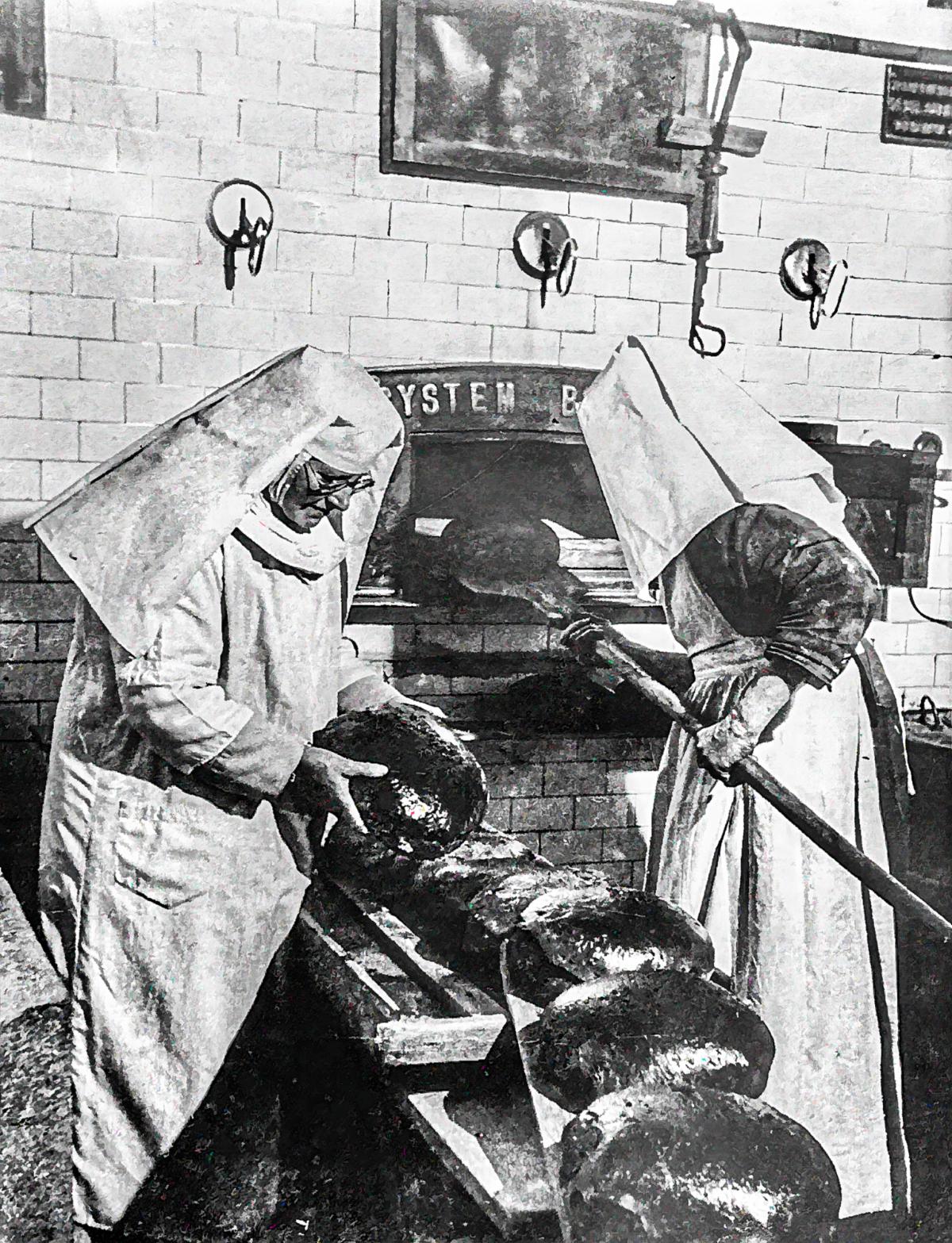
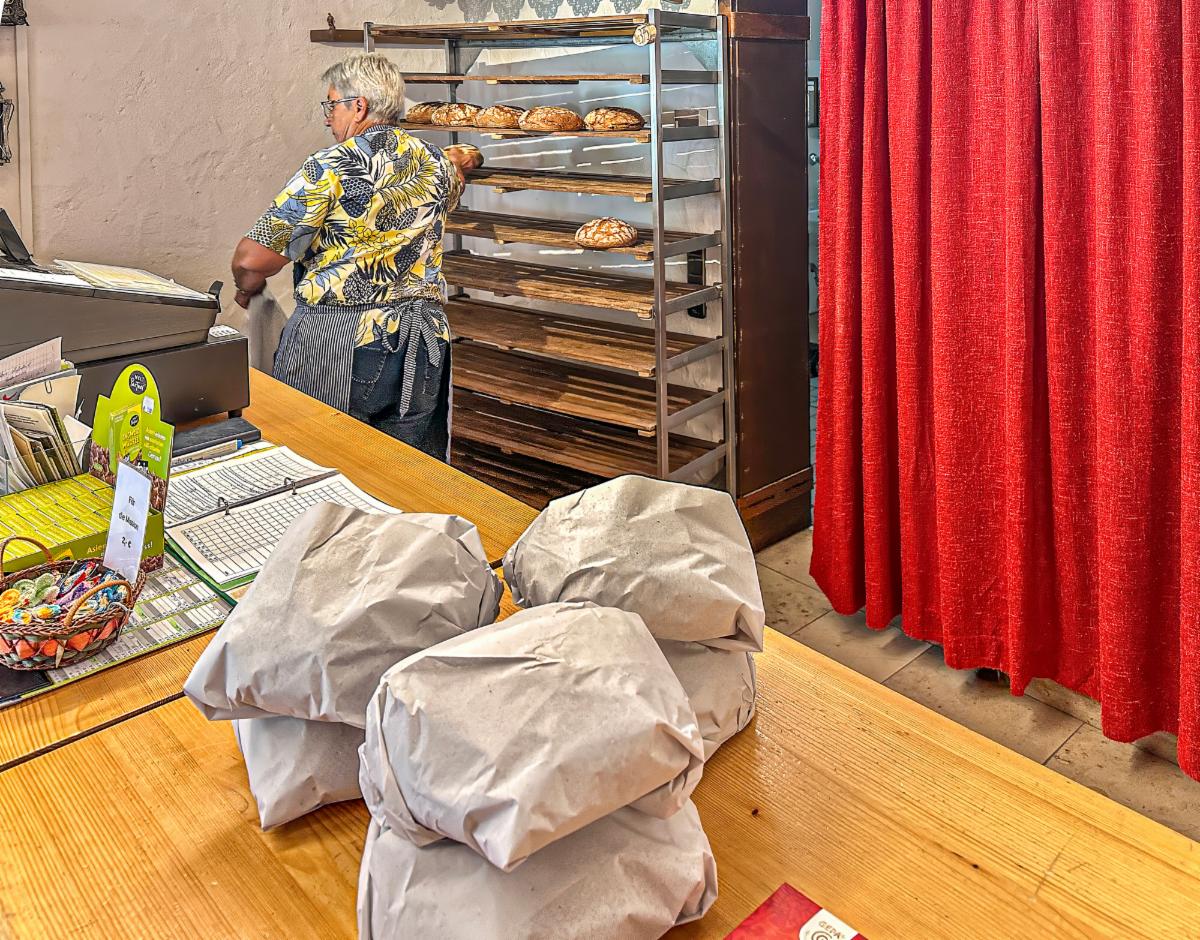
A picture of the Obersthönenfeld (o-bah-turn-nen-feld) nuns baking bread in their wood-fired oven.

SEPTEMBER 3 - SEPTEMBER 4


We arrived in Germany on Thursday, August 31. That day was a washout, with jet lag keeping us off balance. We spent Friday and Saturday meeting with Diane and Heinrich's extended family, packing the RV, and exploring the farming village of Langenreichen, where Diane and Heinrich live.


We are waiting for our Thursday meeting to extend our stay past the 90 days we are afforded without a visa. That gives us a few days to relax and do more local exploration.


We emerged from our jet lag stupor just in time for Pizza Day.


PIZZA DAY


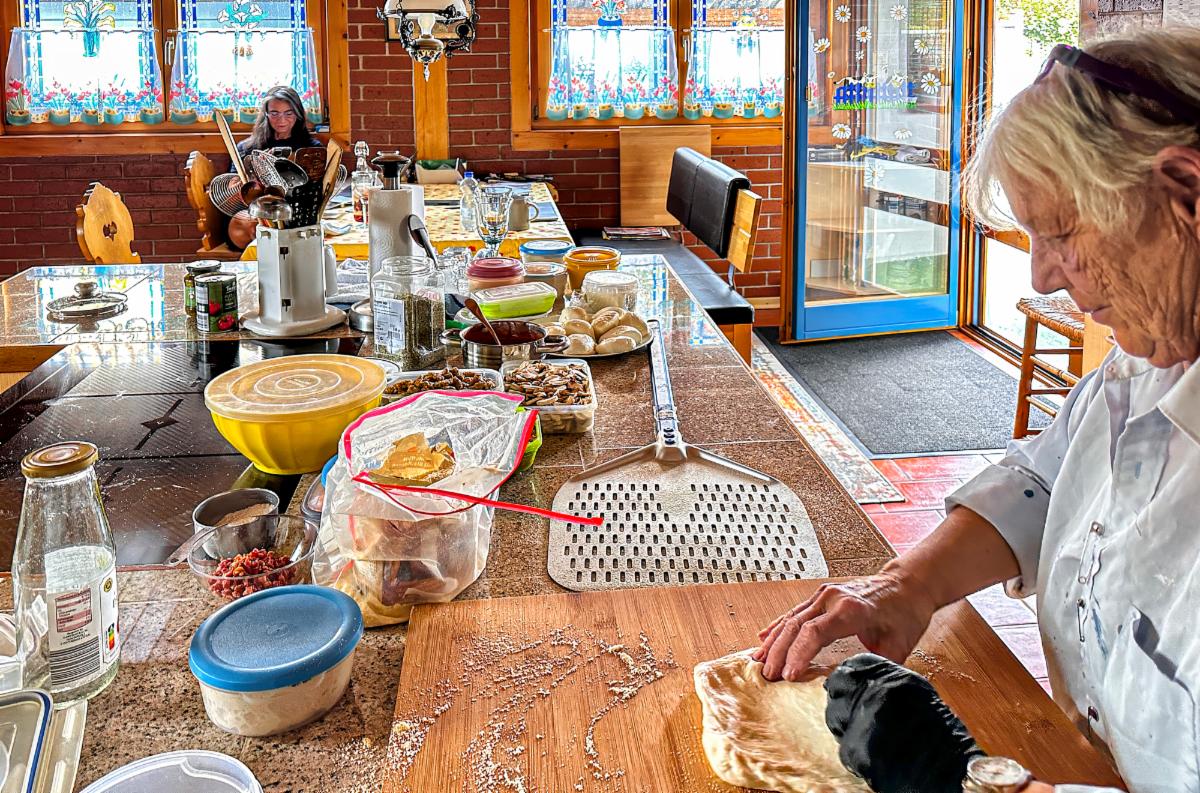
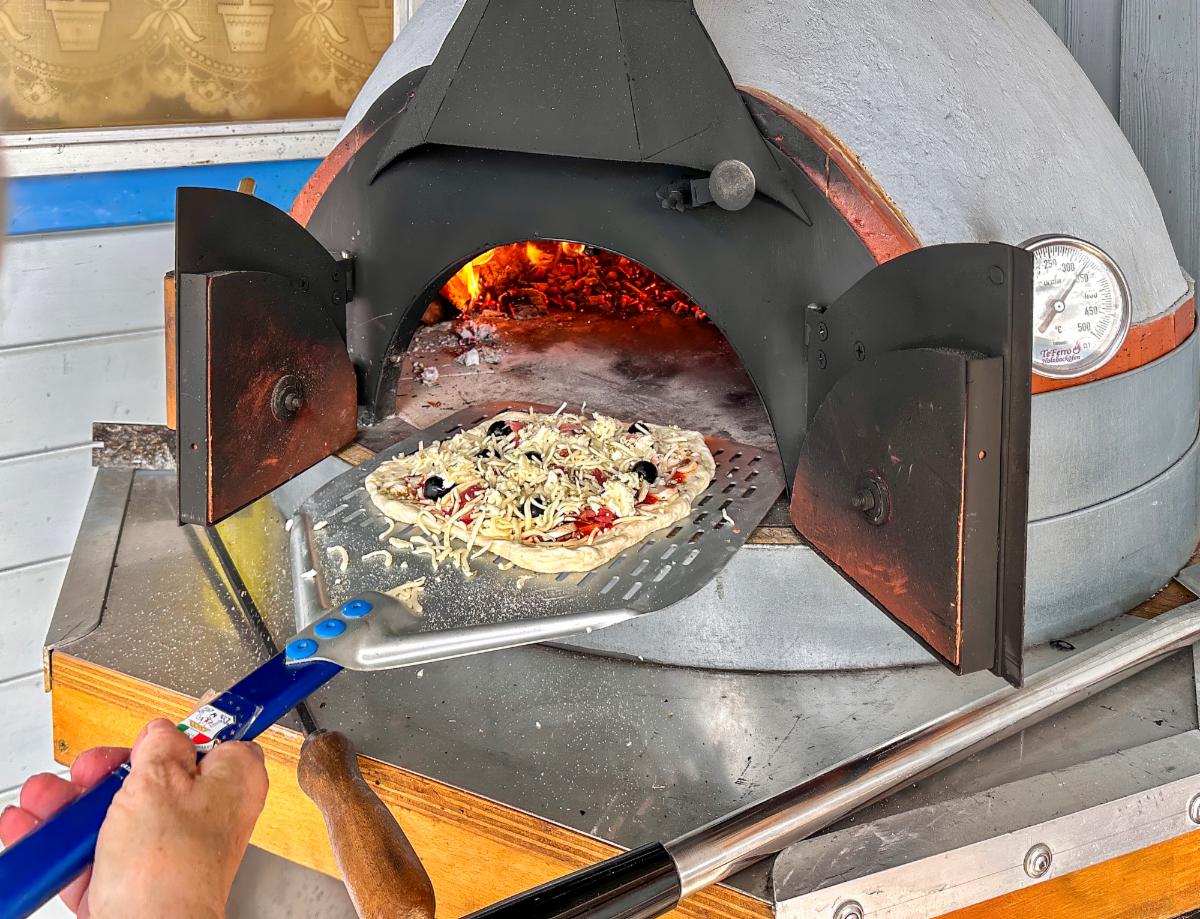
Sunday was Pizza Day. Diane makes pizzas from scratch, and Heinrich slides them into the wood-fired oven. Diane spent about a decade looking for the perfect flour to make pizza crusts. She finally came across a fantastic flour from Munich. It is hand-milled in small batches and can only be bought in one family-owned store. They specialize in specialty flours. Many bakeries in Munich take advantage of their different varieties.


Heinrich smokes his own meats, and we used his delicious smoked pork meats as a topping. Fresh mushrooms, black olives, Spanish oregano, and mozzarella cheese balls rounded out the toppings. Here’s a little trivia factoid: mozzarella cheese was originally made from buffalo milk in Campania, Italy. I can barely envision an Italian farmer milking a buffalo. I was surprised to learn that there was such an animal as a Mediterranean buffalo.


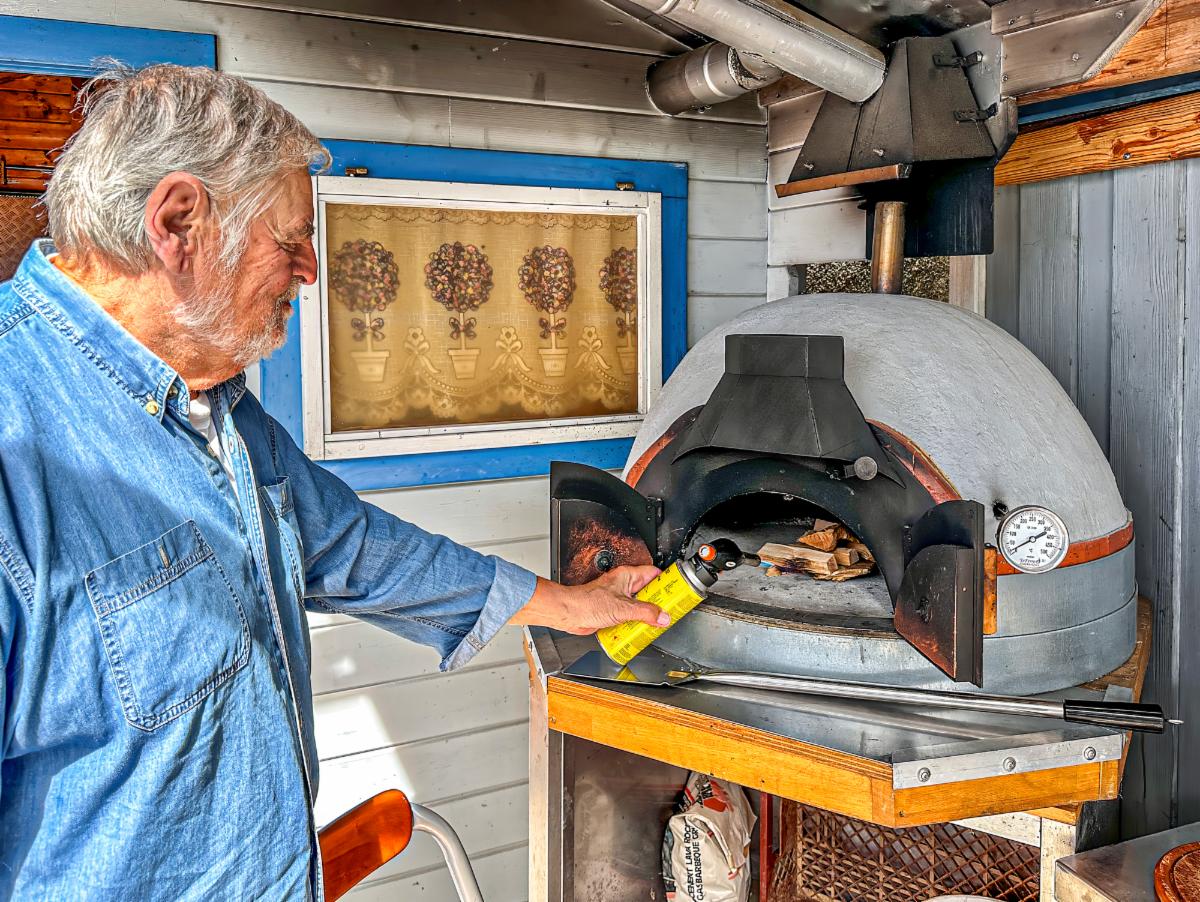
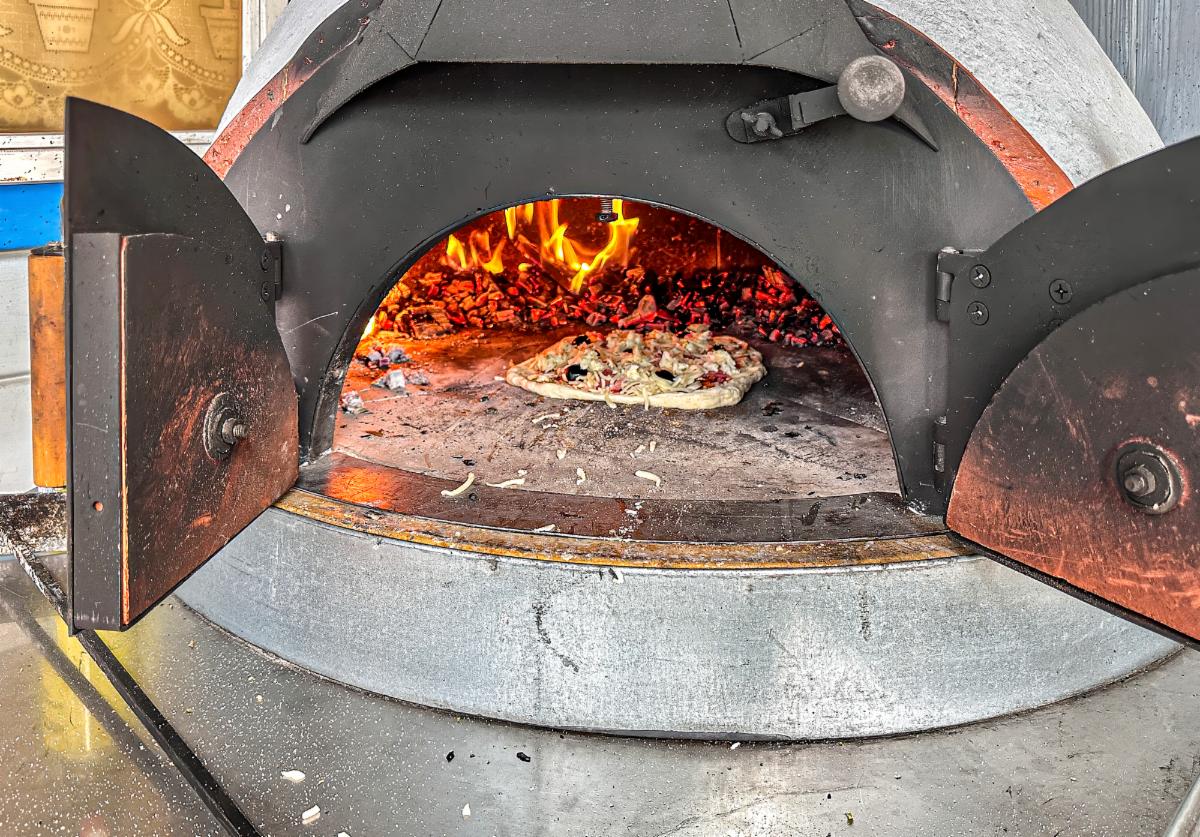
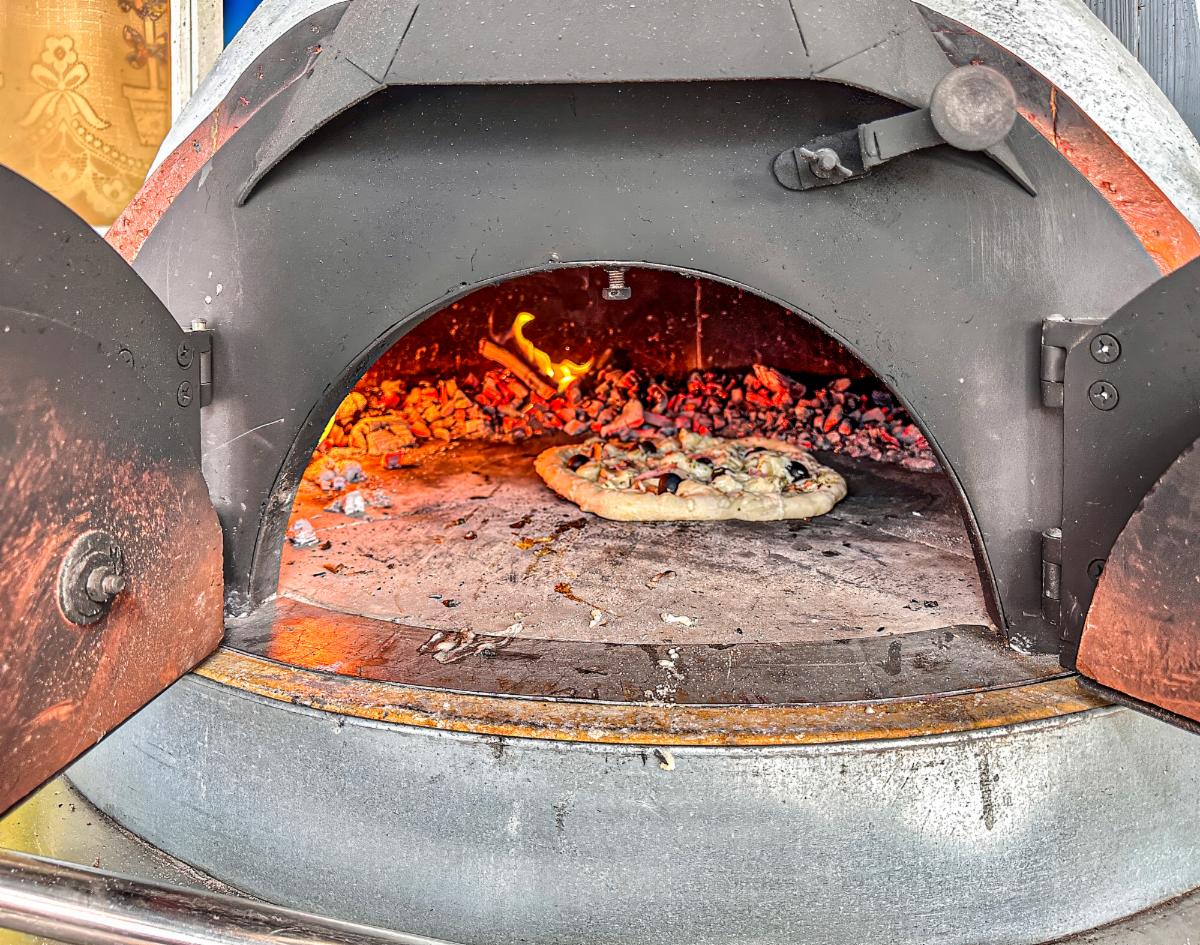
Heinrich designed and built the pizza oven and uses special hardwoods to fire it up. Years of experimenting have resulted in the best pizza I have ever tasted. It was Tanya’s birthday, so the whole gang came over. Diane ended up making 22 pizzas. The only downside of this operation is that it took Diane an entire day to set everything up. With the spectacular results, we gushed with praise.

Diane shaping a pizza crust.

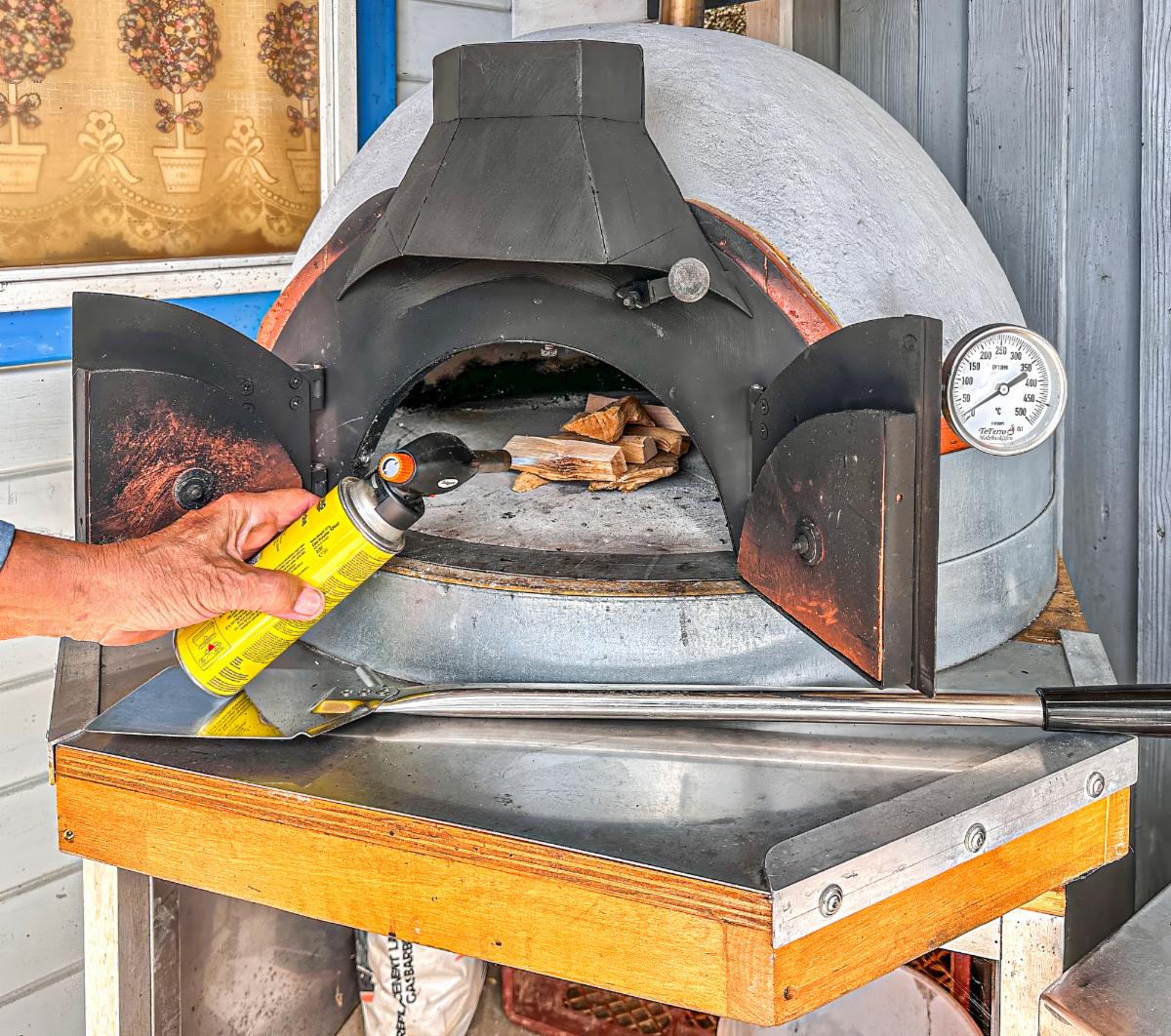
Heinrich firing up the pizza oven with a canned blow torch.

Above and below: It only takes one or two minutes to cook a pizza at 425º C. That is 800º F. No wonder the pizzas are done so quickly.

OBERSTHÖNENFELD AND URSBERGER


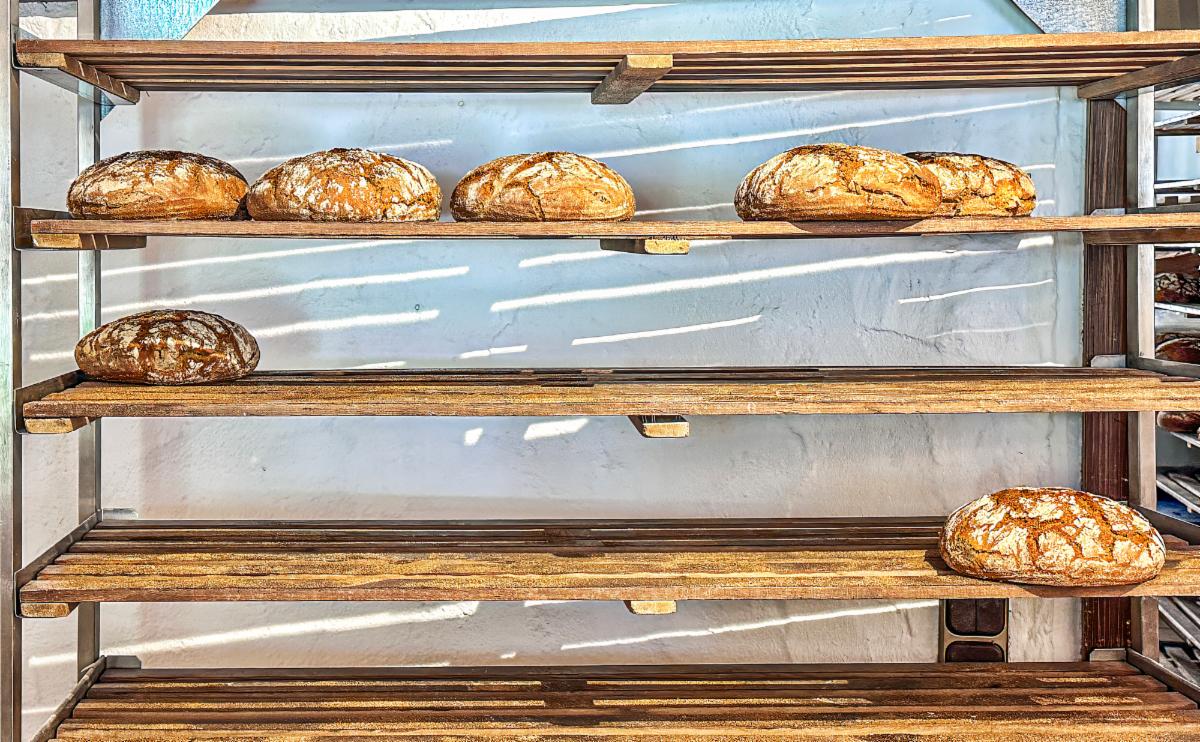
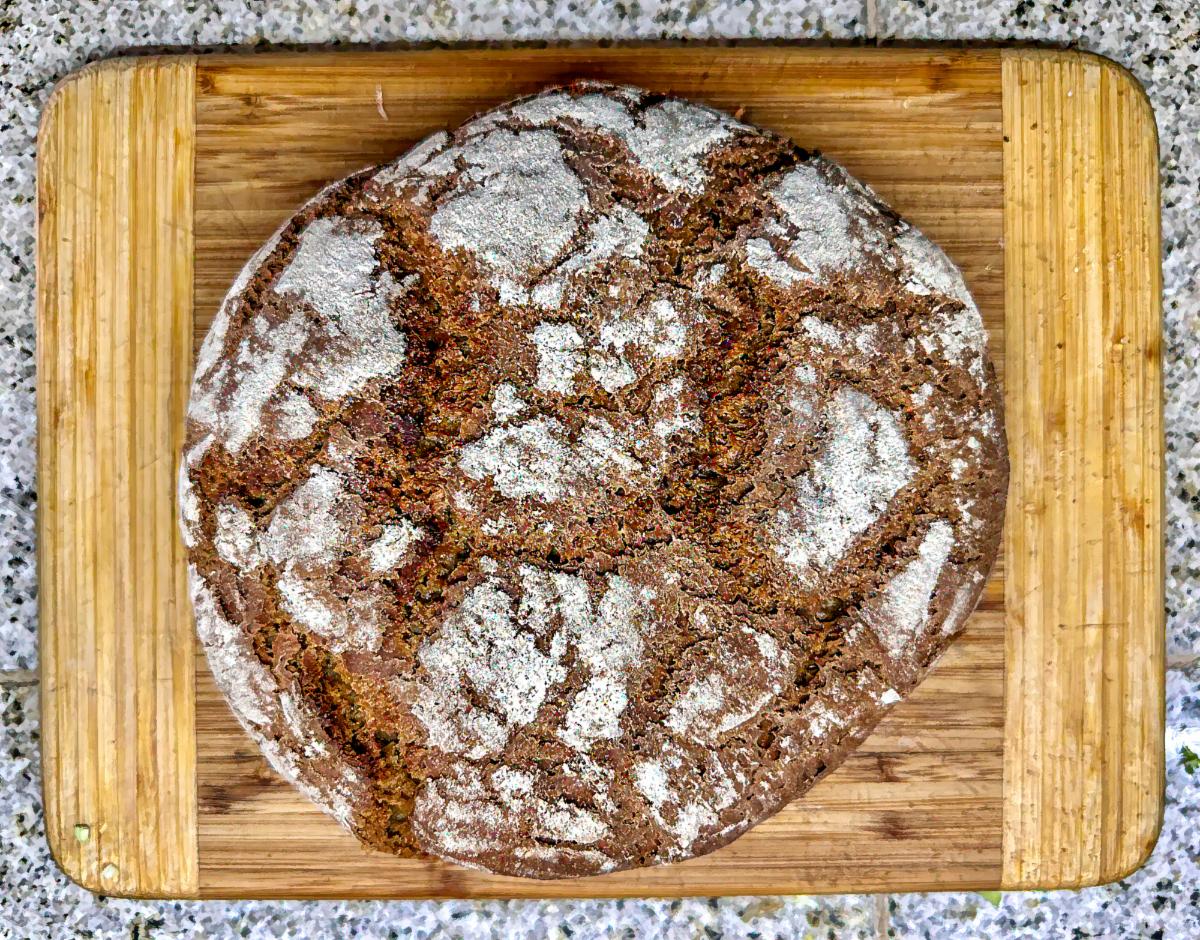
Heinrich told us about the Obersthönenfeld (o-bah-turn-nen-feld) Convent, which has been baking bread since the year 920. With all that practice, they have it down. Their big round pucks of bread are considered some of the best in Europe. That is saying a lot, as European breads are superb. 


It is an hour’s drive to the convent, but with a couple of guesthouses with beer gardens in the area, it was worth the drive to pick up a loaf of the 1200-year-old bread. So, on Monday, we made the trek. 


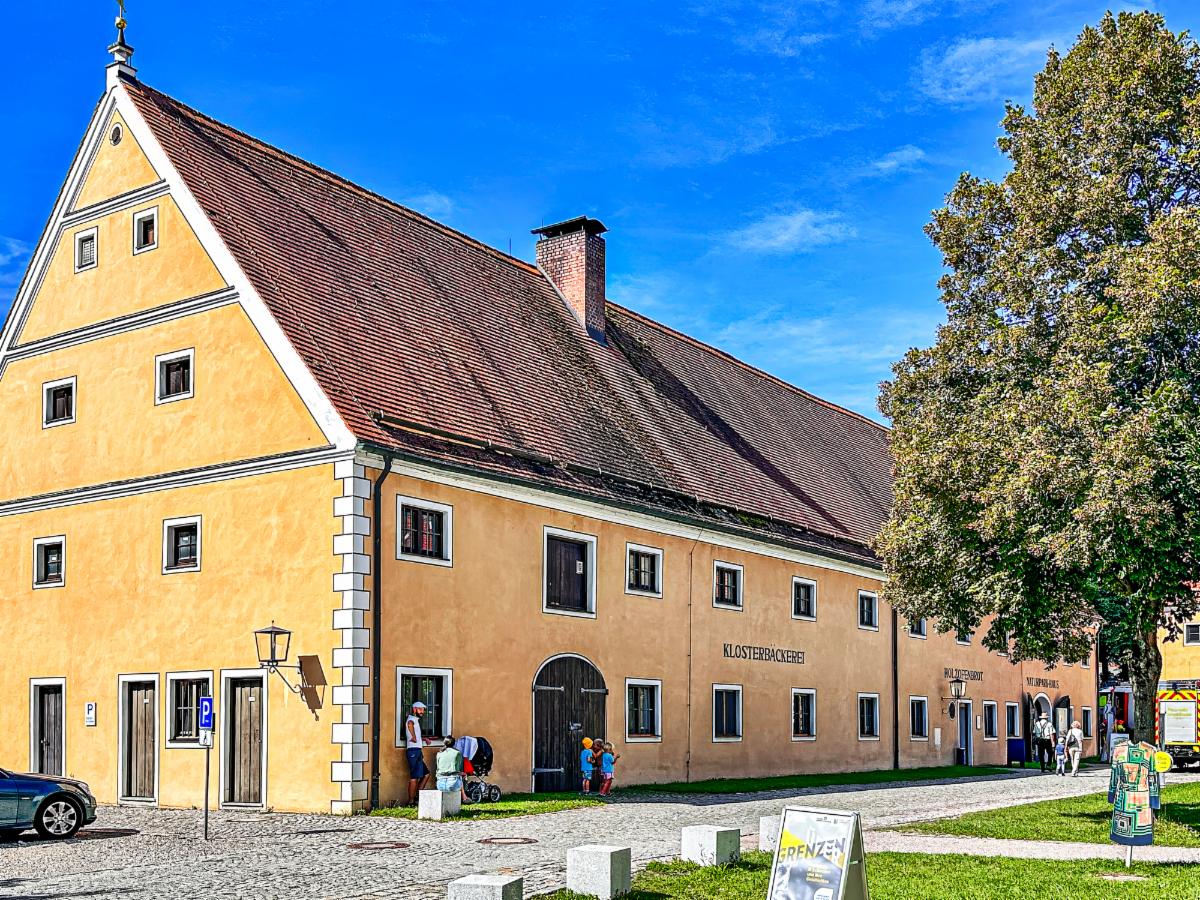
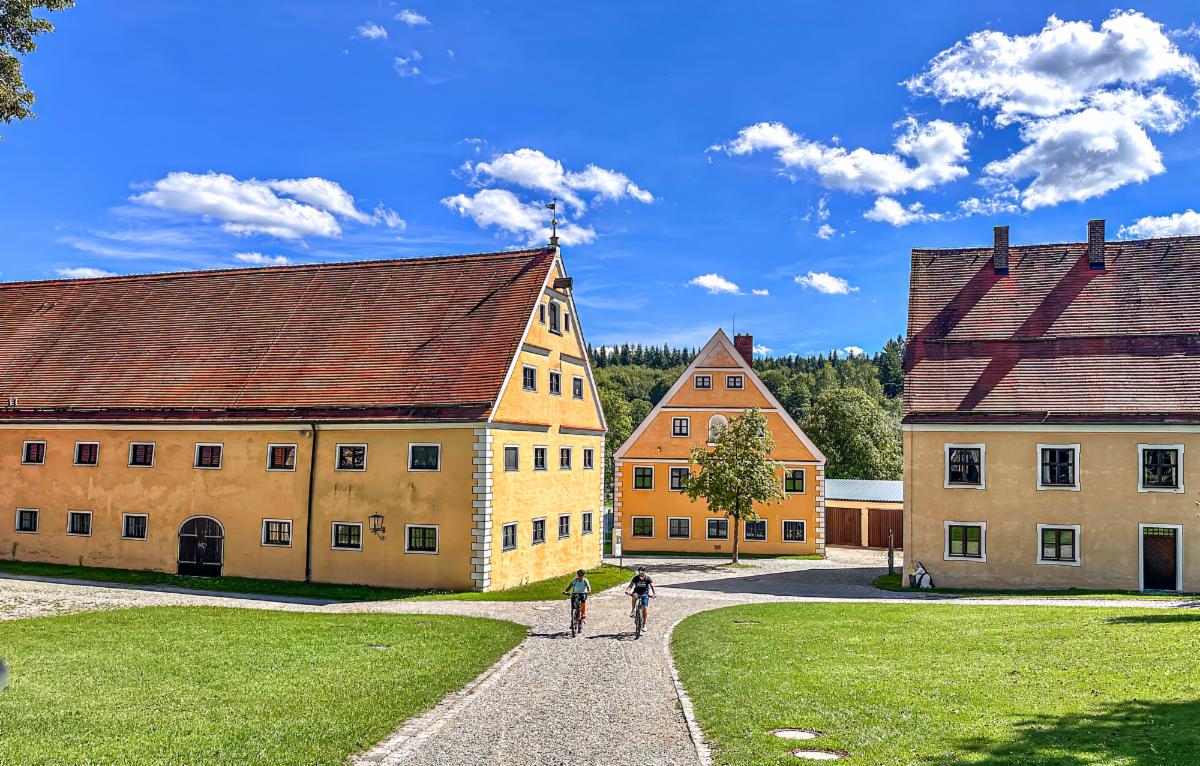
The bakery was in a large building in the middle of a handful of buildings that formed a small campus. The grounds were set up like a family park with a playground, a working farm museum, a guesthouse, and a beer garden featuring its own brew and serving mouth-watering meals at affordable prices, surrounded by miles of hiking trails through a dense forest. It was hot, and the Bock beer refreshed after our 2-mile walk through the woods. 


A word about German guest houses: traditionally, every village had a guesthouse or two. A guesthouse usually consisted of rented rooms, a restaurant serving homemade meals, and lots of beer. Often, a town farmer, baker, or butcher would set up a guesthouse to add to their income. These would act as a vital communication network for local news. Births, deaths, crop conditions, local gossip, etc. were discussed. Sadly, German guesthouses are quickly disappearing in this age of electronic communications. 


Monasteries and Convents also got into the guesthouse business. Monks and nuns added their own homebrews and distilled products to the guesthouse experience. In modern times, many religious-based guesthouses are leased out to private companies. That was the case at the Obersthönenfeld Convent. A private outfit operates this guest house. (The nuns still operate the bakery). 


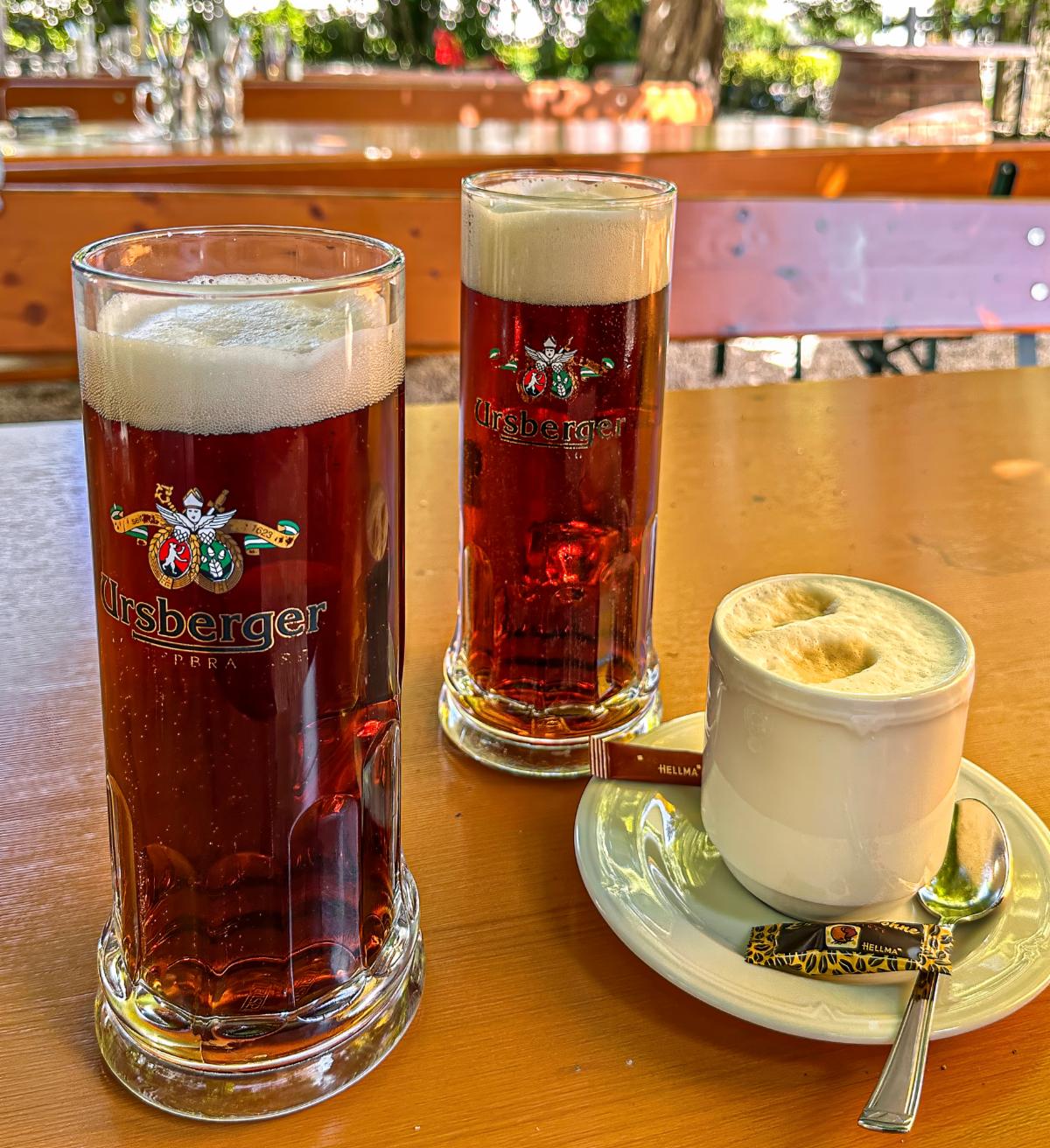
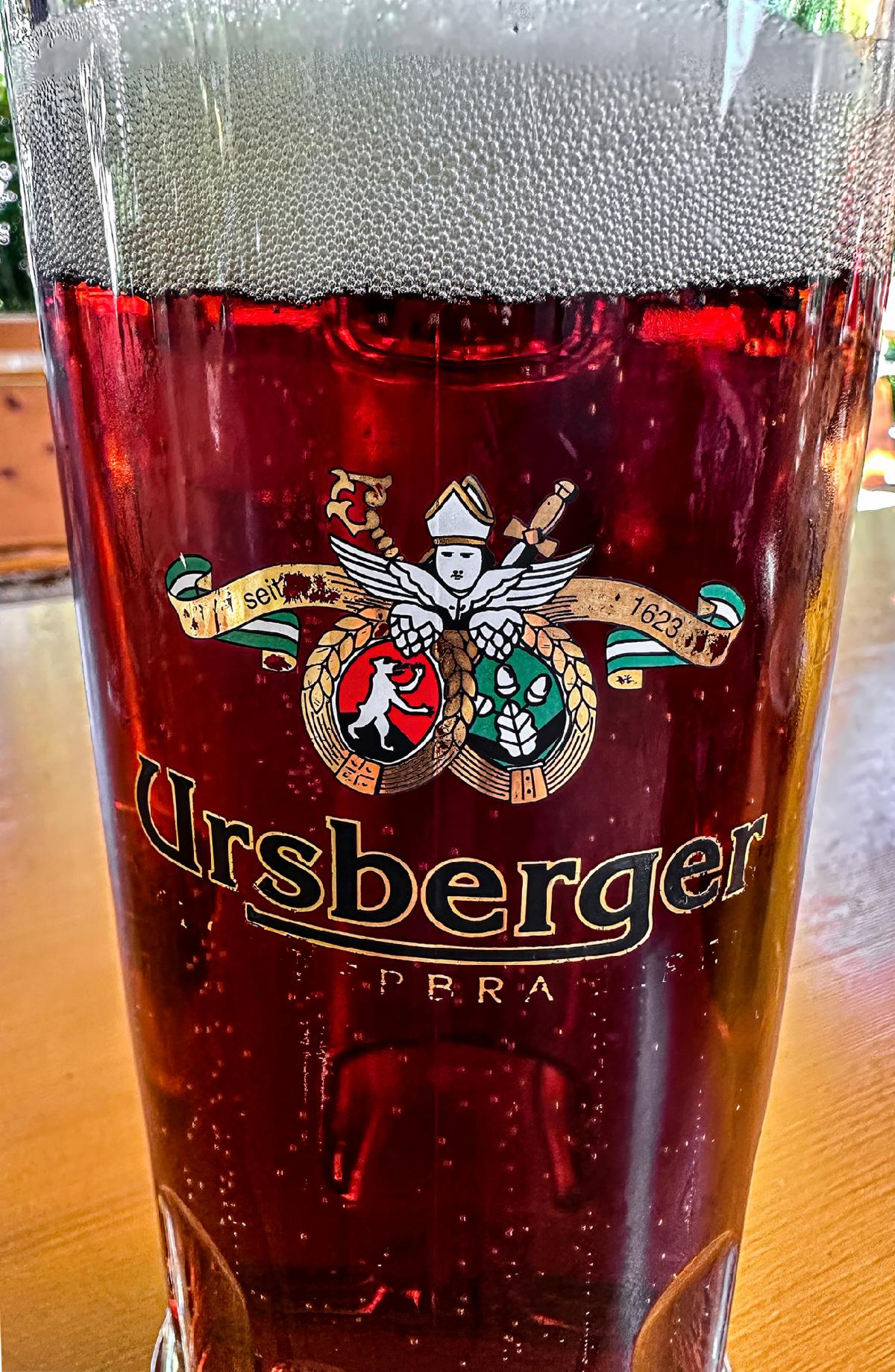
The Ursbeger (oohrs-bay-gar) Convent was a short drive from Obersthönenfeld. Instead of making bread, these nuns specialize in caring for the disabled. Starting in the year 1125, Ursbeger always included a guesthouse complete with its own brewery. Like Obershönenfeld, the guesthouse part of the convent has been leased out. We sampled a half-liter of Ursbeger Bock beer served in specially labeled Ursbereg glasses. The verdict between the two breweries? Both Bocks were terrific. It was a draw.


(Near Munich, the Weilenstephan Benedictine Monastery operates the oldest continuously operating brewery in the world. These monks began brewing in 1040. Interestingly, the Weltenburg Abbey near Welenstephan started brewing in 1050. It missed being 1st by just ten years. I hope to visit both sometime on this trip.)

The Obersthönenfeld convent campus.

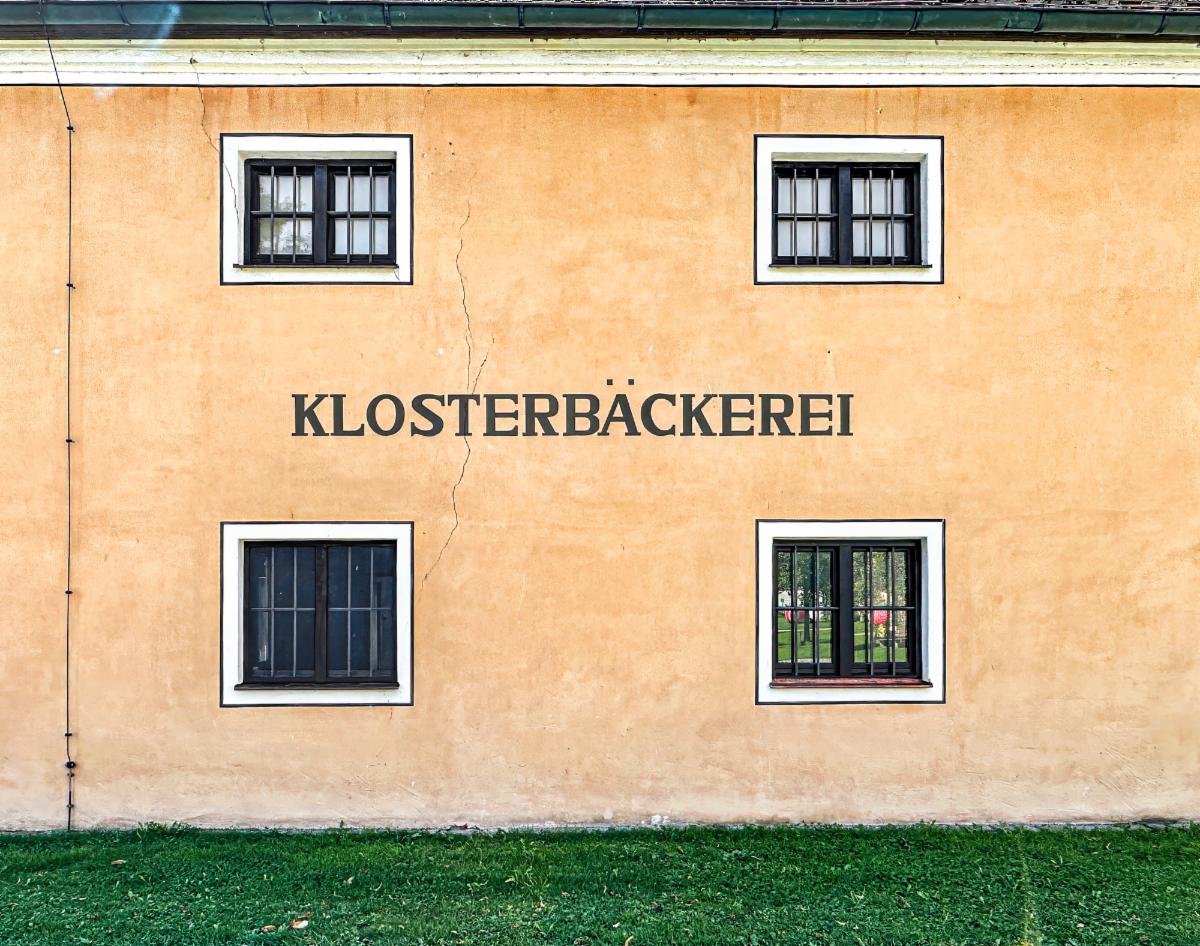
Klosterbäckerei = Convent bakery.

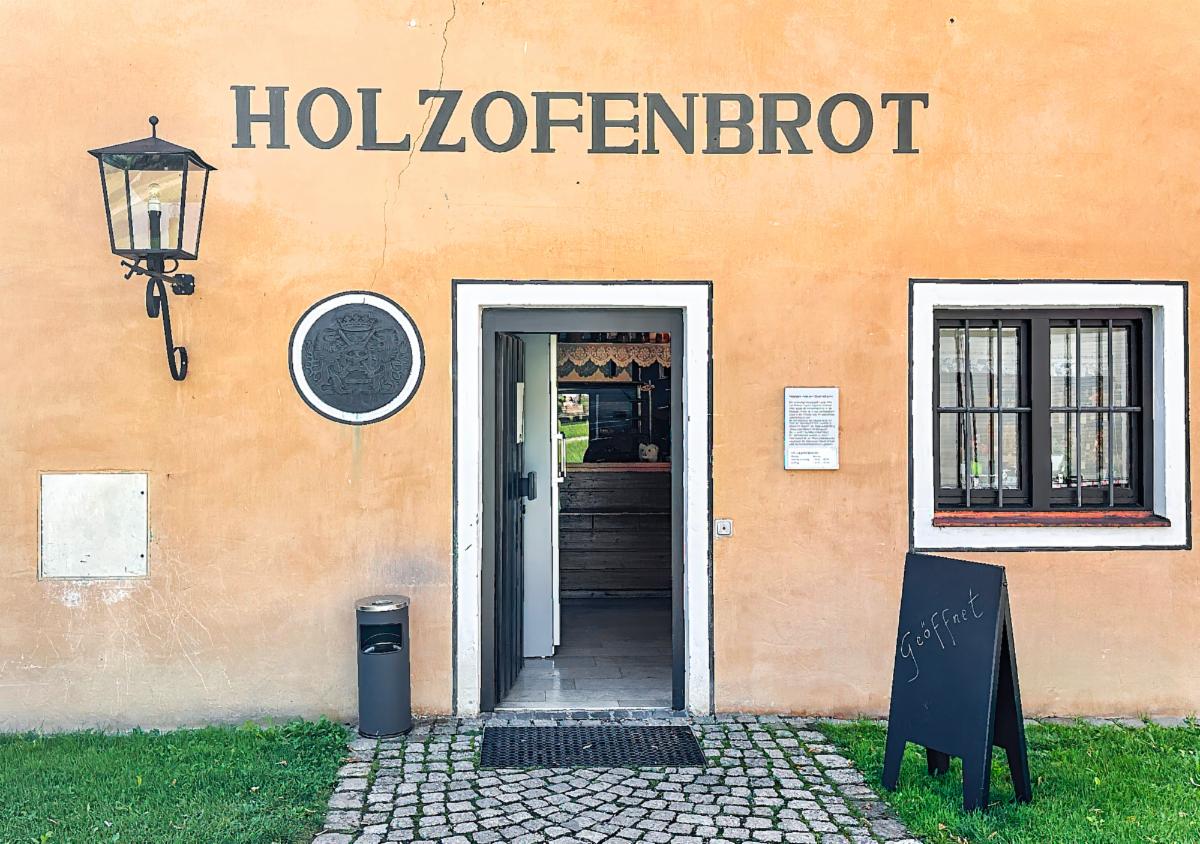
Holzoffenbrort = Wood oven baked bread.

Above and below: We got to the bakery near closing time. Not many loaves were left.

European bread has a glorious crust.

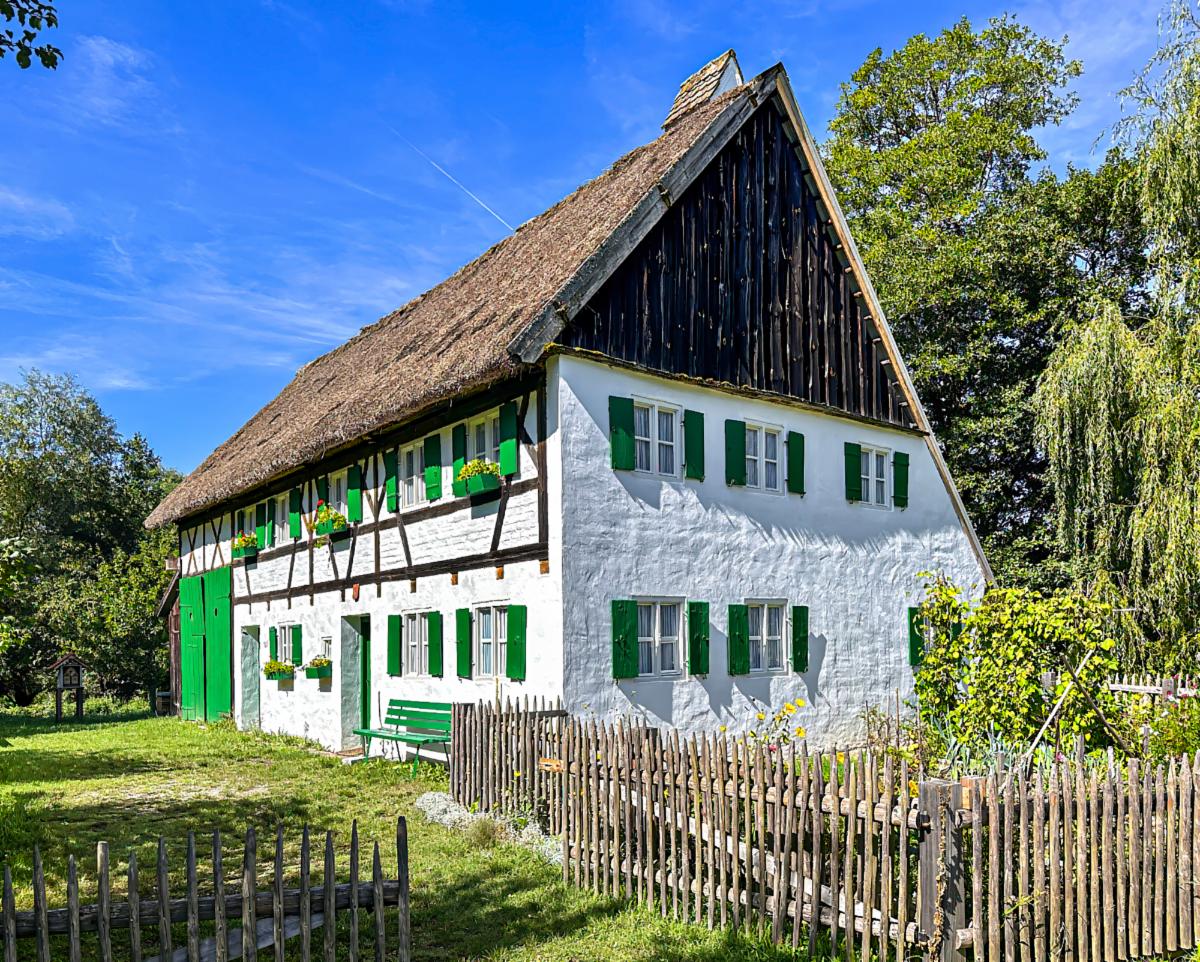
This a living farmhouse. It can be toured for a couple of hours a day. The veggie garden was ready to be harvested. We missed the tour time, but we could see the veggie crops.

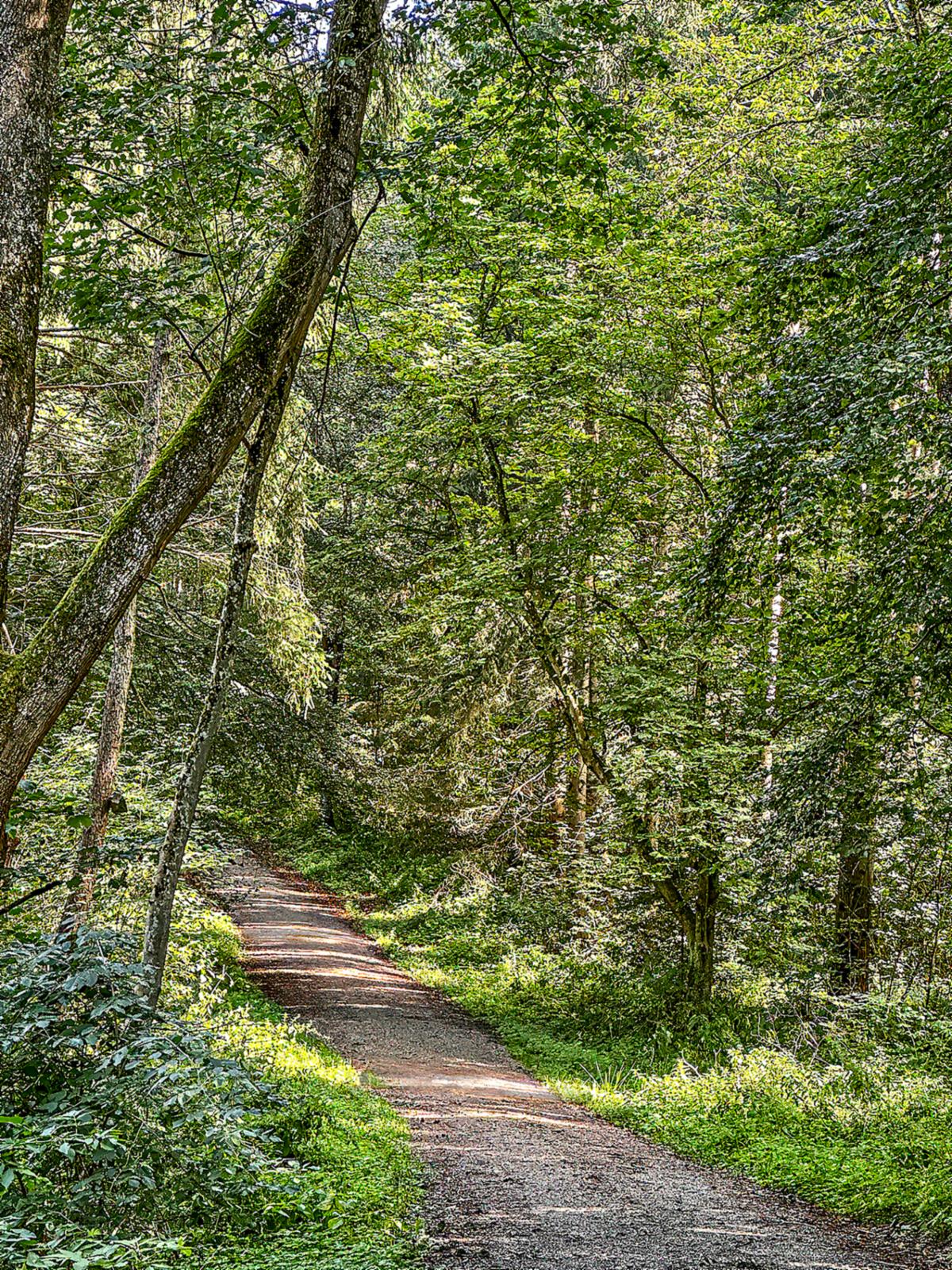
One of the hiking paths through the grounds. There are many kilometers of trails. We hiked a whopping 2 kilometers.

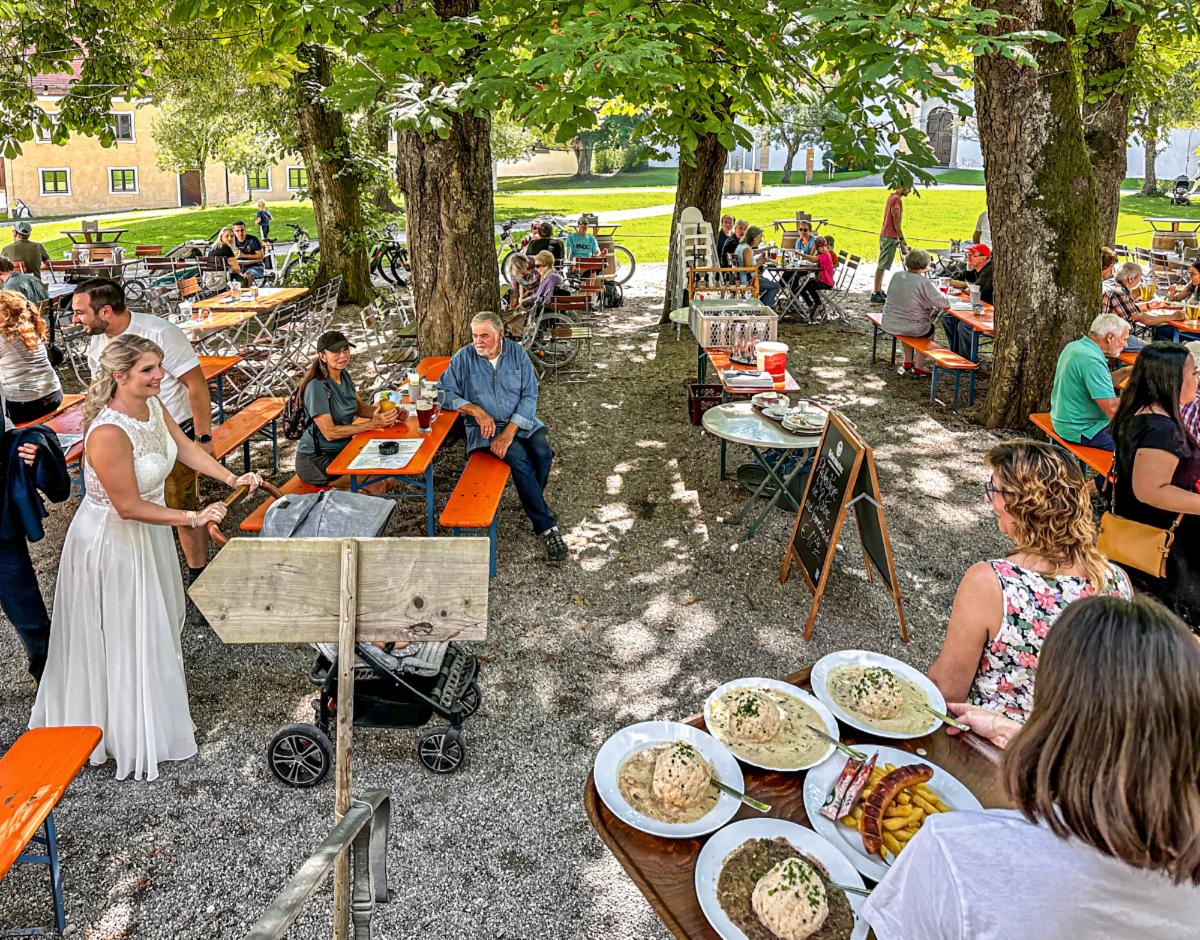
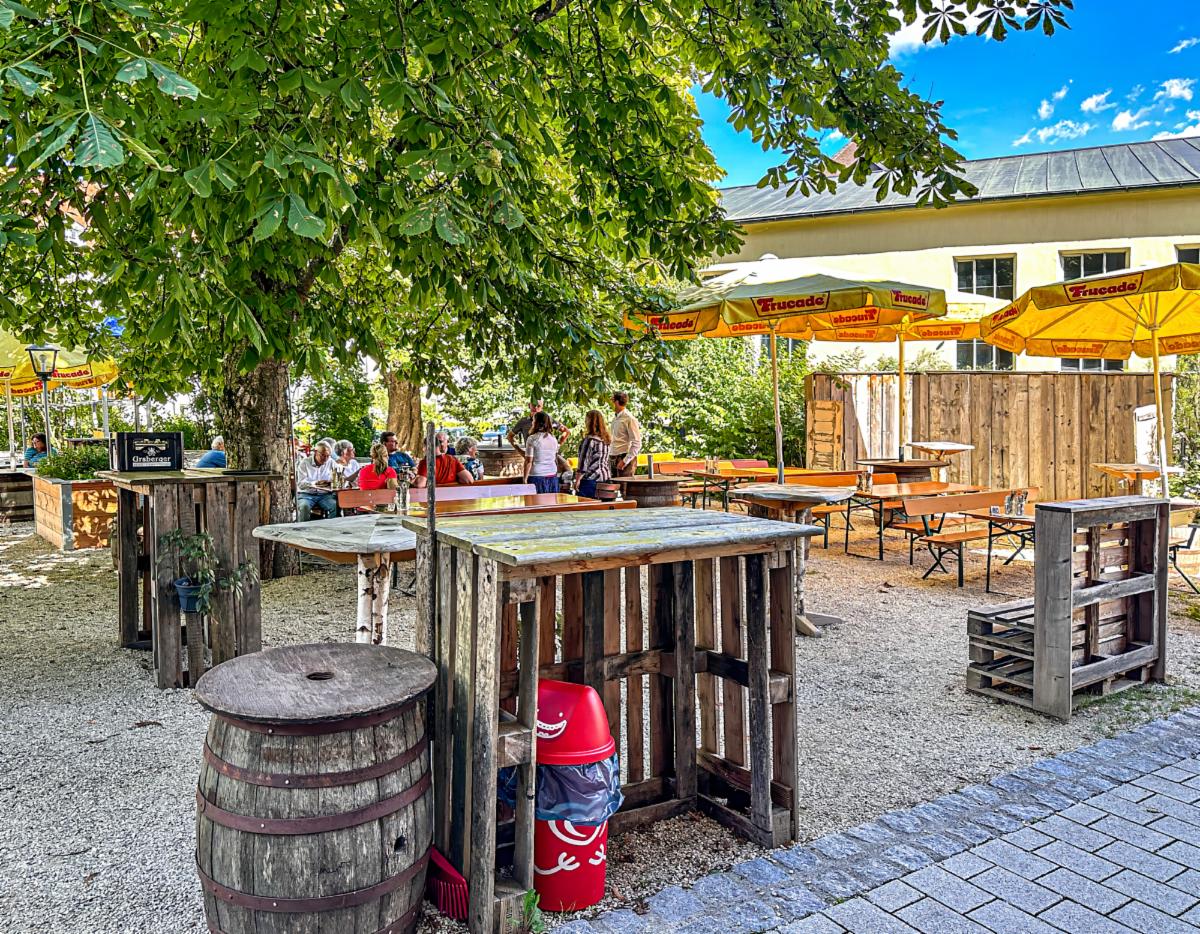
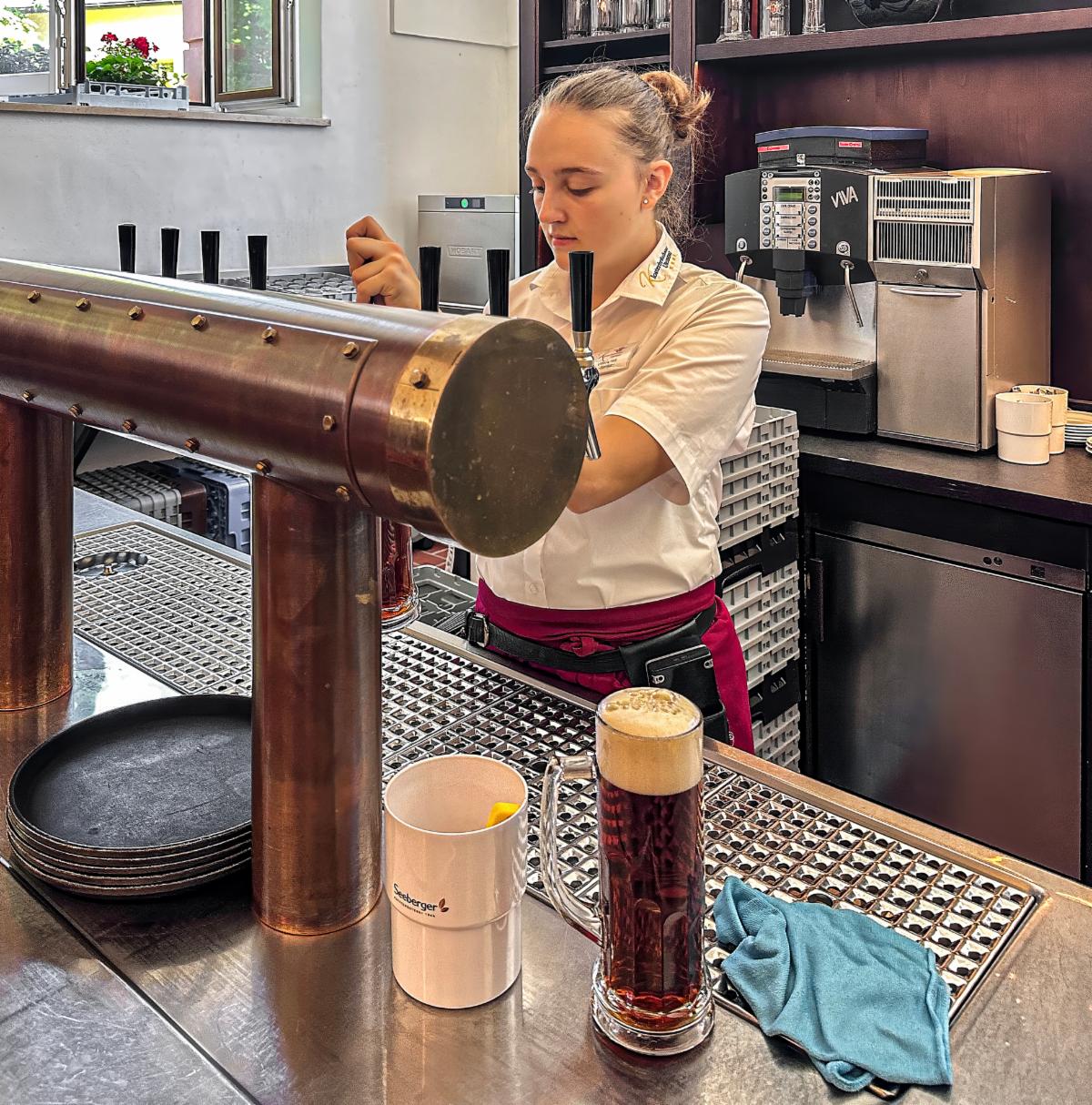
The beer garden. Notice the waitress (bottom right) bringing homemade dumplings in a mushroom sauce.

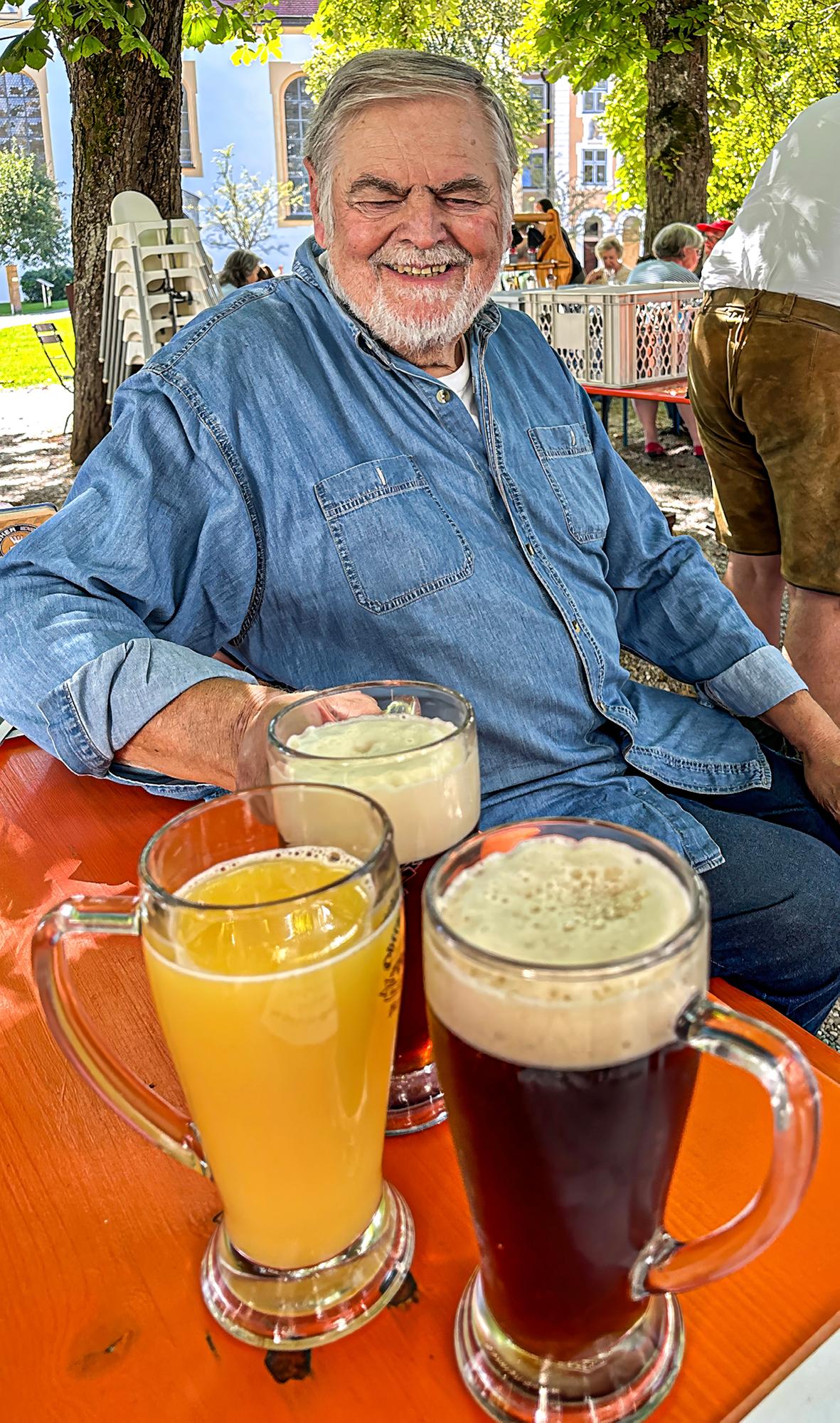
Heinrich and I ordered two Bock beers, and Wanda got an orange schorle (orange juice with a Squirt-like soda).

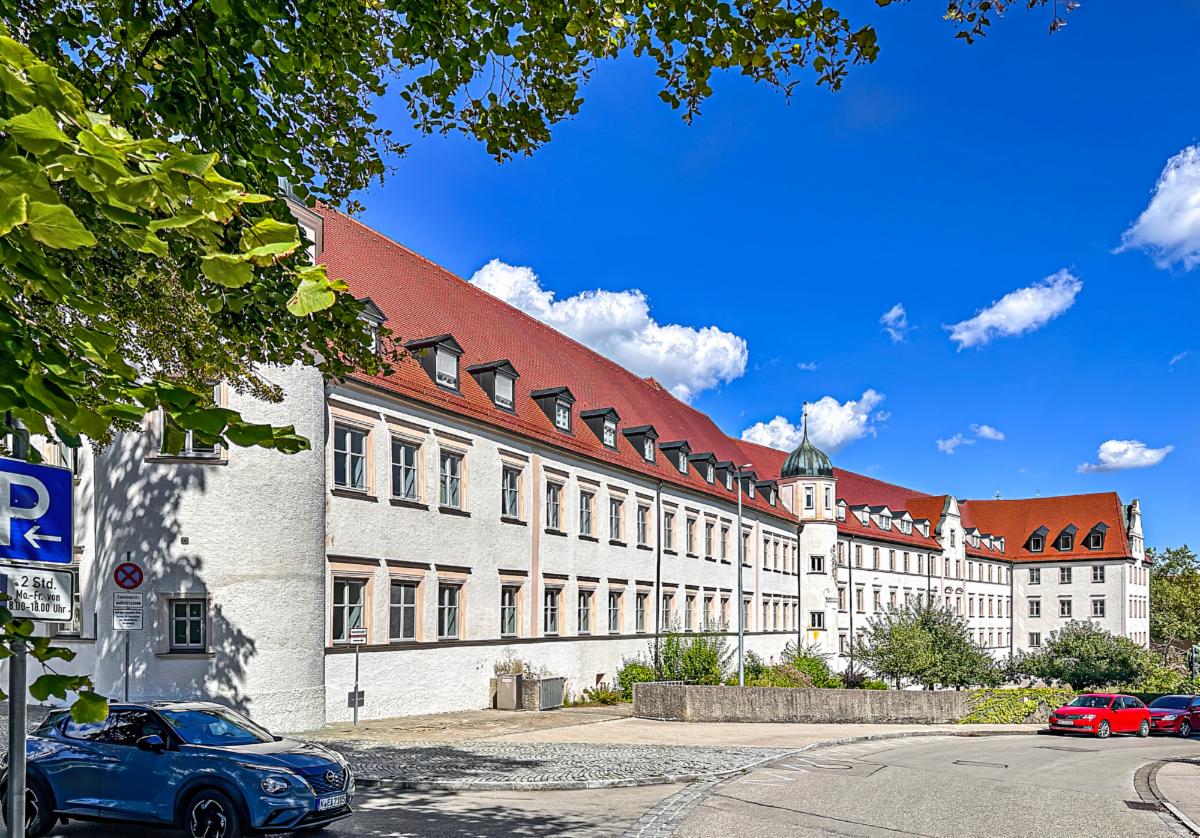
The Ursberger Convent. These nuns specialize in caring for the disabled.

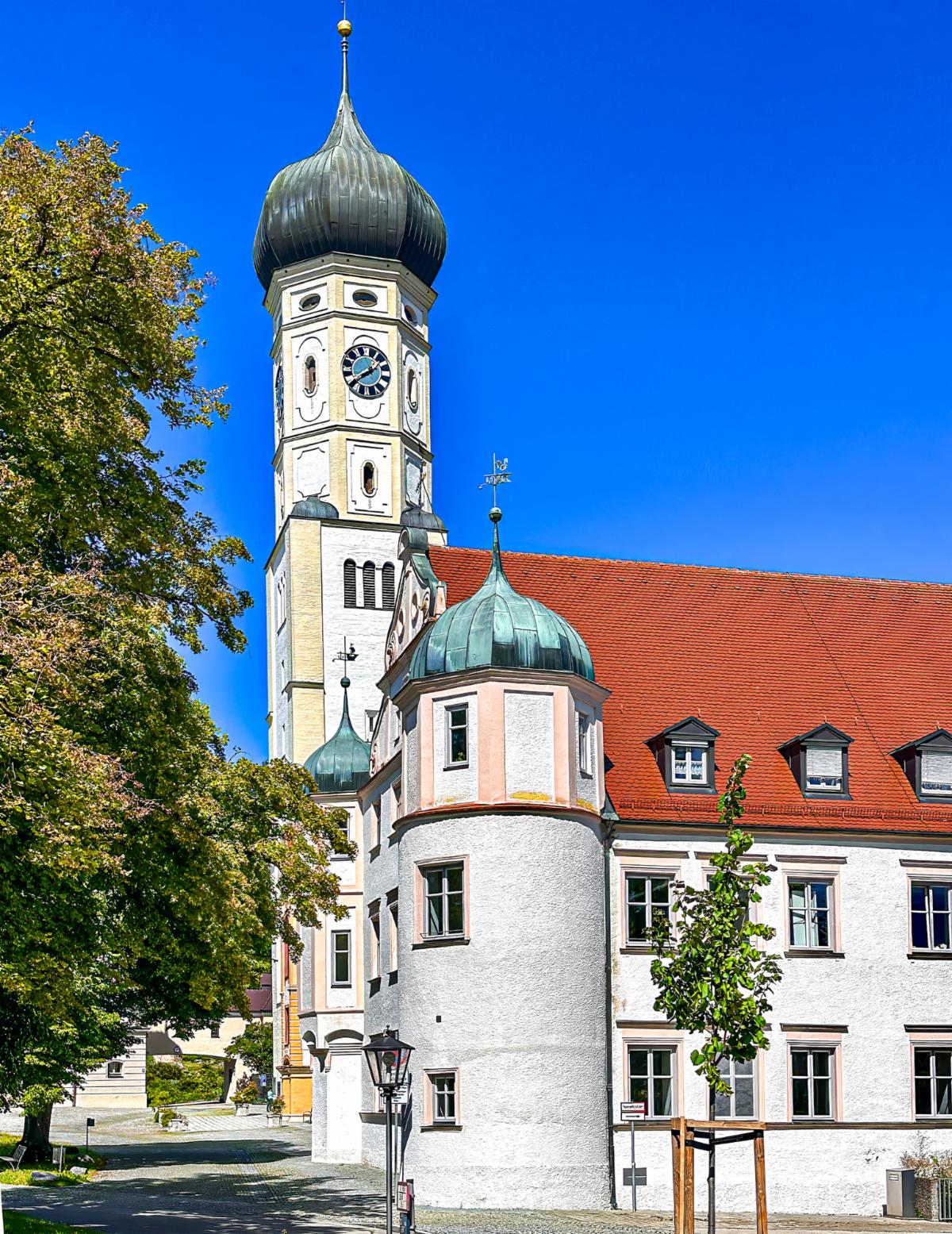
The church that is associated with the convent.

The beer garden at the Ursberger brewery wasn't as fancy as Obersthönenfeld.

Our Ursbeger Bock beers. Wanda had a coffee.

Look at that color!

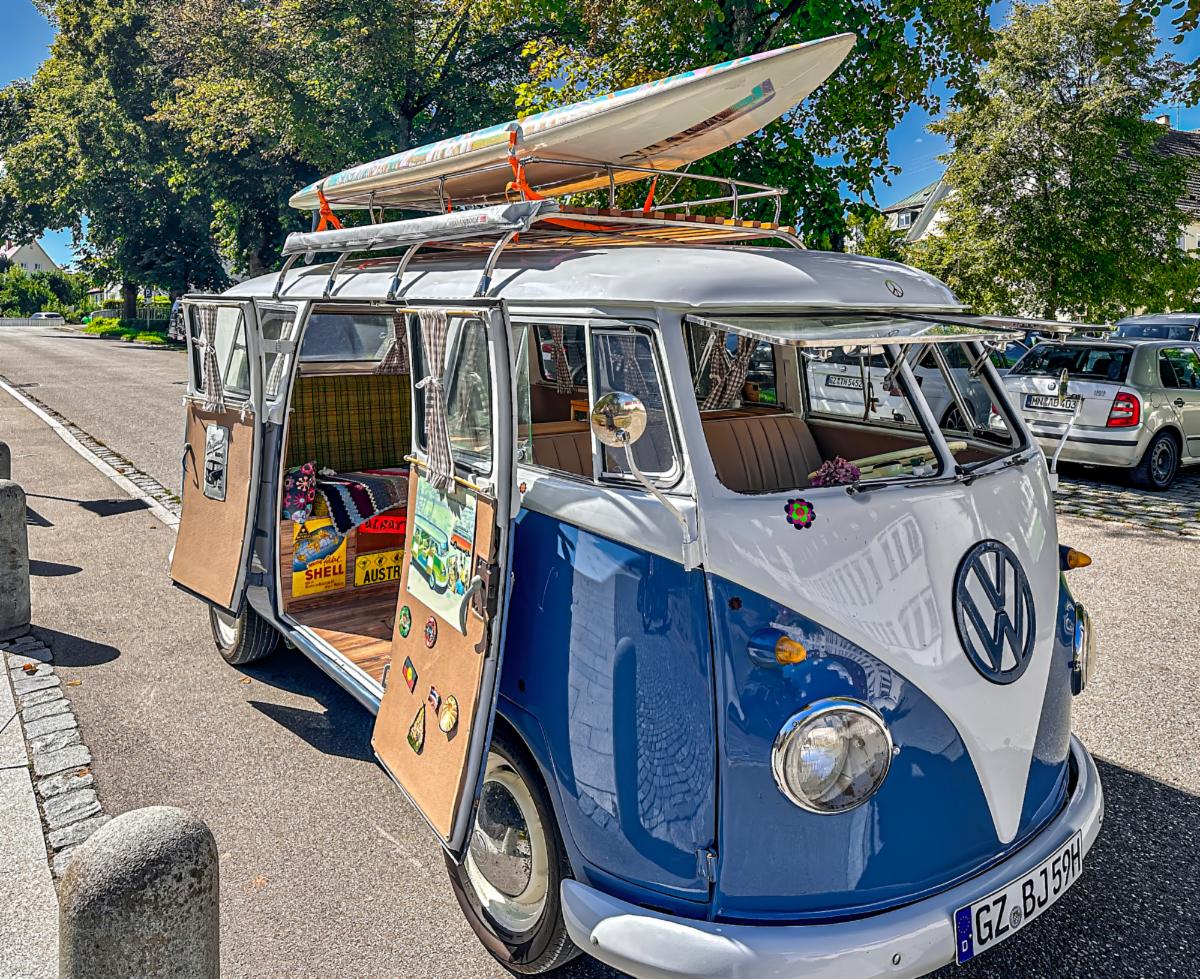
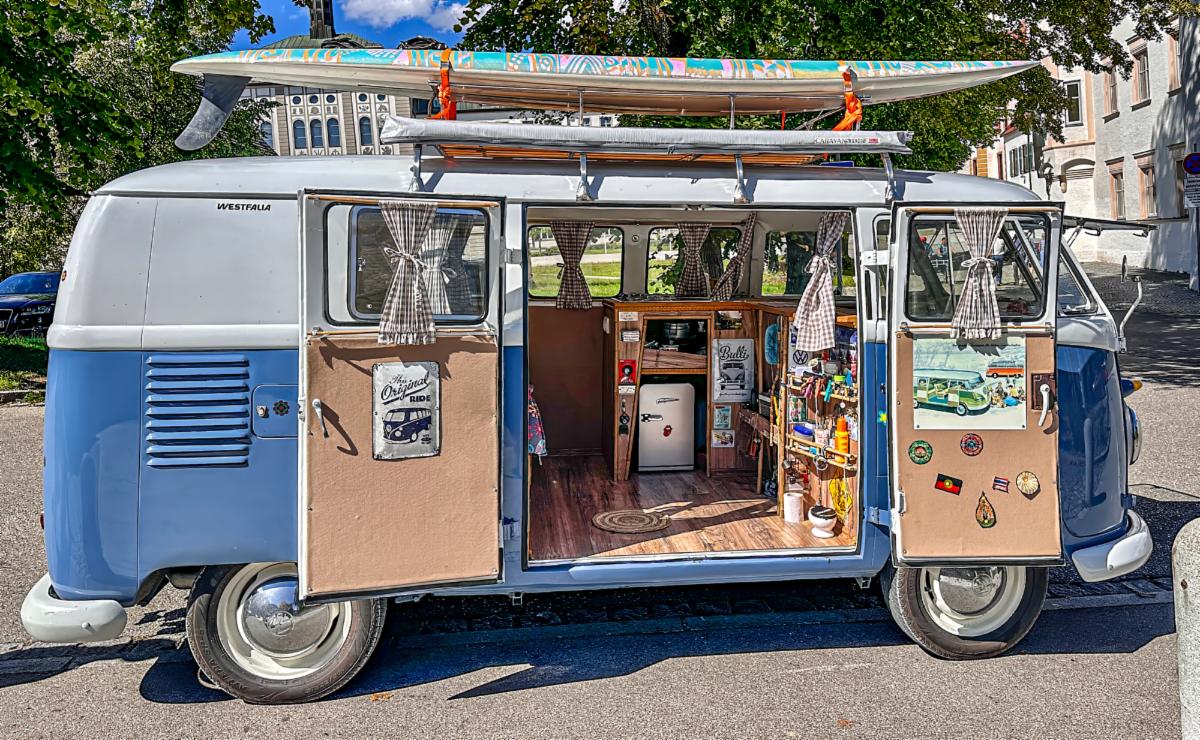
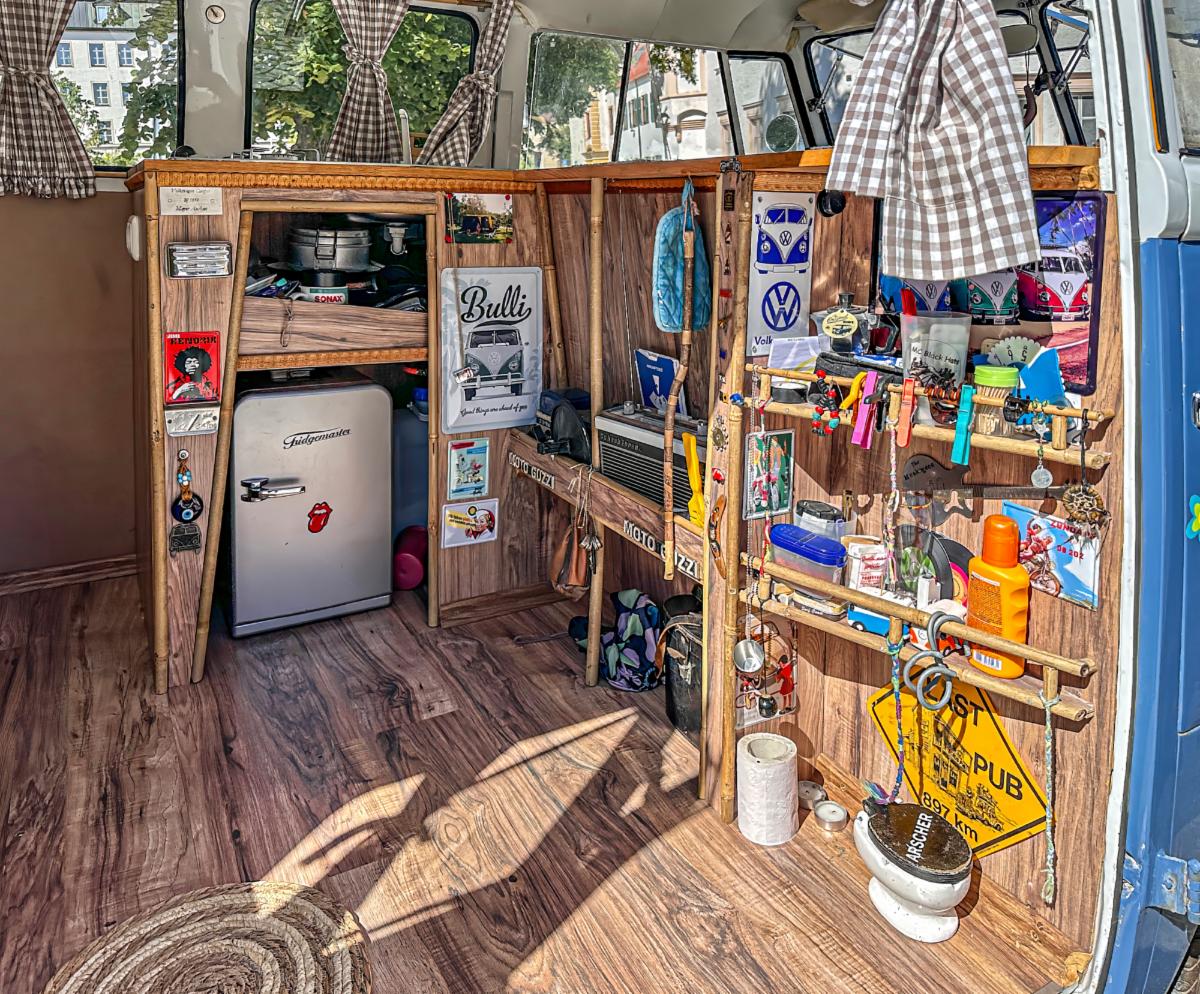
A wedding was taking place at the guest house. This meticulously restored VW bus was the bride and groom's ride after the reception.

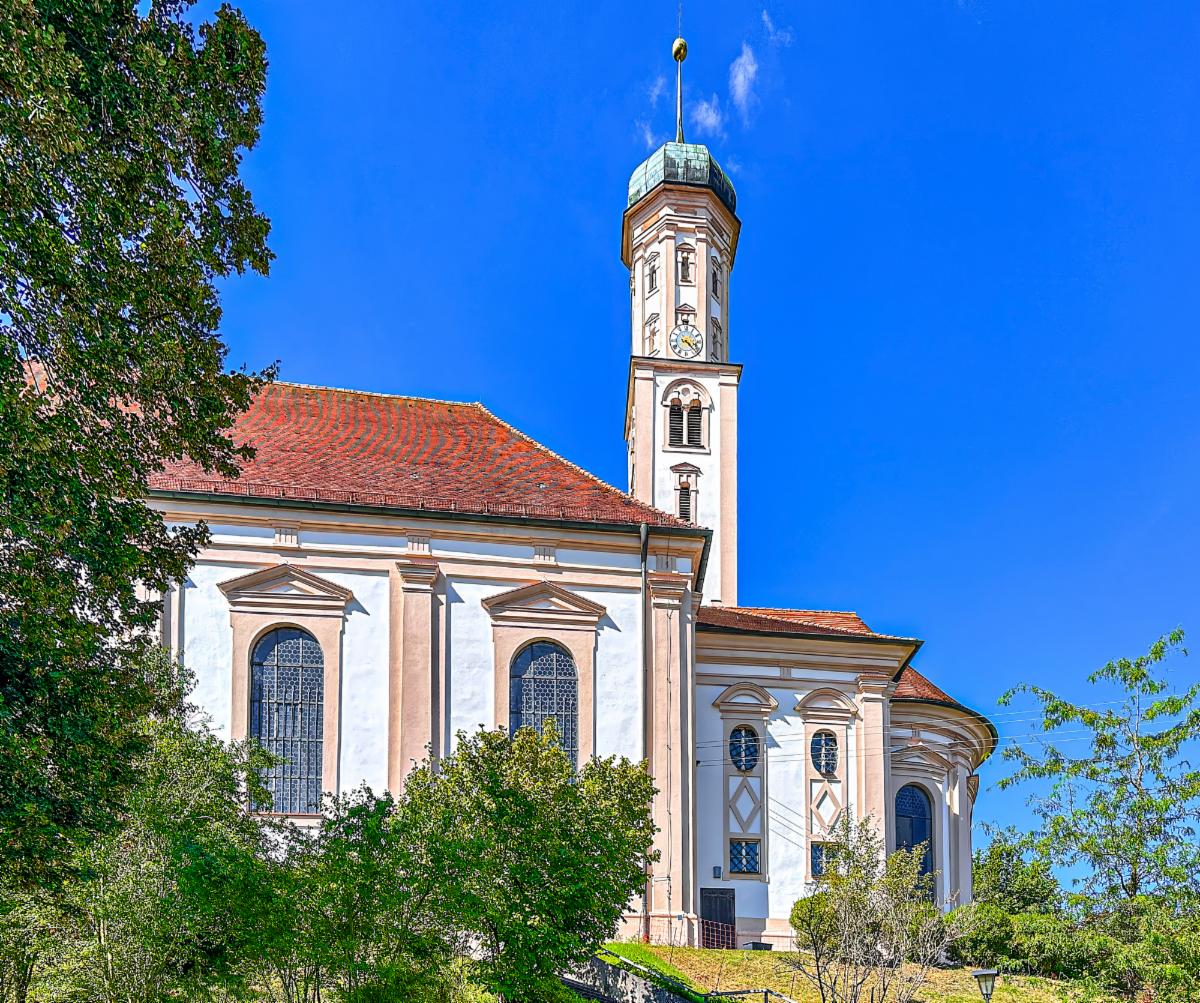
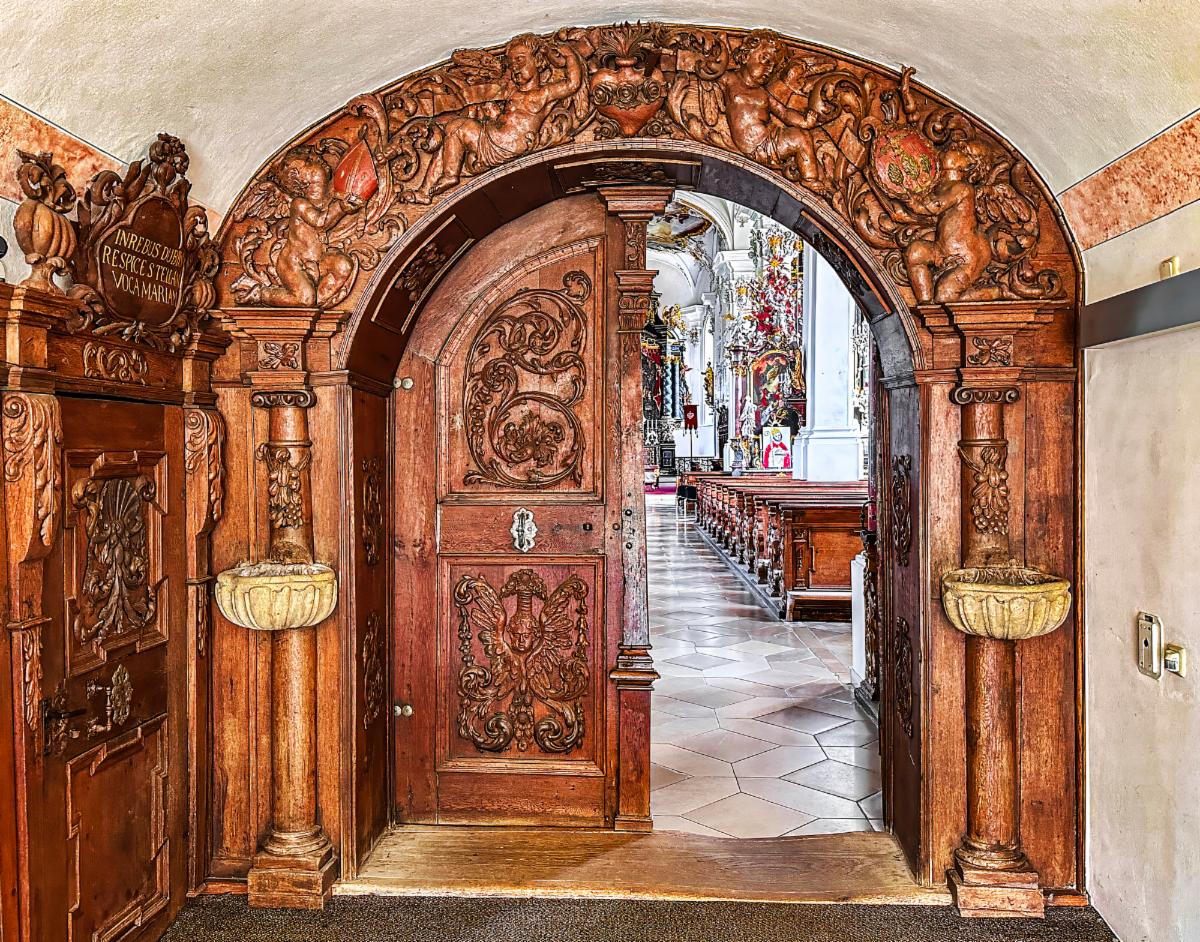
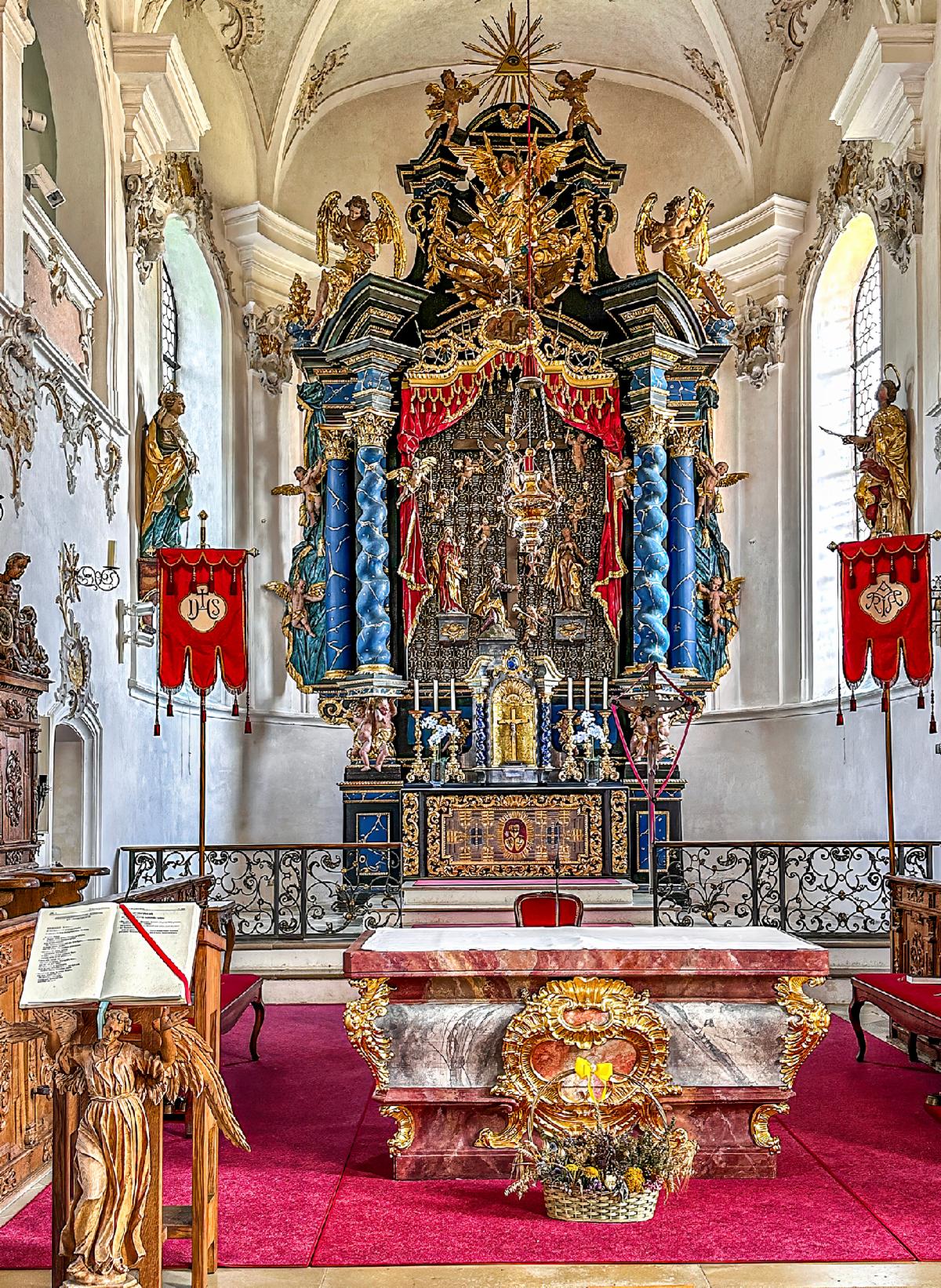
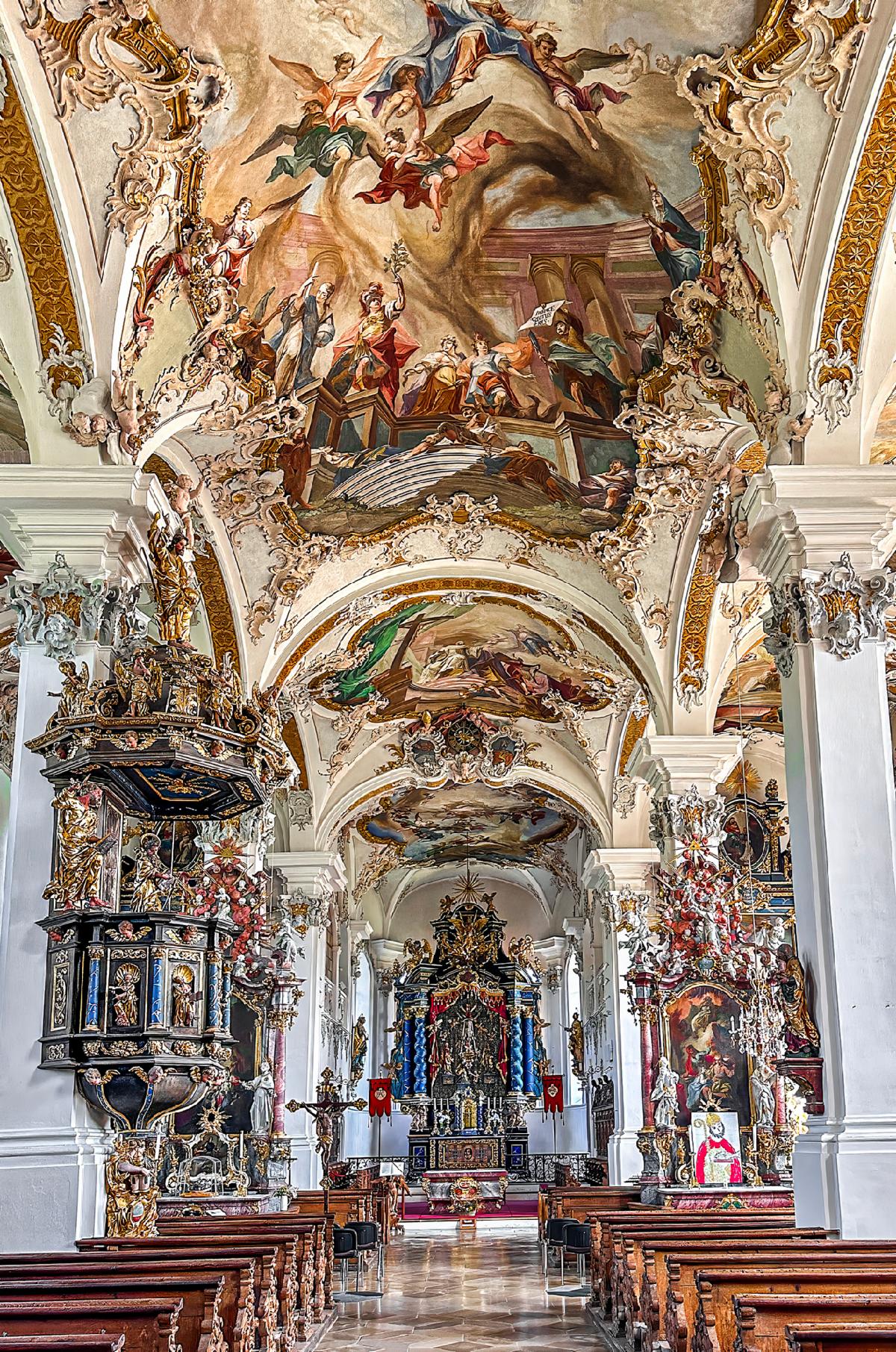
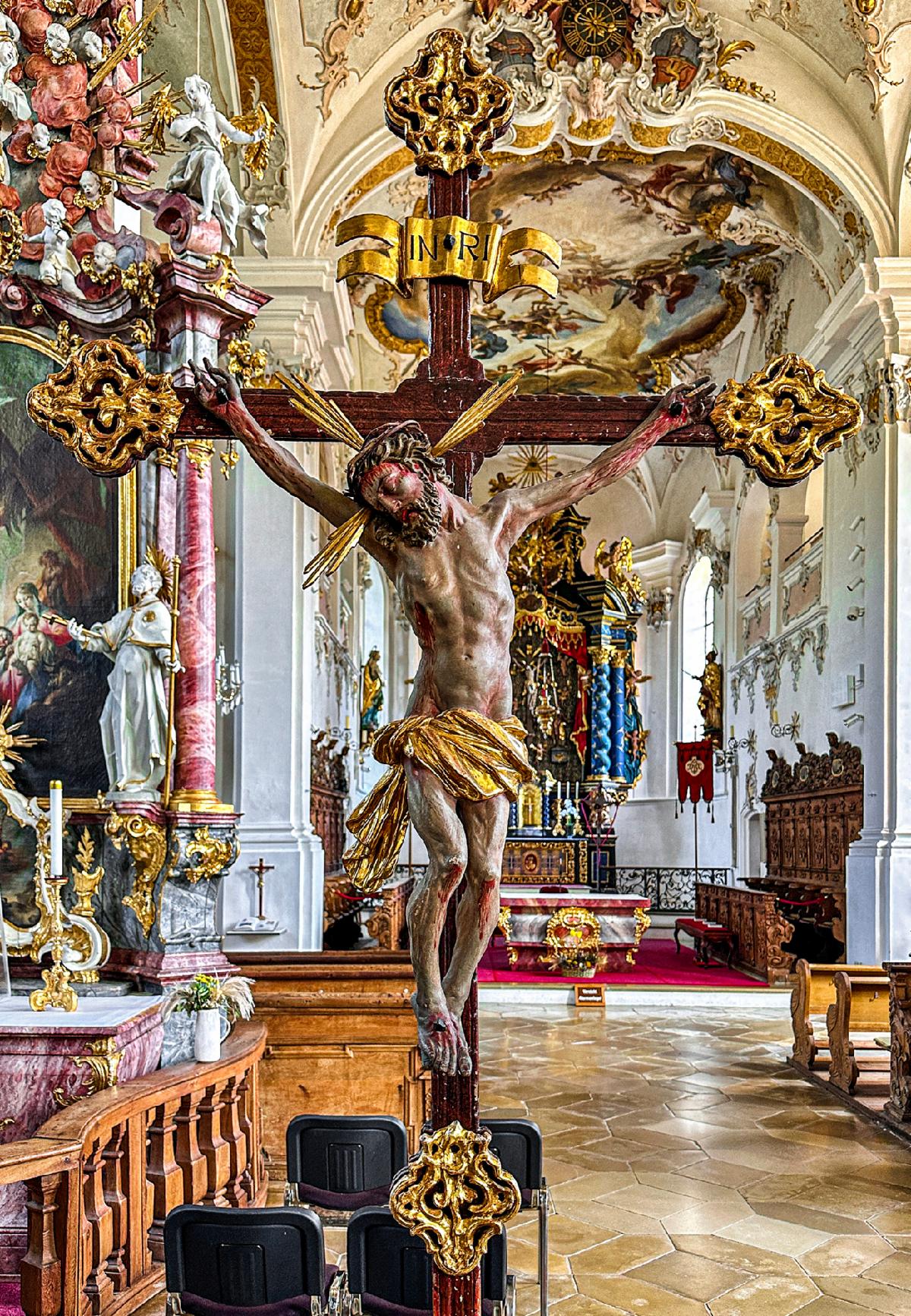
On the way home, we stopped at the famously ornate village church in the village of Violau. St. Michael, a pilgrim church, is adorned in Baroque splendor. The ceiling frescoes are from the 1700s. The organ was built from the salvaged parts of a 1700 organ.

The ornate St. Michael church in Violau.

The ceiling frescos are from the 1700s.

I was surprised by the dark-skinned Jesus.

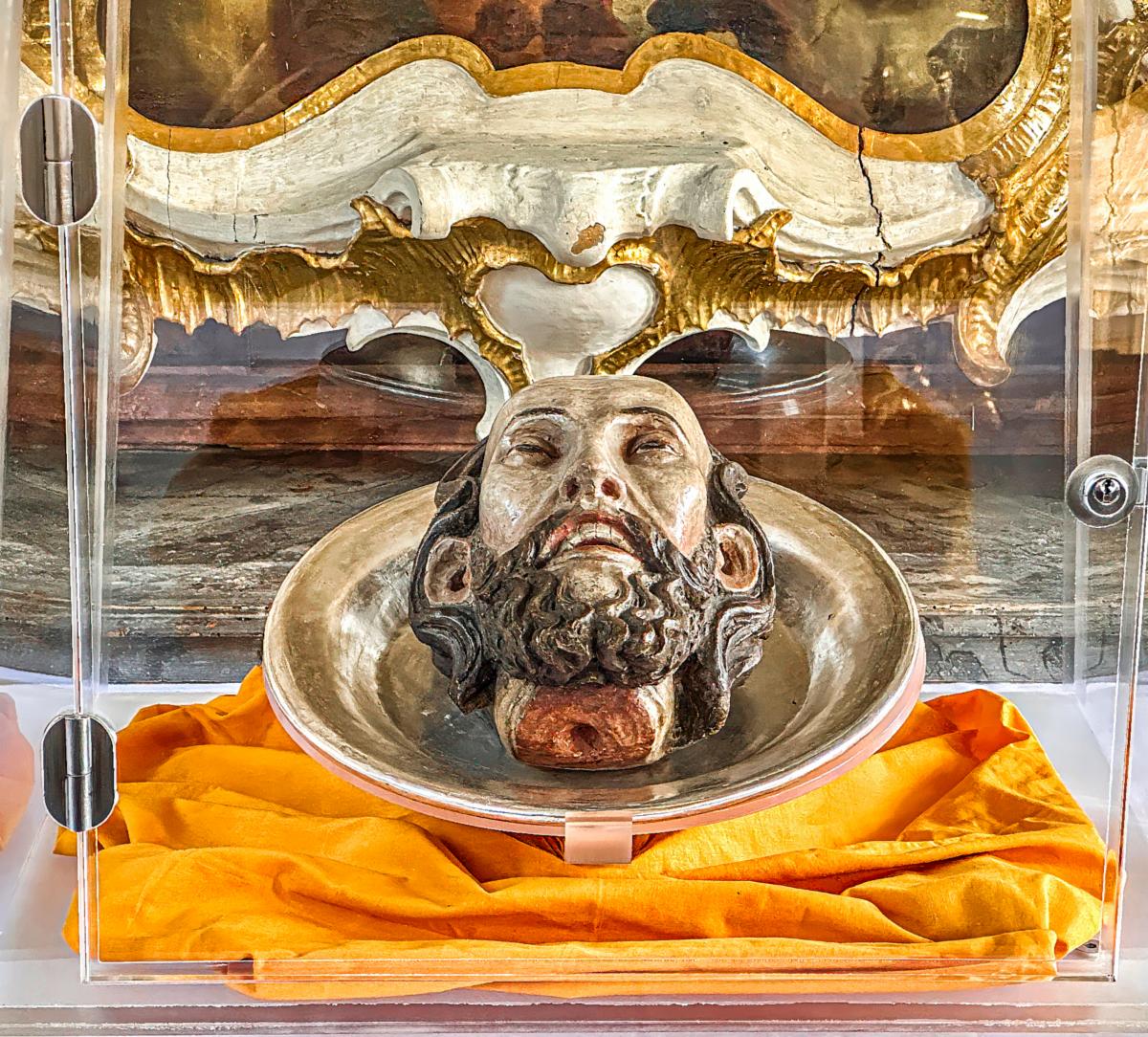
The John the Baptist head creeped me out.

Dave and Wanda

Vaccines: Your ticket to safe world travel.

Virtual Business Card

North America . Europe . Mexico . Asia . Product Reviews . Books & Maps


We are on an RVing adventure through Europe that could last as long as six months. Traveling with family, we will start in Germany and explore several countries. We are excited to explore all Europe offers and share our travels with you through this blog.


Share if you know someone who would enjoy tagging along. Please join our email list if you haven't already done so. On the slightest whim, tap 'reply' to this email and drop us a line. We'll get back to you whether you need travel help, have ideas, or just want to say hello.


Please send us your thoughts and any errors we may have missed. We're on the road and cellular service is intermittent in the remote areas. As soon as we get online, we are eager to read all of your messages.


Message us: 715-252-6664 | 715-252-3326

Email: alloverthemaptravelventures@gmail.com

Visit our Website