|
The team at Iroquois Valley is excited to share our 2025 Public Benefit Report and provide a Q1 2026 update.
Through strong relationships with our investors, farmers, and among our team, we’ve built a model that compounds over time—strengthening both impact and long-term returns.
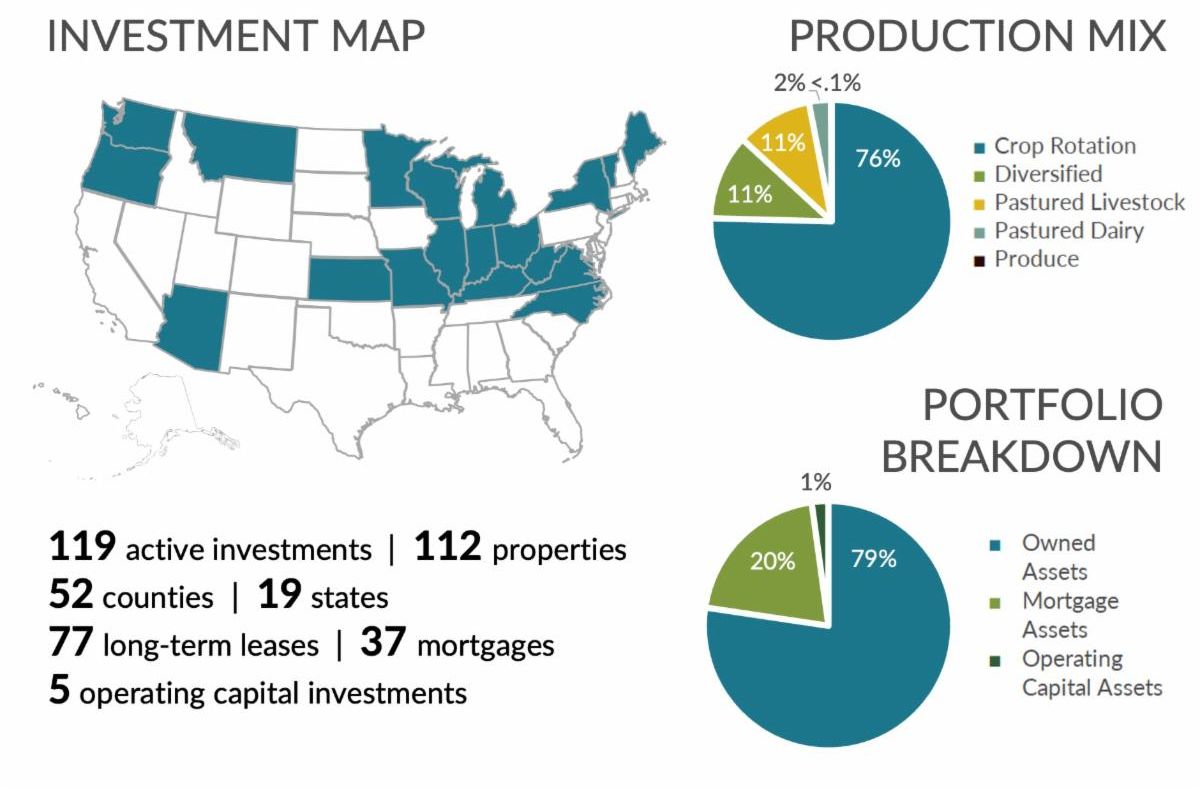
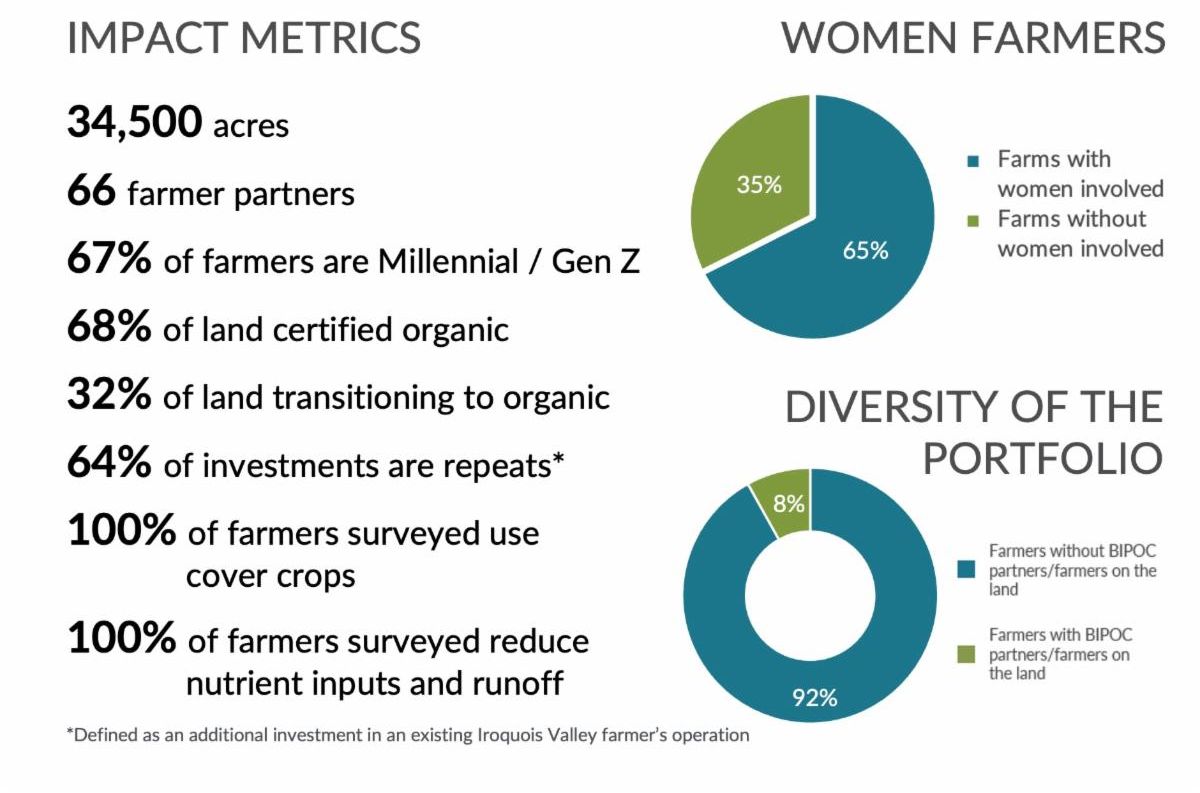
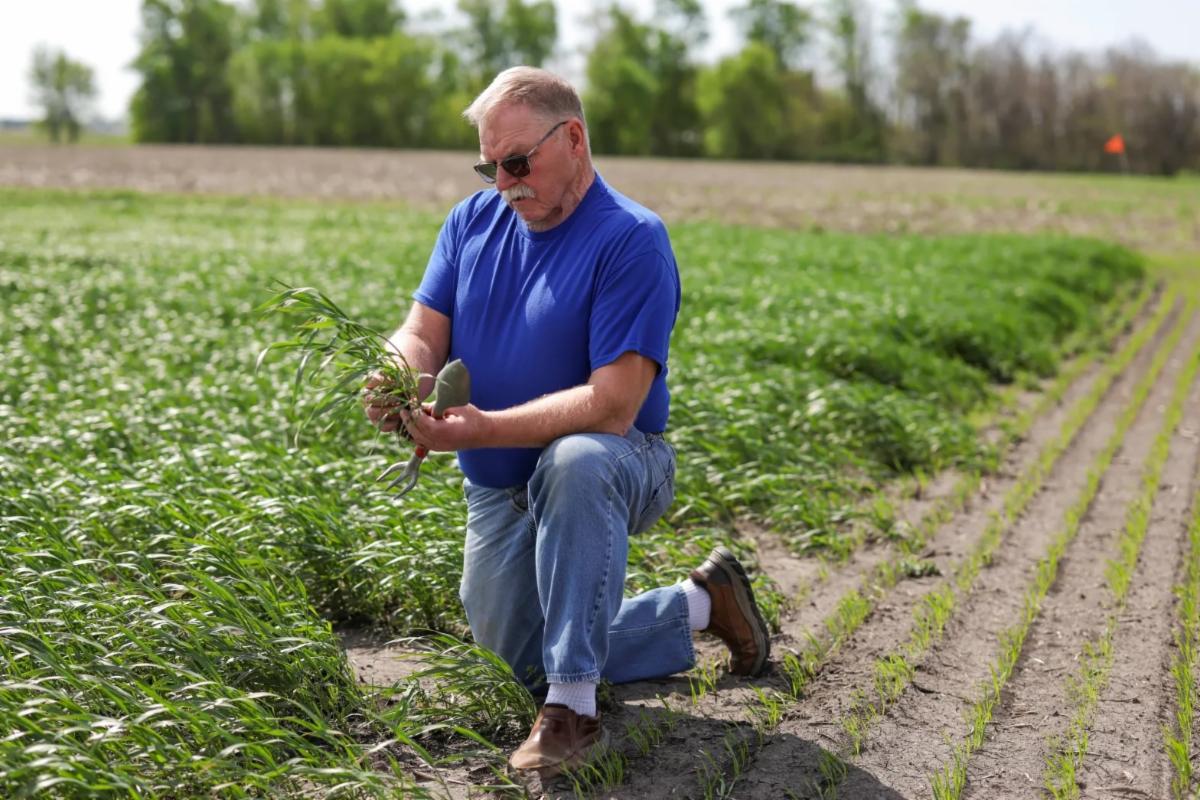
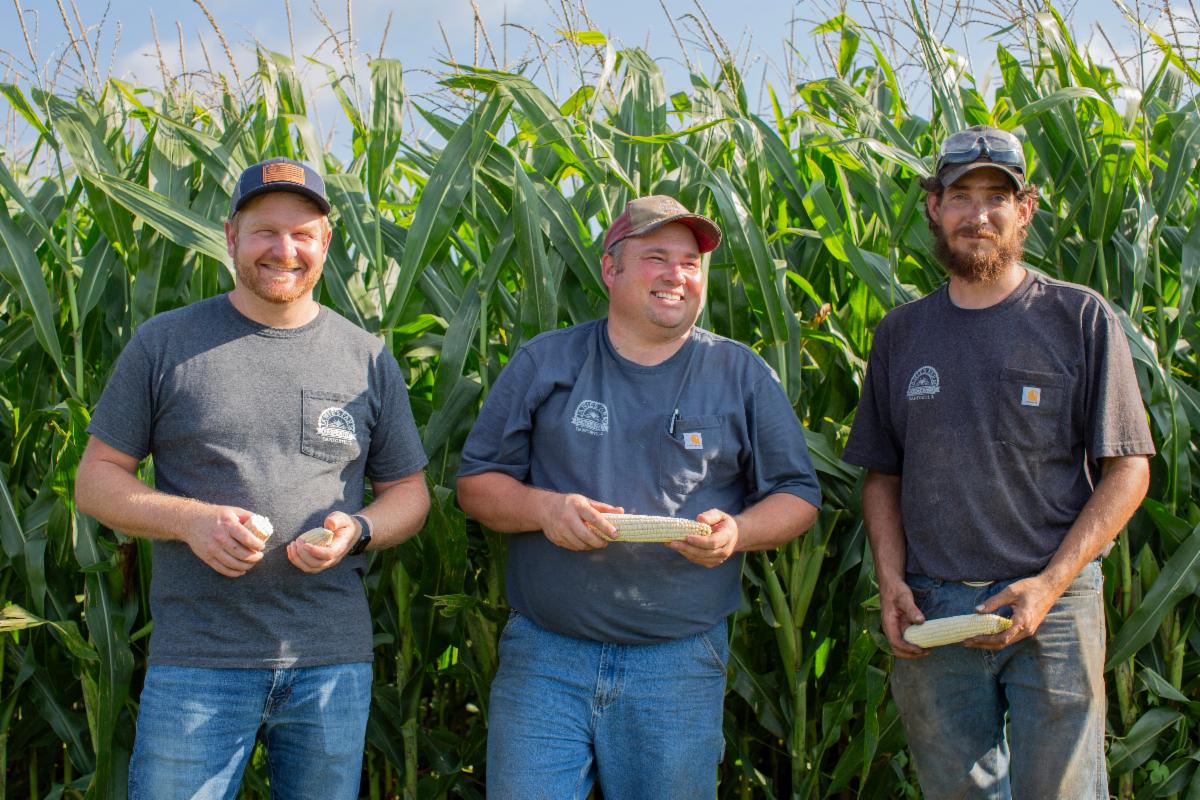
In this year’s Public Benefit Report, we take a closer look at the farms that make up our portfolio and the people stewarding the land, including Paul Hoffman of Hoffman Family Farm in Illinois and Justin Butts of Black Wind Farm in New York. Their stories demonstrate what can be achieved when farmers have the support they need to succeed over the long term.
The Report also gives you a view into how we operate—from our governance and investor community to the values that guide our decisions. The results are steady progress. Acre by acre. Farm by farm.
Thank you to everyone who partners with us as we build the organic future—and deliver results for many generations to come.
| |
|
IN THE MEDIA
CHICAGO TRIBUNE FEATURES JANIE'S FARM & IROQUOIS VALLEY
Last week, the front page of the Chicago Tribune featured our farmer partner, Harold Wilken of Janie's Farm & Mill, and our co-founder and board chair, Dr. Stephen Rivard. The story focused on Illinois farmers who support the State in its case before the Supreme Court to protect state safeguards applicable to Roundup (glyphosate). State safeguards require that companies, including Monsanto, the manufacturer of Roundup, warn consumers about potential cancer risks.
In the piece, reporter Christiana Freitag connected Harold’s journey from conventional to organic production to the broader national conversation now unfolding at the U.S. Supreme Court over glyphosate. For us, the story is more than the headline. It’s a reflection of why we exist.
After studying the link between herbicide exposure and chronic illness, Dr. Stephen Rivard, alongside co-founder Dave Miller, wanted to build a different kind of model—one that could help farmers move away from chemical-intensive systems while still building strong, profitable operations. Harold was one of the first to take that step.
In 2007, Harold partnered with Iroquois Valley to transition his farm to organic, well before there was a clear roadmap. The transition required patience, a capital structure that met his needs, and a long-term view of what success on the land really looked like. That approach has defined our work ever since.
Today, Harold’s story is a model for other farmers transitioning to organic. And we’re seeing more farmers ask the same questions he did—about their health, their soil, and the long-term viability of their operations. We hope you will read the piece and share it widely.
| |
IN THE MEDIA
DREW BLANKENBAKER'S OP-ED:
THE FUTURE OF FARMING DEPENDS ON ORGANIC LAND TRANSITION
What makes farming sustainable for generations to come? This question is more important than ever. Over the next 15 years, 40% of U.S. farmland will change hands. That's not just a statistic, but a pivot point. The decisions we make now about land access, ownership and stewardship will shape whether young farmers can build a profitable future in agriculture, and whether organic production will scale.
The organic transition is happening, but it requires more than good intentions. It requires access to capital, long-term partnership, and a path to ownership. Right now, those pieces aren't aligned for many farmers. That's the gap Iroquois Valley Farmland REIT is working to close.
In a recent MorningAg Clips piece, Iroquois Valley's VP of Farmer Relations, Drew Blankenbaker, wrote about land as more than a financial asset. It's the foundation of our food system and an asset that can be inherited for generations to come. If we want an organic future for American agriculture, farmland must remain accessible to the people who will steward it well.
| | |
LEARN & GROW
INVESTOR QUESTION OF THE MONTH
Q: How do Iroquois Valley farmers manage extreme weather conditions?
A: Extreme weather is a difficult test for any farming system. What we’ve consistently experienced is that organic agriculture holds up under extreme conditions. In periods of drought or flooding, organic fields tend to maintain yields while conventional production declines. In fact, organic corn yields have averaged 31% higher than conventional production over time.
That resilience starts with the soil. Organic practices build soil organic carbon, which improves the land’s ability to absorb heavy rainfall and hold moisture through dry periods. Healthier soil isn’t just better for the environment—it’s a more durable foundation for farm performance and our food system/
The regions of the country where we invest matter, too. Iroquois Valley’s focus on the Midwest and farmland in regions around the Great Lakes is protected by the natural moderating effects. The region benefits from steady rainfall and fewer temperature extremes, reducing reliance on irrigation and preserving underlying water resources. It’s a practical approach to managing risk at the portfolio level.
The Great Lakes themselves are a critical advantage for farmland—one of the largest freshwater systems in the world, containing 84% of North America's fresh surface water. That access, combined with disciplined land selection, helps position our farms to perform across many weather cycles.
In short, extreme weather resilience in our portfolio isn’t accidental. It’s built into where we invest and how we support land stewards for the long term—for the benefit of both farmers and investors.
Sources: Rodale Institute. “New Research Reveals Organic Agriculture Produces Higher Crop Yields During Periods of Extreme Weather.” 21 Dec. 2022, https://rodaleinstitute.org/blog/new-research-reveals-organic-agriculture-produces-higher-crop-yields-during-periods-of-extreme-weather & United States Environmental Protection Agency. “Great Lakes Facts and Figures.” EPA, https://www.epa.gov/greatlakes/great-lakes-facts-and-figures
| | |
SAVE THE DATE: MAY 13, 2026 AT 1 PM CST
IROQUOIS VALLEY ANNUAL MEETING
Please mark your calendars for our virtual 2026 annual shareholders meeting. Join us for an engaging discussion on May 13, 2026, at 1 p.m. CT. We will provide an update on our 2025 financial results, the farmer portfolio, and our impact.
Please note, this meeting is for Iroquois Valley REIT shareholders. If you’re an advisor, noteholder, or prospective investor interested in attending, please contact us at coordinator@iroquoisvalleyfarms.com to secure your spot.
| | |
CONNECT WITH IROQUOIS VALLEY
Our team is attending these upcoming events. Reach out to connect!
| | |
RNR Notes are available to accredited investors only. You may only invest after careful consideration of our complete Private Placement Memorandum, verification of your accredited investor status, and the submission of any other information required by Iroquois Valley relating to your proposed investment. No offering of RNR Notes is being made to investors until the Company has complied with the applicable state law.
Iroquois Valley Farmland REIT, PBC is offering its common stock for sale pursuant to Tier 2 of Regulation A+ and as such intends to be exempted from state qualification pursuant to federal law. No offer to sell securities or solicitation of an offer to buy securities is being made herein or in any state where such offer or sale is not permitted under the blue sky or state securities laws thereof. Offerings are only made through our Offering Circular, available here. Some of the statements herein may constitute forward-looking statements under federal securities laws. Such forward-looking statements are subject to various risks and uncertainties, including those described in the Offering Circular.
| | |
THE ORIGINAL ORGANIC FARMLAND REIT
As a corporate guideline, we do not look for specific farmland to purchase or finance. We develop relationships with farmers who want to grow their businesses. We move forward when we have a ready, willing, and able farmer.
| |
Iroquois Valley Farmland REIT | Public Benefit Corporation
Certified B Corporation | Est. 2007
| | | | |