|
|  |
|
MONTHLY NEWSLETTER
September 2024
| | |
Living with our Coyote Neighbors | |
|
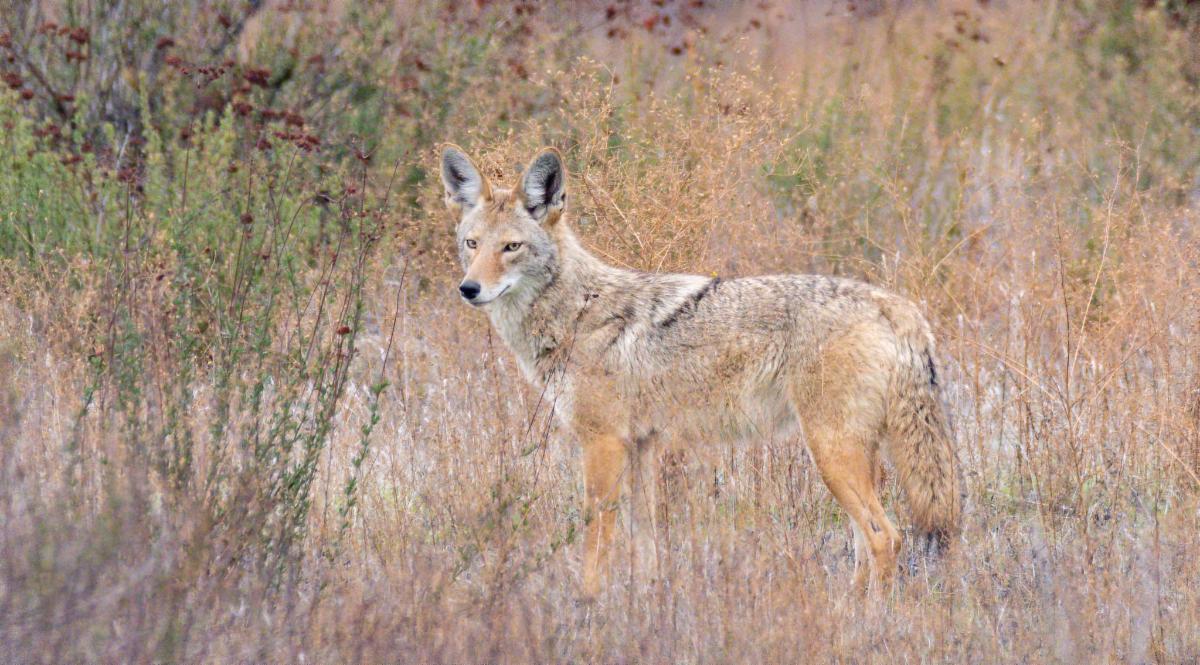
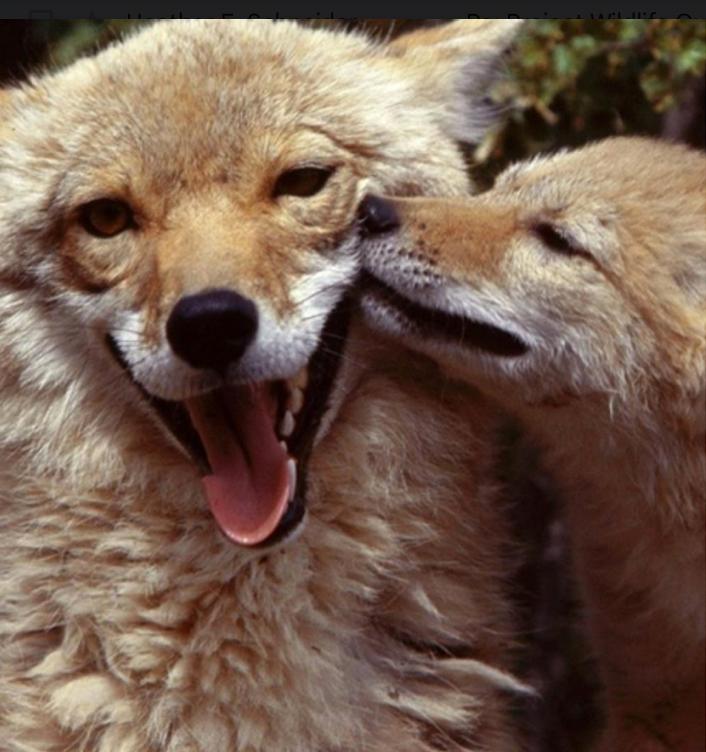
We come into contact with local wildlife all the time. And our visceral reactions to the variety of insects, spiders, mammals, reptiles and birds can vary depending on our past experiences. Coyotes (Canis latrans) are the largest wild animals that live within our neighborhoods and urban areas throughout California. The relationships that humans have with coyotes can be complex, especially since coyotes are in the dog family (just like our family dog) but they also fulfill the role as a natural predator.
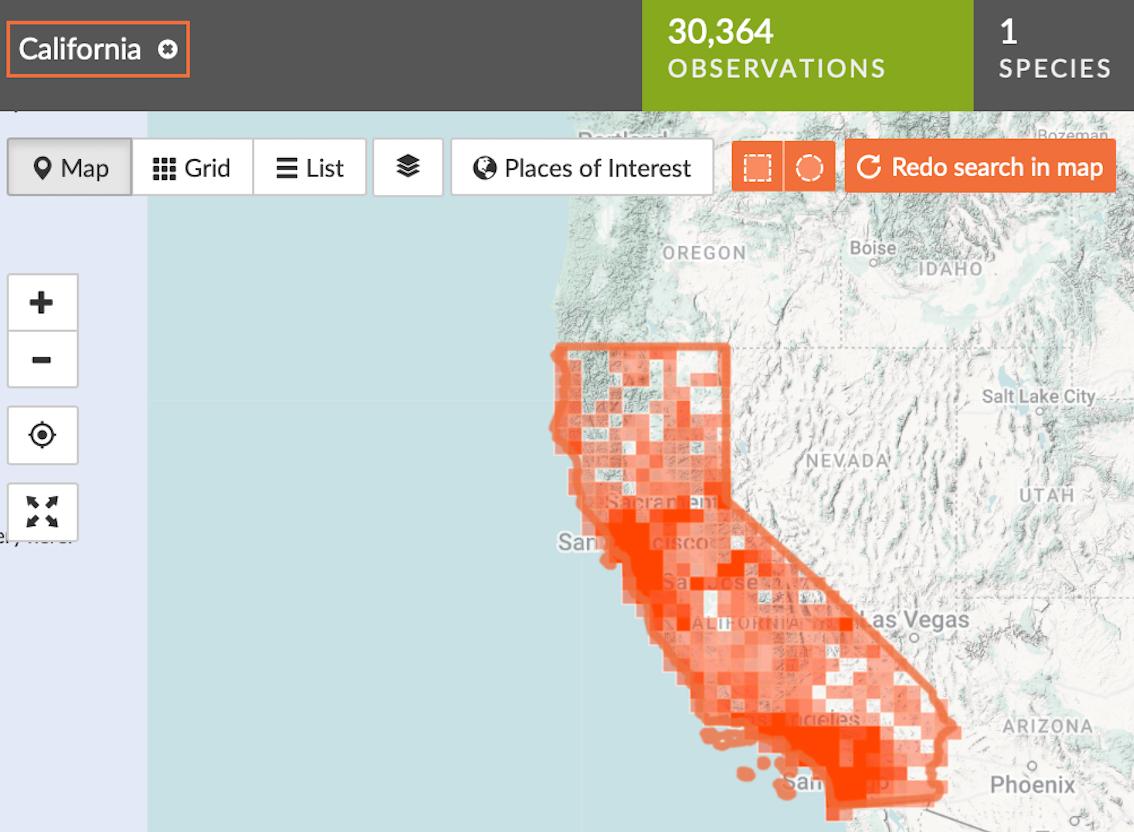
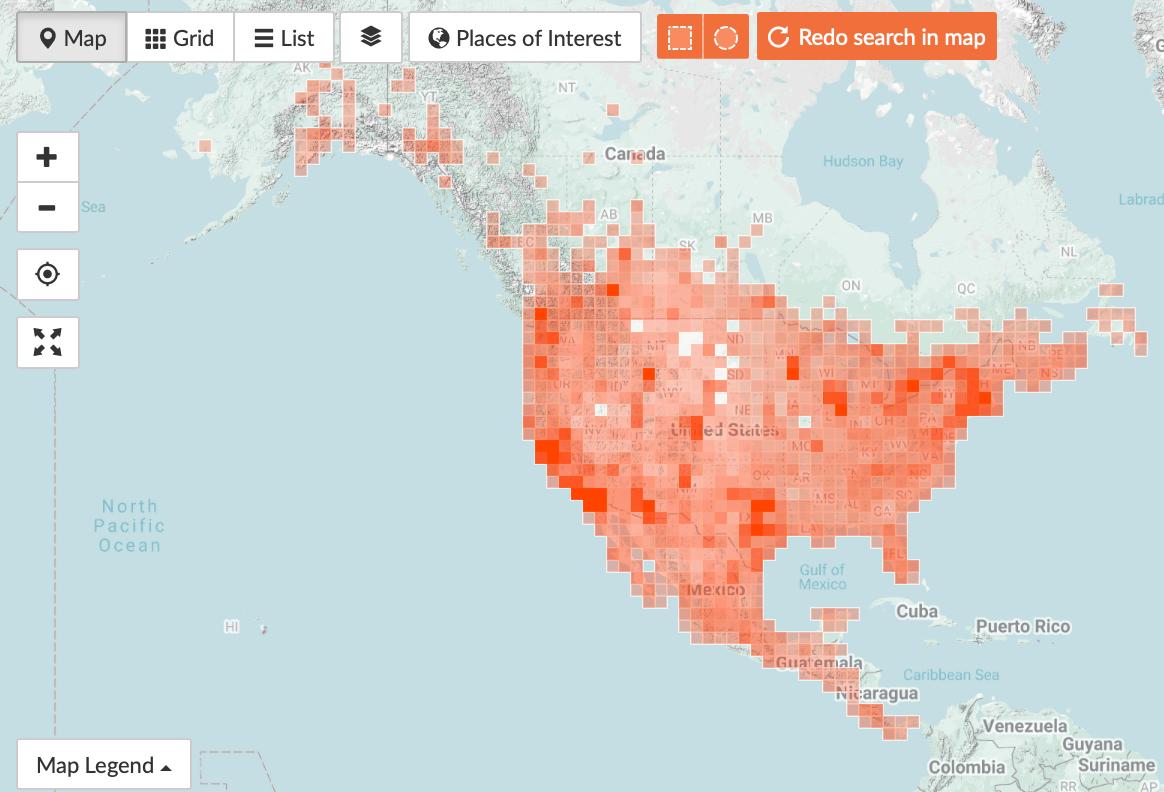
The distribution of coyotes throughout California and North American can be illustrated by the iNaturalist maps of coyote observations below. Coyotes are extremely adaptable and can live in almost any habitat in California.
| |
Photo credit Alex Heeren, CDFW | |
|
At least 19 subspecies of coyote roam North and Central America but classifying them can be complicated. This is due to the fact that coyotes are able to breed with both wolves and dogs. As a result of theses past encounters, they carry DNA in varying quantities from wolves and also domestic dogs (which have been present for 9000 years in North America).
When Research Scientist Alex Heeren (Wildlife Health Lab, CDFW) was asked about which subspecies was found in SD County, he said that many researchers don’t use the subspecies category for coyotes since there is so much overlap. In California, all of our coyotes are western coyotes which are tend to be smaller and slimmer than the eastern coyote. Western coyotes generally range from 18-35 pounds while eastern typically weigh 30-50 pounds.
| |
|
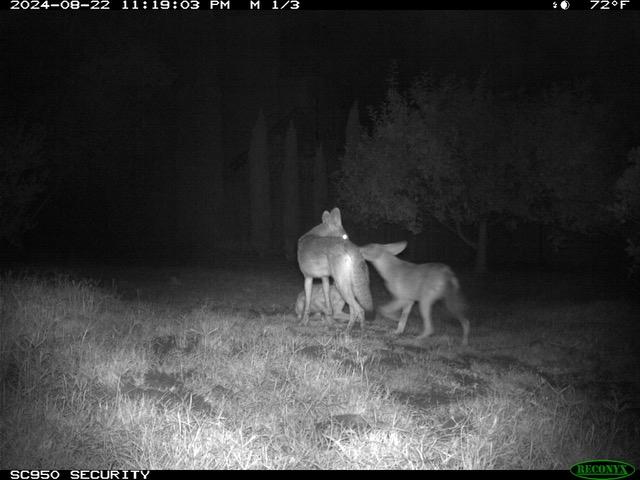
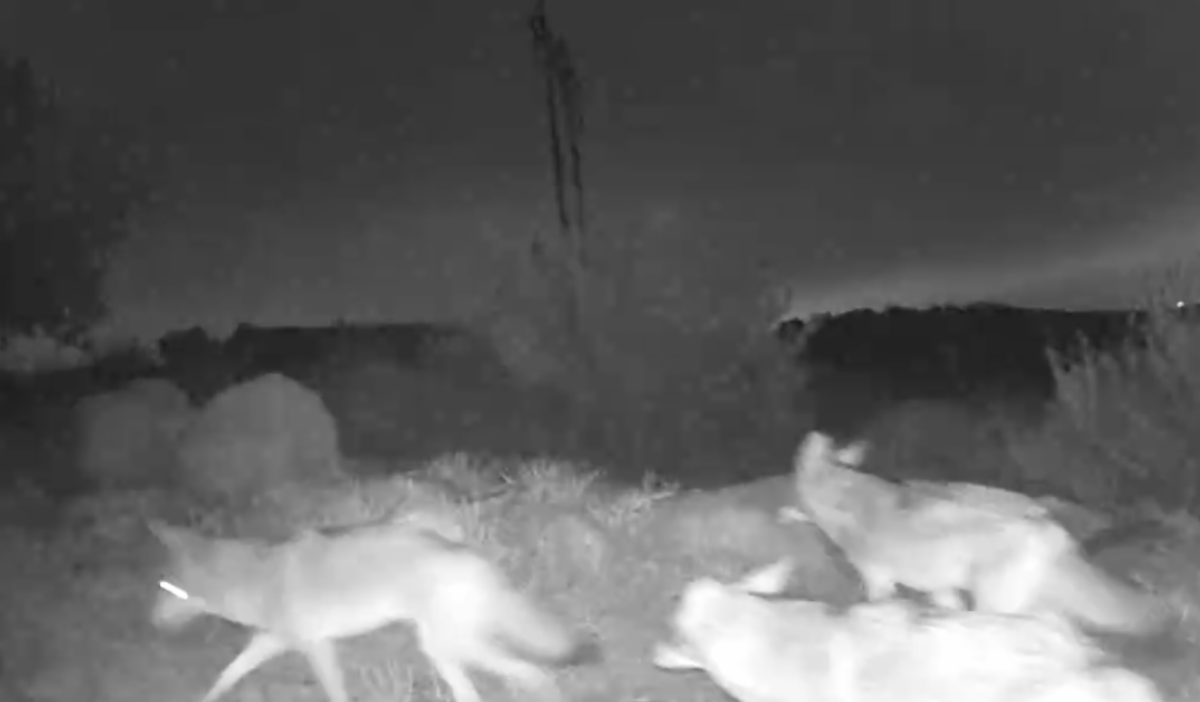
Wildlife camera that was set up in Carlsbad filmed a Mama coyote with her pups. She has one pup in submission mode, while another sidles up. (Date: August 22,2024)
| |
|
|
Coyotes are Important for Healthy Ecosystems
Coyotes play an important ecological role in maintaining diversity of species and healthy ecosystems. Although coyotes can be opportunistic omnivores, they also serve as keystone predators. They exert a top-down regulatory effect on the population of smaller predators (mesopredators) such as foxes, opossum, skunks and raccoons. An uncontrolled mesopredator population can have a devastating effect on bird populations; raiding nests for eggs and preying on chicks.
Coyotes are also an important source of rodent control and help prevent the spread of disease by eating carrion.
| |
|
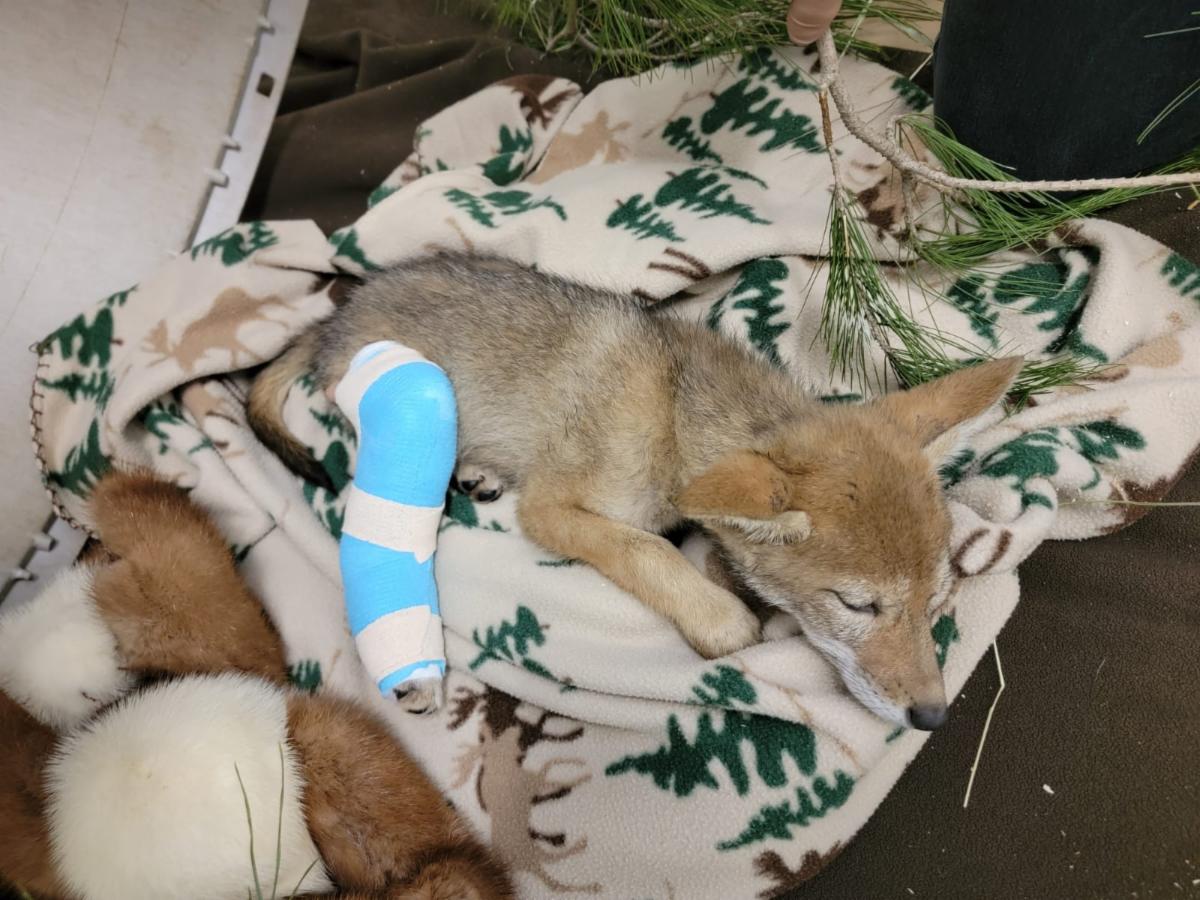
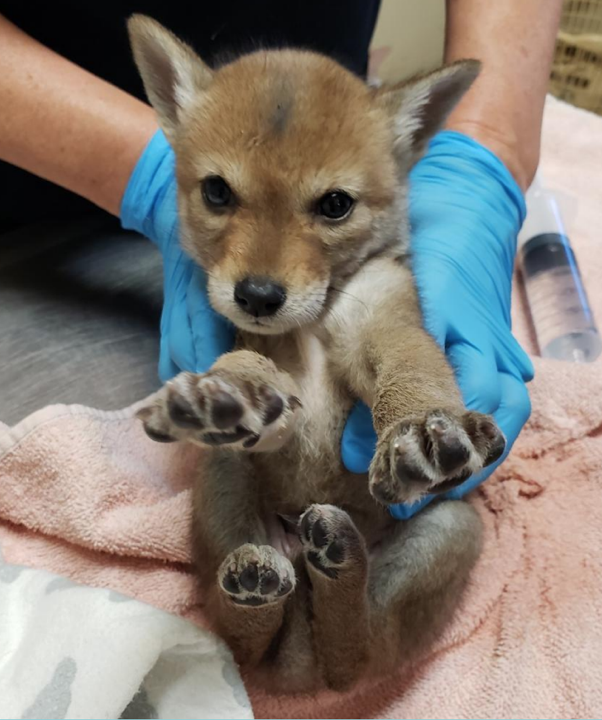
Coyotes in our area are rehabilitated at the San Diego Humane Society's Ramona Wildlife Center. (Rescued Pup photos credit Heather Schneider)
They also raise orphaned pups.
Nine pups from the Wildlife Center were just release back to the wild on the Eagle Peak Preserve near Julian. Read all about them!
| |
| | |
Preventing Conflicts with Coyotes
Please read and share this information about How to Avoid Conflicts by Urban Coyote and this FLYER by Project Coyote.
| |
|
As our human population expands into wildlife habitat, human-wildlife interactions will continue to increase. Coyotes are naturally wary of people but can habituate to our presence and the reliable food sources.
Wildlife Outreach Specialist Heather Schneider says preventing coyote conflicts is the best solution: This includes removing attractants, using deterrents and hazing.
| |
|
Removing Attractants:
Coyotes aren't picky about what they eat. Don't make trash or pet food available to them and don't leave small pets unsupervised outside.
If you have fruit trees in your yard, make sure to collect fallen fruit off the ground. Bird feeders can attract coyotes.
Coyotes may also be attracted to water sources or sheltered areas around your home.
So What's for Lunch At Your Coyote Cafe?
Hopefully nothing is on the menu!
| | |
|
Using Deterrents:
Some of the best repellents to keep coyotes away are ammonia, mothballs, vinegar, and pepper.
Use motion detector lights around your property and install proper fences and/or coyote rollers.
Read More about deterrents.
| | |
HAZING
Hazing simply means scaring a coyote away from you, your yard, or your neighborhood. Coyotes are naturally timid animals.
How Should You Haze?
Begin by acting “Big, Bad, and Loud.” Make and maintain eye contact. Wave your arms, a stick or jacket over your head; jump up and down, yell, or throw objects toward, not at, the coyote.
Please read and share this excellent COYOTE HAZING FIELD GUIDE from Urban Coyote and help our local coyotes to be good neighbors!
| | | |
Protecting our natural lands and open space will allow our coyote neighbors to stay in their home and not in ours. And working to expanding our wildlife corridors will allow them to travel without having to pass through your yard.
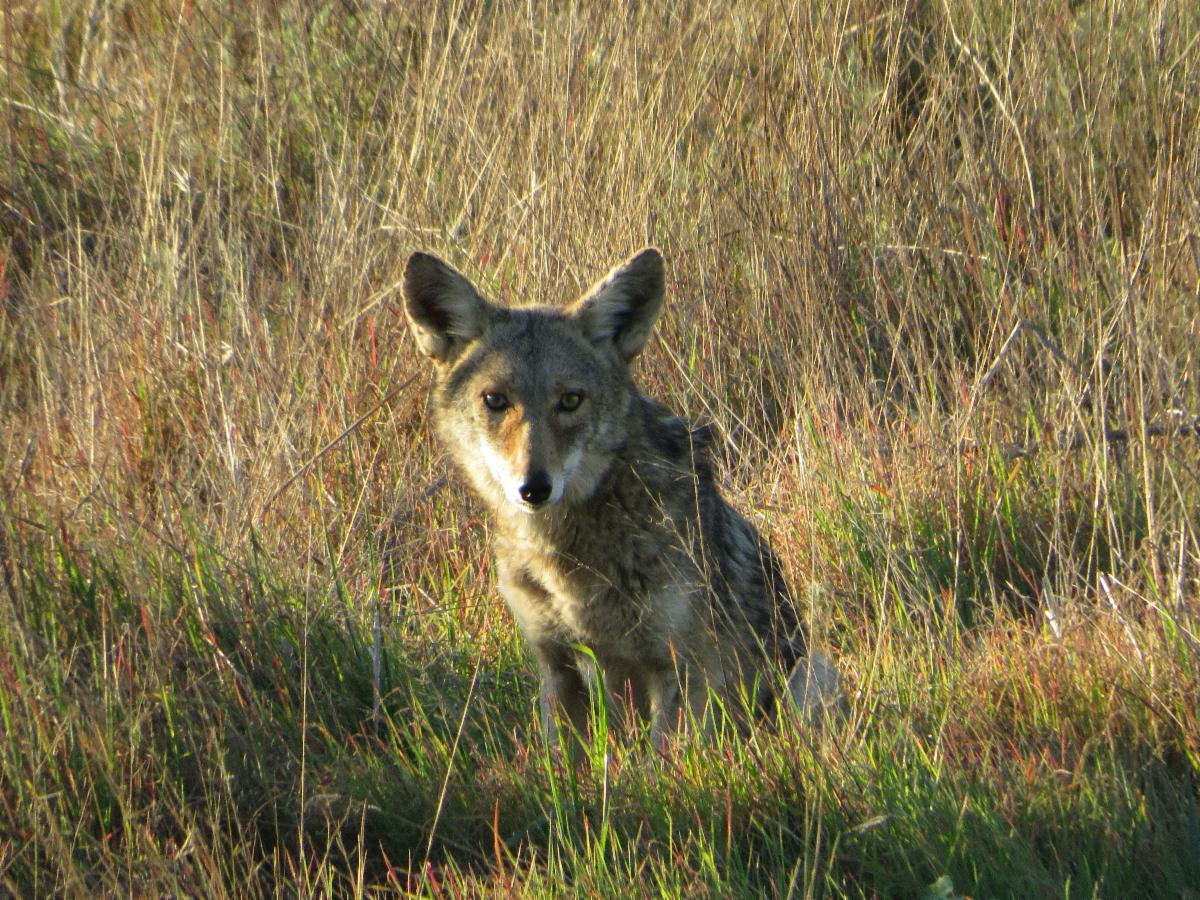
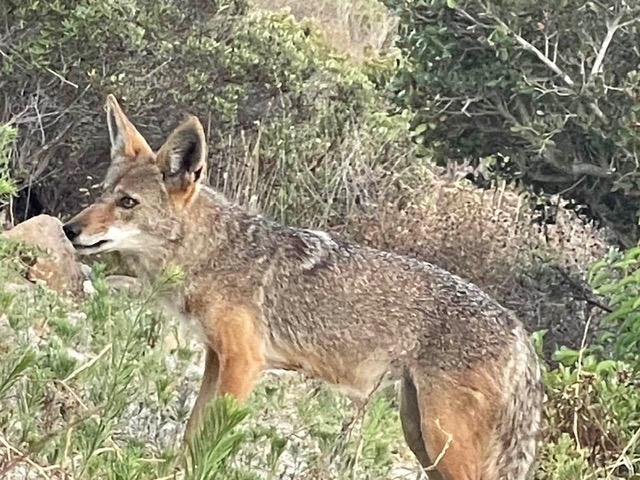
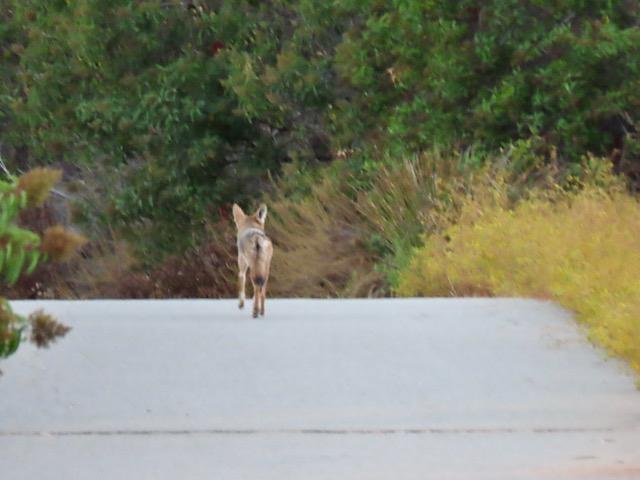
Todd Nordness, Preserve Ranger for Center for Natural Lands Management, frequents Lake Calavera Reserve as part of his job. He said that there is a healthy coyote population at Calavera and he has seen packs of six and seven. The coyote photo below was taken at Lake Calavera Preserve (by Karen Salinas) and Todd shared the wildlife camera video showing a large pack of coyotes at Calavera.
| |
Event Calendar for September | |
|
Wed, Sept 11 and Sat, Sept 14
Beginning Tracker/Naturalist Class
The class begins with a Wednesday evening Zoom discussion (7-9 PM) followed by a Saturday session in the field (8 AM - 3:30 PM).
find more information at the website at https://www.sdtt.org/tracker-training.html.
| | |
This class is structured to give the prospective tracker a solid base of tracking skills and strategies for discerning detail. They introduce basic mammal track and sign identification to determine who made the track and discuss track patterns and gaits as a means to interpret how an animal moves. | |
|
Sat, Sept 14
Rancho La Costa Restoration
8:30 am - 10:00 am
We have changed to summer hours!
info@preservecalavera.org
or call Diane:760-724-3887
| | |
|
Removing non-native plants and watering native plants as needed.
Prepare: Wear appropriate (preferably long pants/sleeves) clothing, closed-toed shoes, and hat. Bring gloves, sunscreen and water.
RSVP by 12 noon the preceding Thursday so we can confirm space is available and provide details of meeting location.
| |
|
Sat, Sept 21
El Corazon Restoration
8:30 am - 10:00 am
We have changed to summer hours!
info@preservecalavera.org
or call Diane:760-724-3887
| | |
|
Helping to remove invasive plants and add native plants to this site.
Prepare: Wear appropriate (preferably long pants/sleeves) clothing, closed-toed shoes, and hat. Bring gloves, sunscreen and water.
RSVP by 12 noon the preceding Thursday so we can confirm space is available and provide details of meeting location.
| |
|
Sat, September 21
Coastal Clean Up Day- Help Us Clean Up El Salto Falls
9 AM - 12 PM
Where: El Salto Falls- Quarry Creek Site
Volunteers will meet in the parking lot behind (immediately north of) the Petsmart in the Quarry Creek Shopping Center.
| | |
You must register for this event at the I Love a Clean San Diego Website: (Site registration link is not working as we are sending out this email, but check back at the site link): Creek to Bay Clean Up | | |
|
|
Sat, September 28
National Public Lands Day at Lake Calavera Trail Maintenance
Begins: 8:30 AM - 11:30 AM
Where: Lake Calavera Trail Head, Tamarack Ave
Carlsbad
Please RSVP to sarah.czech@carlsbadca.gov in order to reserve your spot at this great volunteer opportunity
| | |
|
Join the City of Carlsbad for an informational and fun trail maintenance volunteer event at one of our most popular trail systems (and the site of our local extinct volcano), Lake Calavera!
Preserve Calavera will be at the event with info and a demonstration on Animal Tracking.
FOR EVENT INFO
| |
|
Our all-volunteer organization can not do what we do without your help. Your time, talent and donation can make a difference right in your own backyard.
Contact us to see how else you could get involved.
| |
And Check out our Website | And all of our past Newsletters can be accessed here. Lots of local information about our open space and wildlife issues. | | | |
|
Bat Outing at Lake Calavera Recap
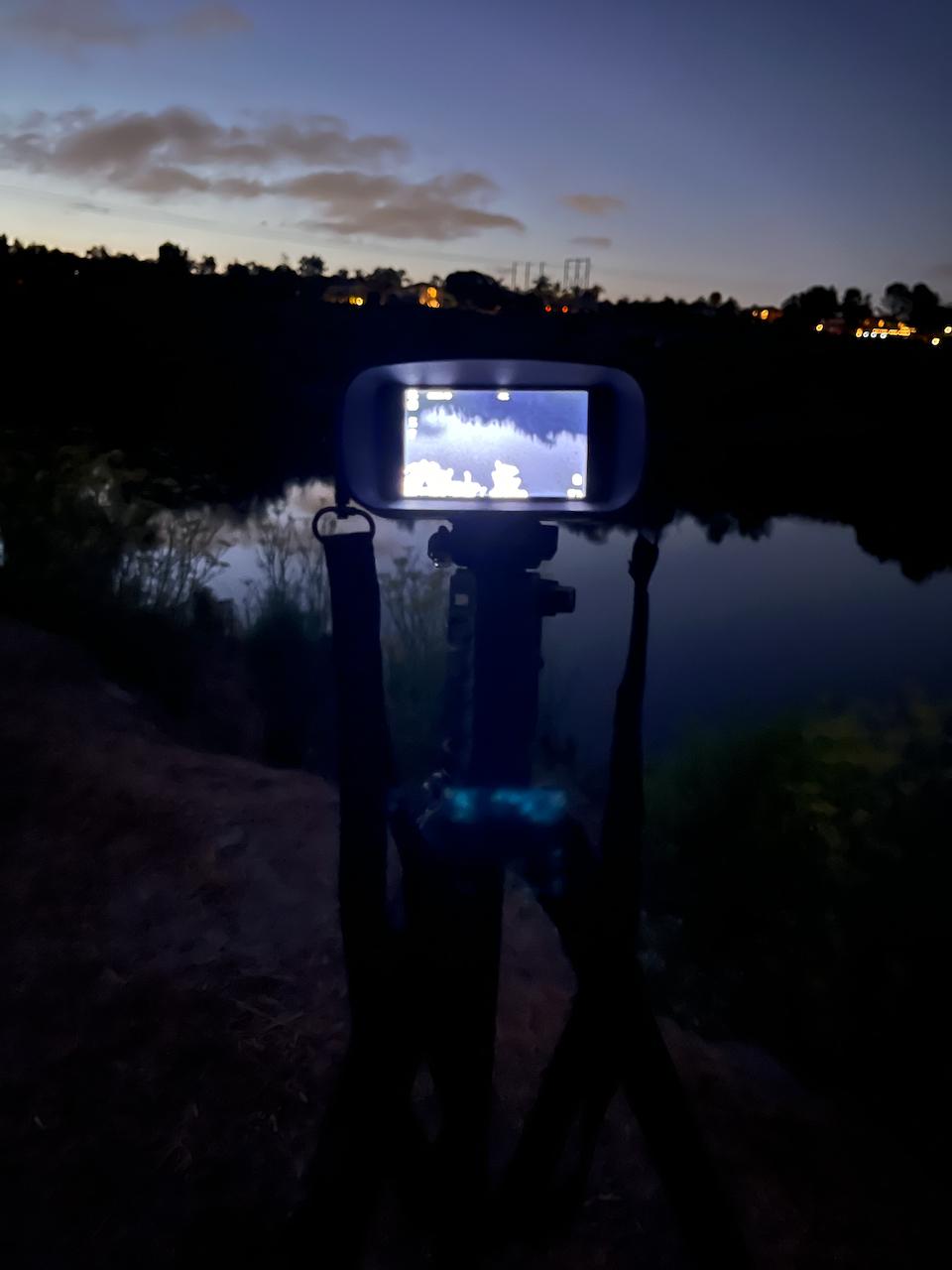
We had a very enthusiastic crowd turn up for our Bat Outing in August. We had 6 Echo Meters on hand to detect the ultra sonic bat vocalizations (that are outside the range of hearing for us humans). We also had a night vision camera focused at the lake which detected large quantities of flying insects which the bats were coming down to feed on.
We were able to detect 6 species of bats during the approximately 75 minutes we were using the detectors. The final tally was around 250 bat vocalizations detected:
Here is the list from highest frequency to lowest:
- Canyon Bat — almost half of the vocalizations
- Mex Freetail Bat
- Yuma Myotis
- Hoary Bat— only a few detected
- Western Red -only a few detected
- Big Brown Bat - just one detected
| | |
We also had to share this photo from our Bat Event (credit J. Cannon) of the coyote at Lake Calavera who decided it was time to leave the area when all the noisy humans showed up. | |
Wildlife Corner: Tarantula Hawk Wasps | | |
|
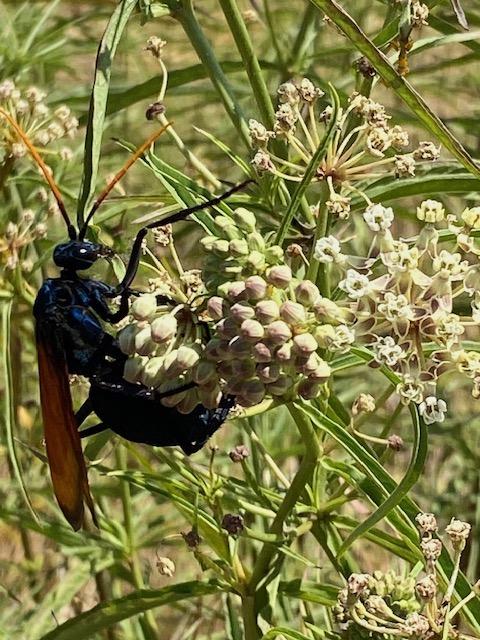
Milde's tarantula-hawk wasp grazing on milkweed. This species of tarantula hawk can be identified by its orange antennae. Photo by K. Merrill. | |
Milkweed and monarchs go together, but how about milkweed and tarantula hawk wasps?
On a recent visit to Oak Riparian Park, these large wasps were feeding on nectar from the narrow leaf milkweed patch along the trail. Although a few monarchs were spotted, the wasps were quite abundant. The wasps serve an important role as pollinators.
Tarantula hawks need lots of energy to take down their prey—which not surprisingly are tarantulas. Although the wasp is quite large (it can grow up to 2 inches long), it still needs something special to take on a formidable tarantula. These wasps possess a very powerful sting!
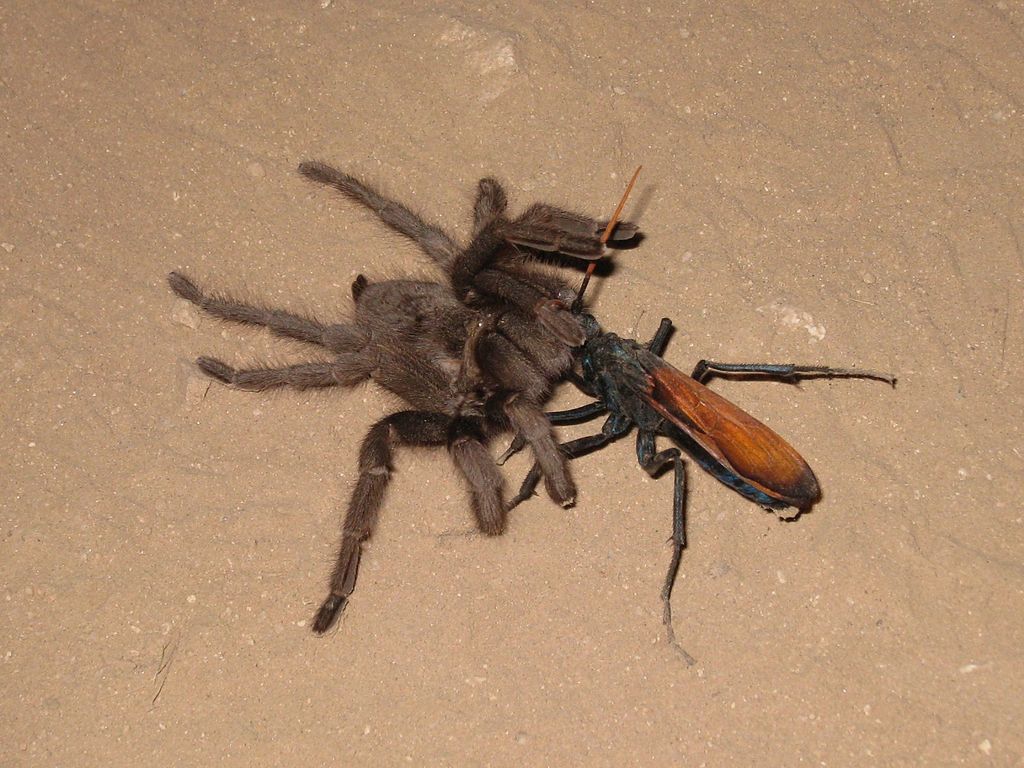
The female tarantula hawk captures the spider with a deft wrestling move. It gets under the spider and flips it on its back, avoiding its fangs. It stings, and instantly paralyzes the spider; she then drags the prey back into her burrow. Check out the action in this video
She lays single egg on the spider’s abdomen. When the egg hatches, the larva creates a small hole in the spider’s abdomen. It then proceeds to devour the tarantula alive; all the while avoiding vital organs, thus keeping the spider alive as long as possible. After several weeks, the larva pupates. Finally, the wasp becomes an adult and emerges from the spider’s abdomen to continue the life cycle.
| |
|
A tarantula hawk wasp dragging an envenomed tarantula across the ground. (WikiCommons)
| |
|
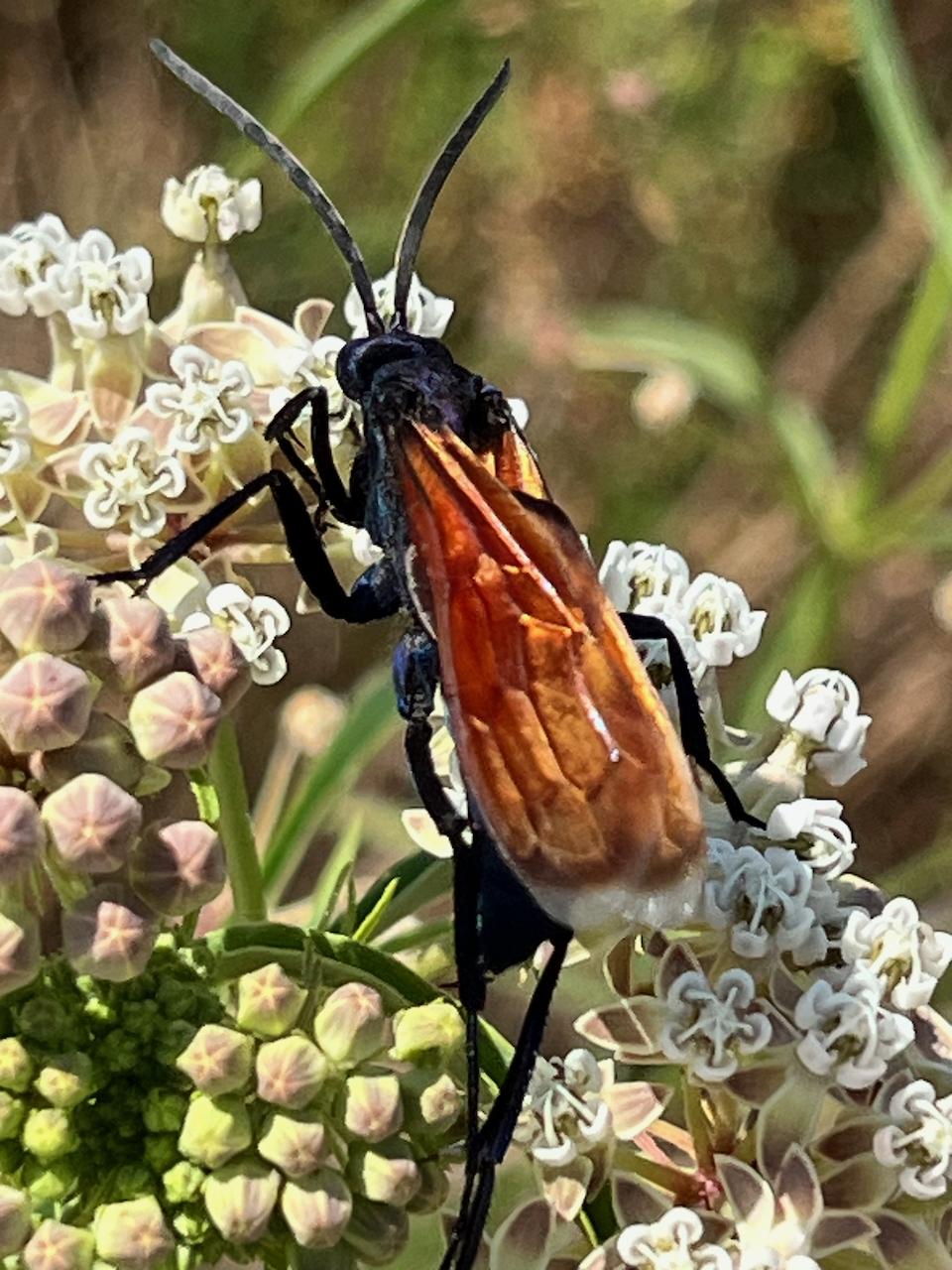
The two common species that you will find in our area are likely Pepsis mildei or Pepsis thisbe. They can be differentiated most easily by their antennae. While Milde's has orange antennae (photo above), Thisbes has black antennae as seen in photo at right. (photo by E. Bartlett)
| |
Tarantula Hawks are in the LOOK BUT DON"T TOUCH category!
Although the tarantula wasp is a docile creature and not aggressive (unless you are a tarantula) and its stings are relatively rare; it is reportedly one of the most painful stings of any insect in the world. The stinger can be up to 7 mm (1/3 in) long. Along the trail, they were more interested in milkweed nectar than the near by photographers.
| |
|
|
Incidentally, these wasps belong to a family called Pompilidae, the spider wasps, which contains about 100 species in California. Most spider wasps are smaller than these tarantula hawks, but all members of the group hunt spiders of various types and carry (or drag) them back to their burrows or cavities for their larvae to feast on. Wolf spiders (Lycosidae), jumping spiders (Salticidae), and orb-weavers (Araneidae) are particularly favored victims.
| | | | |