|
Welcome to the twenty-third edition of the statewide UC Master Food Preserver monthly newsletter. Our mission is to extend culturally appropriate, research-based practices for preserving food in the home.
Each month, you’ll receive recipes, how-tos, and inspiration straight to your inbox. Thank you for subscribing and feel free to contact our helpline with any food preservation questions.
| | |
My Grandmother Would Have Bought the Steam Canner
Five canning methods, and what actually changed our minds about each one
By Paige Weisskirch
UC Master Food Preserver, Online Delivery Program Volunteer
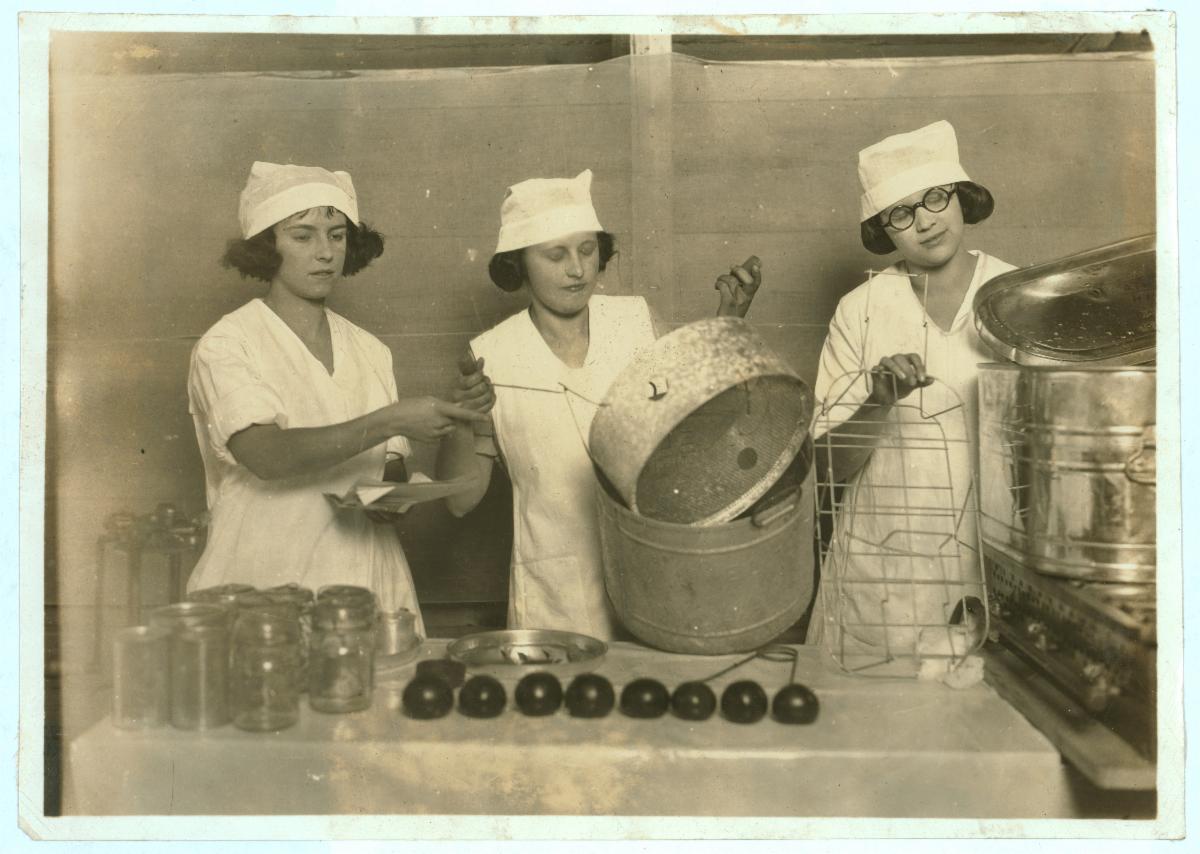
| Three prize-winning 4-H girls from Cabell County, West Virginia, demonstrate teamwork while canning farm products for visitors at the State 4-H Fair in Charleston, West Virginia, in 1921. Library of Congress. | |
Wax seals, open kettle canning, and the flip-and-seal trick your family swears by…these were all standard practice once, but all have been phased out after outbreaks and research finally showed what was actually going wrong. Meanwhile, one canning method spent fifty years locked out and finally got the green light once someone did the necessary research. Here's what actually drove these changes, from a 1919 botulism scare to a 2015 university study, and why "the old-fashioned way" was just the best available way, at the time.
Continue reading about outdated canning methods
| |
Monthly Food Preservation Trivia
(Scroll to the bottom of the email for the answer!)
Pre-treating pears and apples before drying is recommended to prevent darkening, retain vitamins, and even enhance the destruction of potentially harmful bacteria. Which is NOT recommended for use in pre-treatment?
A) Ascorbic Acid (Vitamin C)
B) Citric Acid
C) Lemon Juice
D) Table Salt
E) Sodium Metabisulfite
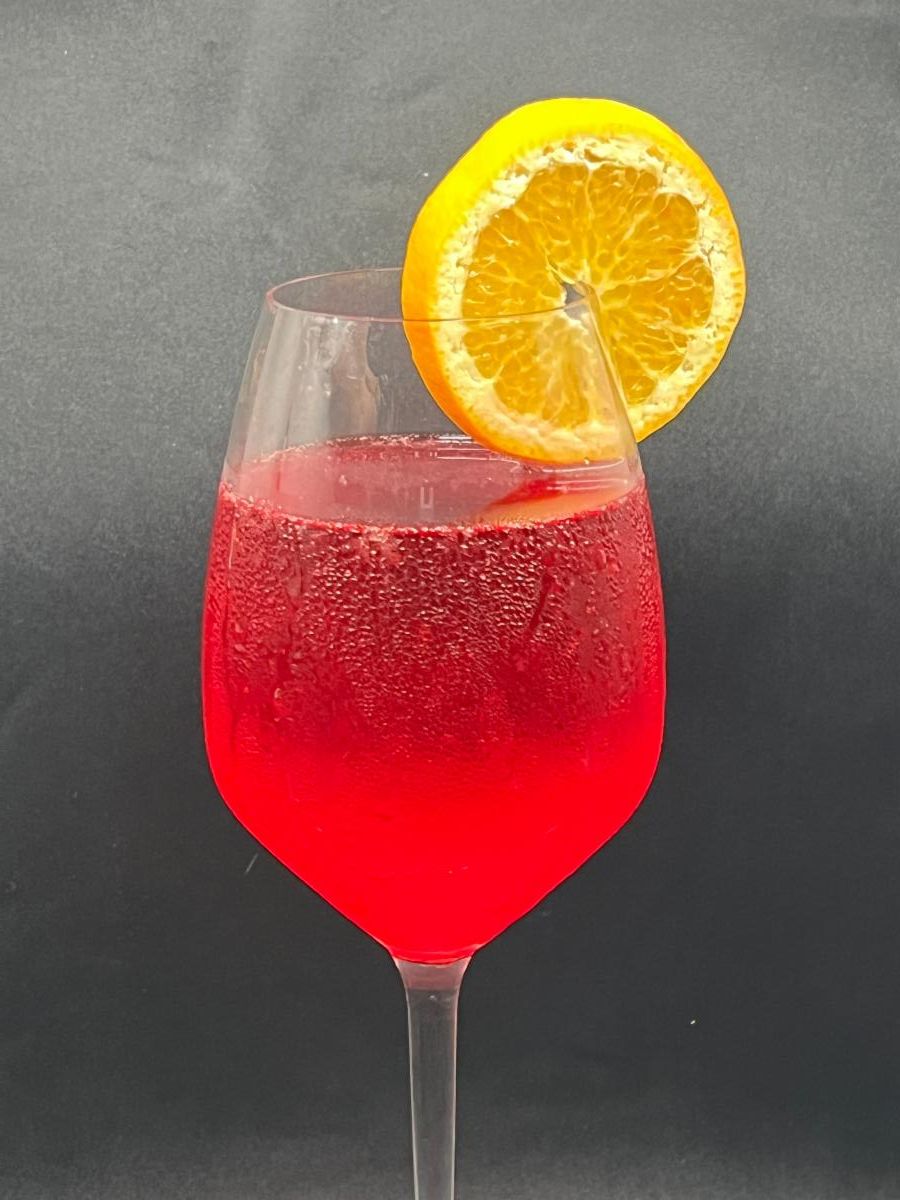
| | Seltzer water with a dissolved cube of prickly pear juice (photo by Marina Hsieh, used with permission). | |
Magenta Magic All Year Long
By Marina Hsieh
UC Master Food Preserver Online Delivery Program Volunteer
The brilliant magenta fruits of the prickly pear cactus, (aka “cactus pear” or “cactus tuna”), are ripe now in most climates! Juicing and freezing is an excellent way to compactly preserve this annual fruit for convenient year-round use, including in simple drinks, holiday jelly, shrubs or syrups for dry January mocktails, Valentine’s Day treats, or colorful vegetable brines.
Learn how to juice prickly pears and uses for the juice
| |
Buried Treasure: Preserving Dairy in Bronze Age Ireland
By Sarah Donelson
UC Master Food Preserver Online Delivery Program Volunteer
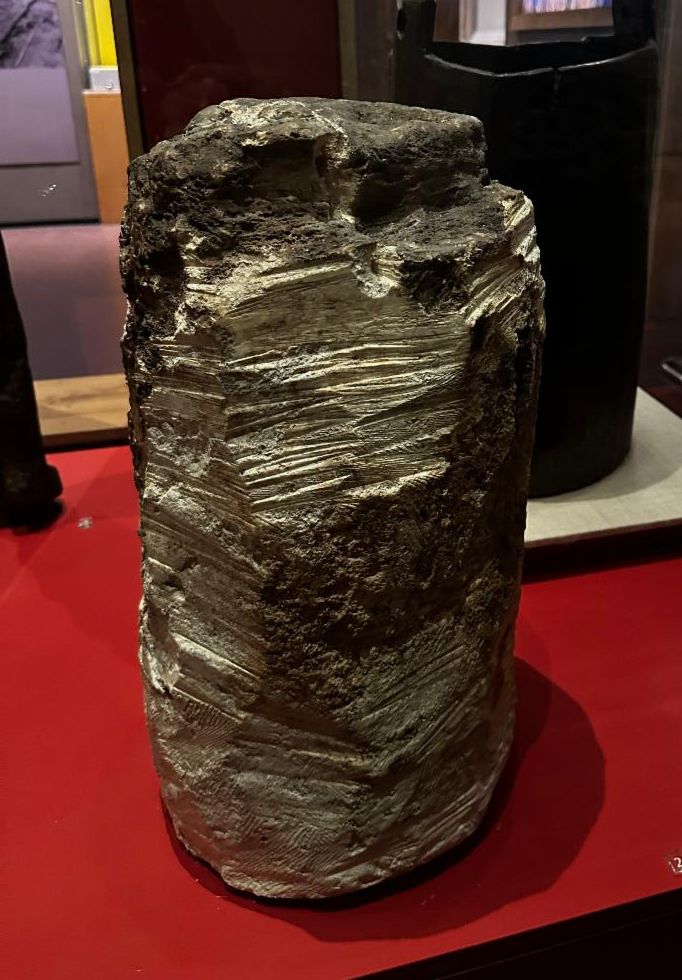
Long before refrigerators, freezers, or canning jars, farmers in Bronze-Age Ireland used the environment around them to solve one of food preservation's oldest problems: what to do with milk when there's too much of it in one season and not enough in another.
Their answer was butter, which lasts days to weeks longer than milk. Churning milk into butter reduces the water and sugar (lactose) content, leaving a product that is about 80 percent fat, which inhibits bacterial growth. To further extend the safe storage duration of butter into other seasons, they made use of bogs.
Read about this historical method to preserve dairy
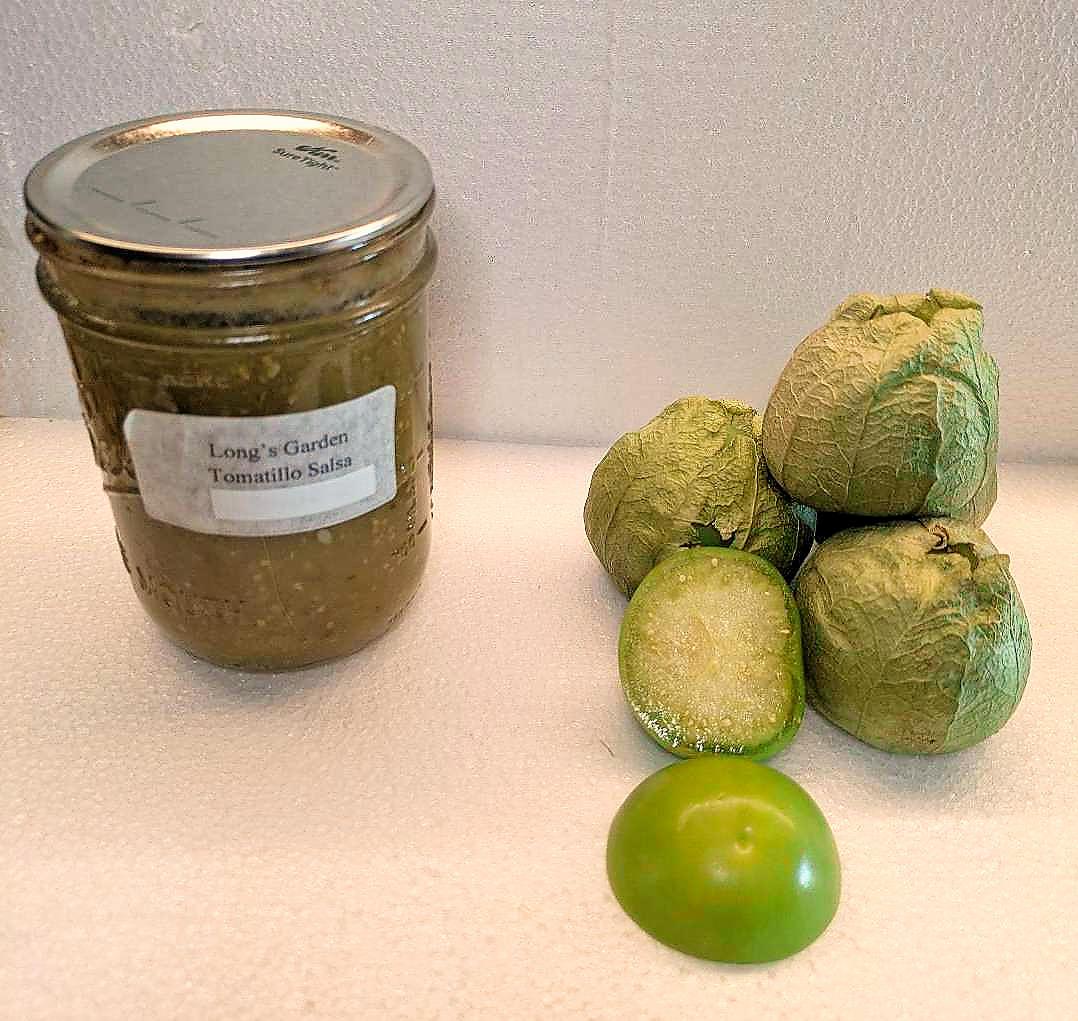
| | Bronze Age bog butter that was packed into a wooden vessel and buried in an Irish peat bog 2,200 to 2,400 years ago. Displayed at the National Museum of Ireland, Dublin, Ireland (photo by Sarah Donelson, used with permission). | | Fresh tomatillos and a jar of Tim’s Tomatillo Salsa (photo by Tim Long, used with permission). | |
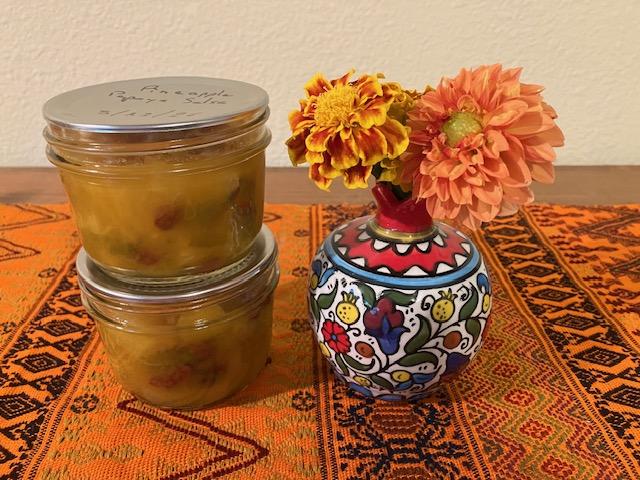
What is Salsa???
By Tim Long
UC Master Food Preserver Online Delivery Program Volunteer
Salsa literally means "sauce" in Spanish and Italian. And of course, it is a music genre/dance style you may have seen on Dancing with The Stars — but I digress, we’re talking about food products here.
Traditional salsa is made from a base of fresh tomatoes or tomatillos, chili peppers, onions, garlic, and fresh cilantro, all seasoned with salt and fresh lime juice.
However, salsa can be made using ingredients other than tomatoes.
Continue reading about salsa beyond tomatoes
| | Monthly Food Preservation Q & A | | |
Salsa Beyond Tomatoes: Canning, Freezing & Dehydrating
Go beyond tomato salsas and explore how different ingredients, flavors, and preservation methods come together in salsas you can make and preserve at home by canning, freezing, or dehydrating.
Salsa can take many forms, from fruit-based versions to rich, oil-based chili salsas and dehydrated salsa you can rehydrate later. Join UC Master Food Preserver Online Delivery volunteers to explore salsa beyond tomatoes and safe, research-based ways to preserve it at home.
September 19, 10:00 am PT
| |
Pregunte a un Maestro Conservador de Alimentos de la Universidad de California (En línea)
Únase en línea a los Maestros Conservadores de Alimentos de la Universidad de California para una sesión gratuita de preguntas y respuestas en español sobre métodos seguros y basados en la investigación para la conservación de alimentos. Un panel de voluntarios especializados en congelación, deshidratación, enlatado y seguridad alimentaria estará disponible para responder sus preguntas, compartir consejos y animarle a conservar alimentos de forma segura en casa.
September 23, 1:00 pm PT
| |
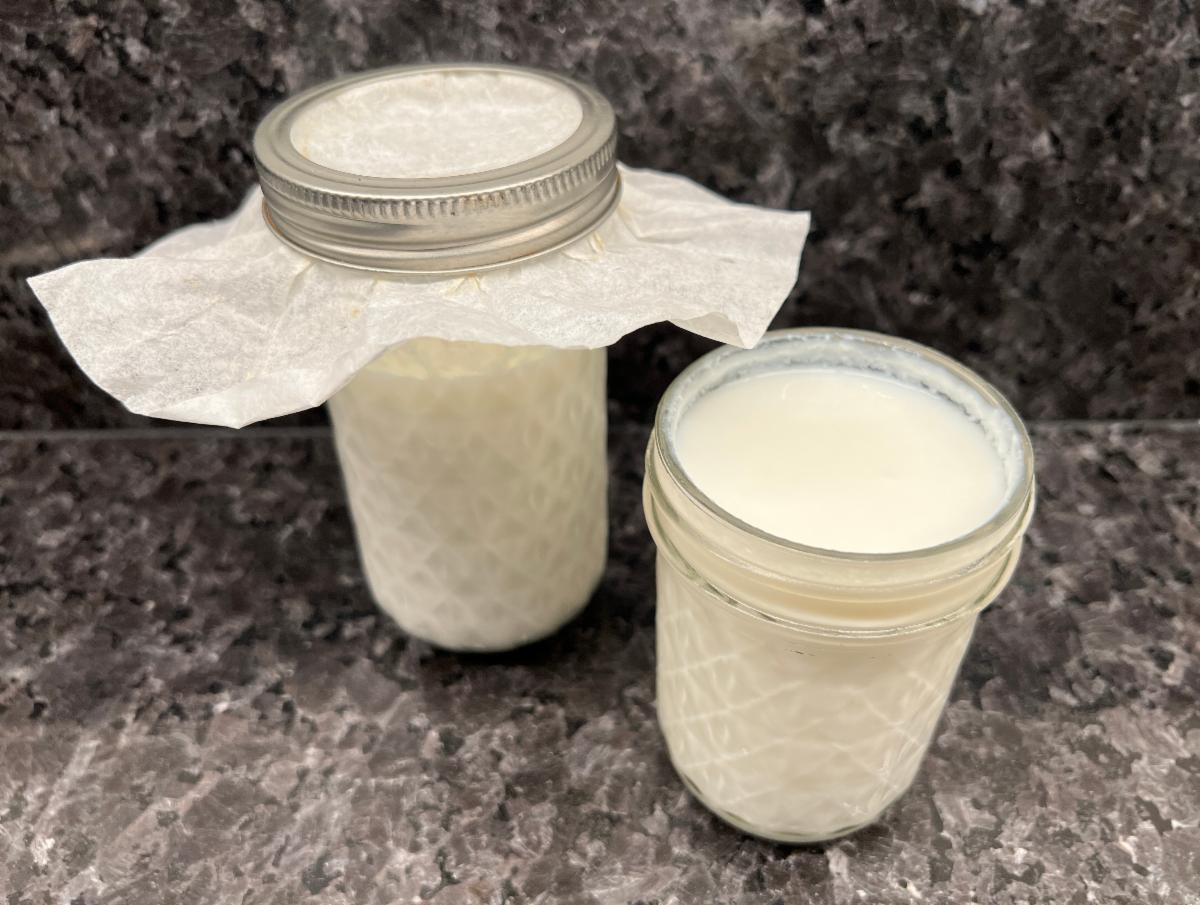
Preserving Dairy at Home: Yogurt, Milk Kefir & Butter
Wondering what to do with extra milk or cream? Turn them into yogurt, milk kefir, and butter while learning the fermentation, storage, and food-safety principles behind each method.
Join UC Master Food Preserver volunteers for a free online class exploring how these foods are made at home, why each process works, and how temperature, fermentation, freezing, and storage affect quality and safety.
October 13, 7:00 pm PT
| |
Ask a Master Food Preserver LIVE
Ask questions, swap stories, and troubleshoot home food preservation with UC Master Food Preservers using safe, research-based guidance.
Join UC Master Food Preservers for a free, interactive session focused on safe, research-based methods for preserving food at home, including fruits, vegetables, herbs, and more. Bring your questions about freezing, dehydrating, pickling, fermenting, canning, and more.
October 14, 7:00 pm PT
| |
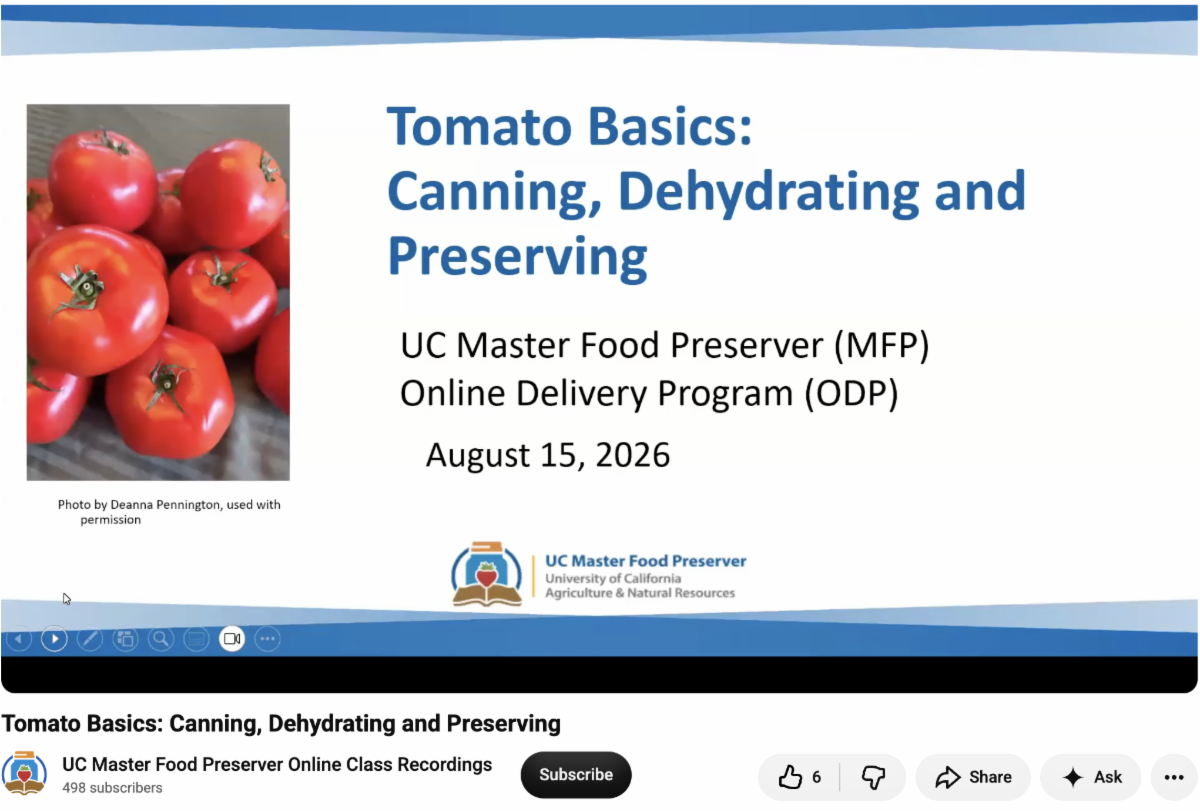
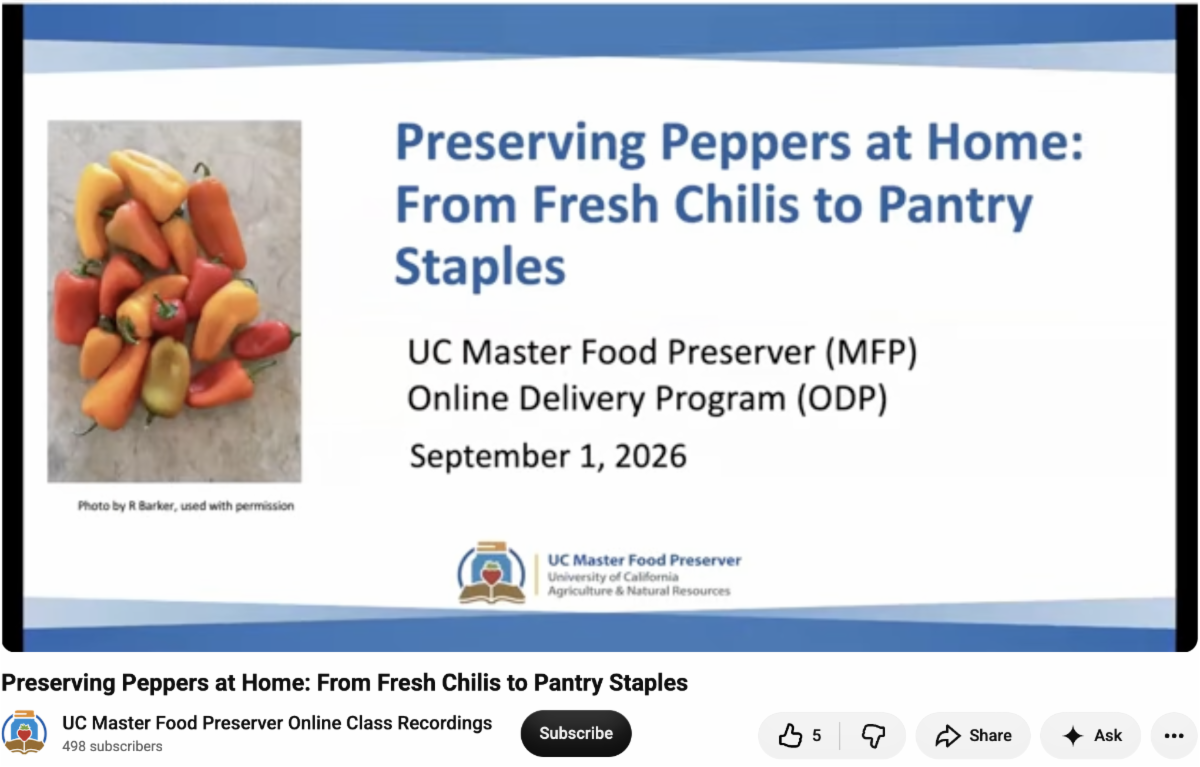
Tomato Basics and Preserving Peppers at Home Classes Now On Demand
Click the thumbnails below for two recent recordings. Visit our Recorded Events page for even more.
| | If you have any questions, suggestions, or comments regarding Save the Season, please email UC Master Food Preserver Community Education Supervisor Kelsie Matteucci kmatteucci@ucanr.edu. | | Was this email forwarded to you from a friend? Click below to subscribe to the UC Master Food Preserver newsletter so you don't miss out on next month's edition! | | Feel free to pass along Save the Season to a friend using the button below! | |
|
Monthly Food Preservation Trivia Answer
Pre-treating pears and apples before drying is recommended to prevent darkening, retain vitamins, and even enhance the destruction of potentially harmful bacteria. What is NOT included in a recommended pretreatment solution?
D) Table Salt
Acidic solutions made from ascorbic acid (vitamin C), citric acid, and lemon juice are recommended. If the consumer does NOT have a sulfite sensitivity, sodium metabisulfite may also be used. North Dakota State University Extension has recommended solution concentrations here: https://www.ndsu.edu/agriculture/extension/publications/food-preservation-drying-fruits
| | Did you get the trivia correct? (Click on the Thumbs up for Yes and Thumbs down for No) | | | | |
The University of California working in cooperation with County Government and the United States Department of Agriculture.
Should you need assistance or require special accommodations for any of our educational programs, or for receiving the content of this newsletter, please contact the hosting program.
It is the policy of the University of California (UC) and the UC Division of Agriculture & Natural Resources not to engage in discrimination against or harassment of any person in any of its programs or activities (Complete nondiscrimination policy statement can be found at https://ucanr.edu/sites/anrstaff/files/390107.pdf). Inquiries regarding ANR's nondiscrimination policies may be directed to UCANR, Affirmative Action Compliance & Title IX Officer, University of California, Agriculture and Natural Resources, 2801 Second Street, Davis, CA 95618, (530) 750-1397.
| | | | |