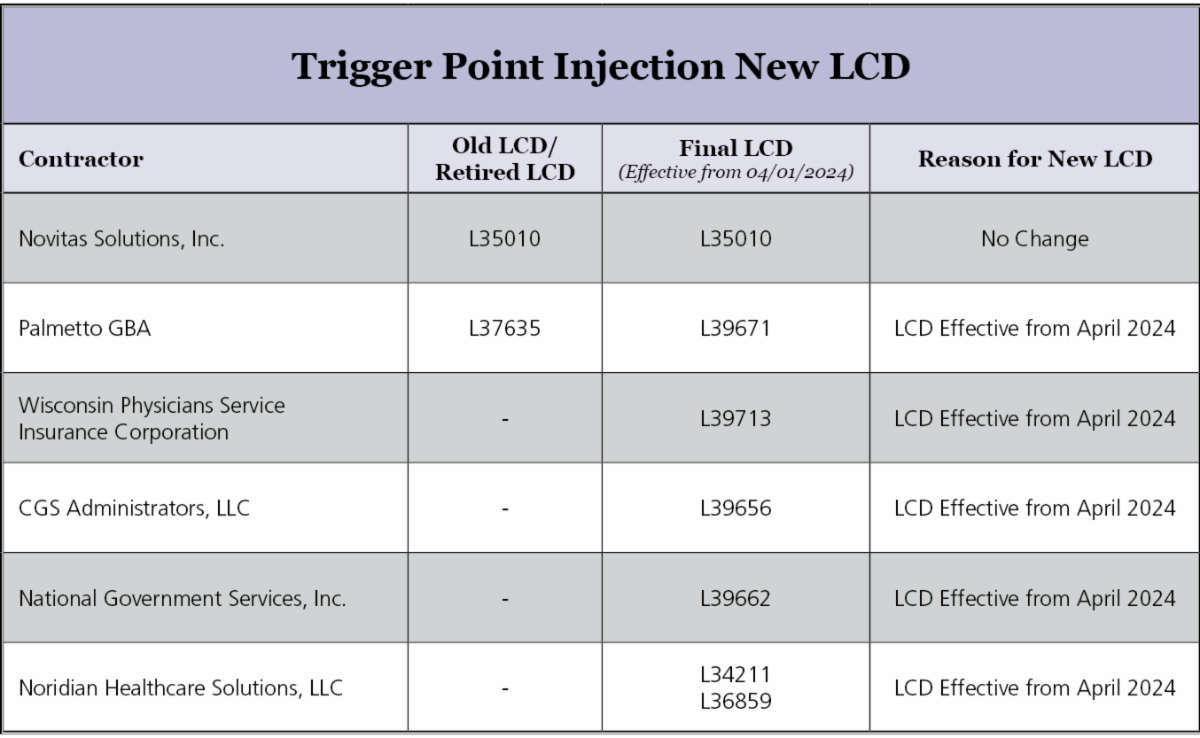
Effective from April 1st, the Majority
of MAC Will Follow Updated Guidelines
for Trigger Point Injections
| |
Legacy of RaDonda Vaught case still looms over nursing profession
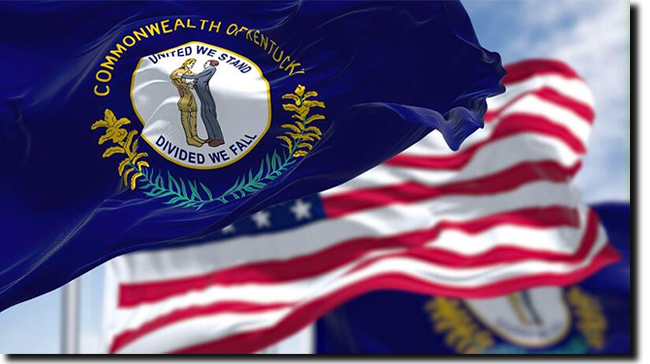
Kentucky has become the first state to decriminalize medical errors -- a move many medical associations support.
HB 159 was signed by Kentucky's Democratic Gov. Andy Beshear on March 26 after passing the state legislature earlier that week. The bill states that "a health care provider providing health services shall be immune from criminal liability for any harm or damages alleged to arise from an act or omission relating to the provision of health services." It does not apply to "gross negligence or wanton, willful, malicious, or intentional misconduct."
The bill is popular among some medical associations. Last month, the Kentucky Nurses Association urged members to ask their Senators to support the bill, citing that fear of criminal charges could contribute to the ongoing nursing shortage in the state. They also said voluntary reporting and cooperation are vital for updating systems and processes when earnest mistakes happen -- which the possibility of criminal charges could discourage.
Read More
| |
Researchers uncovered a critical link between exercise, muscle function, and brain health. Their study reveals that nerves activating muscles during exercise also trigger the release of molecules that enhance brain function.
By stimulating these nerves with glutamate, they found that innervated muscles produced more brain-boosting hormones and extracellular vesicles. This research underscores the importance of maintaining neuromuscular health, particularly as we age, to support overall brain and organ function.
Key Facts:
- Neuron Influence on Muscle Secretions: Muscles innervated by neurons produce more substances that promote brain health compared to non-innervated muscles.
- Impact of Glutamate on Muscle Activation: Glutamate stimulation increases the secretion of beneficial hormones like irisin and enhances the release of extracellular vesicles containing microRNAs that support neurodevelopment.
- Implications for Aging and Neuromuscular Health: The study highlights the critical role of neuron-muscle interactions in maintaining cognitive function, especially relevant for aging populations and those with neuromuscular disorders.
Read More
| |
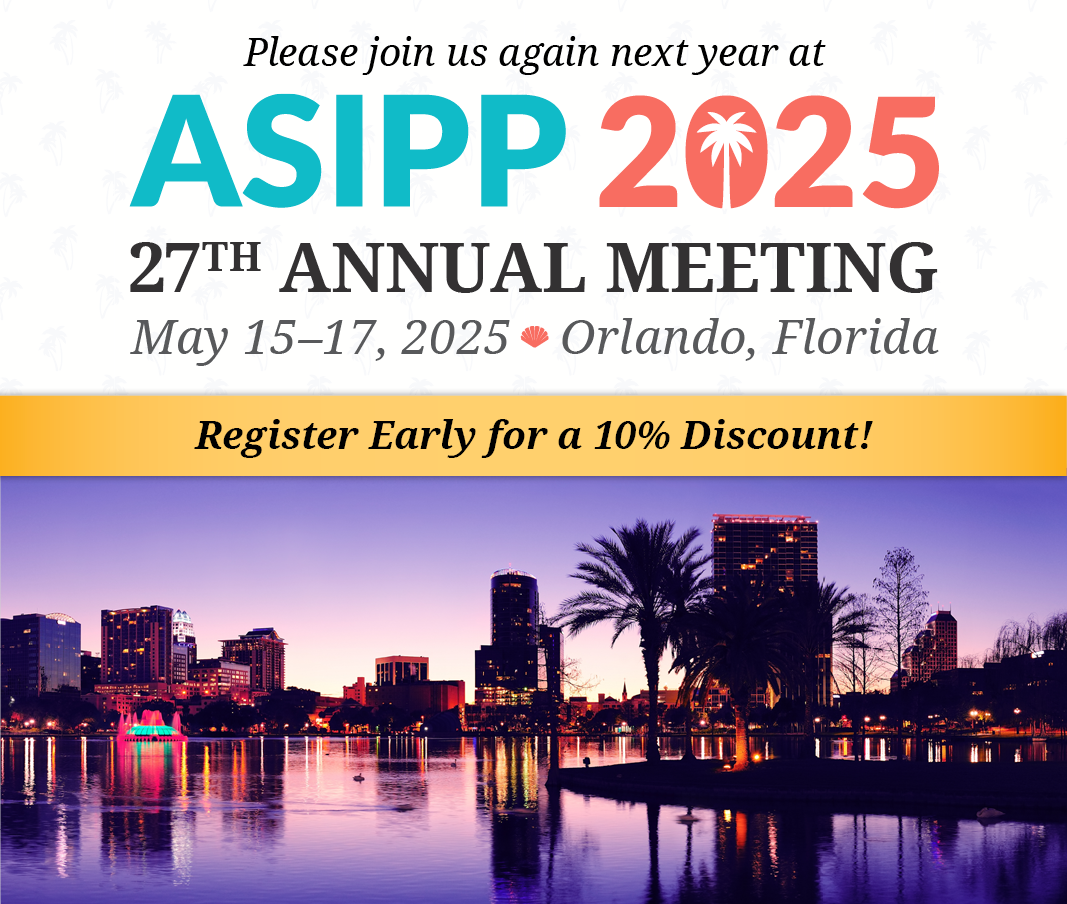
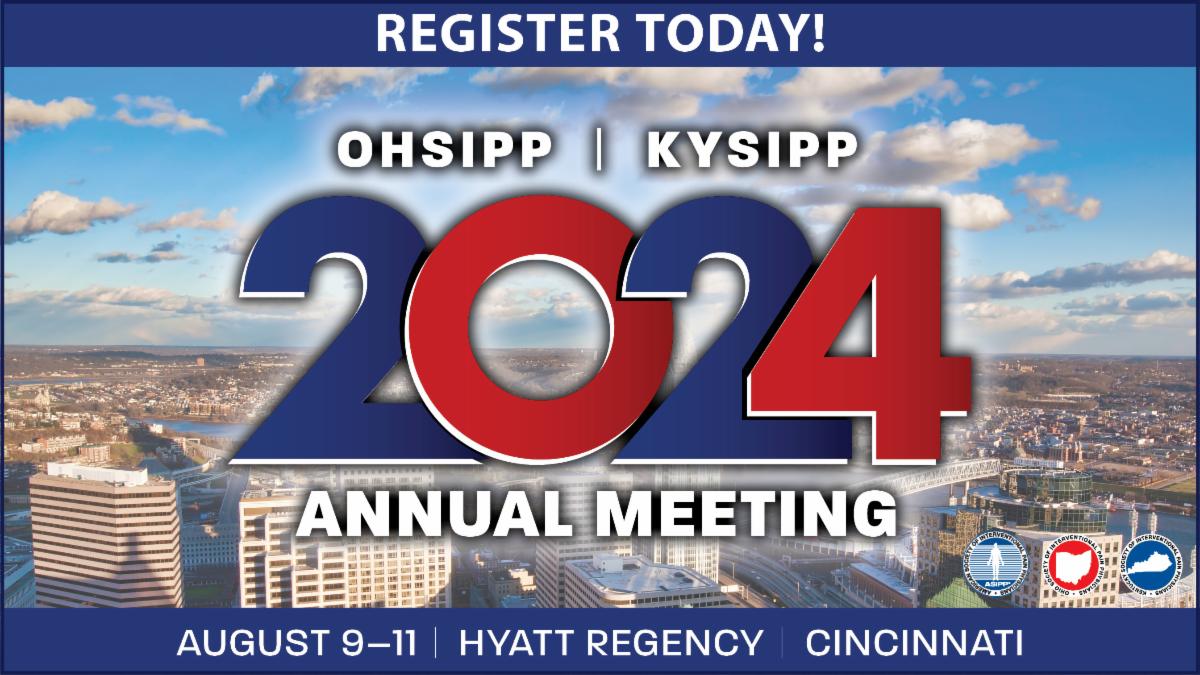
Registration is open for
ASIPP's 2025 Annual Meeting
We would love it if you would register and join us in Orlando!
| |
A plastic surgeon broke federal law when he restricted patients from posting negative reviews by requiring them to sign nondisclosure agreements before they received care, a district judge has ruled.
Seattle-based surgeon Javad Sajan, MD, ran afoul of the Consumer Review Fairness Act (CRFA) by requiring more than 10,000 patients to sign the agreements, according to an April 12 decision by US District Judge Ricardo S. Martinez. The law protects consumers' rights to post truthful reviews about businesses.
Judge Martinez wrote that the terms of Sajan's nondisclosure agreements "clearly include language prohibiting or restricting patients from posting negative reviews," in violation of CRFA. Penalties for the offense will be determined at a September trial.
Read More
| |
 |  |
A research letter published in JAMA earlier this month describes the use of artificial intelligence for something novel: helping sort through scores of messages from patients to their physicians. In this study, researchers worked with the Kaiser Permanente Northern California (KPNC) Research Determination Office to deliberate how AI and natural language processing algorithms can help label message content and sort patient messages to improve the workflow and process of clearing physician inboxes. The goal of the study was to streamline a process by which messages could be labeled into generalized categories (e.g., medication refill request vs. medical query) and also to divert messages to the appropriate role (e.g., pharmacist vs. a physician). The study, which included more than 4 million patient messages, found that leveraging advanced algorithms to manage patient messages had tremendous impact, including providing population-level insights regarding commonly recurring issues and even allowing for faster response times for potentially acute and emergent situations.
Why is this important? With the wide-spread adoption of electronic health records (EHRs) and with more healthcare systems providing their patients with online portal services, the volume of patient messages to physicians has sky-rocketed. The significant benefit to providing these portals is that they enable patients to communicate directly with their clinical teams; however, strenuous physician workflows often do not account for the significant amount of time that it takes to respond to these patient inquiries and messages. Studies indicate that the rate of inbox messages received by physicians has increased by nearly 157% from pre-pandemic levels, posing an incredibly challenging workload effort. Initiatives like this aim to help alleviate some of these burdens.
Read More
| |
|
Virtual
May 25, June 29, July 27, & August 31
Click here for the complete list of upcoming exams.
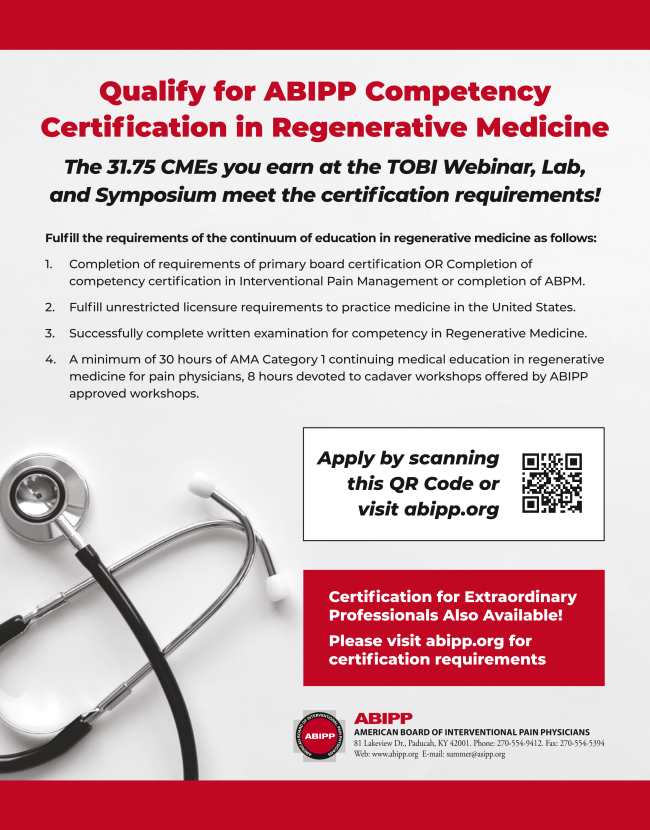
ABIPP Part I; ABIPP Path - Combined DCCPM/CSM virtual exam;
ABIPP Competency Exam in IPM; ABIPP Competency Exam in Regenerative Medicine;
CSM Competency Exam; DCCPM Competency Exam
In Person
October 18, 2024
ABIPP Part II - Practical Examination
Lab Venue: MERI, 44 S. Cleveland Street, Memphis, TN 38104
| |
|
Recently-formed union expressed concern about safety and continuity of care for patients
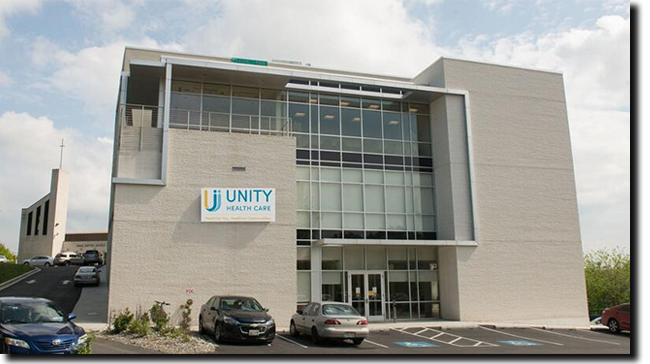
The Union of American Physicians and Dentists (UAPD) along with physicians and advanced practice providers at Unity Health Care in Washington, D.C., held a press briefing on Tuesday calling for improvements in working conditions at the federally qualified health center (FQHC).
During the briefing -- which was held outside the D.C. Jail, one of the locations where Unity provides care -- UAPD also announced the filing of unfair labor practice charges against Unity with the National Labor Relations Board.
A group of about 150 physicians and advanced practice providers at Unity unionized with UAPD in December 2023.
Read More
| |
ASIPP State Society Meetings | |
|
I never wanted to be a formal concierge doctor. Most of us are familiar with those plans that make physicians limit their patient panel to several hundred patients, and each one of them agrees to pay several thousand dollars for the privilege of access to their physician at all times. Sure, after over 30 years of practice in the same community, having a smaller patient panel, dedicating more time to each one, and slowing down was definitely appealing. The thought of letting go of most of my longtime patients was not. And so I plugged along.
But a funny thing happened over a year ago. Our health care system installed a new electronic medical record (EMR) system—a shiny new one with all the bells and whistles and a huge improvement over our old one. Of course, this included a patient portal. Patients would have immediate access to all of their lab results and could send messages directly to their physician. “What a great idea,” I initially (naively) thought. Reality provided a rude awakening.
Over the past year, I’ve come to understand the meaning of this arrangement. Patients, unwittingly but understandably, use the portal to feel free to ask all kinds of non-urgent medical questions 24 hours a day, seven days a week. “Should I take that new RSV vaccine?” “Do I really have to stay on that aspirin since my heart attack was years ago?” I recently had a patient send me a link to several articles in the lay press that related to his heart disease, and he wanted to know my thoughts.
Read More
| |
|
The OPT-BIRISK Randomized Clinical Trial
Key Points
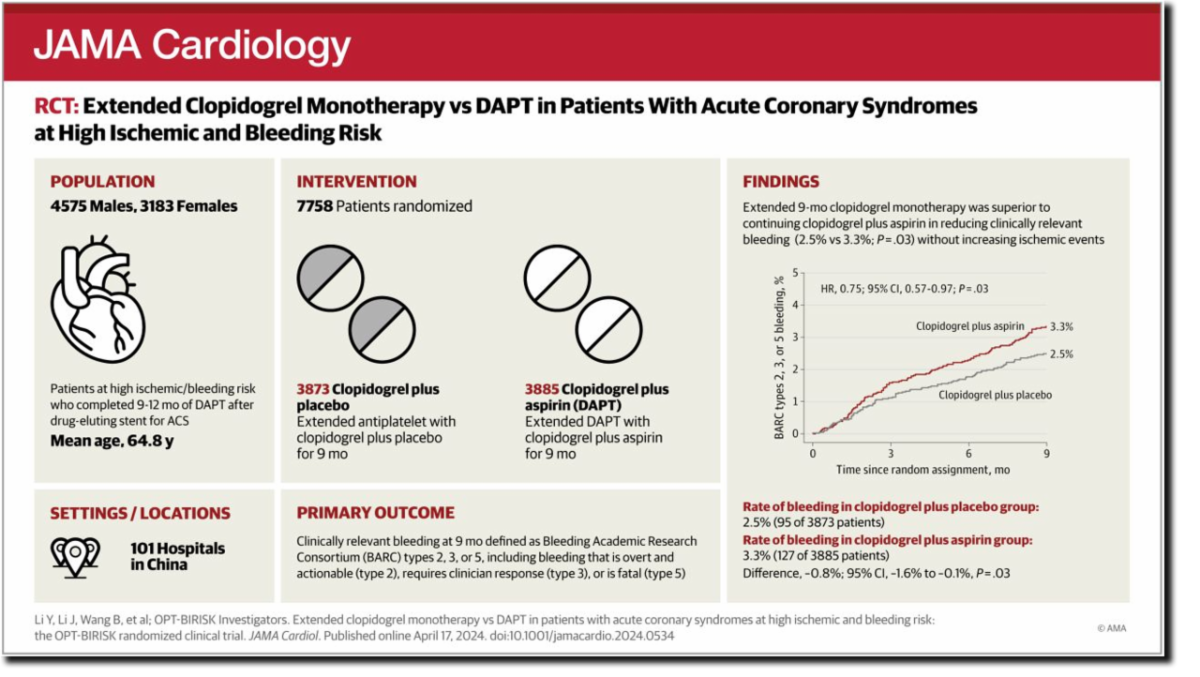
Question What is the optimal antiplatelet regimen in patients with acute coronary syndromes (ACS) undergoing percutaneous coronary interventions (PCIs) who are at both high bleeding and ischemic risks (birisk)?
Findings In this double-blind, randomized clinical trial including 7758 PCI-treated birisk patients with ACS who completed 9 to 12 months of dual antiplatelet therapy (DAPT) after PCI, clopidogrel monotherapy for an additional 9 months resulted in a 25% reduction in the risk of Bleeding Academic Research Consortium types 2, 3, or 5 bleeding compared with clopidogrel plus aspirin.
Meaning Among birisk patients with ACS who completed 9 to 12 months of DAPT after PCI, subsequent treatment with clopidogrel was superior to continuing DAPT with aspirin and clopidogrel in reducing clinically relevant bleeding.
Read More
| |
- ASIPP Members Only Site Information - | |
-
To log in for the first time you will need to click “forgot password” at the bottom of the login window.
- Check your email and then log in as directed.
-
If you have problems logging into your account, click here.
| |
Pain Medicine Case Reports (PMCR) and Editor-in-Chief Alaa Abd-Elsayed, MD, PhD would like to invite you to submit case reports and case series to the PMCR journal. Your article will be published free of charge.
Open access journals are freely available online for immediate worldwide open access to the full text of published articles. There is no subscription fee for open access journals. Open access journals are no different from traditional subscription-based journals: they undergo the same peer-review and quality control as any other scholarly journal.
Interested in becoming a member of the PMCR Editorial Board?
Editorial board members are asked to review 2-6 manuscripts per year. Please submit your most up-to-date CV to sgold@asipp.org for consideration.
For more information or to submit your articles, click here.
| |
|
Mark P. Pressler, MD, Priyanka Singla, MD, Yasmin Sritapan, DO, Lynn R. Kohan, MD, and Bhavana Yalamuru, MBBS
Abstract
BACKGROUND: Knee osteoarthritis management might include medication, intraarticular injections, physical therapy, and surgical intervention. Genicular nerve radiofrequency ablation (RFA) is an effective therapy for patients who do not receive benefit from conservative medical management and are not surgical candidates (secondary to medical comorbidity, patient preference, and other factors). Genicular nerve RFA is generally safe and has a low complication rate. However, there have been case reports of minor and major complications after RFA. We report a case of burns after genicular nerve RFA.
CASE REPORT: A 49-year-old man (92 kg; body mass index [kg/m2] 28.3), with a history of coronary artery disease and chronic tobacco use, presented with 20 years of chronic knee pain. He previously had short-term relief with an intraarticular steroid knee injection. He was found to be a suitable candidate for genicular nerve RFA and underwent the procedure successfully without any immediate complications. His pain decreased from 9/10 before the procedure to 5/10 after his RFA. On postprocedure day 33, a 1 cm circular lesion with drainage was noted on the medial aspect of his knee. A lateral lesion was discovered at a subsequent follow-up appointment. He was treated with antibiotics, chlorhexidine cleansing, and dressing changes which resolved the lesions without any long-term sequelae.
CONCLUSION: Our case represents an instance of full thickness skin burns with concomitant infection post genicular RFA, uniquely in both the medial and lateral sites. Our patient’s risk factors of low body mass index, smoking, and vascular disease may have led to a delayed healing response. In addition, needle depth may also have contributed to his injury. Ensuring adequate needle depth and patient selection can minimize these complications.
KEY WORDS: Radiofrequency ablation, knee pain, osteoarthritis, chronic pain, genicular nerve, RFA, adverse event, complication
Read More
| |
|
Yingqian Peng, MD, Cong Zou, MD, Yonglin Li, MD, Qing Li, MD, Hui Long, MD, Wuzhou Yang, MD, Zhenping Xiao, MD, Liping Jiang, MD, Wei Gao, MD, and Yunwu He, MD
Abstract
BACKGROUND: Primary trigeminal neuralgia (PTN) is a type of chronic neuropathic pain disorder caused by neurovascular compression. Percutaneous balloon compression (PBC) is a widely used method for the treatment of PTN.
OBJECTIVES: To examine the correlation of balloon pressure (BP) during percutaneous microballoon compression (PBC) with postoperative pain relief and complications in the treatment of primary trigeminal neuralgia (PTN).
STUDY DESIGN: Forty-five patients diagnosed with PTN and treated with PBC were recruited. The BP was recorded at 2 time points: when the balloon achieved the ideal pear shape (initial BP [IBP]) and when the pressure was maintained for 2 min (final BP [FBP]).
SETTING: This study was conducted at the Department of Pain and Rehabilitation of the Second Affiliated Hospital at the University of South China in Hunan, China.
METHODS: The patients’ Barrow Neurological Institute (BNI) pain intensity score, BNI facial numbness score, masticatory muscle weakness score, and recurrence were recorded before and after surgery. The receiver operating characteristic (ROC) curves were generated for the IBP to predict treatment effectiveness, severe facial numbness, and severe masticatory muscle weakness.
RESULTS: The BNI pain intensity score, BNI facial numbness score, and masticatory muscle weakness score were significantly decreased after surgery (all P < 0.001). IBP was positively correlated with the difference between IBP and FBP (P < 0.01). Both IBP and the difference between IBP and FBP were negatively correlated with the BNI pain intensity score and positively correlated with the BNI facial numbness score and masticatory muscle weakness score (P < 0.01). The IBP and the difference between the IBP and FBP were significantly lower in patients experiencing recurrence than in the nonrecurrent group (P < 0.05). The areas under the ROC curves of the IBP for predicting effective pain relief, severe facial numbness, and severe masticatory muscle weakness were 0.875, 0.980, and 0.988, respectively.
LIMITATIONS: The sample size was relatively small, and the follow-up time was short. The correlations between the BP and other factors, such as filling amount, Meckel’s cavity, and the size of the foramen ovale, were not investigated. The impact of the BP on long-term postoperative outcomes was not explored.
CONCLUSIONS: An intraoperative BP of 138.65–153.90 KPa can be maintained for effective PBC treatment without causing serious complications.
KEY WORDS: Balloon pressure, clinical effectiveness, complications, facial numbness, microballoon compression, muscle weakness, receiver operating characteristic curves, trigeminal neuralgia
Read More
| |
|
Huidan Lin, MD, Shun Zhang, MD, Xiang Gao, PhD, Lei Wu, MD, Gang Cao, MD, Lina Xuan, MD, Yuyue Xun, MD, Yongqing Liu, MD, Changshun Huang, MD, and Bing Huang, MD
Abstract
BACKGROUND: Hemifacial spasm (HFS) is distinguished by sudden and involuntary spasms of the facial muscles, predominantly on one side of the face. Microvascular decompression (MVD) is an efficacious surgical technique for treating HFS; however, MVD may occasionally lead to noteworthy postoperative complications. Previously, we reported the successful utilization of an innovative awake computed tomography-guided percutaneous puncture of the stylomastoid foramen for administering radiofrequency ablation (RFA) therapy in the treatment of HFS.
STUDY DESIGN: Prospective clinical research study.
SETTING: Department of Anesthesiology and Pain Medical Center, Ningbo, China.
OBJECTIVES: The aim of this study was to compare and contrast the clinical outcomes and adverse reactions associated with attempts to use RFA and MVD to manage primary HFS.
METHODS: Three hundred patients received either RFA or MVD treatment (Group R and Group M). We tracked and recorded each patient’s cure rate, remission rate, intraoperative and postoperative complications, short-term and long-term therapeutic outcomes, hospitalization duration, hospitalization expenses, and operation time.
RESULTS: One hundred and fifty-eight patients were placed in the R group, and 142 patients were sorted into the M group. In the R group, 87.34% of patients showed improvement, 9.49% experienced relief, and 3.16% experienced treatment failure. Similarly, in the M group, 85.92% of patients showed improvement, 10.56% experienced relief, and 3.52% experienced treatment failure. The difference in therapeutic efficacy between the 2 groups was not significant. However, the M group had significantly lower recurrence rates at 3 months, 6 months, and one year post-operation than the R group did. Notably, the M group also experienced a higher rate of postoperative complications. Among the complications reported in the M group were 25 cases of dizziness or headache (17.6%) following the operation, 22 cases of hearing damage, including one case of complete hearing loss on the side involved, and 28 cases of peripheral nerve injury with abnormal skin sensation. Postoperative facial paralysis occurred in 15 patients, including 10 cases of moderate to severe facial paralysis that were relieved to grade II after one year. In comparison, the R group had 40 cases of grade II and 53 cases of grade III, and no cases of more severe facial paralysis were found. There were also 13 cases of peripheral nerve injury, such as local skin numbness and tenderness. Importantly, there were no cases of facial hematoma, intracranial hemorrhage, infection, or any other complications in either group, and no fatalities occurred during the study period.
LIMITATIONS: The limitations of this study are the exclusion of transient postoperative complications, the lack of in-person follow-up with patients, and the potential underestimation of certain complications.
CONCLUSION: The short-term outcome was found to be comparable between the 2 treatment modalities. Notably, RFA demonstrates both safety and efficacy as a method for managing primary HFS; however, the procedure may lead to mild facial paralysis. In situations during which surgery is contraindicated, especially among elderly or high-risk surgical patients, percutaneous facial nerve RFA at the stylomastoid foramen may be considered as an alternative therapeutic approach.
KEY WORDS: Hemifacial spasm, radiofrequency ablation, stylomastoid foramen, microvascular decompression
Read More
| |
|
ASIPP is now in collaboration with Curi Medical Liability Program
| |
|
Since this malpractice insurance program officially launched in November 2018, ASIPP has signed up hundreds of providers with an average savings of 30%. This is professional liability insurance tailored to our specialty and will stand up for us and defend our practices.
Curi is a full-service advisory firm that serves physicians and their practices. Their valued advice is grounded in your priorities and elevated in your outcomes. They are driven by a deep understanding of your specific circumstances in medicine, business, and life. To read a few important points to keep in mind about the program, including discounts, administrative defense, cyber coverage, aggressive claims handling, and complimentary risk management CME activities, visit our website.
| | |
|
Group Purchasing Organization Offer Better Pricing and Creates Added Value
ASIPP has formed a partnership with Henry Schein and PedsPal, a national GPO that has a successful history of negotiating better prices on medical supplies and creating value-added services for independent physicians. Working with MedAssets, PedsPal provides excellent pricing on products like contrast media that alleviate some of the financial pressures you experience today.
Learn More
| |  |
|
ASIPP, Fedora Billing,
and Revenue Cycle Management Partnership
ASIPP is now offering our members the benefit of a unique revenue cycle management/ billing service.
We have received a tremendous amount of interest in the ASIPP® billing and coding program.
Click here to learn more about the negotiated rate for practices and more!
| |
|
Like and follow ASIPP® on Facebook, X, and LinkedIn for the most
up-to-date news related to you, your practice, and your patients!
| | | | |