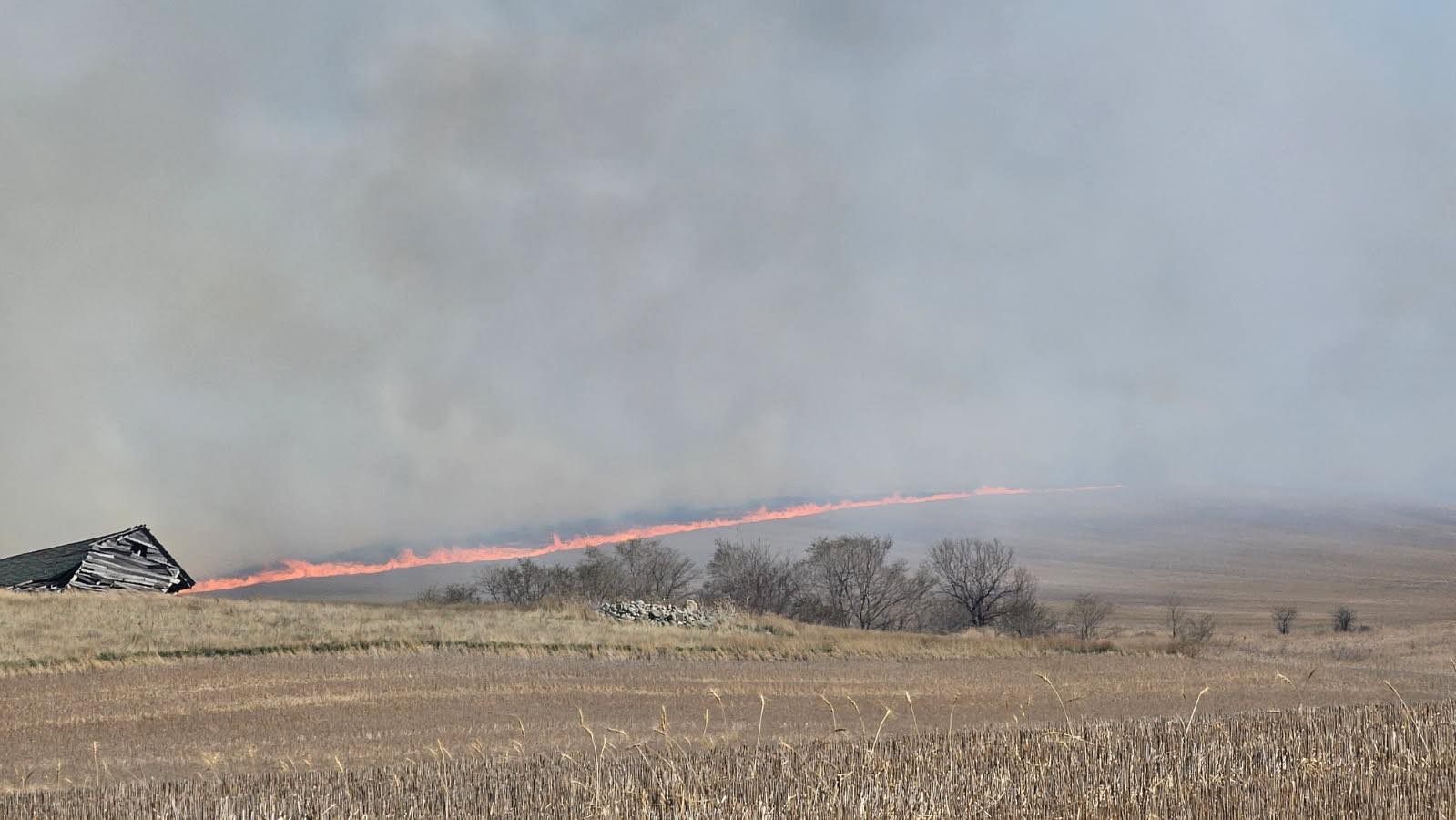
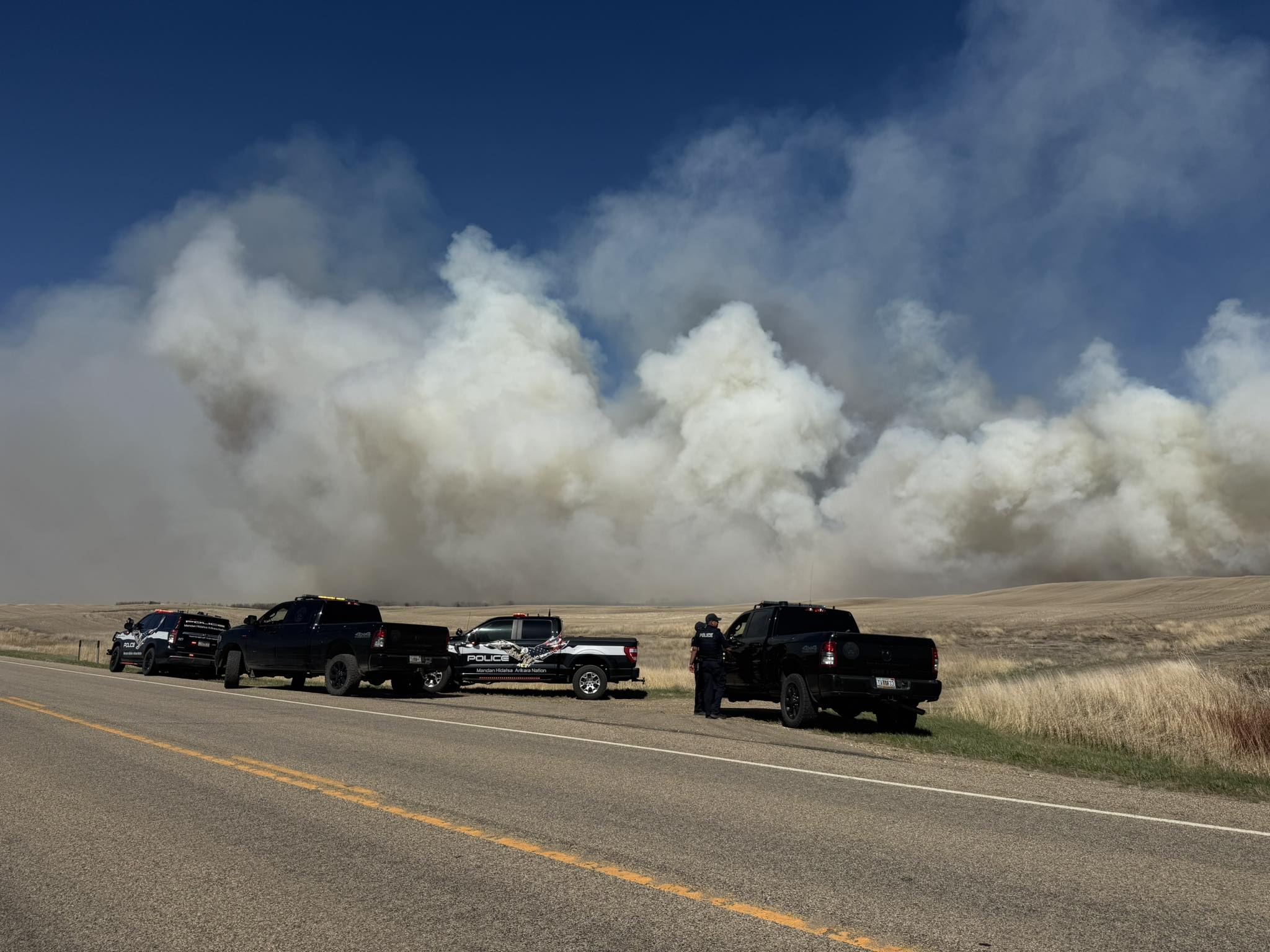
A ribbon of fire races across the prairie Sunday in the North Segment of the Ft. Berthold Reservation. The flames, driven by strong southwest winds, damaged two drilling rig sites, and burned hundred of acres of farmland. (photo: MHA Emergency Operations Center) |
|
Transportation Wins for Western ND
Deals Done in Final Legislative Push
One of the final acts of the recent legislative session brought significant news for transportation infrastructure across North Dakota, particularly for the western part of the state. Senate Bill 2012, the appropriations bill for the Department of Transportation (NDDOT), cleared both chambers, outlining a substantial budget exceeding $2.7 billion, which includes anticipated federal funding. The House-Senate conference committee successfully secured approximately $230 million for the DOT's Flexible Transportation Fund (Flex Fund). This dedicated funding pool promises to bolster transportation networks at both the state and local levels. Listen to Jamestown Sen. Terry Wanzek explain here. An agreement was also reached on the Hwy 85 project by agreeing not to bond Highway 200 to the LongX bridge. Money will instead be used from the Strategic Investment and Improvements Fund (SIIF). The remaining funds are earmarked for Hwy 85 construction and engineering, with the NDDOT having discretion on the distribution of these funds. Listen to Watford City Sen. Dale Patten explain here. Crucially, thanks to an amendment championed by the WDEA, a portion of the Flex Fund dollars will be directly allocated to cities, counties, and townships within "non-oil-producing counties." This amendment broadens the definition to include all western North Dakota counties except the major oil producers: Dunn, McKenzie, Mountrail, and Williams counties. This ensures that a wider range of communities in western ND will have access to these vital resources. Beyond direct allocations, the Flex Fund will also offer competitive grants for road and bridge projects statewide. These projects will be ranked based on criteria to be developed by the NDDOT, ensuring a fair and needs-based distribution of funds. Listen to Sen. Wanzek here. As a trade-off for the increased transportation funding as well as its movement ahead of the SIIF bucket, the amount available for the "Prairie Dog bucket" within the state share of oil and gas revenue has been reduced to $160 million. Half of this amount will be deposited into the county and township infrastructure fund. Listen to Sen. Wanzek’s comments here. It's important to note that there will be no gas tax increase, as HB 1382 (a proposed 3-cent increase) failed, and a 5-cent increase was removed from the House version of SB 2012. These decisions represent a significant investment in North Dakota's transportation infrastructure, with a clear focus on supporting both state-level projects and the needs of local communities. |
|
Legislature Okays Three Ballot Measures
Voters Will Be Asked to Amend Term Limit Law
North Dakota voters will have three ballot measures to consider in coming elections, two of which deal with the content and requirements to pass a constitutional measure, and the third would modify the term limit measure approved by voters in 2022. The term limit measure, SCR 4008, introduced by Bismarck Senator Mike Dwyer, was a controversial topic during the session. The resolution barely passed the Senate 24-to-23, and it required two votes in the House, passing by a 53-39 margin on the second try. The term limit law as passed by voters allows individuals to serve no more than eight years in the House and eight years in the Senate. The ballot measure would keep the total service limit at 16 years, but would allow legislators to serve all 16 years in one chamber or the other. The measure would also repeal a provision that prohibits the legislature from proposing constitutional amendments relating to term limits. Lawmakers also approved two measures that affect how constitutional measures are enacted. If approved by a majority of voters, HCR 3003 would require that any future constitutional measures receive approval of 60% of voters to pass. North Dakota citizens will also be asked to approve SCR 4007, which would require that any future constitutional measures address only one subject as determined by the secretary of state. SCR 4007 will appear on the June 2026 primary ballot, while the other measures will be decided at the general election in November 2026. |
|
Lawmakers Approve Voter Education Bill
Requires Secretary of State to Explain Measures
Frustrated with misinformation and confusion on the part of voters, the ND Legislature approved a bill that directs the Secretary of State to compile objective information about ballot measures and send it to voters. SB 2230, introduced by Edinburg Senator Janne Myrdal, requires the secretary of state to distribute "objective and factual educational materials" to each individual listed as "active voter" in the central voter file no fewer than 45 days before the election. The same materials will be posted at all voting locations. Myrdal said the bill is a response to concerns she has about the education level of the average voter. Click here to listen Myrdal's comments. The legislation had the support of Secretary of State Michael Howe. He said the absence of objective information about ballot measures and candidates frustrates a lot of voters, generating phone calls to his office. Click here to listen to Howe's comments. Some legislators questioned the value of the effort to put information in the hands of voters, suggesting that many will simply ignore it. But Howe said he thinks it will encourage more voters to take an interest in the election and could even improve voter turnout. Click here to listen to Howe's comments. The legislation specifies that the materials provided to voters contain: 1) An objective summary of the measure; 2) The anticipated fiscal impact of the measure; 3) Whether the measure was approved by the legislative assembly or originated as an initiative or referred petition; and 4) An objective analysis of a vote in favor and a vote opposed. The bill contains a one-time appropriation of up to $600,000 to prepare the materials and distribute the information to voters. |
|
Pipeline Debate Stalls NDIC Budget
Final Passage Came Early Saturday
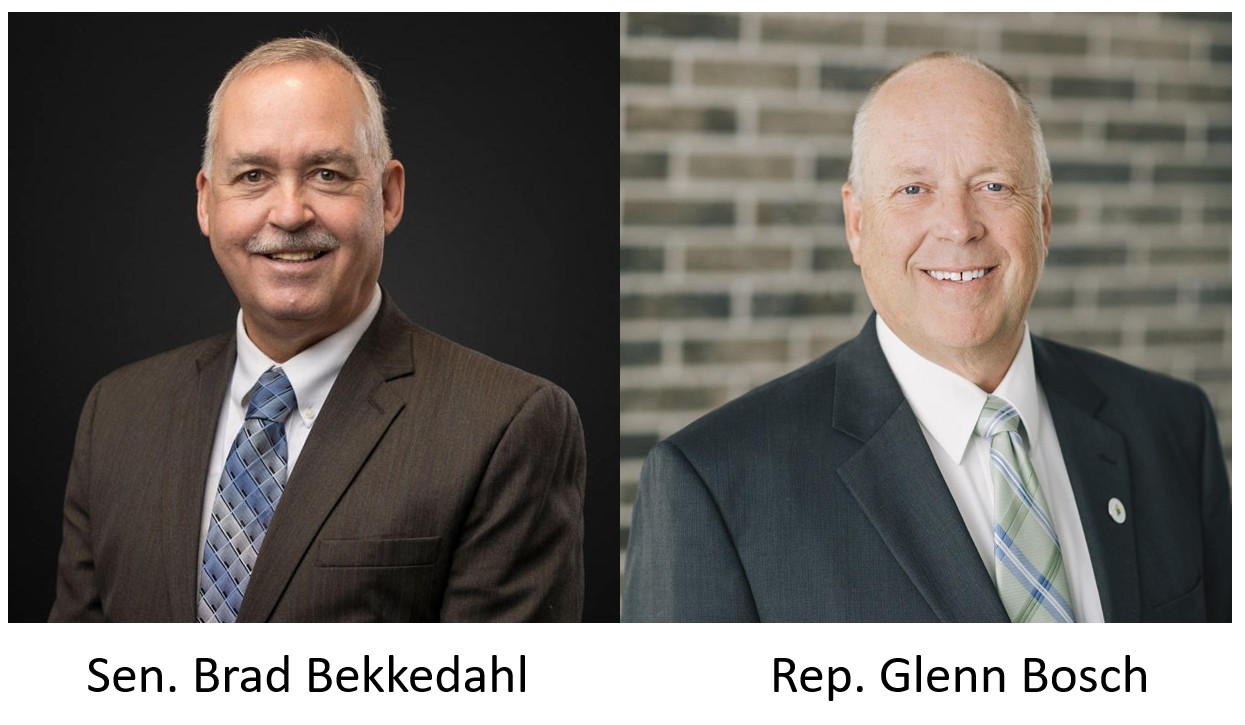
After looking as if it may sail through both chambers last Friday, SB 2014, the budget of the North Dakota Industrial Commission hit a bit of a snag, ending up as one of the last bills passed by the 69th Legislature early Saturday morning. Debate centered around the amount of funding to put towards the state’s capacity ownership in an east to west natural gas pipeline, with eastern legislators arguing demand exists, while western legislators vying to keep the gas closer to home to diversify the economy. Listen to Bismarck Rep. Glenn Bosch here. Listen to Williston Sen. Brad Bekkedahl here. Ultimately, capacity was funded for up to $100 million per biennium, but not without chopping $45 million away from the Clean Sustainable Energy Authority, putting the CSEA on a two-year hiatus. The bill also requires a report regarding the use of the funds for the pipeline as well as a study on economic opportunities in western North Dakota. Listen to Osnabrock Rep. David Monson here. SB 2014 is a large, comprehensive budget that includes five separate budgets including the Bank of North Dakota, the Mill and Elevator and the Department of Mineral Resources, among others. Other energy related appropriations within the budget include $25 million for an Enhanced Oil Recovery study by the Energy & Environmental Research Center (EERC). This complements ongoing support for Salt Cavern Research and an EERC study on rare earth minerals, demonstrating a proactive stance on North Dakota's energy leadership. Additionally, the Department of Mineral Resources will receive funding for new reclamation techs and a deputy director. There is also $3 million each for oil and gas litigation as well as fighting the war on coal. |
|
Legislative Leaders Report Session Results
Tax Relief, Education Reform & Rural Investment
The 69th North Dakota Legislative Assembly focused on delivering real results for the people of our state. From historic tax relief and reform to education and rural infrastructure investment, we made decisions that will strengthen communities today and protect the state’s financial health for the future. Historic Tax Relief — This session, we delivered the largest property tax relief package in state history. HB 1176 more than tripled the Primary Residence Property Tax Credit—from $500 to up to $1,600 per household—providing over $400 million in direct relief to North Dakota residents. We also expanded support for renters and disabled veterans. Just as importantly, we capped local government property tax levy increases at 3% (unless voters approve a larger increase), adding accountability to protect taxpayers long term. All of this was done responsibly. Instead of raising taxes, we will use earnings from the Legacy Fund—not its principal—through a newly established Legacy Earnings Fund that supports both tax relief and infrastructure investment. Strengthening Rural Communities and Agriculture — We made meaningful investments in rural North Dakota. HB 1235 expanded eligibility for agriculture infrastructure grants to towns under 1,500 residents, supporting essential road and bridge improvements. SB 2177 ensures counties that support livestock operations receive a portion of sales tax revenue—returning resources to the communities that power our ag economy. To grow value-added agriculture, HB 1332 provides up to $30 million for new processing facilities, and SB 2342 helps launch a major dairy processing plant—critical steps to revitalize local dairies and expand in-state production. Investing in Education and Workforce — We increased teacher pay and per-pupil funding, while also expanding early learning and academic opportunities. HB 1497 allows early preschool enrollment based on readiness, and SB 2275 supports foreign language programs in early grades. We passed HB 1533 , which requires financial literacy education to graduate, equipping students with real-world skills in budgeting and investing. We also prioritized school safety and learning environments by funding full-time counselors, establishing safety plans for sexual assault survivors, and restricting cell phone use during class time. To support educators, we introduced signing bonuses for new teachers (HB 1498) and modernized the process for earning a lifetime teaching license (HB 1238). Healthcare and Public Safety — We invested $300 million to replace the 140-year-old State Hospital in Jamestown, and expanded behavioral health bed capacity across the state. We also took action to address the crisis of missing Indigenous persons by establishing a Feather Alert system and a dedicated task force (HB 1199). Transparency and Good Governance — We passed legislation to create a public website to disclose Legacy Fund investments (HB 1319) and created a new Legislative Task Force on Government Efficiency (HB 1442) to review programs and identify cost-saving reforms. A new Cash Management Board will improve how we handle state funds and agency budgets. This session was about results, not rhetoric. We passed smart, responsible policies that make life better for North Dakotans today—and lay the foundation for long-term success. |
|
ND Forges Path for Rare Earth Minerals
Legislation Among the Last to be Approved
After hours of debate in both chambers, the North Dakota Legislature approved a bill that outlines the regulatory framework needed to establish a rare earth elements and critical minerals industry in the state. HB 1459 establishes the public policy and regulatory framework to encourage the extraction of the minerals found within North Dakota’s lignite coal seams. Currently, these minerals are not removed during the coal mining process and are not being utilized due to a lack of regulation. The bill establishes a royalty structure that will allow coal producers to separate and sell minerals like lithium, tungsten and uranium, and others, and require a minimum 2.5% royalty for mineral owners. Watford City Sen. Dale Patten explained to the conference committee the most efficient time to extract the minerals is at the beginning of the mining process, rather than at the tail end. Listen to Sen. Patten’s comments here. Willow City Rep. Dick Anderson emphasized the importance of having a home-grown critical minerals industry. Not only for national security and economic competitiveness, but also for potential federal funding opportunities. Listen to Rep. Dick Anderson’s comments here. Conferees also stated that regulatory certainty is crucial to attract the significant investment needed for mining facilities, estimated at nearly $100 million. Listen to Mandan Rep. Todd Porter’s comments here. Listen to Hazen Rep. Anna Novak’s comments here. The bill's policy declaration states the goal is to promote the development and utilization of these resources in a way that minimizes waste, maximizes recovery, protects owner rights, and benefits the state, landowners, producers, and the public. Regulatory authority will fall under the Industrial Commission. |
|
Property Tax Relief Package Signed
Primary Residence Credit Upped to $1.6K
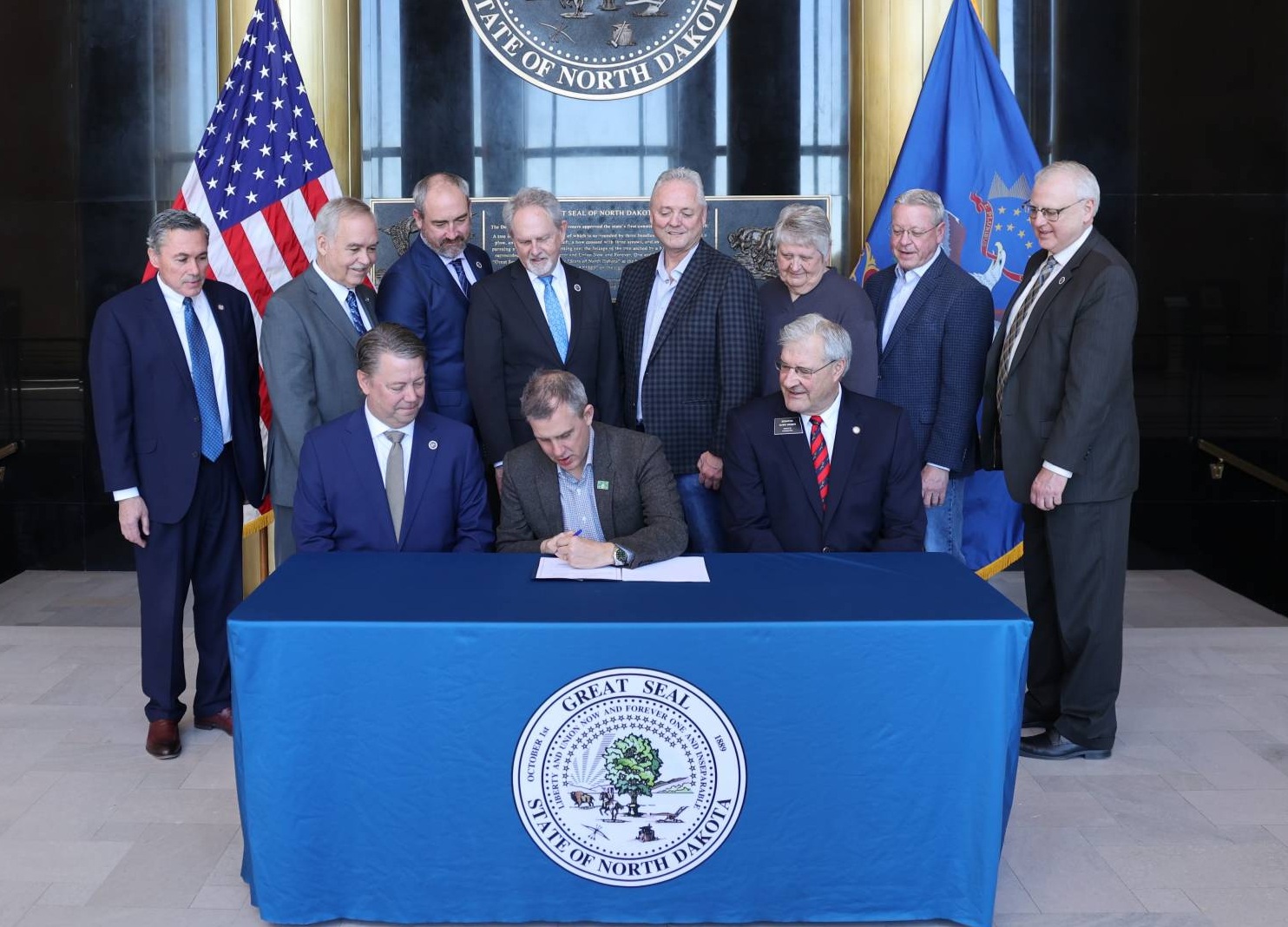
Governor Kelly Armstrong joined bill sponsors and other legislators as he signed a property tax relief and reform package to ease the burden on North Dakota homeowners and limit growth in local spending.
“It ended up being an unbelievably great and historic package that is going to have real, meaningful results for the citizens of North Dakota, particularly primary residential homeowners,” Armstrong said during the bill signing ceremony at the Capitol. “This was an absolute team effort – both chambers, Governor’s Office, both parties, everybody recognized that property tax relief was the No. 1 priority we had to accomplish this legislative session. And I think we came up with a really, really great package.”
HB 1176 which more than triples the state's primary residence property tax credit from $500 to $1,600 annually, passed the House 86-4 and Senate 46-0. Earnings from the $12 billion Legacy Fund will finance this estimated $409 million relief for the 2025-2027 biennium, with potential for future credit increases as the fund grows. Lawmakers also adopted the governor's 3% cap on future local property tax budget increases, applicable to all property types, encouraging prudent budgeting with a five-year carryover provision. The bill also expands the renter's refund program and increases disabled veterans' tax credit funding. Before adjourning sine die, the legislature approved a two-year general fund budget of $6.25 billion and a total state budget of $20.3 billion for 2025-27, representing increases of 2.6% and 3.5%, respectively, over the current 2023-25 biennium. Click here to read more about other priorities addressed by lawmakers. |
|
LRC Endorses Cutting-Edge Projects
Nearly $3M for Carbon Capture & Coal Tech
The Lignite Research Council (LRC) this week approved two major initiatives for recommendation to the Industrial Commission, totaling nearly $3 million in funding to drive innovation in North Dakota’s lignite and carbon capture sectors. These investments aim to boost domestic production capabilities and advance clean energy technology. Commercial-Scale Manufacturing Facility to Produce Coal Tar Pitch
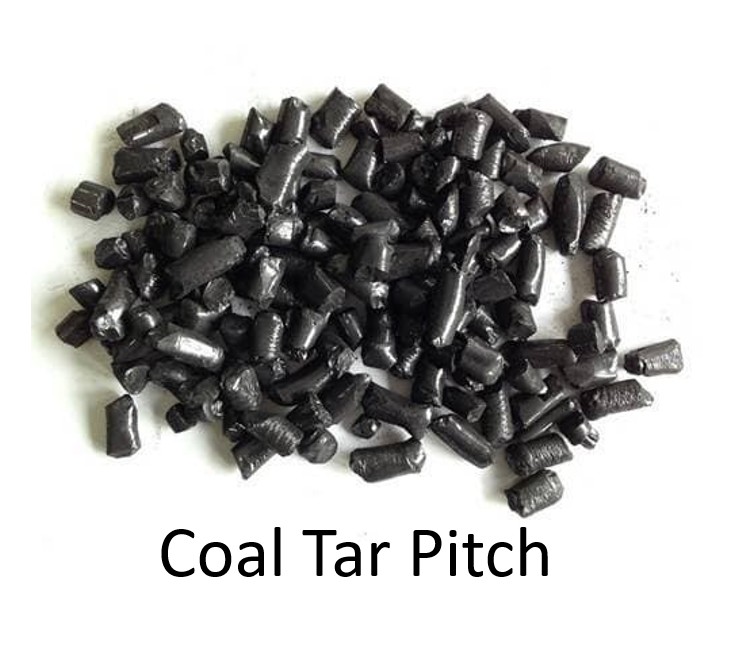
One of the funded proposals outlines the development of a first-of-its-kind commercial-scale manufacturing facility in McLean County, near Underwood. Spearheaded by AmeriCarbon, a small business based in West Virginia, the $1.499 million project aims to produce 15,000 tons annually of tailored coal tar pitch—a critical component in carbon material manufacturing, for products like graphite and asphalt.
The U.S. currently holds only a small fraction of the global coal tar pitch market. With demand on the rise, this project represents a significant step toward a fully domestic supply chain that reduces dependence on international sources, especially China.
AmeriCarbon’s Chief Business Officer, Greg Henthorn, emphasized the facility’s potential to not only revolutionize material production but also to spur economic development through downstream job creation. "Our technology unlocks the material value of carbon, with end products potentially valued at thousands of dollars per ton," Henthorn stated.
The project has raised $6 million in capital and received a letter of intent for a $50 million investment. With a $3 million project budget and a 50% cost-share requirement, North American Coal has committed $450,000 toward the initiative. Engineering design is nearing completion, and construction is expected to begin soon. Collaborators include Worley Group, the University of North Dakota, and the National Energy Technology Laboratory.
EERC Carbon Capture Test Centers Move Forward
In another significant development, the Energy & Environmental Research Center (EERC) received approval to establish advanced carbon capture test centers. This project, designed to enhance existing infrastructure and support long-term carbon management, will be rolled out in phases, beginning with a year-one budget of $6 million. Funding includes $1.462 million from the Lignite Research Program and $4.25 million from the U.S. Department of Energy (DOE).
Jason Laumb, Director of Advanced Energy Systems Initiatives at EERC, outlined the plan to upgrade the center’s combustion test facility (CTF) and construct a new transport reactor. The upgrades are intended to support continuous production of free gas from coal and natural gas.
The initial six months will focus on finalizing an engineering design package covering combustion equipment, fuel prep systems, and infrastructure upgrades. Once the DOE approves the design, construction and procurement will begin—an effort expected to span 18 months.
This initiative is part of a larger strategy to position North Dakota at the forefront of carbon capture and storage (CCS) innovation. The DOE and technology developers will provide ongoing funding as the project progresses.
Together, these two LRC-backed projects demonstrate North Dakota’s growing leadership in energy innovation, with a dual focus on sustainable development and energy independence. |
|
Fedorchak: Ten Reasons to End Subsidies
Wind and Solar Are Threatening Grid Reliability
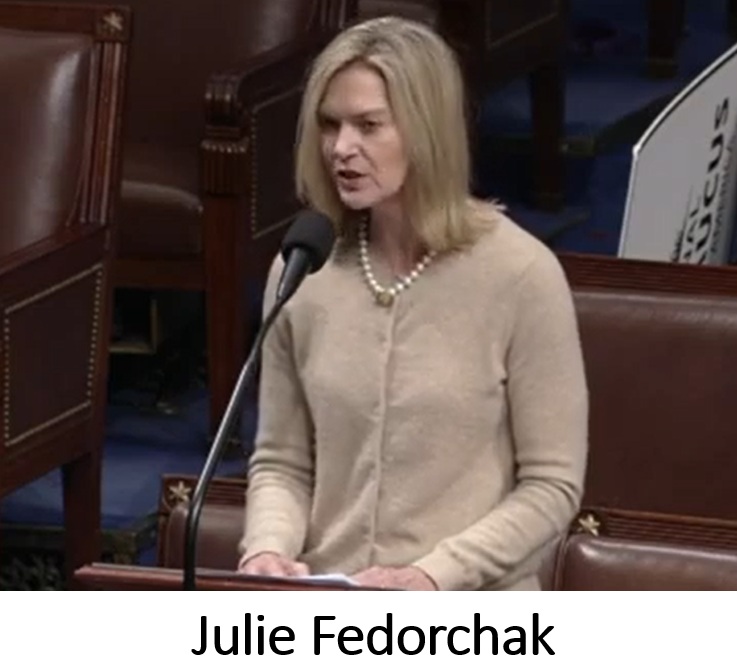
Congresswoman Julie Fedorchak delivered a speech on the House Floor this week to highlight 10 reasons why the United States must phase out tax credits for wind and solar energy. Fedorchak urged her colleagues to prioritize grid security and eliminate the incentives that are distorting energy markets and flooding them with weather-dependent, resources when grid operators are calling for dispatchable, always-available power. She said over-reliance on intermittent energy is already threatening the grid and adding more wind and solar will only make the problem worse. Click here to listen to Fedorchak's comments. Last month, Rep. Fedorchak introduced the Ending Intermittent Energy Subsidies Act, legislation to responsibly phase out production and investment tax credits for wind and solar energy over the next five years. The legislation restores market signals that prioritize grid security, while maintaining incentives for clean, reliable technologies like nuclear, hydropower, and geothermal. It targets tax credits established under Sections 45Y and 48E of the so-called “Inflation Reduction Act.” The Cato Institute estimates ongoing subsidies for wind and solar could cost taxpayers up to $901 billion over the next decade, nearly triple the Congressional Budget Office’s projections. Click here to read the one pager on the bill. Click here to read the legislation. Click here to watch the speech. |
|
Work Wrapping Up on New Basin Plant
Generation Coming Online This Summer
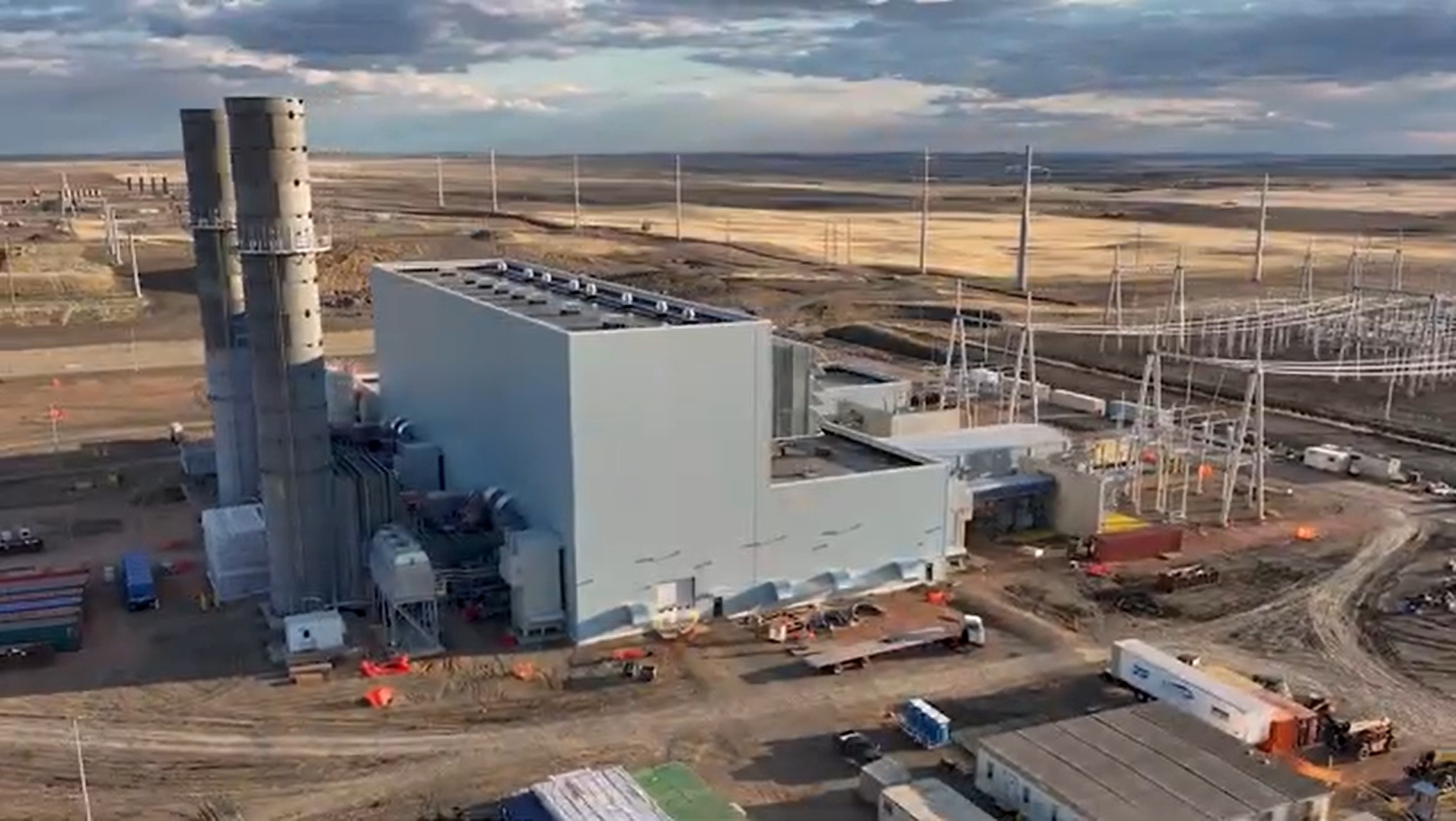
Construction is wrapping up at Pioneer Generation Station Phase IV (PGSIV). Located near the existing Pioneer Generation Station northwest of Williston, North Dakota, it will be Basin Electric’s largest generation project built in North Dakota since the 1980s. Recent milestones include commercial operation of the reciprocating internal combustion engine (April 11), first fire of Unit 5 combustion turbine generator (April 14), turnover of administration building/control room to Operations (April 18), and completion of the 345-kV back feed for commissioning. Jim Lund, Basin Electric senior project engineer, says teamwork is critical on a project like this. “We're very fortunate to have strong engineering and contracts teams to address issues in a timely manner and experienced site management to keep things moving in the right direction.” Construction may not have gone as smoothly without a coordinated team effort. In the case of PGSIV, the talented individuals who worked throughout the project made all the difference. “We've had to attract craft and subcontractors from all over the country,” Lund said. “I think we peaked out at the upper four hundreds for onsite workforce and over 1.2 million man-hours.” Upcoming activities include installing and testing the Unit 5 carbon monoxide catalyst and placing Unit 4 on “turning gear,” meaning it will rotate slowly without generating power. Projected in-service dates: • Unit 5 – May 2025 • Unit 4 – August 2025 When complete, PGSIV will provide 580 megawatts of natural gas generation, addressing near-term load growth and long-term grid stability in the Bakken region. |
|
Basin 2024 Annual Report Now Available
Sustainability Report Has Also Been Updated
Basin Electric’s 2024 Annual Report has been mailed, distributed, and is now available online. The year’s report focuses on how the cooperative is powering progress, highlighting several notable projects that began or progressed in 2024. Some of those projects include CO2 capture and sequestration, energization of transmission lines, and installation of dynamic line rating devices. The report also shares other highlights from the year, including safety topics, how Basin Electric provides value through affordable rates, and the 40-year anniversaries of Antelope Valley Station and Dakota Gasification Company. The report presents the business and financial activities of Basin Electric during 2024, among them the cooperative’s all-of-the-above energy strategy that includes a geographically diverse generation portfolio and transmission assets, cooperative membership numbers, and facilities maps. In addition, the cooperative’s Sustainability Report, initially published in November 2024, has been updated online for April 2025 and was mailed with the annual report. Sections of the report include updated information on Basin Electric’s dedication to environmental stewardship, serving its member-owners, and how those member-owners govern the cooperative model. Click here to download the annual report. Click here to download the sustainability report. |
|
Court Affirms High Water Ruling
State Law Governs Mineral Ownership
The Eighth Circuit Court of Appeals has upheld North Dakota's position in a longstanding dispute over whether state or federal law determines the historic Ordinary High Water Mark along parts of the Missouri River. The legal dispute, which began in 2016, involves mineral royalties from below Lake Sakakawea. For the lands at issue, it is undisputed that the state owns the historic riverbed channel up to the Ordinary High Water Mark, as it existed prior to Lake Sakakawea’s creation in the 1950s, and the federal government owns submerged lands on the other side of the Ordinary High Water Mark. North Dakota law defines the Ordinary High Water Mark slightly differently than federal law, affecting the payment of significant amounts of mineral royalties. The issue disputed by the parties was which sovereign’s law defines the boundary when the state-owned riverbed channel abuts federally-owned submerged lands. The majority of a three-judge Eighth Circuit panel agreed that state law defines it. “This case presented some thorny legal questions,” said Attorney General Wrigley. “However, we think the Eighth Circuit’s decision properly recognizes the fundamental role that state law traditionally plays in defining property boundaries within our federalist system, even when the federal government acquires property on one side of that boundary." The federal government hasn’t indicated yet if it intends to appeal the decision to the Supreme Court, but Wrigley said his office will be ready to defend it. |
|
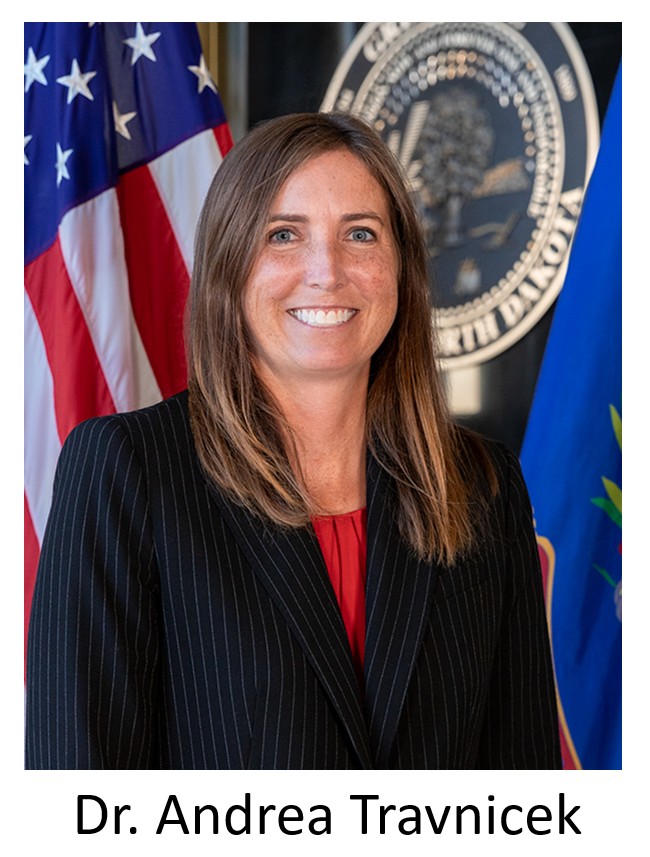
Committee Advances Andrea Travnicek
Former Director of ND Water Resources
Former North Dakota Director of Water Resources, Dr. Andrea Travnicek, is one step closer to landing a position under her former boss, Secretary of the Interior Doug Burgum. Senator John Hoeven, who serves on the Senate’s Energy and Natural Resources Committee, announced that Travnicek’s nomination to serve as Assistant Secretary for Water and Science at the Department of the Interior had been approved by the committee. “The Senate Energy Committee approved Dr. Travnicek’s nomination with bipartisan support not only because of her vast technical knowledge, but because she has a proven record of collaborating across all levels of government, as well as with tribes and private stakeholders," Hoeven said. "Andrea was a trusted advisor and an important member of my staff when I was governor, and has the right background for this position.” Travnicek holds a Ph.D. in Natural Resources Management/Communication from NDSU. During President Trump’s first term, she served as a deputy assistant secretary at Interior. As governor, Hoeven appointed her as a senior policy advisor in his office following her service with the U.S. Army Corps of Engineers in Sacramento, California. The full U.S. Senate will now vote on the nomination. |
|
Fires Scorch 2,000 Acres on Ft. Berthold
Some Damage to Oil, Power Infrastructure
Wildfires broke out Sunday and Monday in parts of the Ft. Berthold Reservation, burning close to 2,000 acres and damaging energy infrastructure in the process. The MHA Emergency Operations Center reported that a grass fire broke out around 2:15 Sunday afternoon about seven miles south of New Town along 28th St NW in the Shell Creek Area. The fire was initially under control around 2:30 but jumped the line and continued pushing north. The fire damaged some electric poles, knocking out power in the area of 28th St NW to 30th St NW. Law enforcement was on the scene stopping traffic for safety purposes. The fire was estimated to have burned about 1600 acres, and was around six miles long. Some farm equipment was also damaged and it was reported to have crossed a couple well pads. Another fire broke out Monday afternoon near BIA 17 and Tunnel Point Road, about 15 miles south of Mandaree. Due to the rough terrain, air support was also requested from the state to help contain the estimated 300-acre fire. All of western North Dakota is experiencing some level of drought, with parts of Billings, Dunn, Golden Valley, McKenzie and Mountrail Counties in the Extreme Drought category. Click here for the latest information from U.S. Drought Monitor. |
|
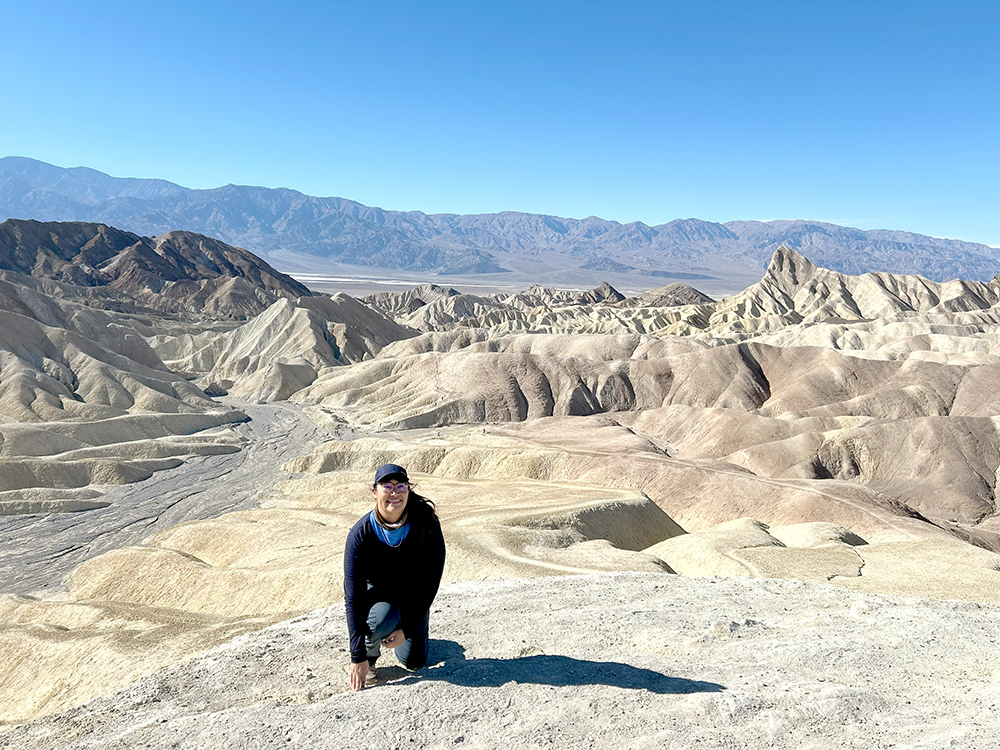
Minot State Student on Geology Journey
Crystal Alvarado Spent Holiday in Death Valley
By Veronica Corey | MSU Communications From exploring her childhood backyard in Mandaree to surveying the geological treasures of Death Valley over Christmas break, Crystal (Good Day Woman) Alvarado has unearthed her passion in the geology department at Minot State University. Alvarado, a senior geology major, spent two weeks in Southern California over winter break studying and interpreting tectonic history in one of the most geologically rich areas of the country. She was one of five Minot State students who joined peers nationwide for the hands-on learning experience. “It was very intense — two full weeks of fieldwork collecting data, mapping, and observing rock formations and fault lines,” said Alvarado. “But I loved being out there. It brought back memories of exploring the land with my brothers and sisters growing up.” Raised in Mandaree, on the Fort Berthold Reservation, Alvarado’s curiosity about the Earth started young and was shaped by her cultural roots. “Growing up surrounded by Native American traditions and the beautiful lands of North Dakota sparked my interest in how the Earth formed and changed over time,” she said. “We see the Earth as a living being who deserves respect and care, and that connection has always stayed with me.” That connection helped guide her toward Minot State’s geology program, where supportive faculty and a strong undergraduate research focus reinforced her decision. Click here to read more. |
|
Reminder: Register for Roads Roundtable
Counties, Oilfield Truckers to Discuss Issues
County road managers and oil industry trucking interests will have an opportunity to discuss common concerns and share best practices at a Western Energy Roundtable set for May 27 at the Rough Rider Center in Watford City. The annual event is co-hosted by the Western Dakota Energy Association and the ND Local Technical Assistance Program. The event will get underway at 10:00 a.m. with an overview from the ND Department of Transportation summarizing road and bridge funding opportunities and seasonal construction plans. WDEA will also provide a legislative report, covering issues of importance to western North Dakota communities. The agenda also includes a presentation on oversize truck permitting, an oil industry panel and a panel discussing transportation-related issues in western counties. The event concludes with an open mic discussion of other issues of concern. Registration is free and lunch will be provided. Interested persons are urged to register early so name tags can be prepared and organizers can get an accurate headcount for lunch. Click here to see the tentative agenda. Click here to register. |
|
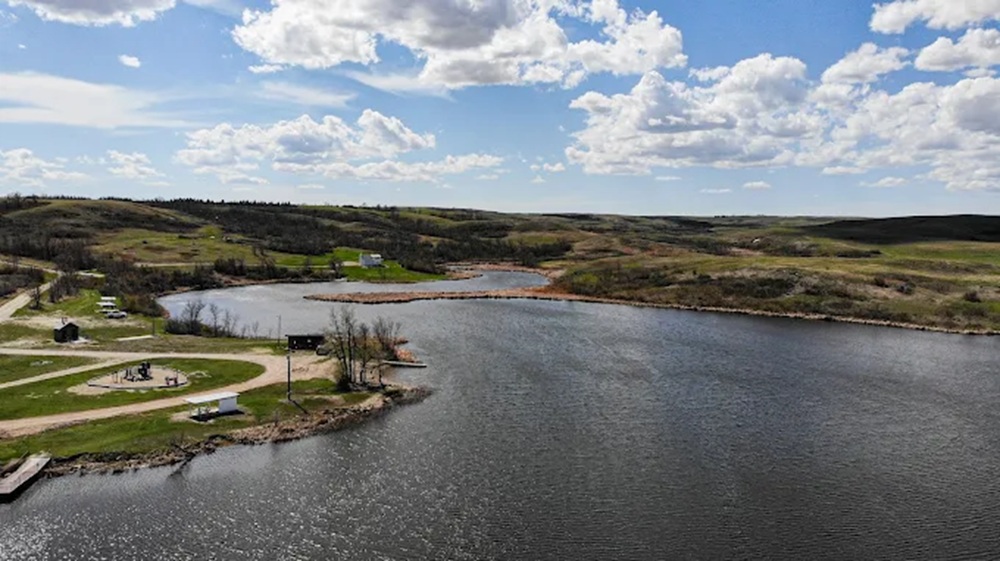
Kota Ray Dam Reopens for Memorial Day
Camping Reservations Will Go Online May 19
Progress from implementing the Williams County Parks Master Plan is bringing changes to local campgrounds. Kota Ray Dam, closed since last spring, reopens on Friday, May 23. The final phases of work are underway on new features such as a youth pedal park, reconfigured campsites, and modern comfort stations. The revamped park also boasts a new lakeside lawn-chair amphitheater that will host events later this summer. Online reservations for the new campsites will open on May 19 at 8:30 am for dates between May 23 and October 31. Construction for upgrades and enhancements at Blacktail Dam begin mid-May and are expected to continue throughout 2026. New amenities include walking trails, upgraded comfort stations, group campsites, and more. During construction, the park will remain open in a limited capacity for both camping and recreation. Visitors and residents will still be able to use the boat ramp, but the route to reach the ramp may change throughout the year. On-site signage will provide guidance as construction progresses. The playground, fish cleaning station, and shower house will not be available, but the Par 3 golf course will be open. Nine electric campsites will be open in the beach area and primitive campsites will be open on the north side of the park and near the park entrance. Online campsite reservations will also open on May 19. Click here for more information about Williams County Parks and the Master Plan Implementation. |
|
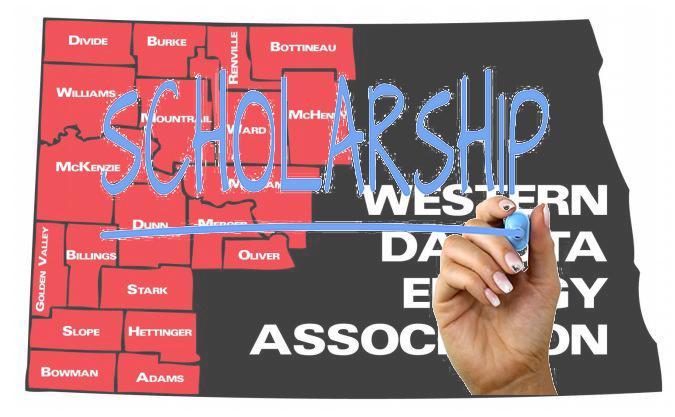
WDEA Offering 8 Energy Scholarships
Aimed at Students Pursuing Energy Career
The Western Dakota Energy Association will award eight $1,000 scholarships this spring to students in an energy-related field at a North Dakota college, university or technical school. WDEA President Leslie Bieber said the association is offering the scholarships to help the industry and western communities meet the workforce challenges historically experienced with oil industry growth. “We recognize that North Dakota will see benefits from the fossil fuel industry only if it is able to attract the workforce it needs,” said Bieber. “We want to do everything we can to encourage young people to explore the many opportunities for a rewarding career in the energy sector.” Funding for the scholarship program is generated by sponsorships of WDEA’s annual meeting, which this year will be held Oct. 8-9 in Watford City. Click here to learn more about the selection criteria and how to apply. Click here to view or download an application form. The application deadline is May 16. Scholarship winners will be announced following WDEA's Executive Committee meeting in early June. Click here to see an article about last year's winners. |
|
Wise Roads Shots of the Week
Sunrises, Dust and Rainbows
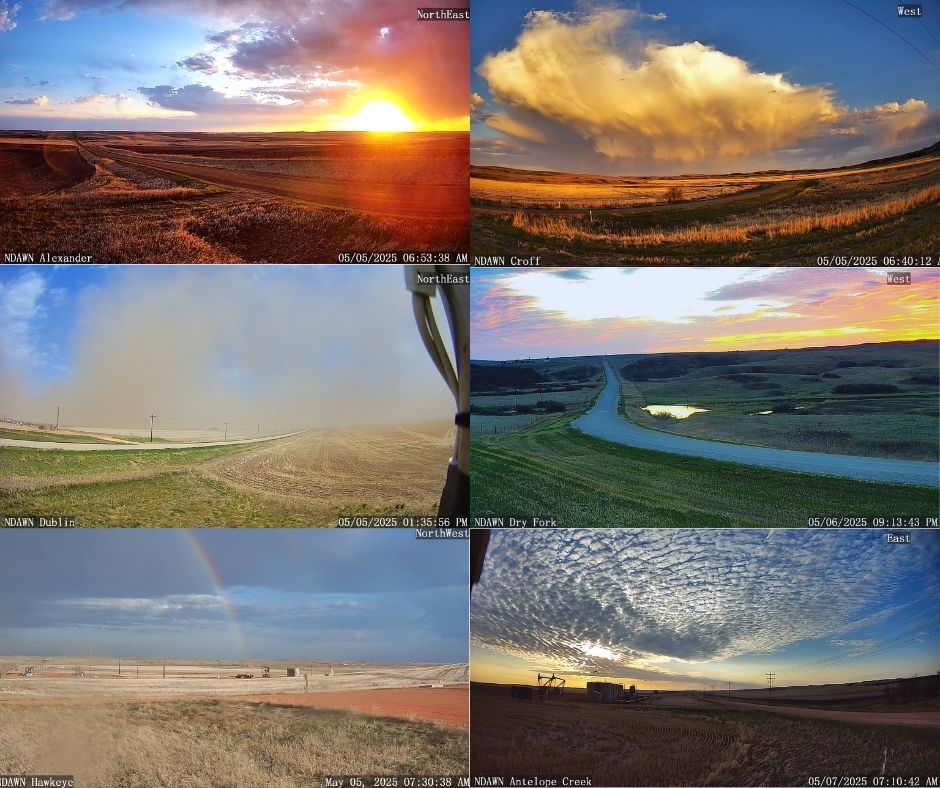
Drought continued to hassle the Northern Plains this past week, and despite some areas receiving shots of rain like near Croff, mostly dry weather prevailed as evident from the dust stirred up near Dublin. The Wise Roads cameras never fail to pick up amazing sunrises along with spectacular cloud cover around Antelope Creek, south of Arnegard. Photos from Wise Roads cameras are updated continuously throughout the daylight hours on the Wise Roads web page.
The Wise Roads project (Weather Information System to Effectively Reduce Oilfield Delays and Disruptions) was developed by WDEA to increase the efficiency of the movement of oilfield truck traffic. Most weather stations were placed in the core area of Bakken production, focusing on Dunn, McKenzie, Mountrail and Williams Counties. The project provides more accurate weather information to county road managers, especially about rain events, to minimize the need to impose weight restrictions when gravel roads get wet. It was developed in partnership with NDAWN, which maintains the stations for WDEA. The project was also assisted with a $250,000 grant from the Oil & Gas Research Council.
Fifty new stations have been installed, 39 of which are located in the four core oil-producing counties. Prior to the start of the project, Dunn and McKenzie Counties had just one station each, Mountrail County had three and Williams County had four. Weather station data and high-resolution photos can be found at wiseroadsnd.com. There is also an interactive Google Map that users can access to pinpoint the location of Wise Roads and NDAWN weather stations. Additional information is also available from NDAWN. Featured shots this week are clockwise from upper left: The sun begins to peak over the horizon near Alexander; Storm clouds roll through the sky delivering a brief reprieve of rain by Croff; Meanwhile, clouds of dust roll across a Dublin farm field. There’s no fork in the road by Dry Fork, just a bend and a beautiful sunset; Hawkeye field shows the pot of (black) gold at the end of the rainbow and altocumulus clouds look like a quilted blanket, ready to tuck in Antelope Creek field at the end of the day. Click on the link for a high-resolution image. |
|
Quick Connect
• Bill promoting rare earth mineral development in ND passed -- North Dakota Monitor
• Crews respond to fire at oil terminal south of Tioga; site still shut down -- KFYR - TV
• February oil and gas production declines from January numbers -- Minot Daily News
• SD's Lake County Commission rejects petition for pipeline ordinance -- KFYR - TV
• Regulators set public hearing date for Basin's $4 billion North Dakota power plant -- Bismarck Tribune
• North Dakota lawmakers approve needs, some wants with $20.3 billion budget -- North Dakota Monitor
• Ellendale: Embracing the data boom, Applied Digital creates excitement in community -- Prairie Public
• Dist. 26 Representative Jeremy Olson resigns seat after harassment complaint -- North Dakota Monitor
• State Emergency Operations Center activated to help battle fires across North Dakota -- KX News
• Nat'l Guard Black Hawks deployed as wildfires rage on Turtle Mountain Reservation -- Dickinson Press
• Wildfires burn thousands of acres on tribal lands; Ft. Berthold and Turtle Mountain -- Bismarck Tribune
• Lawmakers decide not to increase gas tax as part of compromise in NDDOT budget bill -- KFYR - TV
• Legislature gavels out; action on medicaid expansion, property tax and teacher pay -- Daily Montanan
• Electricity demand in the Northwest could double in the next 20 years, forecast finds -- Daily Montanan
• Tom Campbell appointed North Dakota USDA Rural Development state director -- North Dakota Monitor
• Newcastle, Wyoming oil refinery restarts operations after apparent explosion in February -- WyoFile
• Fargo district court judge Chase nominated to be North Dakota's US attorney -- North Dakota Monitor
• Local fire departments battle grass fire in north Mercer County; no significant damage -- Hazen Star
• Dust storm causes poor visibility and makes travel difficult in northwest North Dakota -- KFYR - TV
• Public comment periods at ND local govt meetings become mandatory Aug. 1 -- North Dakota Monitor
• Dickinson to hold special election after Commissioner John Odermann's resignation -- Dickinson Press
• Dickinson breaks ground on $69M high school expansion, largest in district history -- Dickinson Press
• Dickinson High School students work on special projects to celebrate school's expansion -- KFYR - TV
• Ray's Donnelly is Williams County Teacher of the Year; has taught for 34 years in Ray -- The Journal
• U Mary launches Teacher Leadership Academy for Bismarck and Williston educators -- Williston Herald
• Youth T4 Summit came to Rough Rider and Bakken Area Skills Center -- McKenzie County Farmer
• Students get head start as partnerships forge direct paths to future careers -- McKenzie County Farmer
• 180 Williston students under quarantine amid measles outbreak in Williams County -- KFYR - TV
• North Dakota invests millions of dollars in skilled trades. But will students stay? -- Dickinson Press
• States' nuclear energy growth needs federal action to follow Trump's vocal support -- The Express
• Without energy abundance, America loses AI race. Policy decisions really matter. -- RealClearEnergy
• US House committee proposes sweeping changes to boost US oil and coal on federal lands -- Reuters
• First driverless heavy duty trucking service launched on US roads, running in Texas -- The Epoch Times
• Spain's solar-heavy system raises questions about the security of America's grid -- E&E News
• Justice Department sues Hawaii, Michigan, Vermont, New York over state climate actions -- KFYR - TV
• Coalition of GOP attorneys general celebrate win against California's clean-truck rule -- The Hill
• US power consumption will hit record highs in 2025 and 2026 according to EIA outlook -- Reuters
• Coal is a critical answer to soaring power demand due to takeoff of artificial intelligence -- DC Journal
• House Republicans are on the verge of overturning series of Biden-era land-use plans -- E&E News
• Wyoming is drawing interest surrounding new nuclear and low-carbon fossil fuel investments -- WyoFile
• Gavin Newsom's war on oil could send California's gasoline prices to $9.00, analysts warn -- Breitbart
• Green energy suicide: The West is paying the price for its net-zero carbon delusions -- Townhall
• Two new studies reveal shocking gains in ice pack at both poles, upend climate narrative -- NY Post
|
|
Factoid of the Week
The longest known burning flame is a coal seam fire at Burning Mountain in Australia, estimated to have been burning for at least 6,000 years, according to Guinness World Records. This fire is located in the Mount Wingen area of New South Wales. These fires are known for their slow and sustained burning, lasting for centuries or even millennia.
|
|
May 15 Home on the Range
May 20 Watford City
May 20 Medora
May 22 Bismarck and via Teams
May 27 Watford City
May 29 Bismarck and via Teams
June 9 - 12 Bismarck
June 16 - 19 Bismarck State College
June 18 - 19 Dickinson
June 30 Williston
|
|
Oil prices and rig count May 9, 2025
WTI Crude: $60.02 Brent Crude: $63.95 Natural Gas: $3.08
North Dakota Active Oil Rigs: 29 (Unchanged ) May 9, 2024 -- 38 rigs |
|
Geoff Simon Editor/Executive Director
|
|
|
|
|
|
|










.jpg)