|
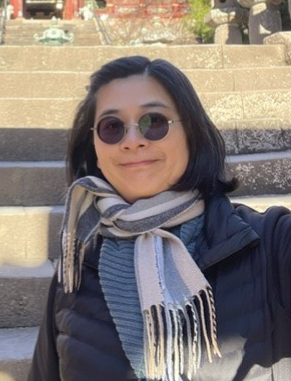
Wei-Ti Chen, RN, CNM, PHD, FAAN (She/Her)
Professor and Lulu Wolf Hassenplug Chair in Nursing
UCLA School of Nursing
Years as an ANAC member: 20+
What does National Asian and Pacific Islander HIV/AIDS Awareness Day mean to you personally and professionally?
National Asian and Pacific Islander HIV/AIDS Awareness Day holds deep personal and professional meaning for me. For more than a decade, my work has focused on Asian and Pacific Islander people living with HIV (APIWH), and this day reflects the communities, stories, and experiences that have shaped my journey.
Over the years, I have had the privilege of building relationships with individuals in this community—meeting them in places including their homes, listening to their life stories, and learning about their paths to the United States. I have heard about their experiences of resettlement, the challenges of navigating a new environment, and how they cope with HIV. Many have also shared the stigma and discrimination they faced in their daily lives, which continues to impact their health and well-being.
These personal connections have profoundly influenced my perspective and commitment. Professionally, this day reinforces the importance of culturally responsive research, advocacy, and care that addresses the unique needs of API communities. Personally, it serves as a reminder of the resilience and strength of the individuals I have met, and it motivates me to continue working toward greater awareness, equity, and support for API people with HIV.
Why is this HIV/AIDS awareness day still critically important today?
National Asian and Pacific Islander HIV/AIDS Awareness Day remains critically important because the needs of API communities affected by HIV continue to be underrecognized and underserved.
As an API-focused HIV researcher, I see firsthand how limited research on this population constrains our ability to fully understand and respond to the epidemic. APIs are often grouped together in data and reporting, which masks important differences across diverse subgroups. In reality, the API population is highly heterogeneous, encompassing many distinct cultures and more than 40 languages. This diversity means that a single, broad awareness campaign cannot effectively reach or resonate with all communities—culturally and linguistically tailored approaches are essential.
In addition, many API individuals live in metropolitan areas and are part of immigrant or migrant communities, where language barriers, unfamiliarity with the healthcare system, and concerns related to immigration status can further limit access to HIV prevention, testing, and care. These structural and social challenges often intersect with persistent stigma around HIV and sexual health, creating additional barriers to timely diagnosis and treatment.
HIV is still too often perceived as a low-priority issue in API communities, which contributes to gaps in funding, targeted interventions, and culturally appropriate services. This awareness day is vital in bringing visibility to these overlooked disparities. It underscores the need for more disaggregated data, increased investment in API-focused research, and community-driven strategies that reflect the diversity and lived experiences within API populations.
Ultimately, this National Asian and Pacific Islander HIV/AIDS Awareness Day serves as a reminder that achieving equity in HIV prevention and care requires sustained attention, inclusive research, and meaningful engagement with the diverse API communities—particularly those navigating migration, language barriers, and urban living environments.
What moment in your career reaffirmed your commitment to HIV work?
One moment that reaffirmed my commitment to HIV work came from my direct interactions with APIWH. I remember visiting study participants' at home and listening to their story—how they migrated to the United States, the challenges of starting over, and the isolation they felt after their HIV diagnosis. They shared how difficult it was to talk about HIV within their community, and how stigma and language barriers made it even harder to seek care and support.
What stayed with me was not only their struggle, but also their resilience. Despite everything, they were trying to stay engaged in care and build a life in a new country. At the same time, they expressed how meaningful it was simply to have someone listen and understand them in their own language and cultural context.
That moment made it very clear that HIV care is not just about treatment, it is about trust, dignity, and being seen. It reinforced the importance of doing work that centers the lived experiences of API communities, and the need to advocate for more inclusive, culturally responsive research and care. It reminded me why this work matters and why I remain committed to it.
|