News and information to help journalists serve the public and stay safe.
|
|
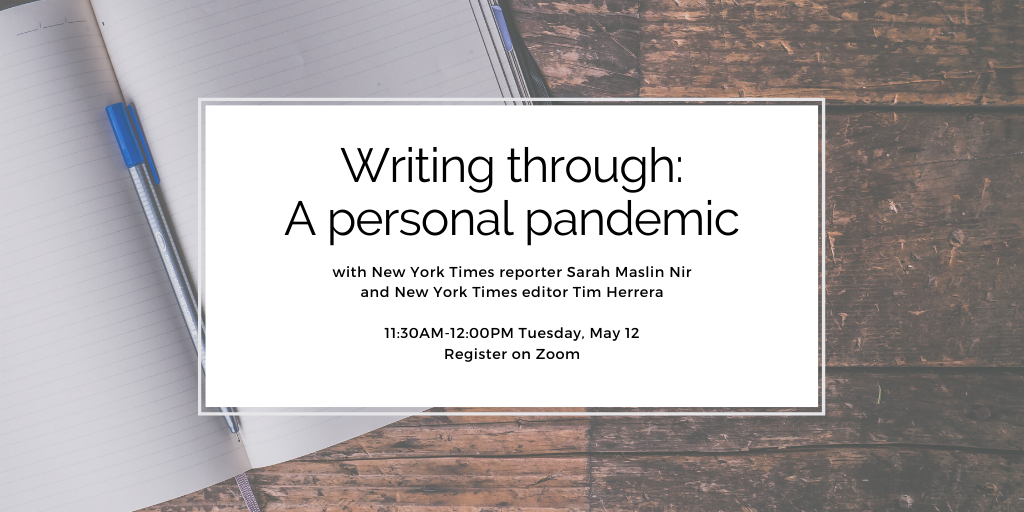
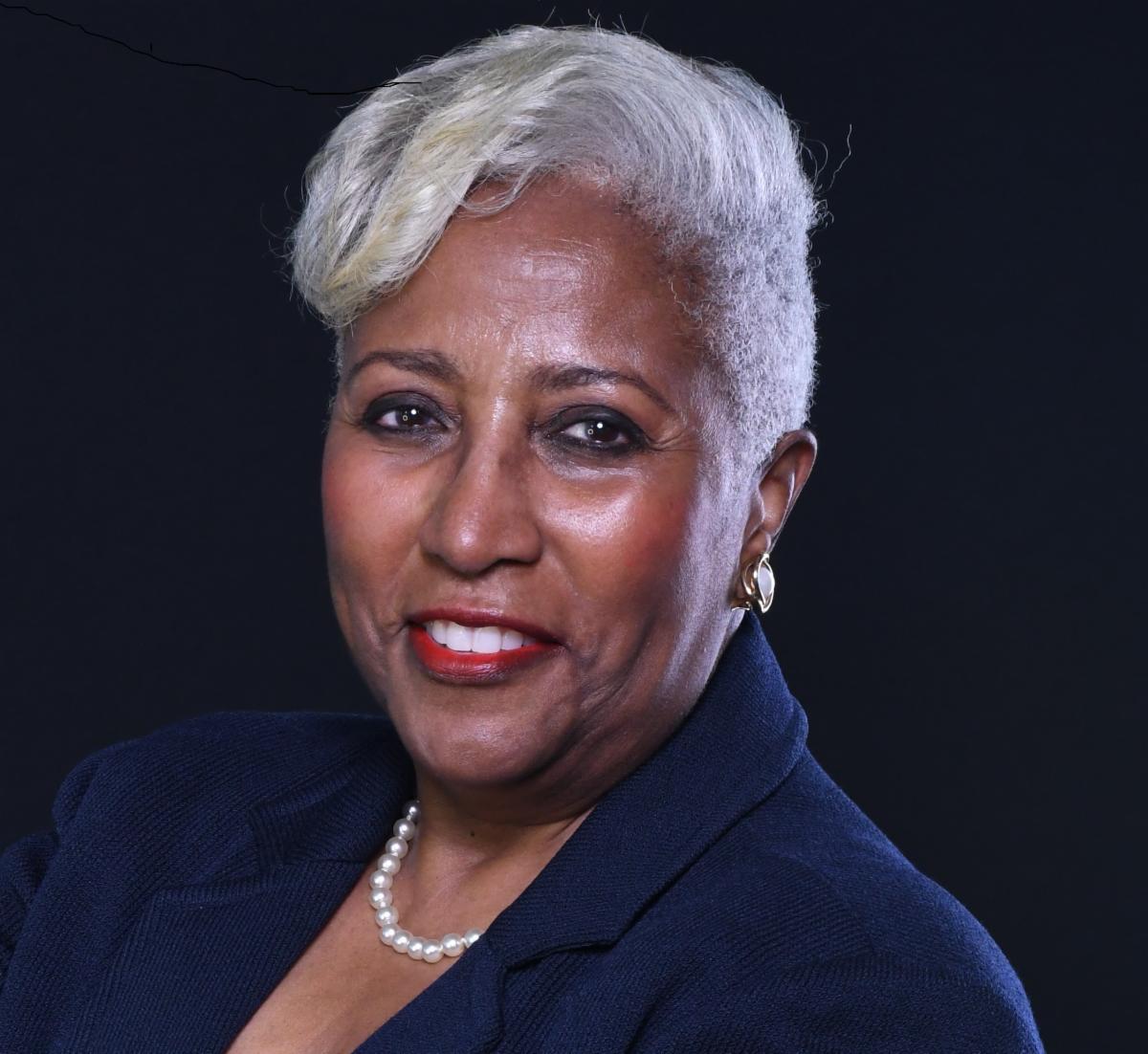
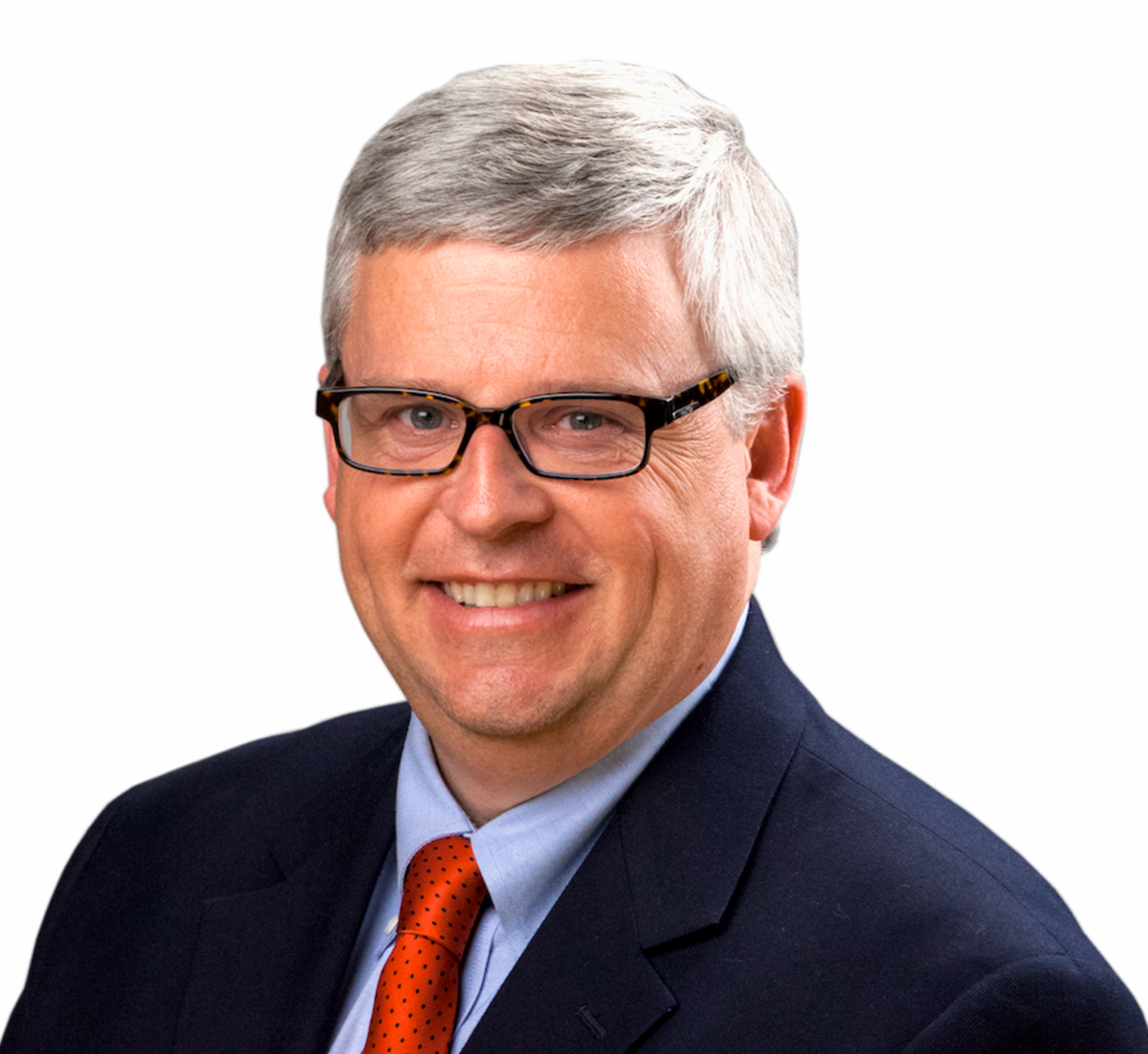
The first part of this Zoom webinar on May 12 will be a 15-minute conversation with Sarah and Tim about writing through a personal pandemic. The second part of the program will be a 15-minute Q&A with participants.
Registration is open
.
|
|
As journalists look across a gloomy news media landscape of lost revenue, layoffs and closures, one bright spot reinforces the essential nature of their work – news consumption is up.
Metric after metric shows that as the COVID-19 pandemic spread in the U.S., the public turned to news organizations for information. News organizations have ramped up their outreach and found meaningful and innovative ways to communicate.
Readers, viewers and community leaders are rewarding them for the effort.
The gratitude is expressing itself in dollars, providing a needed lifeline to financially struggling news organizations. In the four weeks ending April 24, about 200 publishers across the country raised $500,000 in tax-deductible donations from 6,000 donors through the
Local Media Foundation’s COVID-19 Local News Fund
.
Here’s what some newsroom leaders told us:
- “I saw people who gave money as investors,” Sonny Messiah-Jiles, publisher and CEO of The Houston Defender, said of the $50,000 in donations she received through the COVID-19 Local News Fund. “I felt as though my next phase was to listen and learn. What is it they'd like to see The Defender do? What is it they would like to have us cover? … As investors, they're now a part of the company. And we want to acknowledge that. And we want to hear from them.”
- WRAL, a Raleigh television station, has a new 7 p.m. newscast called “Facts, Not Fear” that features interviews with health professionals and other experts. The NBC affiliate also launched a daily newsletter and a daily podcast and held fundraising efforts for restaurant workers and the United Way, raising more than $1 million. “A segment of our audience appreciates our fact-checking and dedication to providing critical information,” said John Conway, vice president for digital at WRAL. “They also recognize our effort to raise funds to support those in need and to acknowledge our neighborhood heroes.”
- “Local news has never been more vital to our community and people are showing their thanks through stronger interaction with our work online and through purchasing a digital subscription,” Joe Kieta, the editor of the Fresno Bee, told us via email.
- “Local Patches have enhanced their reputation as trusted local gathering places,” said Patch Editor in Chief Dennis Robaugh. Patch, the hyperlocal digital-only news platform, is offering COVID-19-specific coverage and services. It added 225,000 new email subscribers in March and has seen daily traffic increase 65%. “Replies to articles more than tripled.”
Read on
to see how virtual newsrooms are “engaging in every way possible.”
|
|
The National Press Club Journalism Institute is spotlighting
the next generation of journalists
, students graduating from college or Master’s programs this spring into
a challenging job market
, in hopes they’ll meet future bosses and colleagues here, who will reach out and support them in building journalism’s future together.
School
: Northwestern University, Medill School of Journalism
Location
: Washington, D.C.
Reported from
: Berkeley, California; Chicago, Illinois; Melbourne, Australia
What's been your best moment in journalism?
Cabral:
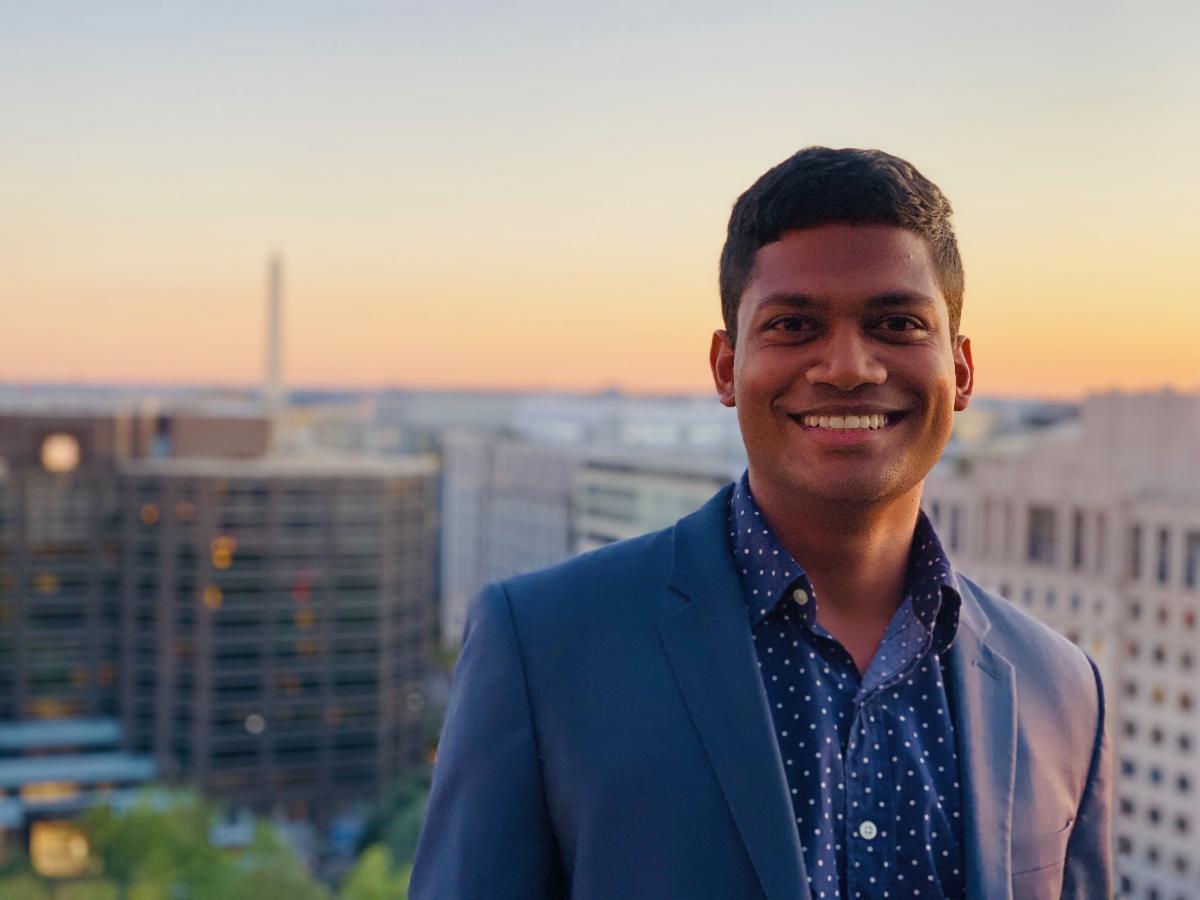
The Iowa caucus was an unprecedented horror show, but I was lucky enough to be a part of one of its bright spots. My colleagues and I were one of only a handful of journalists that covered the first ever American Sign Language (ASL) caucus, in Des Moines, IA. As
I documented the event
, I was overjoyed that I had chosen to report on an event that may have seemed inconsequential to those covering the day's events but was of priceless value to the deaf Iowans who were able to participate in the caucus.
What do you want to accomplish in your journalism career?
Cabral:
I want to add value to the lives of news consumers. Rebuilding trust and repairing the lost connection the news media once had with members of the public is a crucial mission, and I believe it begins with being fair and honest in my own reporting, but also requires that my content has a tangible positive impact on those who consume it.
Since everything went haywire a few weeks ago, I have begun to produce a daily video segment called the Bulletin Burger.
It’s tough to stomach all the bad news we are hearing these days. People falling sick, dying, losing their jobs and healthcare, closing their businesses… So much of what is going on is liable to make you feel upset and uneasy. As journalists, we need to talk about these hard truths, but we cannot ground them into the dirt with negativity. What I’ve found is that people tend to digest bad news better when there’s good news to go with it.
Last month, as I browsed through my Instagram feed, I noticed two things: an impending ‘doom and gloom’ about the future and a sense of frustration with the relentless bad news. To feel a little better, I dug up some news and shared it on my Instagram story as a good news – bad news – good news burger. Then I did it again and again, as I began to receive unexpected messages of gratitude and encouragement, sometimes from people I barely spoke to.
In the space of a few weeks, the seed kept growing and it has now morphed into
The Bulletin Burger
, a daily IGTV video segment. Think of it as a rework of the complement sandwich – some good news on top, some bad news in the middle and more good news on the bottom.
Our lives have changed so much so fast. Let’s try to make sense of it all together. I’ll be posting new videos every weekday morning on
IGTV
and
YouTube
. Check out the latest episode
here
and subscribe if you like what you see.
|
|
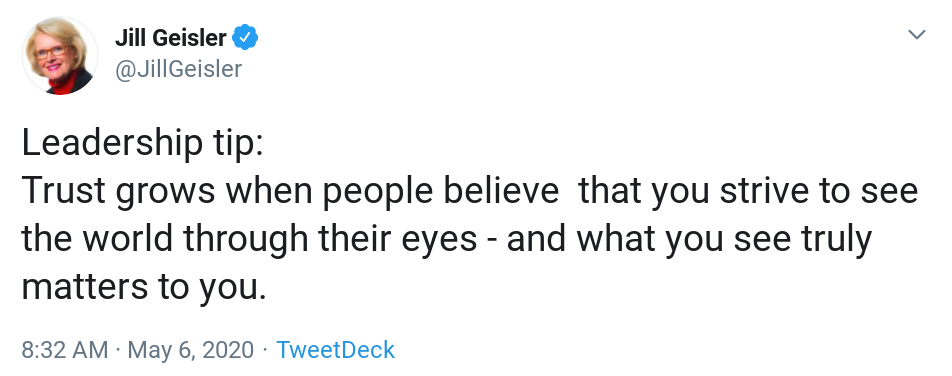
Distance can reduce empathy. It’s harder to see the world through someone else’s eyes when you don’t see their face,
I wrote recently
. Making the extra effort to understand how people feel will build morale and motivation right now and will build trust over time.
Asking “How are you doing?”
and “How can I help?” allow you to
offer support
and
show you “get it,”
even when you don’t have all the answers. That’s authentic leadership, and it helps teams succeed.
Advice from
Jill Geisler
, Bill Plante Chair in Leadership & Media Integrity, Loyola University Chicago, Freedom Forum Fellow in Women’s Leadership
|
|
|
Sometimes the best thing you can do for yourself is ask for help.
Now is a good time to review your employee benefits package for information on any
Employee Assistance Programs
your employer provides. EAPs offer a variety of services — assessments, referrals, and follow-up — to support an employee’s mental, emotional and financial well-being.
Employee participation is voluntary, and information is kept confidential. Services can help with personal, family and work issues. Some employers offset the cost of services — for example, by funding the first three to six counseling sessions or a consultation with a financial planner. Contact your HR rep for more information.
|
|
This newsletter is written & edited by the National Press Club Journalism Institute staff: Beth Francesco, Holly Butcher Grant, Jim Kuhnhenn, and Julie Moos.
Send us your questions and suggestions
for topics to cover.
|
|
The National Press Club Journalism Institute promotes an engaged global citizenry through an independent and free press, and equips journalists with skills and standards to inform the public in ways that inspire civic engagement. Support our important work with a tax-deductible contribution today.
|
|
|
|
|
|
|