|
Last week, I accompanied a family member to an MRI appointment at NYU Health. Leading up to it, we received multiple confirmation texts—location reminders, check-in prompts, everything a modern system should deliver.
And yet, the on-site experience was... anything but seamless.
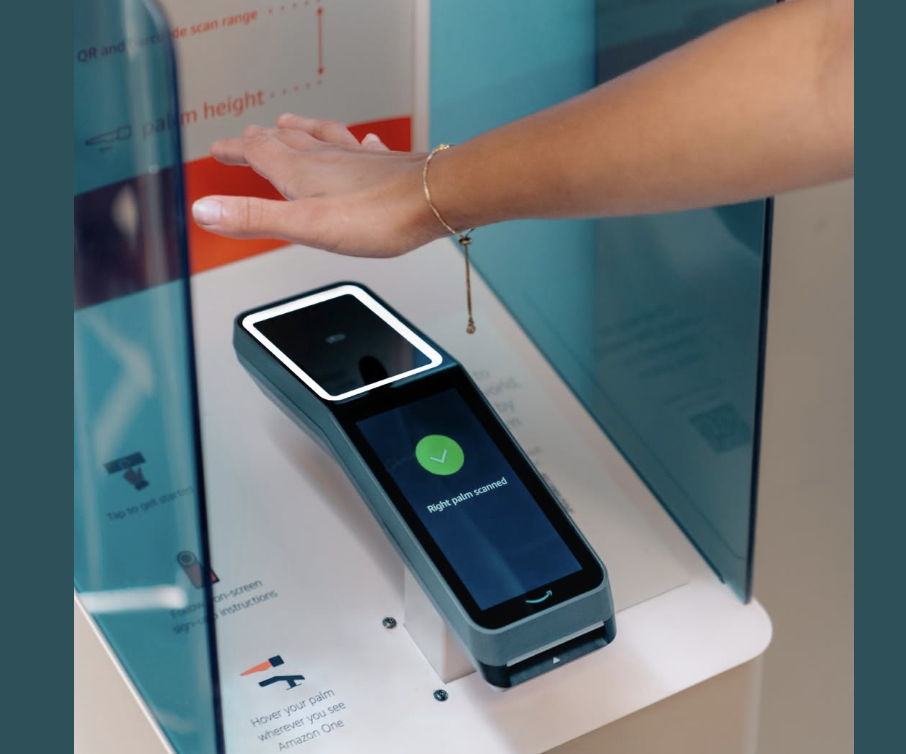
Upon arrival, the front desk attendant briskly asked us to use the biometric scanner—place a hand over the reader to check in. But it failed. Not due to a tech glitch, but because we were never registered for that feature to begin with. So now, flustered, we're handed an iPad.
Fifteen screens later, we’re still answering questions: medical history, medications, previous surgeries—every question we'd already answered three times before with NYU doctors, nurses, and nurse practitioners. All housed in their Epic EMR. All fully accessible.
And none of it relevant to that moment.
What mattered most for an MRI? A single, focused set of safety questions:
Do you have any metal in your body? Are you wearing anything magnetic?
Everything else was noise. Unnecessary. And at 8 PM, in an already high-anxiety situation, those wasted minutes felt heavy. The experience was robotic, redundant, and missing the very thing that makes great care... human connection.
This is the cost of disconnected design.
Yes, the building was beautiful. Yes, the clinical care was excellent. But the welcome moment—arguably the most important part of the patient journey—was handled like a technical transaction, not a personal one.
In an era where systems talk, where EMRs integrate, and where we claim to value the human experience—why are we still making people repeat themselves?
It’s not just inefficient. It’s dehumanizing.
Got a similar story you want to share, or a strategy that's has/hasn't worked? I’d love to hear your thoughts. Need tips on how to get there? write to me and let's brainstorm together.
|