|
Fall is upon us, and with it comes new opportunities to fine-tune pest control strategies as we prepare for cooler weather. As always, don’t forget to check out Joe’s Tips for practical advice to keep your facilities pest-free while reducing the risks that come with pesticide use. And be sure to review our feature articles this month—they highlight key research and real-world examples that show why embracing prioritized IPM is the smart, sustainable path forward.
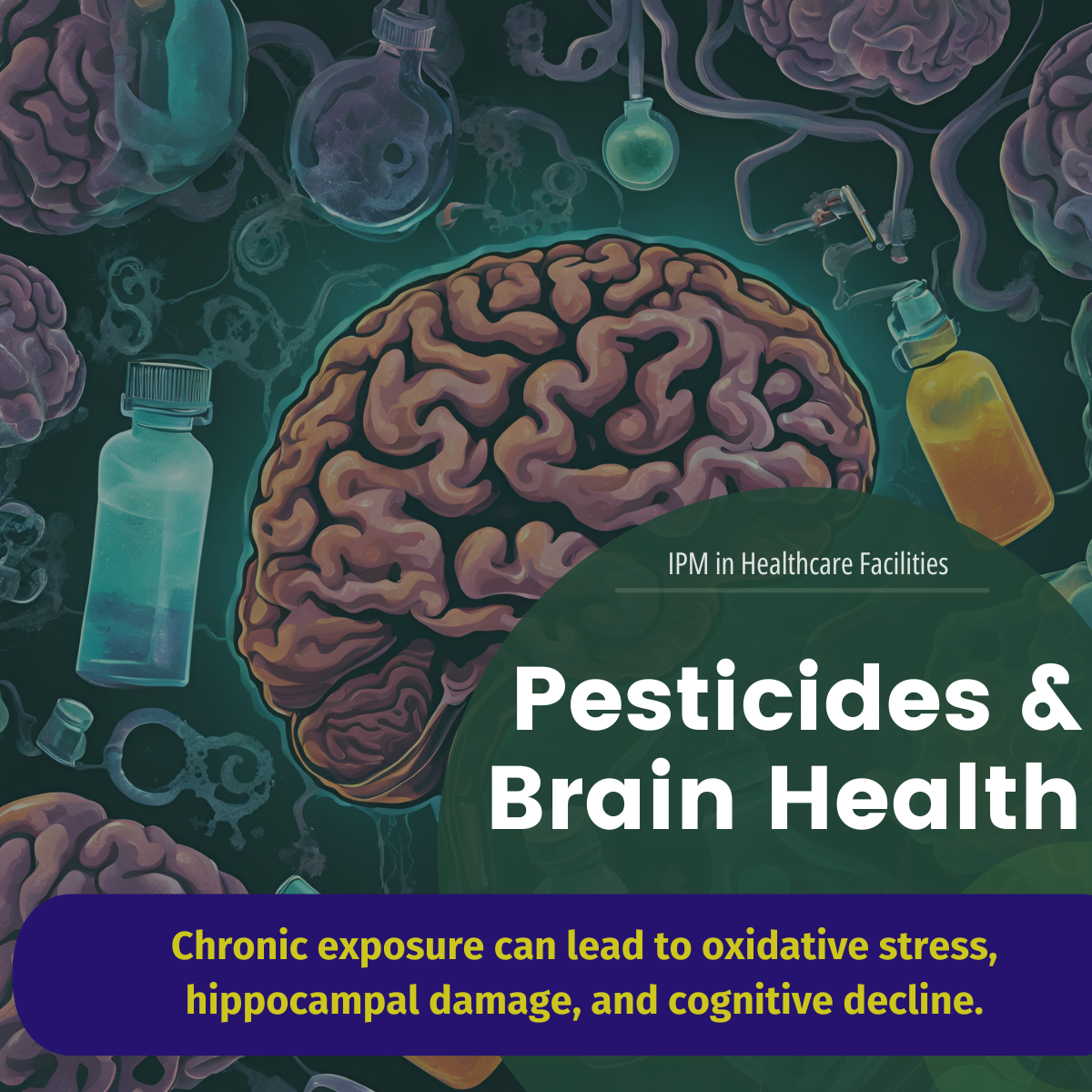
With September’s World Alzheimer’s Month behind us and Alzheimer's Disease Awareness Month just around the corner in November, we’re spotlighting the link between pesticide exposure and neurological disorders. This is a reminder of how reducing pesticide use in healthcare environments can support long-term health and well-being for patients and staff.
We’re also tackling a common problem in facilities: the overuse of DIY insecticides like Raid. While these products might seem like an easy solution, research shows they are often ineffective and introduce unnecessary risks to staff and patients. Switching to prioritized IPM ensures safer, more effective pest control that aligns with your facility's health goals.
Remember, at the first sign of a pest problem, go to our many fact sheets, sample policies, guidance, articles, and video library to learn about the non-toxic options your facility vendor or in-house pest management can use to stop infestation while protecting patient and staff health. The Project's IPM Toolkit is available online. Contact Sean at sean@mdpestnet.org or call 301-664-4374 for additional support.
| |
– Sean Lynch
IPM in Health Care Facilities Project Director
| |
Preventing Harm: Why Healthcare Facilities Must Shift to Prioritized IPM for Neurological Health | |
|
The study of pesticide exposure and the risk of acquiring neurological disorders, particularly Alzheimer's disease (AD), has developed substantially over the years. As we reflect on the recent conclusion of World Alzheimer’s Month in September and prepare for Alzheimer’s Disease Awareness Month in November, we feel compelled to highlight how traditional pesticide use, particularly in situations where human health is of the highest importance, harms the very people you intend to help.
According to studies, exposure to some pesticides increases the risk of neurological disorders such as Alzheimer's. These substances may cause brain damage by inducing oxidative stress, encouraging the buildup of toxic proteins, and altering normal cellular activities in the brain. To ensure patients' long-term health, healthcare practitioners should prioritize decreasing pesticide exposure.
Implementing a prioritized Integrated Pest Management (IPM) program is the best approach. This approach reduces reliance on toxic pesticides, focusing instead on prevention, monitoring, and the use of safer alternatives. By using sustainable pest control techniques, we can promote patient wellbeing and help find long-term solutions for public health issues.
| |
Choosing Pesticide-Free Disinfectants for Healthier Facilities | | |
|  |
|
Dr. Ana Rule, PhD, Assistant Professor at Johns Hopkins Bloomberg School of Public Health, in a must-watch video. Dr. Rule breaks down the often-overlooked risks of harmful pesticide-registered disinfectants (yes, some disinfectants are pesticides) used in healthcare settings and
highlights practical, safer, pesticide-free alternatives. Learn how simple changes—like shifting to soap, water, and safer disinfectants—can better protect your patients and staff while maintaining rigorous hygiene standards.
| | |
|
Check your disinfectants for risk level
Some regularly used disinfectants in facilities are actually registered pesticides that can deplete a patient’s immune system and harm respiratory function. Use the SaferDisinfectants.org website to see if what your facility uses is an “increased risk” or “safer” product.
Go to the SaferDisinfectants.org website's The List page and search your products by name, using your browser search keys, "Command + F" on Macs and "Control + F" on PCs. Type in the name to see if it has an increased risk or is a safer choice. View the Safer Choice list and sort by use site and need for better product choices.
Find effective safer products to replace the increased-risk ones
| |
Put Down the Raid: Cockroach Resistance Demands Smarter Solutions | |
|
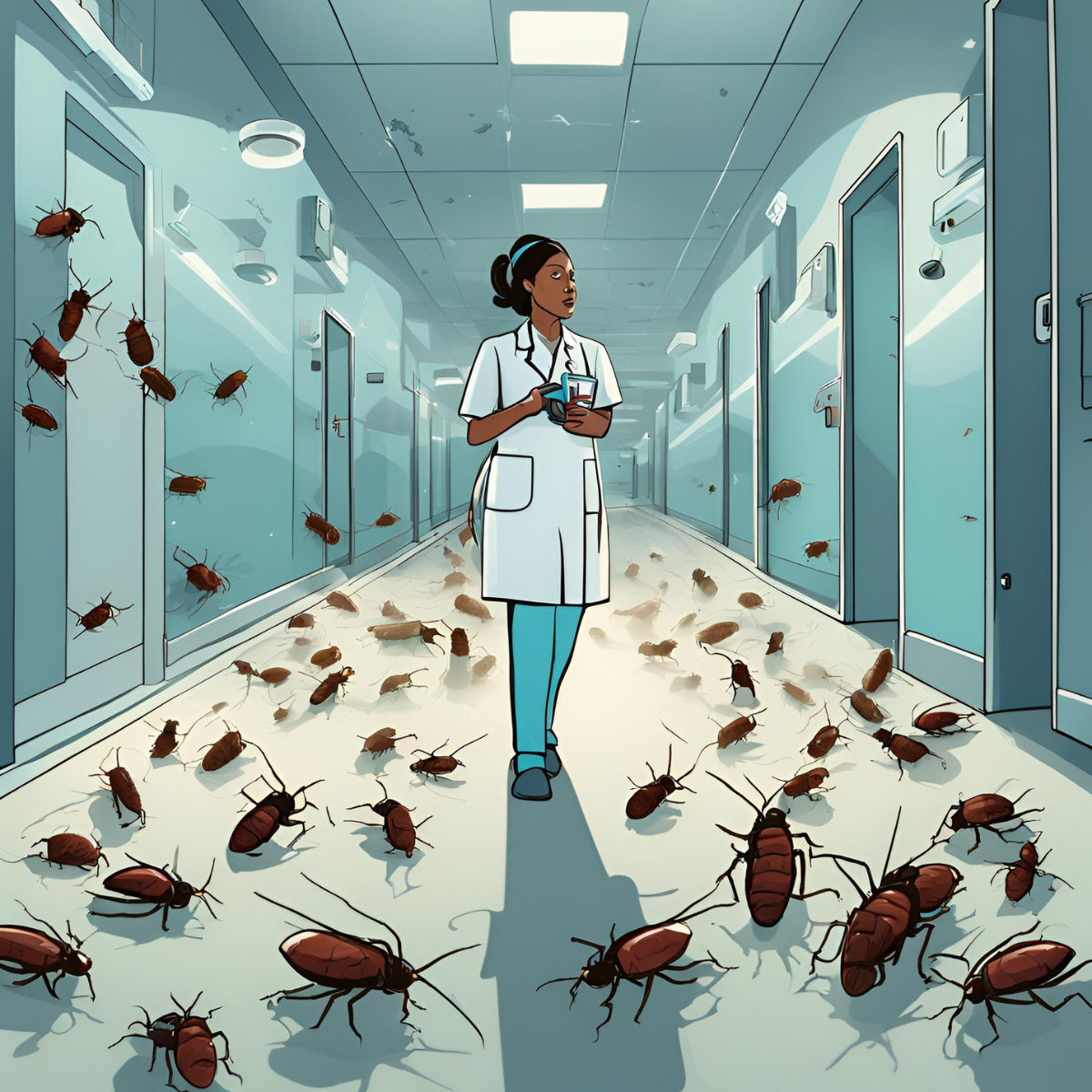
We want to bring your attention to a significant study that raises concerns about using common do-it-yourself (DIY) insecticide products for pest control, especially against cockroaches. This is particularly relevant for staff who might occasionally use insecticides on their own, such as Raid, when dealing with pest issues at work. On more than one occasion, we have discovered staff taking matters into their own hands to address pest issues and cans of residual insecticides like Raid in various stations or offices throughout facilities.
A recent study found that consumer-grade insecticides, particularly pyrethroid-based sprays, lack the efficacy needed to control cockroach populations. With continuous or limited exposure, cockroach populations, especially those resistant to pyrethroids, experience minimal to no control, creating ongoing health risks such as asthma exacerbation.
Using ineffective products also introduces unnecessary chemicals into the environment, posing exposure risks to both staff and patients. We encourage your facility and vendor to use a prioritized Integrated Pest Management (IPM) program, which offers a safer, more comprehensive, and sustainable approach to pest control. Additionally, we encourage you to educate staff against the use of DIY pesticides in your facility.
| | |
|
|
Joe Griffin had a 16-year tenure at Sheppard Pratt and 35+ years of Senior Level Facility Support Operations experience.
Choosing safe and effective pest management strategies and safer disinfectants demands careful consideration. It's hard to imagine a more sensitive issue for hospitals, especially since the thousands of hospitals in the US see about 32 million inpatients, 83 million outpatients, and over a hundred million emergency room patients each year.
| |
EVS Directors have their hands full, so we tend to rely on our contracted pest and land care vendors. That's why it's critical to remember:
Your vendors work for YOU and under YOUR guidelines to provide a safe facility environment, without adverse harm from pesticides.
| |
|
|
These seasonal tips will help your facility prepare for Winter:
- Ensure landscaping is cut back at least 6" near facilities to reduce pest harborage: Dense foliage near walls creates shelter for pests like rodents and insects, increasing the chance they will enter the facility.
- Repair or replace damaged seals around windows, vents, utility lines, and pipes to prevent pest entry
- Use safe, non-toxic ice melts and slip-prevention products during inclement weather: Some traditional de-icing salts and anti-slip treatments contain harmful chemicals that may be tracked indoors, posing risks to patients, staff, and visitors.
Implement "Wet Wednesdays"
Flushing drains with water once a week helps keep them clear and clean, preventing odors and stagnant water that can attract pests. This practice not only supports environmental safety but also ensures compliance with municipal regulations, preventing potential warnings, fines, or other penalties for illegal chemical discharge.
| |
|
The IPM in Health Care Facilities Project promotes safer pest and weed management best practices that are effective and protect the public and environment. Exposure to harmful pesticides can cause or exacerbate the very issues for which patients/residents are being treated. We are dedicated to keeping you updated on important news and research. We support your efforts to ensure a protected and toxic-free environment for your facility and those you serve —
and ALL our IPM in Health Care Facilities Project services are FREE.
| | | | |