School is out for the summer and it's time for vacations to begin. Whether you're heading to the beach, visiting relatives, or embarking on an international adventure, nothing can spoil your holiday faster than being scammed out of your money. We've said it before, and we'll say it again: scammers never take a vacation. This month, we are providing information on vacation scams and sharing tips to help you to stay safe as you enjoy your time off.

Beth


Vacation Preparations 


There probably aren't more thieves in Europe than in the US, we just notice them more because they target tourists. The best advice is to research and find ways to limit your potential for being scammed by being prepared.

Before you leave, take steps to minimize your potential loss in case of theft.


  • Make copies of important documents such as your passport or medical records and medications. You can also take a photograph to have an electronic copy of your passport. Leave a copy of your passport at home in a visible location or with a relative or friend.
  • During your travels, keep the passport copies separate from the original. Once you have arrived at your destination, keep your actual passport in the hotel safe and carry the copy in a money belt. Keep your money belt under your shirt, not in plain sight. 
  • Consider getting theft insurance but remember to read the fine print. Know what the travel insurance policy will and won’t cover.
  • Minimize temptation. Leave your fancy bling at home. Anything luxurious like jewelry or fancy luggage lures thieves. The thief will always choose the most impressive suitcase in the pile.
  • Make sure you've got a "find my phone"- type of app, back up your data, and enable password protection. While traveling, use the Wi-Fi at your hotel to back up your phone and its photos each night. If you don't know how to sync your stuff to the cloud, learn before your trip.
  • Enable two-factor authentication (2FA) on as many apps as possible. 2FA adds an additional layer of security to your online accounts.


If you are planning on international driving, check out these tips from the Federal Trade Commission about international driver’s permit scams.   

Vacation &

Booking.com Scams


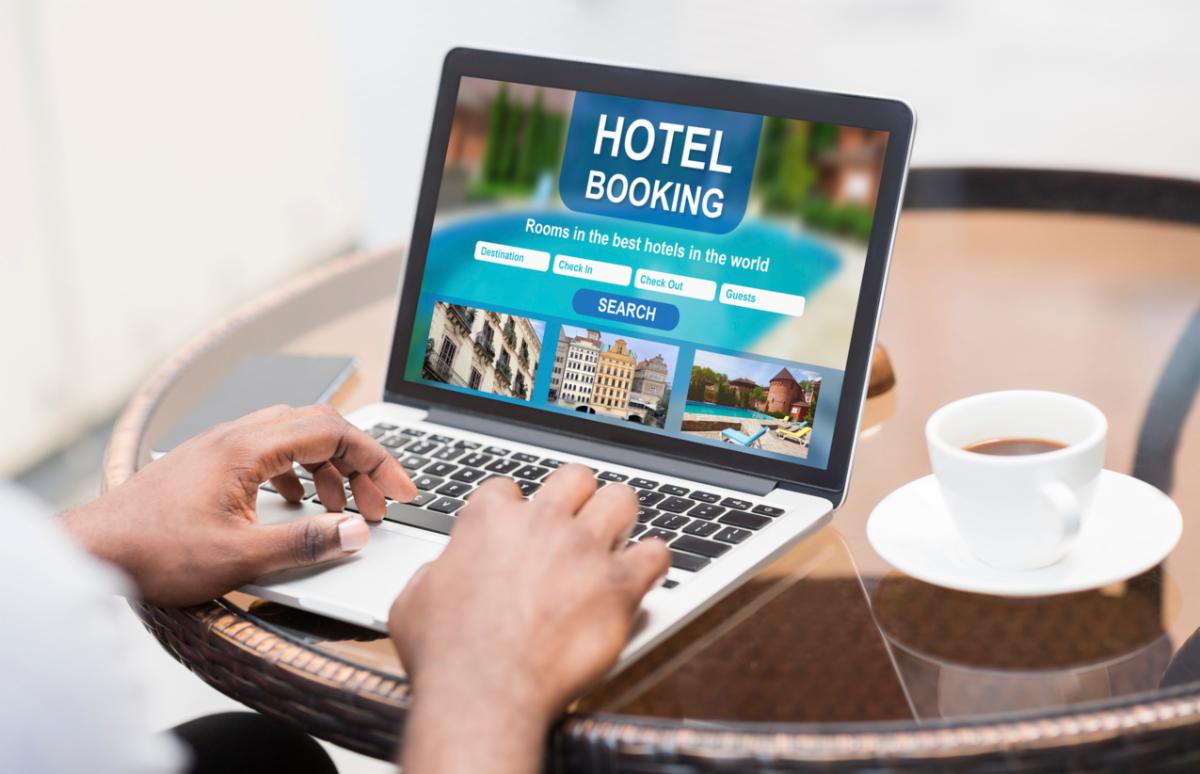
There are numerous reports about a scam surrounding the popular Booking.com hotel reservation app and website. Many travelers use this popular and reputable app to make hotel reservations. The scam happens when a customer receives a confirmation or a warning email from the hotel claiming that a deposit or payment is past due and, if the customer fails to follow the instructions within the email to pay what is due immediately, the reservation will be cancelled.

The email shows up as a completely normal looking message within the booking.com app and appears to be sent directly from the hotel property. If the traveler follows the email instructions, they will be out money along with personal information such as banking and credit card numbers. 

If your username and password are compromised, Booking.com will send a unique verification code to your mobile device that must be submitted before granting access to your account.

Independently verify any email with a link or attachment that requests sign-in, or personal or financial information; do not click on the links or address within the suspected email.

Booking.com staff will never request consumers’ account password or financial information. such as a credit card number, over the phone.

Savvy travelers know that, even if an email looks legitimate, it is important to locate the hotel’s phone number via the hotel website itself, do not rely on contact details supplied in the email or text.

Vacation Rental Scams

If you are planning on staying in a hotel or Airbnb, make sure to research and read reviews about the site and the host before you book. Many consumers look for ways around paying full price for an Airbandb, which sometimes works out fine, but, at other times, as we always say, if something sounds too good to be true, it probably is. Click here for safety tips from Airbnb.


General advice on avoiding vacation rental scams can be found here. 

ATM Scams

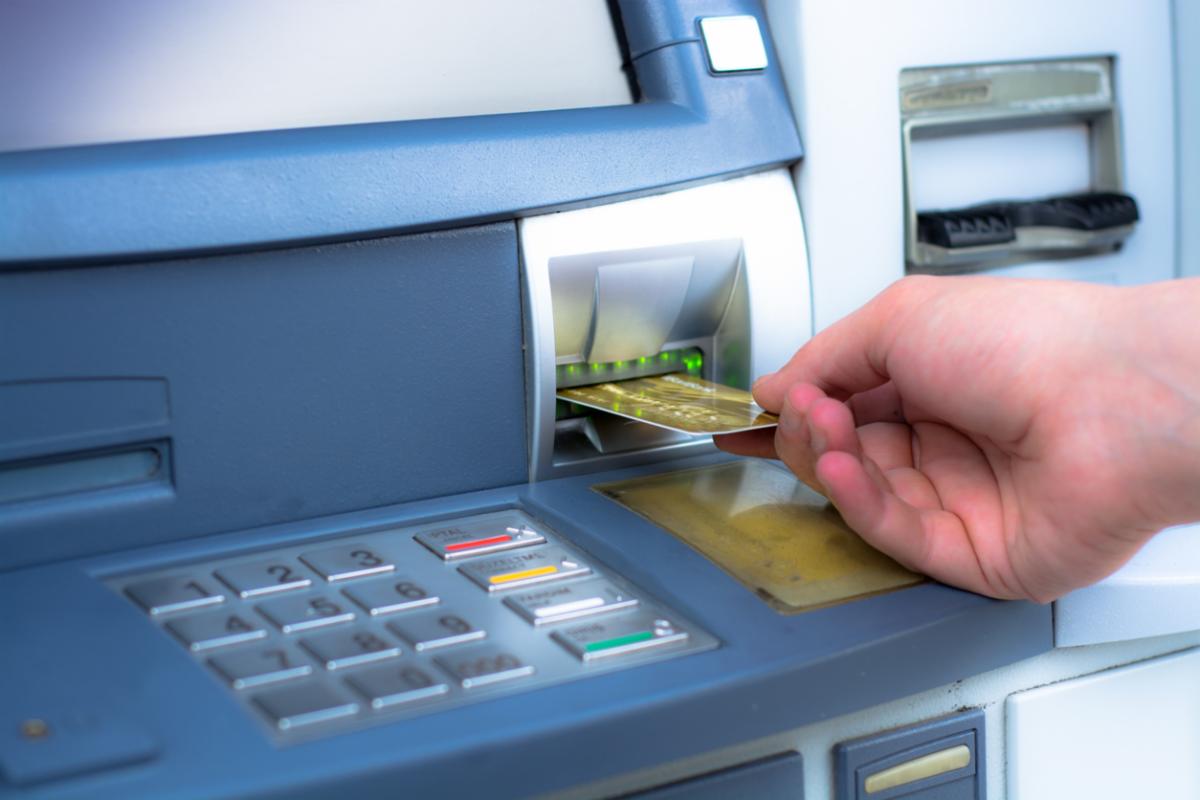
There are a couple of ATM scams that are currently happening, not just to vacationers but around the country.

Skimmer - The most common scam. The perpetrator uses a fake card reader that captures the data from the magnetic strip of the card. Sometimes the card reader is installed right on top of the ATM’s card slot. Make sure the reader doesn’t look like it has damage or that the key pad seems off or uneven.

Cash Trapping: A false cash dispenser is placed under the real one. When the cardholder leaves to notify the bank that they didn’t receive their money, the thief removes the trap and takes the cash. 

ATM Tap Function – The thief puts glue where the card is usually inserted. A “friendly and helpful” stranger who happens to be standing near the ATM suggests you use the tap/chip function. The issue is that, when using the tap function, the transaction stays open for a short time unless the user proactively logs out. If you do not terminate the transaction, the thief can click “another transaction” and withdraw your cash. 


Watch how the scam works here.  


Do you suspect you've been scammed or exploited?

Report it to us by calling our Fraud Hotline.


Contact

The Denver DA's

FRAUD HOTLINE

720.913.9179

Denver District Attorney's Office | 303-913-9000 | 201 W. Colfax Ave. | DenverDA.org
Facebook  X  LinkedIn