|
Along the Kinni’s winding shore, where silver waters run,
The March mist lifts soft and slow to greet the rising sun.
If you take the time to wander, to exhale and simply be,
You’ll find that luck is everywhere, for those who choose to see.
You may not find a four-leafed clover; there’s no need to fret.
There are many lucky things to see, you just haven’t found them yet…
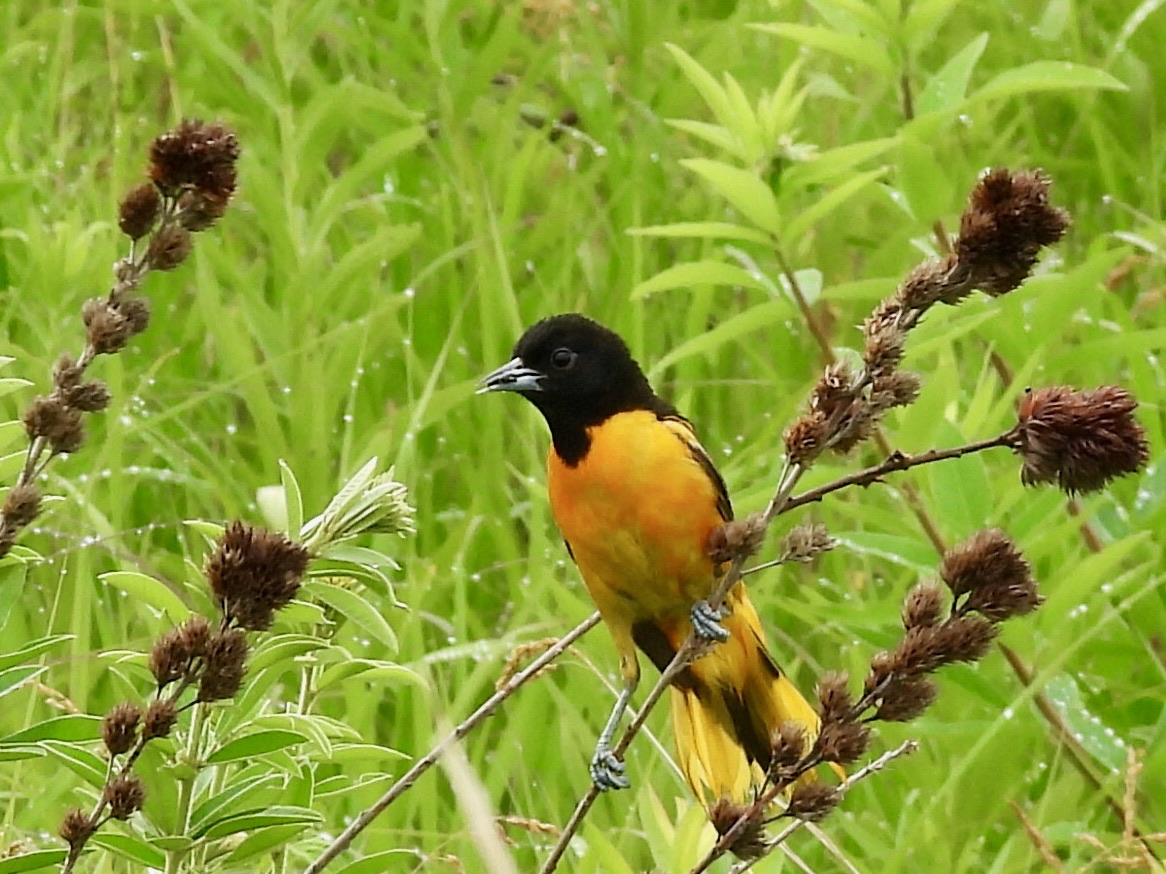
A cardinal’s bright and fiery flare against the muted white,
Fresh rabbit tracks that stitch the snow in morning’s glowing light.
The river murmurs under ice, a secret song below,
While chickadees flit branch to branch on trees once piled with snow.
So slow your steps along our trails, let busy worries fall,
For on the Kinni’s quiet banks, good fortune waits for all.
-Jane Taylor
| | |
Please Consider Making A Donation Today!
Your support provides critical financial resources to help continue KRLT's mission of protecting the beauty and health of the Kinnickinnic River and its watershed.
| | |
Preserve Management – We have completed clearing dead box elder along the Kelly Creek Trail System. Now is the time to burn the brush piles.
If interested in volunteering, contact Molly at: molly@kinniriver.org. She will then get you on the volunteer list.
Watershed Management -
What do we mean when we talk about Coldwater Streams? Or Coldwater Species such as trout?
Groundwater in Wisconsin averages around 47 to 49 degrees Fahrenheit. Groundwater entering our trout streams keeps the stream water cold in the summer and warm in the winter. Coldwater species such as trout have specific requirements for survival of all life stages. Brook and Brown Trout spawn in the fall, mostly around November. The eggs deposited in the stream gravel must be incubated properly for hatching around March or April. If groundwater is weak or surface water runoff occurs during the incubation period, the eggs fail to hatch. The colder the stream temperature gets during winter, the poorer the hatch. The closer the stream temperature remains to the average groundwater temperature, the greater the hatch. Trout also have a summer temperature tolerance limit. Average summer water temperatures reaching 68 to 70 degrees or higher spell trouble for trout survival. The colder a trout stream is in the summer, the greater the survival.
The Kinnickinnic River watershed has an abundant supply of groundwater. Protecting the groundwater is a primary goal to keep the Kinni cold, clean, and forever. Encouraging infiltration and discouraging runoff are important tools to protect the Kinni. Improving soil health and use of best management practices on rural farmland, along with limiting impervious surfaces and installing infiltration basins in urban areas help promote groundwater recharge. Something as little as a backyard rain garden can help. Conservation easements are another way KRLT helps protect groundwater by encouraging waterways and highly erodible lands to be restored as buffer strips, prairies, wetlands, or woodland.
Please contact me if you are interested in more information about conservation easements.
| | Managing Your Rural Property to Protect the Kinni | | |
The Land Ethic - “When we see land as a community to which we belong, we may begin to use it with love and respect.”
Aldo Leopold, A Sand County Almanac
KRLT and WI Farmers Union led a Managing Your Rural Land to Protect the Kinni workshop in February. We opened with this quote to help us realize that the land is impacted by how we use it. Whether we build a house, till a field, install a well, or mow our lawn, we all have an impact on the land and the water that flows over the land and eventually into the Kinnickinnic River. The biggest impact you can make is to slow water down as it moves across your property. Soil and pollutants are picked up by fast moving water and carried to the river. Slow water drops those pollutants and will soak into the soil.
There are many ways you can do this at your home. The first thing to do is walk your property in the rain. Watch where the water flows across different parts of your property. From that understanding, you can begin to think about what might work on your property to slow the water. Plants and their roots are the best way to slow water and allow it to infiltrate into the soil. Leaves and stems help slow moving water; roots open up the soil and let the water infiltrate. A small, no-cost action you can do is redirect gutters away from driveways towards vegetated areas. This allows water from your roof to soak into the ground. You can improve this by replacing lawn with native prairie plants. Their deep roots create openings in the soil 8-10 feet deep. Feeling ambitious, consider converting larger areas into prairie. Each step you can do to slow rain water and snow melt will help protect the Kinni.
Aleisha Miller
KRLT, Watershed Coordinator
aleisha@kinniriver.org
| | |
KRLT Volunteer Opportunities
Information about the upcoming work parties will be posted the week of each date due to changing weather conditions.
If you are interested in volunteering for future events and are not yet on our communications list, please click here to add your email.
| |
Star Prairie Fish and Game
Landowner Open House
Monday, March 9, 5:30 - 7:30 pm
Star Prairie Fish & Game Landowner Wildlife Habitat Assistance Event.
Learn about programs available to assist you with your wildlife habitat goals AND offset the cost of putting that habitat in.
1099 County Road C
New Richmond, WI 54017
Please register at SPFG.org
| |
Land Rich, Cash Poor - My Family's Hope and the untold History of the Disappearing American Farmer
Landowner Open House
March 11, 5:00 pm
A discussion with the author, Brian Reisinger, about the book. An award-winning hidden history of an economic and cultural crisis that is threatening our very food supply - the disappearance of the American farmer. Click here for more information!
UW-River Falls University Center, Kinni Theater
501 Wild Rose Ave
River Falls, WI, 54022
| |
Birds and the Urban Landscape
March 12, 10:30 am - 12:00 pm
Presentation: "Birds and the Urban Landscape"
Dr. K. Sami Nichols, UWRF Biology & Ornithology
UW-River Falls North Hall Auditorium
410 S 3rd St
River Falls, WI 54022
| |
KRLT Presents
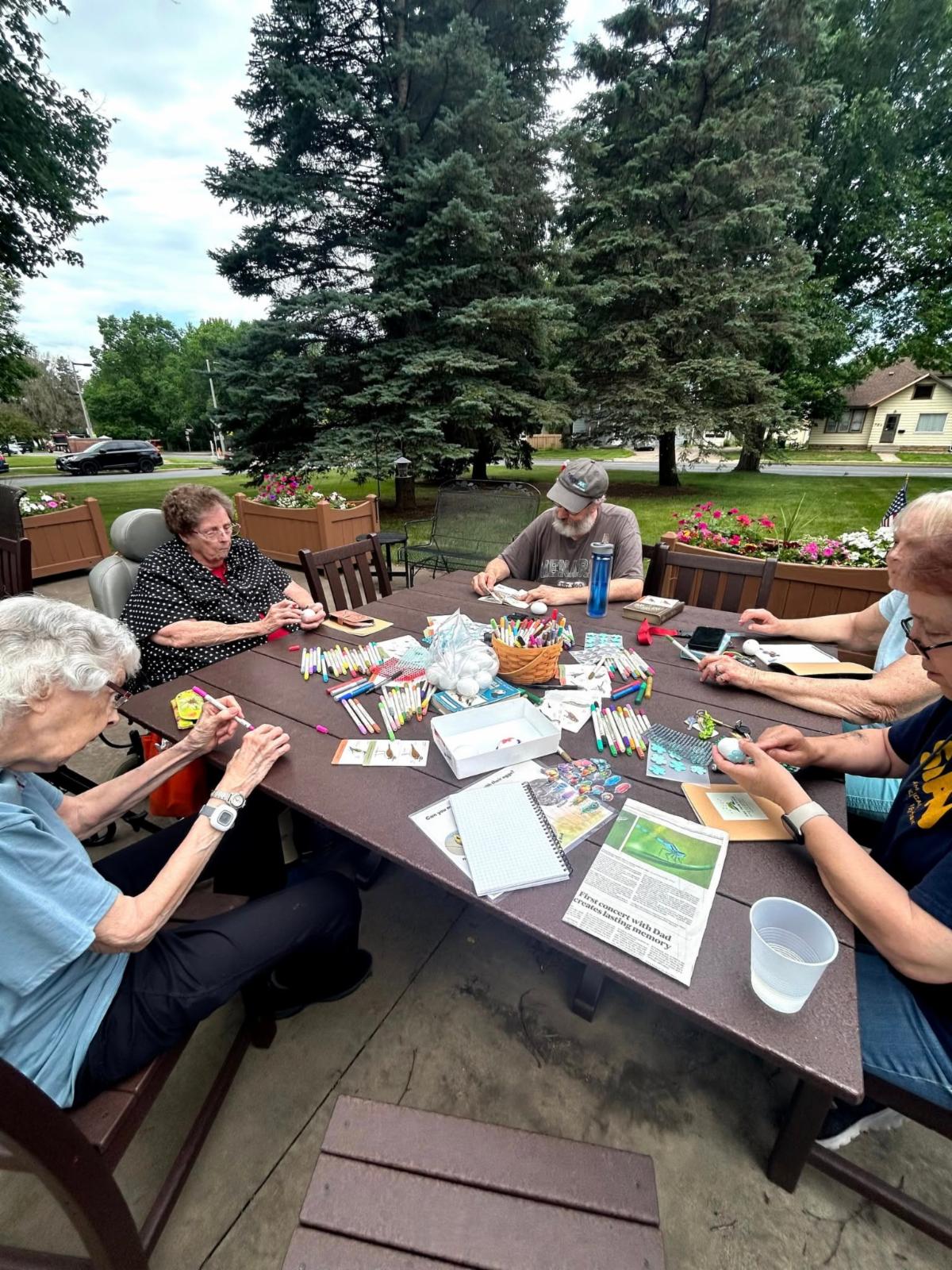
Golden Years Nature Club
A club for aging adults 60+ interested in learning more about nature through hands-on nature programming! These programs are free and, and materials will be provided. No registration is required.
|
Dates:
March 9th: Nature Show N' Tell
March 16th: Make a Seed Bomb!
Time: 10 am-11 am
Location: First National Bank, Meeting Room - 104 E Locust St, River Falls, WI 54022
Questions? Please contact Jane Taylor at jane@kinniriver.org or by calling 715-425-5738
| | |
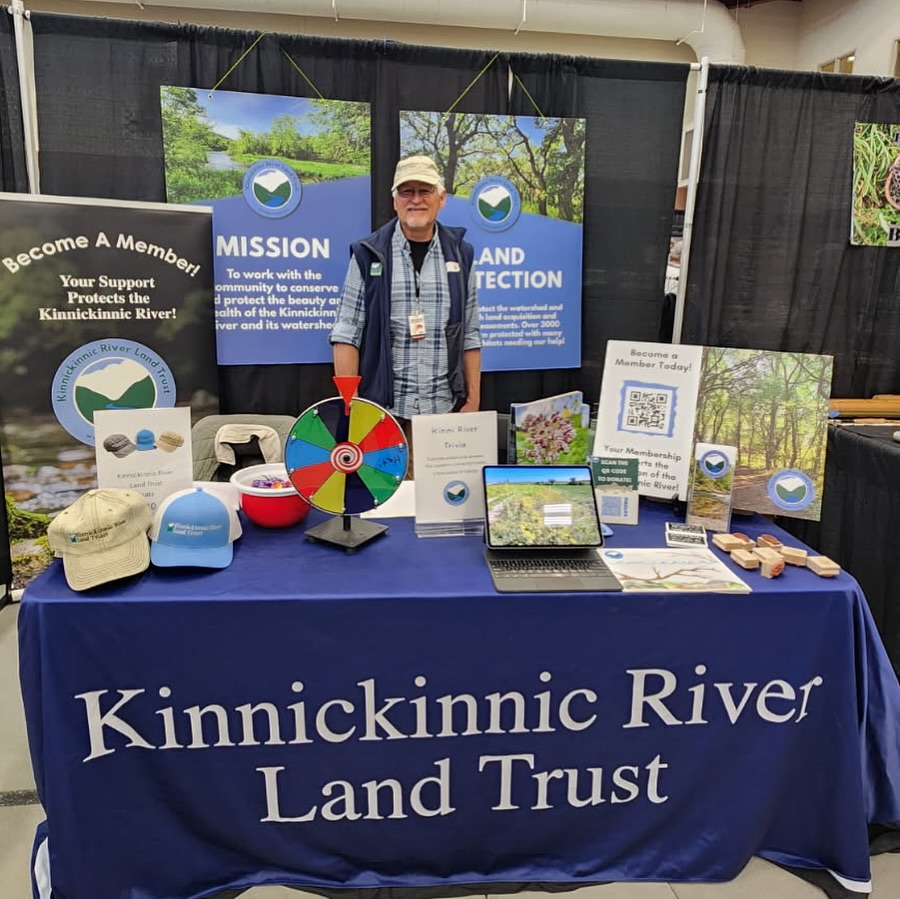
Great Waters Fly Fishing Expo
March 13-15
KRLT will be at this year's fly fishing expo at Hamline University in St. Paul! Tickets for the event can be purchased by clicking here. There will be demonstrations, programs, gear, and much more! Don't forget to stop by our booth and say hi!
| | |
St. Croix Valley - Wisconsin Master Naturalist
The Wisconsin Master Naturalist program supports a network of well-informed volunteers and instructors dedicated to conservation service, leadership, and lifelong learning. Through expert-led trainings out in nature and in the classroom, Master Naturalists are equipped to address environmental challenges facing the state. Make a positive impact through stewardship, citizen science, and educational activities. Aleisha Miller is helping with a local training that meets one Saturday a month, March-August. Registration opens January 12. The link has specific information. Click here to register.
INSTRUCTOR: Jen Vieth, Aleisha Miller, Ash Goldbeck
DATE: Sa - March 21, April 18, May 16, June 20, July 18, Aug 15
TIME: 8:30 am – 4:30 pm
PLACE: Locations across the St. Croix River Valley
CLASS FEE: $300
| | |
Mark your calendars for Nature Fest 2026 on Saturday, October 3rd!
Stay tuned for sponsorship options, volunteer opportunities, activities, and much more!
| | |
Thirty five years ago, I moved to River Falls along with my husband and two children. Our family and extended family always loved the Kinni and our property, which is in the watershed of the South Fork, is now part of KRLT's network of conservation easements. Collectively, we all share the opportunity and responsibility to help improve and protect the Kinni. To that end, I joined the KRLT board two years ago as one way to help in those efforts. My professional background started with a degree in Environmental Studies. During college, I worked for the Kansas Geological Survey on a project addressing contamination of the Arkansas River. After graduation I held various other natural resources related positions, until I graduated from law school. I worked as an international lawyer for 3M and in private practice with a strong focus on internal corporate governance issues. I bring that broad experience to my role on the KRLT Board.
In addition to KRLT's continued focus on developing conservation easements, monitoring compliance with those easements, and ongoing development and maintenance of our properties, I am especially excited about our outreach and educational programs which include regular watershed tours, our now-annual Nature Fest, and programs targeting specific demographic groups. These programs include the Golden Years Nature Club which brings Seniors to nature and nature to Seniors, Rooted Together with its focus on working with special education high school students, and Kinni Explorers which help the youngest among us begin to appreciate all the joys the natural world has to offer.
I find being part of the KRLT team and having the opportunity to see first hand all the amazing work this organization is doing is both special and rewarding. KRLT continues to fulfill its mission and it is our members, donors, volunteers, and excellent staff that make it all possible. A big thank you to each and everyone of you.
Peggy Kubicz Hall
KRLT Board Vice President
| | |
I recently celebrated my seventh anniversary with KRLT, and it has been a wonderful opportunity to reflect on the projects, events, and community members I have had the privilege to get to know over the years. I am very grateful to have been part of KRLT during this time. We are reaching new audiences, enhancing our storytelling, and increasing our impact on the Kinni watershed.
One thing that has always inspired me is the love and passion people have for this river and the remarkable ecosystems that surround it. Hearing stories from others about their childhoods spent playing in the tributaries, cherishing unforgettable moments in nature, and taking someone to the river for the first time are among the most inspiring experiences. These moments fuel my passion for protecting the Kinni.
When you become a member, you help safeguard these natural spaces. Conserving the Kinnickinnic watershed ensures that these incredible environments, along with their diverse flora and fauna, will be preserved for generations to come.
Spring is a great time to renew your membership or become a member! It can also be a great time to consider including KRLT in your estate planning. If you have questions about these topics or about other ways to support, please feel free to contact me.
| |
Kinnickinnic River Land Trust
Business Members
| | The Kinnickinnic River Land Trust is a 501 (c) (3) nonprofit organization that works with the community to conserve and protect the beauty and health of the Kinnickinnic River and its watershed. | | | | |