Poverty and homelessness are hard on both men and women,
but women’s experiences are uniquely difficult.
Women, especially women of color, were hardest hit by the pandemic’s economic effects. C. Nicole Mason, President/CEO of the Institute for Womens Policy Research, described the pandemic as a “shecession” that disproportionately affected women (in cheeky contrast to 2008’s “mancession” that more largely affected men). Longstanding workplace segregation has relegated women to the caregiving and service sectors, which were most affected by pandemic closures. Women lost jobs at a higher rate, and these jobs, even while lower paying, represented a lifeline for many low-income households, especially those with children. In 2019, 4 out of 10 working mothers were the main (or only) sources of income for their households, with higher proportions among Black (84.4 percent) and Latinx (62.4 percent) working mothers. While employment is not the only factor behind housing stability, job losses often send lower-income female headed households spiraling into homelessness.

Women experiencing homelessness have often survived trauma.
Research shows that women experiencing homelessness are more likely to report major depressive disorders, domestic violence and sexual assault survivorship, and Post Traumatic Stress Disorder than their male counterparts. The National Online Resource Network on Violence Against Women describes how, “levels of victimization that women endure before, during, and after episodes of homelessness remain enormously high, often occurring in multiple settings at the hands of multiple perpetrators,” including the startling fact that 92 percent of homeless mothers have been physically and/or sexually assaulted during their lives (emphasis added).

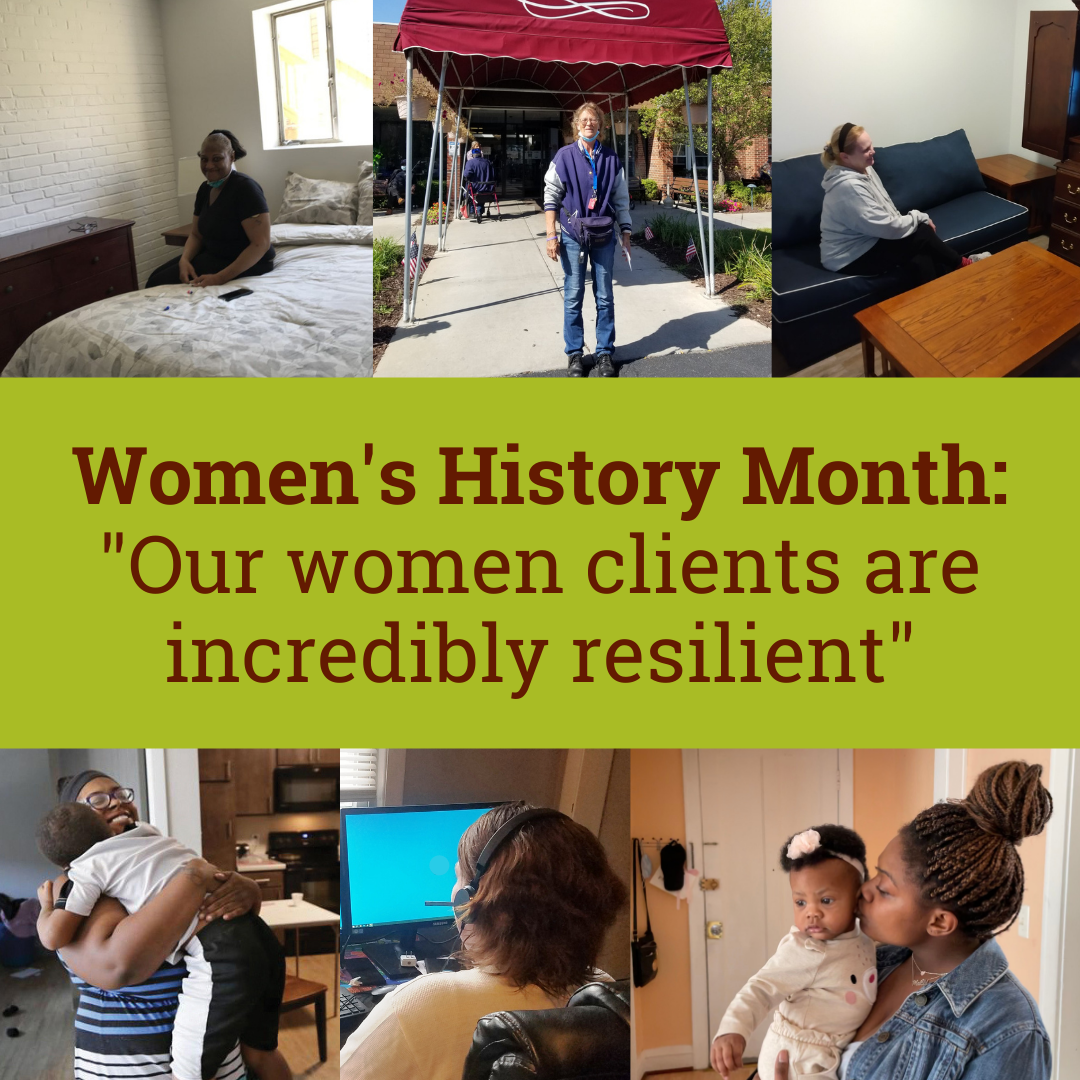
Despite everything, our women clients are incredibly resilient
And we provide trauma-informed, wraparound care to help them regain housing and recover from homelessness. Read the full blog post HERE.

You can support our work here.

Statistics on women and homelessness

Research published in the Community Mental Health Journal found that women and families represent the fastest growing groups of the homeless population in the U.S. At BEDS, 56% of the clients we serve are women. We help more than 280 female-headed households with children through our Family Transitional Housing program. Domestic violence is a major factor contributing to homelessness among women. BEDS also helps our female clients with case management, employment, food rescue and basic needs.
Road to Independence

Head to Milk Money Brewing in downtown La Grange throughout the month of March and order a draft Mulligan’s Irish Red Ale this month. $1 from each purchase of the beer will go to BEDS Plus! The promotion is part of the Road to Independence event being held this month in partnership with Milk Money Brewing, Mike McNamara of ProperRate and @properties/Christie's in honor of Women's History Month to raise awareness and funds to assist homeless women fleeing domestic violence. Learn more here.