|
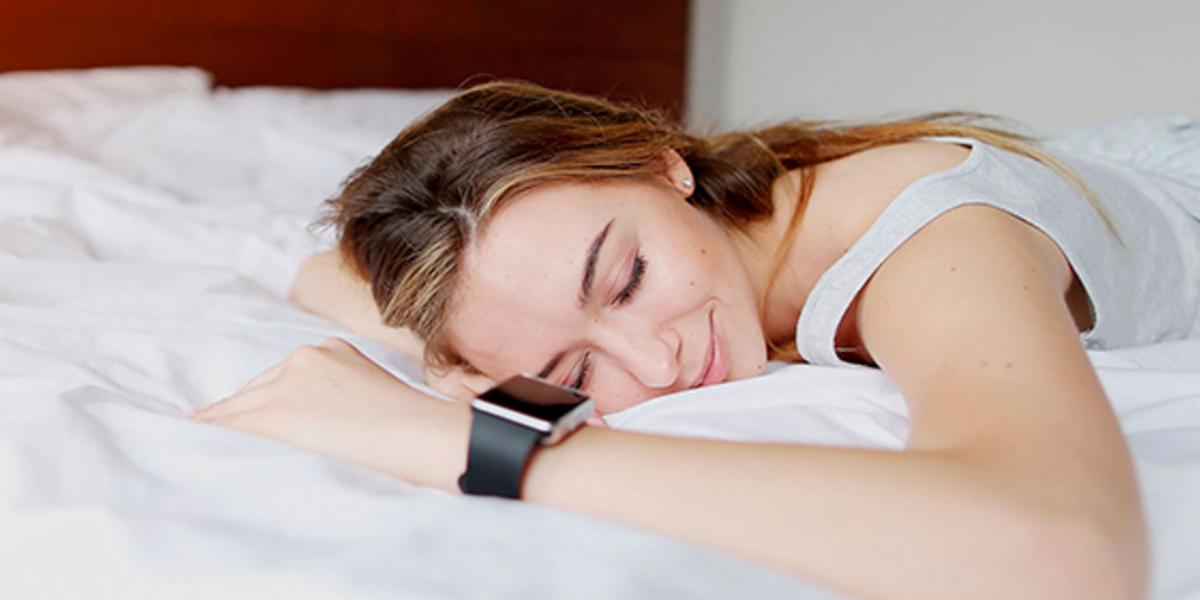
Activity trackers are all the rage, and millions of wrists now sport devices that monitor everything from your heart rate and oxygen consumption to the number of steps you take each day.
Among their many functions, activity trackers can also shine a light on your biggest source of inactivity: sleep. But do they actually work? Read on to learn what sleep tracking devices can tell you (and what they can’t.)
What do sleep trackers monitor?
A wide variety of sleep trackers have hit the market, with more being released all the time. Many are wearable trackers that you can strap to your wrist. Others clip on your pillow or sit on your bedside table.
Features of these devices vary, but some common capabilities include:
- Sleep duration: By tracking the time you’re inactive, the devices can record when you fall asleep at night and when you stir in the morning.
- Sleep quality: Trackers can detect interrupted sleep, letting you know when you’re tossing and turning or waking during the night.
- Sleep phases: Some tracking systems track the phases of your sleep and time your alarm to go off during a period when you’re sleeping less deeply. In theory, that makes it easier for you to rouse.
- Environmental factors: Some devices record environmental factors like the amount of light or temperature in your bedroom.
- Lifestyle factors: Some trackers prompt you to enter information about activities that can affect sleep, such as how much caffeine you’ve had, when you’ve eaten or whether your stress level is high.
Recognizing sleep patterns
While sleep trackers can collect a lot of information about your slumber habits, there’s one important thing they generally don’t do, says Alan Schwartz, M.D., director of the Sleep Disorders Center at Johns Hopkins Bayview Medical Center: “They don’t measure sleep directly,” he says.
Instead, they often measure inactivity as a surrogate for estimating sleep, he explains. “Most sleep-tracking devices make some guesstimate as to how much you’re actually sleeping.”
For exact data about your sleep habits, you’d have to do a medical sleep study, which monitors brain waves to analyze the stages of sleep you cycle through during the night. Such studies are helpful for diagnosing conditions like sleep apnea and other sleep disorders.
Still, tracking devices can definitely be useful for helping you recognize patterns in your sleep habits, Schwartz says. Do you feel sluggish when you sleep from 10 p.m. to 6 a.m. but energetic if you shift your shuteye from 11 p.m. to 7 a.m.? Do you sleep better when your bedroom is cooler or on days you exercise? Is your sleep disrupted if you have caffeine after lunchtime?
“The tracker will give you something to reflect on,” says Schwartz – often with user-friendly graphs or reports that make it easy to spot trends.
If you have any concerns about the quality of your sleep, it’s a good idea to talk to a doctor. If you’re an otherwise healthy person who just wants to gain some insight into your sleep routine, tracking devices might be a good option. “Just take the numbers with a grain of salt,” Schwartz says.
|