|
Circle time is known for its unique challenges. Asking a group of preschoolers to keep their hands to themselves while listening to an educator, and then expecting them to answer questions based on what they learned? It can certainly be a daunting task. In an article in Teaching Young Children, educator Sarah Taylor Vanover writes about her realization that it is very difficult to make circle time beneficial for every child. She opted to adapt circle time to meet the needs of the children in her classes.
Vanover suggests activities that can be completed in circle time quickly. She welcomed children to the classroom, as this activity established a classroom community. This can be done through a welcome song or an attendance graph. Circle time might also be a chance to introduce new materials in the classroom, in addition to giving directions on how to use them. It’s also an opportunity to review social rules, such as how to treat classmates.
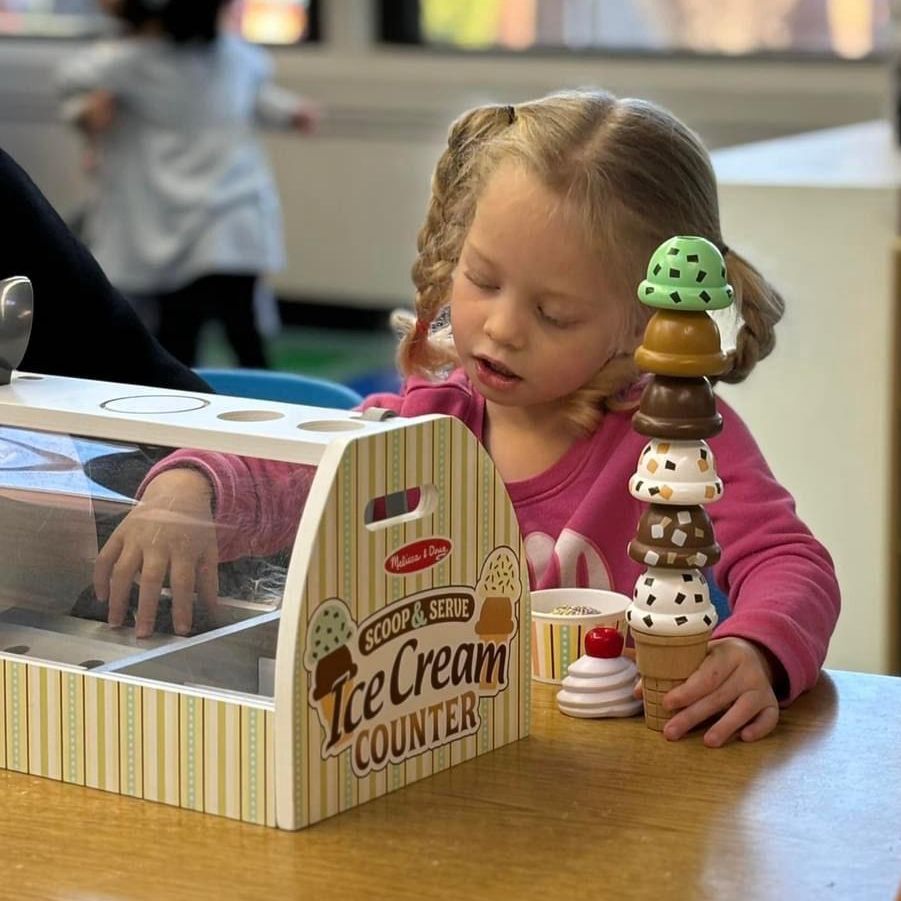
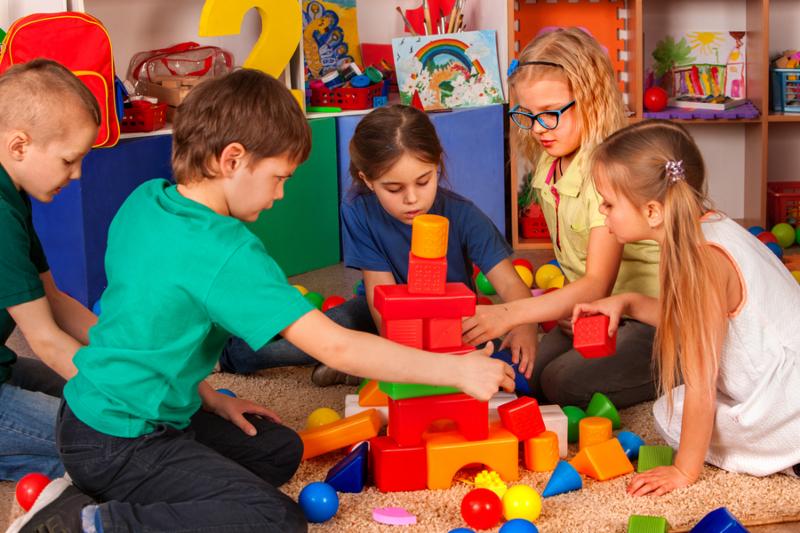
There are also a number of benefits to forgoing circle time and implementing a smaller-group model. Vanover found that they actually work better and “offer opportunities for deeper learning in the early childhood classroom.” In groups of two to four children, differentiated learning is more readily attainable. It allows educators to meet children where they are. Children will also be able to have open-ended conversations in which they ask many questions; educators can provide help in finding answers. Small groups also “allow [educators] to ask questions based on individual children’s imaginations and understandings,” says Vanover. Additionally, educators can implement child-led activities in which the work follows the children’s interests. One small group might have discussions about flowers and their functions, while another may discuss dinosaur fossils.
Small-group learning can often take a while to get off the ground successfully. Educators may want to meet with each group while the rest of the children are engaged in free-choice activities. Vanover recommends being very prepared before launching small groups, and making sure materials are ready so that children don’t have to wait for an adult's help. Educators should keep an eye on the rest of the class while working with groups, always showing children that they have classroom awareness. (It is important to be able to see and hear every child.) Communication with co-educators and assistant teachers about how the small groups will look and run is essential.
“If you try having a little less circle time and a little more small- group time, I think you’ll find more opportunities to connect with each child as an individual and more success in developing children’s knowledge and skills,” says Vanover.
|