This quarterly Chino Basin Program Bulletin is your source to learn more about an exciting partnership designed to increase local water supply reliability and regional resiliency.


Introduction

The CBP is a series of projects to improve water recycling and storage, enhance regional groundwater quality, and provide environmental benefits to the region and the state.


Stakeholder Update Meeting (June 12) 

IEUA is hosting the Chino Basin Program Stakeholder Update on Thursday,

June 12, from 3 – 5 pm. The meeting will be held at IEUA’s Events Center, located in Building B of our Headquarters at 6075 Kimball Avenue, Chino. 


We kindly ask that you please RSVP as we want to ensure we can accommodate all interested parties. Email Yvonne Taylor at ytaylor@ieua.org.

Coming Soon

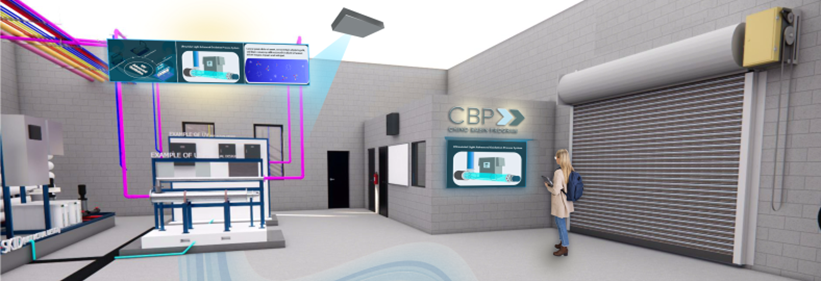
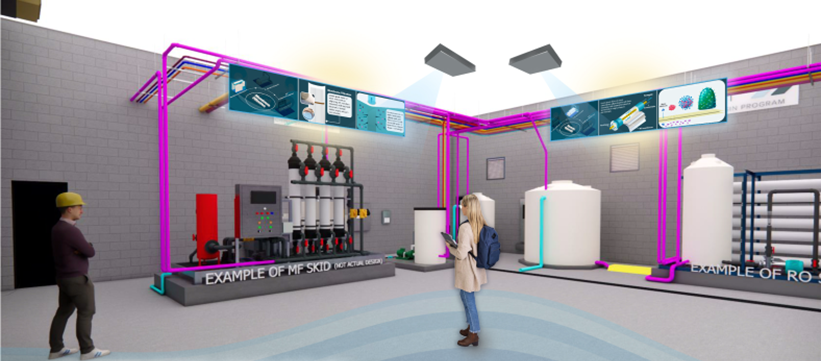
Advanced Water Purification Demonstration Facility


IEUA is committed to water sustainability with innovative plans to construct a state-of-the-art Advanced Water Purification Facility (AWPF) at Regional Water Recycling Plant No. 4 (RP-4). Before the full-scale project begins, IEUA will first build and operate a smaller-scale Demonstration Facility, designed to simulate and provide data to maximize performance of the future AWPF.


Slated to process approximately 90 gallons per minute, Demonstration Facility operations will improve planning and design of the main facility. Key goals of the project include:


  • Testing and refining high-recovery reverse osmosis (RO) processes under variable source water conditions.
  • Validating treatment processes.
  • Optimizing design parameters for equipment selection for the full-scale AWPF to ensure efficiency and sustainability.
  • Training plant operators in advanced treatment technologies.
  • Educating the community through tours and outreach events for the public, member agencies, and regulatory partners.


Construction is expected to begin in early 2026, with system start-up anticipated by the end of that year. IEUA looks forward to opening the demonstration facility in 2027! Stay tuned for more updates as the project progresses.


Digging Deep:

An Update on Three New Exploratory Borings

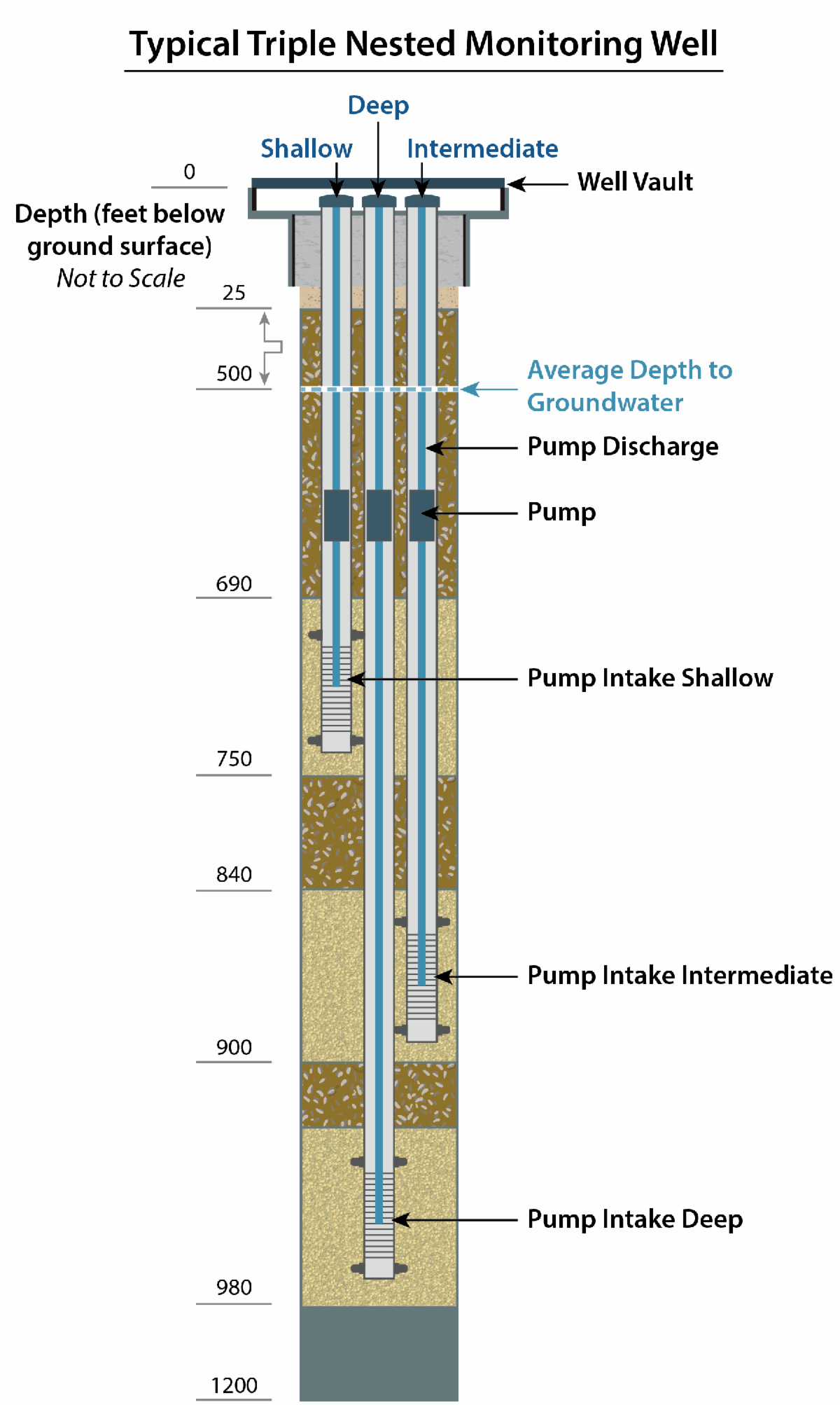
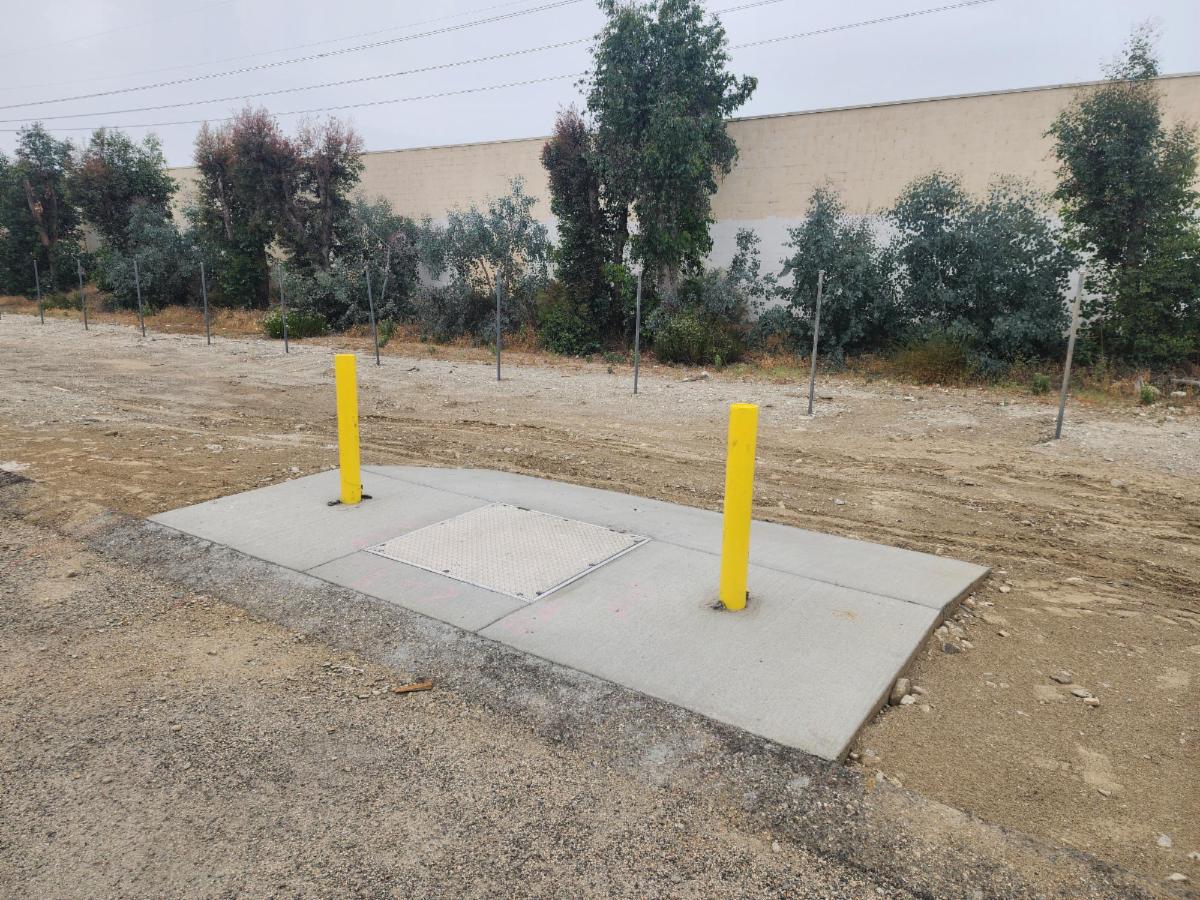
IEUA has successfully drilled three deep exploratory borings in the area planned for future CBP Aquifer Replenishment Wells. These borings were completed as nested monitoring wells (see diagram), which will allow IEUA to keep a close eye on groundwater conditions at multiple depths within the Chino Basin aquifer.

Why does this matter? The data collected gives us a much clearer picture of what’s happening underground—and the results are encouraging!


Early findings show that:

  • Subsurface conditions are well-suited for aquifer replenishment.
  • New information will directly support the detailed design of future replenishment wells.
  • Best of all, water replenishment goals may be achieved with fewer wells than originally anticipated—potentially saving time, resources, and costs.


This marks a big step forward in enhancing long-term water reliability for the region.

Welcome to the first in a series of facts to ensure that you have accurate information about the Chino Basin Program (CBP). The CBP is composed of a series of projects that will increase local supply reliability, support local control, and provide environmental and ecosystem benefits to the region and the state.


How does a local water supply project benefit a separate region hundreds of miles away? In the south, our communities benefit from more local water. In Northern California, the state benefits by keeping more State Water supplies for environmental and ecosystem benefits.


How does this all work? Essentially, the CBP partners, Cucamonga Valley Water District and Fontana Water Company, build up a savings account of stored recycled water so they are less reliant on imported water supplies. The good news is that the State, through the California Water Commission, has conditionally awarded the CBP a $215 million grant. This funding will be used by CBP partners to develop infrastructure that will allow them to meet the requirements of the grant; essentially they will roll off of imported water supplies when called upon by the State to "perform". This means that the CBP partners will pump up to 40,000 AF of local groundwater in lieu of taking 40,000 AF of imported water. This business decision gives them long term access to groundwater and recycled water supplies.


CVWD and FWC’s decision does not impact IEUA’s other customer agencies; those agencies will still be able to purchase imported water in “performance” years while CVWD and FWC’s customer’s needs are met by pumping stored supplies. Meanwhile, Northern California benefits by using the water that would have been sent to CVWD and FWC to release a pulse flow that will help with salmon migration.


No water is being exported to Northern California; in fact, the CBP creates new local water supplies, creates more local flexibility, and allows IEUA customer agencies greater access to existing supplies. Myth busted!

Stay tuned for the next edition of the Chino Basin Program Bulletin that will include a special feature demonstrating a simulation of the program!


Connect With Us

For additional program information, project updates, and opportunities to connect with our staff directly, visit our website at chinobasinprogram.org and follow us on social media.


Facebook  Instagram

@chinobasinprogram