|
Research on Critical Thinking and Volunteering. A strong body of research indicates that programs building cognitive and behavioral skills are among the most effective ways to support mental well‑being, leading to increased resilience, improved quality of life, and reductions in depression, anxiety, and stress. Large‑scale population studies and systematic reviews of youth volunteering add another layer of evidence: Community service gives young people a real‑world environment in which to practice decision‑making, problem‑solving, and emotional regulation.
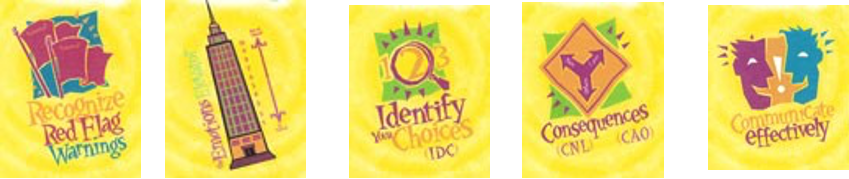
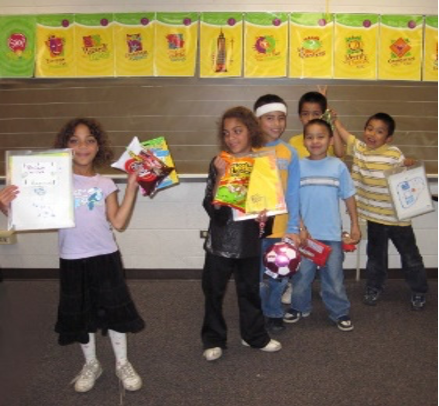
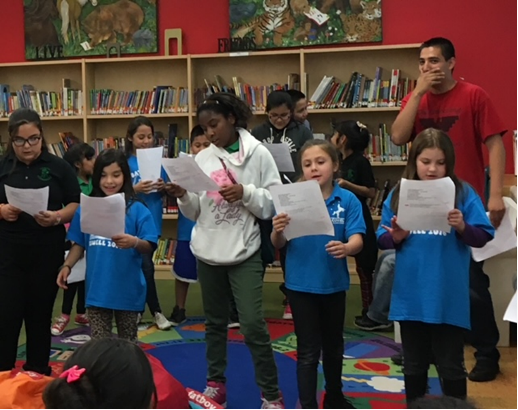
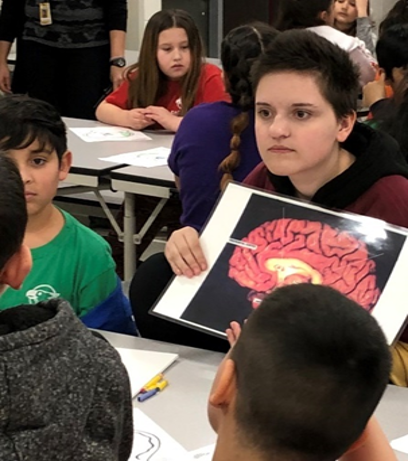
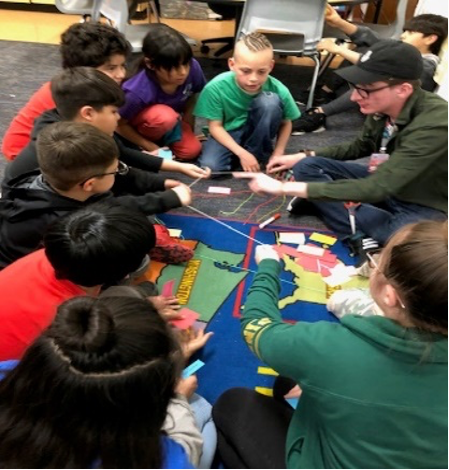
Learning BrainWise—and then reinforcing the 10 Wise Ways through service projects—creates a powerful bridge between theory and practice. Working alongside others invites perspective‑taking, empathy, and collaboration. Students reflect on their actions, evaluate outcomes, and see firsthand how their choices positively affect the people they serve. By applying the 10 Wise Ways outside the classroom, they generalize critical‑thinking skills to new settings, strengthening Wizard Brain pathways and making them more durable over time.
BrainWise Emphasizes Thinking About Others–Examples Illustrate How Taking Others’ Point of View (POV) Is Integrated Into the 10 Wise Ways.
A core theme of BrainWise is teaching children to use the Wise Ways not only for their own decision‑making but also to understand how their actions affect others. This emphasis on perspective‑taking runs throughout the program and comes together powerfully in Wise Way #10: Communicate Effectively.
The following Wise Ways explicitly teach students how to consider other people’s needs, feelings, and points of view as they make choices and solve problems. These thinking skills help children and youth understand that their actions affect others—and give them concrete tools for responding with empathy, awareness, and responsibility.
|