|
President's Message
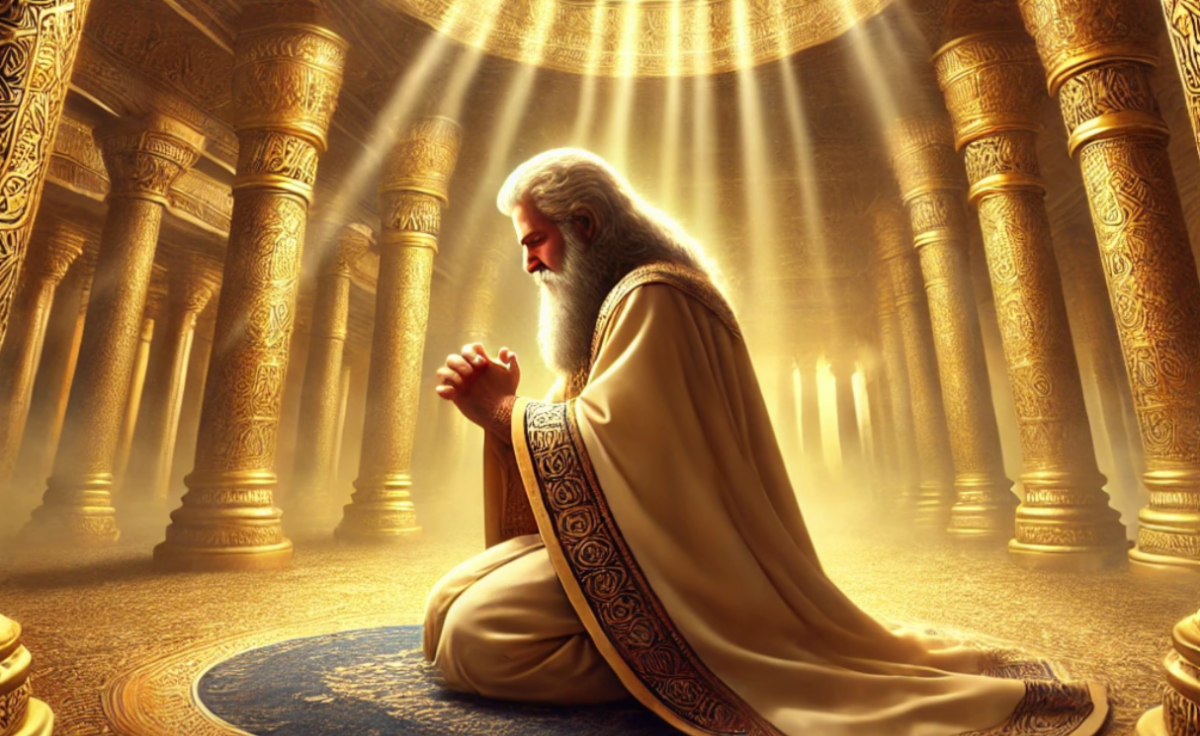
Reflecting on Solomon’s Prayer
“Who is able to govern this great people of yours? Give your servant a discerning heart to govern your people and to distinguish between right and wrong.” (1 Kings 3:9)
Though Solomon was not a perfect king, he is remembered as a wise leader who contributed greatly to the prosperity and stability of his nation. His remarkable achievements, accomplished despite human limitations, have secured his place in history as a complex yet truly great figure.
Through peaceful diplomacy, he expanded the boundaries of his kingdom and established stable relationships with neighboring nations. He also developed Israel into one of the wealthiest and most powerful nations of his time through trade and economic prosperity.
Among Solomon’s many accomplishments, the construction of the Temple in Jerusalem stands as the most significant. By building the Temple, he established the spiritual center of Jewish faith. This Temple became a lasting religious heritage symbolizing the identity and faith of the Jewish people.
Solomon’s era is also regarded as a golden age of literature, art, and philosophy, reflecting a time when Israel highly valued wisdom and culture. His name became widely known throughout the ancient Near East as a symbol of wisdom and learning.
His reign is considered the political, economic, and cultural high point in Israel’s history, and he remained an ideal model for many kings who followed. Although he had human weaknesses and shortcomings, Solomon’s achievements and influence hold an important place in Israel’s history and religious tradition.
The reason he was able to accomplish such extraordinary things and be remembered as a great figure can be traced back to his sincere prayer to God for the wisdom needed to faithfully fulfill his calling. Solomon’s prayer, which sought what was necessary for his role rather than personal desires, brought deep pleasure to God.
|