|
Dear Friend,
One of the ongoing challenges at Bolsa Chica is the garbage in the wetlands, especially after it rains. Read our new blog post about how and what we do about all the trash that gets washed into the wetlands. Looking for things to do? Our public events calendar is up for the whole year to make it easy to join a free tour or volunteering event. Finally, at the end of the month is the National Invasive Species Awareness Week. Learn about ways you can get involved and what the Bolsa Chica Stewards do about it.
Happy World Wetlands Day (Feb. 2nd; read last year's blog post about it), Valentine's Day (Feb. 14th), President's Day (Feb. 16th), Lunar New Year and the beginning of Ramadan (Feb. 17th)!
Until next time, see you on the trails.
| | |
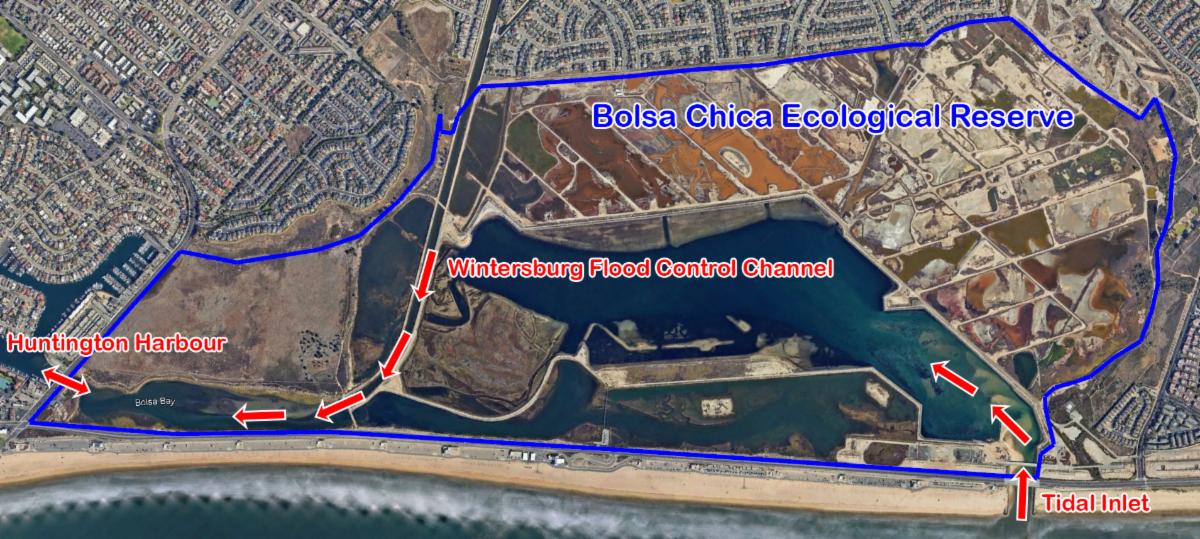
If you have visited Bolsa Chica over the past year, and especially after it rains, you may have seen a lot of garbage along the wetlands’ edges. Garbage comes into the Bolsa Chica Ecological Reserve from several different directions. The largest contributor is the Wintersburg flood control channel, which stretches from Anaheim through north Orange County, picking up trash and debris all along the way, to the Reserve and into Outer Bolsa Bay.
The garbage also comes in on the tides from the Pacific Ocean through Huntington Harbour and the Tidal Inlet. There are other ways trash gets into the wetlands too.The wind can blow garbage in from the beach, streets, etc. and people being litter bugs and leaving or dumping garbage from cars, on walks, etc. Once it's inside the wetland, then what?
Whereas the waters and wind bring garbage into the Reserve, getting it out takes people power. Learn more about what we do to address this problem in our latest blog post.
| 2026 Public Events Calendar | |
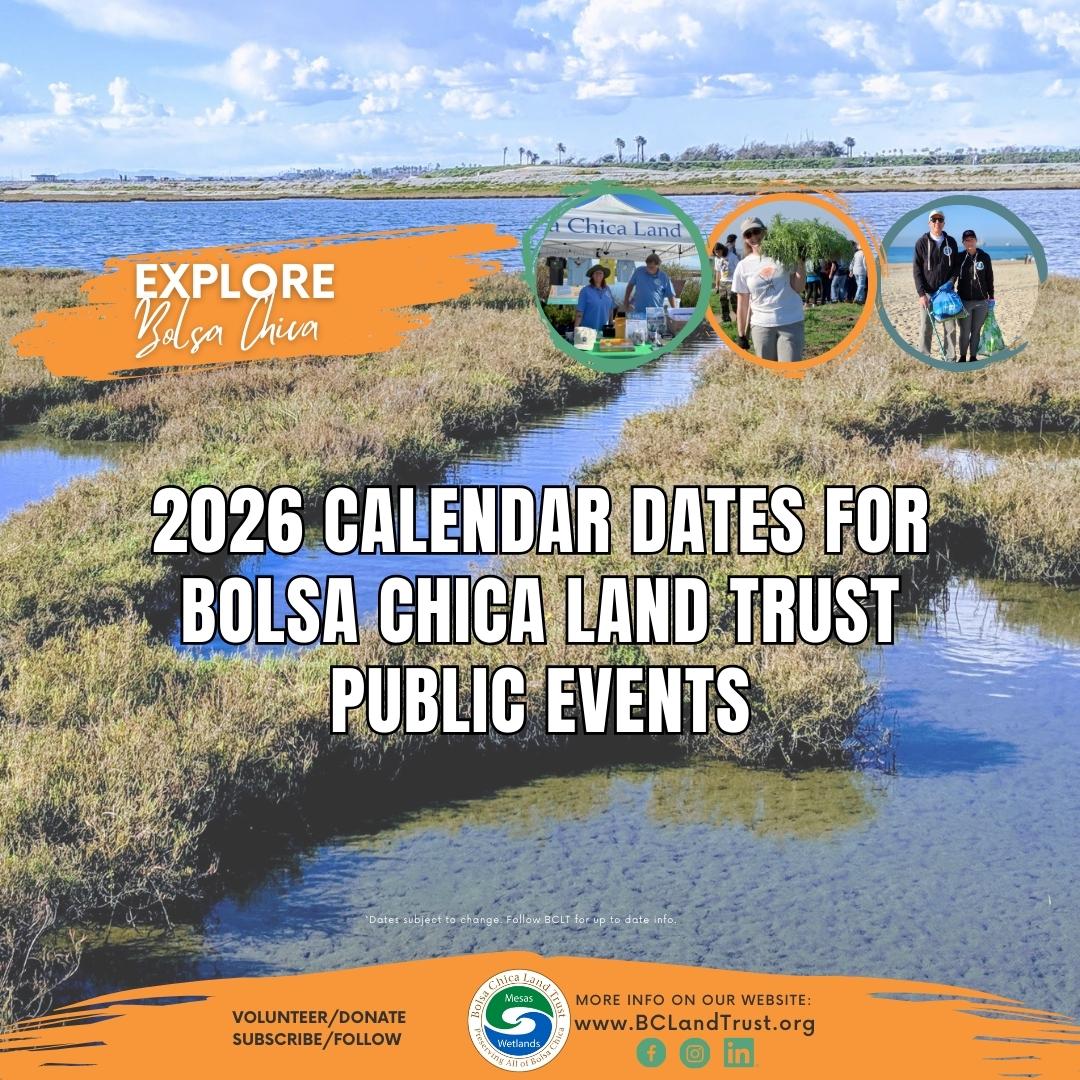
Planning out your schedule with all the fun, maybe new, events you want to attend in 2026? We've made it easy to add our free public events to your calendar for the whole year! From volunteering to nature tours, each month's dates are listed all in one place in an easy to print PDF.
You can also find our public events with more detail on our online Calendar of Events. The events can be added to your personal calendar directly from the event page too! In addition, the entire year's worth of events (PDF) can be found at the bottom of this online calendar as well.
| | National Invasive Species Awareness Week | |
February 23-27th, 2026 is the National Invasive Species Awareness Week with the theme: Defending Our Health by Stopping the Spread.
The term "invasive" is used for non-native species that spread and reproduce rapidly, displace native species, and causes major disturbance to the areas in which they are present. Invasive species can cause irreversible harm to the environment and the economy, and often pose a threat to plant, animal, and human health. The good news is that there are simple steps you can take to greatly reduce the risk of spreading invasive species to the places that you love.
Here’s how:
- Ask your political representatives at the state, local and national levels to support invasive species funding for prevention and management efforts.
- Clean hiking boots, waders, boats and trailers, off-road vehicles, and other gear in between outings.
- Avoid dumping aquariums or live bait into waterways.
- Volunteer to help remove invasive species from public lands and natural areas.
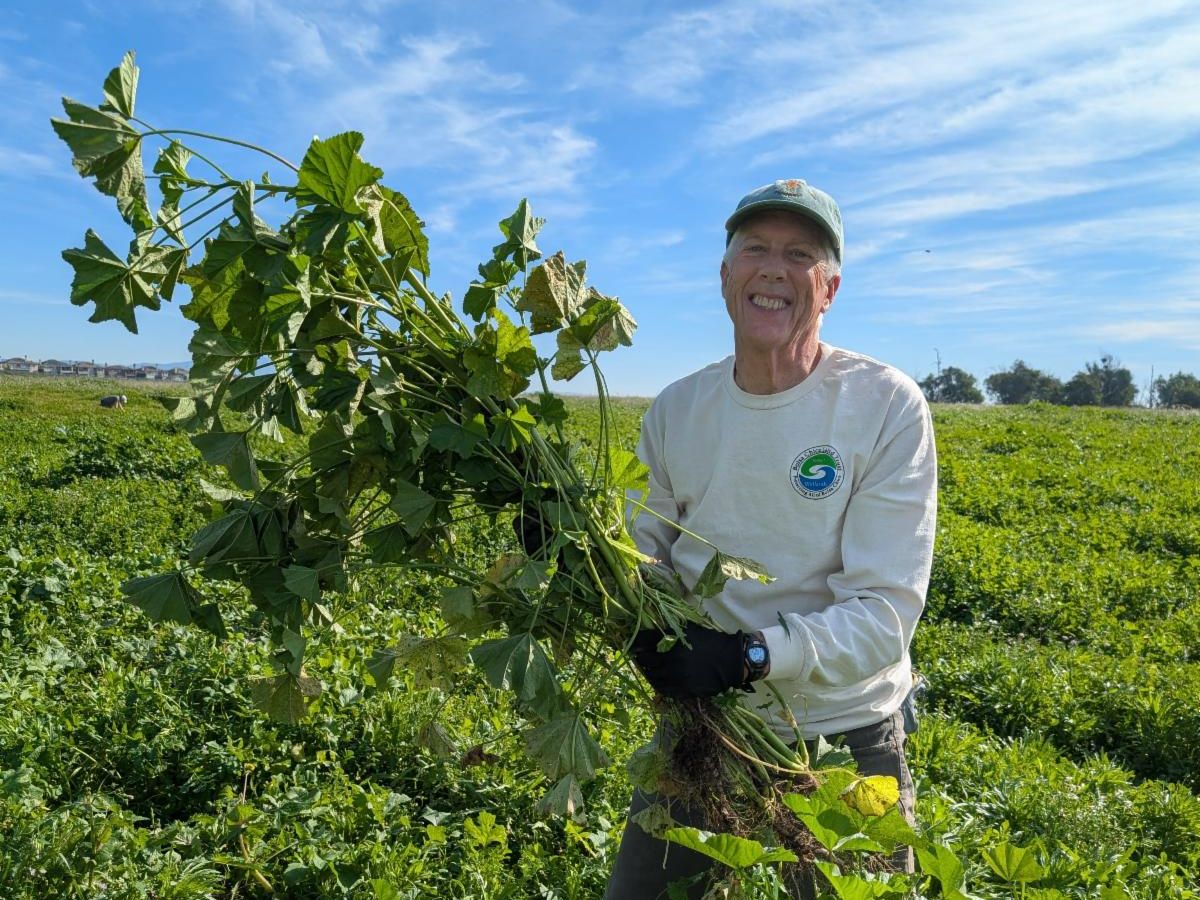
The Bolsa Chica Stewards weed out invasive species like cheeseweed mallow when we restore the mesa to native habitat twice a month. Come join us!
| | We are always interested in hearing from you dear readers. What content do you want to see, and how often and where (inboxes, social media, physical mailings) do you want us to reach out to you? Any other comments or suggestions? If you like our e-newsletters please consider sharing it with your friends and family. You can also follow us on Instagram, Facebook, or LinkedIn to catch our weekly "Wildlife Wednesdays" and current events as we share with you what we see and find every week! | | | VOLUNTEERING OPPORTUNITIES AND FREE TOURS | | |
BCLT Stewards Habitat Restoration Volunteering
_________
Dates
Sunday Feb. 1st, 9am- 12
Saturday Feb. 21st, 9am- 12
Pre-registration and sign up on our website is required. Capped at 50 volunteers for each event.
| |
Miracles of the Marsh Docent Volunteering
_________
“Miracles of the Marsh from Wetlands to Wildlife” is our elementary school education program which brings children to the Bolsa Chica. Our docent-led tour focuses on plant life, wildlife, and history. Join our dedicated and fun team as we educate our local 3rd graders to the wonders of Bolsa Chica.
| |  | |
BCLT Outreach and Free Public Tour
_________
Dates
Sunday Feb. 8th, 10am-12
Sunday Feb. 15th, 10am- 12
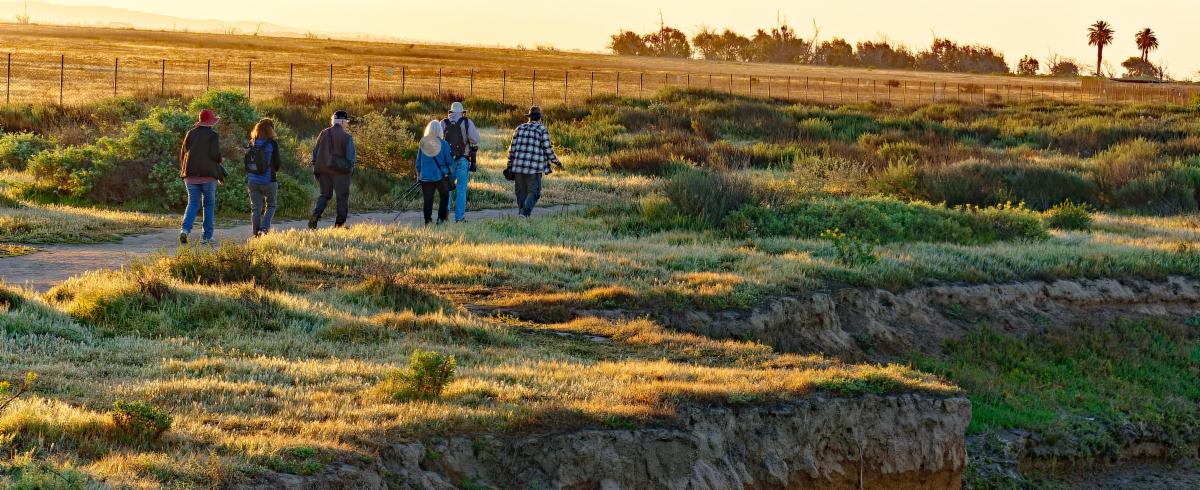
Monthly free guided walking tours of the Bolsa Chica wetlands and mesa. Learn about the history of Bolsa Chica, its wildlife, and plant life with a Bolsa Chica Land Trust docent.
Or, come hang out at our table and help spread the word about the cool and important elements of Bolsa Chica as an Outreach volunteer! Interested in becoming a docent volunteer? Shadow one of our docents to get started.
| |
November - March
Beach Clean Ups
_________
When: Every Monday at 8:30am from November to March
Where: 20th Street entrance to Huntington City Beach
Who: Everyone! Most of the supplies are provided, but if you want, please bring a reusable bucket or bag, and gloves.
*If you have a group that you want to bring, please email Info@BCLandTrust.org and we can work to accommodate your group.*
| | |
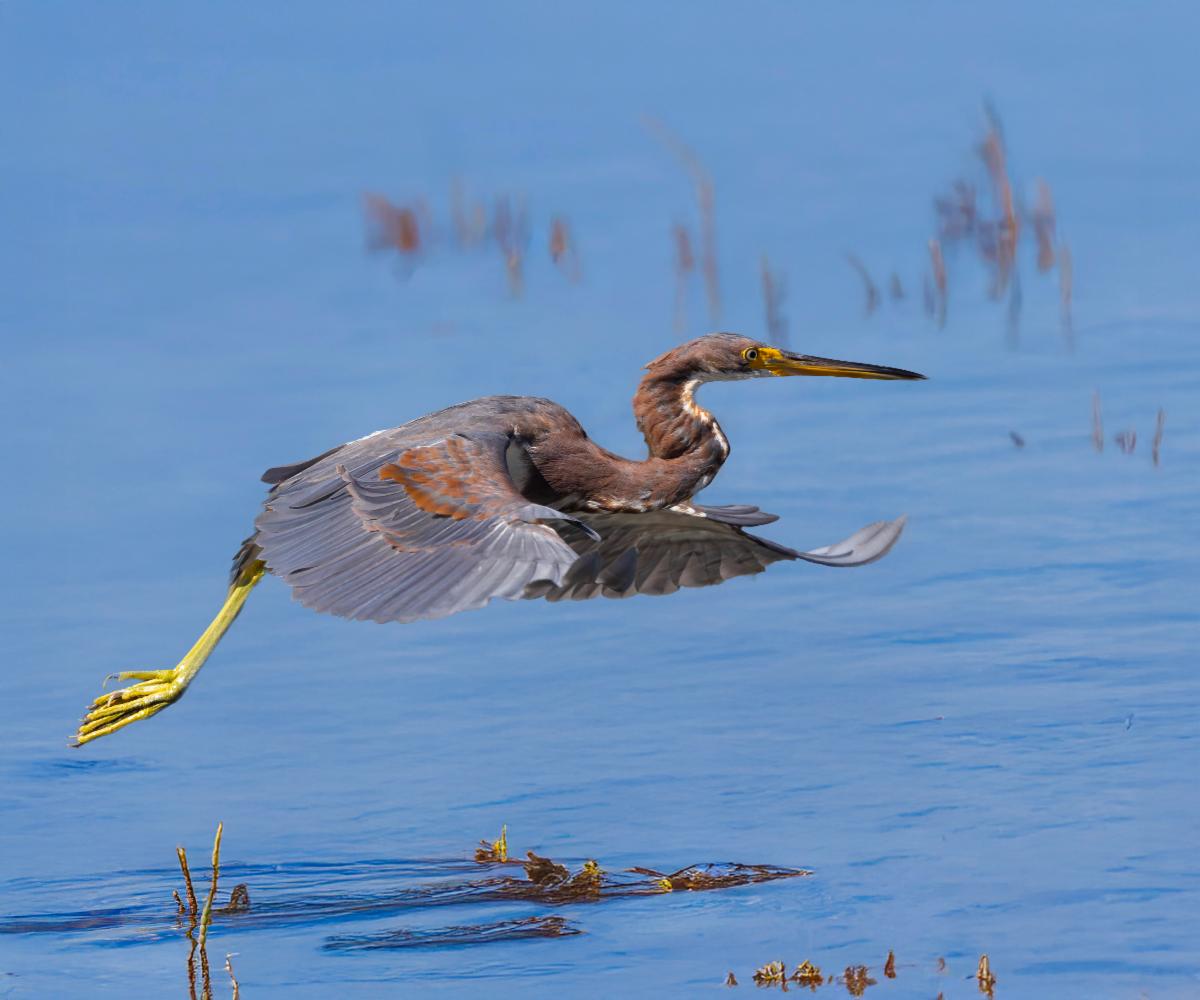
February's Animal of the Month: Tricolored Heron
Their habitats are the mangrove swamps and salt marshes of the Gulf and Atlantic coasts. Tricolored Herons are rare in California, but sometimes they show up at Bolsa Chica in the winter. Breeding grounds often include large colonies of nests near East Coast ponds, marshes, and rivers, and are usually near salt water. One adult is always on duty protecting the nests. They forage in shallow brackish water looking for food which includes worms, small reptiles, insects, frogs, and fish. Tricolored Herons migrate in winter as far south as Panama.
26” long; 36” wingspan; 13 ounces
photo: John Hannan
| | |
Reminders When You Visit Bolsa Chica
Here are some things to remember during your visit:
-
Please stay on the trails. Not only could you disturb nesting birds, but snakes are often not far off the trails.
- Enjoy the flowers, but please do not pick them.
- Do not feed the animals.
-
Do not litter. Please pack out your trash, including food scraps.
- No bikes or ebikes.
- No dogs.
- No drones.
- Enjoy being with nature!
- If you see any BCLT Stewards working along the trail, say hi! We are happy to answer any questions.
| | Support Bolsa Chica Today! | |
The mission of the Bolsa Chica Land Trust is the acquisition, preservation, and restoration of all of Bolsa Chica and the education of the public to its natural wonders and cultural significance.
| | |
Photo Credits:
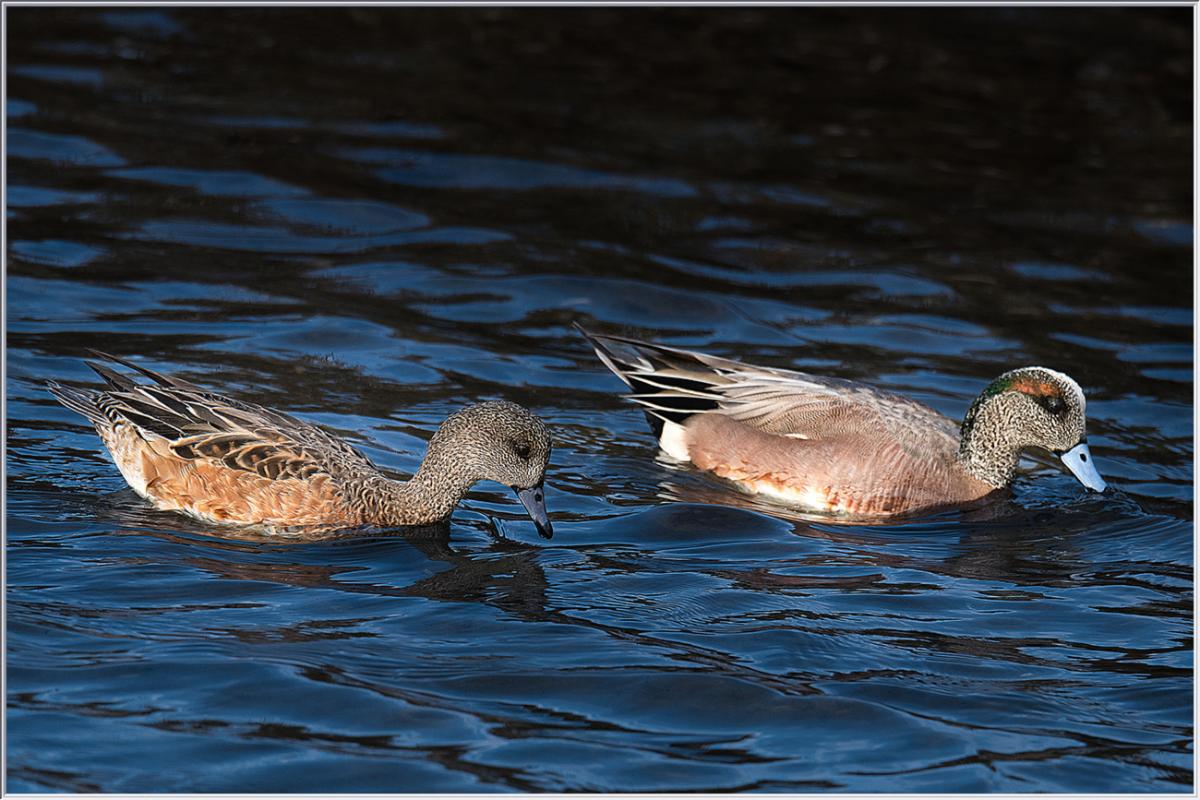
American Wigeons -John Kassabian, cheeseweed mallow- E. Chin, beach clean up, Tabling and Stewards- Bequi Howarth, Miracles docent with kids outreach table- Jeff Rokos, volunteers on beach- Mike McMahan, landscape-Eileen Rizzacasa, Tricolored Heron- John Hannan
| | | | |