|
State News
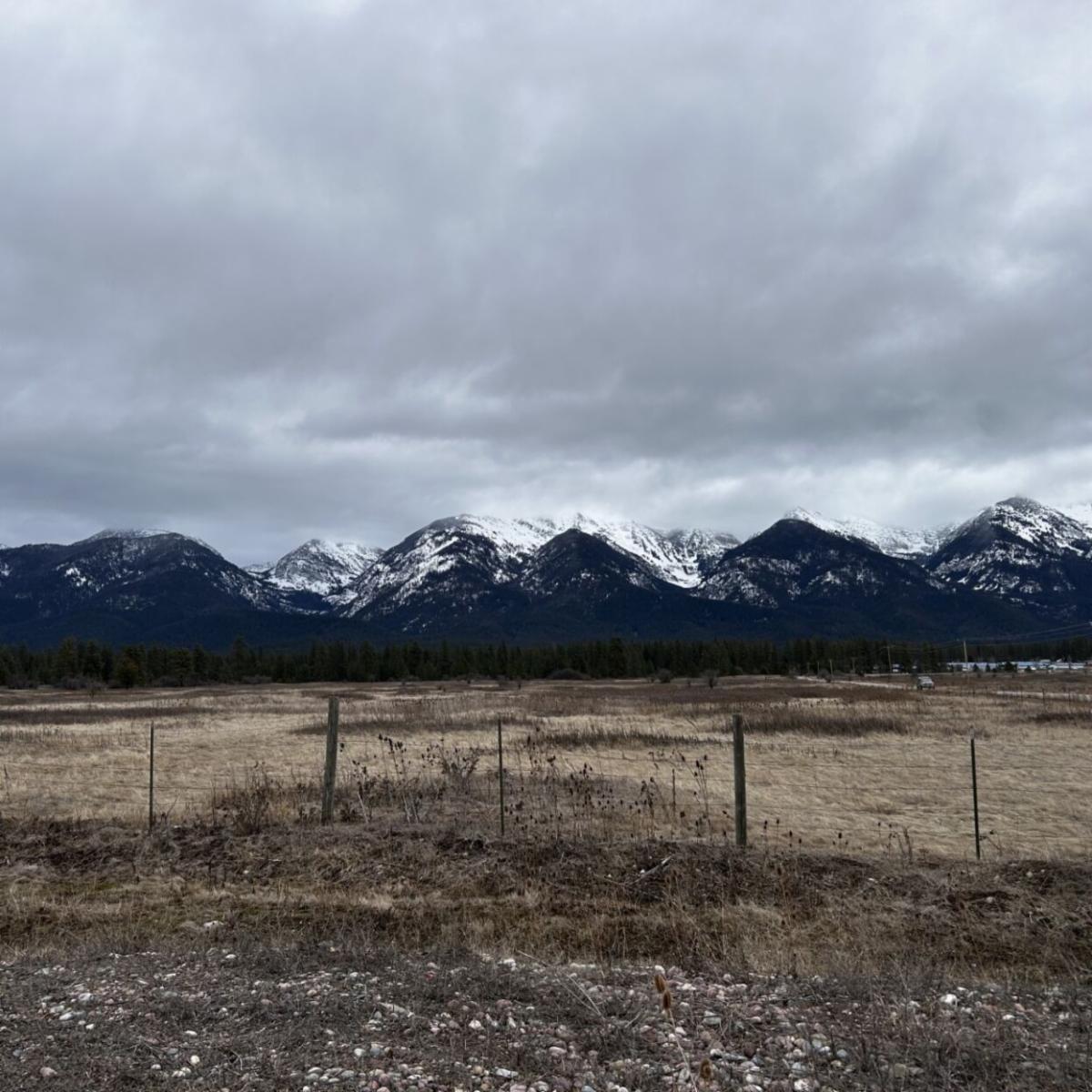
University of Montana and CSKT develop air quality monitor network on Flathead Reservation
MT: "The air quality sensor network is part of CSKT’s broader Climate Change Strategic Plan. This plan provides a framework for community climate change adaptation and is one of the first tribal programs of its kind in the U.S."
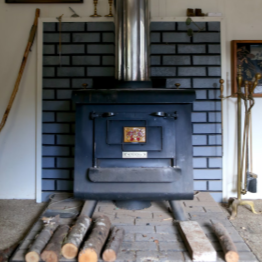
The Catskill Forest Association interviewed AGH President on the pros and cons of wood heat
NY: The interview begins at 5:51. He discusses his origin story in relation to wood burning, the status of wood stoves today, common myths of wood burning, technology advances, and more.
New Yorkers rally for NY HEAT Act to combat rising utility bills
NY: "The urgency of the situation is underscored by recent data showing that as of September 2024, approximately one in seven households in New York was two months or more behind on their energy bills, collectively owing over $1.3 billion to utilities."
Efforts to decrease wood burning in Portland not exactly catching fire
OR: "The reasons for the rise in burning could be many, state officials say, from the climbing costs of electricity and an increase in power outages to Oregon’s deep ties to the timber industry and easy-to-get and relatively cheap wood. Plus, people simply like the look and feel of fireplaces and wood stoves."
Solar vs. wood stoves: how to heat a home?
VT: "People in some circles pooh-pooh wood stoves, but they makes lots of sense compared to solar panels. As to the smoke, yes, that is a problem — if you burn green wood in an open hearth. If you age your wood until it is dry and burn it in a modern stove, the emissions are negligible. My Hearthstone wood stove in my Massachusetts farmhouse burned aged maple and oak so cleanly and completely, you could never tell when it was burning by looking at the chimney.
Colville Tribes and Ecology announce partnership to improve air quality
WA: "The Colville Tribes and Ecology recently signed a memorandum of understanding that allows air quality managers to work together to monitor and mitigate air pollution. This is especially important for tiny particles of smoke and soot called PM2.5 that can spike during summer wildfire season or winter wood stove season."
International News
New program gives free wood stoves to Dehcho residents
Canada: "A new program will deliver free high-efficiency wood stoves to 350 households across the Dehcho region over the next 18 months." The goal of the program is to reduce dependency on expensive fossil fuels that have to be transported into communities.
First Nation to get $250K for pellet mill project amid federal funding boost to B.C.‘s forest sector
Canada: “'Canada’s forest industry is vital not only to our economy but also to the global market,' Wilkinson says in the statement. 'Protecting this key natural resource is essential to securing the future of our economy and ensuring growth, resilience and sustainability, both at home and abroad.'”
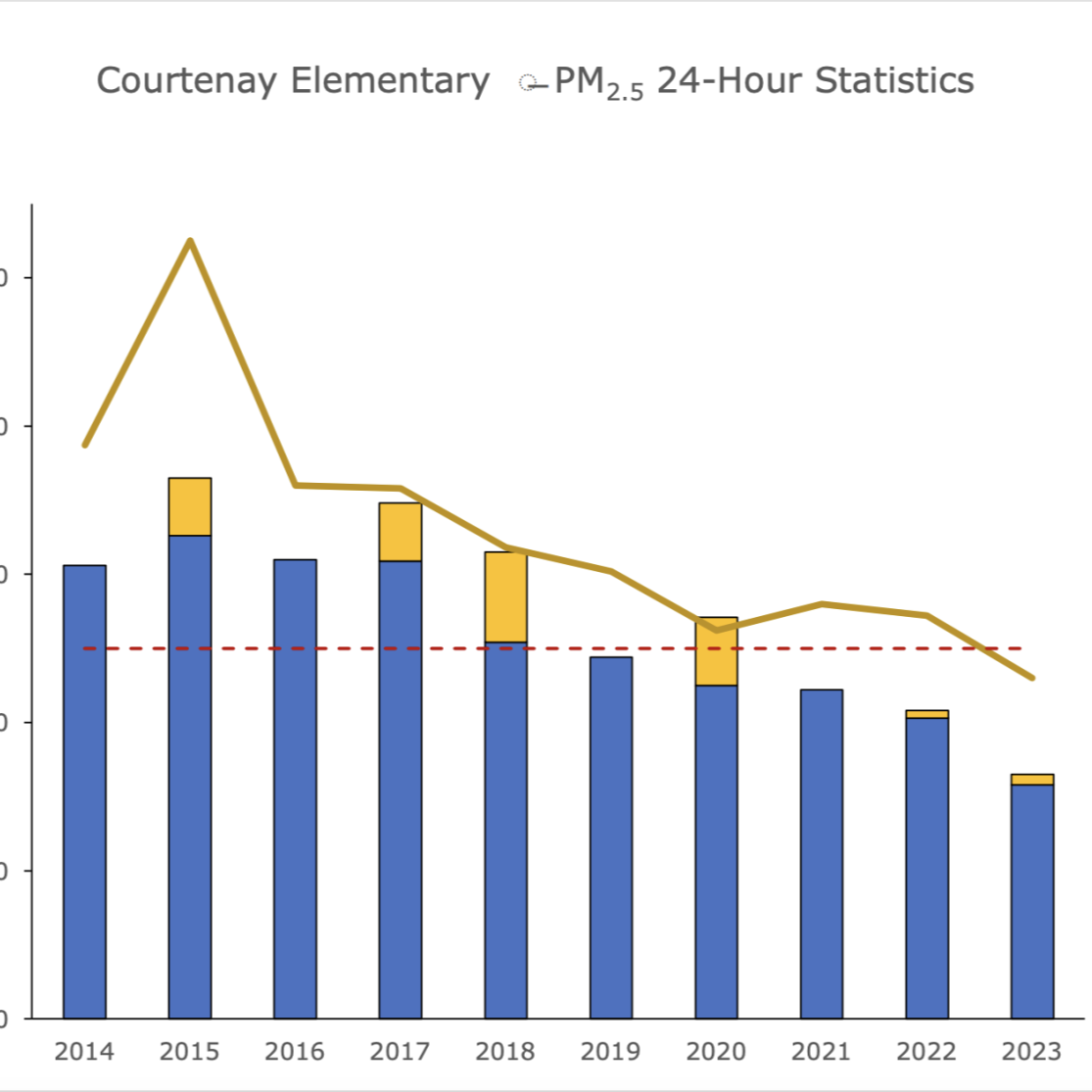
Air quality in the City of Courtenay is improving thanks to local initiatives, report says
Canada: "...thanks to initiatives involving community outreach, air quality monitoring and public education, the levels of particulate matter in Courtenay’s air has been on a downward trend since 2019."
Canada announces funding for clean and reliable energy in First Nations and Inuit communities
Canada: Multiple projects deal with biomass: "Biomass Energy Generation" ($74,750), "BNA Wood Analysis Business Plan for a Forest Resources Facility" ($50,000), "Beaufort Delta Biomass Hub" ($2,431,000).
EU renewable heating and cooling reaches 26%
EU: "Among the EU countries, Sweden led the way again in 2023 when it came to renewables in heating and cooling, with a 67.1% share, followed by Estonia (66.7%). Both countries use mostly biomass and heat pumps. They were followed by Latvia (61.4%), which relies mainly on biomass."
Why do many think wood-fired boilers will be banned in France - and is it true?
France: A poll found that "51% of people in France believe that wood-burning stoves and boilers will be banned in 2027. However, this is not strictly true; only the most polluting appliances are set to be banned from 2027 (a fact that only 10% of poll recipients correctly identified). Similarly, older appliances will need to be replaced with newer ones. The devices are not set to be banned."
|