We all know about sunshine. Some of us know about moonshine. But how many of us know about earthshine?

The sunlight that reaches our planet illuminates all surfaces. These include clouds, snow on the peaks, oceans and forests. Each surface has its own reflectivity, or albedo, the percentage of light that bounces back toward space. Globally about 30% of our sunlight reflects back into space, meaning that the earth’s albedo is 30%.

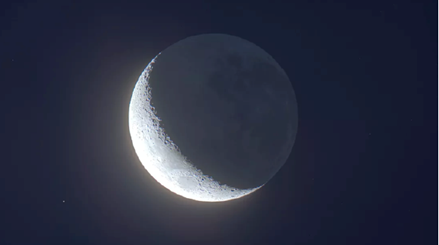
What happens to that reflected sunlight? Some is intercepted by the moon where it is in turn reflected, producing a subtle glow that we can see from Earth during the waxing (growing) phase of the moon. This glow is earthshine.
Moonshine from the waxing crescent of the moon (to the left), and earthshine slightly illuminating the dark part of the
moon (to the right). Source: CNet.com

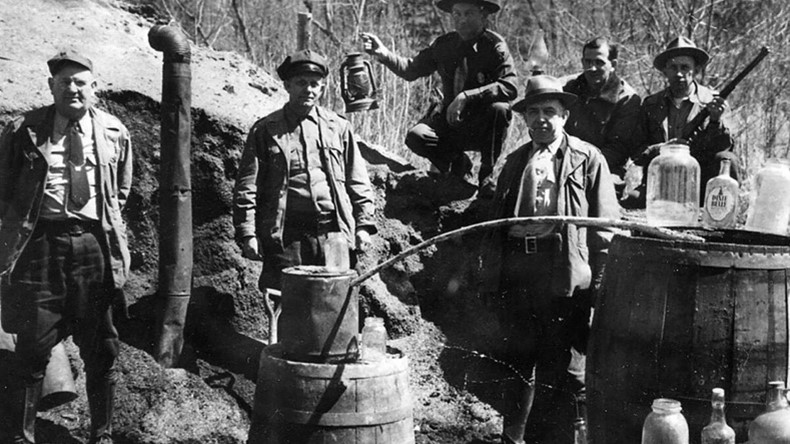
Moonshiners on the Bluestone River.
Source: Bluestone National Scenic River
Moonshine, on the other hand, is that brightly lit part of the moon illuminated directly by the sun. Moonshine is also an illicit high-proof liquor that was supposedly made in the moonlight in order to evade the authorities. But of course, that is something we know nothing about.

An international group of scientists have been measuring earthshine for 20 years at the Big Bear Solar Observatory and have begun observing a decrease in the earthshine over the last three years.
This can be explained by a reduction in the earth’s albedo, which they have attributed to a decrease in cloud cover over the eastern Pacific due to ocean warming. This is significant, as many scientists had been expecting an increase in albedo with climate change due to increased cloud cover.

At Lake Tahoe, we depend on knowing albedo to create models of the future conditions in the watershed and the lake. For the lake, albedo is very constant, usually around 3% - water is a very strong absorber of light. For the surrounding watershed it is both higher and more variable, with factors such as land use, seasonal snow cover, fire scars and cloudiness all playing a role in determining the albedo value.

Uncertainty about albedo is just one factor that contributes to the uncertainty of future climate estimates. There are many other factors too. Uncertainty, however, does not make climate change estimates wrong. Rather it highlights the urgency for developing a greater understanding while we still have time.

On October 31, 2021, the 26th UN Climate Change Conference (COP26) will commence in Glasgow, Scotland. As always, our hopes are high for great breakthroughs and heightened resolve to address the issue of our generation. Let’s see if it delivers a trick or a treat!

TERC To learn more, update your UC Davis TERC mailing lists options, visit the UC Davis Tahoe Science Center in person, check out the UCDavisTahoe YouTube channel, and stay social with us on Facebook, Instagram, and Twitter.

Support Science to Save the Lake