|
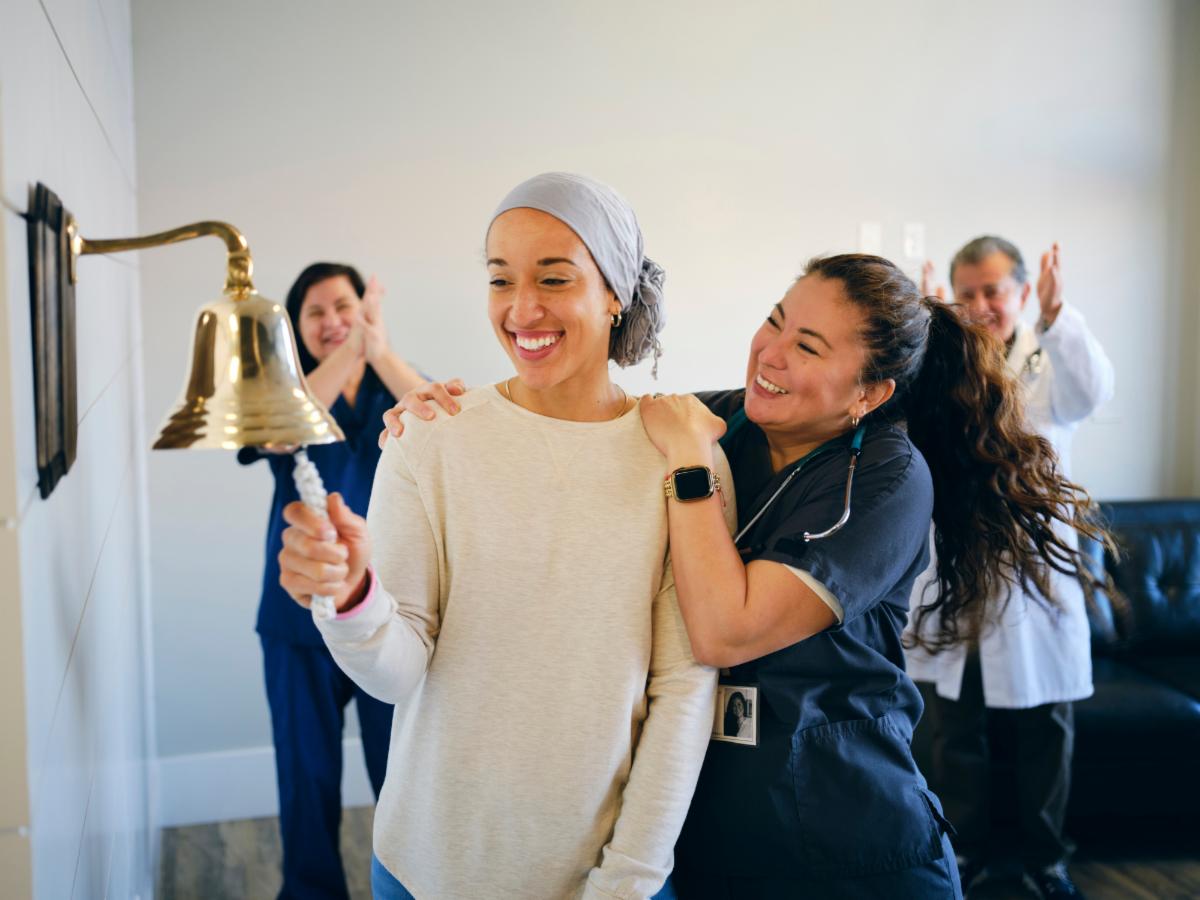
For those that have been diagnosed with cancer and completed treatment, the journey may not yet be over. The transition from treatment to life after treatment and being in remission or cancer free can be difficult as well. You’re not getting back to normal per se but learning how to live a new normal for yourself and your health going forward.
After you finish treatment, you may not be as ready to move on as others in your life are. As this new phase begins, you have to adjust to new feelings (physically and emotionally), changes in support, and possibly a new way of viewing life just like you did prior to treatment. You’ll likely feel fatigued, still be healing, feel nervous and uncertain, and have anxiety and worry for the future.
Fatigue is the most common symptom cancer survivors experience following treatment. The reason behind this post-treatment fatigue and its long-lasting effect is still being studied by researchers, but getting recommendations from your doctor may help. Also, even after you finish treatment, your body may still need time to heal from the treatment itself and its effects. Cancer treatments often affect your body in ways that are long-lasting and may need separate treatment themselves. Just because you finished your last treatment, doesn’t mean you’ll be able to bounce back to a feeling of normalcy but that’s to be expected.
Finishing treatment also brings about its own set of emotions. It’s quite common to feel nervous about not seeing your oncologist or healthcare team as often and feel uncertain how to move forward. You can manage these feelings by letting your healthcare team know your concerns so they can discuss things like recurrence rates and what to look out for health-wise. Most cancer treatments do come with a risk of late side effects, meaning they occur after treatment has ended. Not everyone experiences these but understanding what you may be at risk for and understanding what your doctor recommends you do if you notice a new symptom can help alleviate unknown fears. And you can also ask your oncologist to create a follow-up plan with you to include details on your treatment and next steps for your care including monitoring tests and appointments. This can be helpful to coordinate your healthcare as you stop having frequent appointments with your oncologist and see your primary care doctor for appointments as well after treatment.
Having anxiety and fear for your health going forward and possible cancer recurrence is also normal. You may not be able to completely control if that happens, but you can choose to focus your energy on what you can control, what makes you feel better, and what you can do to improve your long-term health. Things like exercise, eating a balanced diet, maintaining a healthy weight, getting quality sleep, and reducing your stress levels are all things that you can do to improve your long-term health. Because all of these things improve the health of your body, they can also help improve the way you feel post-treatment and help prevent the possibility of cancer recurrence.
Exercise not only increases your strength, endurance, and overall body health, but can also improve your mood and sleep quality. And getting quality sleep can help give your body and mind time to recover and rest. After treatment, focus on taking small steps to begin exercising more like taking the stairs, going for a walk, or even just parking further away in the parking lot for a couple extra steps. The American Cancer Society recommends you aim to exercise at least 150 minutes every week and speaking with your doctor or one of our Curally nurses can help you start reaching your exercise goals post-treatment.
Getting the nutrients and vitamins your body needs from eating a healthy balanced diet is also important in maintaining long-term health for your body. You should focus on getting enough fruits and vegetables and choose foods that have healthy fats, carbs, and proteins. This can also help you maintain a healthy weight. If you have trouble eating or with appetite, need to gain weight, or need to lose weight, a nutritionist or one of our Curally nurses can help make recommendations to do this safely and slowly.
One thing that can be hard to control sometimes is the stress that you feel even after completing treatment. Exercising, focusing on activities that you enjoy, and asking questions to understand the unknown better are all ways to help manage your stress. Sometimes, though, it may not be enough. You may want to try to find new resources in your health system or your community for those who are also post-treatment to help understand and work through what you may be feeling. Stress can have a physical effect on the body, so working to manage your stress level is important in improving your overall long-term health.
Life after cancer and completing treatment is an amazing milestone, but the journey in continuing to move forward can still be difficult. Make sure to focus on the things that you can control in your life to work towards your new normal and a happy and healthy life.
|